Category: Uncategorized

  • Day 7: Kiyomizudera (清水寺), Fushimi Inari Taisha (伏見稲荷大社) and Sir Edmund Hilary

    Vermillion torii (shrine gates)

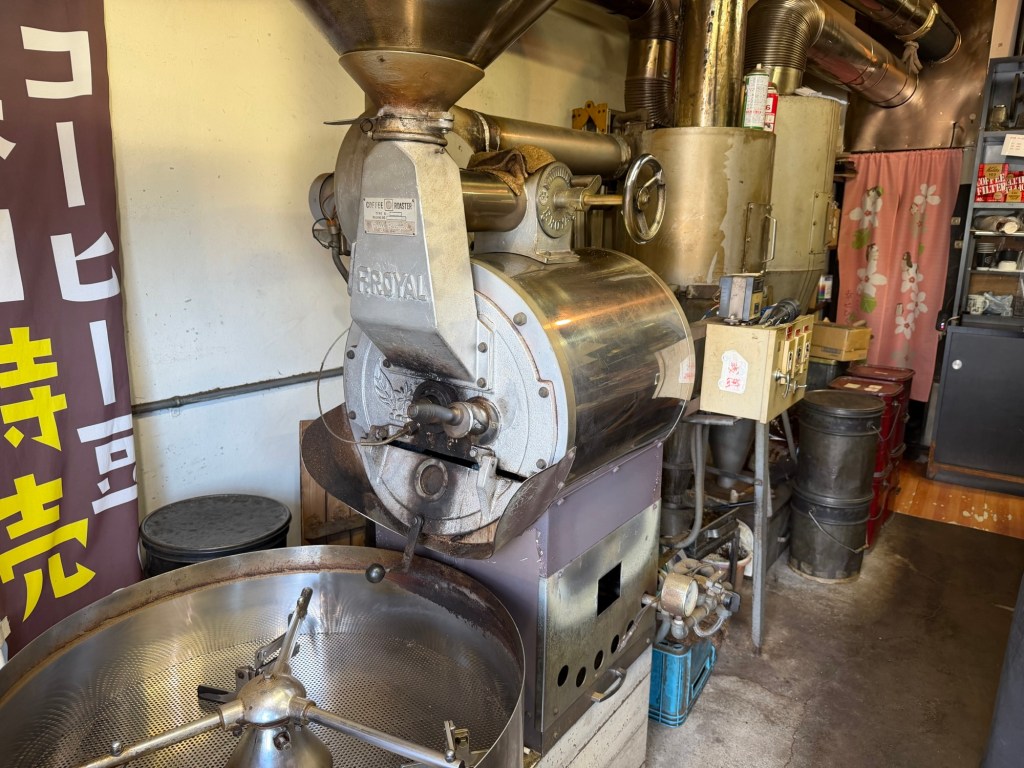
    Your man from yesterday’s coffee was up to scratch (a good 8/10), so we set out today suitably energised.
    We tend not to take breakfast in city hotels, much preferring to find a local cafe for a far more interesting experience – commonly, considerably cheaper, too.

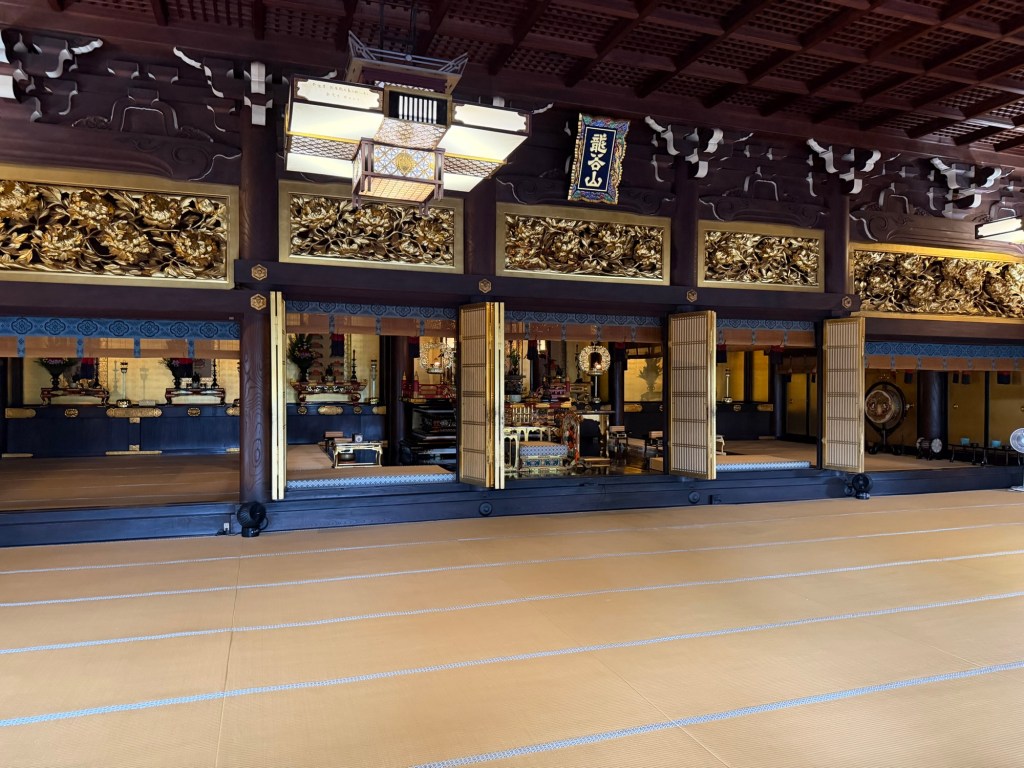
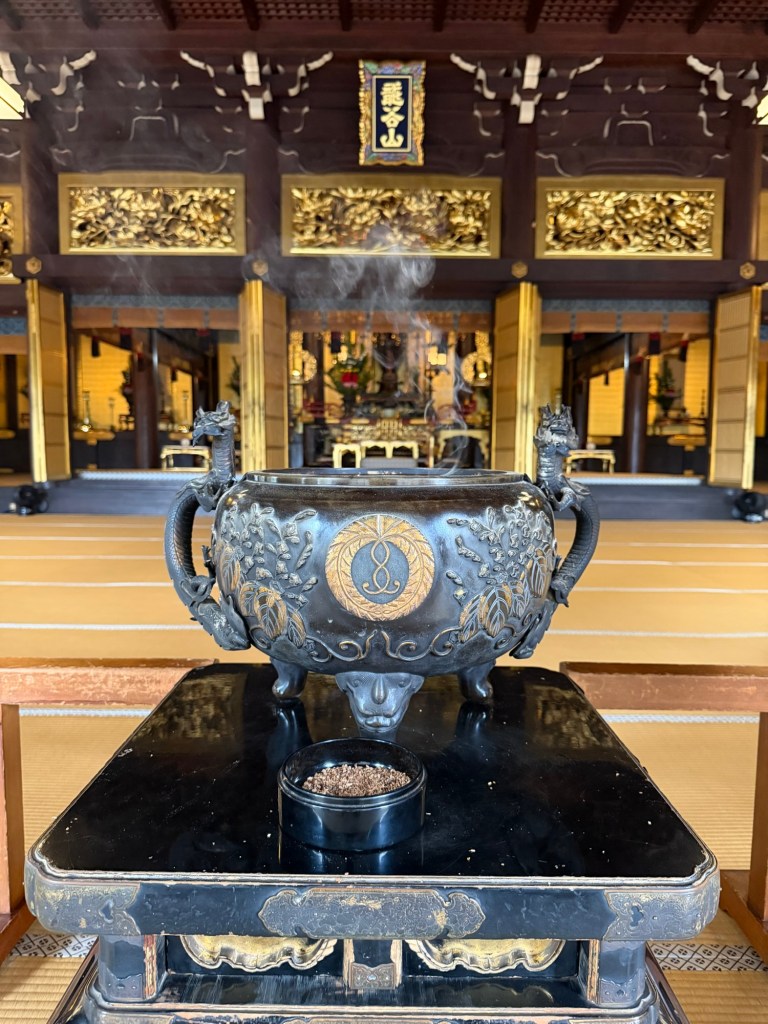
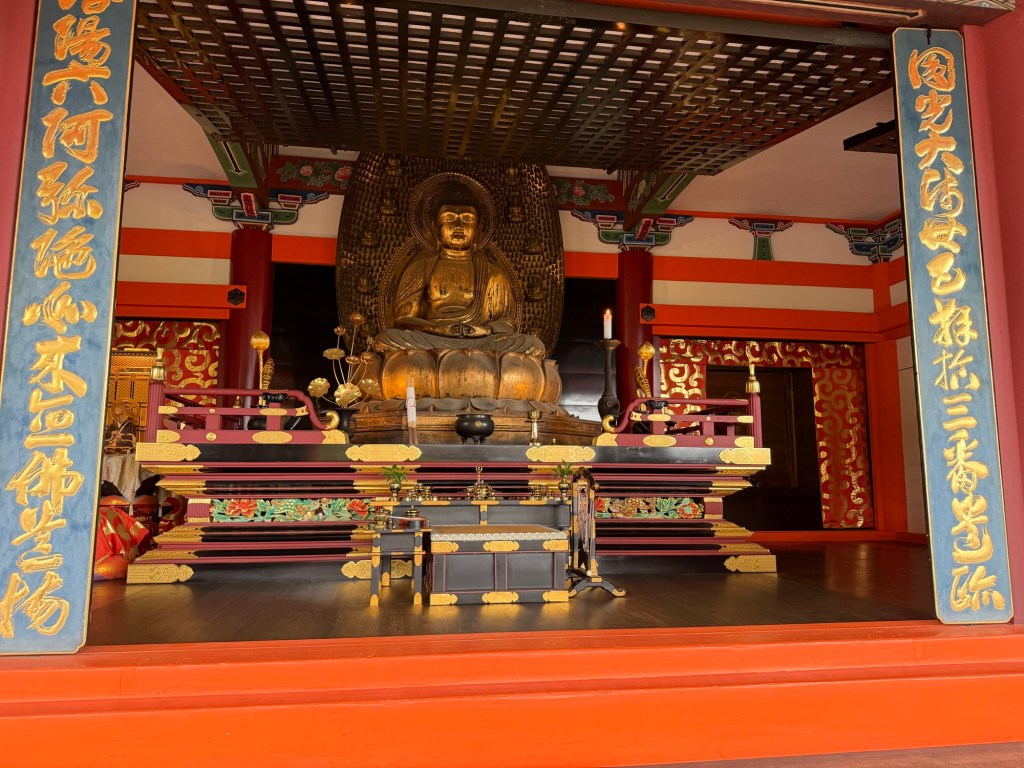
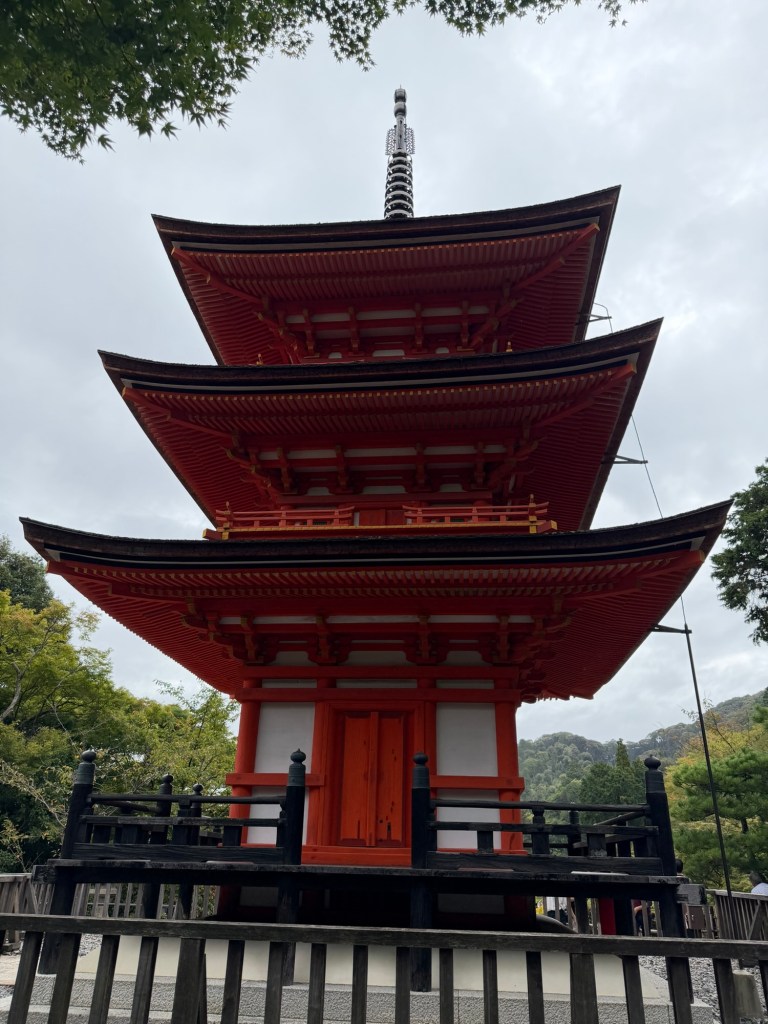
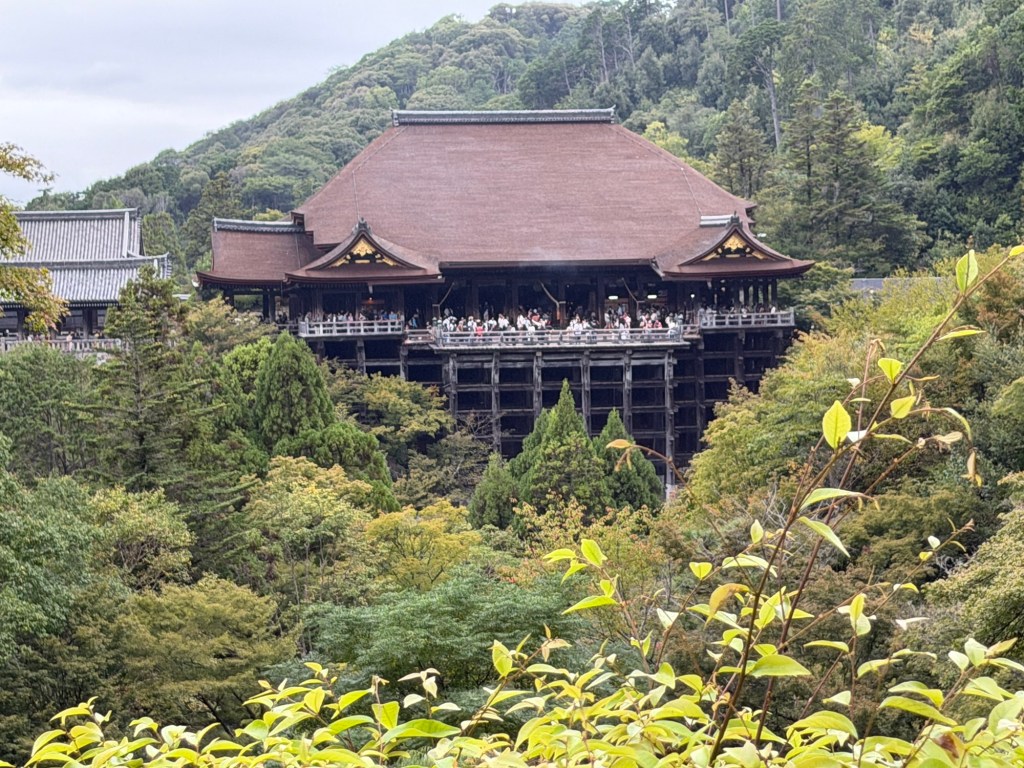
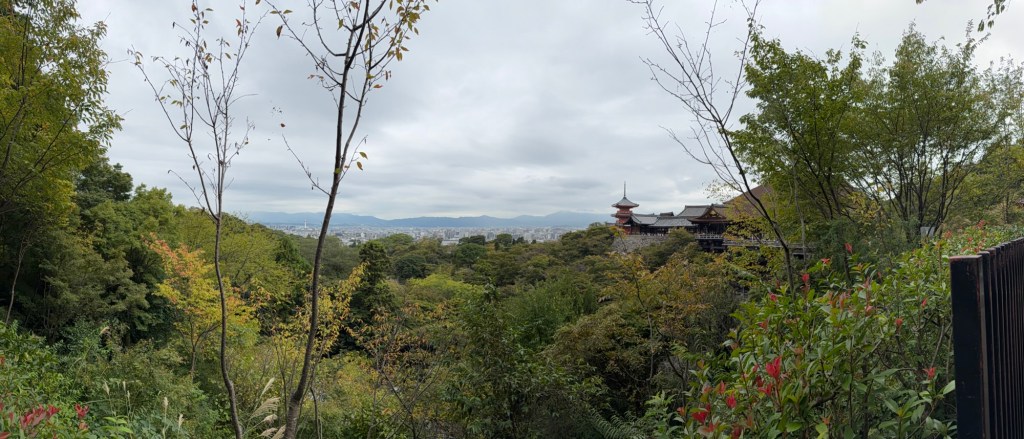
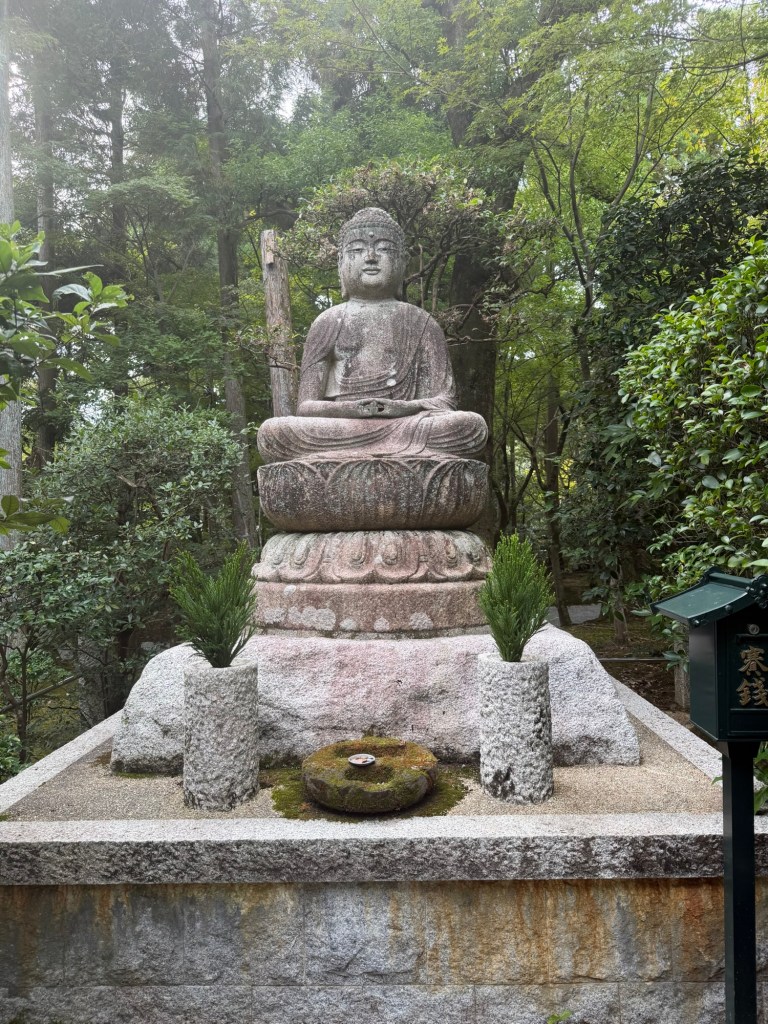
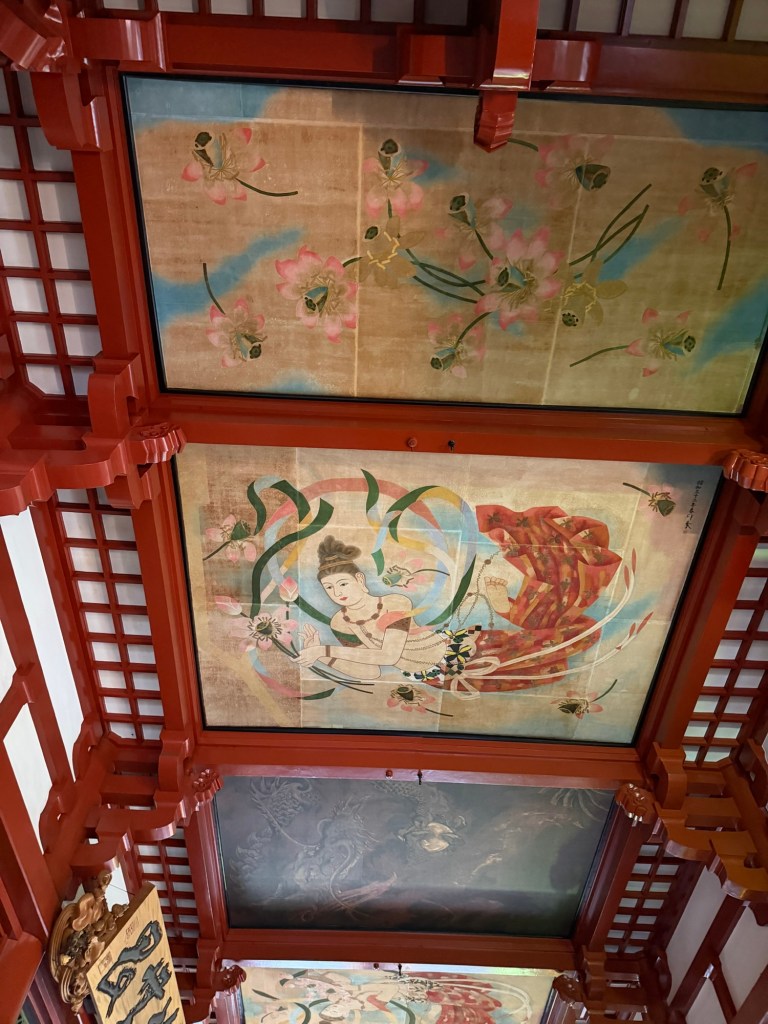
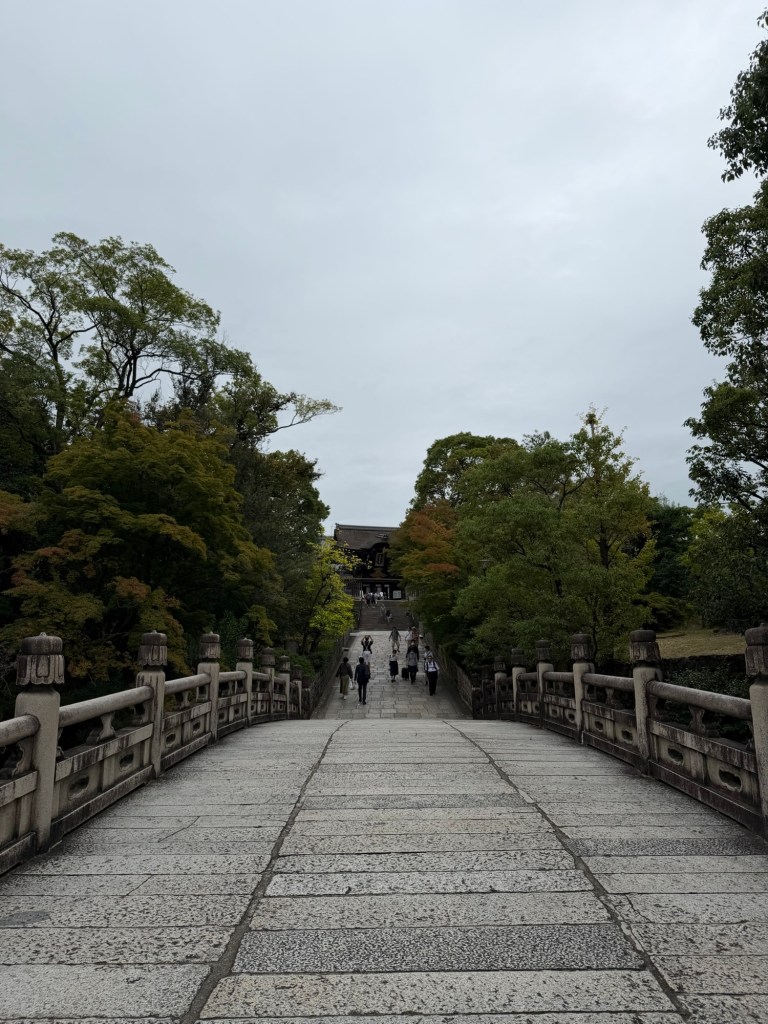
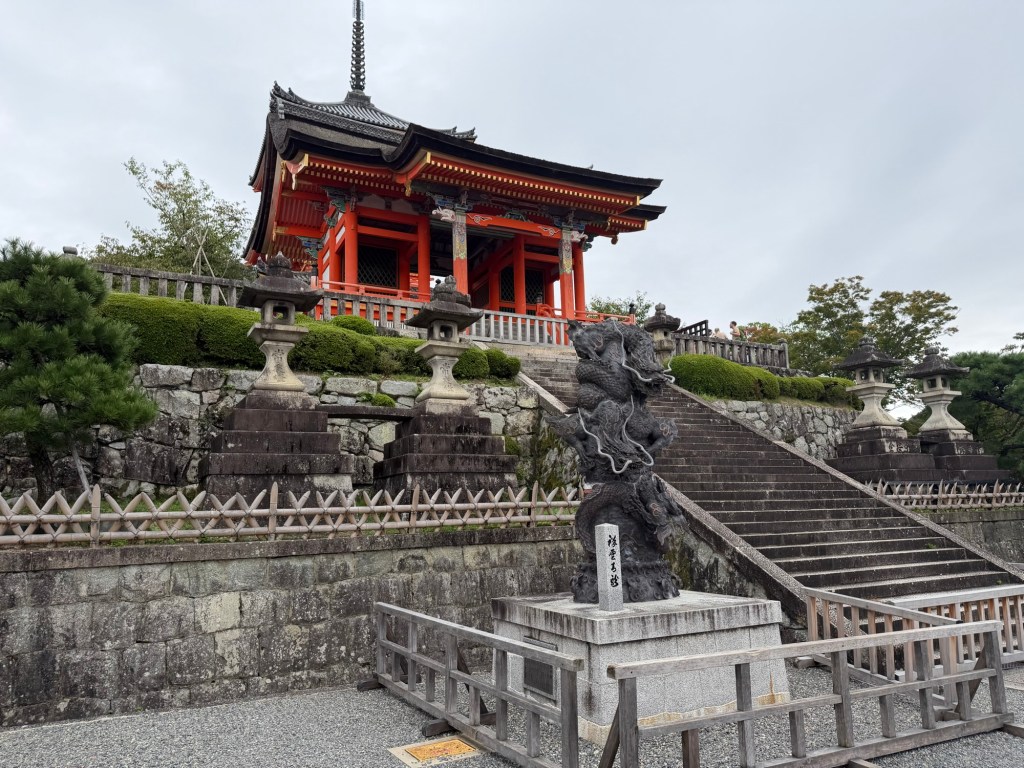
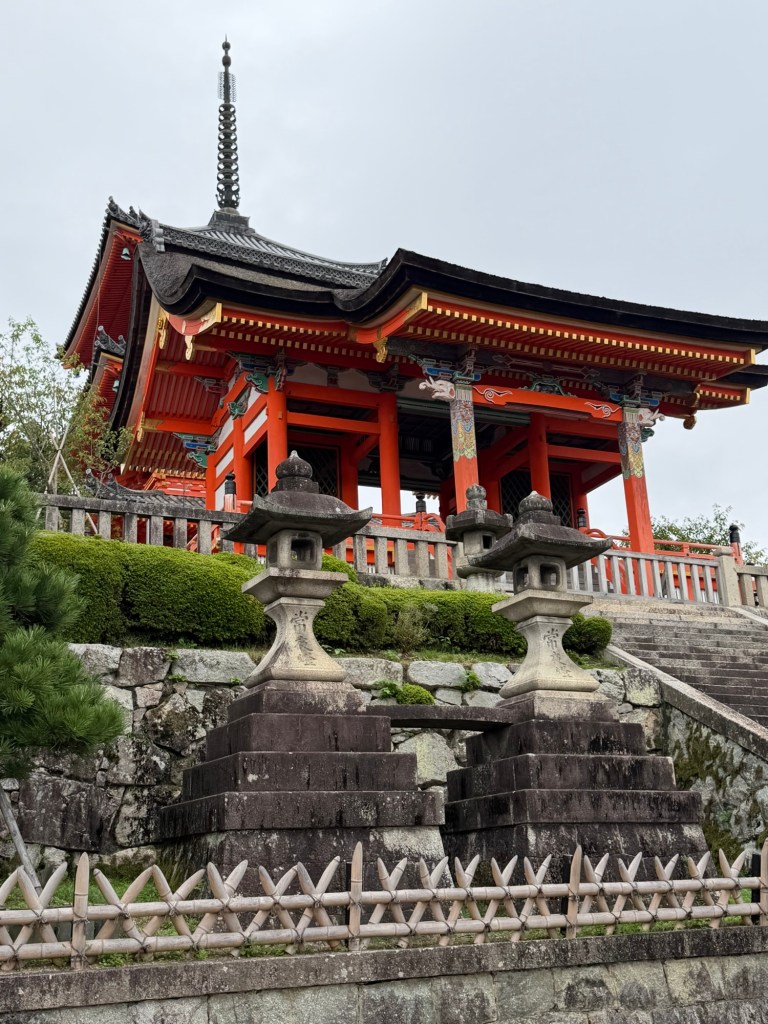
    First stop today: the temple of Kiyomizudera (清水寺, “Pure Water Temple”). It was founded in 780 on the site of the Otowa Waterfall in the wooded hills east of Kyoto and derives its name from the fall’s waters. The temple was originally associated with the Hosso sect, one of the oldest schools within Japanese Buddhism, but formed its own Kita Hosso sect in 1965. In 1994, the temple was added to the list of World Heritage Sites.

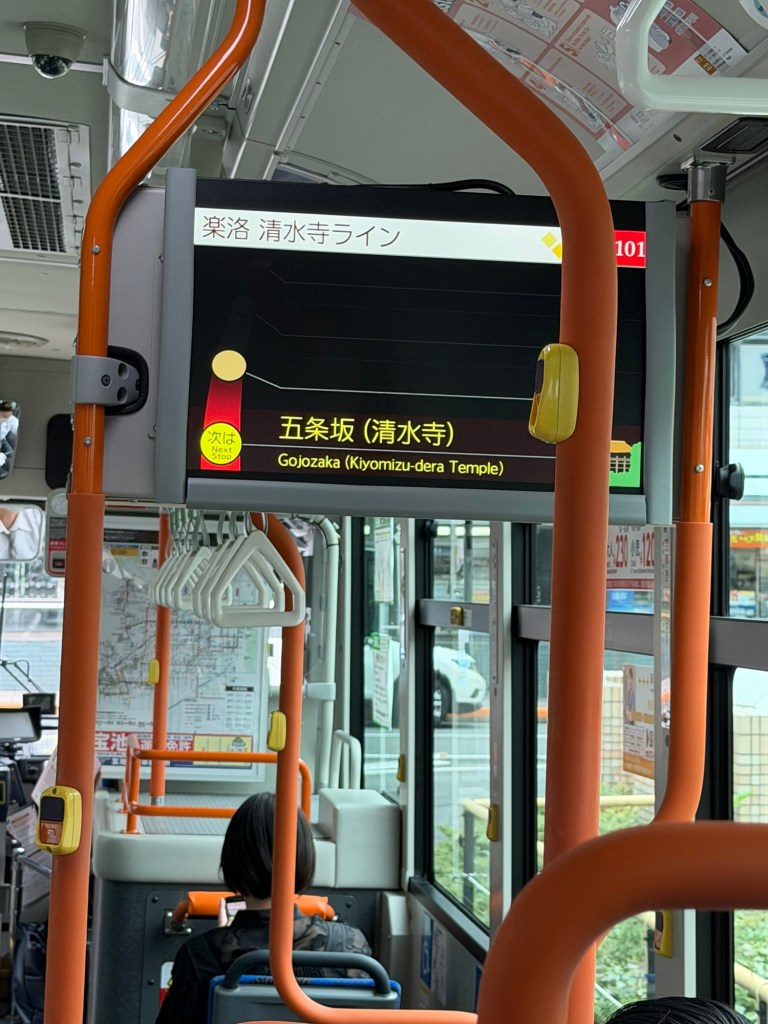
    A short (12 minute) bus ride
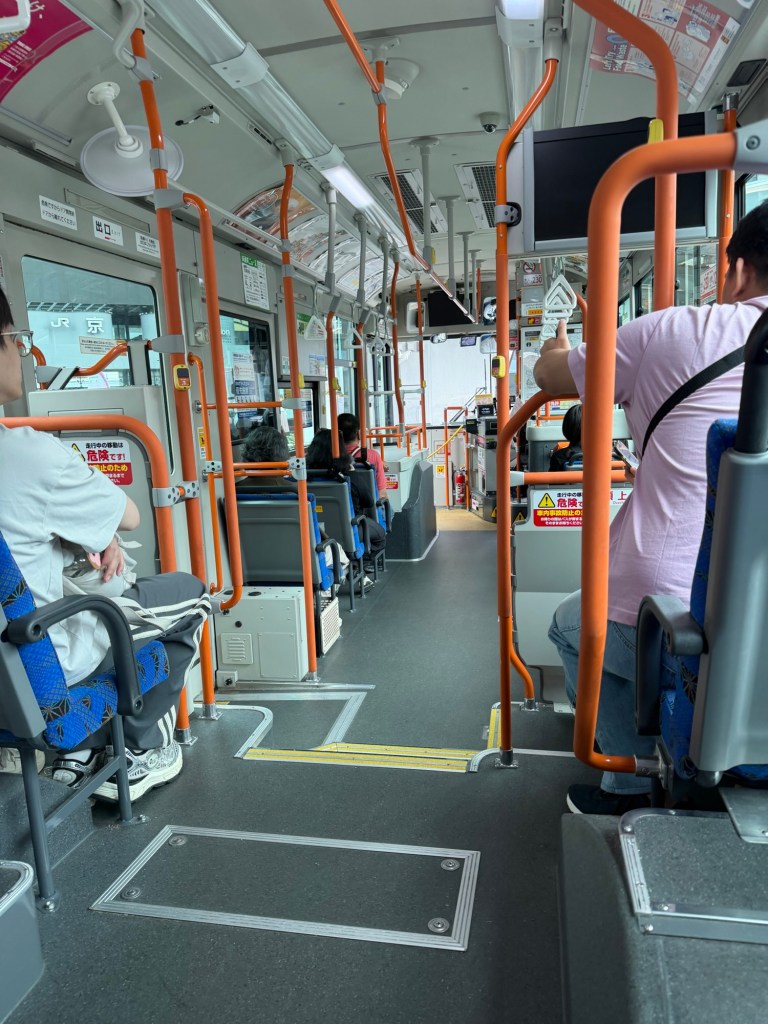
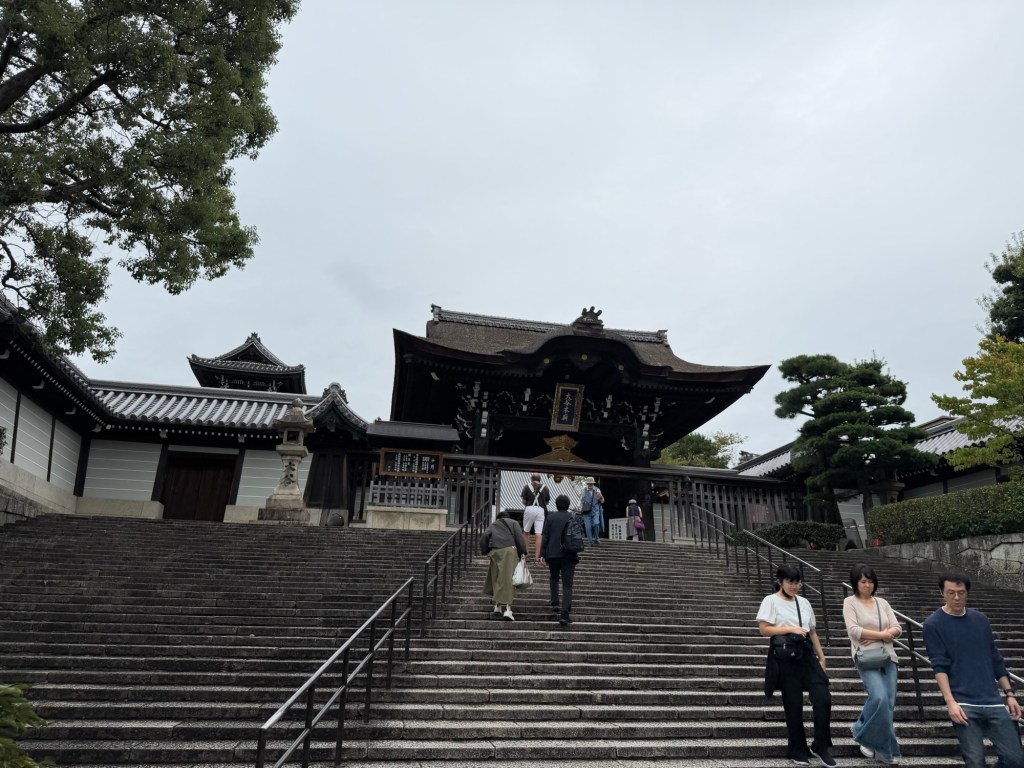
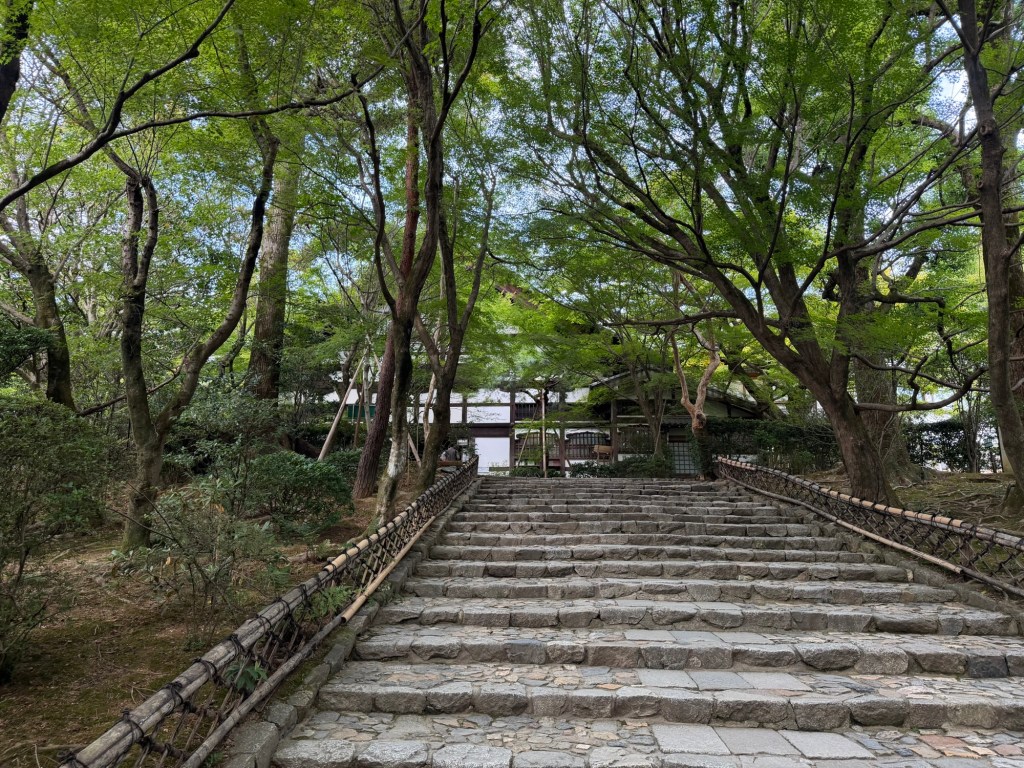
    On the way up to Kiyomizudera
    How do you want to be cared for in your dotage?
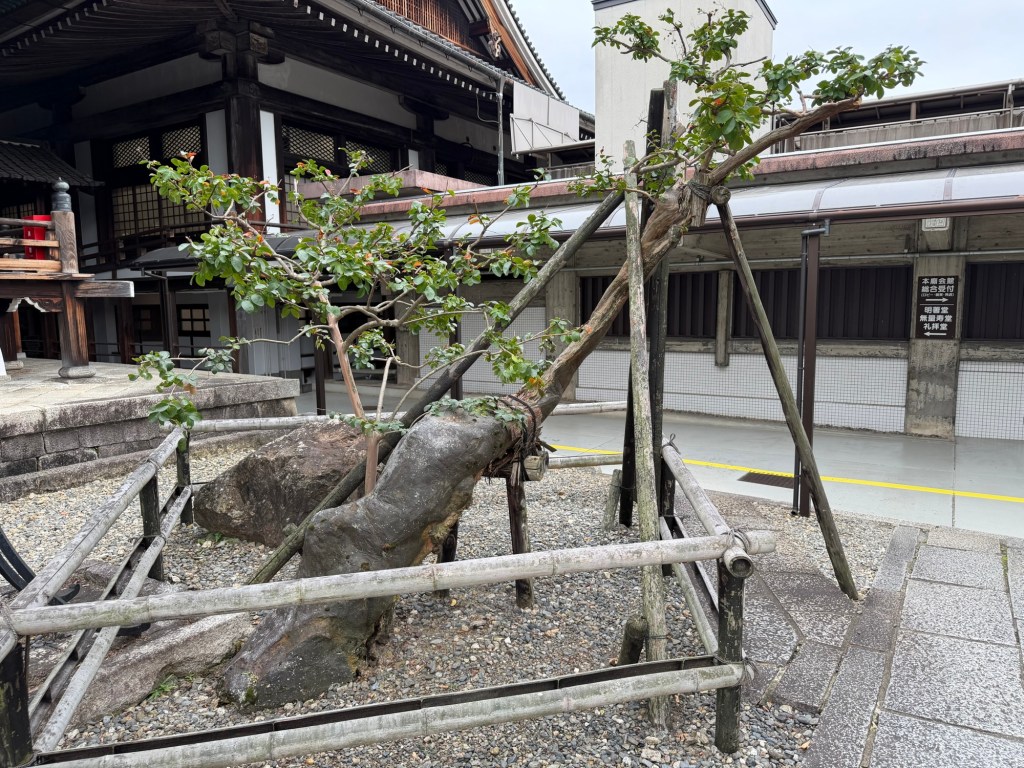
    As to the other end of the continuum, birth and nurture…
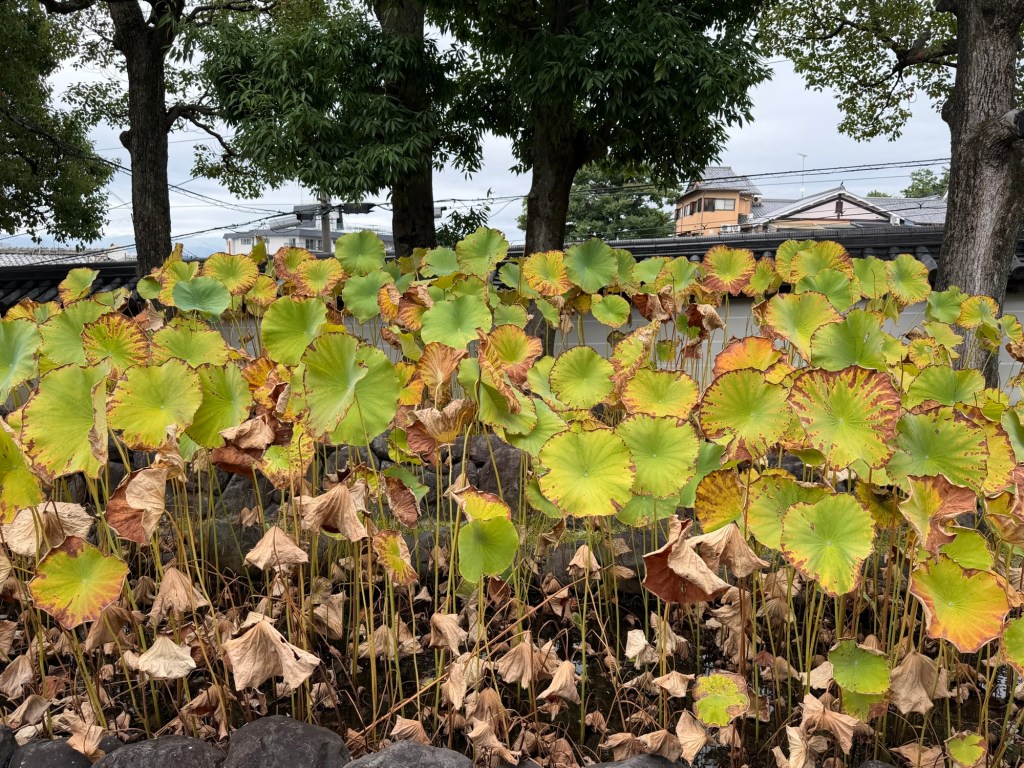
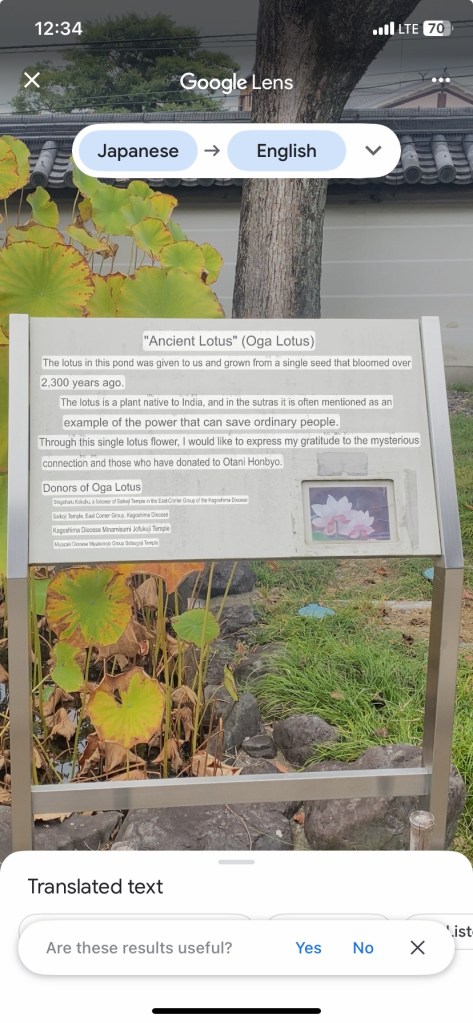
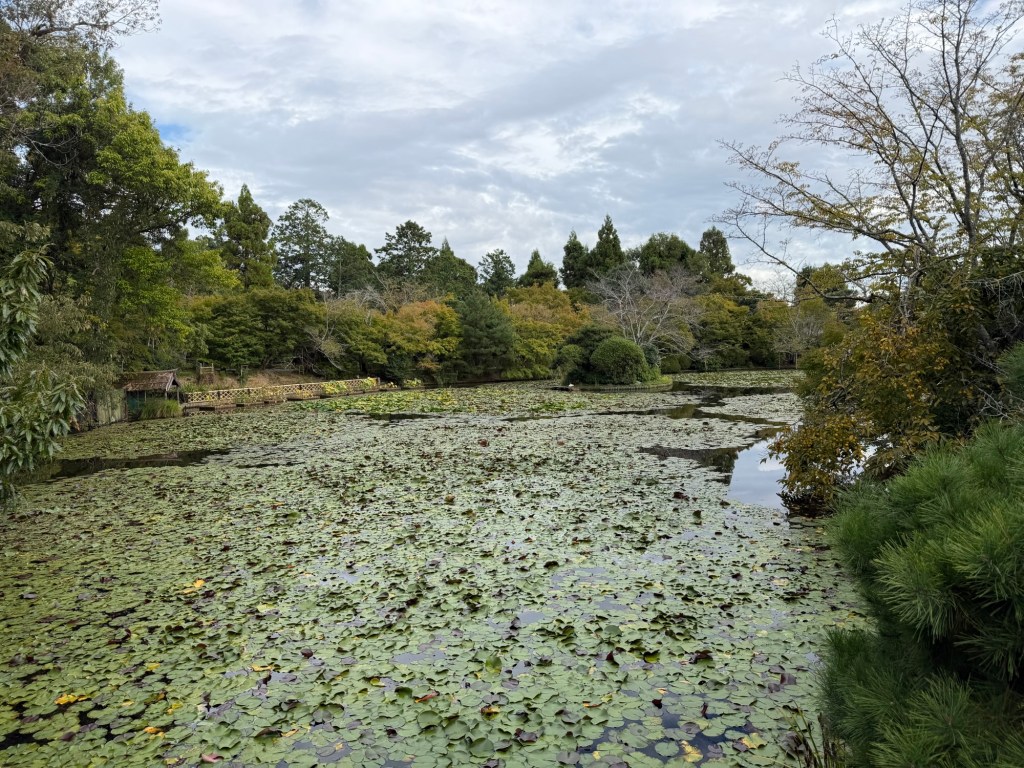
    Oga Lotus
    Let Google translate do its work

    2,300 years of heritage. Simply incredible!

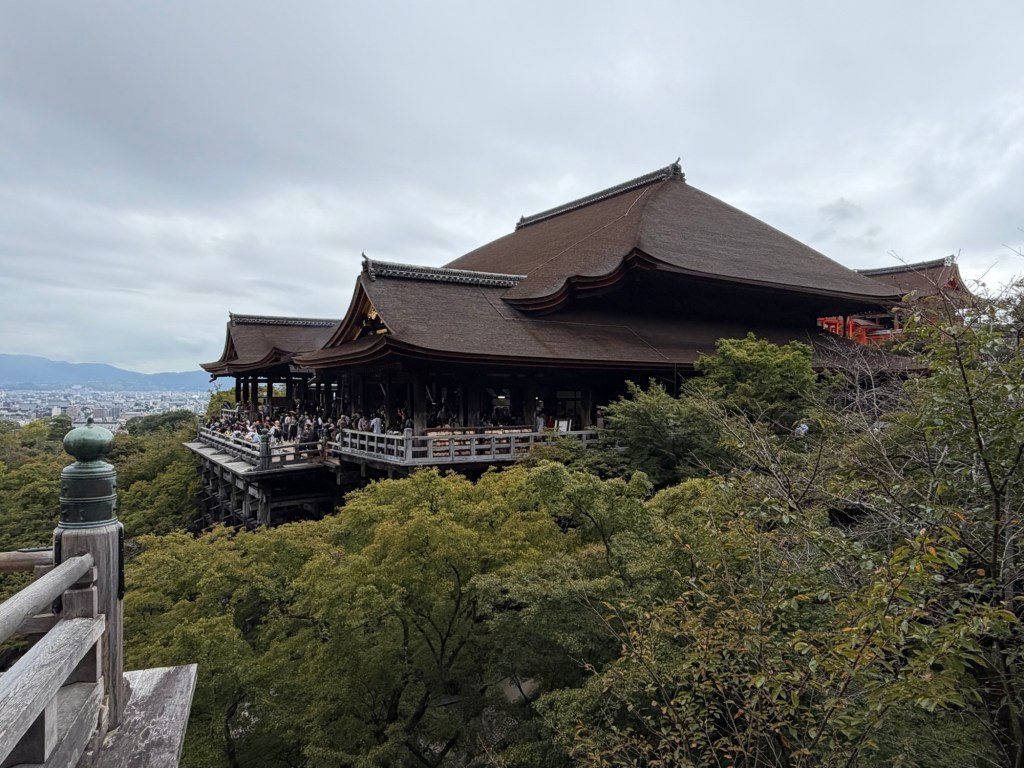
    Kiyomizudera itself: after ascending the hill and steps you come to the Hondo (Main Hall) known for its 200 sq. metre veranda called the butai (stage). It is made of hinoki (cypress) and is suspended 13m above the hillside below on 18 zelkova wood pillars dating back some 400 years.
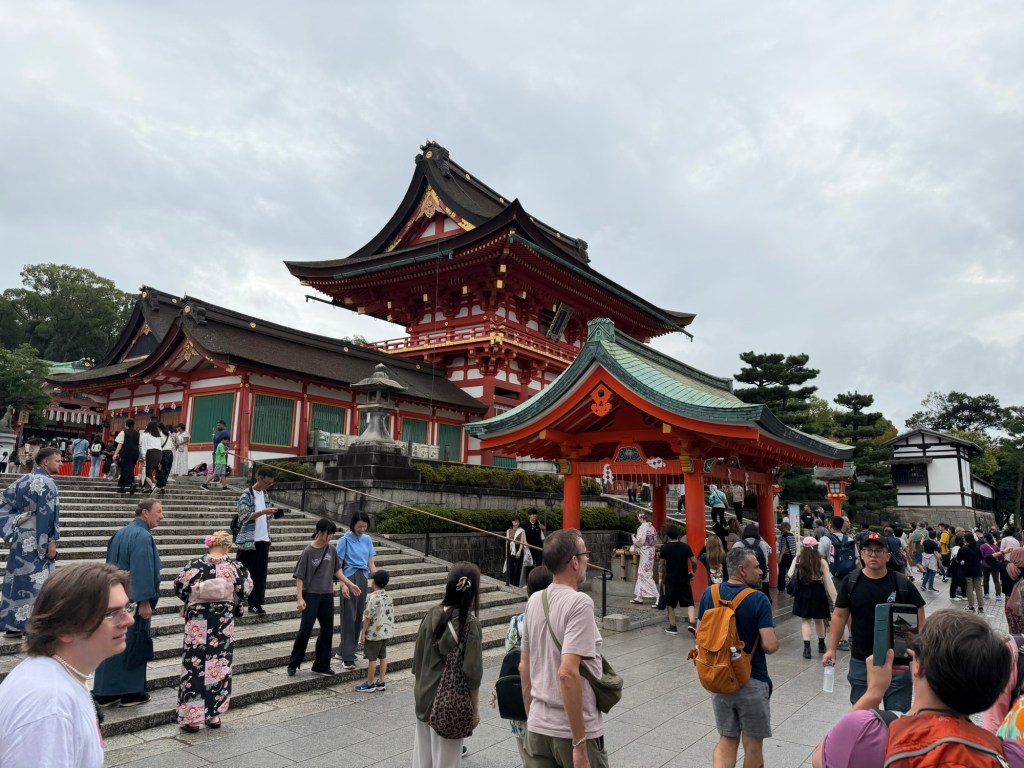
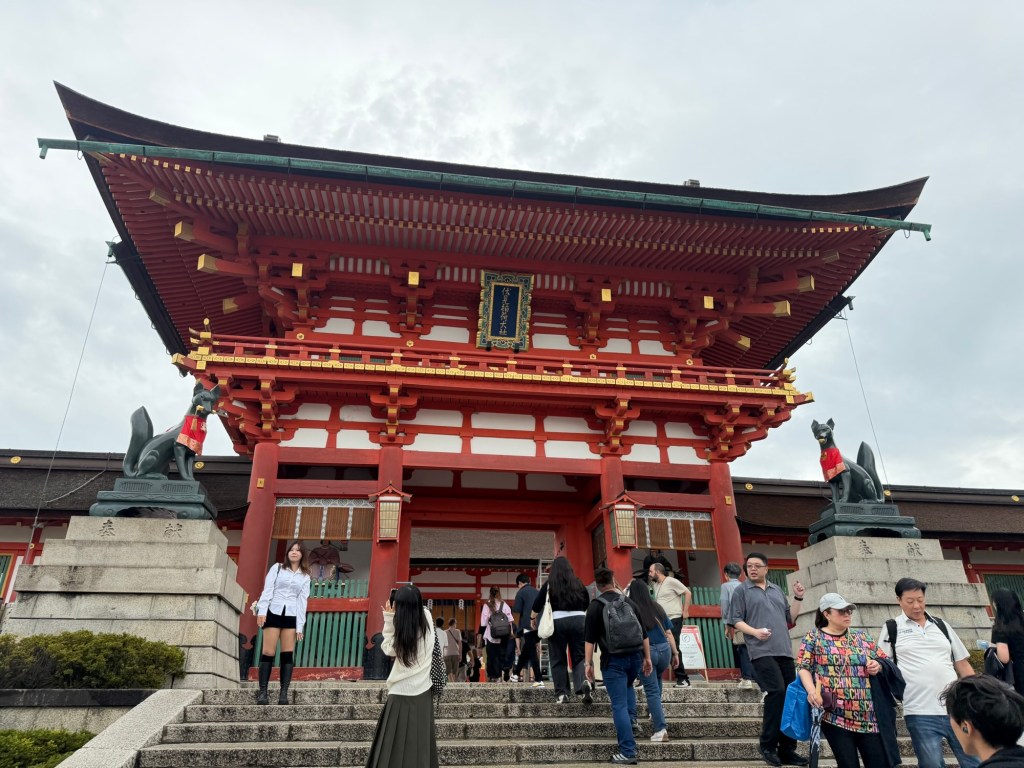
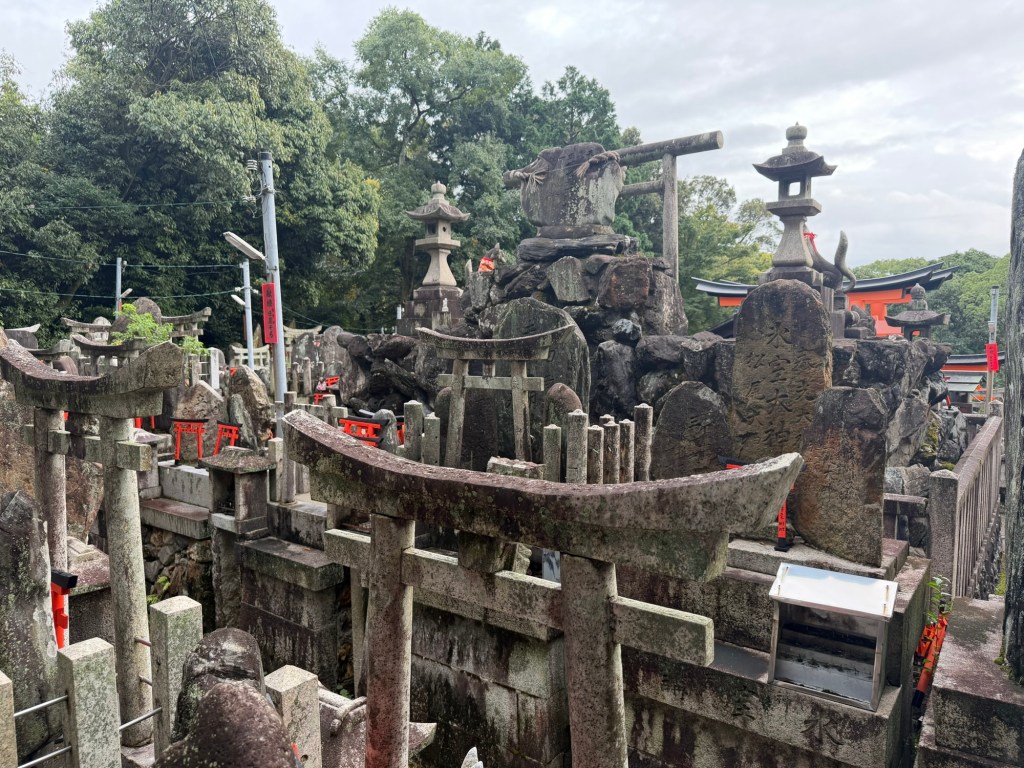
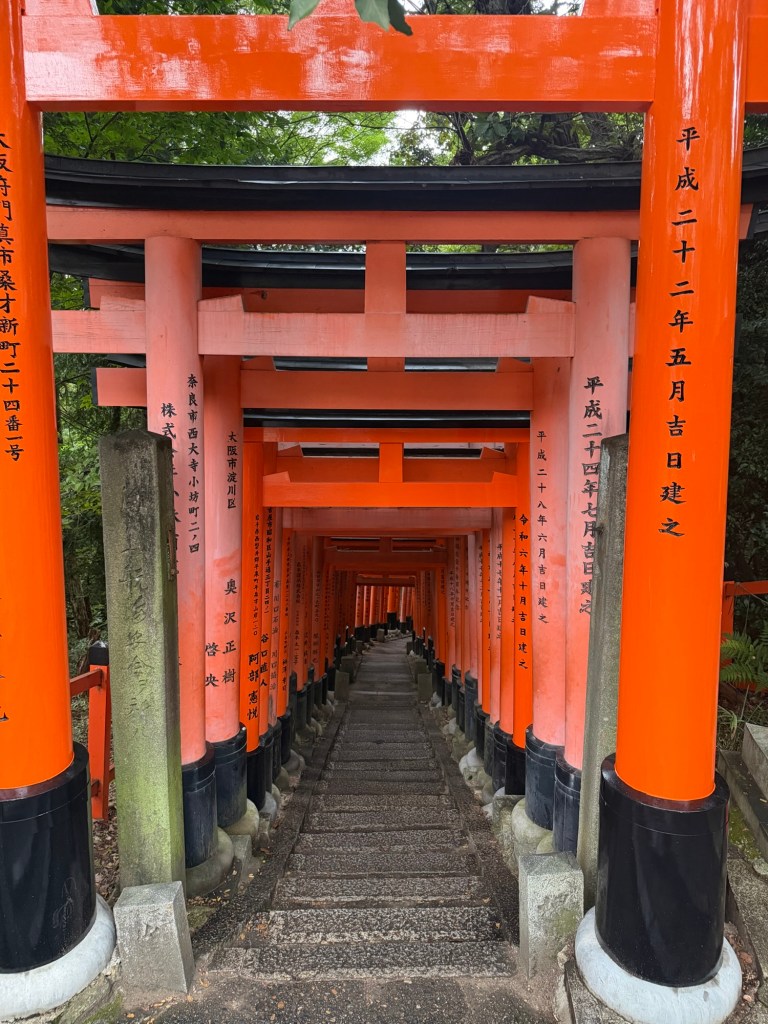
    Next stop, via the local train, Fushimi Inari Shrine (伏見稲荷大社, Fushimi Inari Taisha), an important Shinto shrine in southern Kyoto. It is famous for its thousands of vermilion torii gates, which straddle a network of trails behind its main buildings. The trails lead into the wooded forest of the sacred Mount Inari, which stands at 233 metres and belongs to the shrine grounds.

    We had a snack on the way up: sweet potato chips.
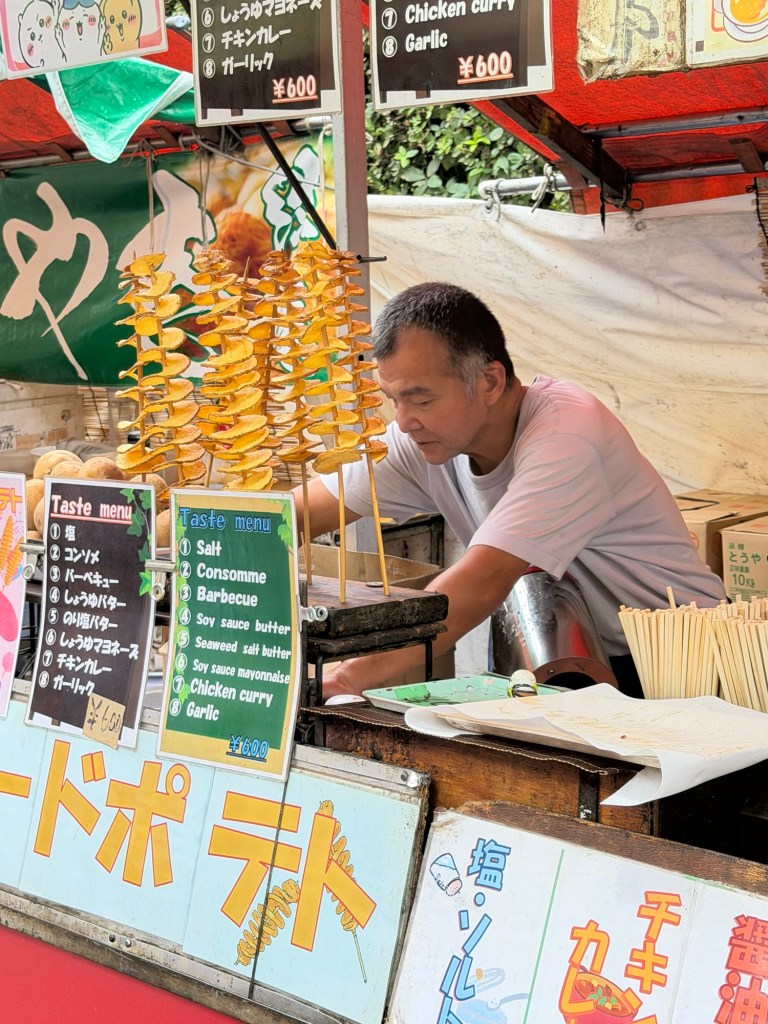
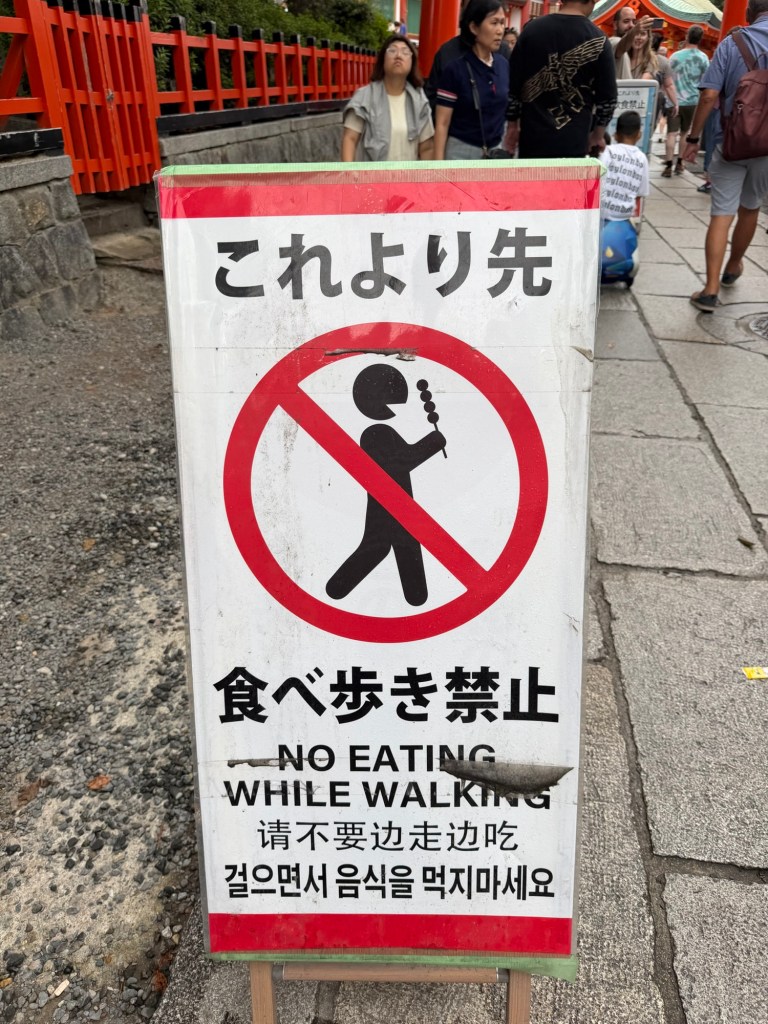
    Again, good order was secured as it was made clear that you eat close to the stand where you bought your food and then hand any waste to the stall owner who would dispose of it for you. After that, no eating allowed on the move.
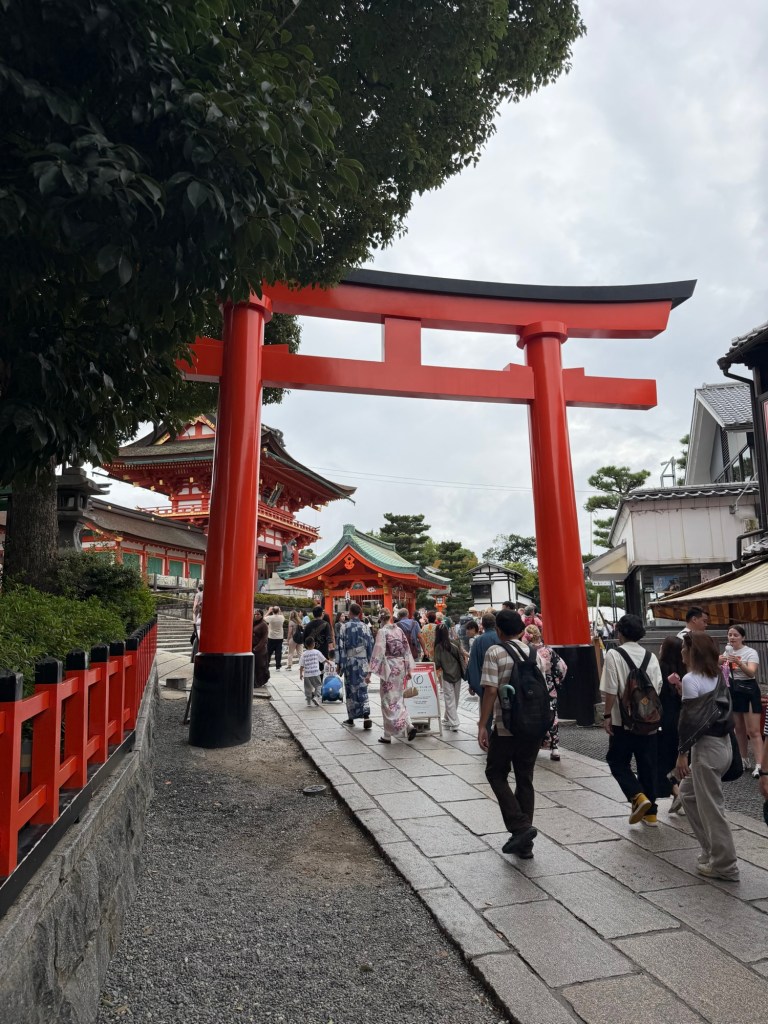
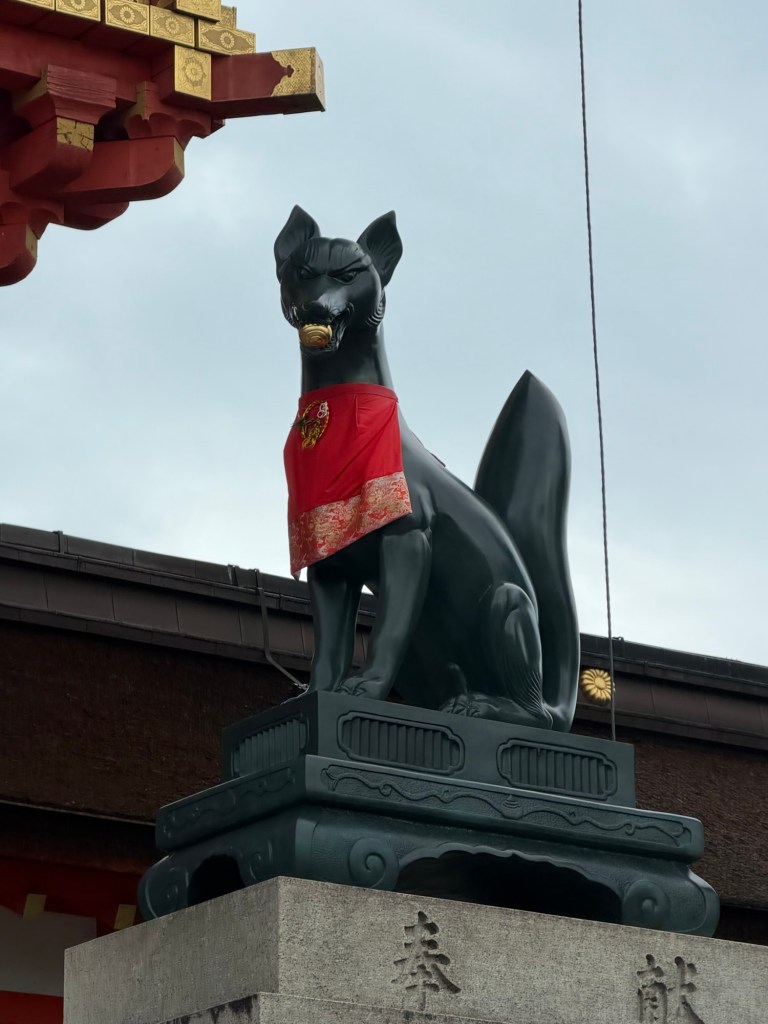
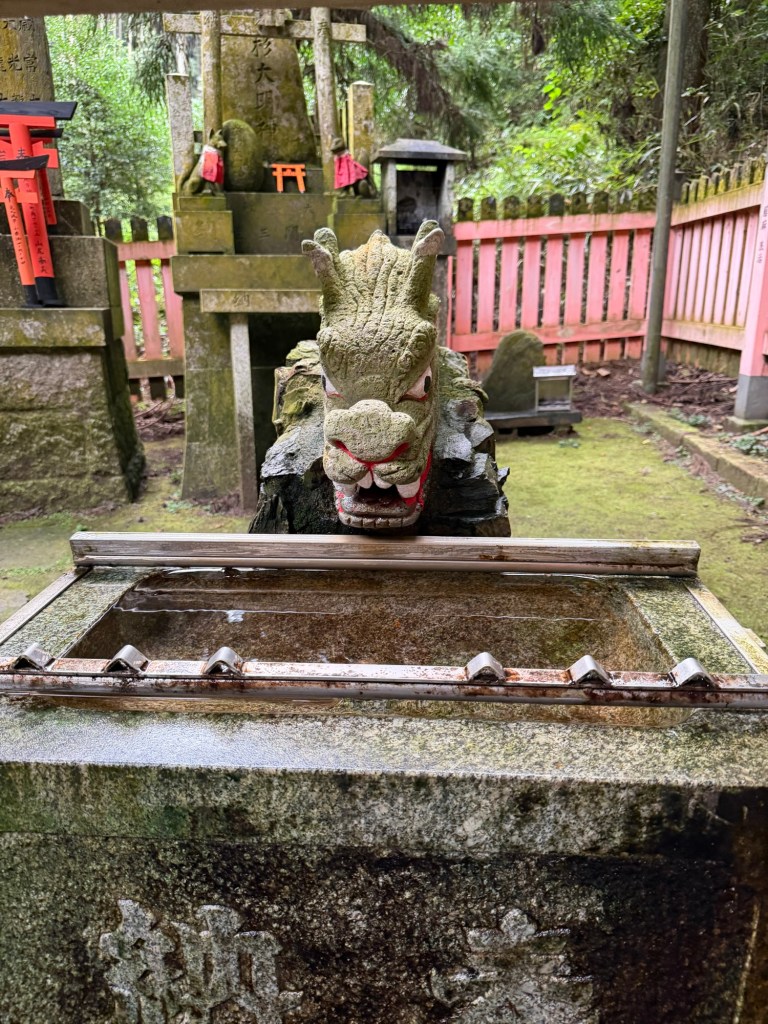
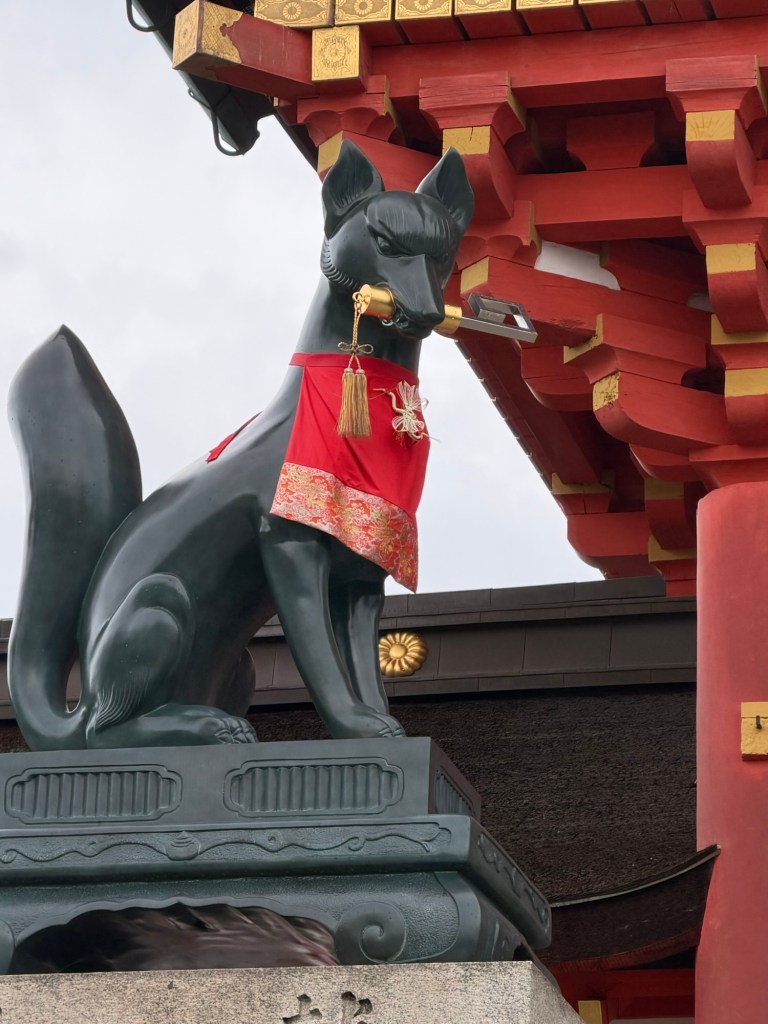
    Fushimi Inari is the most important of several thousands of shrines dedicated to Inari, the Shinto god of rice. Foxes are thought to be Inari’s messengers, resulting in many fox statues across the shrine grounds. The key often seen in the fox’s mouth is for the rice granary.
    We came across this concept in both Indonesia and India, the presenting of ‘offerings’ at shrines and temples. We were often taken aback by the scale and range of such offerings. Such was the case here…
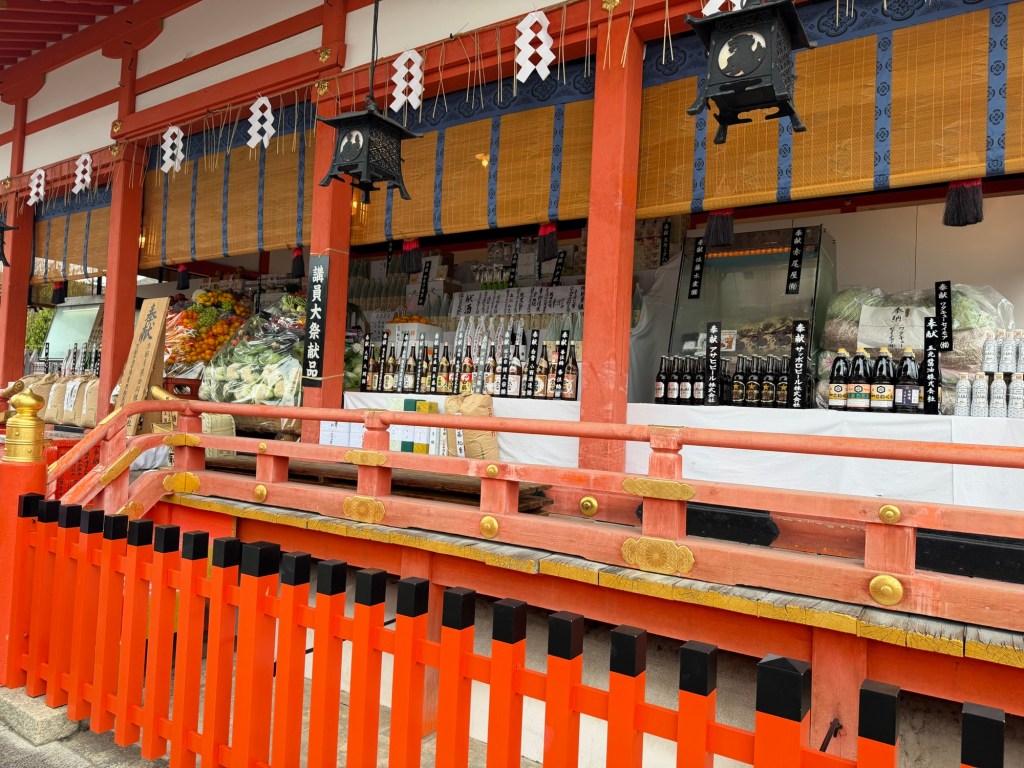
    And then, looking a little closer…
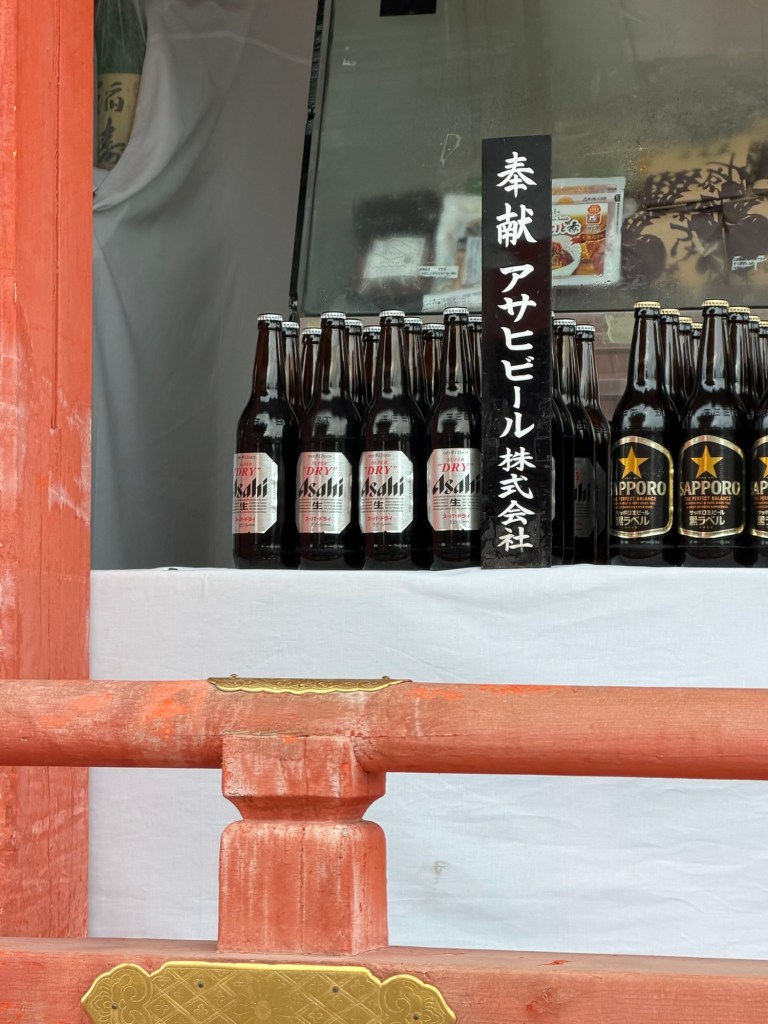
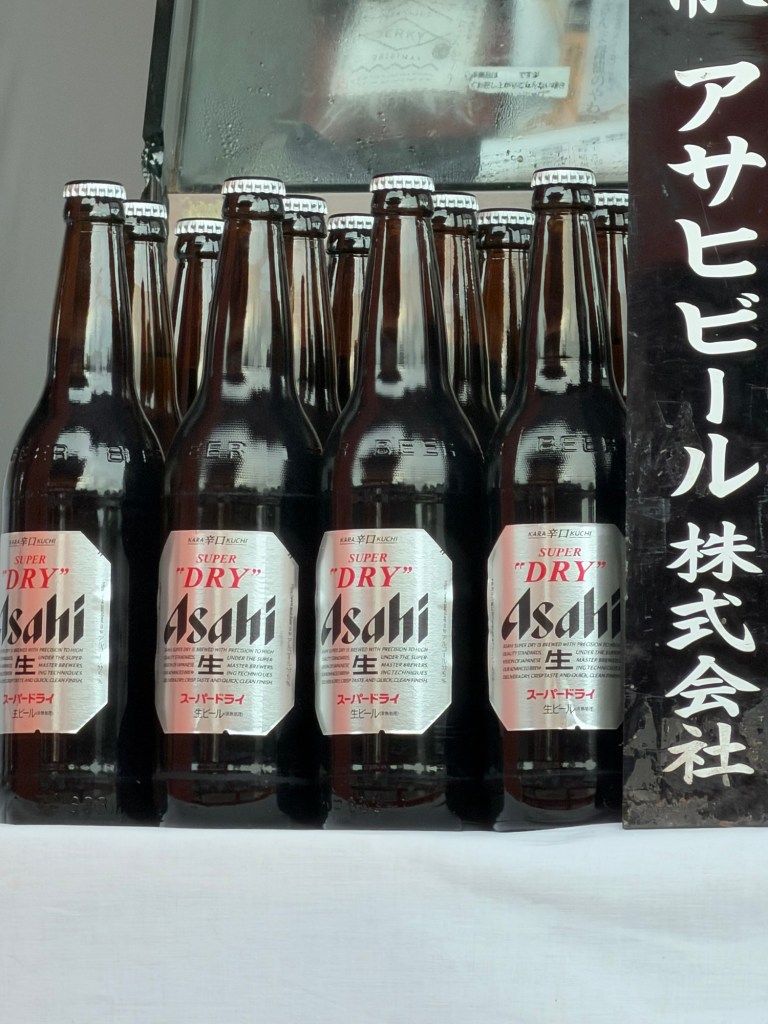
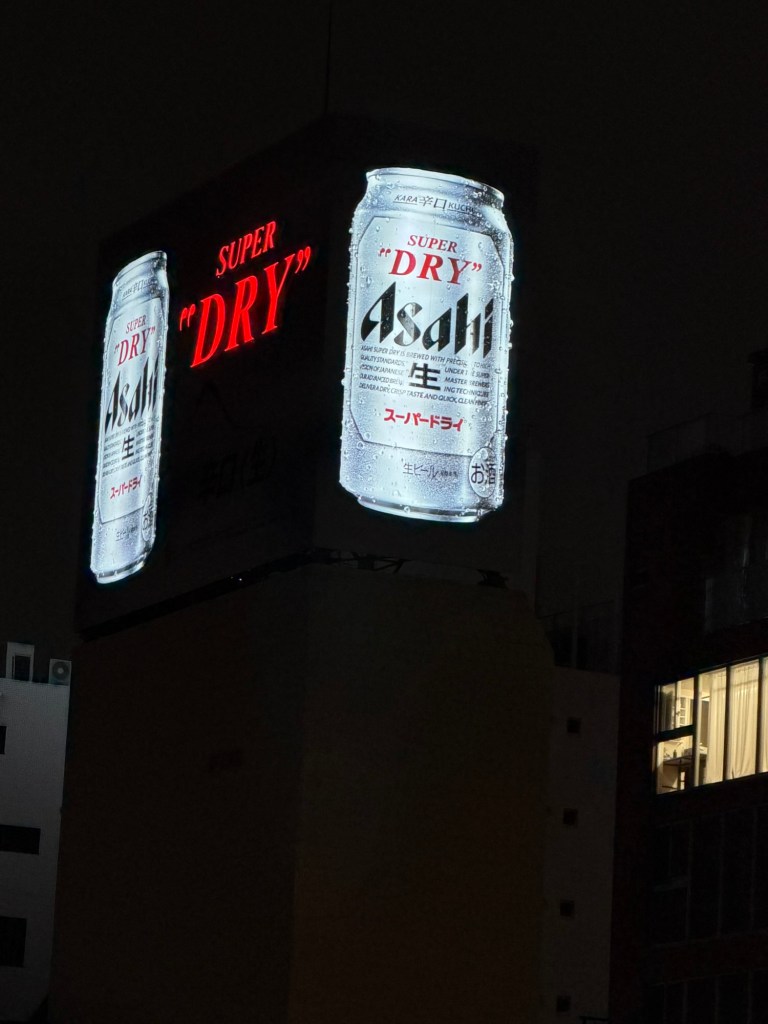
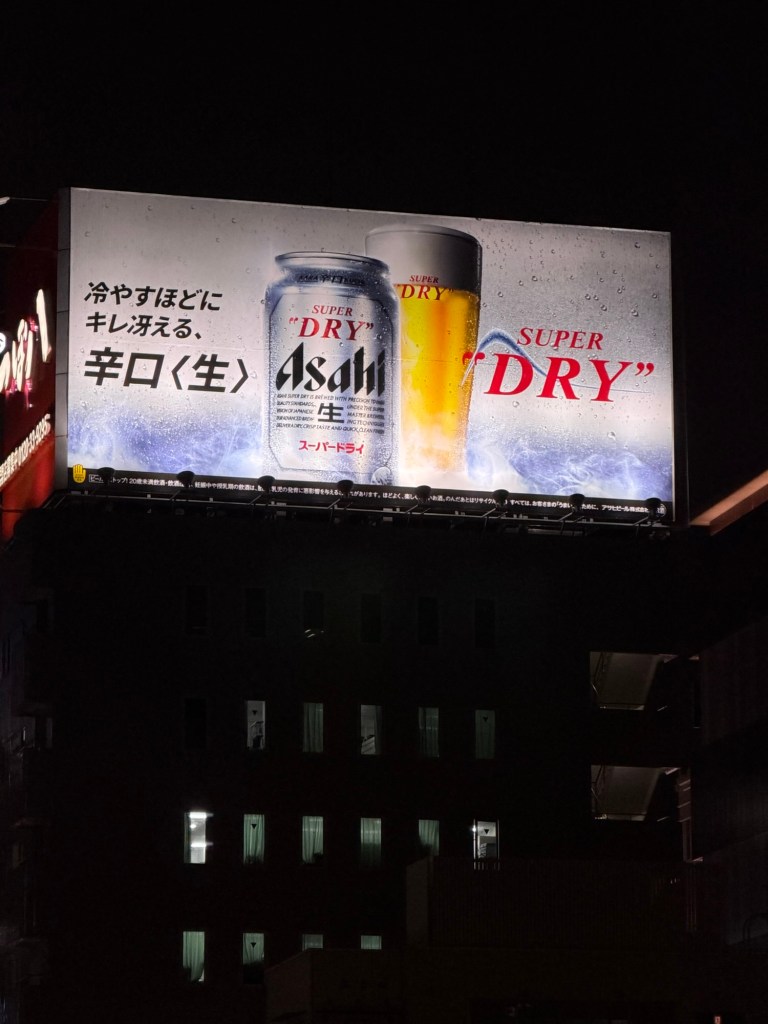
    I’m saying nothing but given the latest news on Asahi

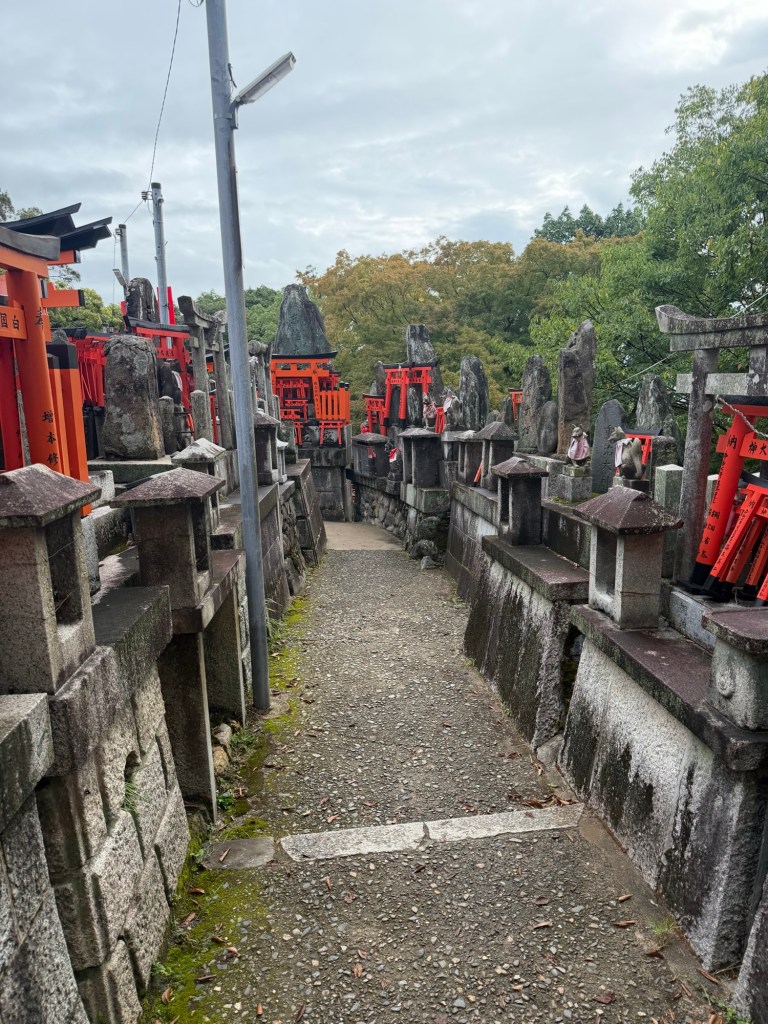
    On the torii gates: the trails do lead into the forest but they also – if you keep on going – continue all the way up and loop around Mount Inari. Mount Inari is 233 metres high, and it is 233 metres high! Be prepared for quite a climb, but it is worth it – something quite different. The 4km looping pathway is called Sen-bori-torri (1000 torii), but it’s more like 10,000 (this is a fact), with several steep flights of steeps, a few of them significantly long, at that. The route is punctuated with hundreds of sub-shrines and fox statues – made all the more atmospheric as the light fell.
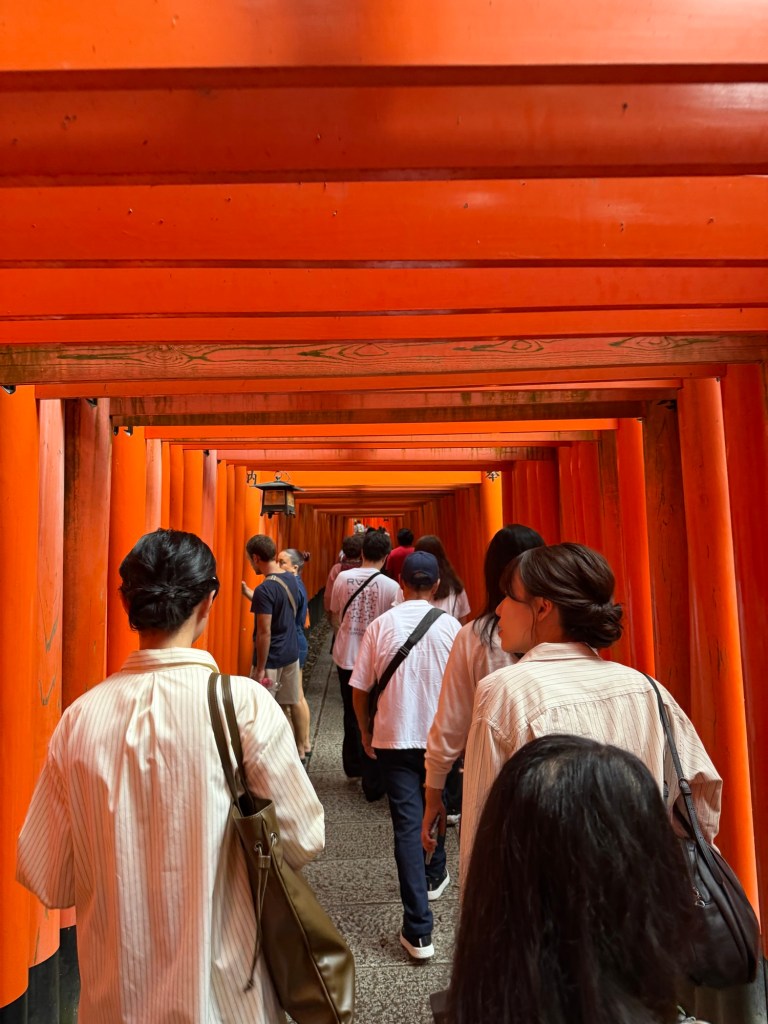
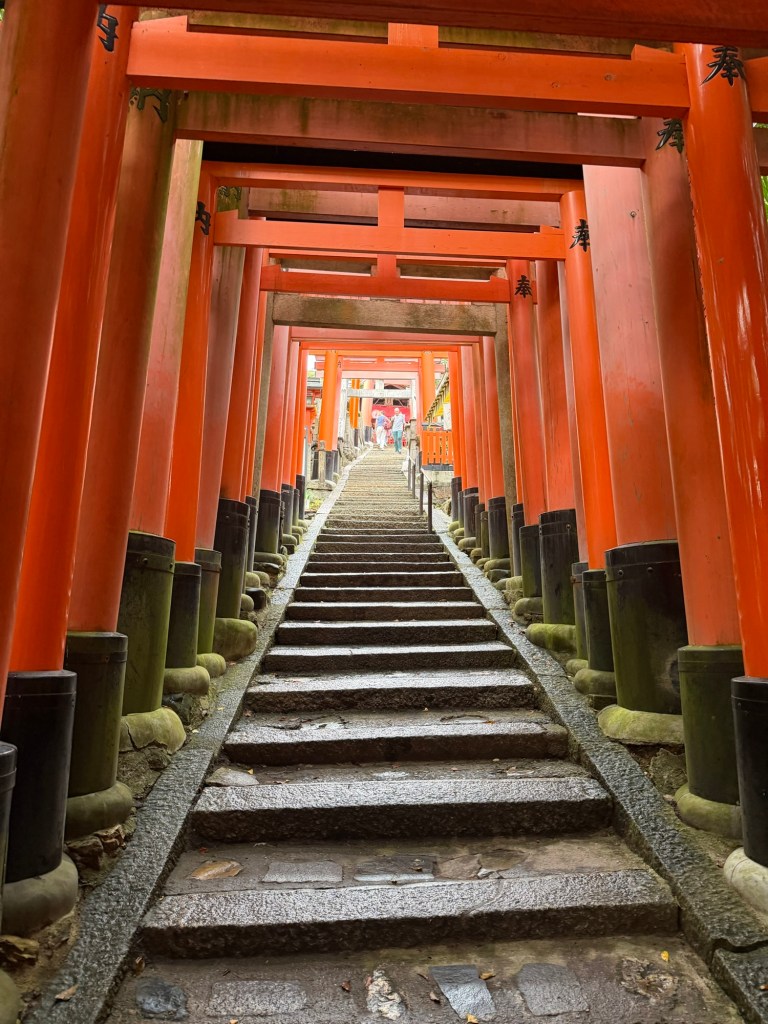
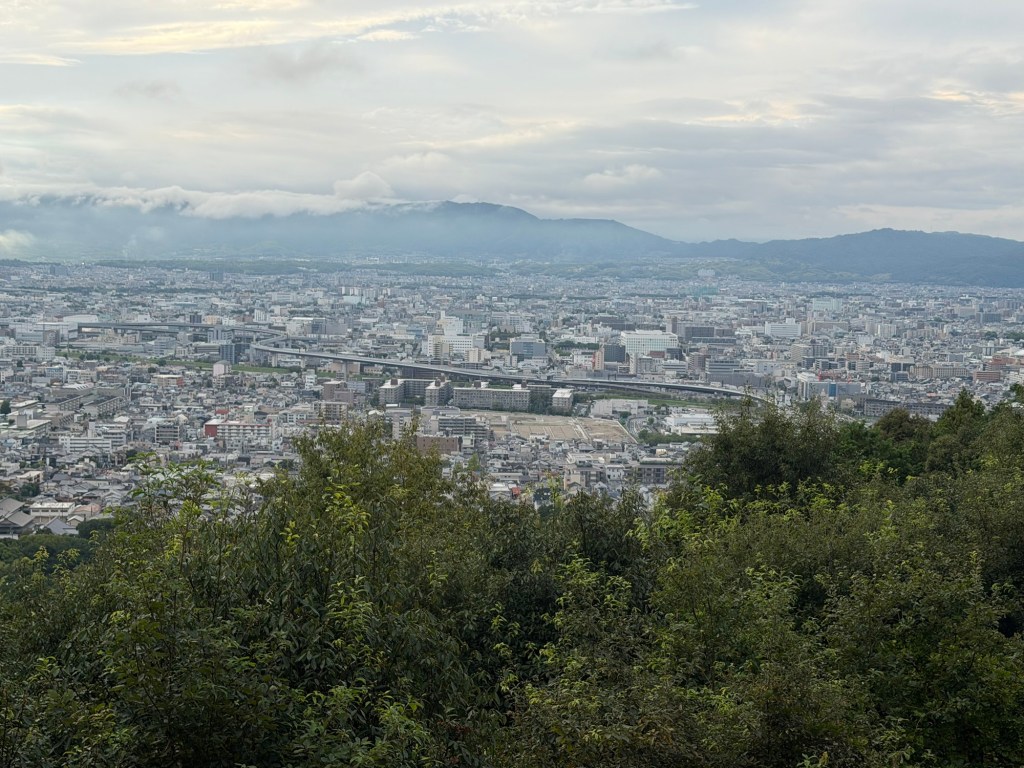
    The higher you go, the more peaceful it becomes as people peel off. Heading back down is a blessed relief. I wonder, did Edmund Hillary feel quite so chuffed with himself as we did? Of course he did. Good on you, Ed!
    We have really enjoyed today. Something to eat, a couple of beers and a day trip to Osaka to look forward to tomorrow.
  • Day 6: Kinkakuji (金閣寺), Ryōanji (龍安寺), and Westmalle Dubbel

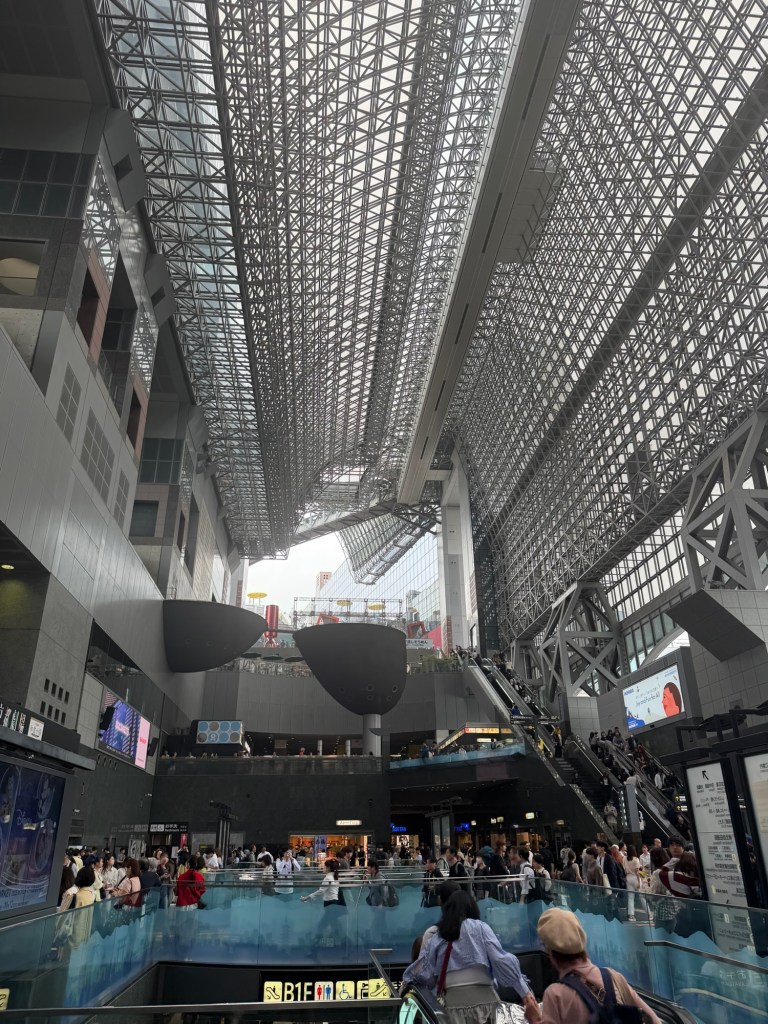
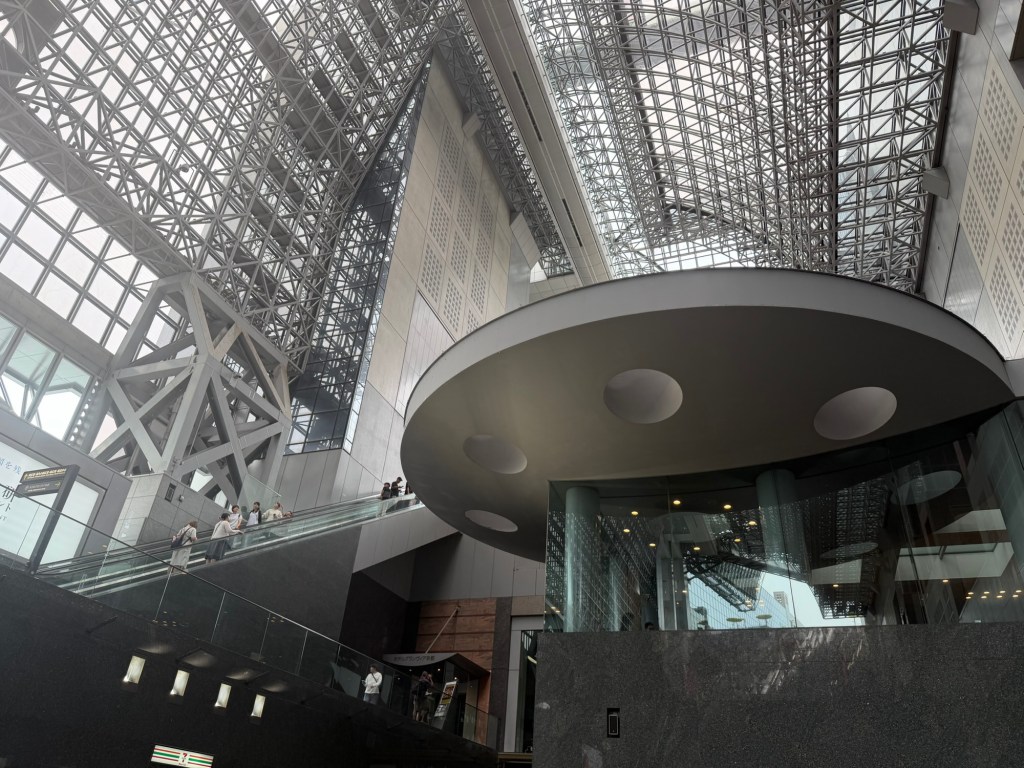
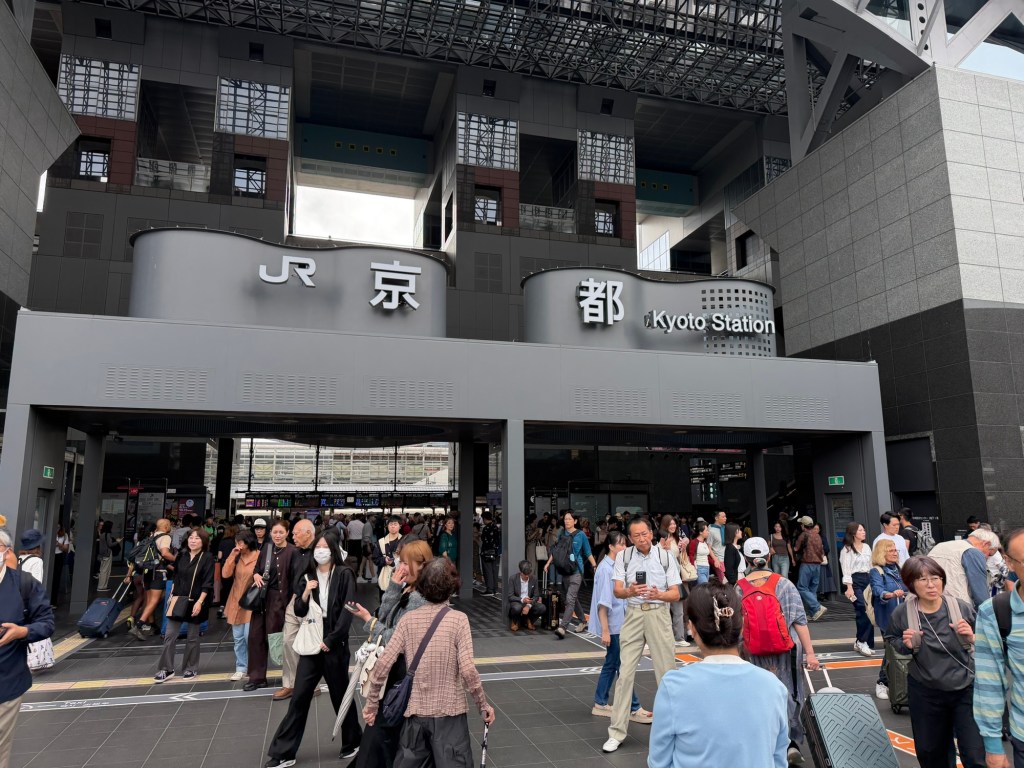
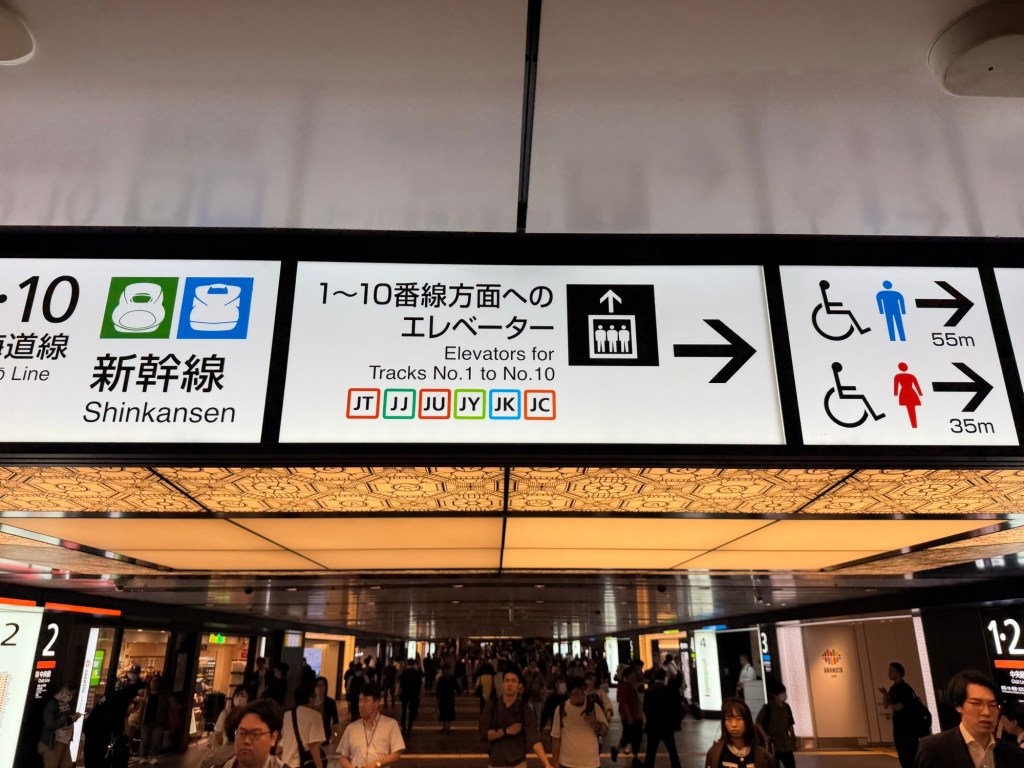
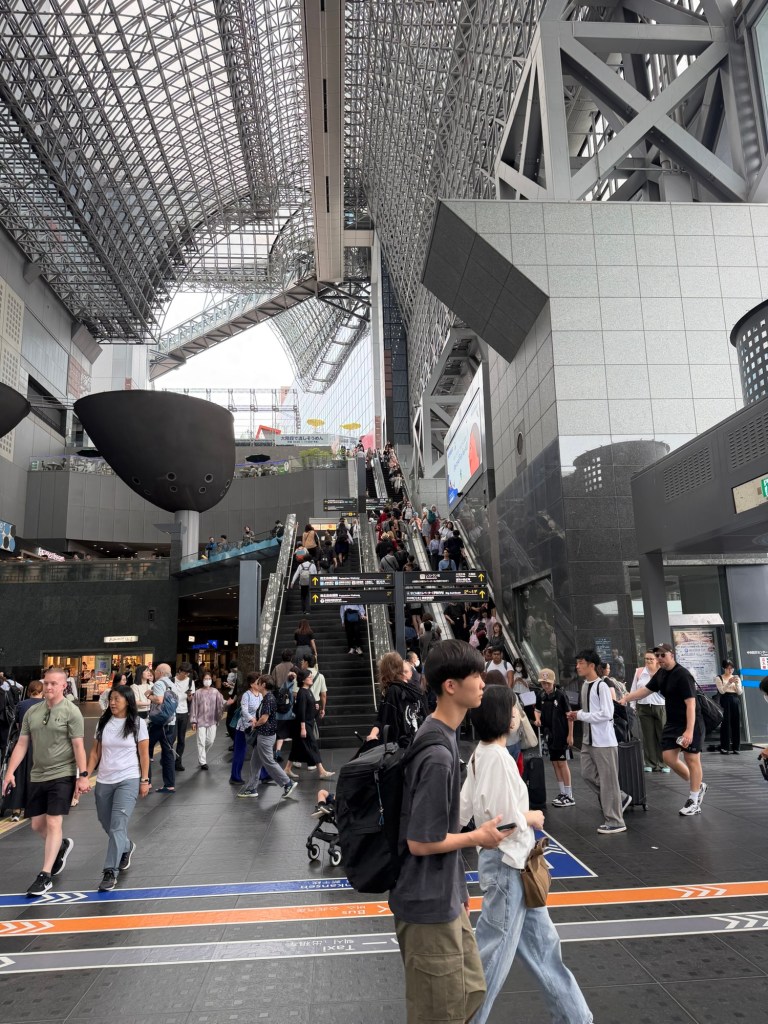
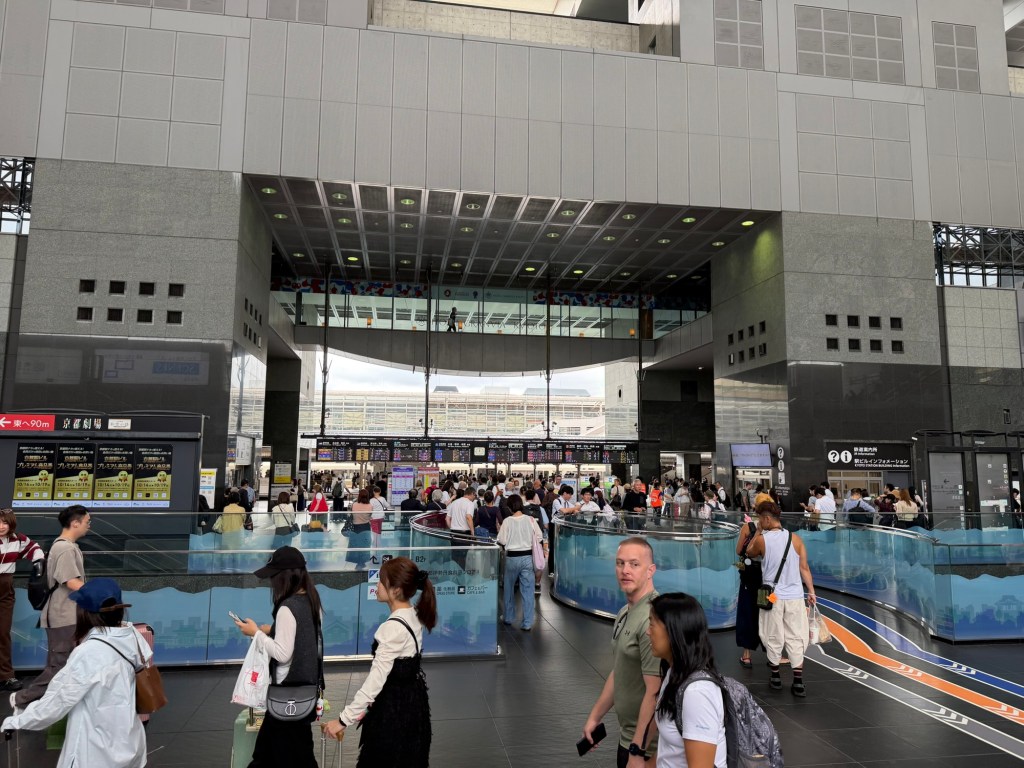
    I accept there might be a bit of a nagging theme about my reporting on mode of transport and travel hubs but getting around here is something that must be given some considerable thought. As with most things in life, once you know, you know, and it becomes easier. The thing is, the transportation infrastructure here is on a different scale and, it has to be said, mightily impressive. Today we negotiated Kyoto Station for the first time. Take a look…

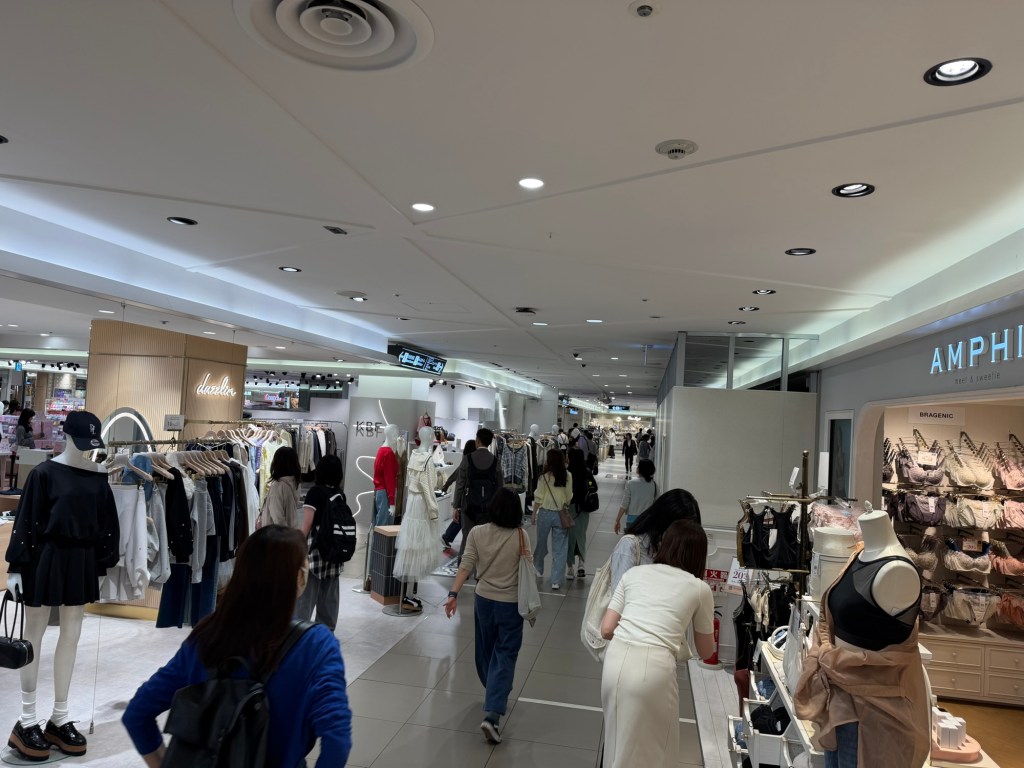
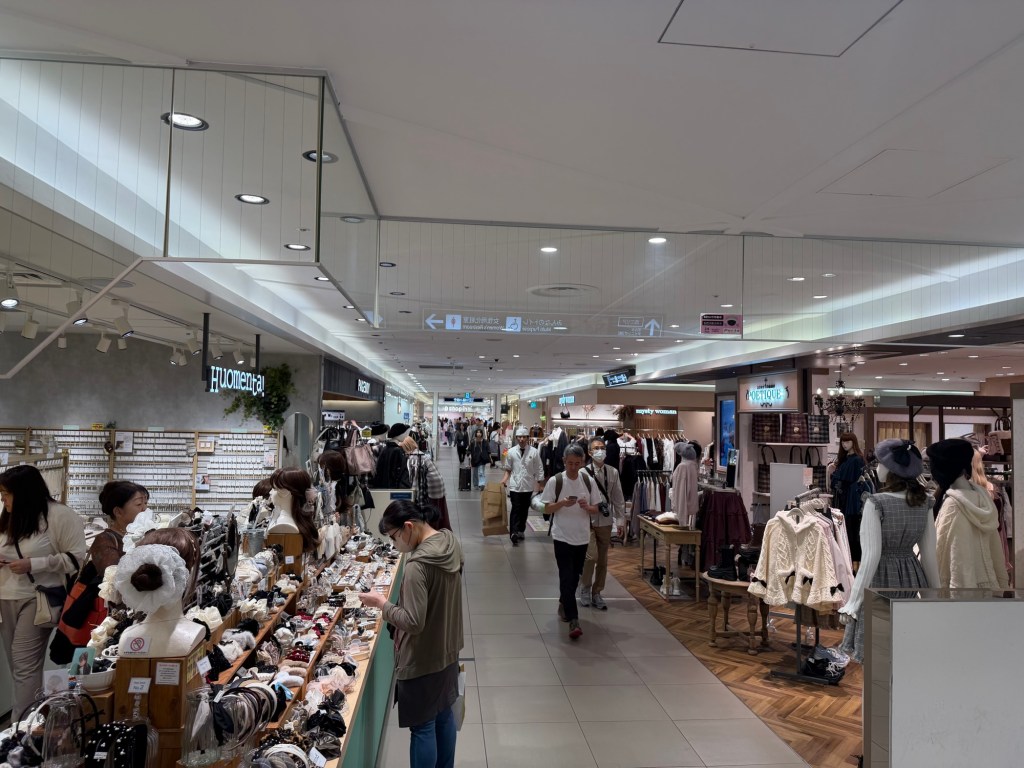
    The above is one thing, quite literally, for it is the subterranean world (as was the case for Tokyo station) that is baffling, often many layered. You could be forgiven for thinking you had made your way into a large department store, e.g. Selfridges.

    Plus, more places to eat than you can shake a stick at!

    This fellah is keeping someone out of a job mind.

    An upgraded version of his comrade, who we met in Bangkok airport, last year.

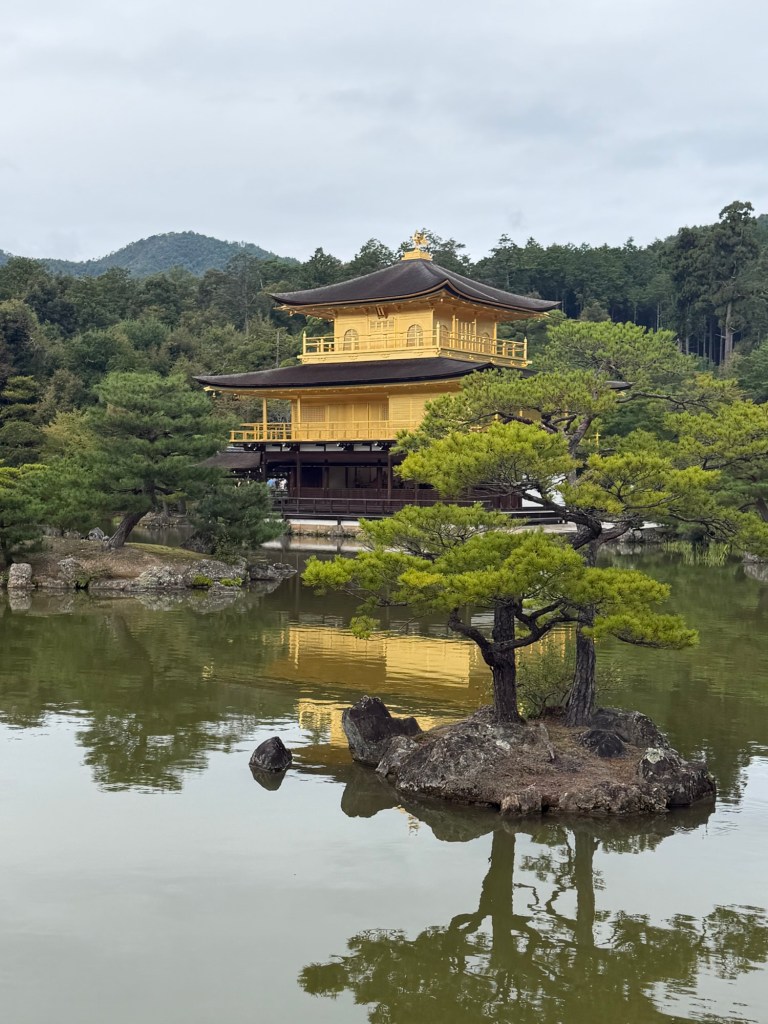
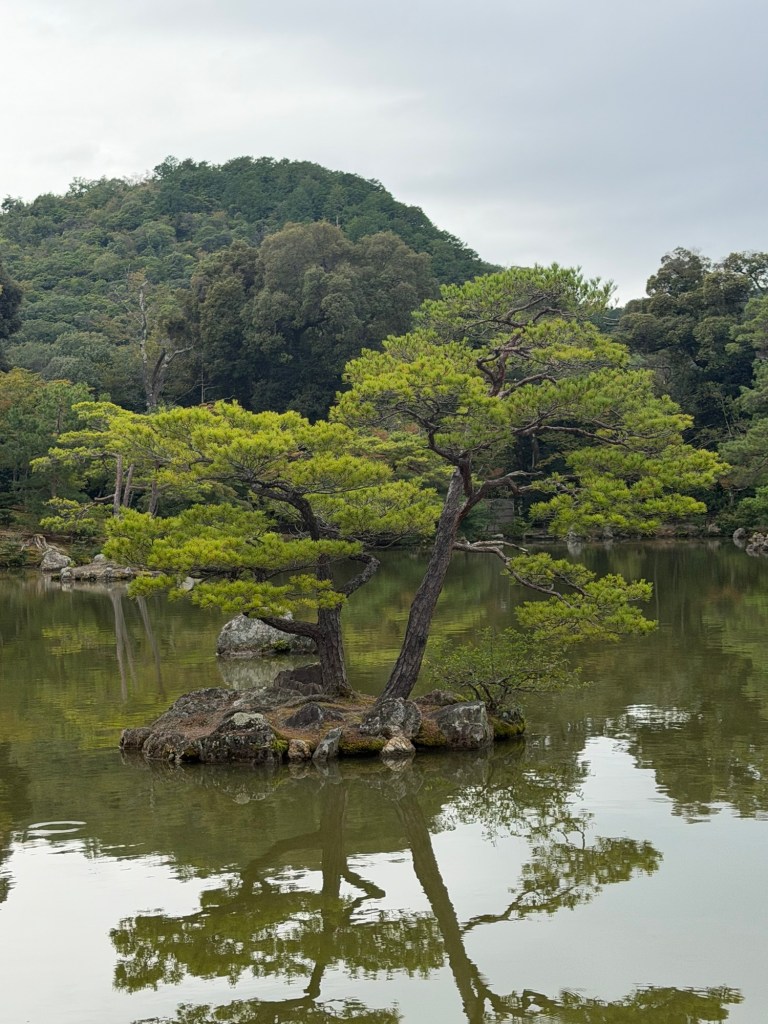
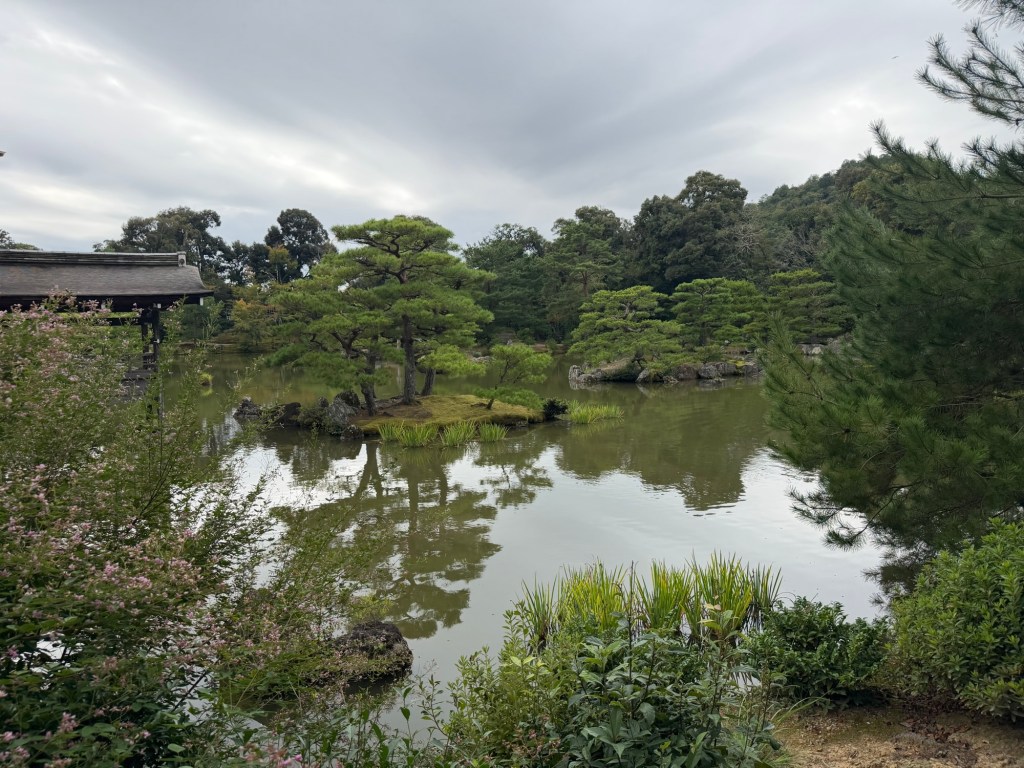
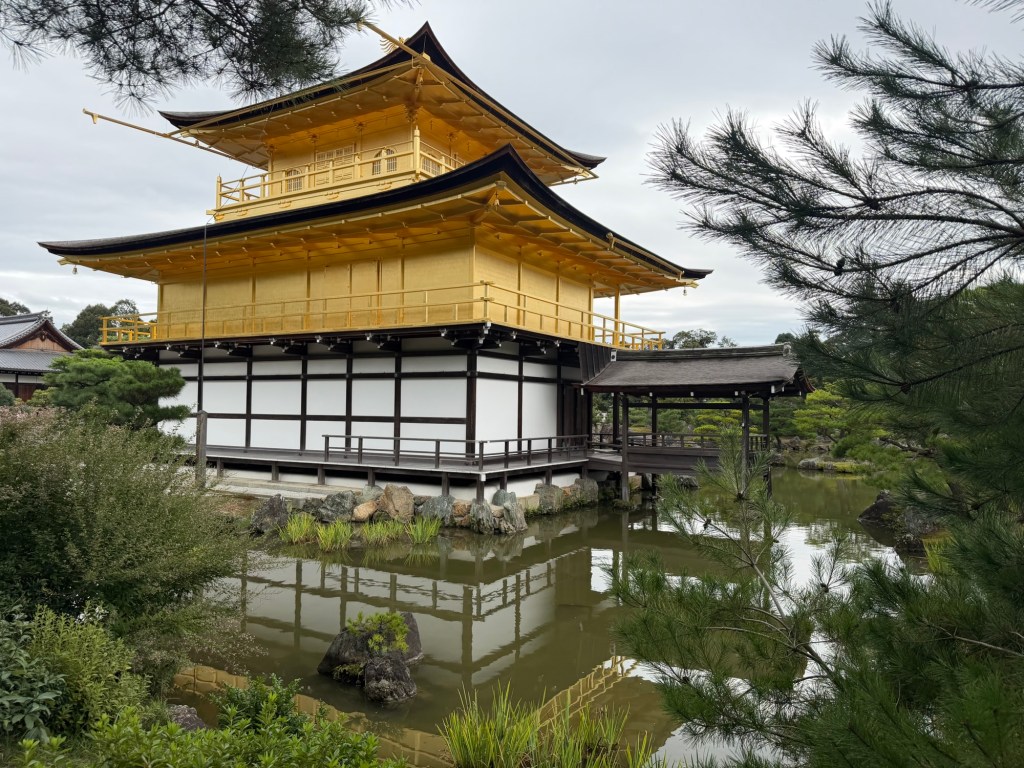
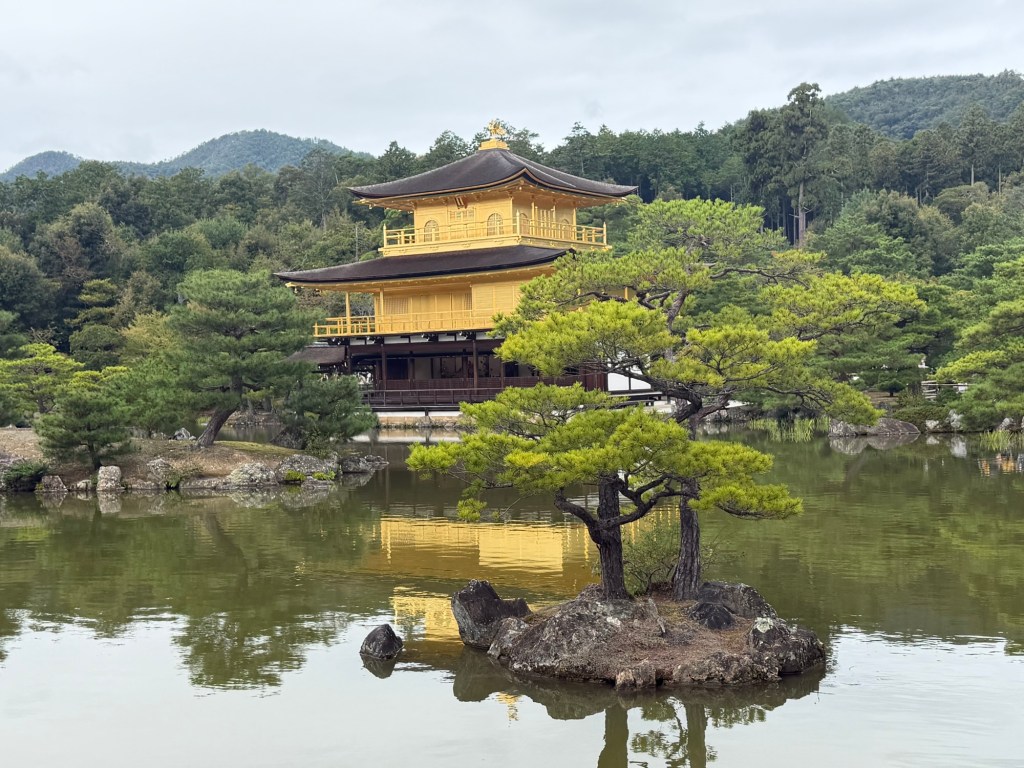
    We made today’s first stop Kinkakuji (金閣寺, Golden Pavilion), a Zen temple in northern Kyoto whose top two floors are completely covered in gold leaf. Formally known as Rokuonji, the temple was the retirement villa of the shogun Ashikaga Yoshimitsu, and according to his will it became a Zen temple of the Rinzai sect after his death in 1408. 

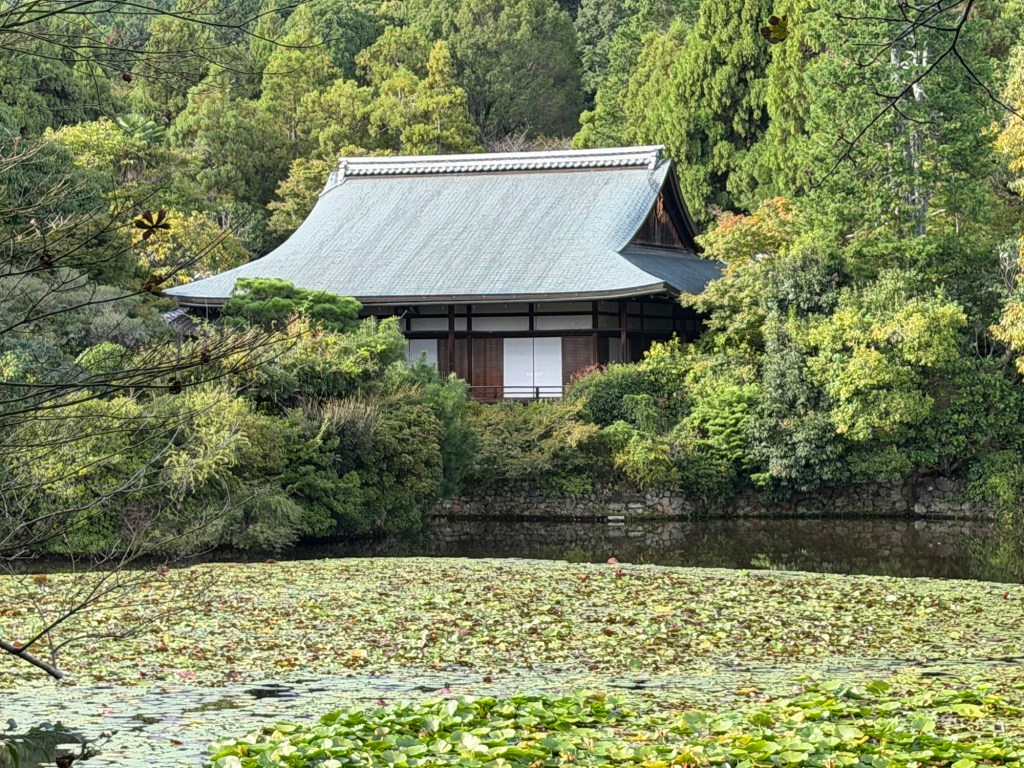
    A truly beautiful setting

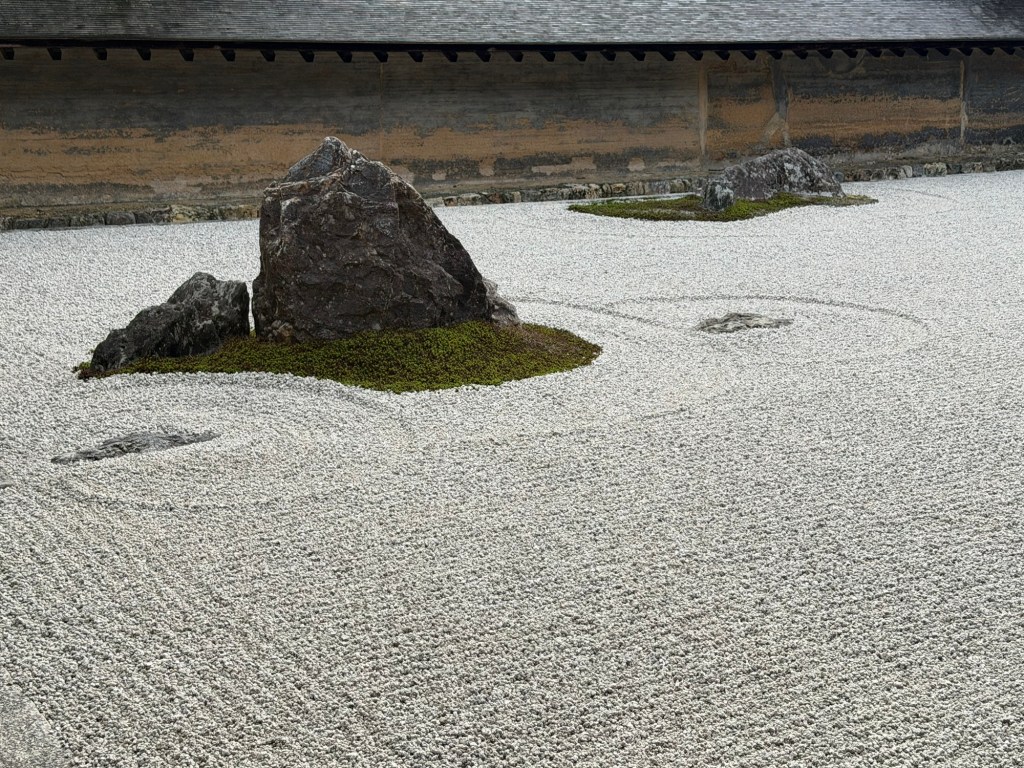
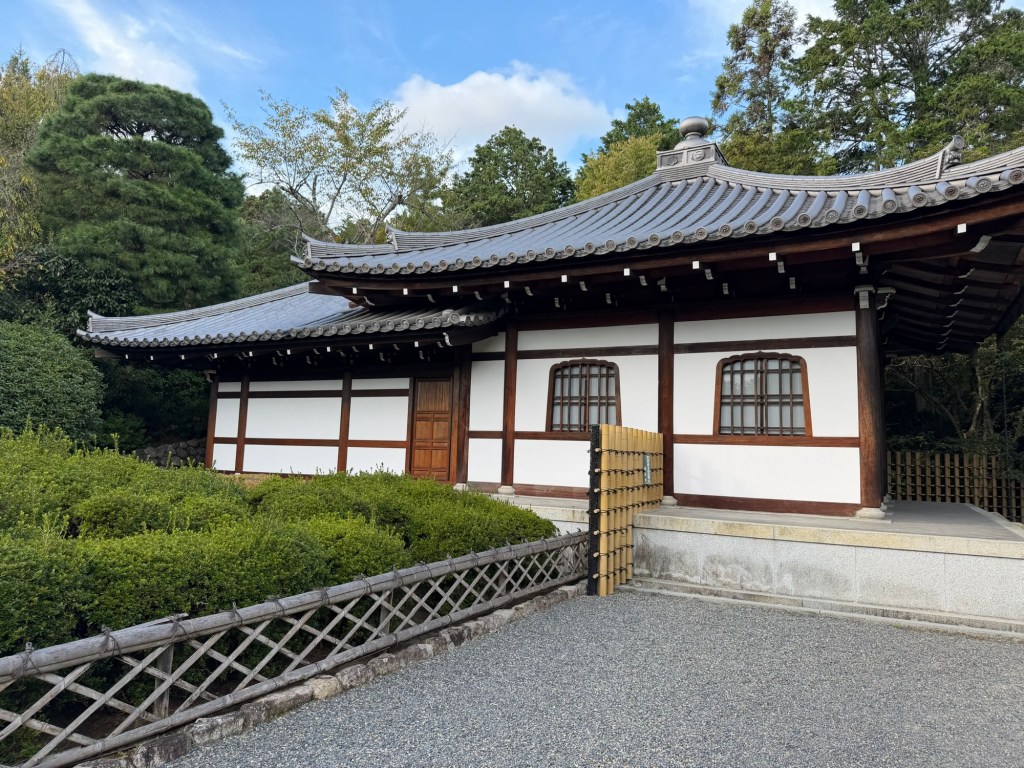
    Next stop, Ryoanji Temple (龍安寺, Ryōanji), the site of Japan’s ‘most famous’ rock garden. Originally an aristocrat’s villa during the Heian Period, the site was converted into a Zen temple in 1450 and belongs to the Myoshinji school of the Rinzai sect of Zen Buddhism. A bit more off the beaten track, and all the more peaceful for it. Shaking off those pesky tourists is an acquired skill!

    How about this for a retirement home (bungalow)?

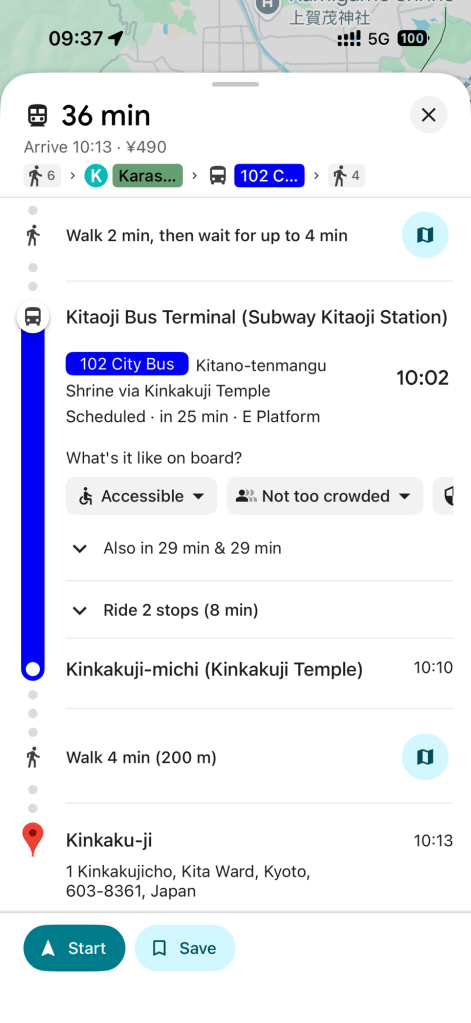
    Google maps really is incredibly accurate and useful; relying upon a dependable e-sim, of course, and good connectivity. As yet, we have not experienced anything other than excellent connectivity, wherever we have been, and that includes underground.

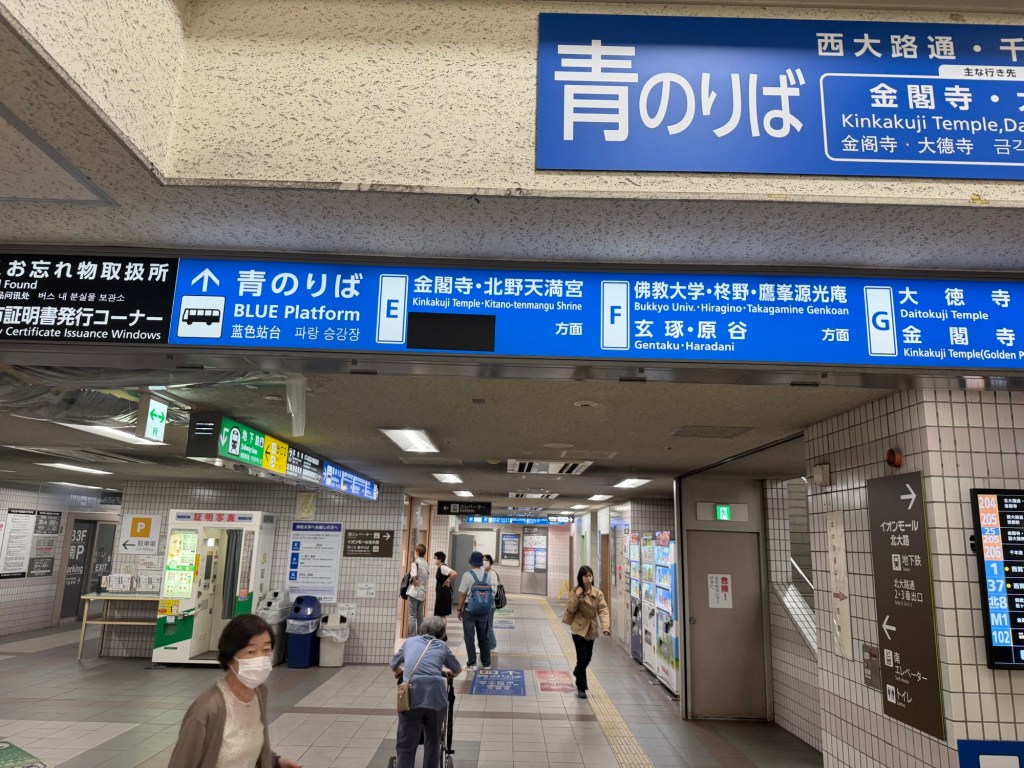
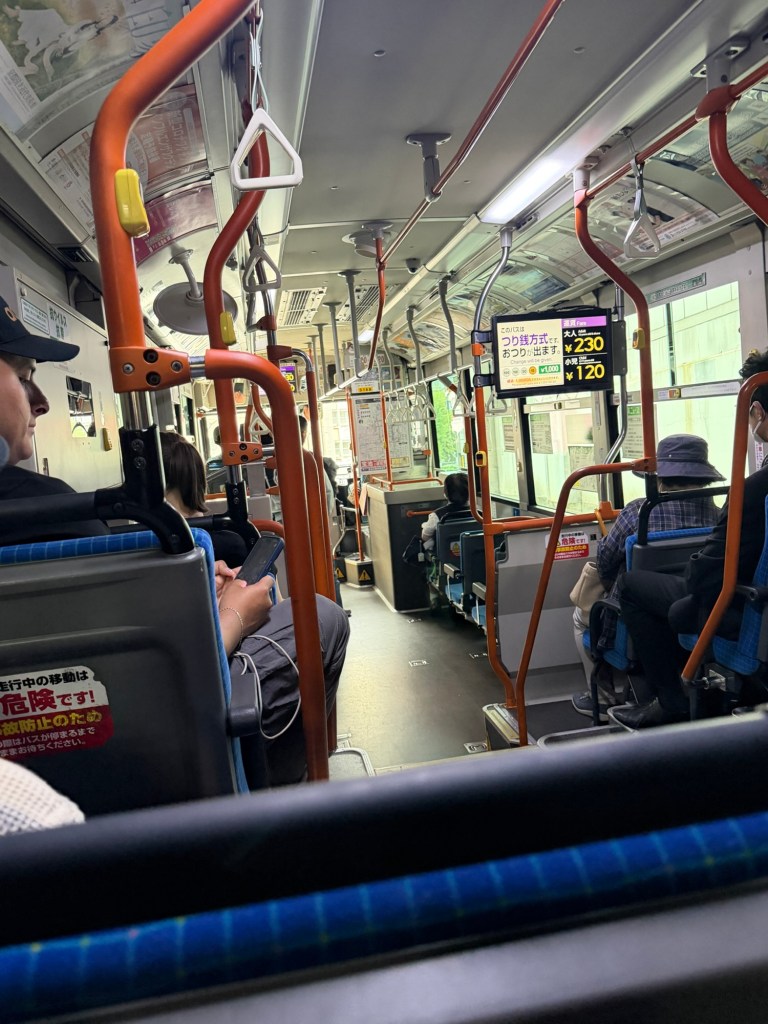
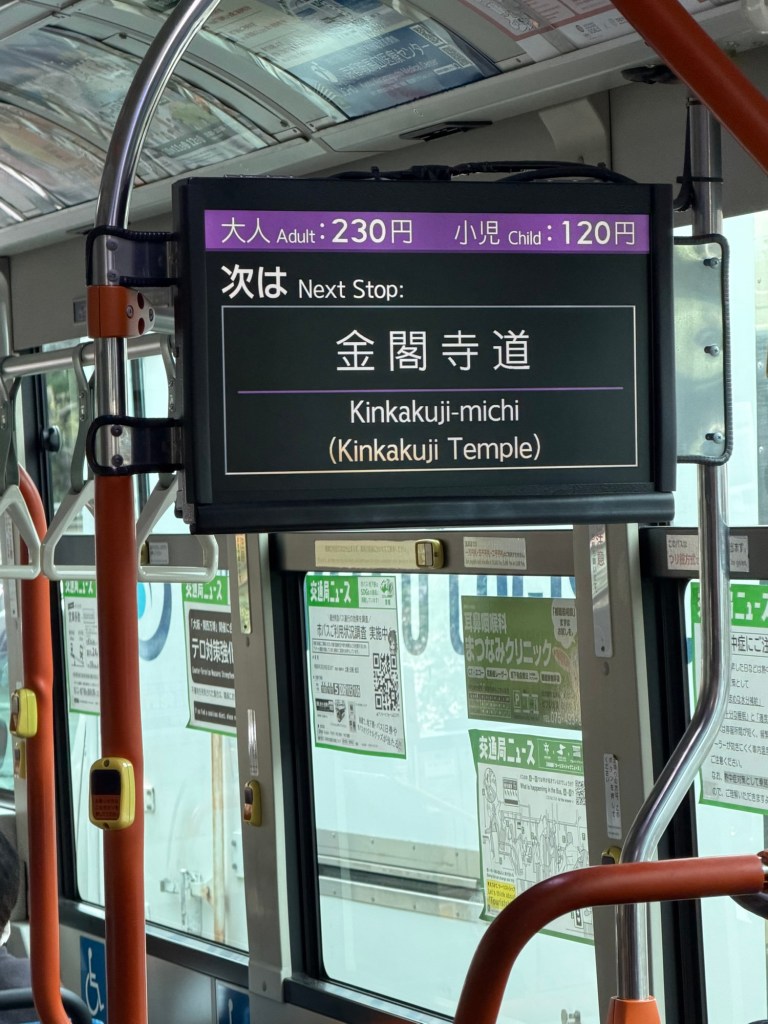
    We used the local bus for the second leg of our journey to Kinkakuji – that is, Kitaoji station, onwards to the temple. Again, well signposted, it just needs a little bit of attention.

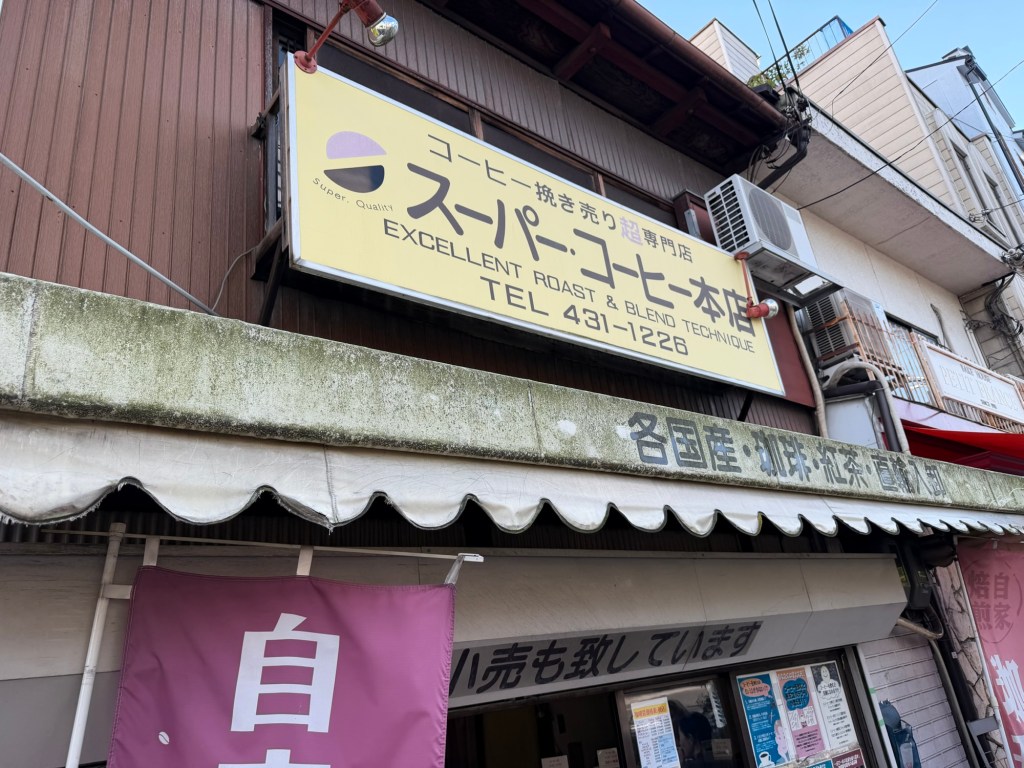
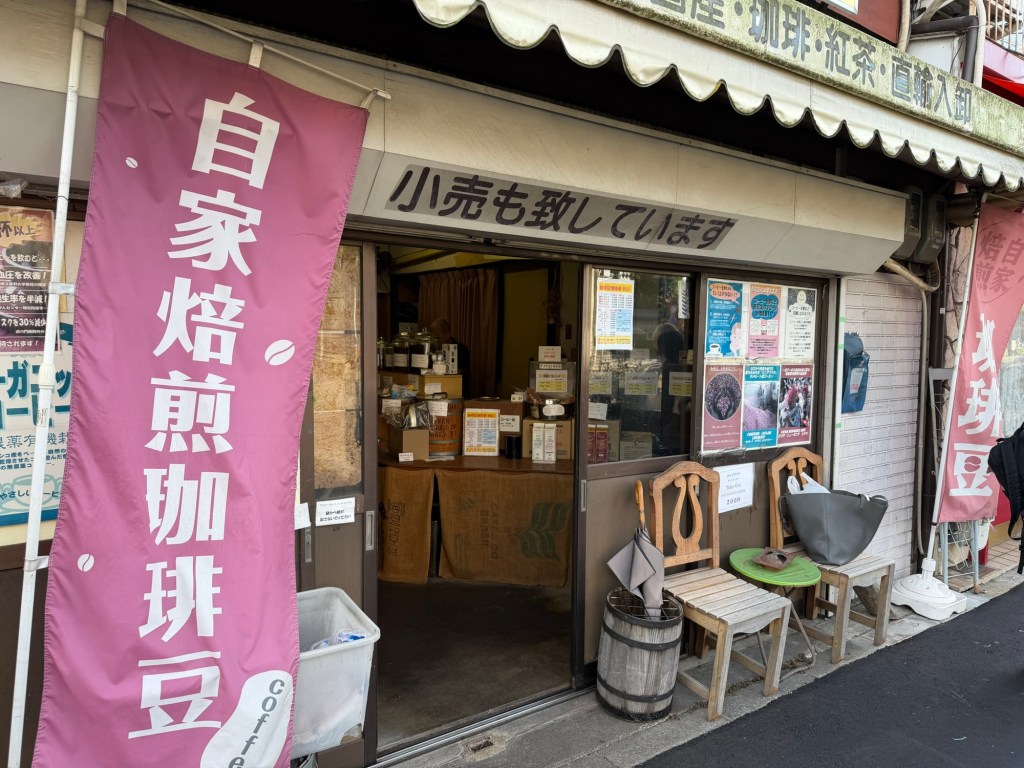
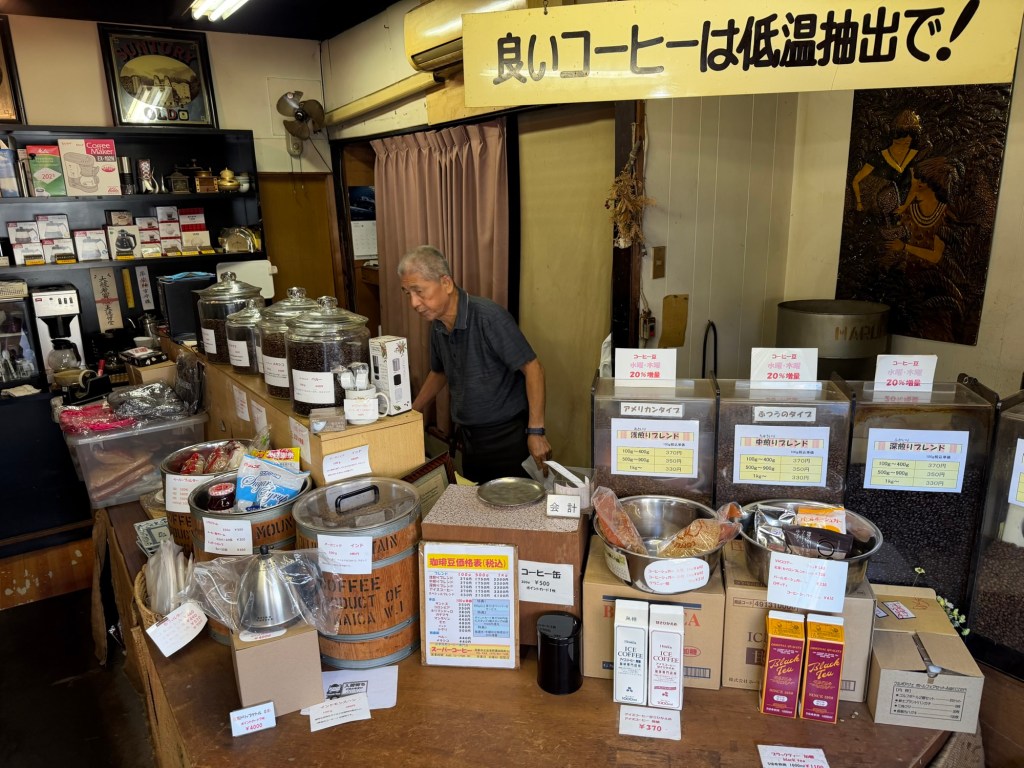
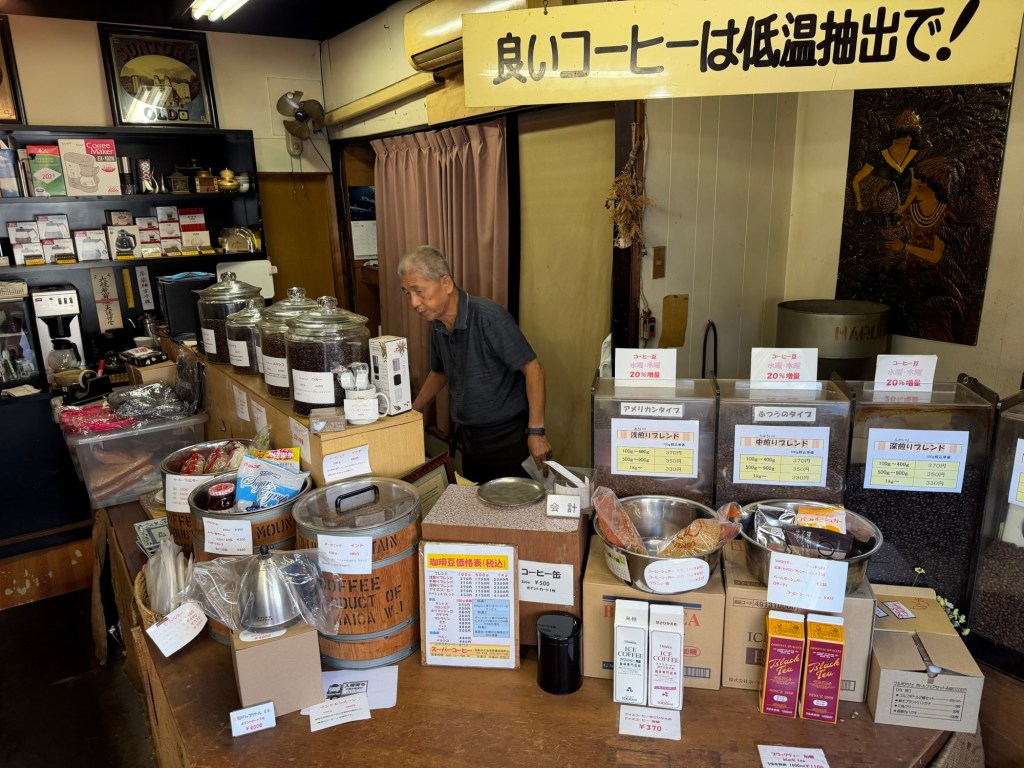
    We chose to walk back to the station. The walking option never fails to throw up experiences and opportunities that are missed when motoring on by. We had the buying of coffee in mind, as we travel nowhere without our trusty stainless steel cafetière. Proving the point made, check this little gem out.

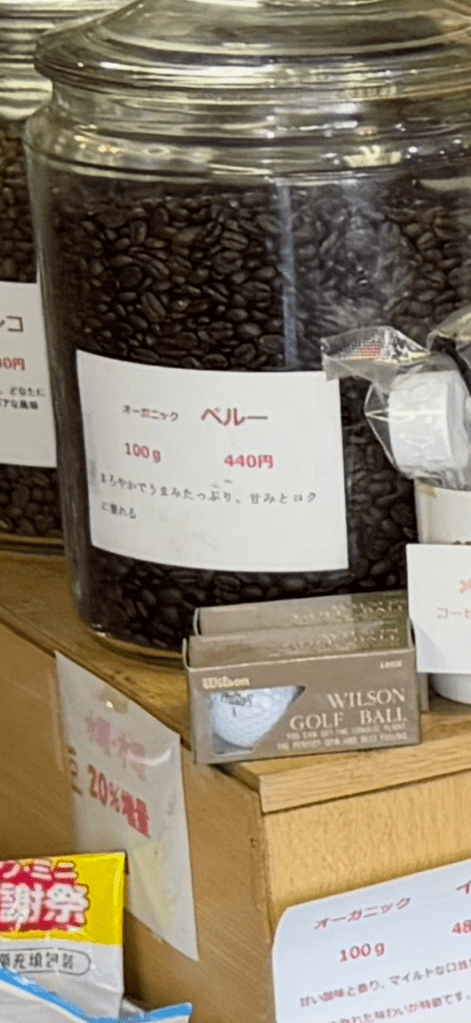
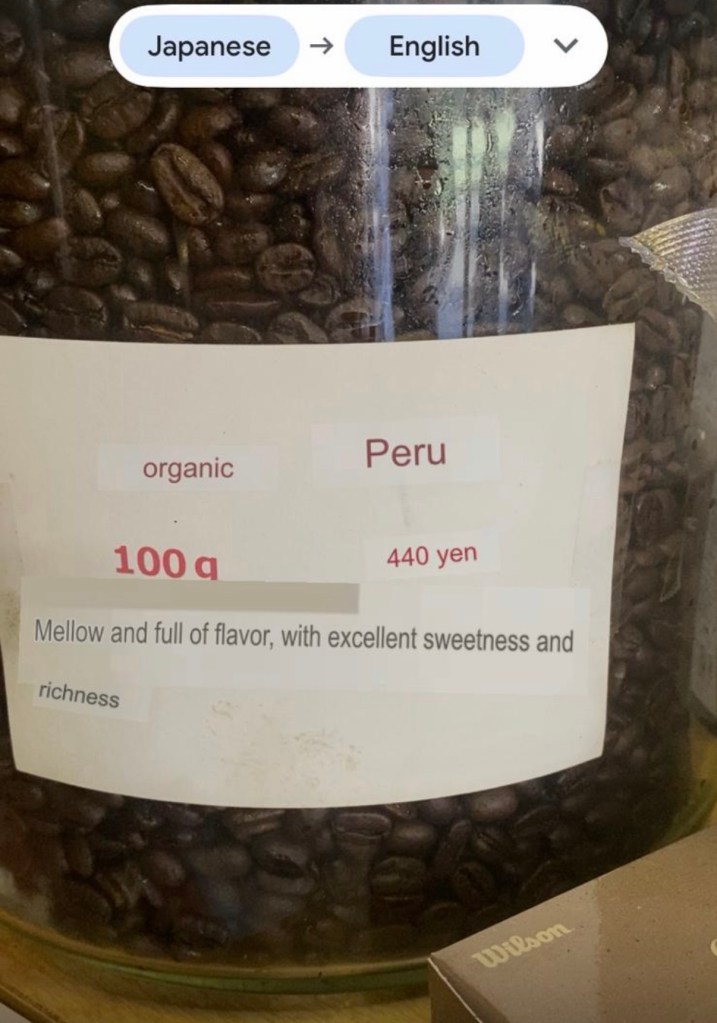
    The gentleman’s English was limited, although it put our pitiful attempts at Japanese to shame. This is where the wonder of Google (translate) stepped in again.

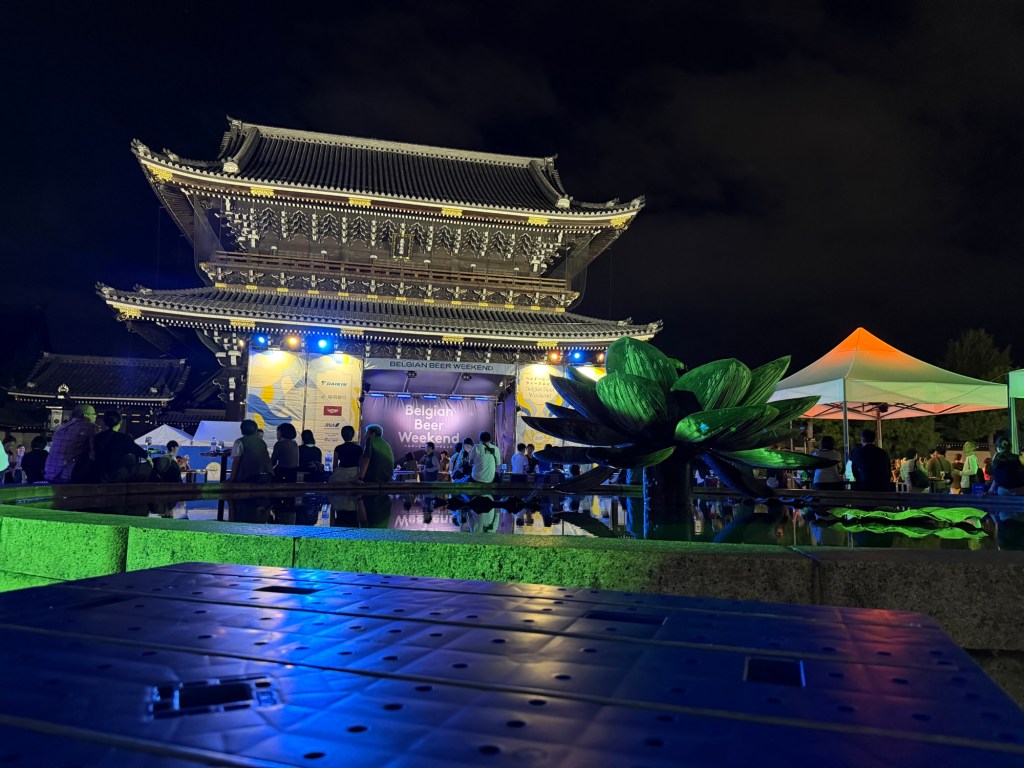
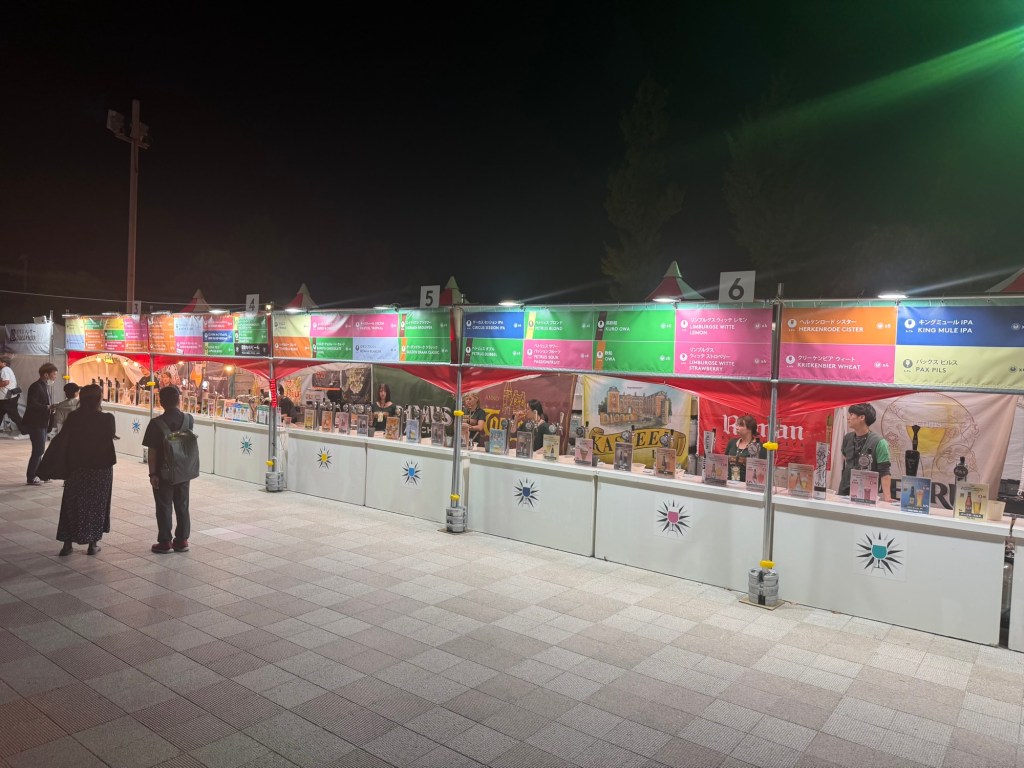
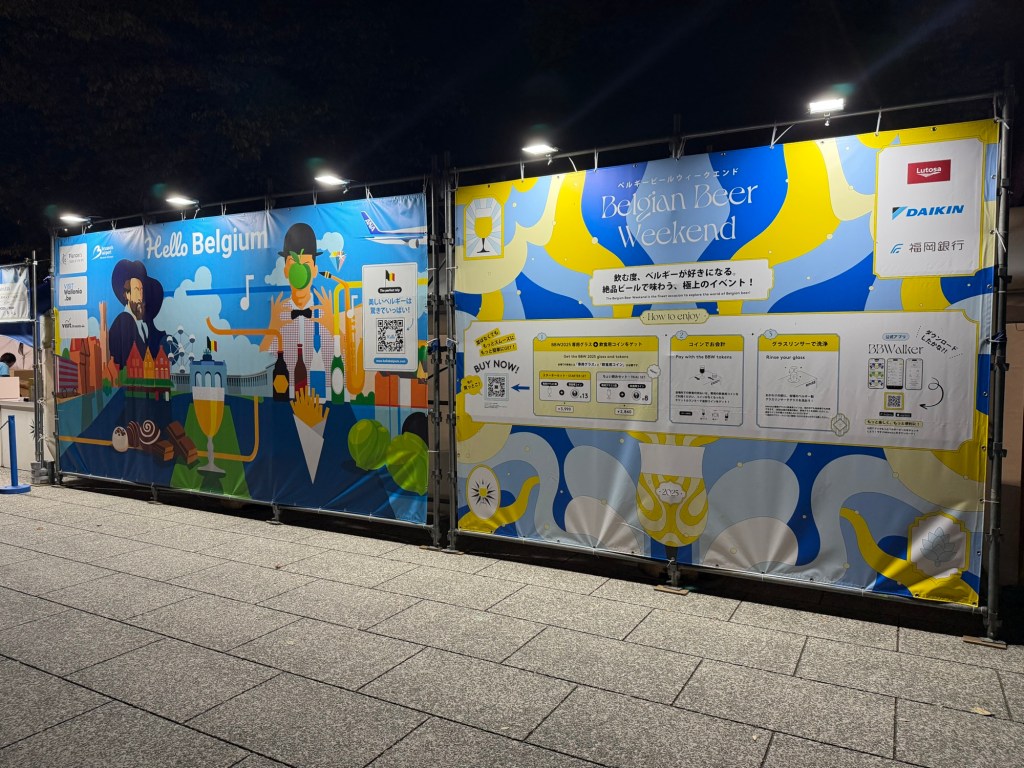
    This evening we felt obliged to try out the Belgian Beer festival that we stumbled upon last night.

    All a bit bizarre – not saying we didn’t enjoy the beer – given the backdrop.

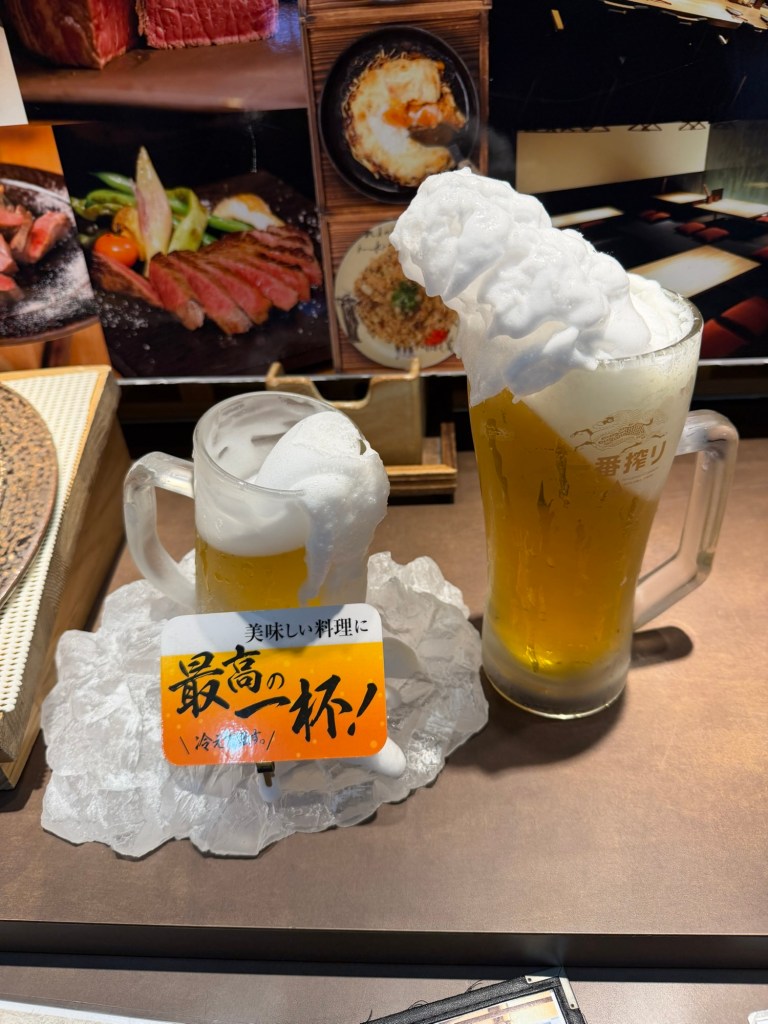
    There does appear to be something of a beer culture over here, something we are happy to go along with, make no mistake.

    Which all makes this cyber hacking business very relevant and no joke whatsoever: How hackers forced brewing giant Asahi back to pen and paper

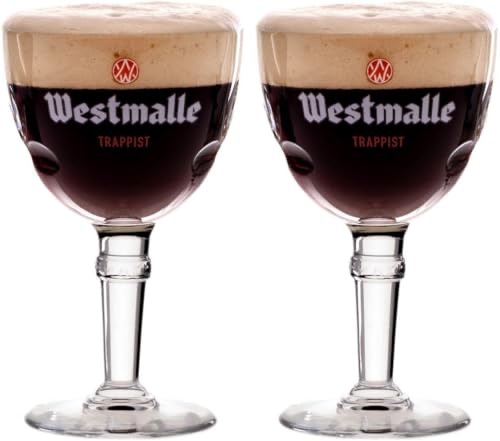
    The award winning beer, for us, tonight, was the Westmalle Dubbel. Those Trappist monks knew their stuff didn’t they!

    Cheers!

  • Day 5: John, Paul, Ringo, George, Gyoza and Zebedee

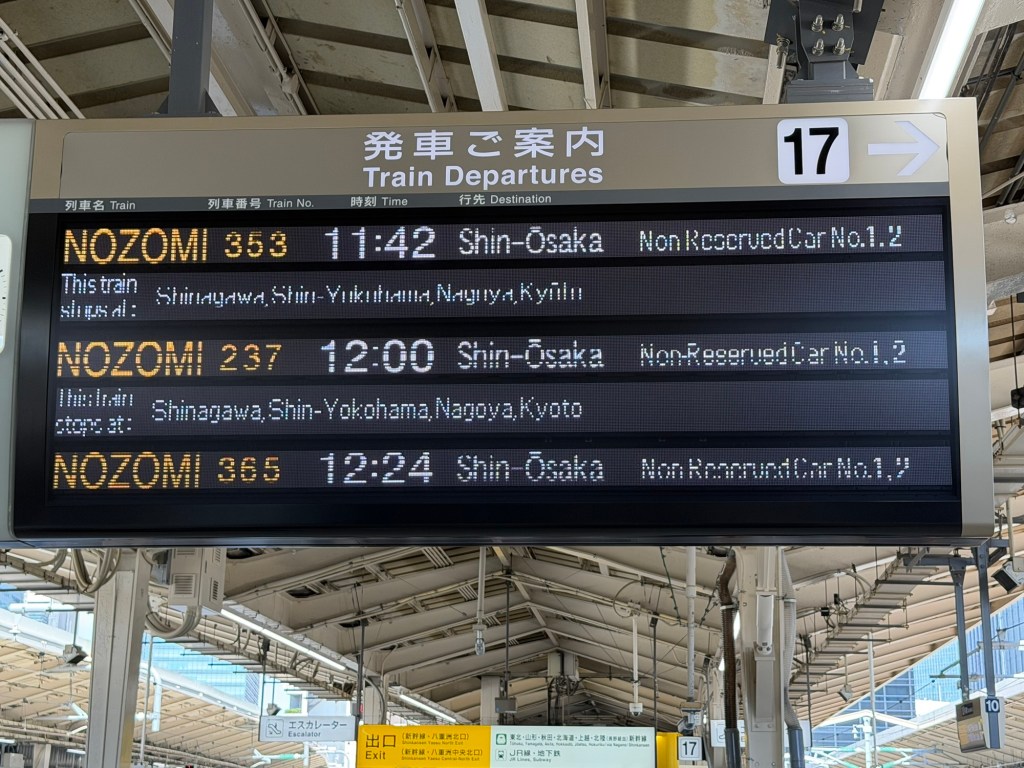
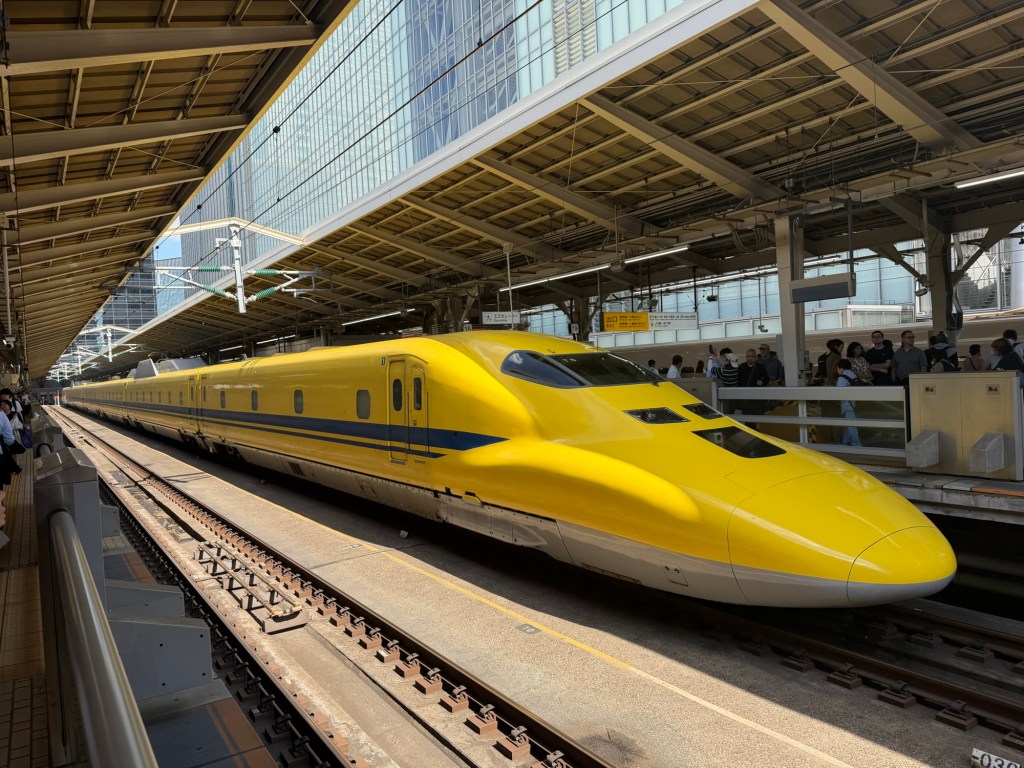
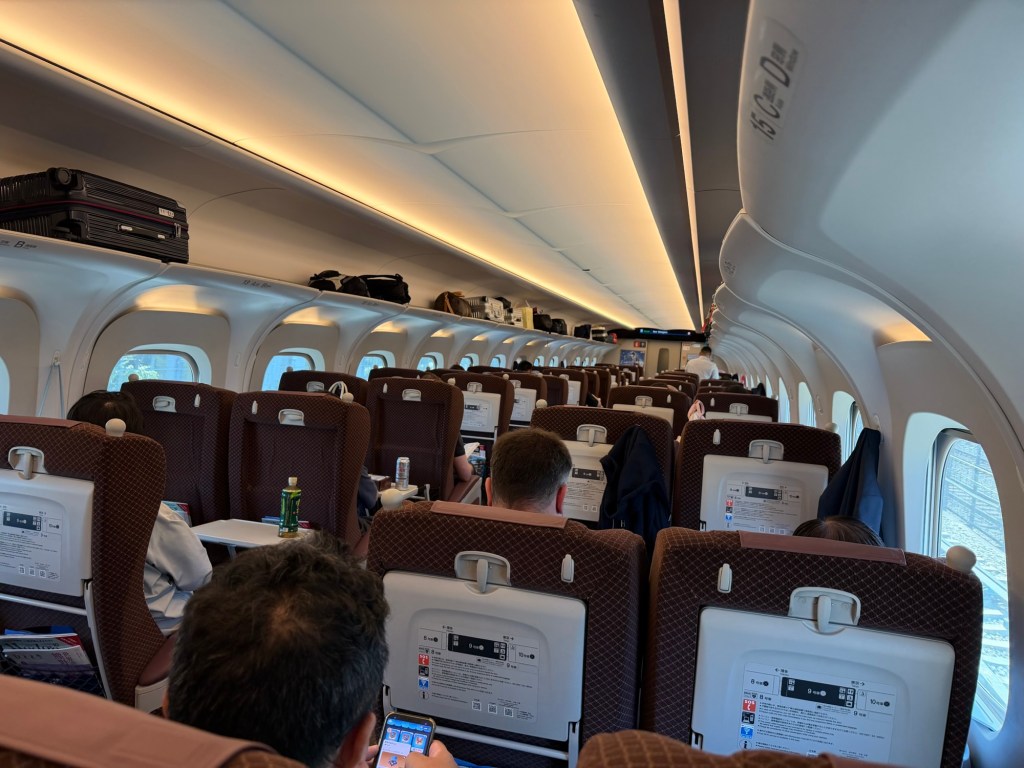
    Kyoto bound, we boarded the Shinkansen bullet train with eager anticipation

    Our train, the Nozomi (のぞみ; ‘Wish’ or ‘Hope’), is the fastest service on the Tokaido Shinkansen line. The Nozomi’s top speed is 300 km/h (186 mph). 

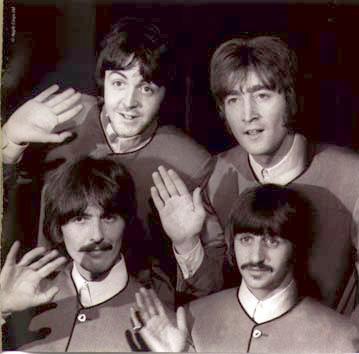
    John, Paul, George and Ringo boarded this one…

    They kindly gave us a wave

    Jolly decent chaps!

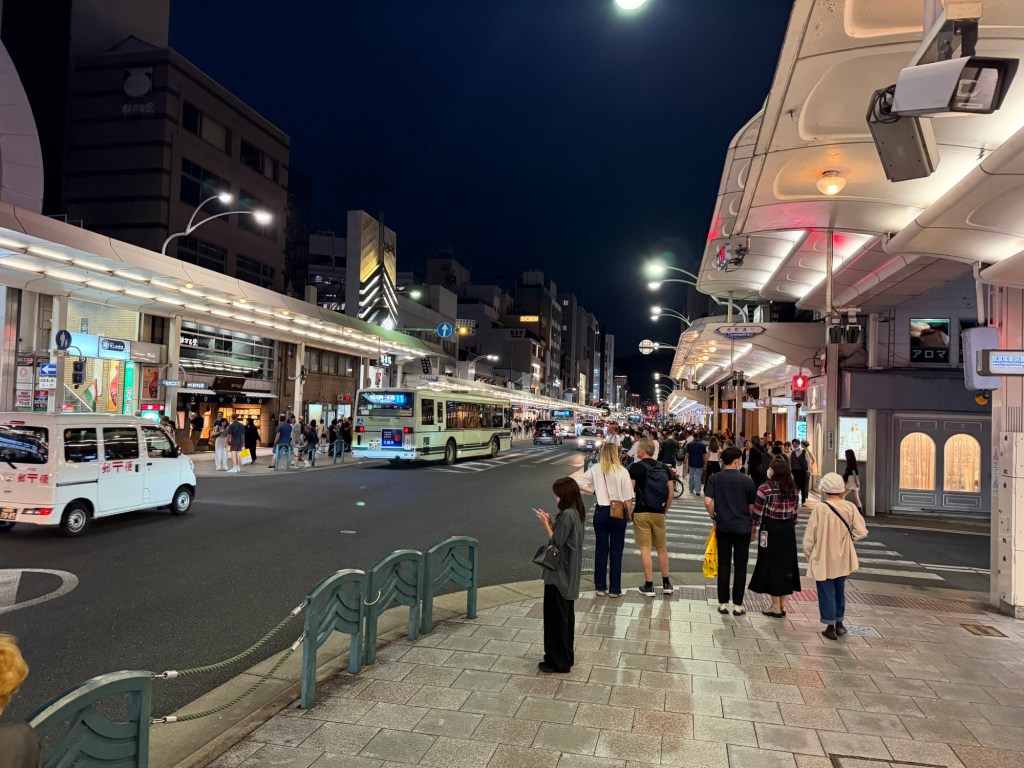
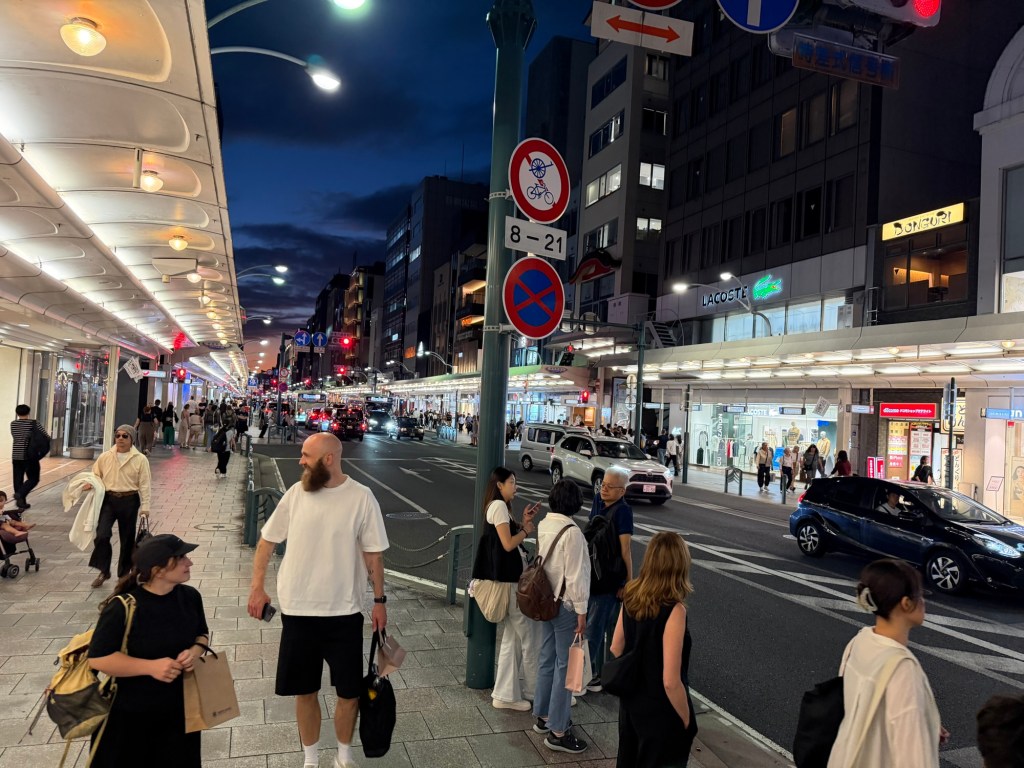
    Kyoto (京都, Kyōto) served as Japan’s capital and the emperor’s residence from 794 until 1868. It is one of the country’s ten largest cities with 1.5 million inhabitants.

    Over the centuries, Kyoto was destroyed by many wars and fires, but due to its exceptional historic value, the city was dropped from the list of target cities for the atomic bomb and escaped destruction during World War II.

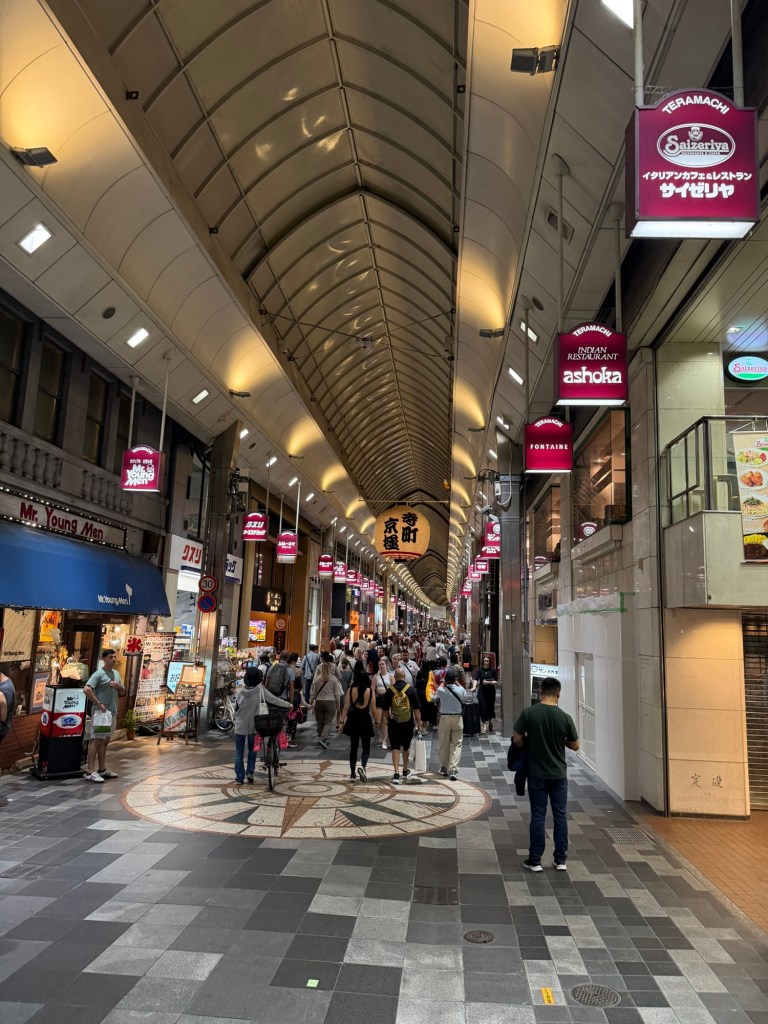
    Well, we were not expecting this in downtown Kyoto

    The large indoor arcade area is not unlike the Grand Bazaar (Kapalıçarşı) in Istanbul, if a more modern version.

    Oh and another Zara flagship to be negotiated. Those who know, know!

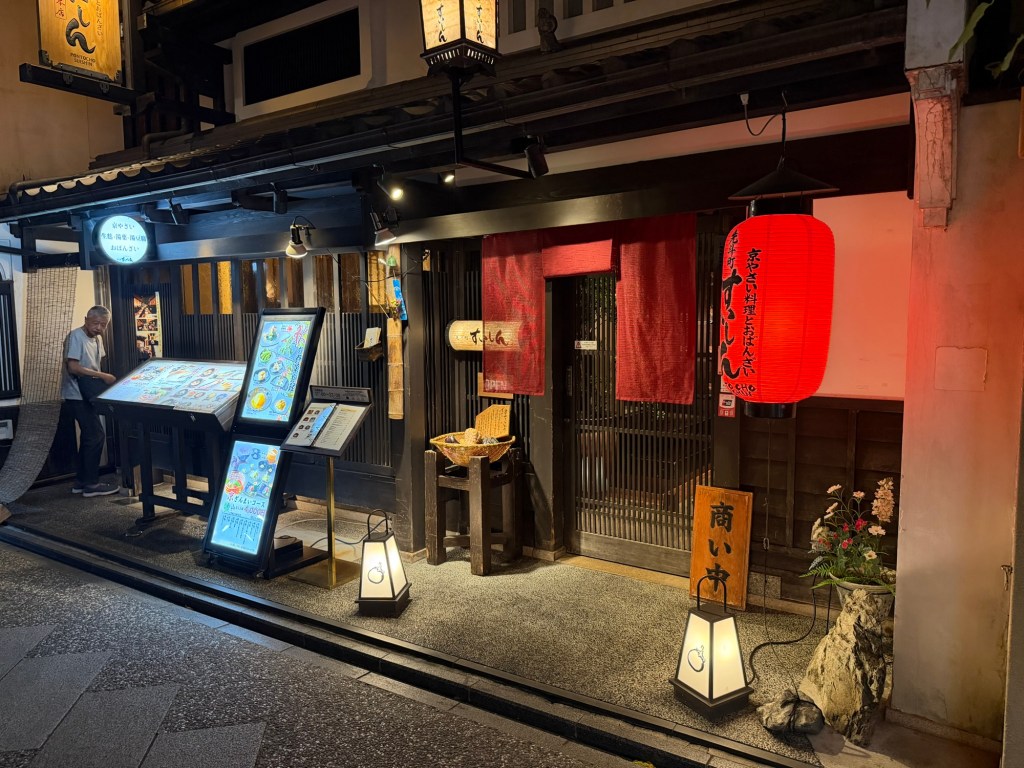
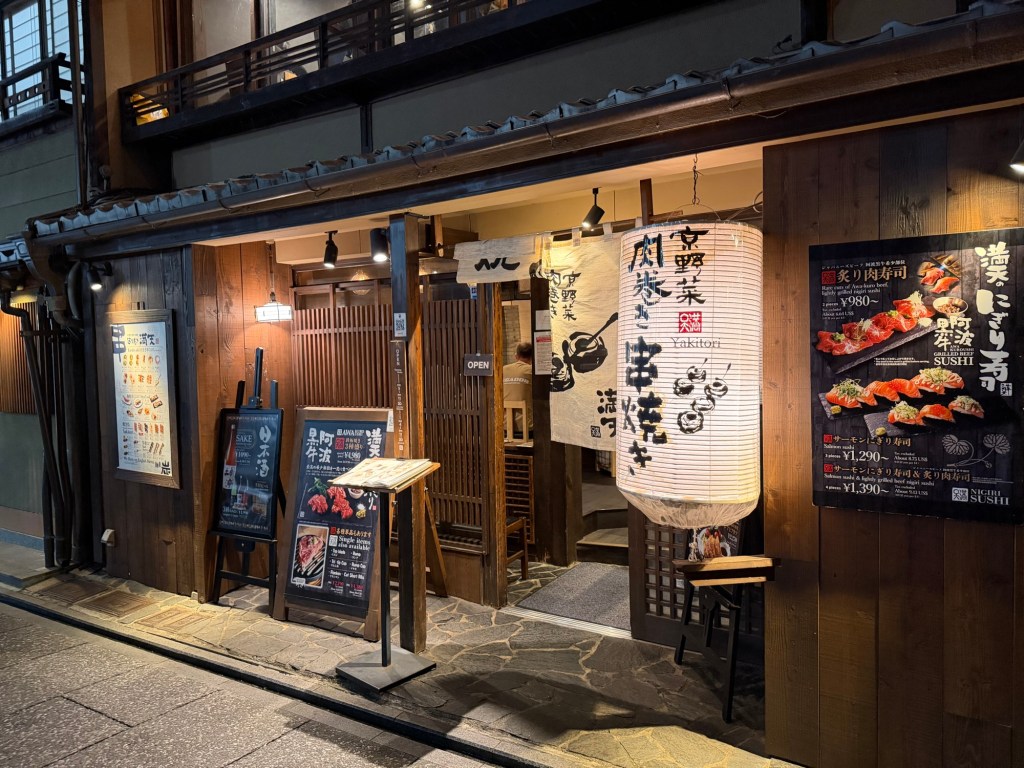
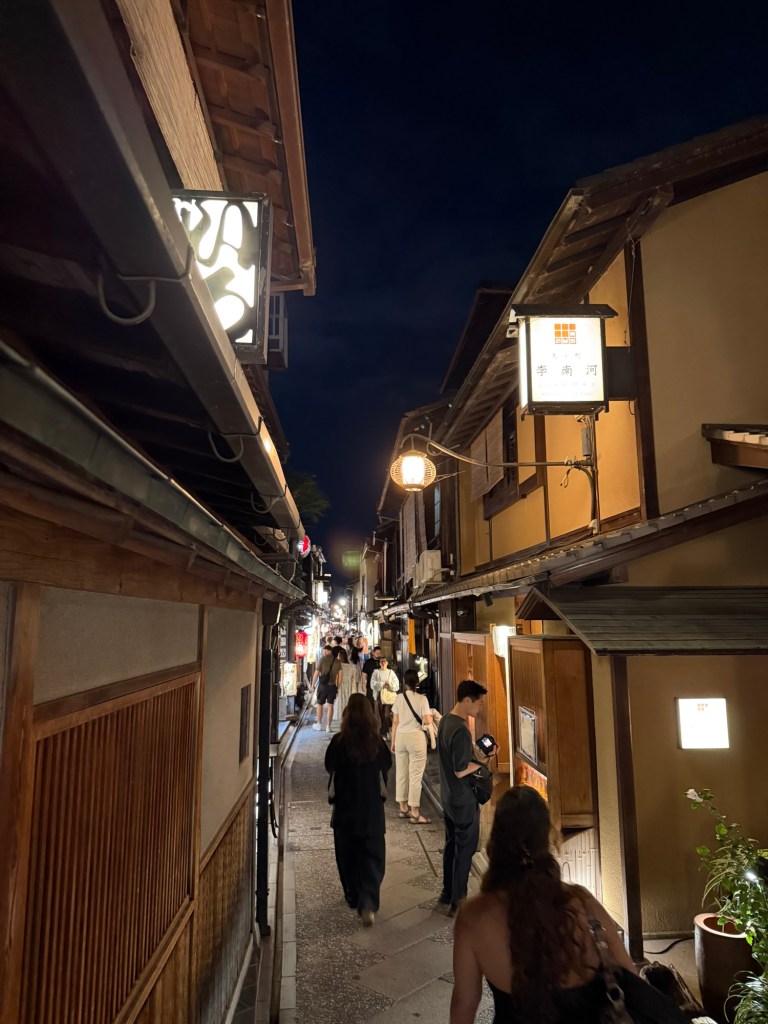
    Just down the road, we came across Pontocho (先斗町, Pontochō), one of Kyoto’s dining areas. Very atmospheric, a narrow alley running from Shijo-dori to Sanjo-dori, parallel to Kamogawa River. 

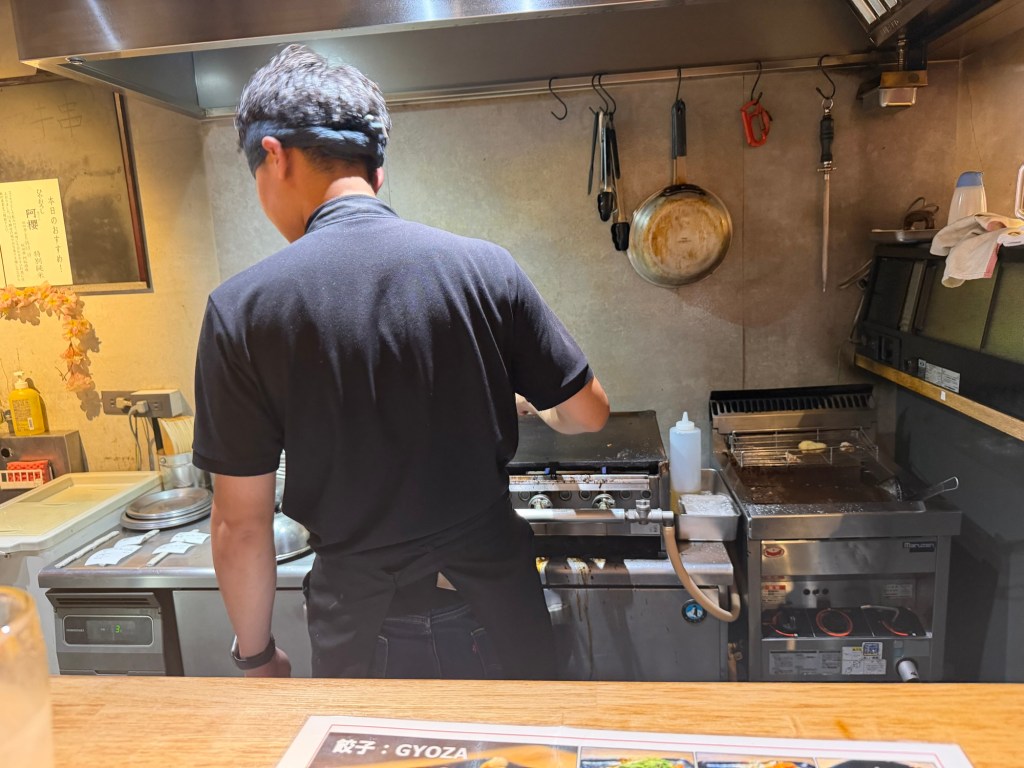
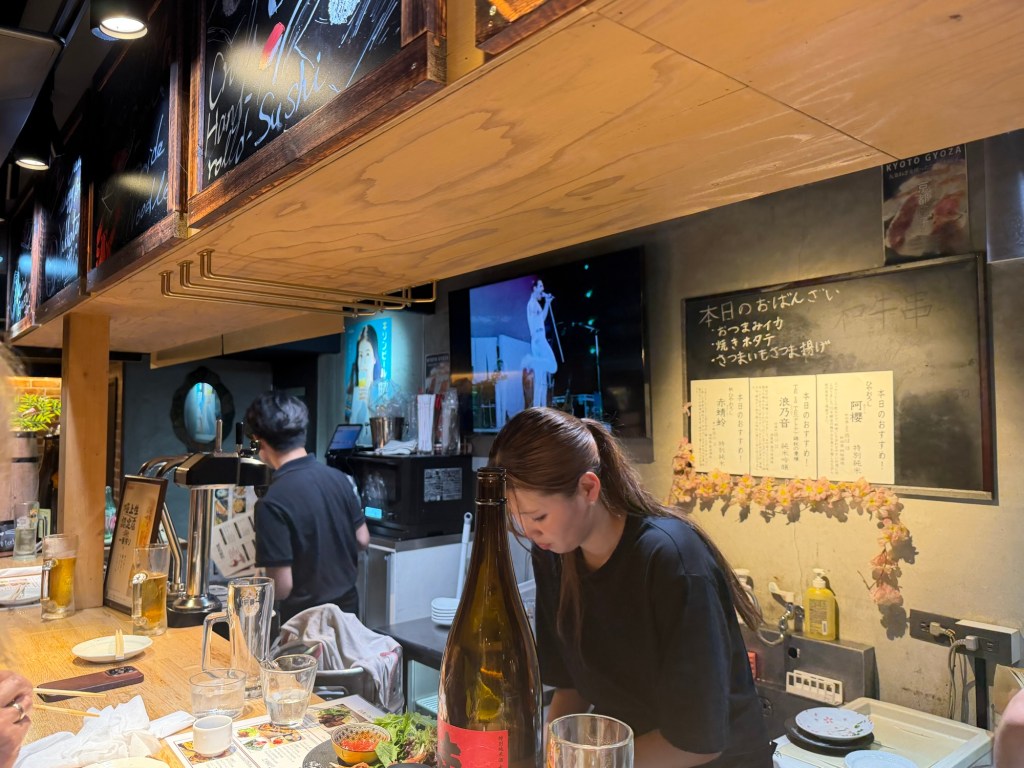
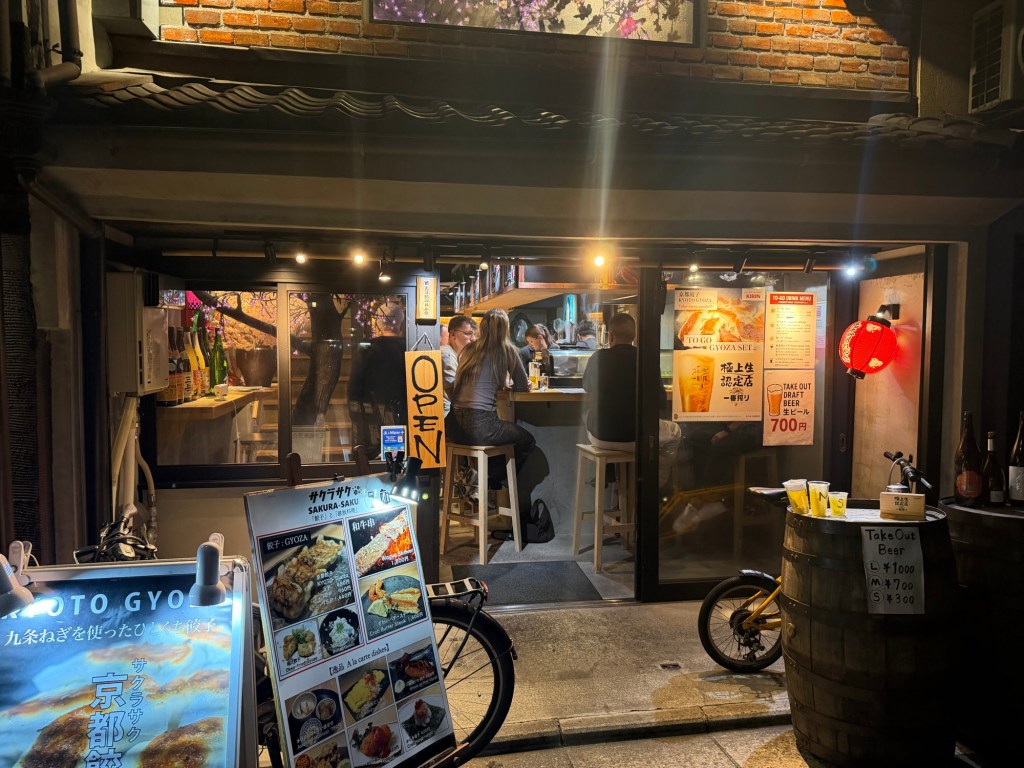
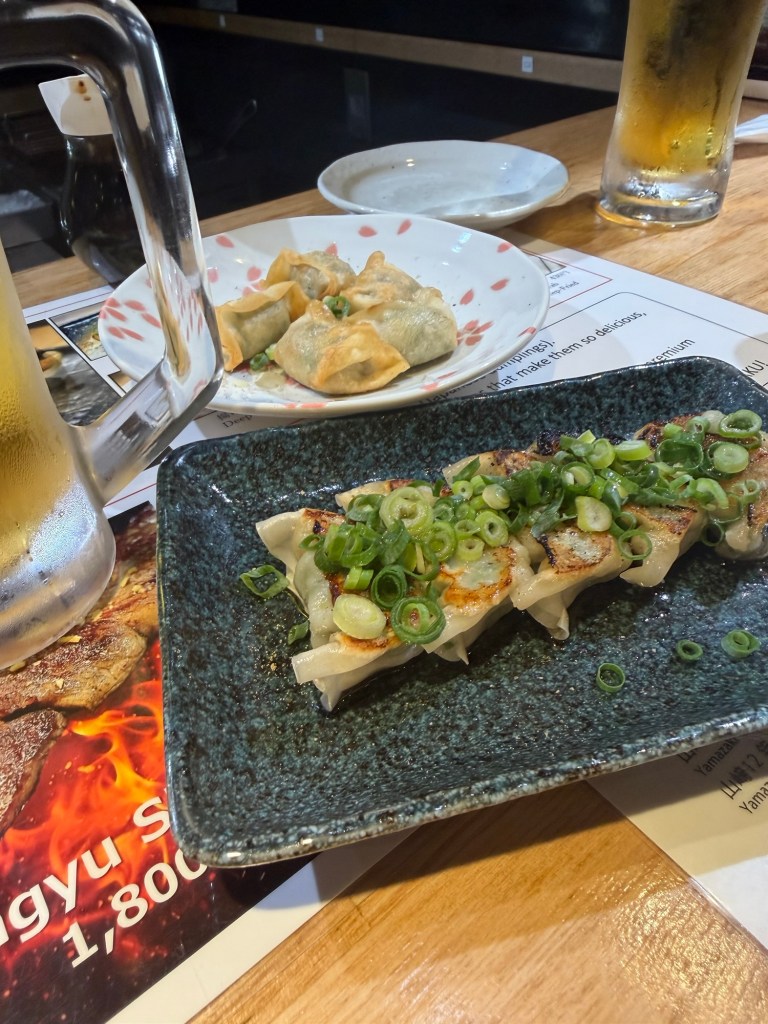
    Ready to eat, we settled on a lively bar – Freddie Mercury and his team banging out their big tunes – and gyoza (Japanese dumplings) + wagyu skewers + a couple of flagons each of Kirin beer. All enthusiastically served up by our friend here.

    Heading back to the hotel we came across something else that was quite unexpected

    Our Saturday night out, sorted!

    We came here under the illusion that Kyoto is Japan’s ‘cultural capital’. We will go in search of that tomorrow. All the while, comforted that we have a fallback option in the Belgian Beer extravaganza site that we actually managed to pass on by. It just goes to show how tired we are after yet another full on day.
    Yes, tomorrow we will get focused.

    Oddity of the day? Remember the artificial 3-d meal exhibits signalled in Day 1’s post? Well…

    😳

    Time for bed

  • Day 4: Underneath the arches with Jesus and his disciples

    In Japanese, Tokyo (東京) means “Eastern Capital”.

    • 東 (tō): This kanji character means “east”. 
    • 京 (kyō): This kanji character means “capital” or “metropolis”.

    Before 1868, the city was known as Edo (江戸), a name derived from the words for “cove” and “entrance”.

    The name “Tokyo” was chosen in direct relation to Kyoto (京都, Kyōto), the former capital of Japan. 

    • Kyoto means “capital city”.

    Today is our last full day in Tokyo before moving on to Kyoto, tomorrow.
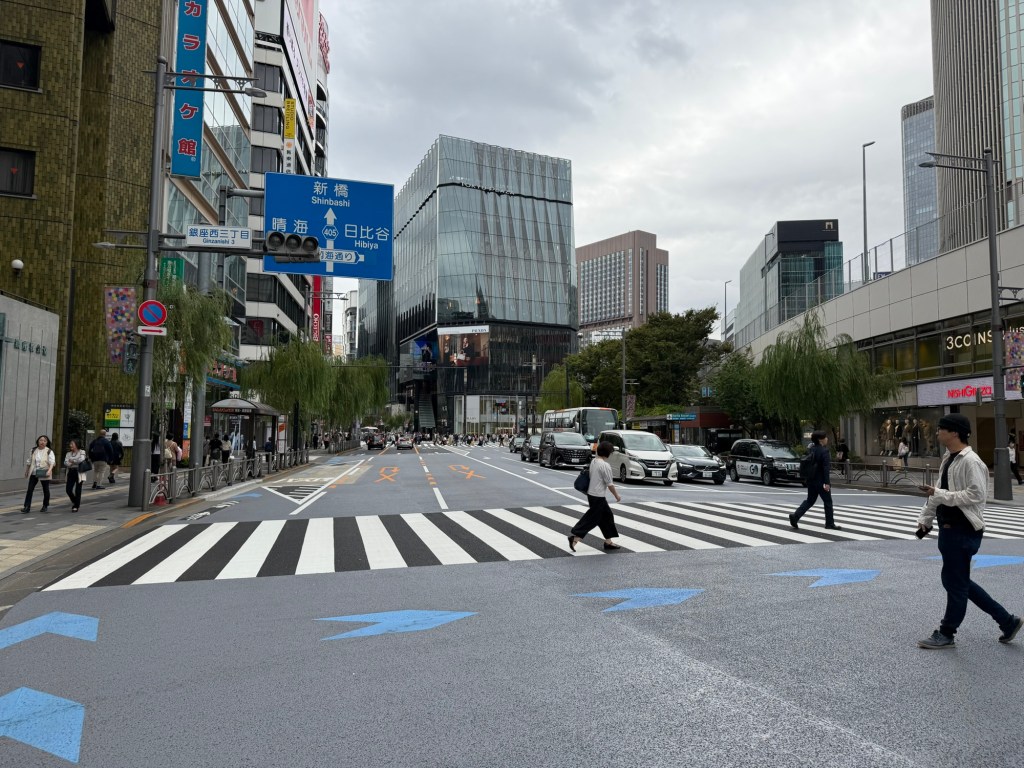
    Our first target today is Ginza. According to the Lonely Planet guide, Ginza has a reputation for being Tokyo’s ‘swankiest neighbourhood’, and is the city’s ‘premier shopping spot’. Ginza is where the silver-coin mint factory was located during the Edo period – in Japanese, gin means ‘silver’.

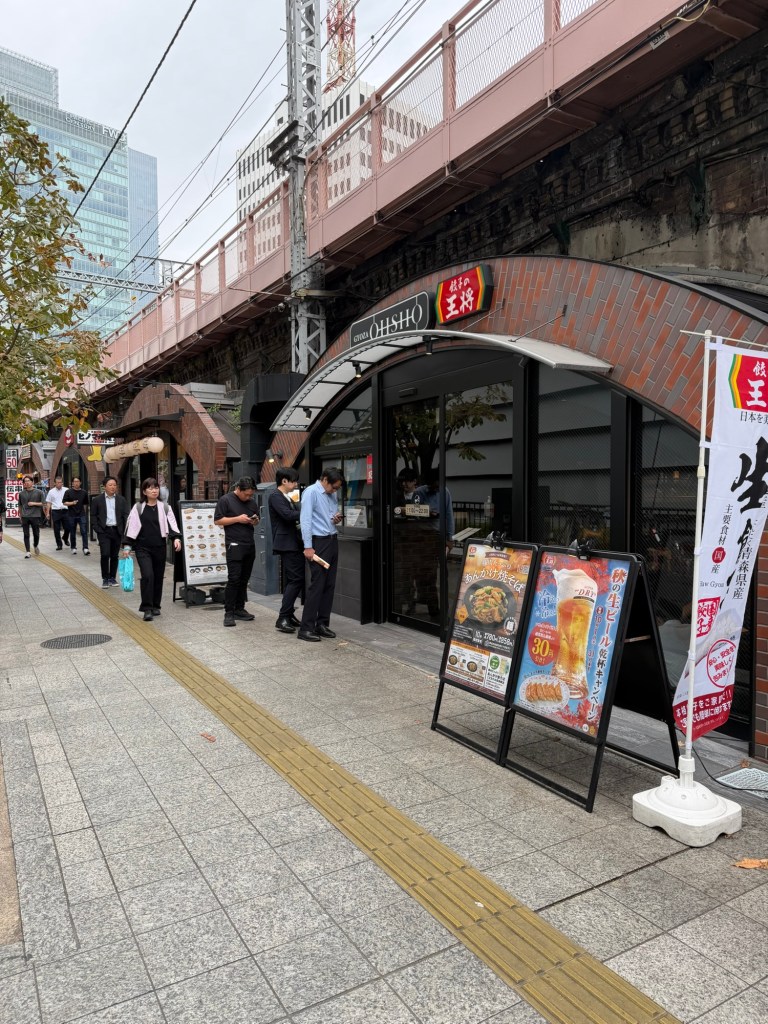
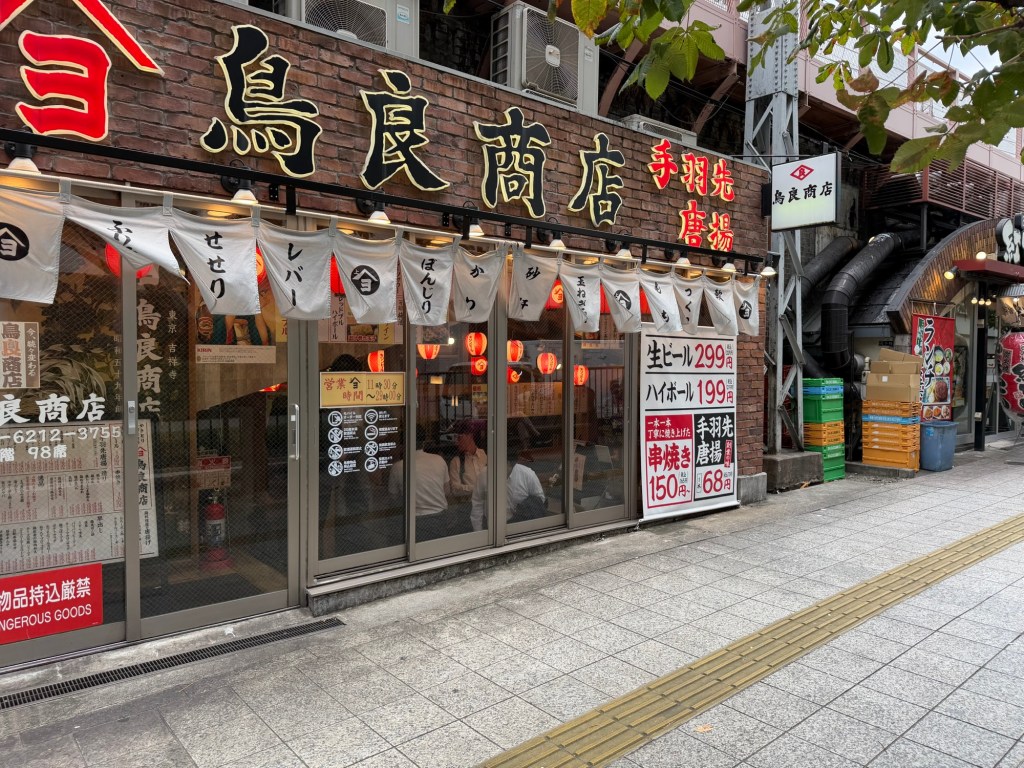
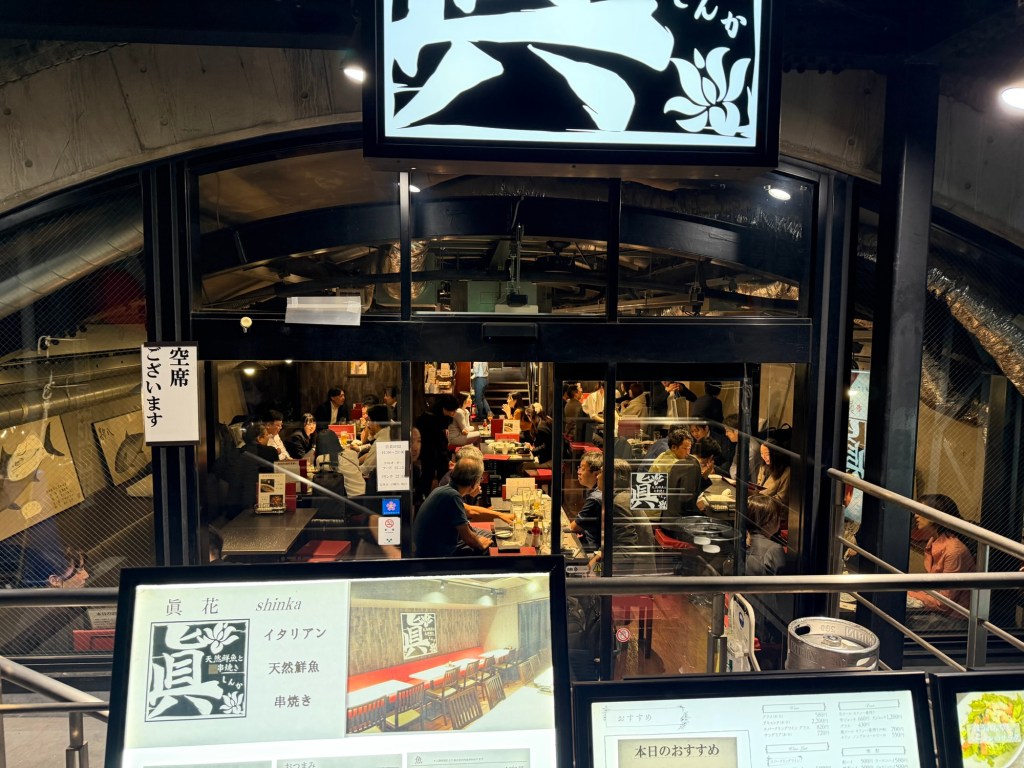
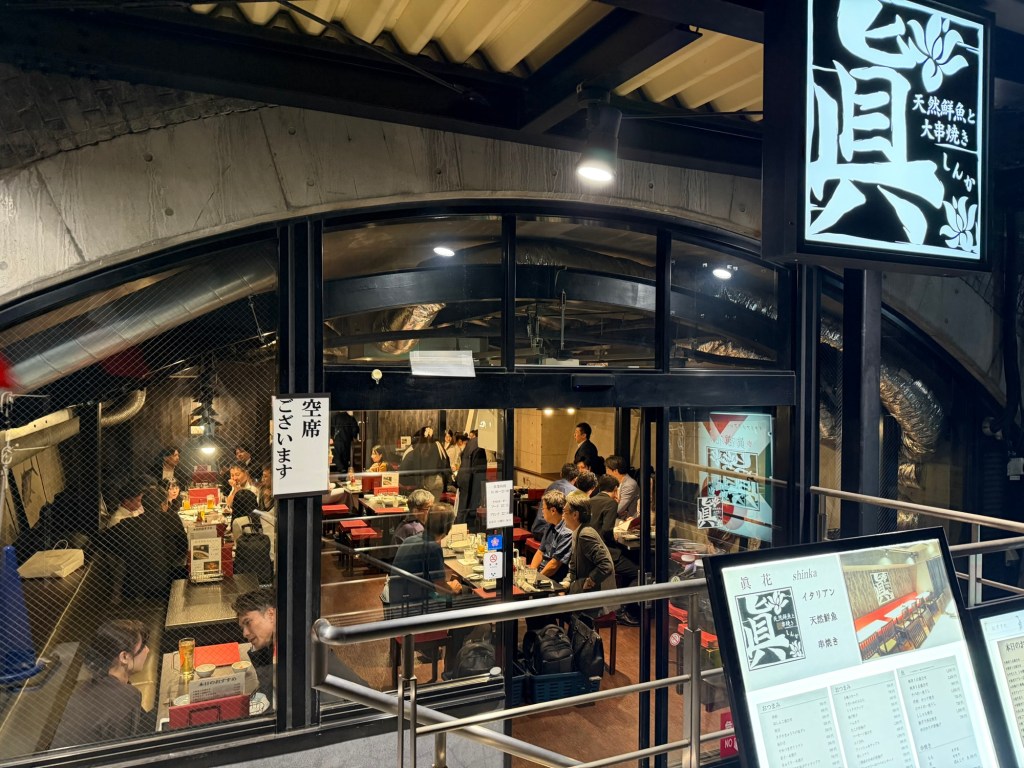
    Walking to Ginza we hit upon this long (300m or so) run of places to eat, tucked under the railway arches.

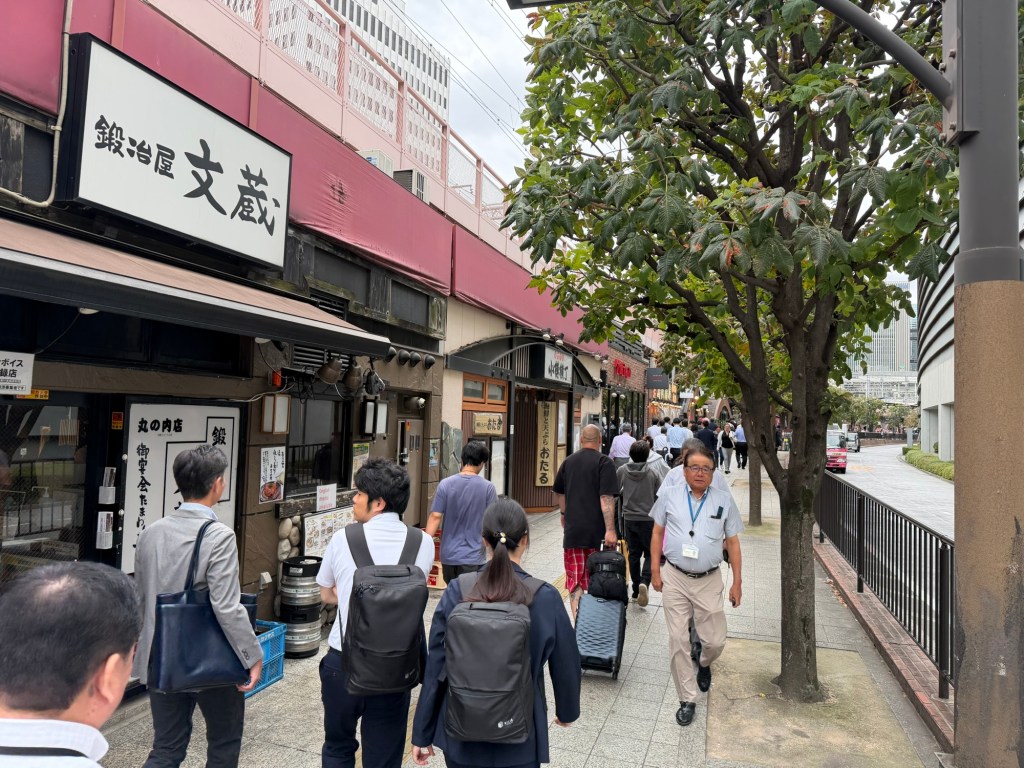
    Clearly, they are places popular with office workers. Marking it down as a potential area for eating out this evening, we jumped in elsewhere for a coffee and something sweet.

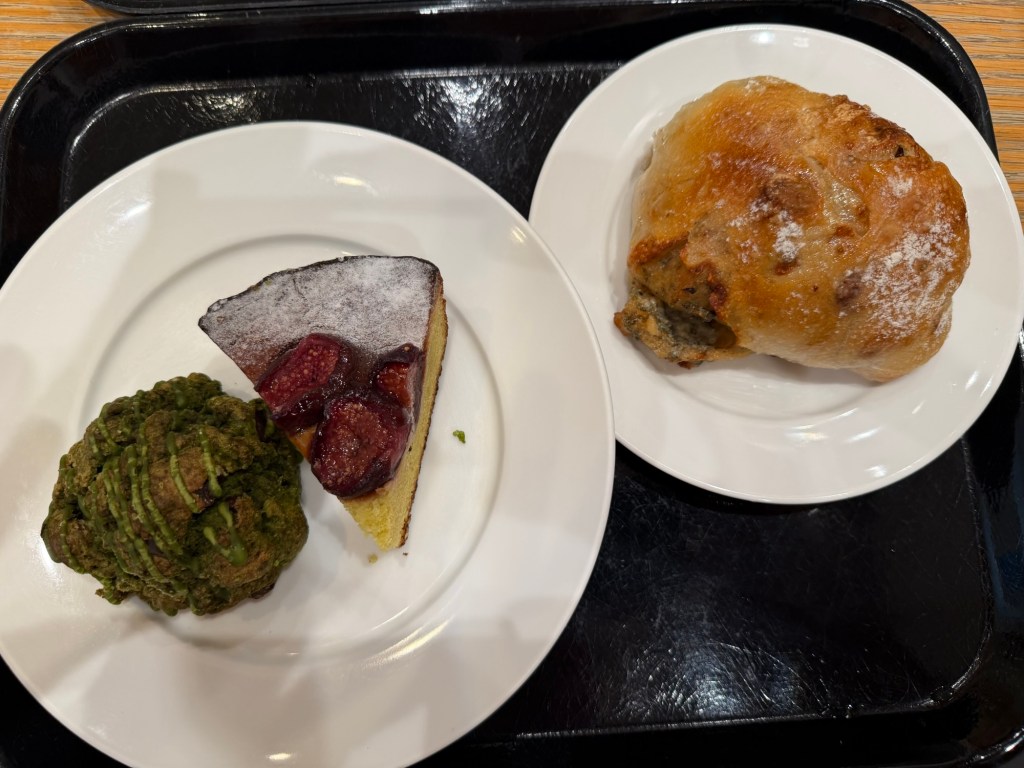
    Green tea scone, fig and pistachio cake + Gorgonzola and walnut bread.

    Sat enjoying the fare, a quick Google consultation resulted in this:

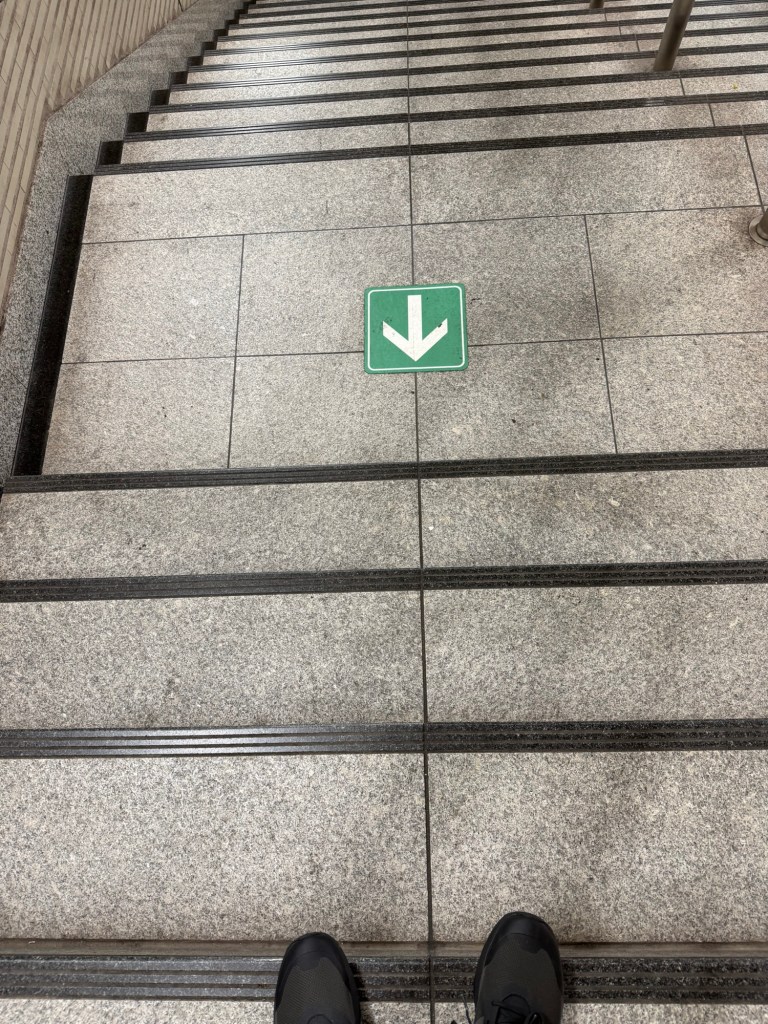
    The row of eating places under the arches near Ginza is called Yurakucho Gado-shita (or Gado-shita), a traditional term for restaurants situated under train tracks. Makes sense. Typically logical. We like the Japanese, no nonsense, descriptions. And that goes for direction, too.

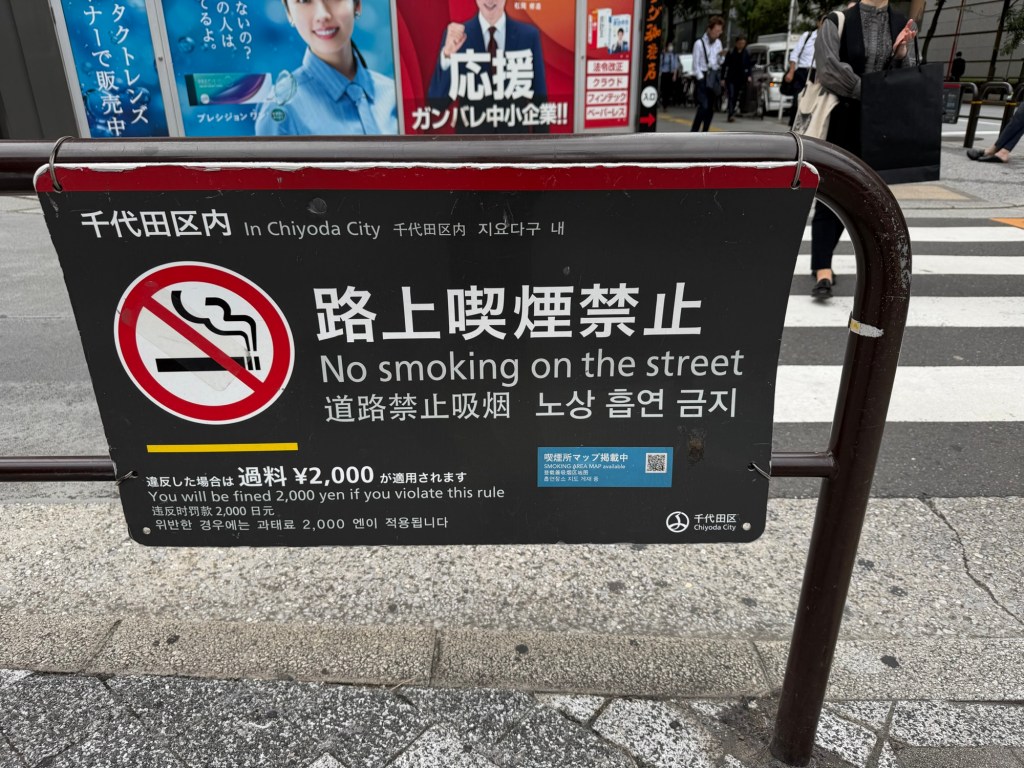
    Central Tokyo really does have such a sense of space. Street etiquette is very marked, nobody but nobody disobeys the lights at the plentiful crossing points. And guess what, you fall in with everyone else and do the right thing! How often do we do the exact opposite in ‘the Western World’?

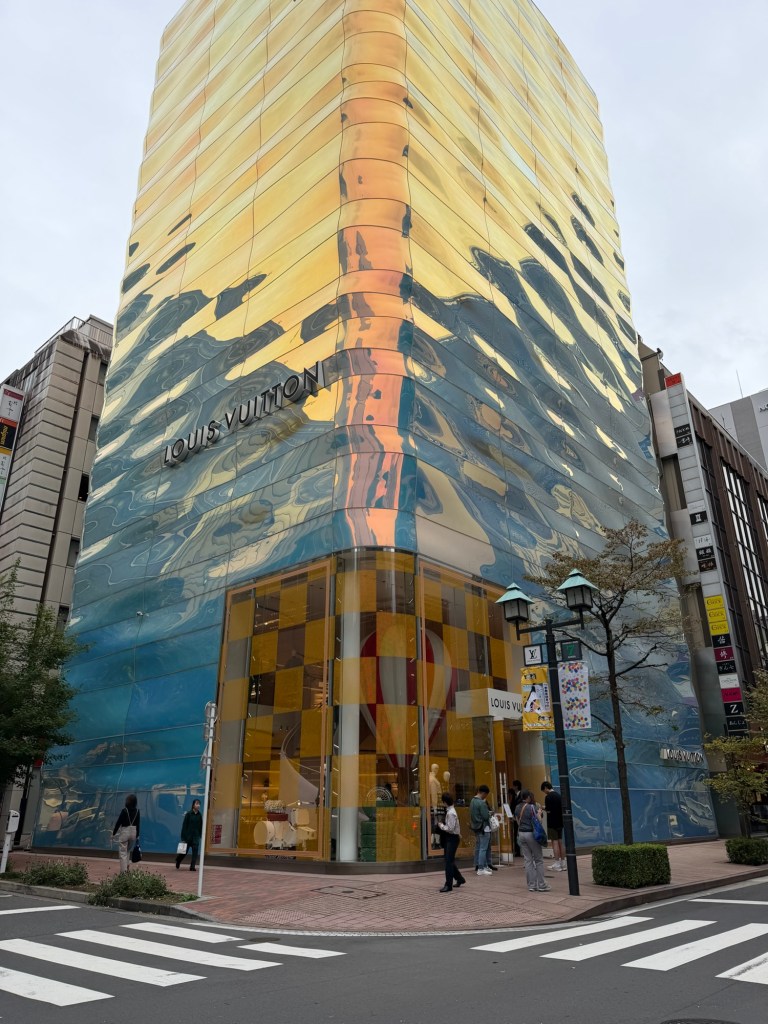
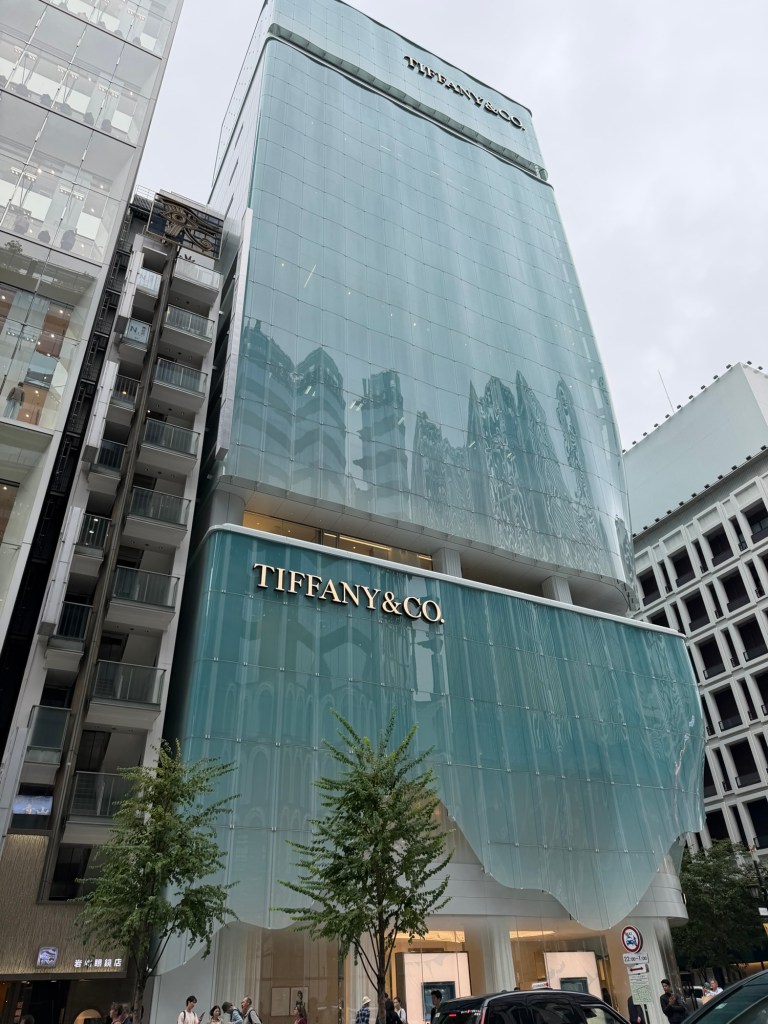
    We found the posh shops. Impressive style, equally impressive prices. I guess someone has to pay for the facia, not to mention the rates.

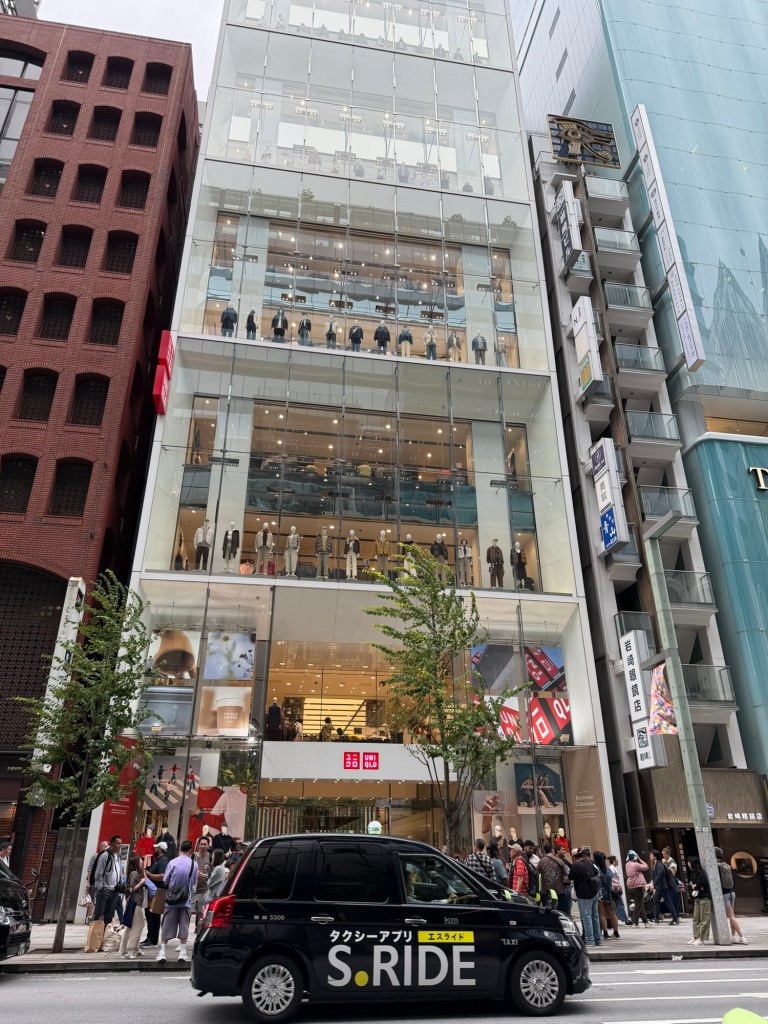
    We have favoured Uniqlo for a while now, more within our spend bracket. Check this baby out…

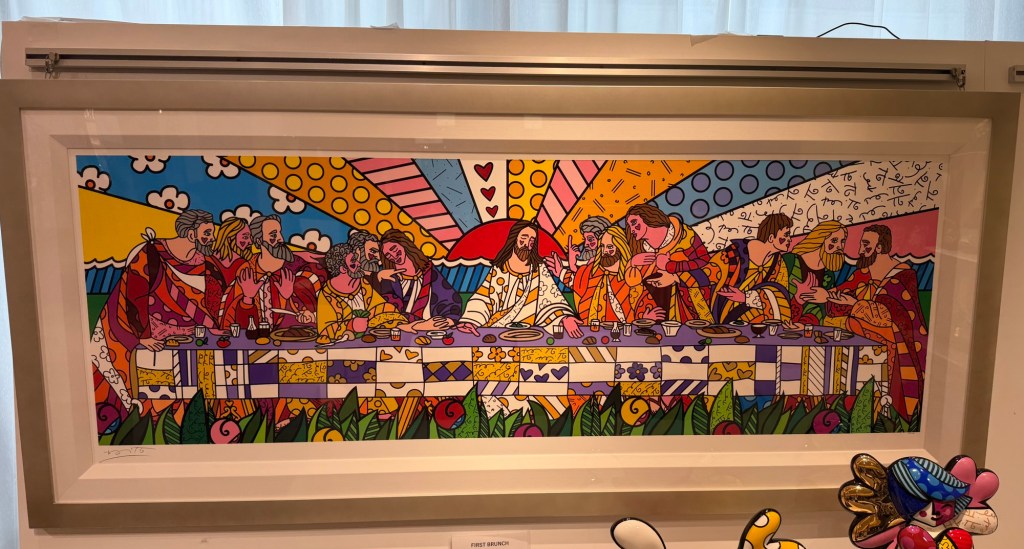
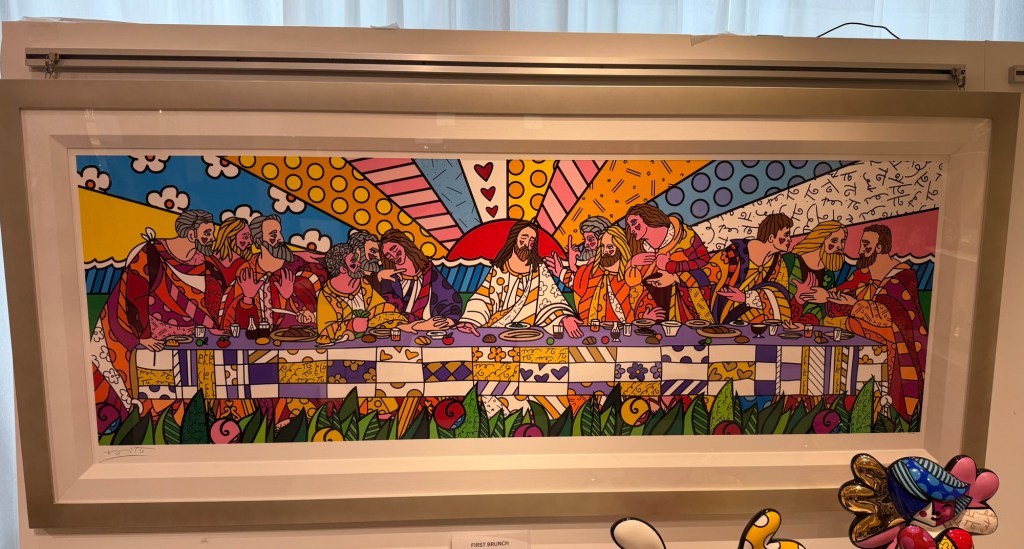
    We found the perfect picture to hang over our dining table back home.

    A little irreverent perhaps or simply fun? We are going with the second. Price? £4,000 plus! We moved on…

    The artwork is by Brazilian-born, Romero Britto, founder of the Happy Art Movement. We are all for spreading happiness in our home but cannot extend to that, unfortunately.

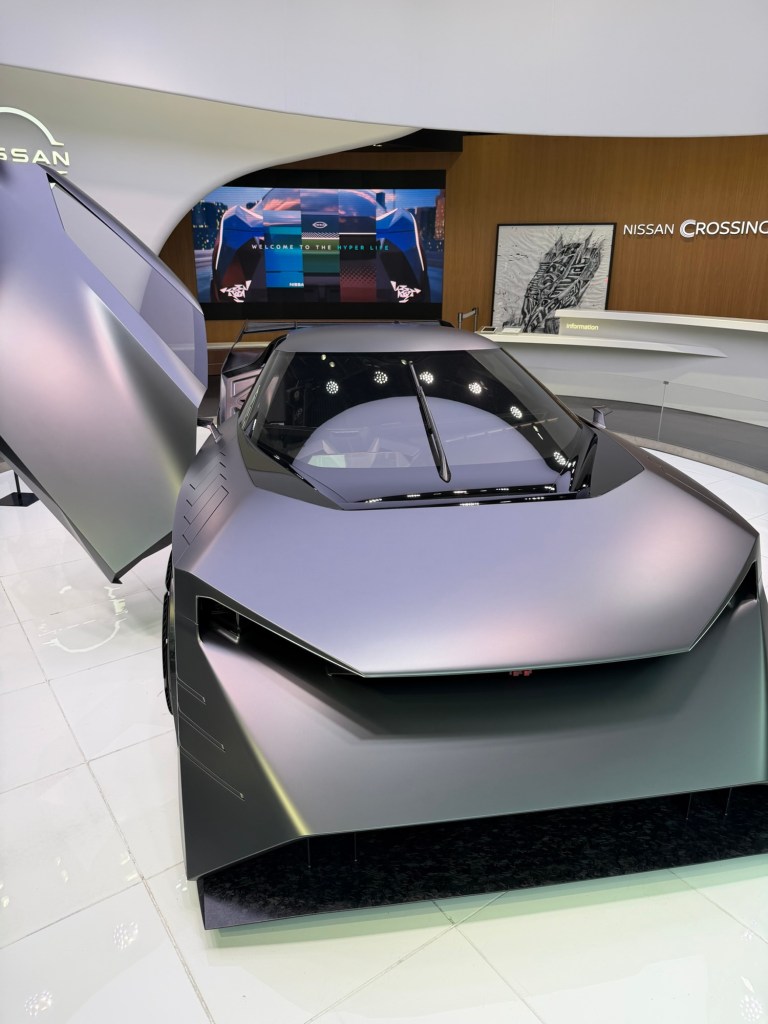
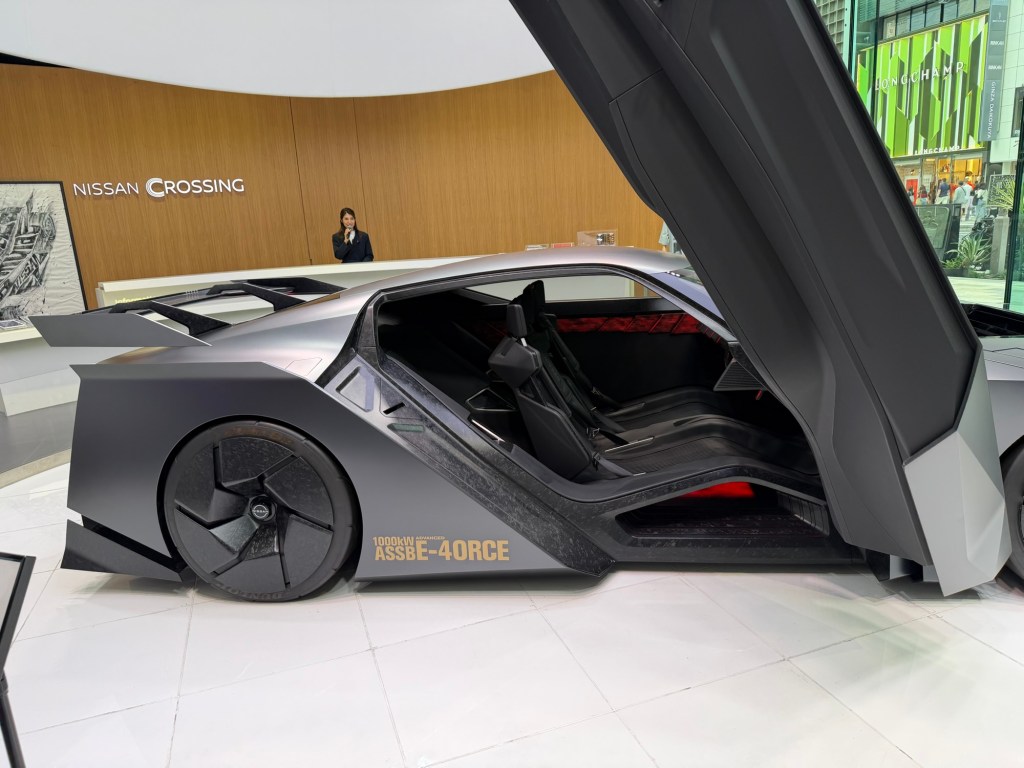
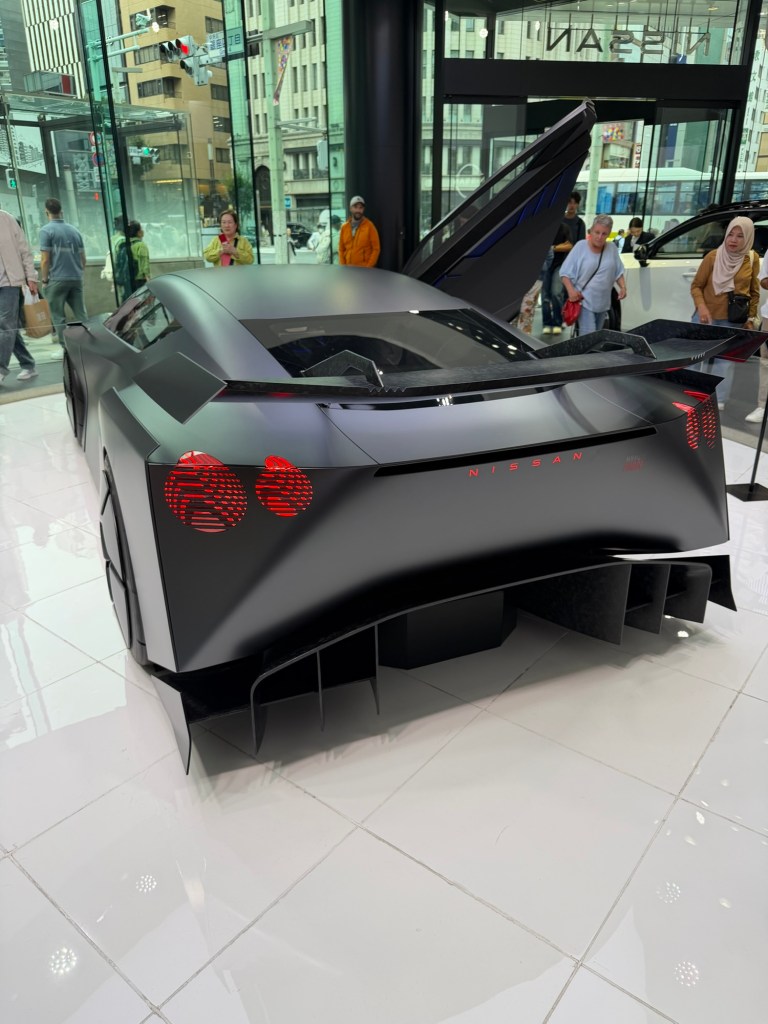
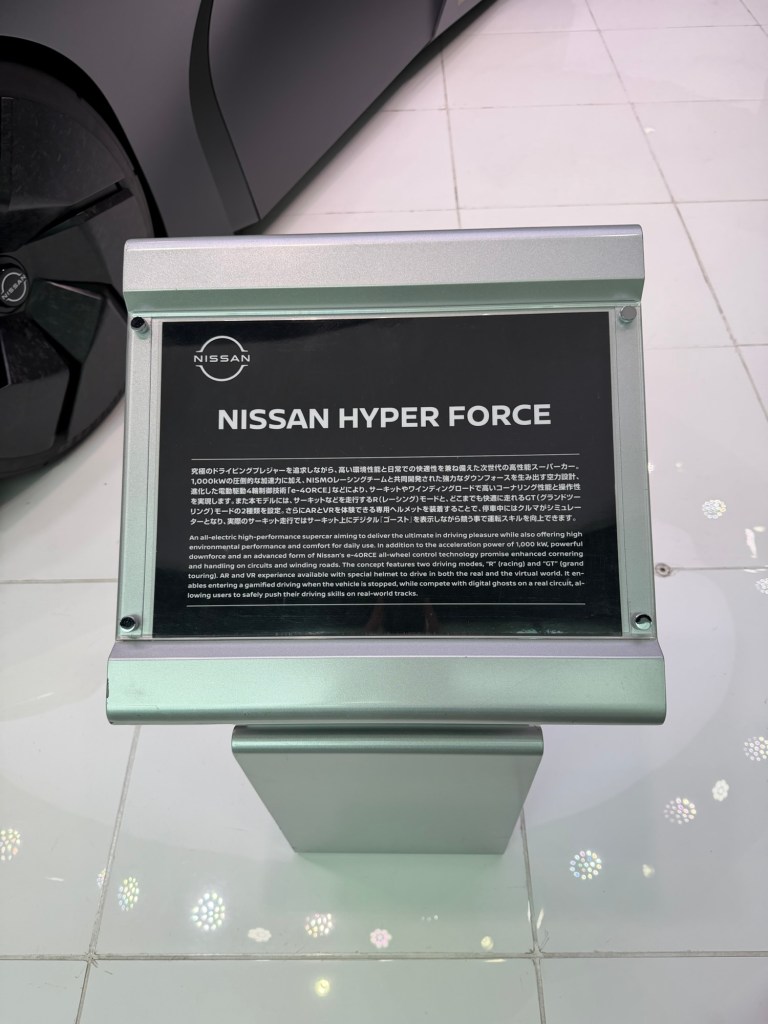
    New car anyone?

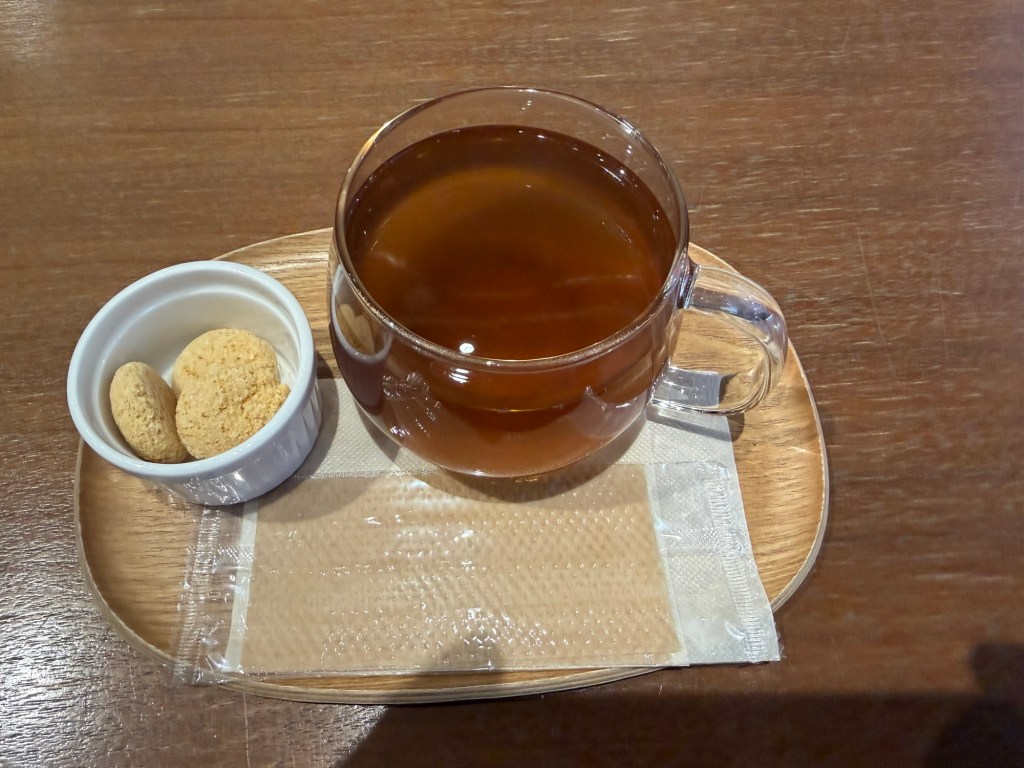
    Halt for a roasted green tea. Flavourful and very refreshing.

    Next stop was Tsukiji Outer Market (築地場外市場), the place go for a spot of freshly caught seafood or sushi. Unfortunately for us, they start early and shut up shop at 2 p.m.

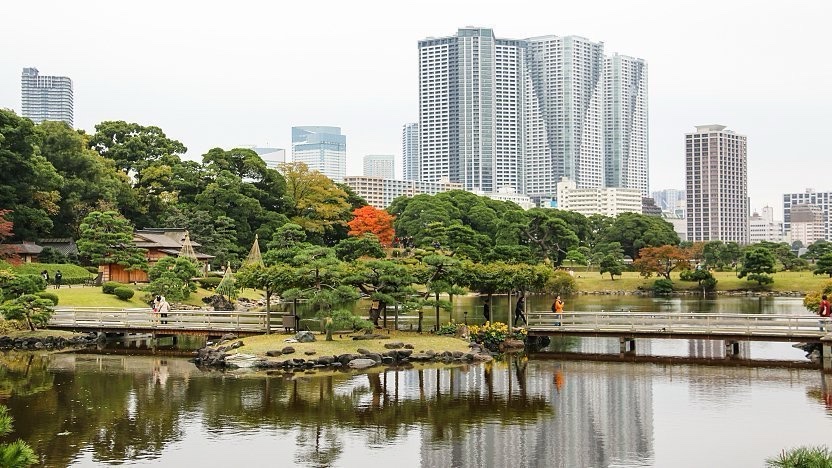
    Ah well, we moved on down to Hama Rikyu (浜離宮, Hama Rikyū), a large landscape garden alongside Tokyo Bay. It was originally built as a feudal lord’s Tokyo residence and duck hunting grounds during the Edo Period (1603-1867). I wonder what he would make of today’s skyline?

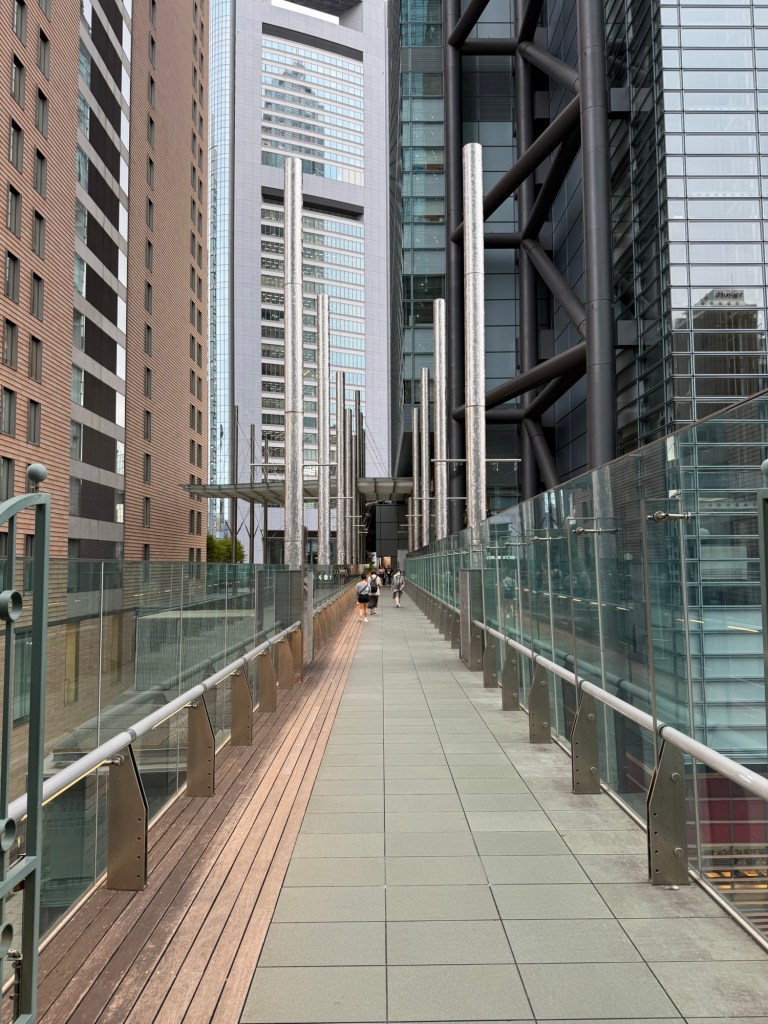
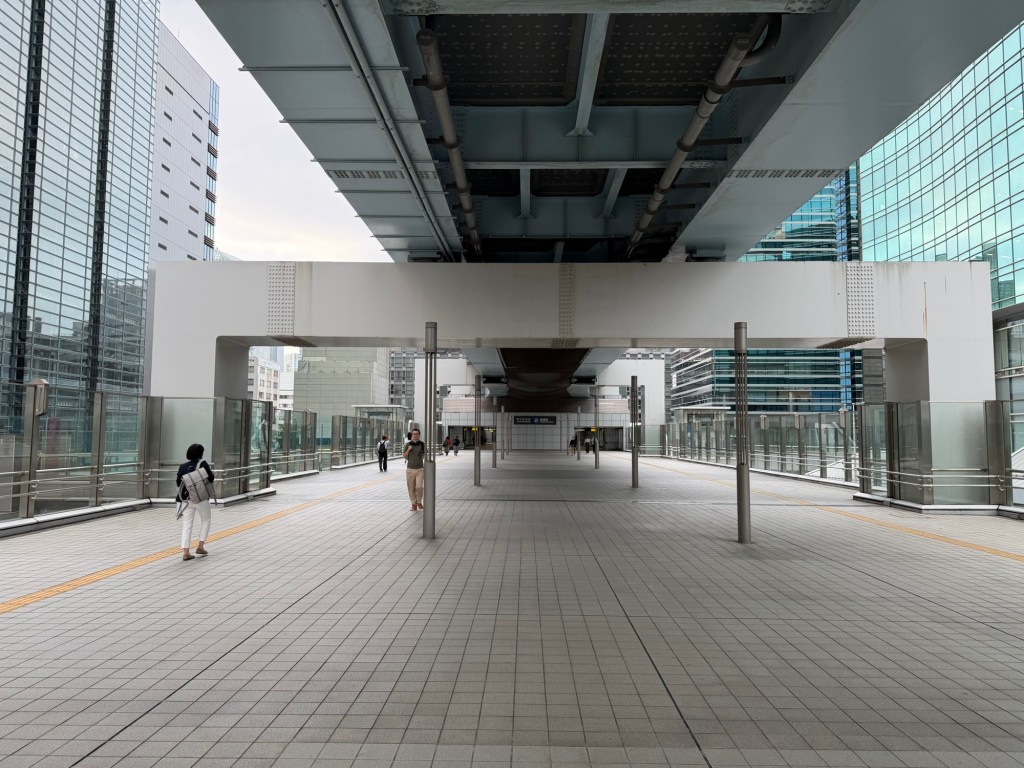
    In certain areas elevated walkways – à la Hong Kong – allow for a safer and easier walk, above street level.

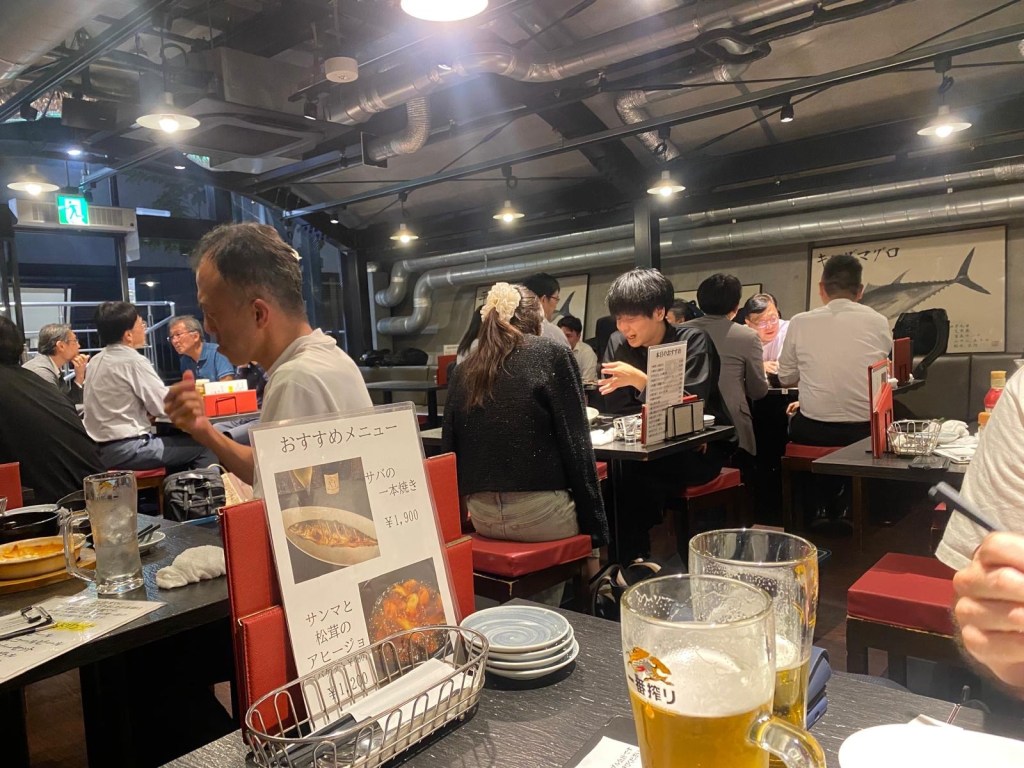
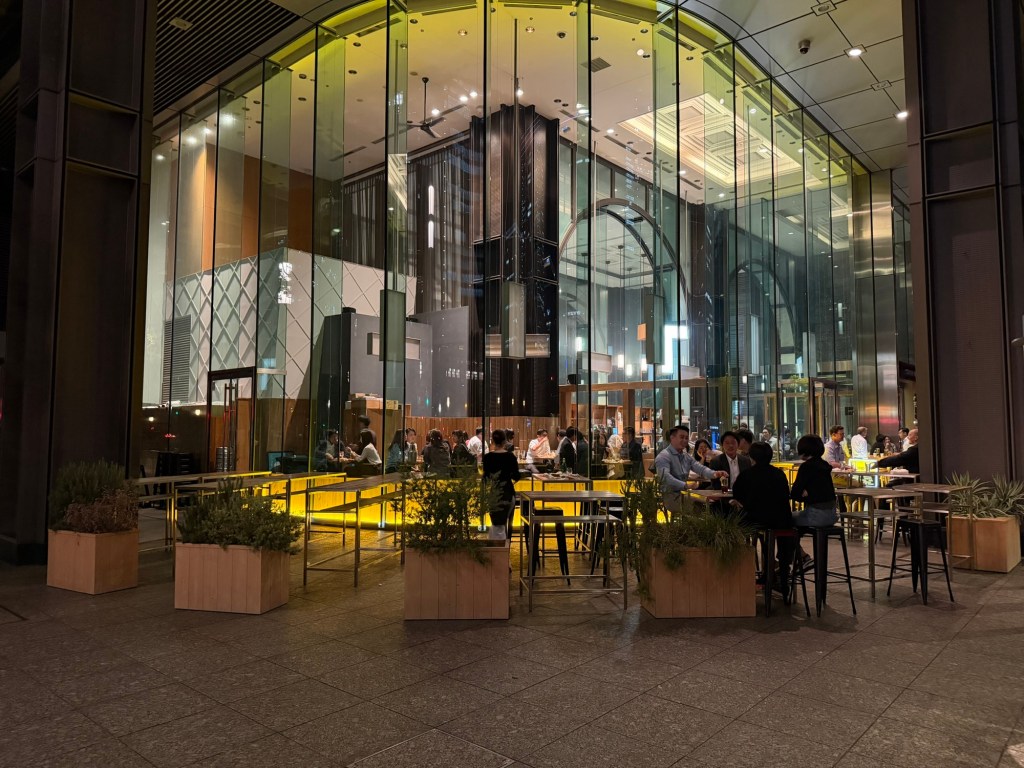
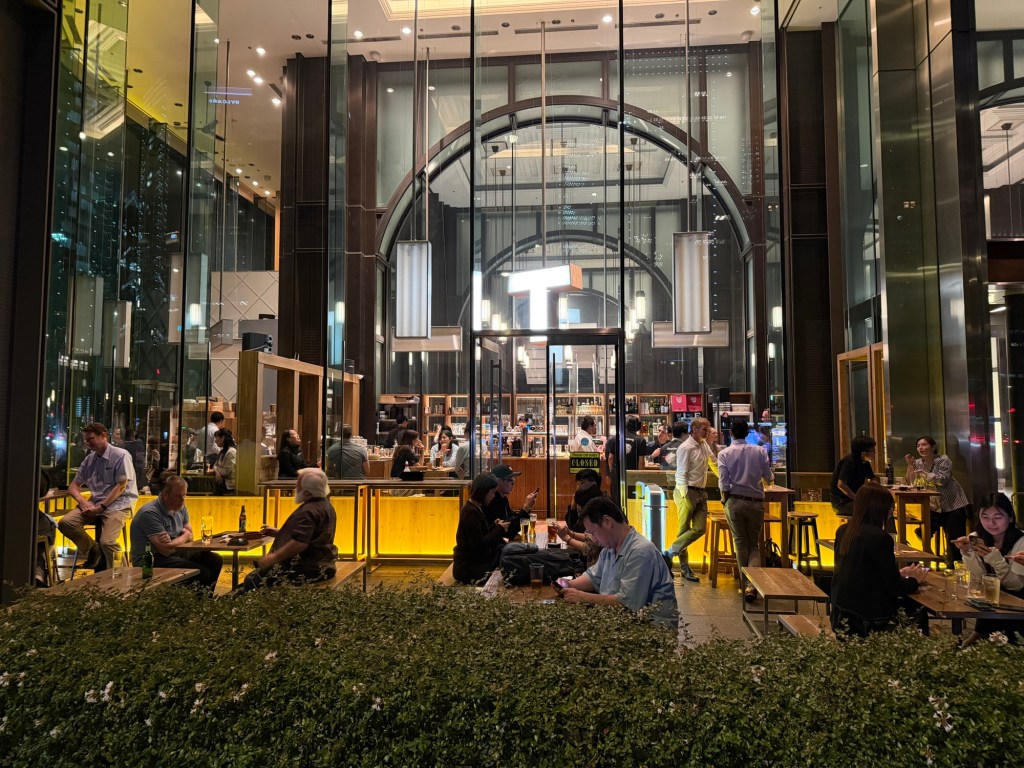
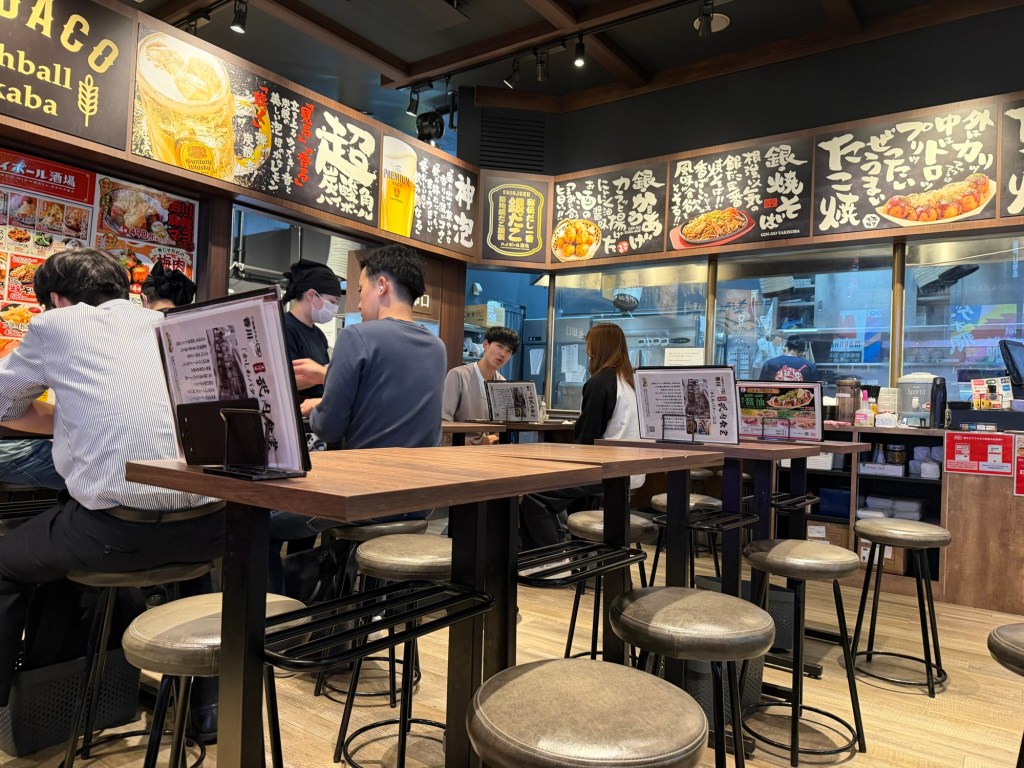
    Underneath the arches it was for our evening meal. We really did feel that we were out with the locals, and all the better for that.

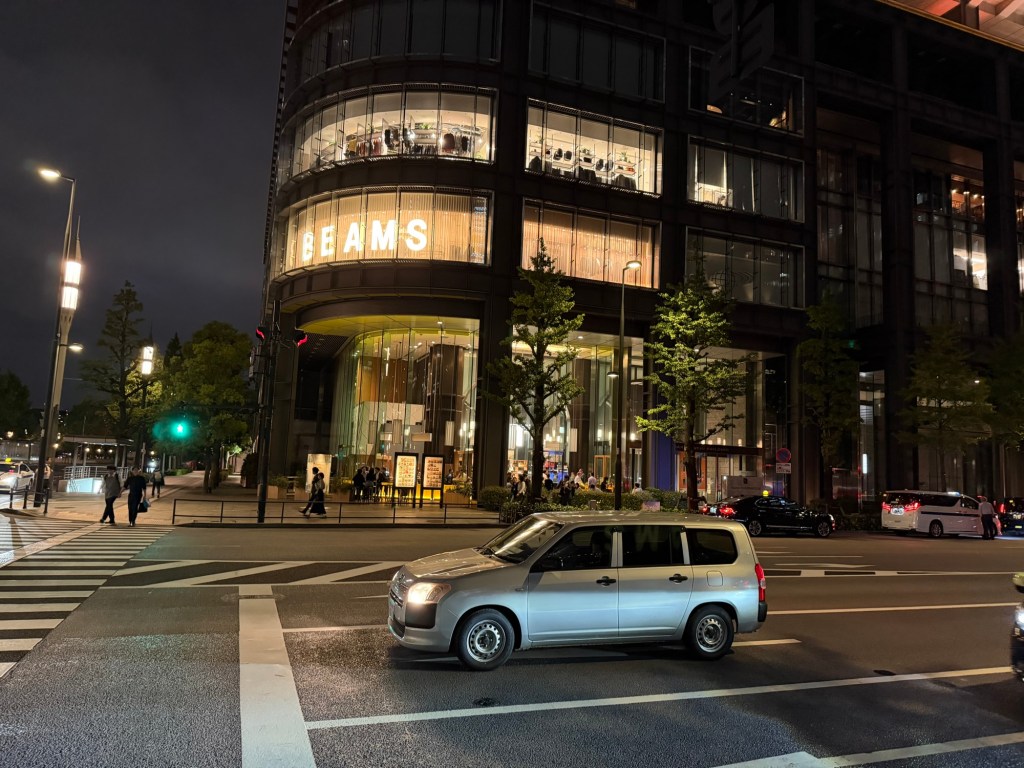
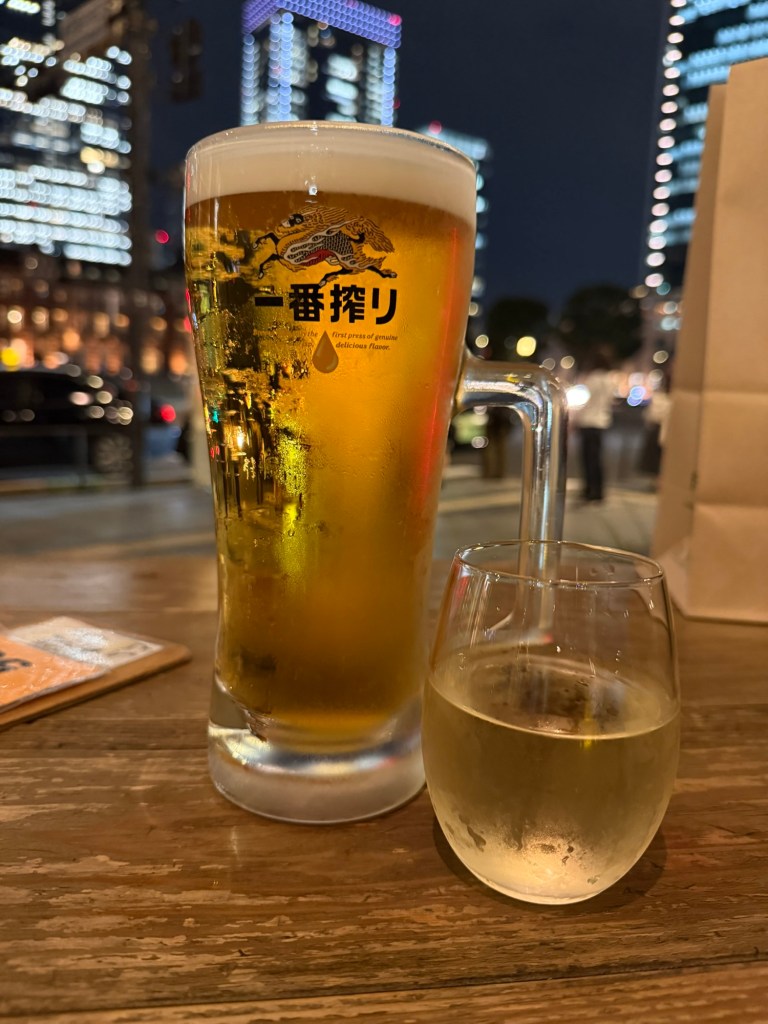
    And, for the record, ‘our local’ in Tokyo, Stand T, Marunouchi.

    Another memorable day in Tokyo. Our final day. On to Kyoto 京都, tomorrow.
  • Day 3: Mt Fuji or Jack Sparrow and a 19.7m tall Unicorn Gundam transformer?

    We had a difficult decision to make yesterday. Having pre-booked a full day trip to and around Mt Fuji we found ourselves a little edgy about losing a day (today) not exploring Tokyo, in all its wonder and madness. We opted out of the excursion, a decision made easier by the fact we were able to cancel with a full refund. We were also aware that we will pass close by Mt Fuji on our way to Kyoto.

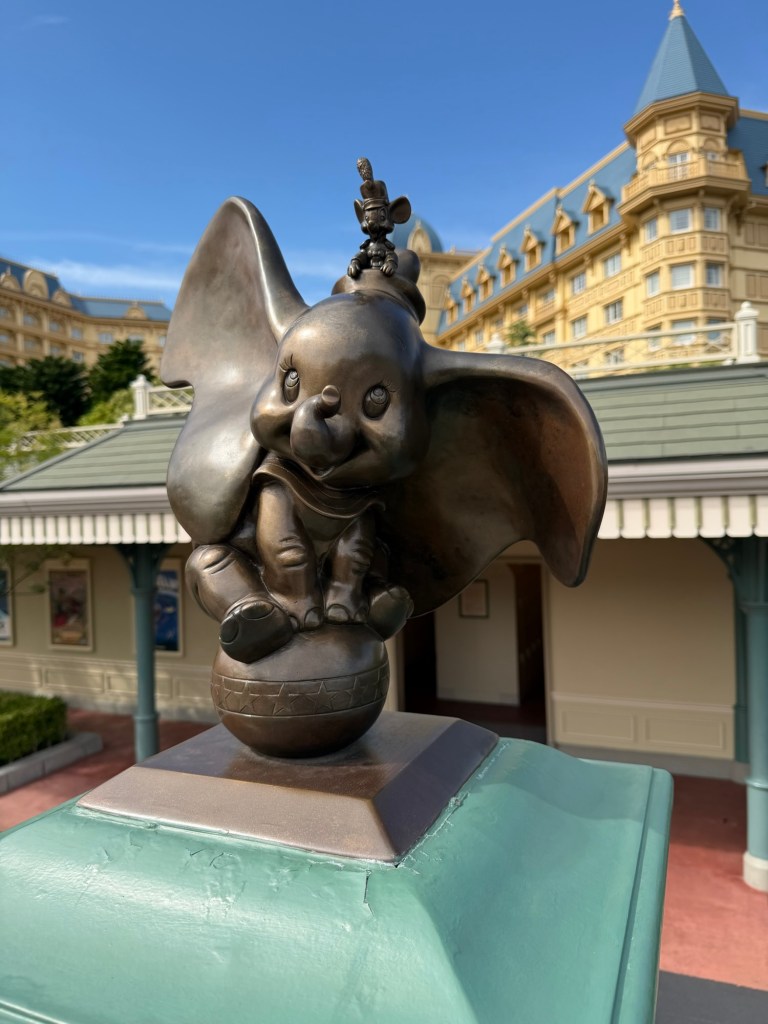
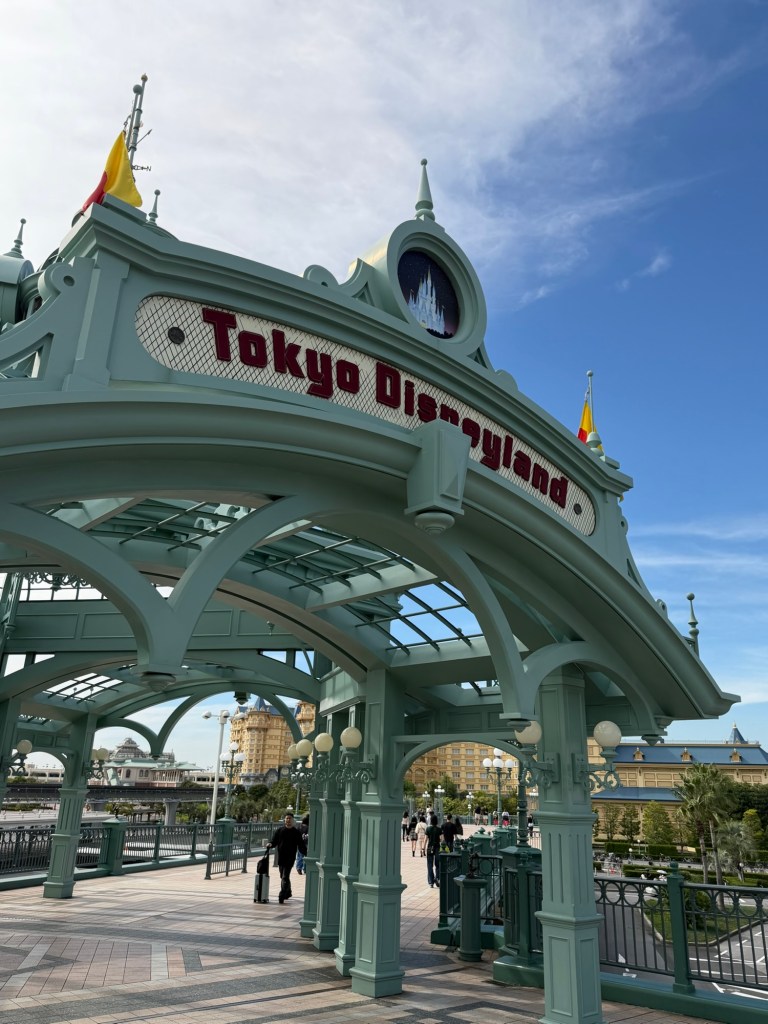
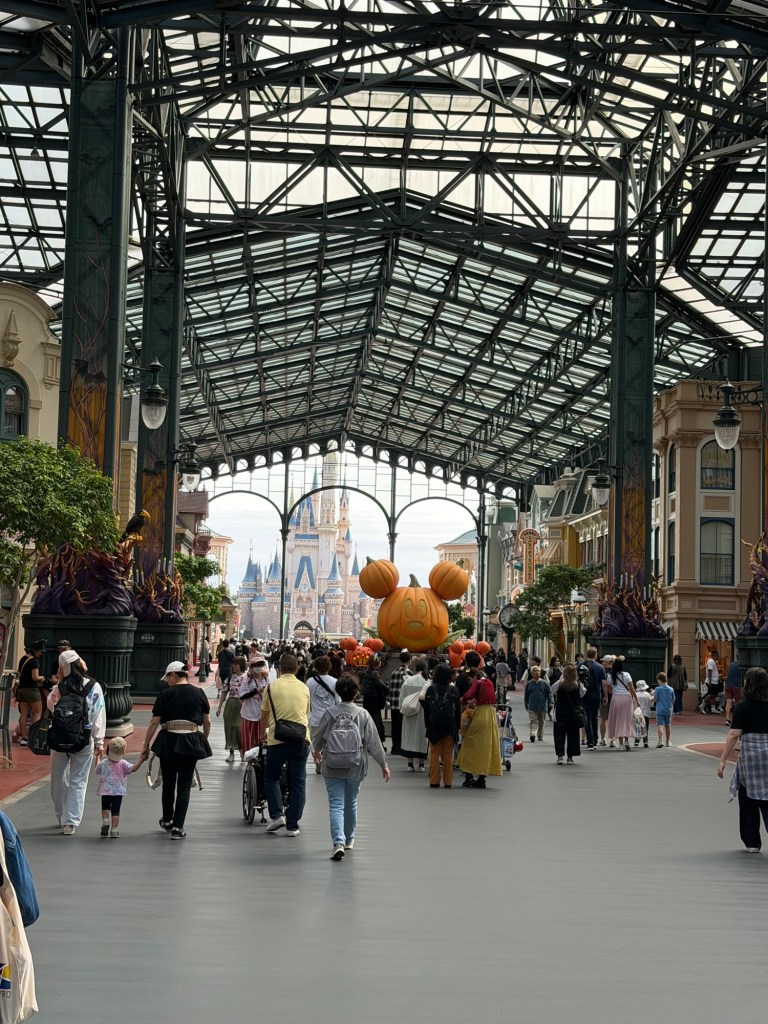
    So what did we get up to today? Culturally, you could say we dropped a long way down the ladder but hey, we did it, no regrets!

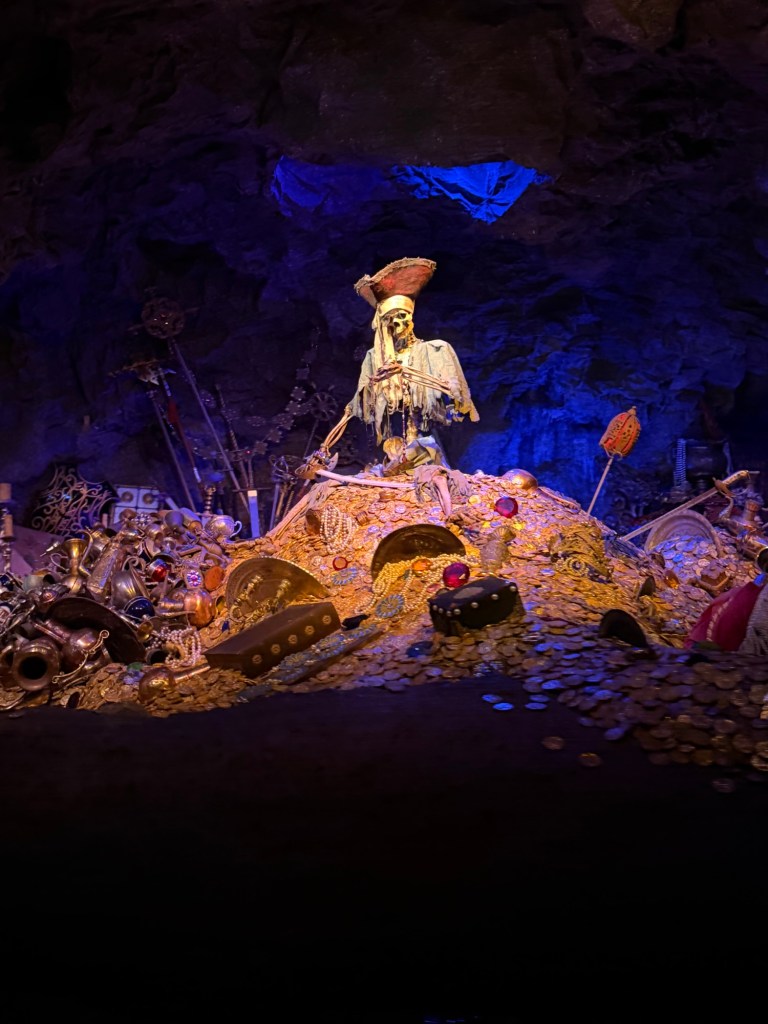
    A small clue…

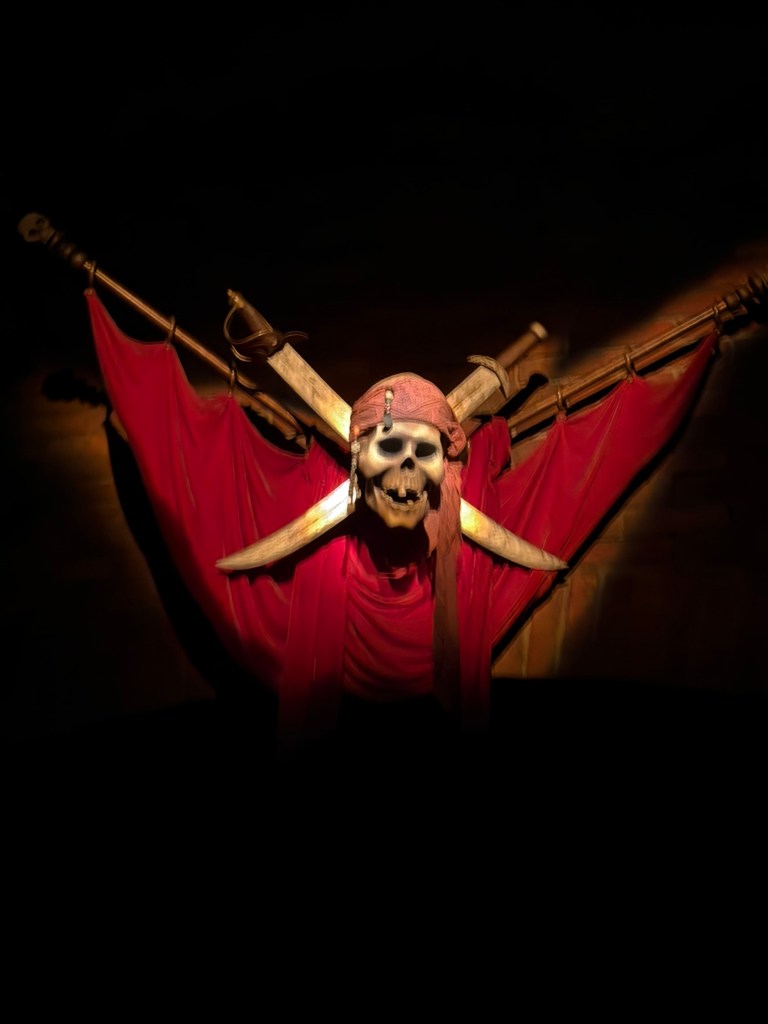
    I guess the background is a dead give away but maybe Captain Jack Sparrow (who always has a lot to say) may offer more…

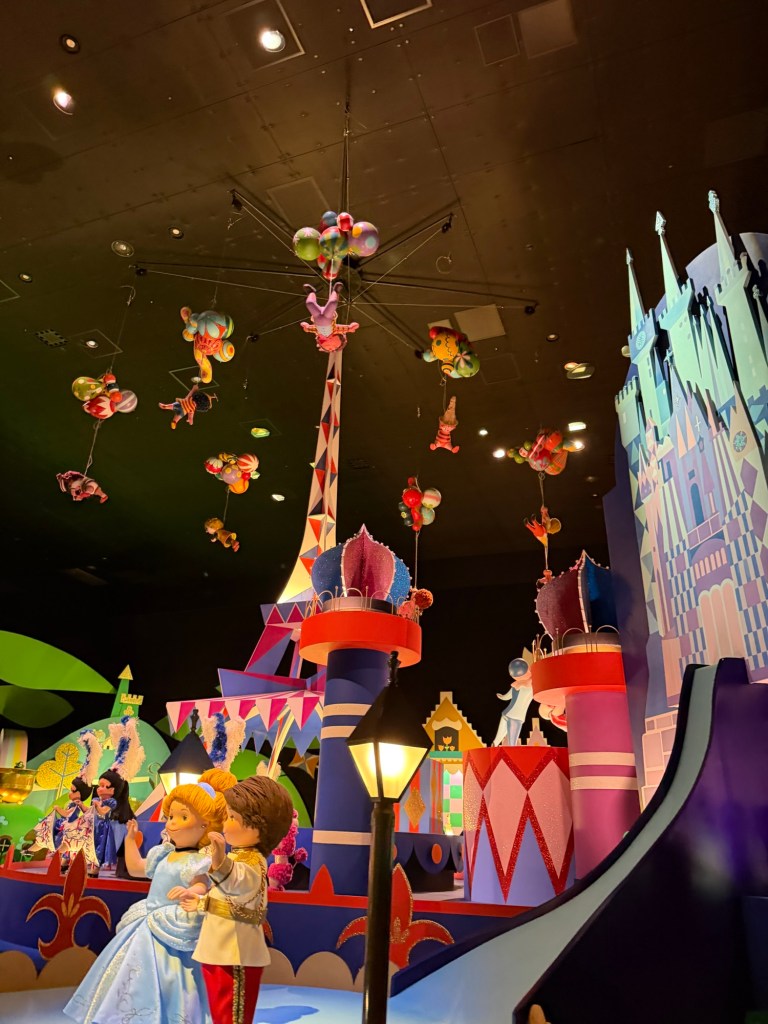
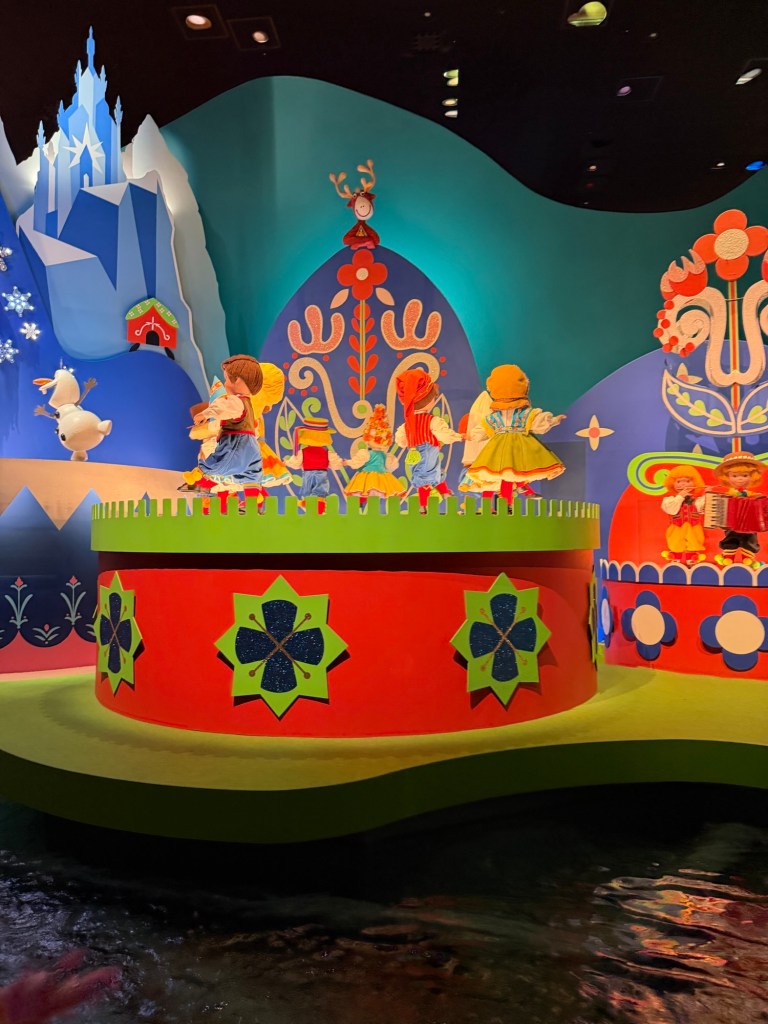
    The following certainly brought back memories for us both of days long past.

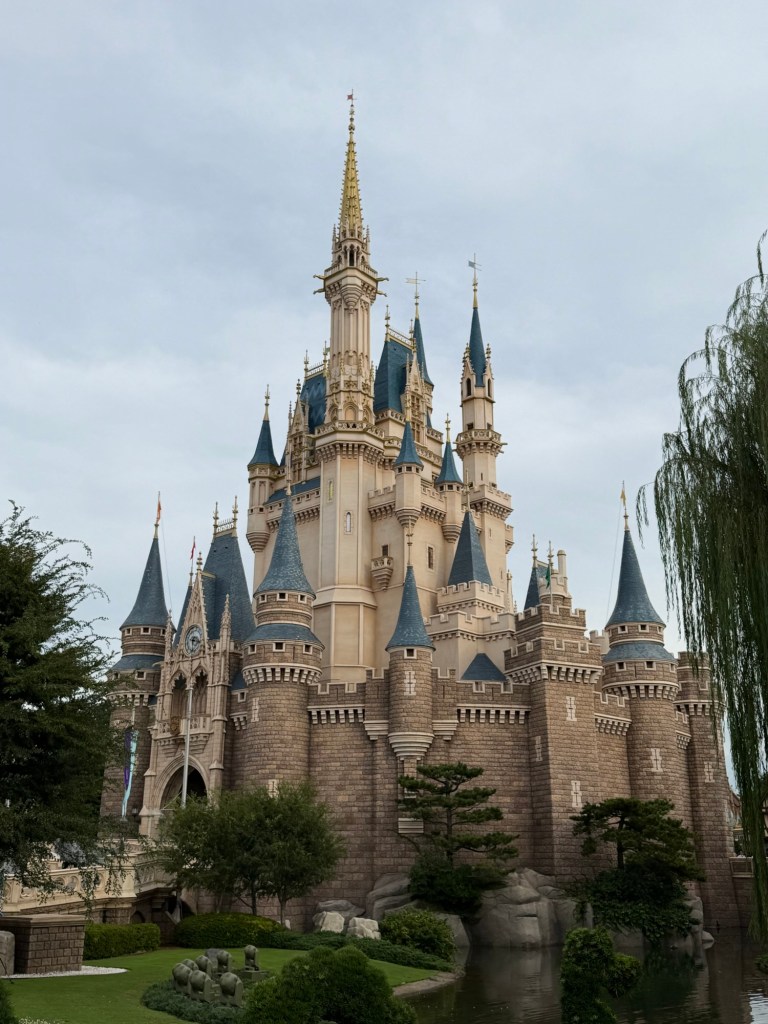
    It is a small world after all! And we are trying our very best to make our way around it. It struck us that children are indeed the same everywhere and we both found enjoyment in the sheer delight of the children happening upon their favourite characters in the park. Another memory from days of yore.

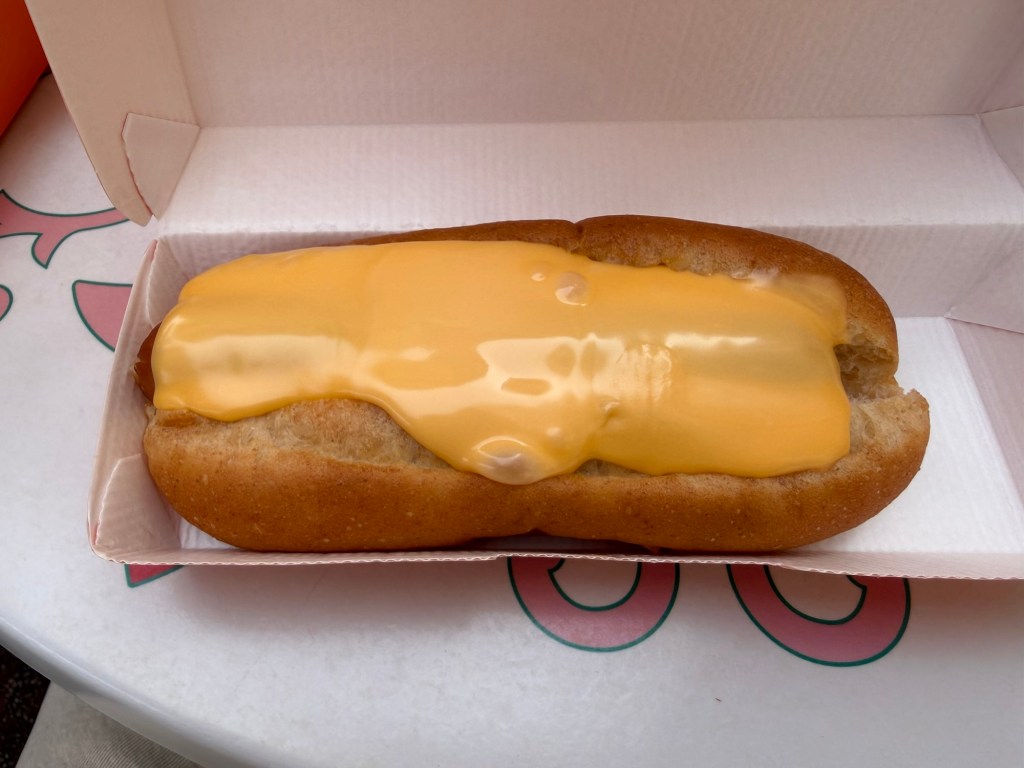
    Our mistake of the day? We were hungry. There were serious queues at any half-decent restaurant. We went for the easy option.

    It’s a hot dog!! The colour of the cheese 🤣 It was dreadful. We ate it 🤢

    I think that’s enough on Disneyland, I am sure you do not want regaling on what we did and did not do, any further.

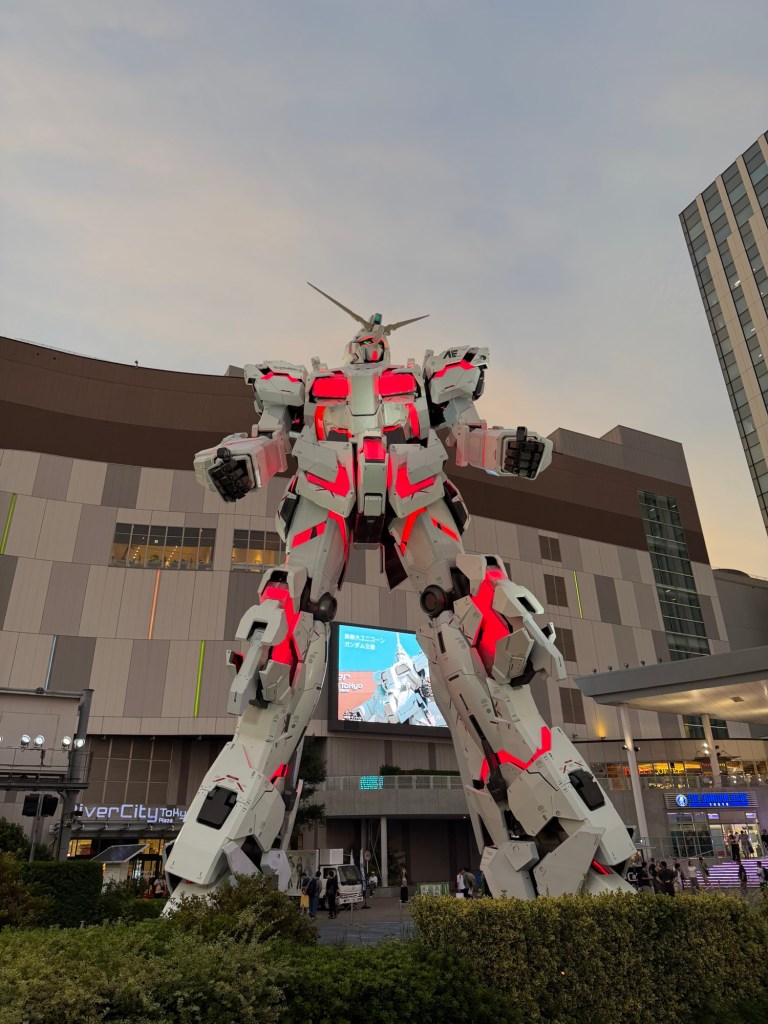
    After escaping fantasyland, we made our way to Obaida. If Disneyland celebrates characters familiar to many generations then Obaida promised to take us forward somewhat, it being billed as a futuristic entertainment hub, built on an artificial island. Although, the first character we met brought back yet more memories of fatherhood…

    It does actually ‘transform’ at given times but, alas, we missed the performance.

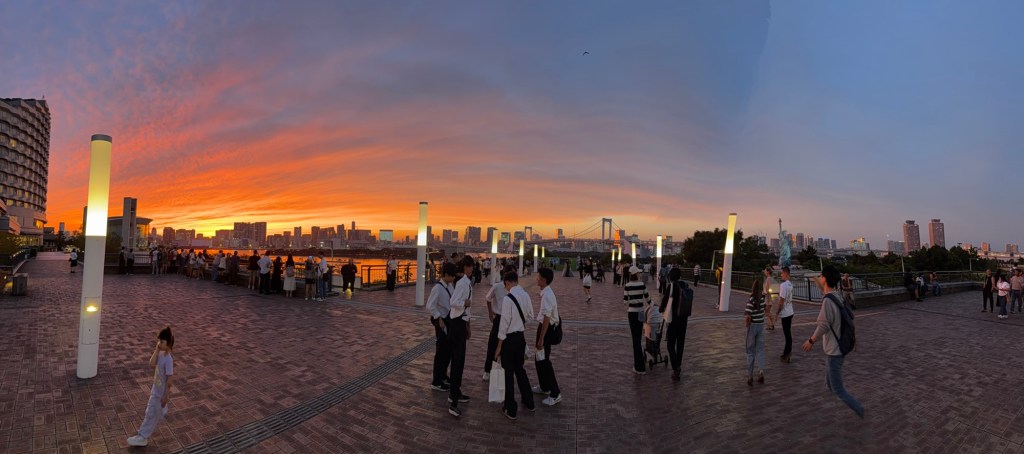
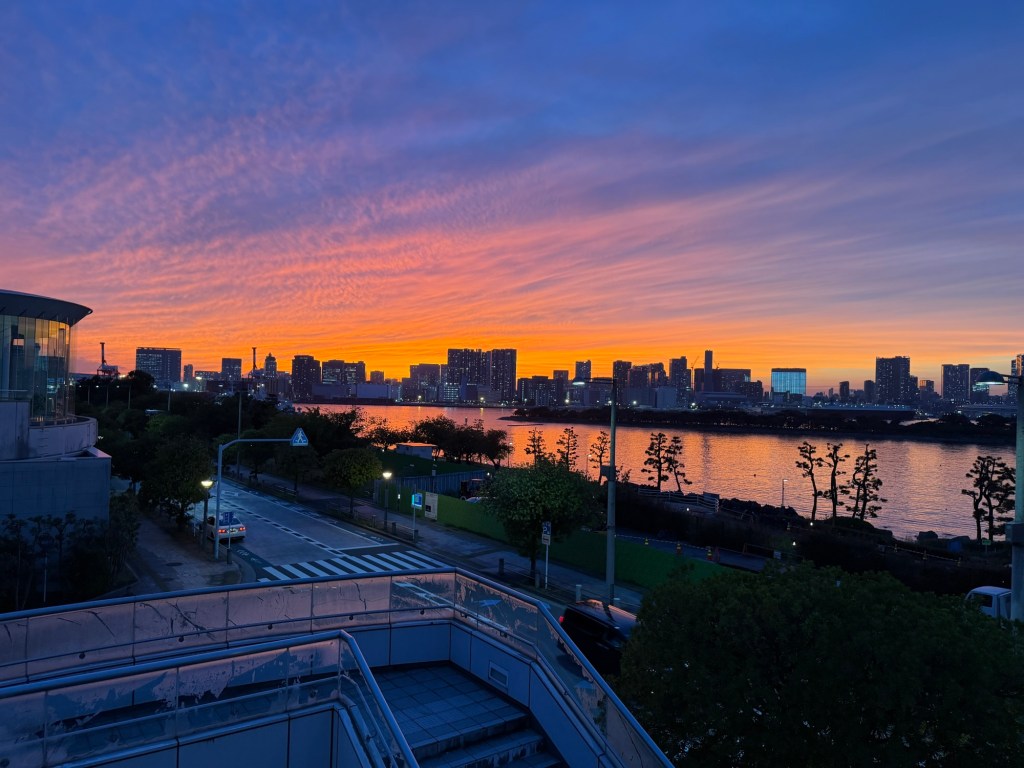
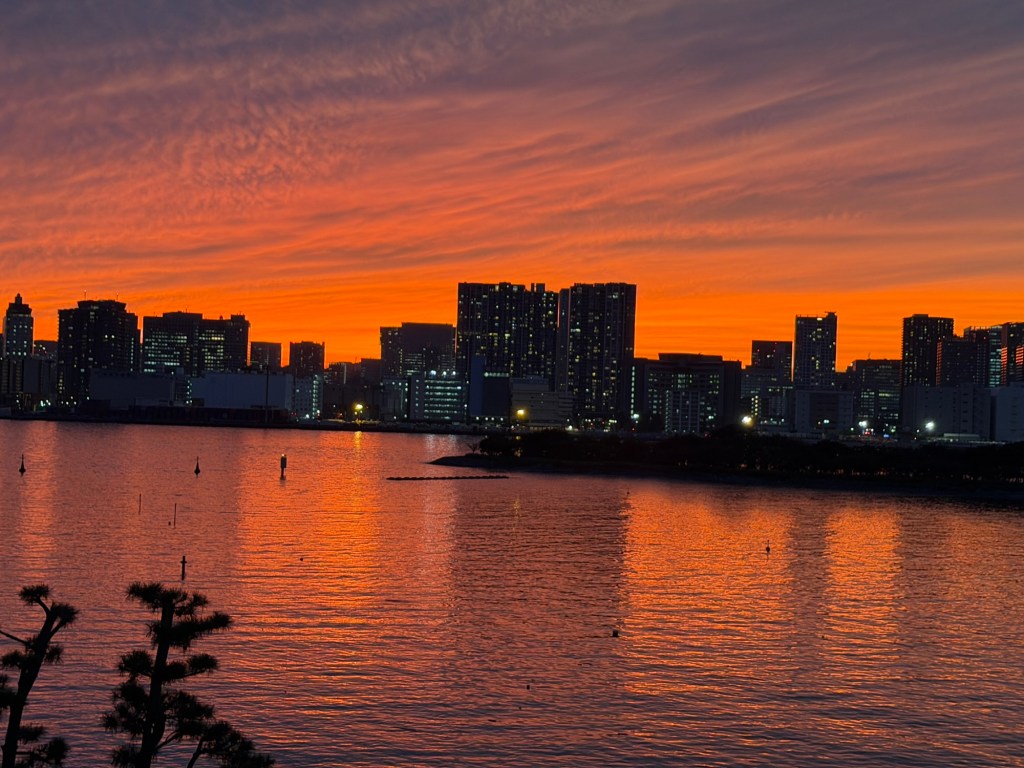
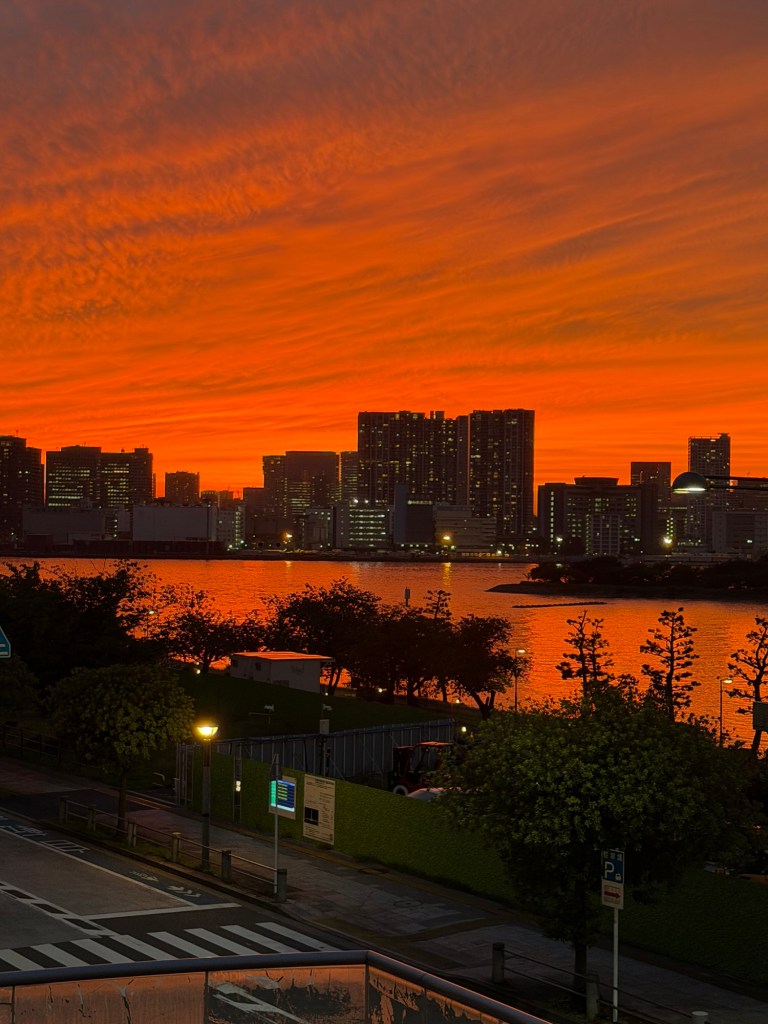
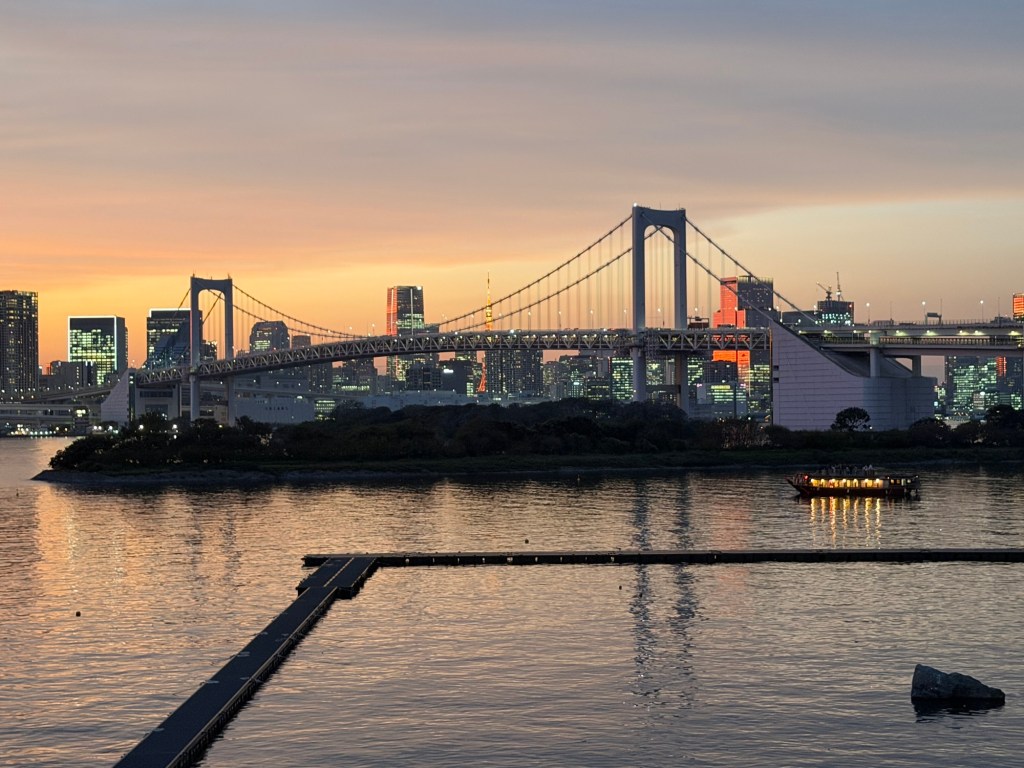
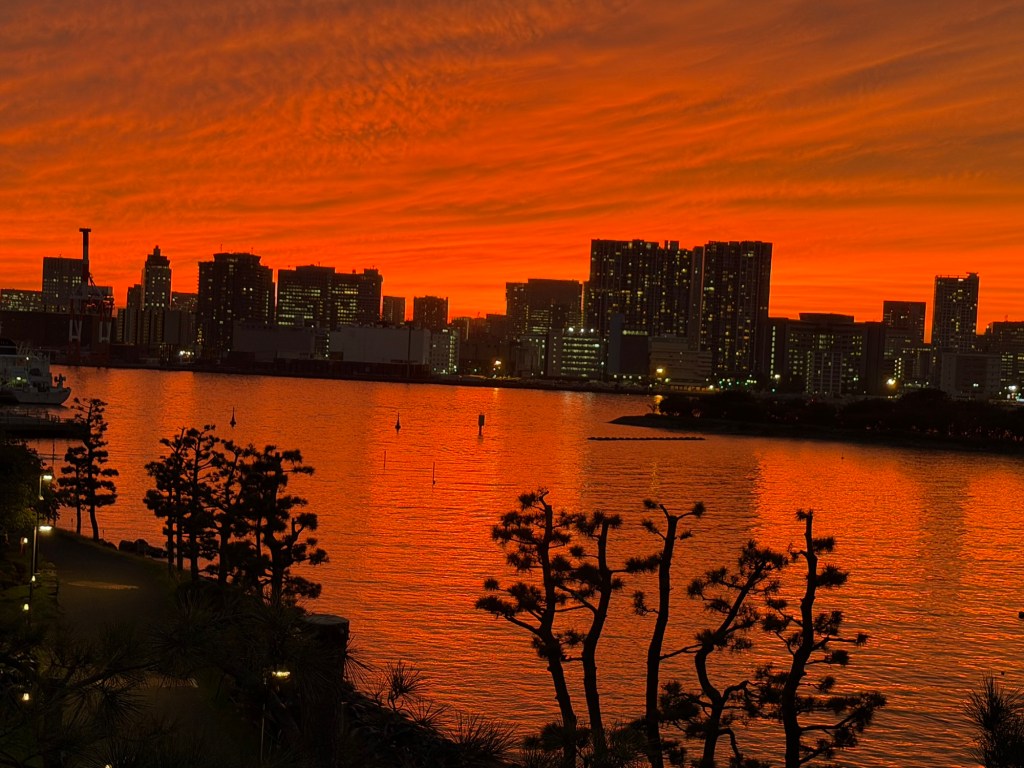
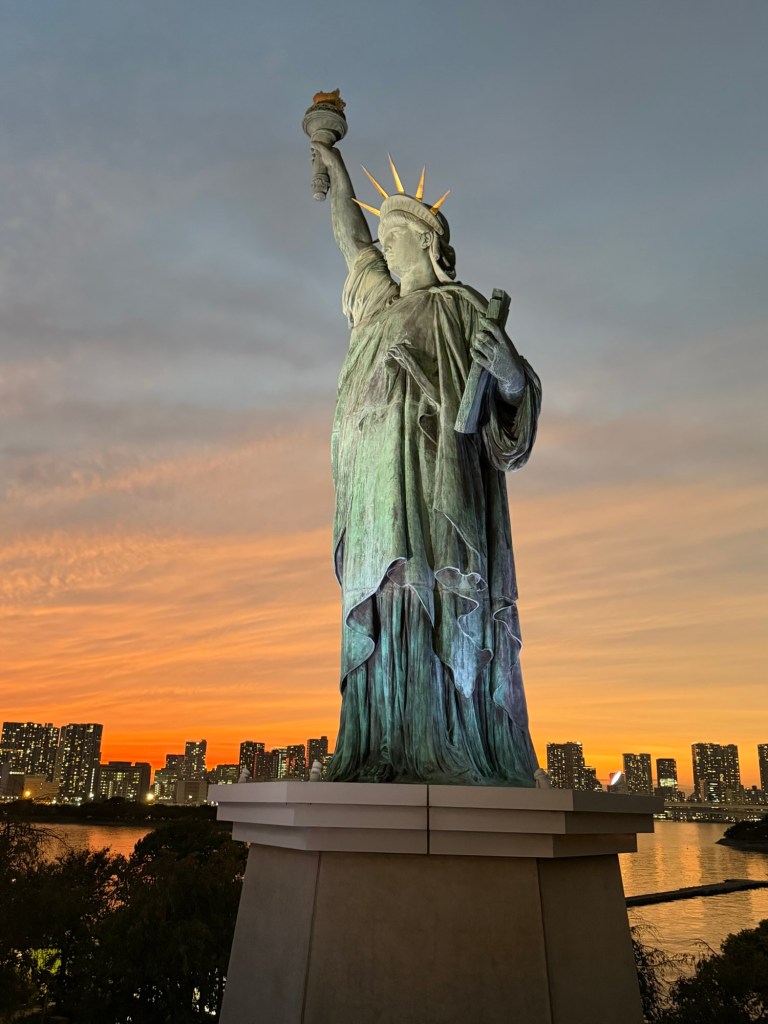
    Now, I’d like to say that this was planned and very deliberate but it was not, although our timing was immaculate. In fading light we wandered aimlessly and hit upon the spot. I will leave the images to do the talking…

    We were not expecting this fellah to pitch up, mind…

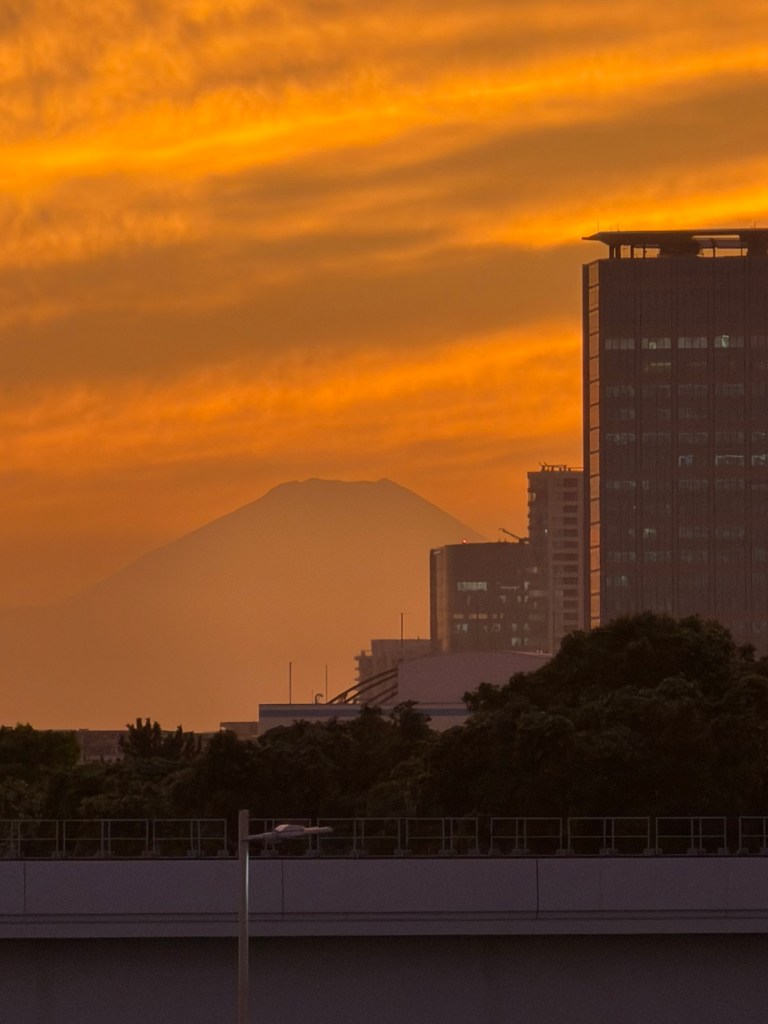
    And – said with a touch of what might have been – there it is, Mt Fuji.

    Anyway, as said, we had another wonderful day in this incredible city.

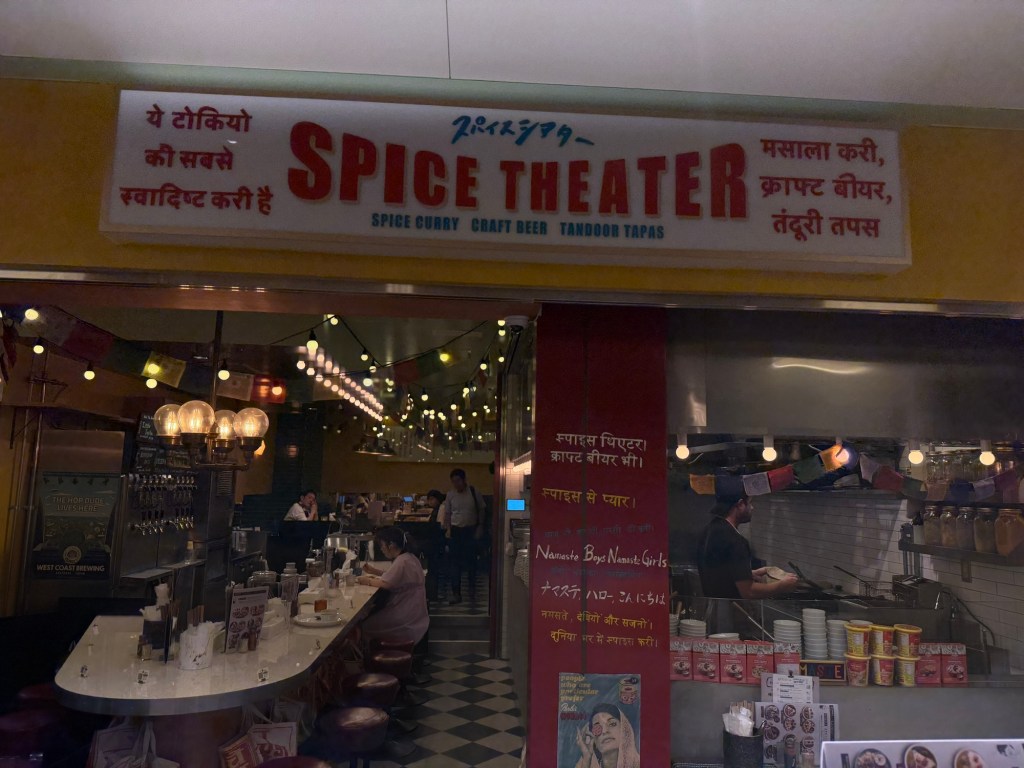
    We made our way back, found this understated but fantastic curry house (the Gorgonzola and honey naan bread was just the best!) and ate well.

    And finished at ‘our local’ for a night cap. Ok, rather a large one, on my part, admittedly.

    But, heart of Tokyo city, balmy evening, what’s not to like?

  • Day 2: Masks, a huge lantern, and Asahi 🍺

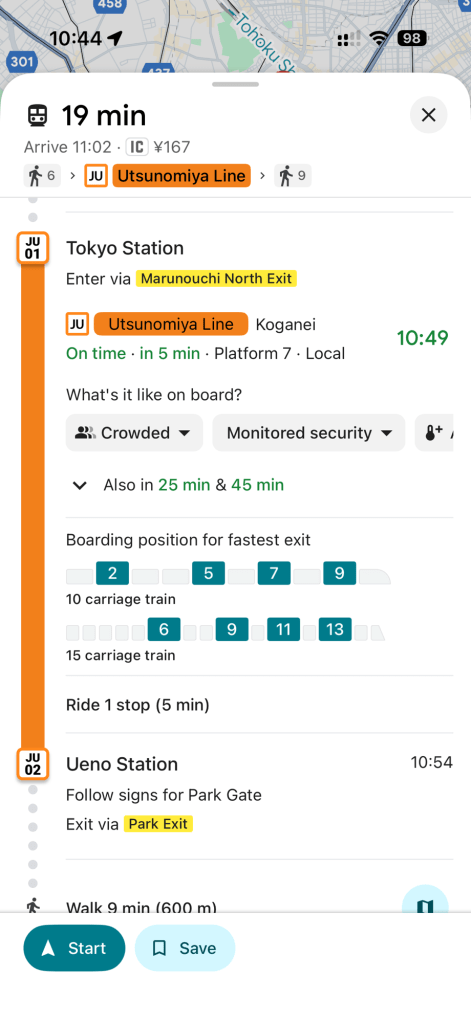
    Following on from yesterday’s learning so far as getting around is concerned. Google maps does offer a helpful piece of information on point of entrance and exit.

    We will be noting this, today. Although, as said, getting to those points is the critical step.

    By the way, we both purchased an e-sim through Holafly before travelling: €75 each, unlimited calls, texts and data, for 30 days, covering the whole of Asia. So far, it is working a treat.

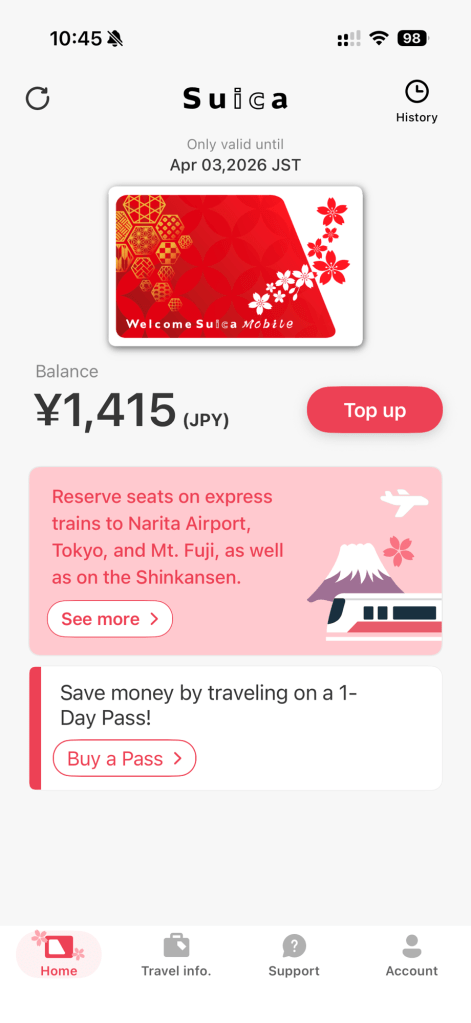
    As for travelling around, we downloaded the Suica app and simply scan, using our phones (wallet), entering and exiting the station, as you would an Oyster card in London. The Suica card instantly updates at the end of each journey and you have the option to top-up via Applepay.

    We loaded 2000 yen on at the beginning of yesterday and each spent, yesterday, 585 yen, having made several journeys – a grand total of £2.95.

    Ok, so it is all beginning to make sense…

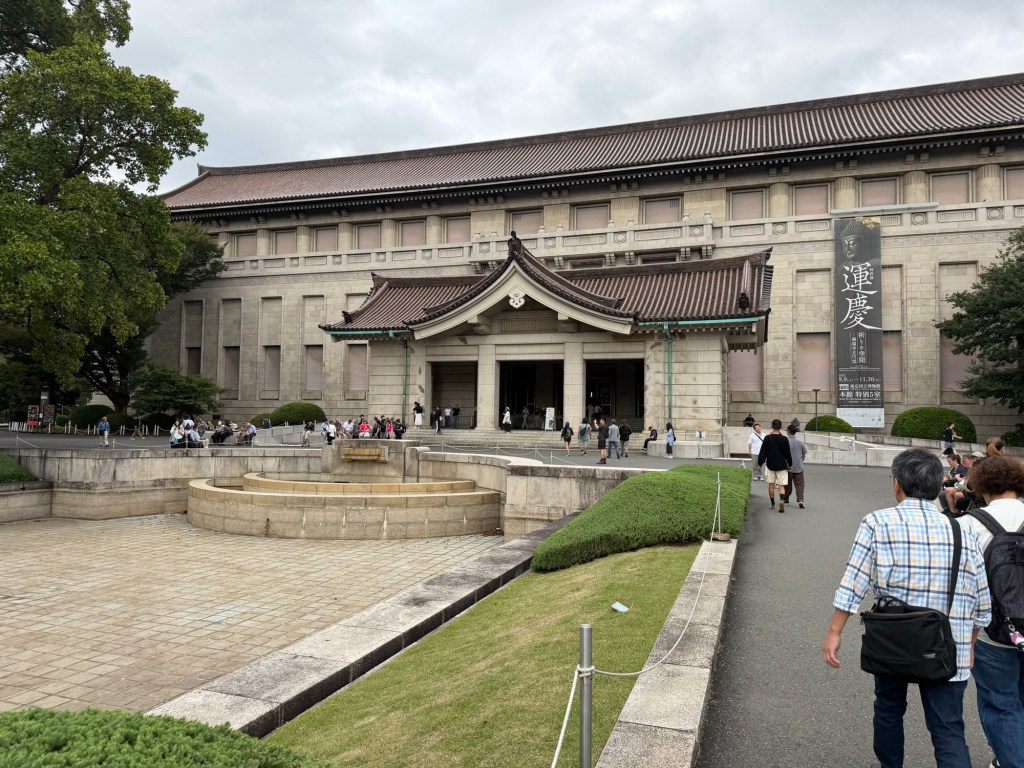
    Our first stop today was the Tokyo National Museum at Ueno Park.

    Tokyo National Museum

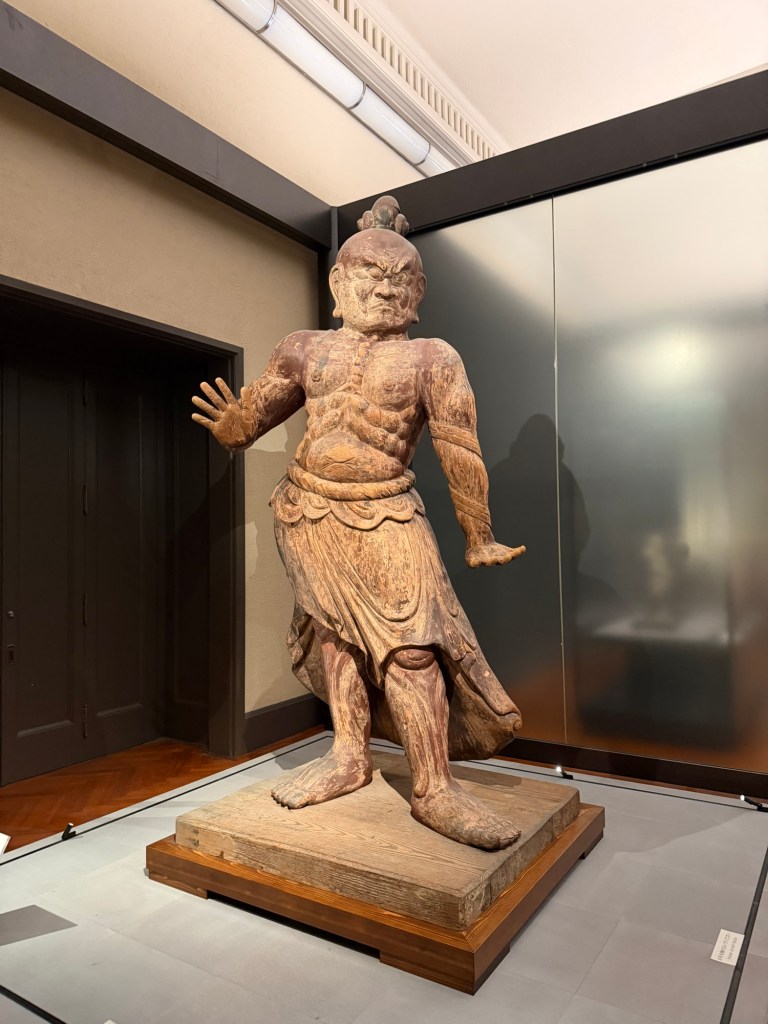
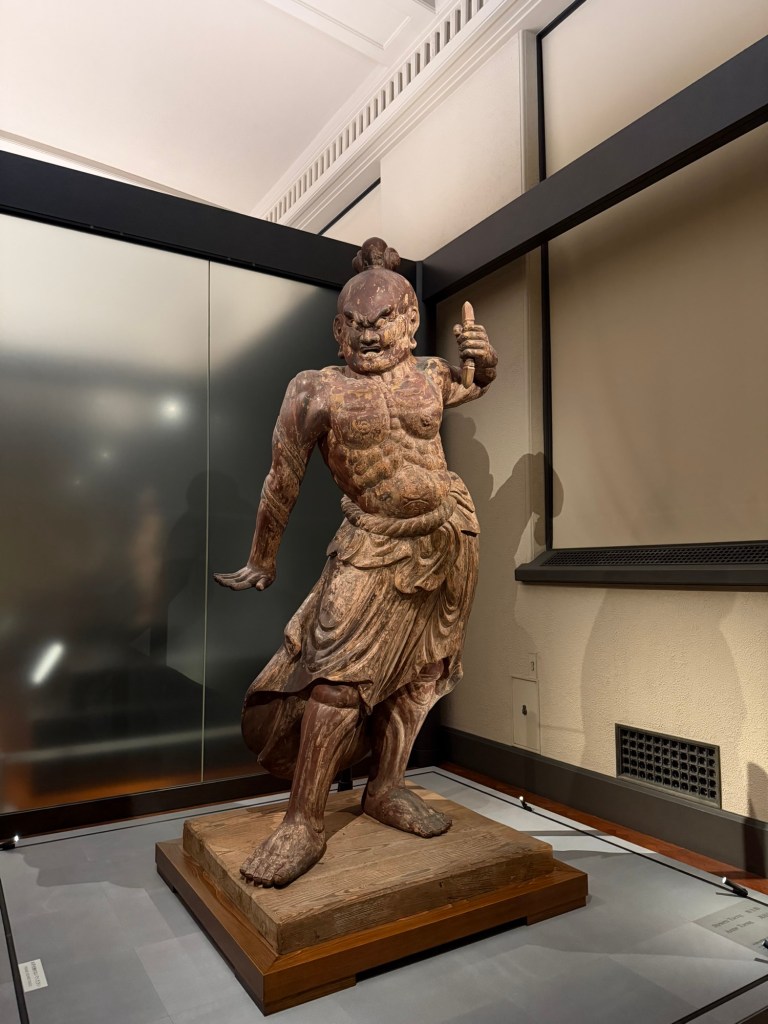
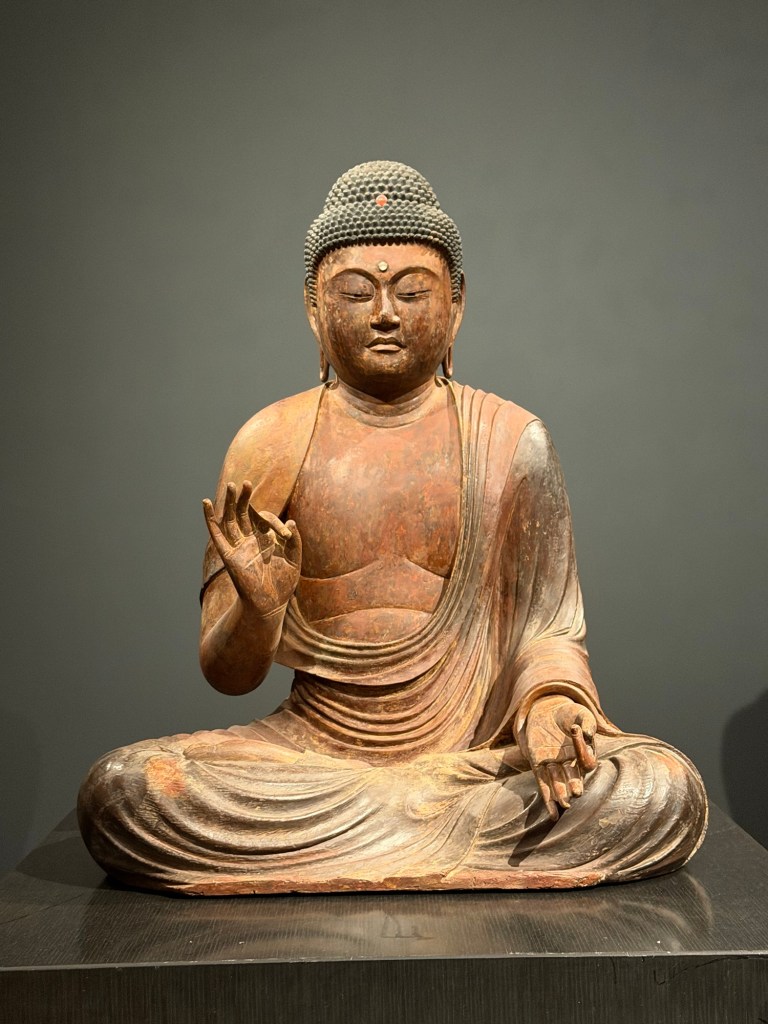
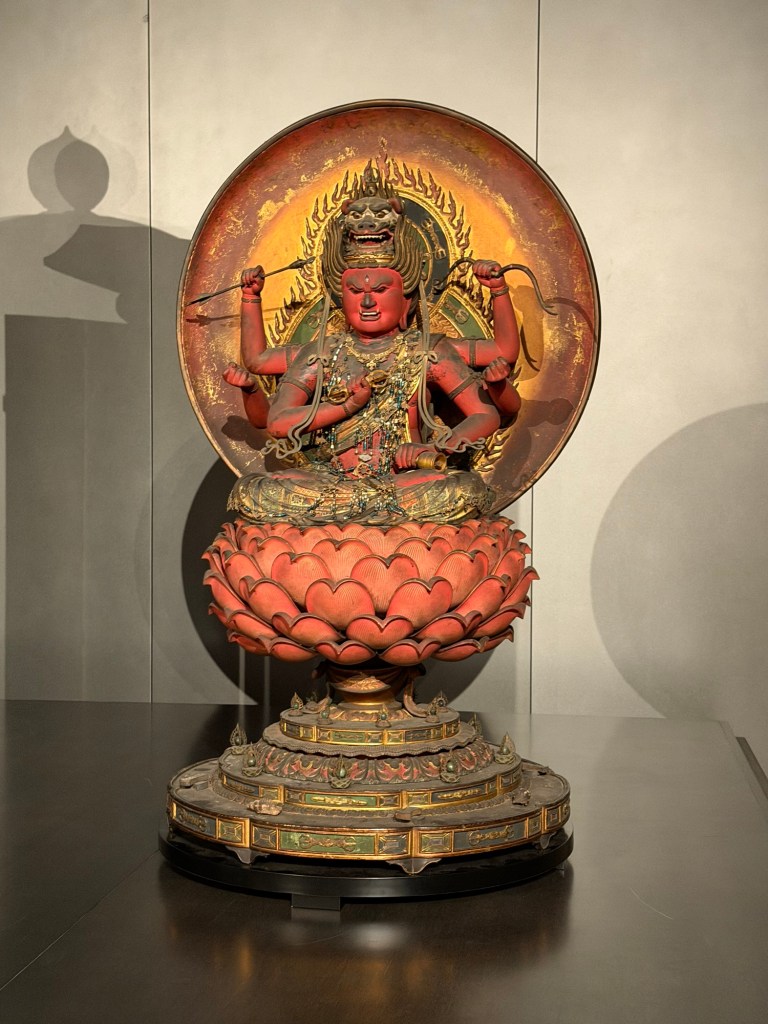
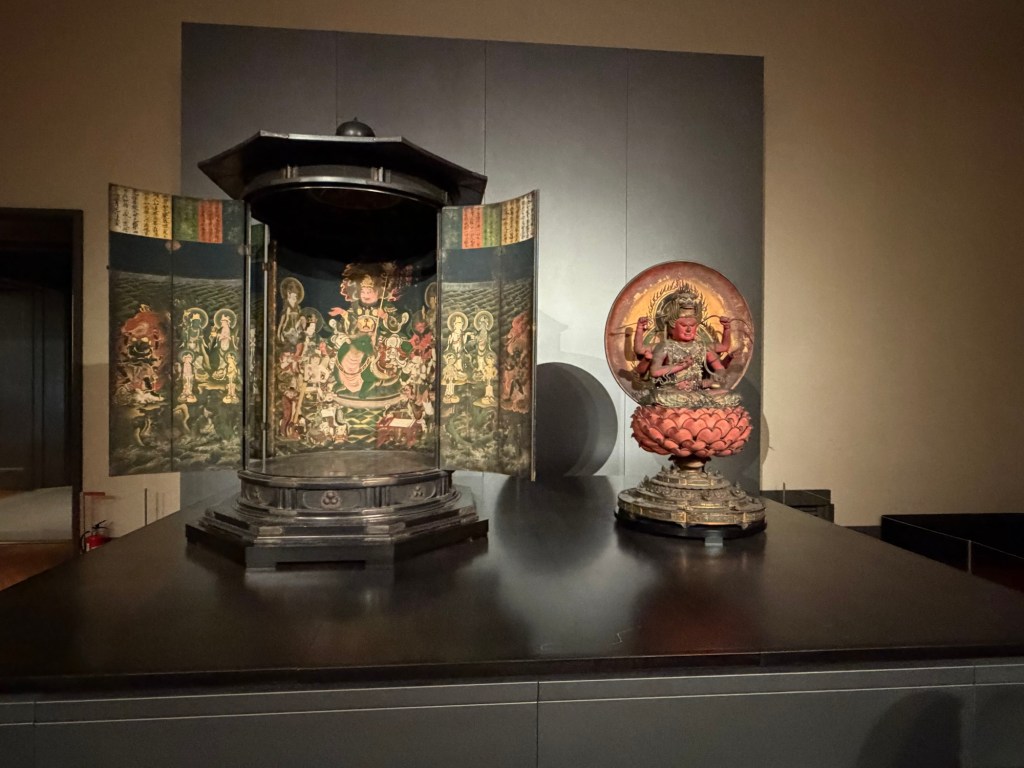
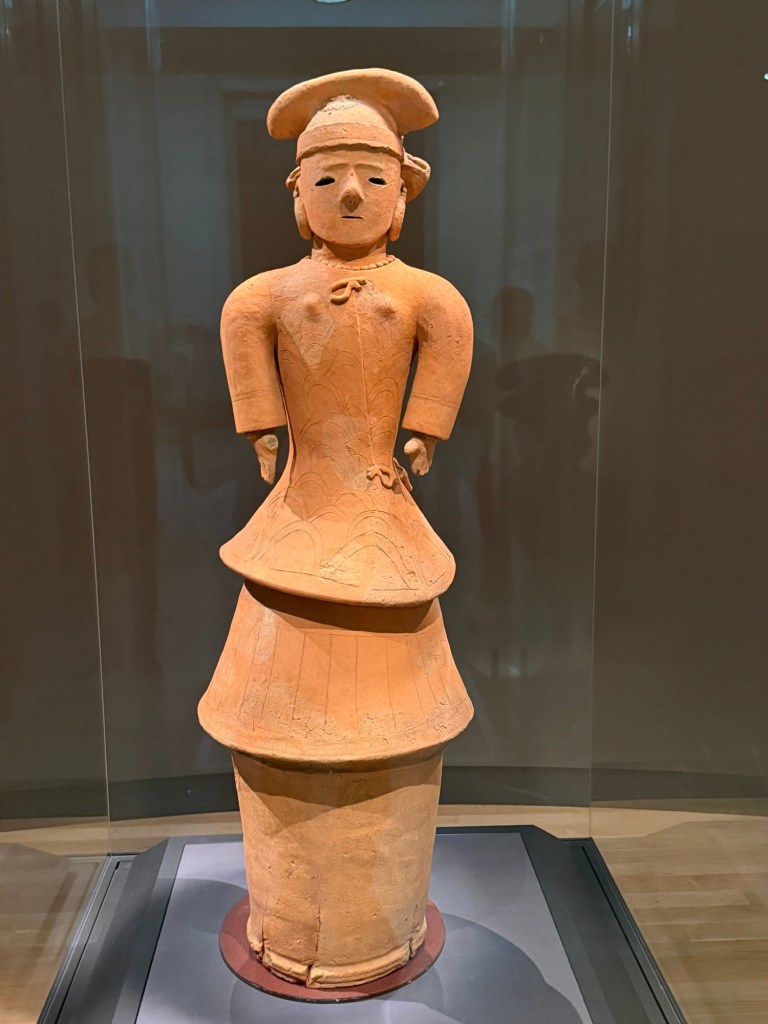
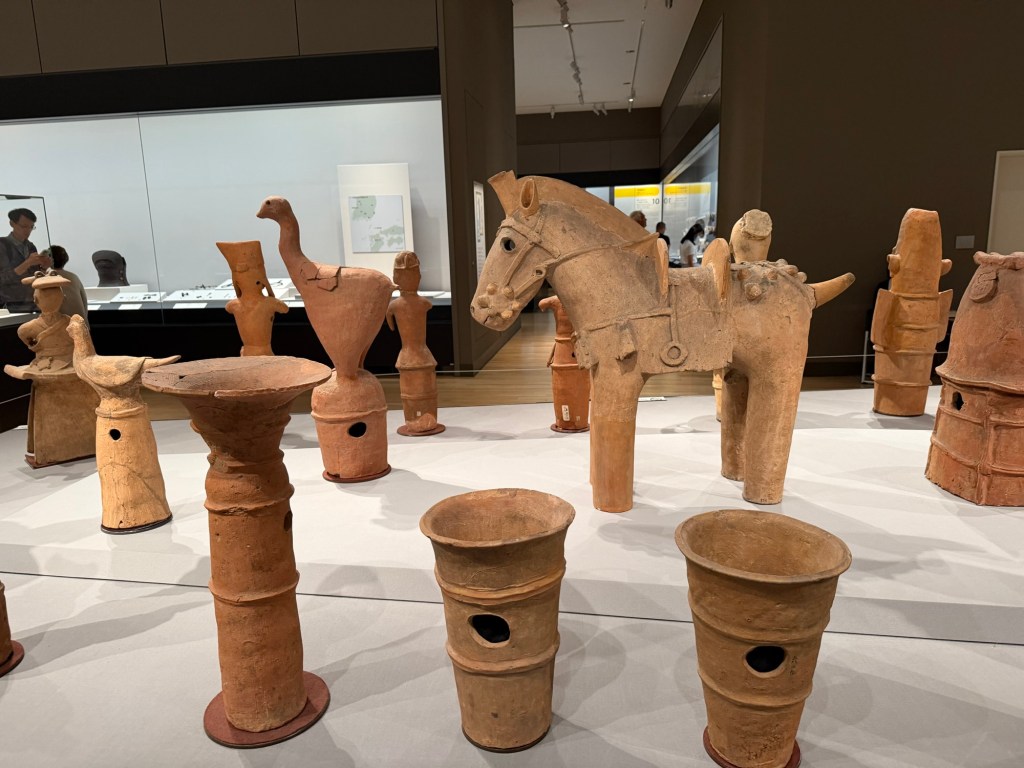
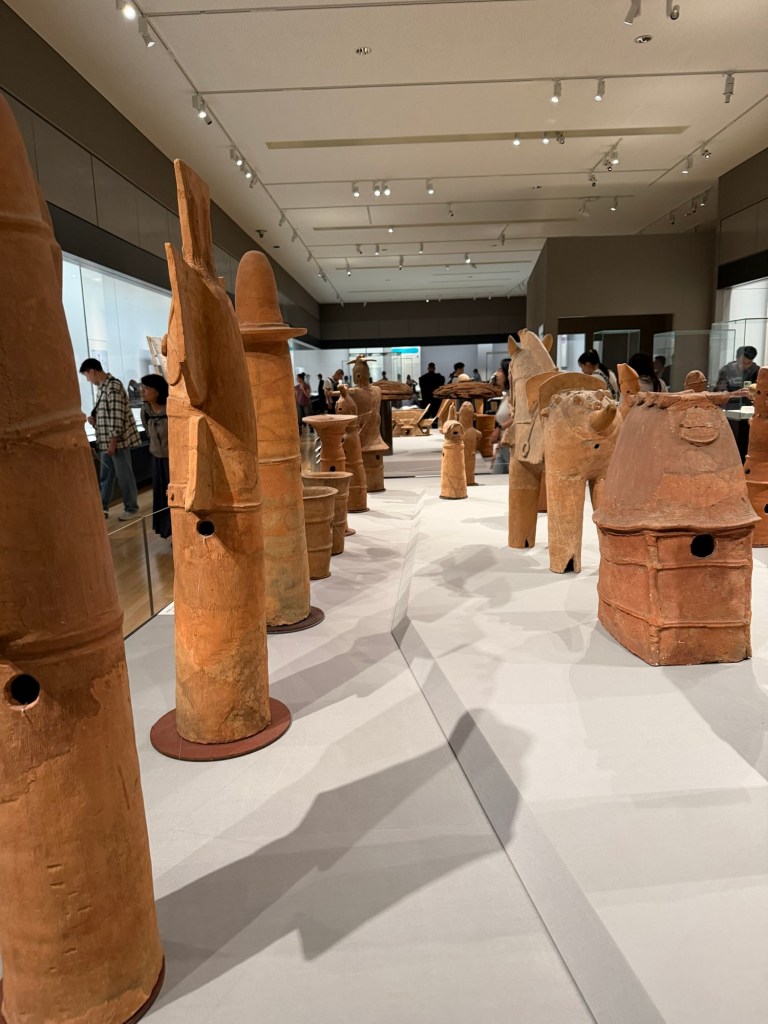
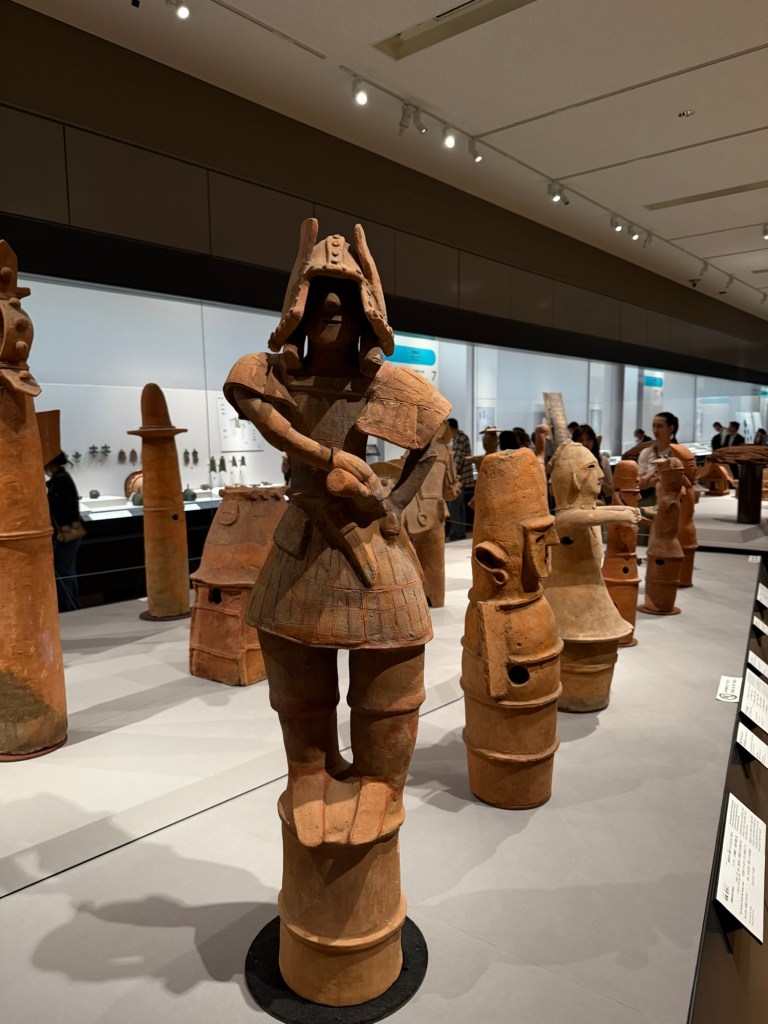
    Well worth a visit, the museum houses some pretty impressive specimens.

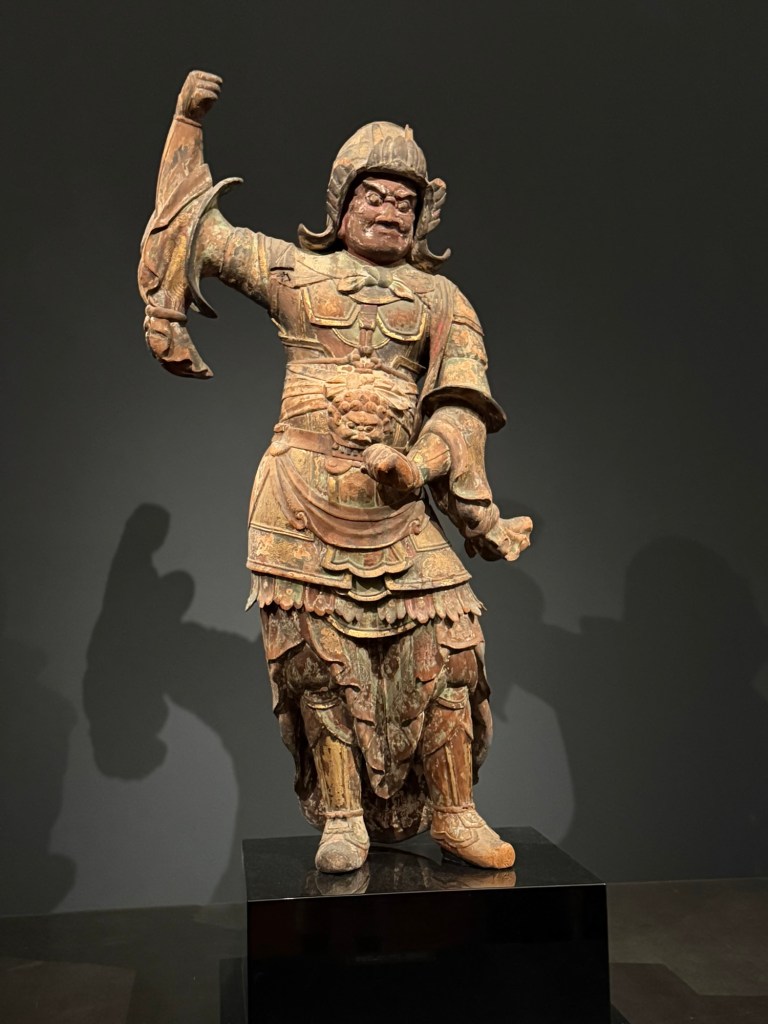
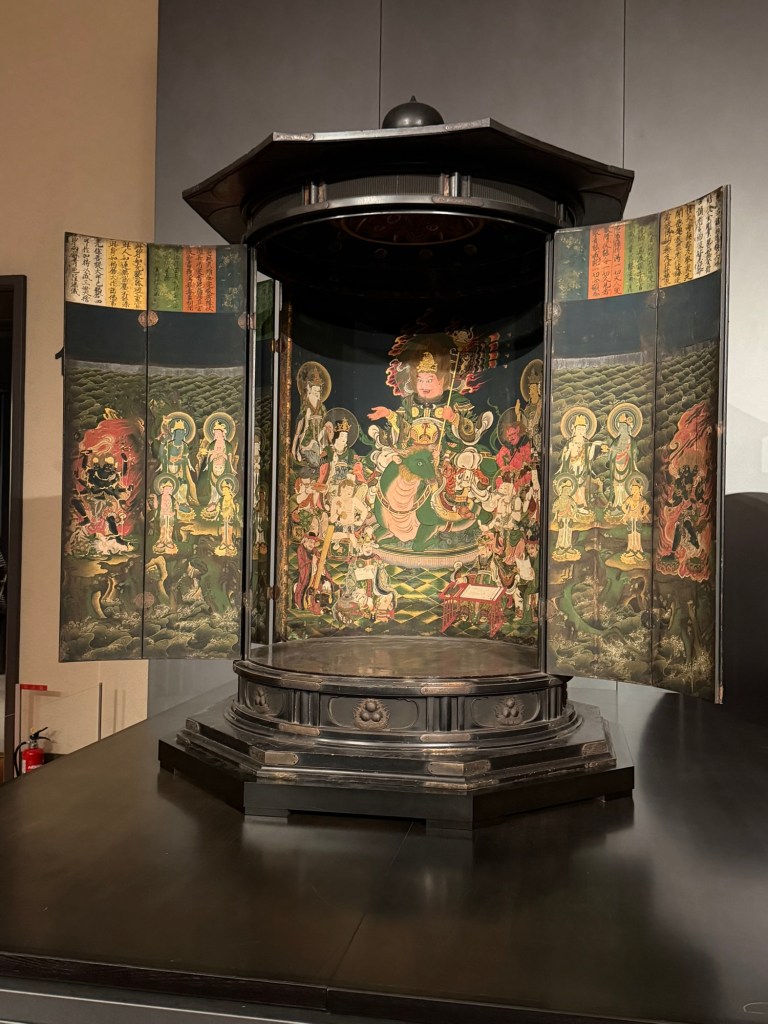
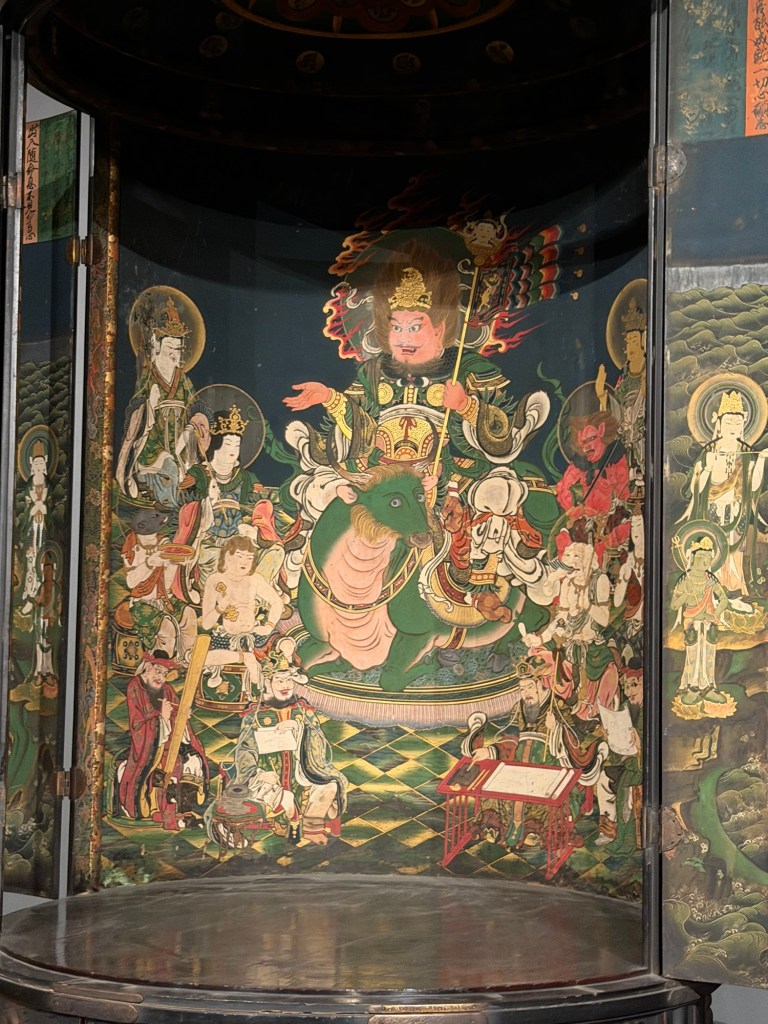
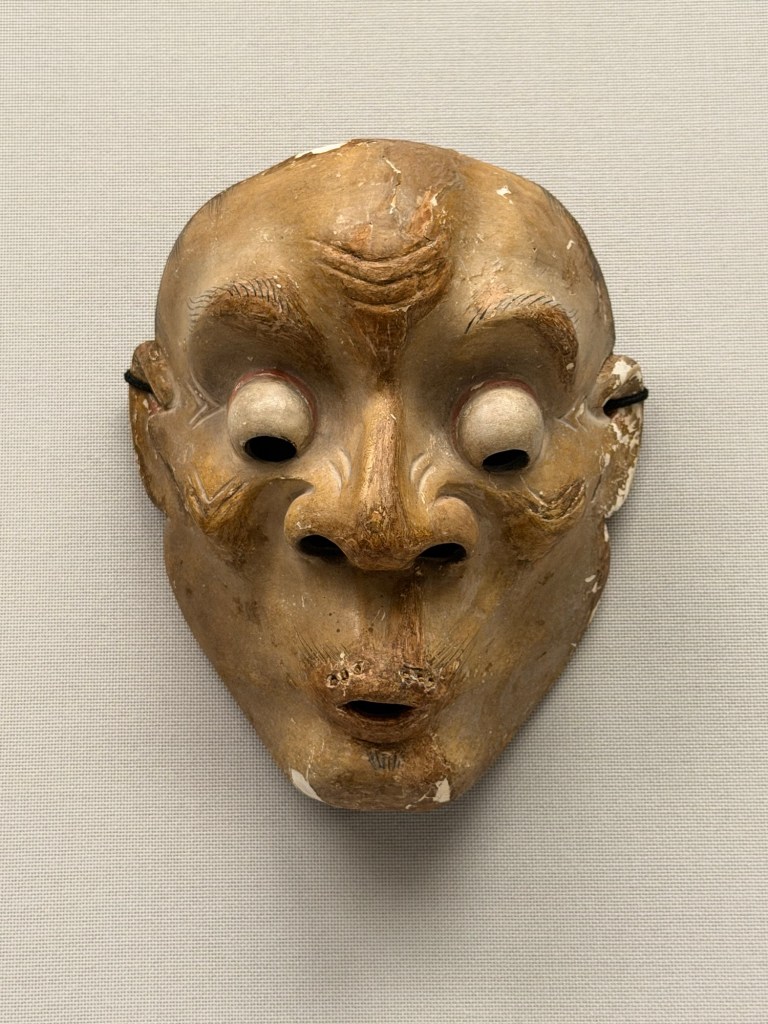
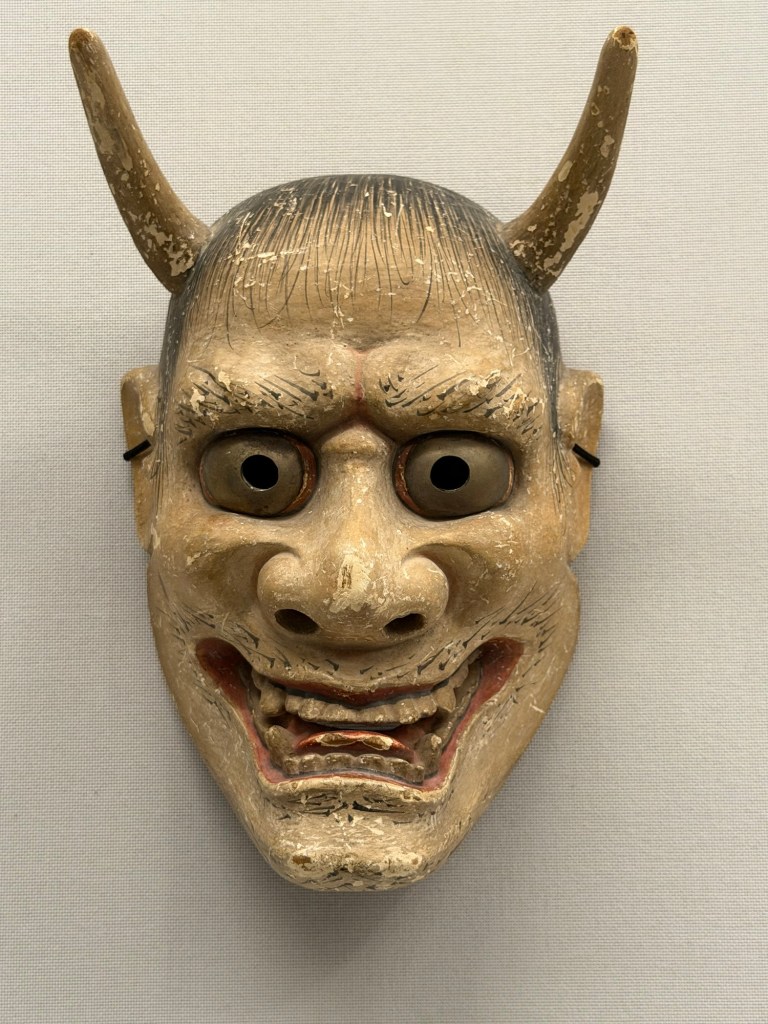
    Japan has a long history of performing arts in which the performers wear masks. These three captured our attention. There are many more on display.

    I was also struck by the following exhibits. This area reminded me very much of my favourite museum, the National Archaeological Museum in Nicosia, Cyprus.

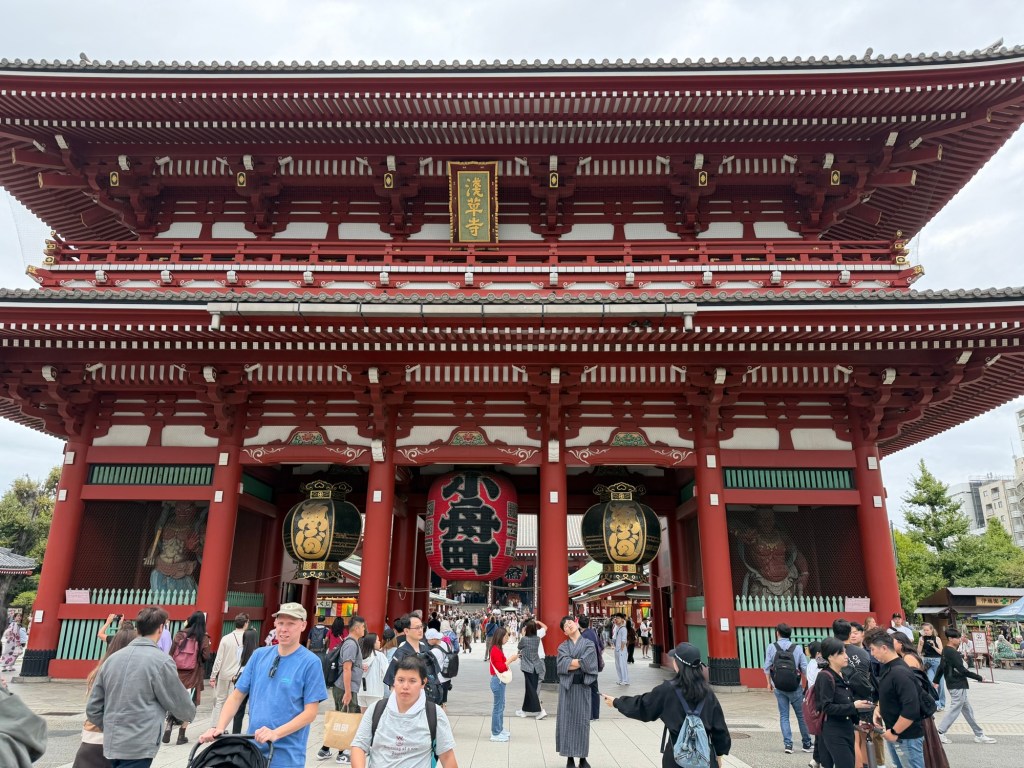
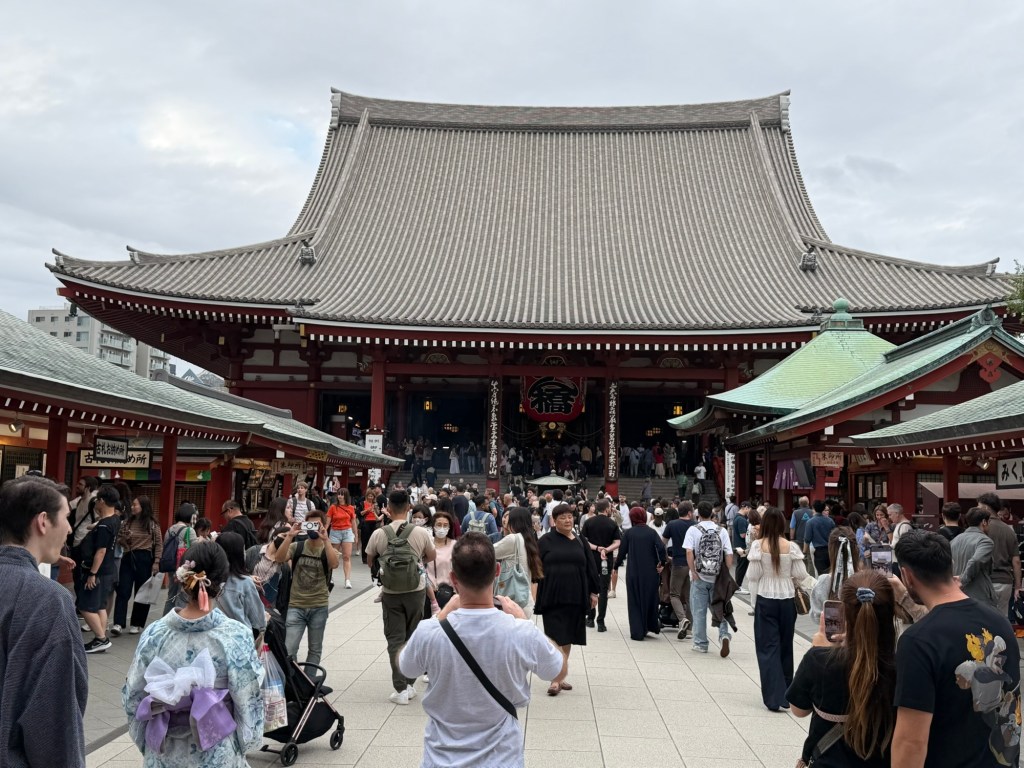
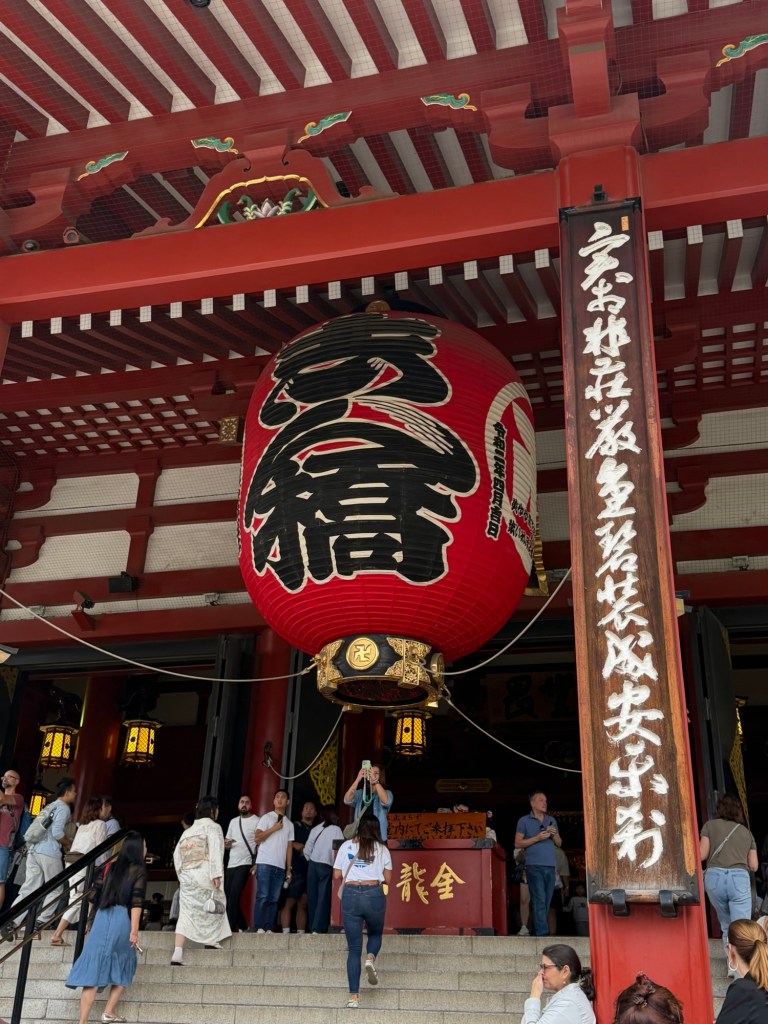
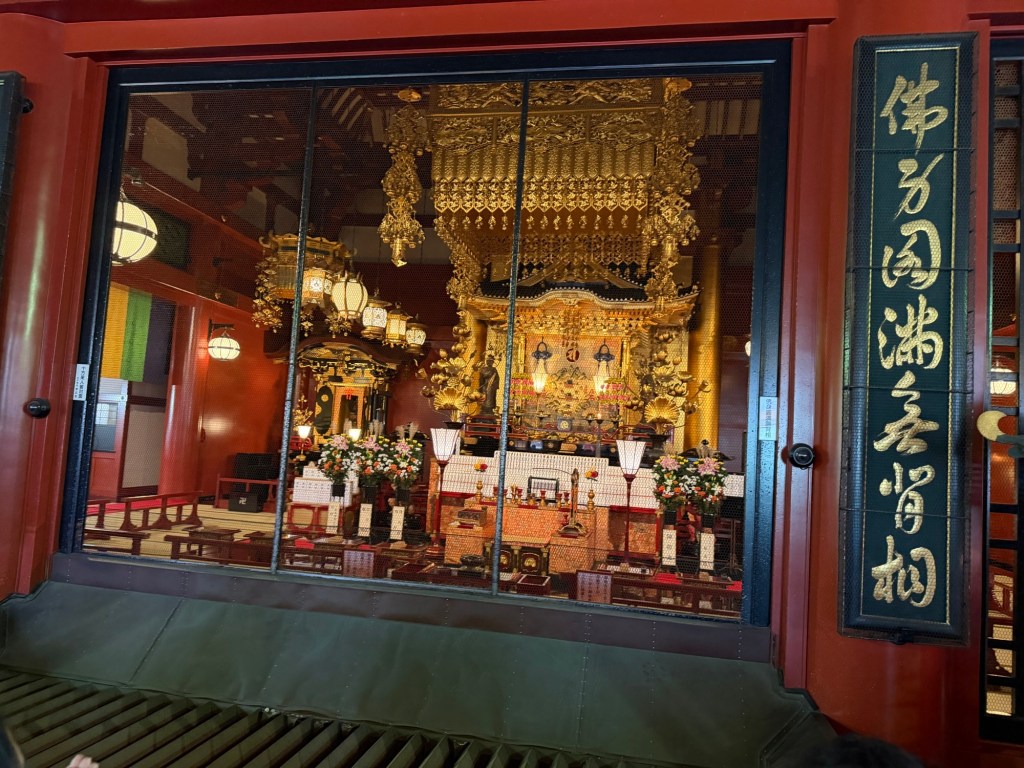
    Next, we headed for the most famous and historic temple in Tokyo, Senso-ji Temple in the Asakusa district. It is Tokyo’s oldest temple, founded in the 7th century, impressively announced by its iconic Kaminarimon Gate.

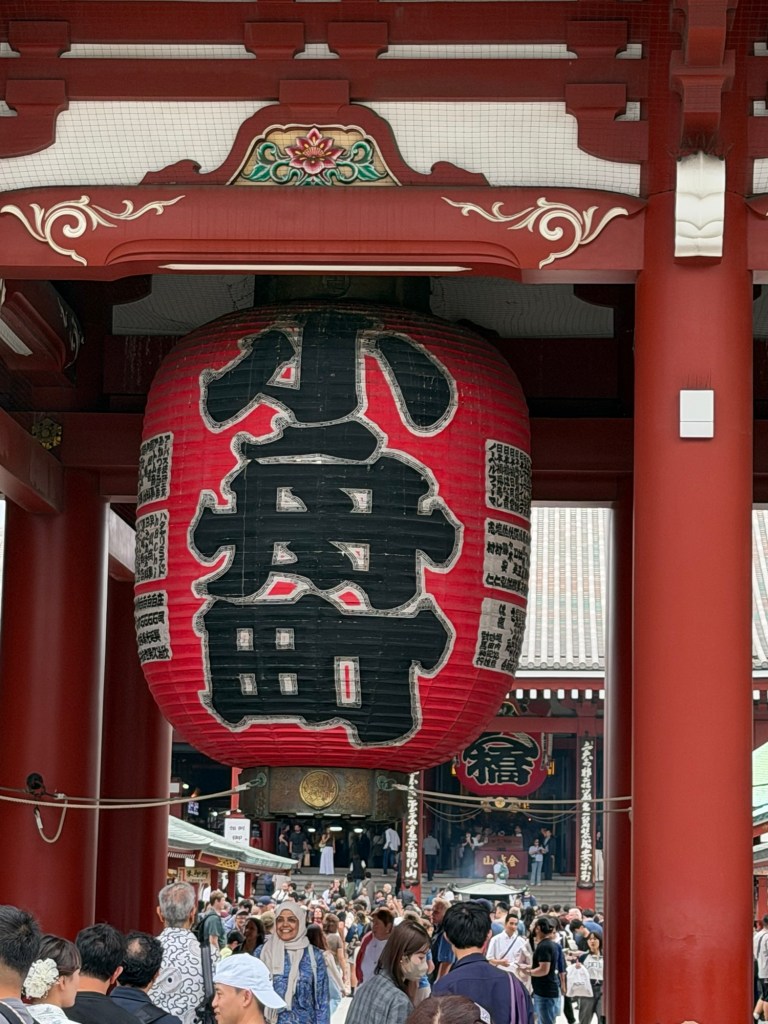
    Kaminarimon Gate

    The temple is dedicated to Kannon, the Bodhisattva of compassion, a revered figure in Japanese Buddhism. The two characters 雷門, which are written in black on the front of the lantern, literally mean “Thunder Gate” and give the Kaminarimon its name.

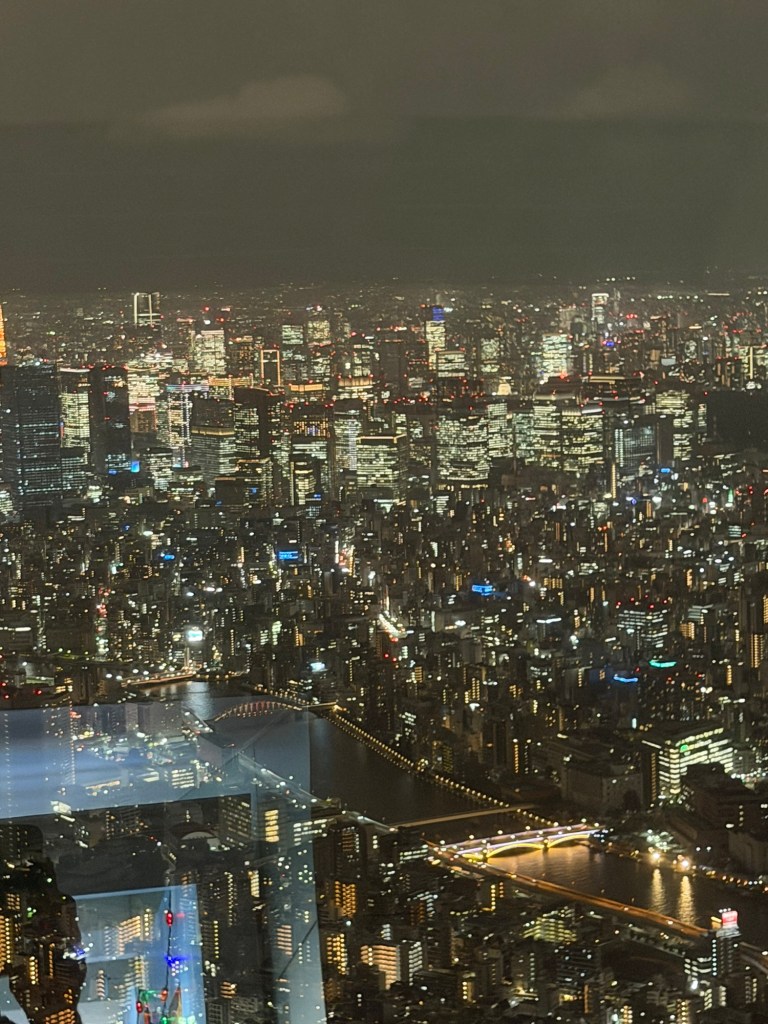
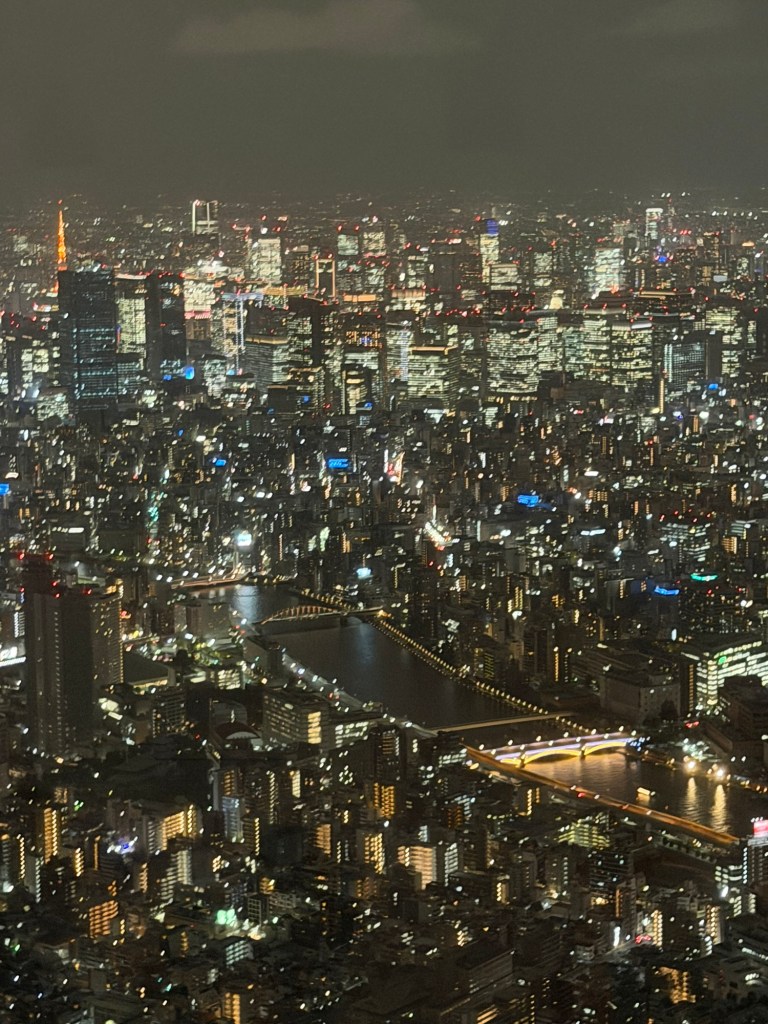
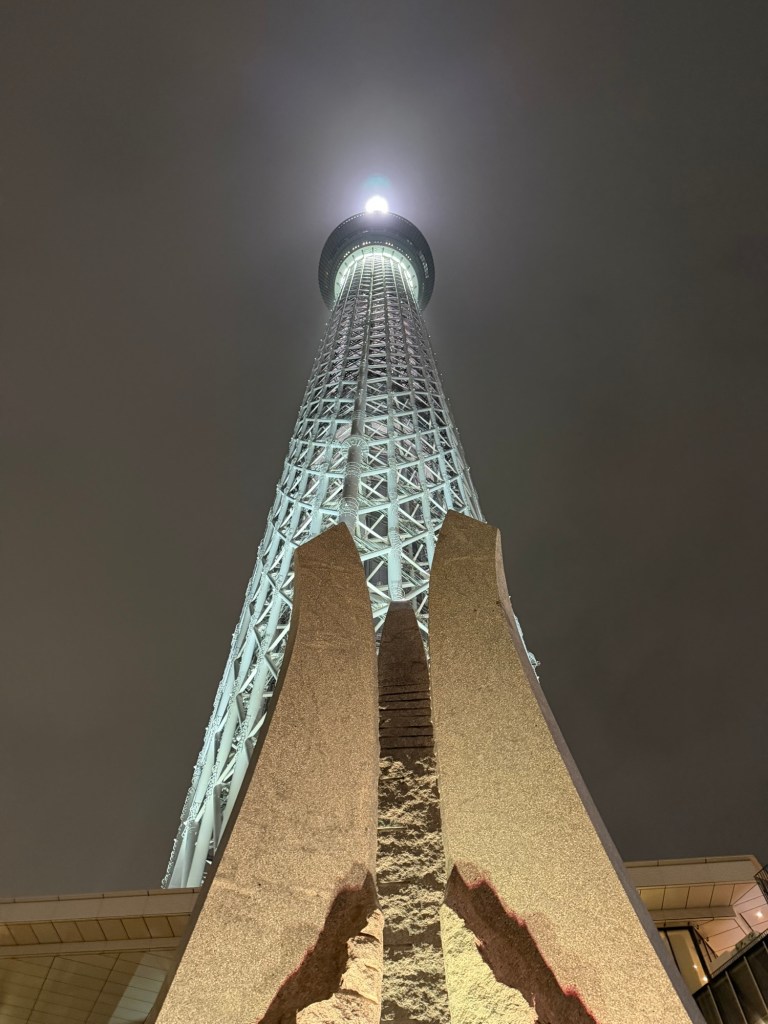
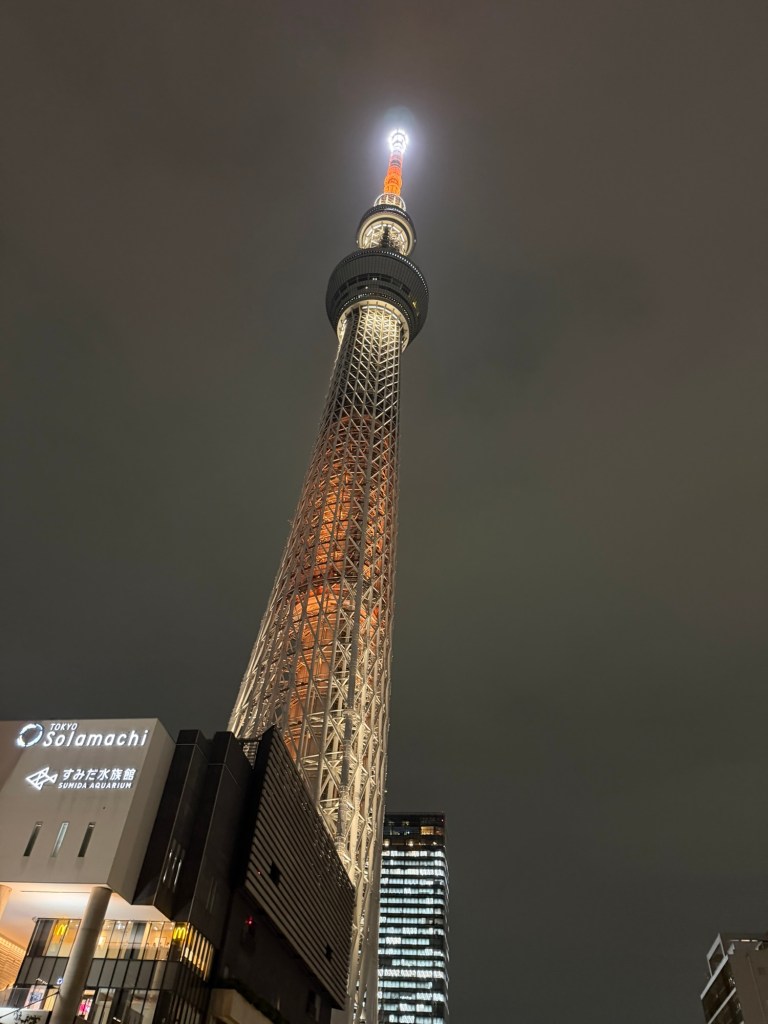
    Next up, we headed for the Tokyo Skytree, Japan’s tallest tower at 634m, opened in 2012. The tower has seismic proofing, including a central shaft made of reinforced concrete. From October to November 2007, suggestions were collected from the general public for the name to be given to the tower. On 19 March 2008, a committee chose six final candidate names: Tōkyō Sukaitsurī (東京スカイツリー; “Tokyo sky tree”) proving to be the winner.

    The height of 634 m (2,080 ft) was selected to be easily remembered. The figures 6 (mu), 3 (sa), 4 (shi) stand for “Musashi“, an old name for the region where the Tokyo Skytree stands.

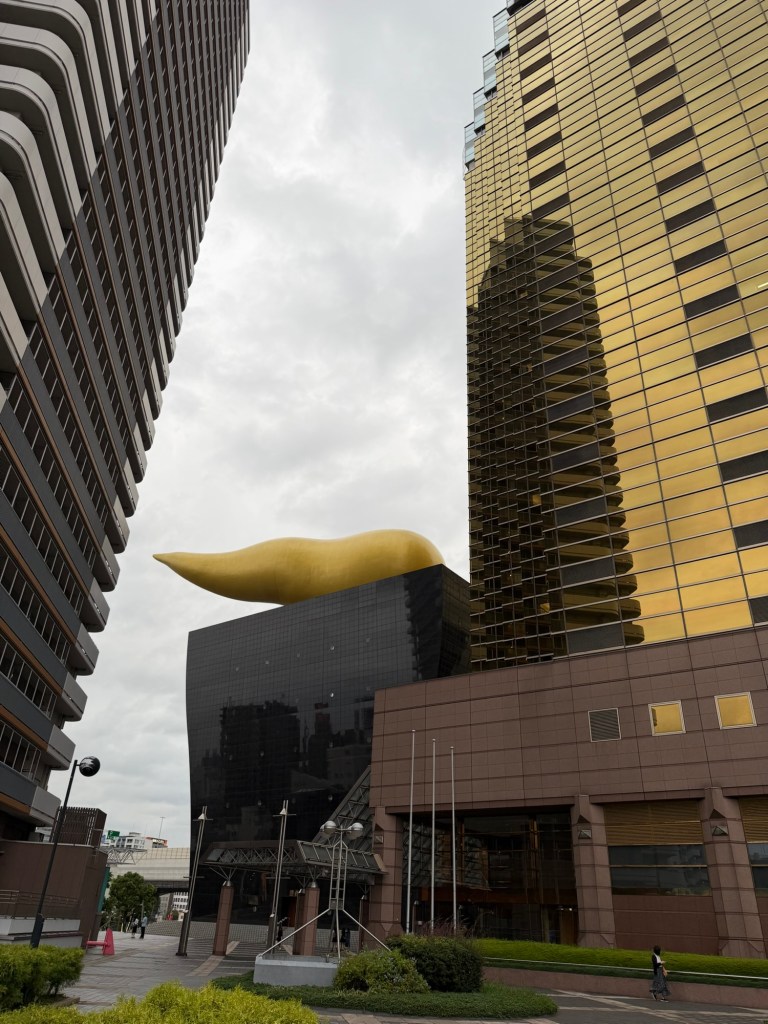
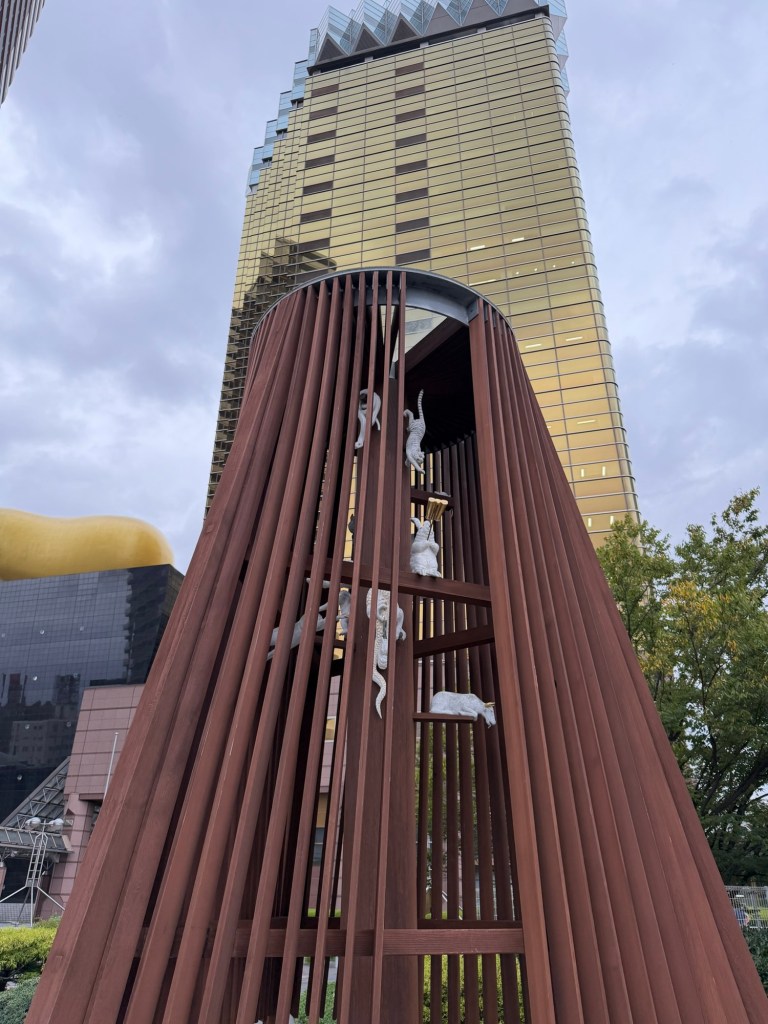
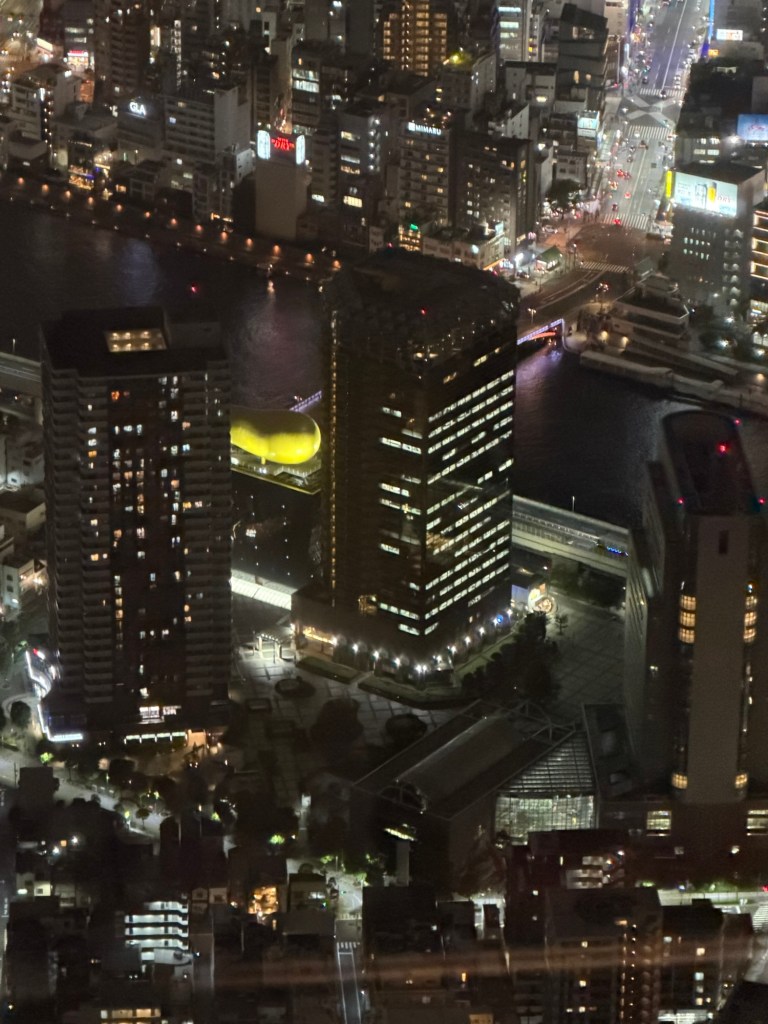
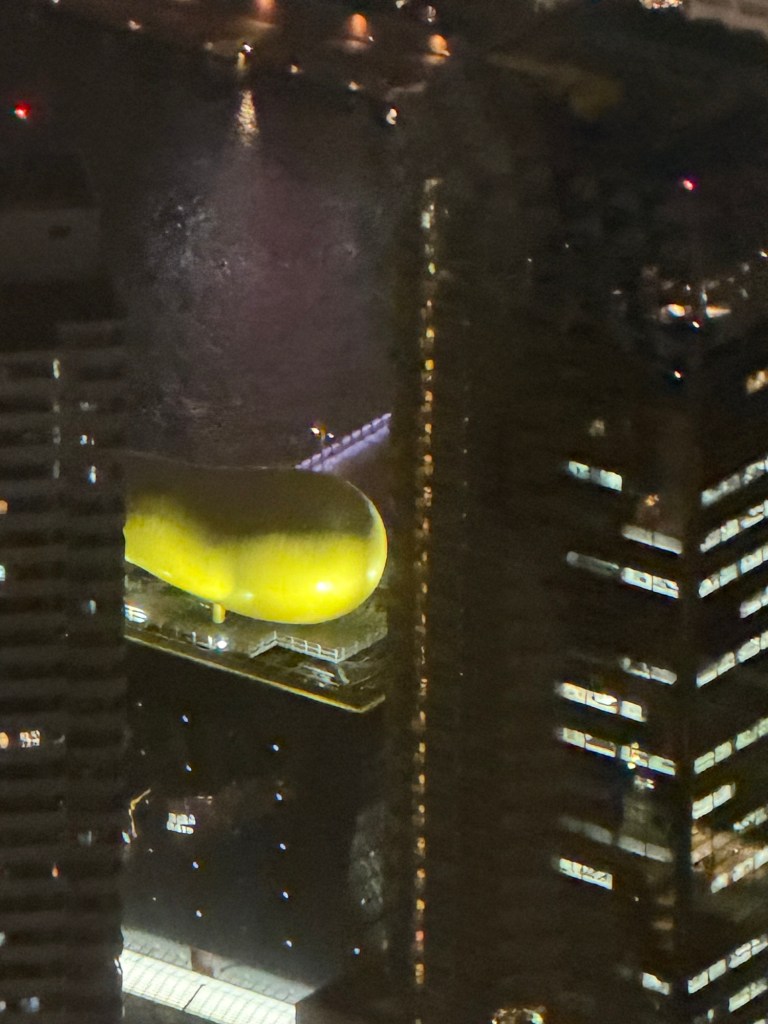
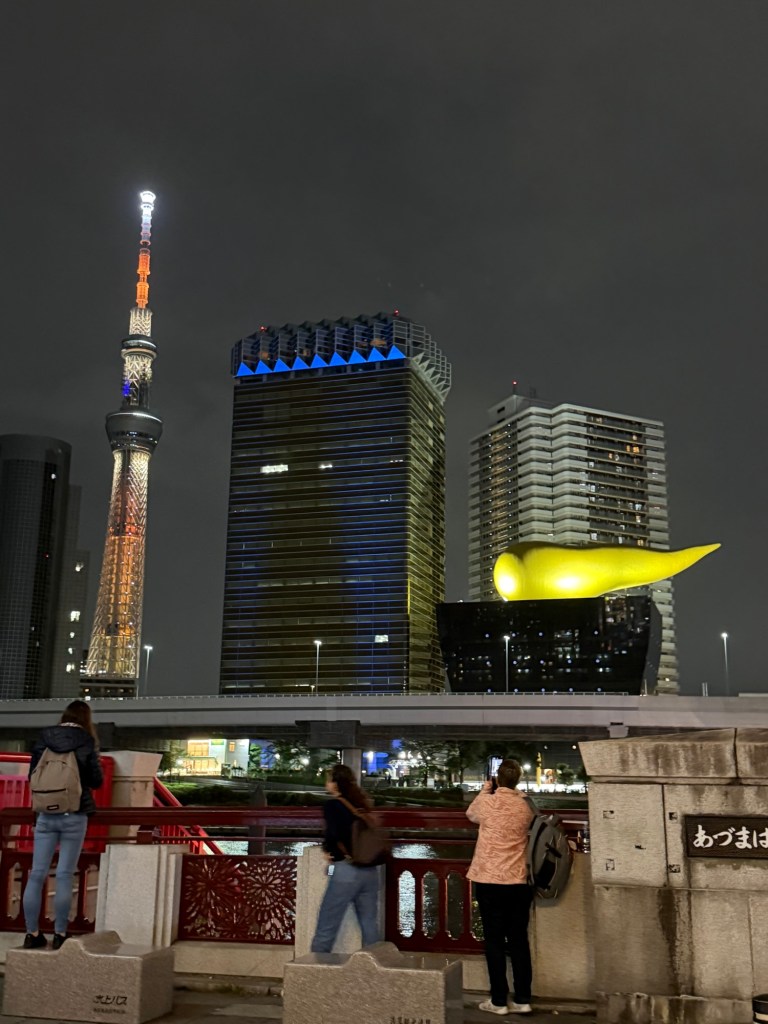
    On our way there we came across Asahi HQ. The golden thing on the roof? It is said to represent both the ‘burning heart of Asahi beer’ and a frothy head. The 360-tonne golden flame was made by shipbuilders using submarine construction techniques. It proved useful as a marker on our map (see below).

    Asahi HQ

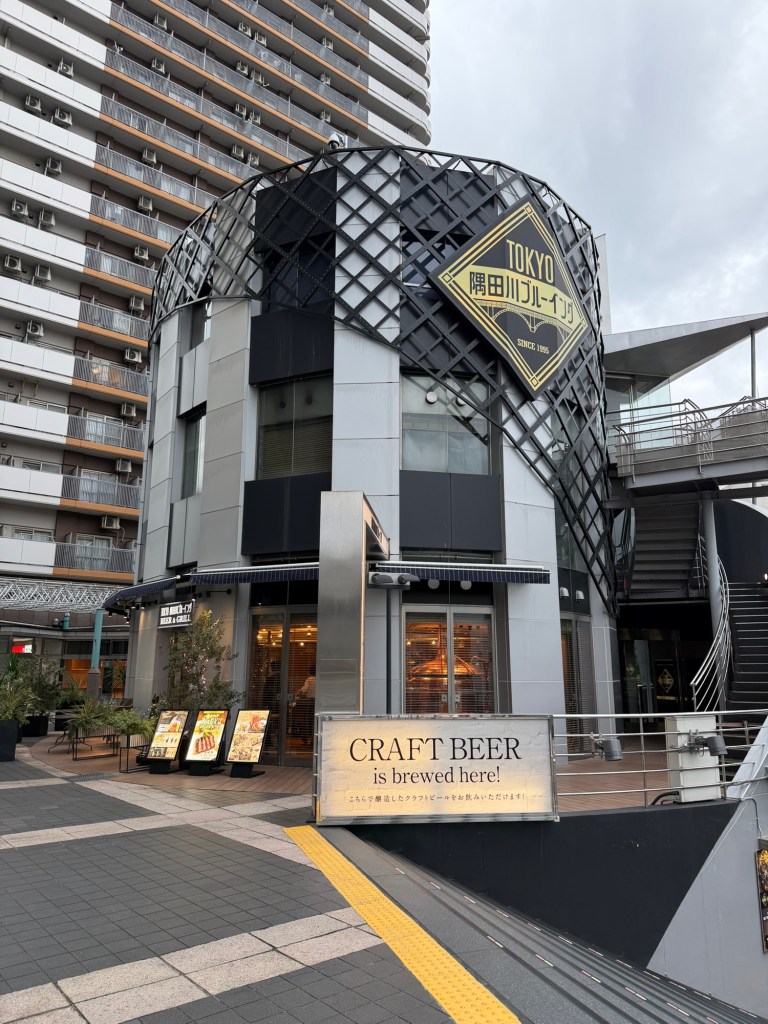
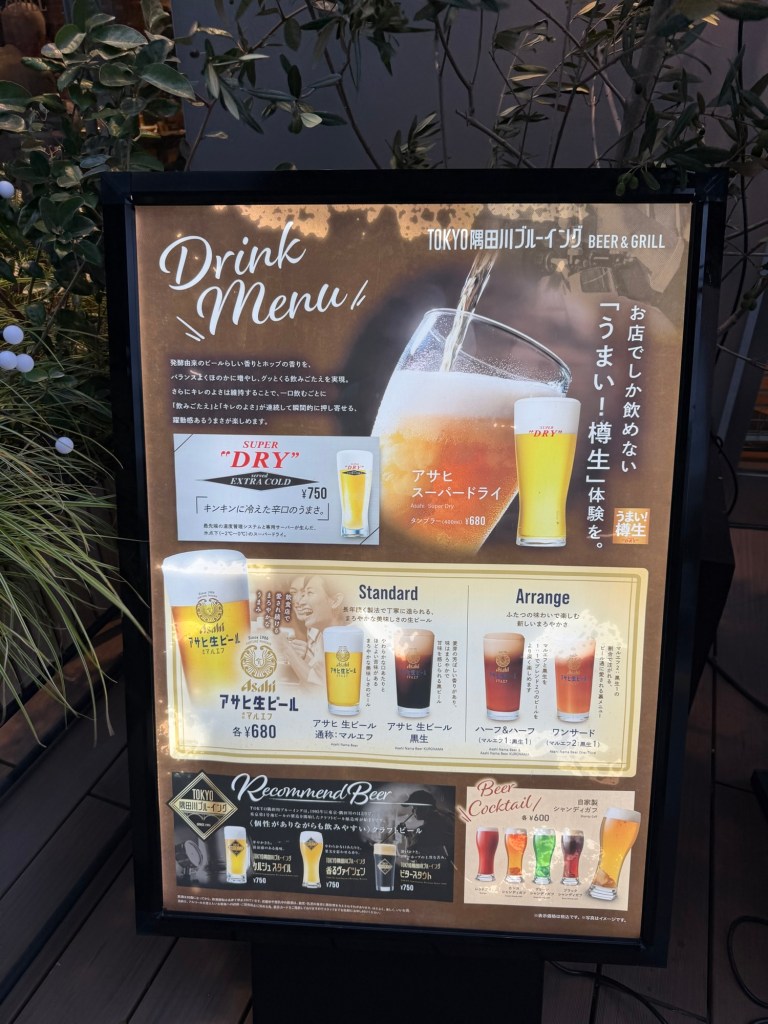
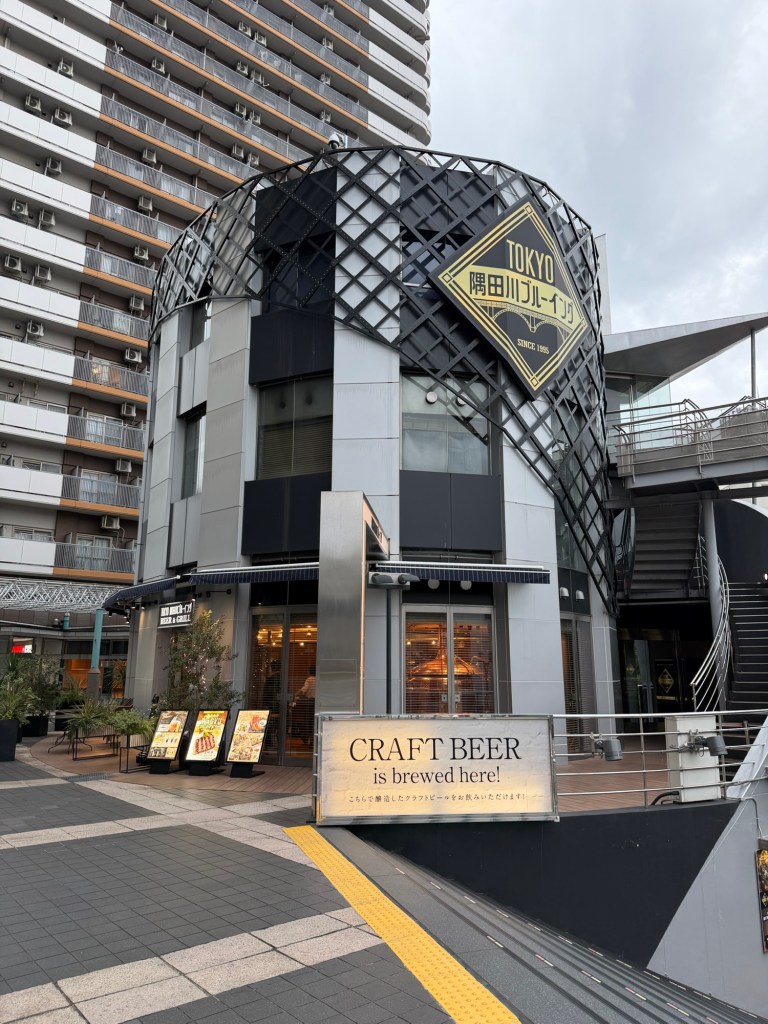
    Close by, we clocked on the starboard bow what looked to be a highly promising waterhole, for later.

    Dragging ourselves onward, we found Skytree (not difficult) and joined the queue. Be warned, there is (at least, our experience, on a Tuesday evening in October) a fair bit of standing and waiting to negotiate.

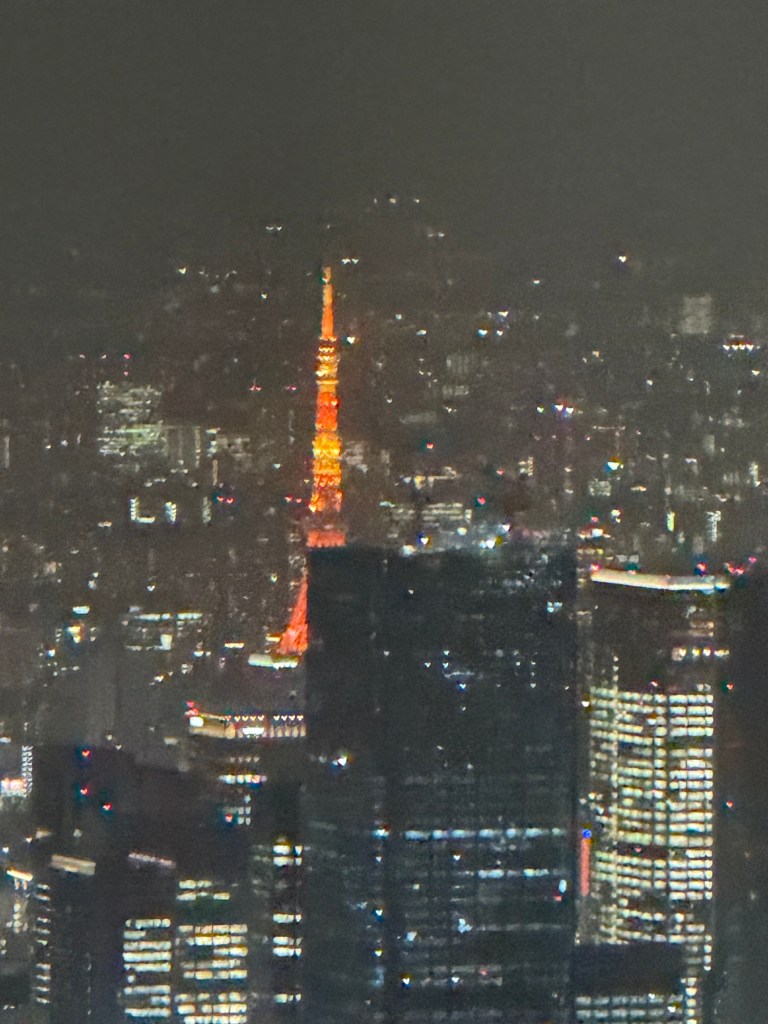
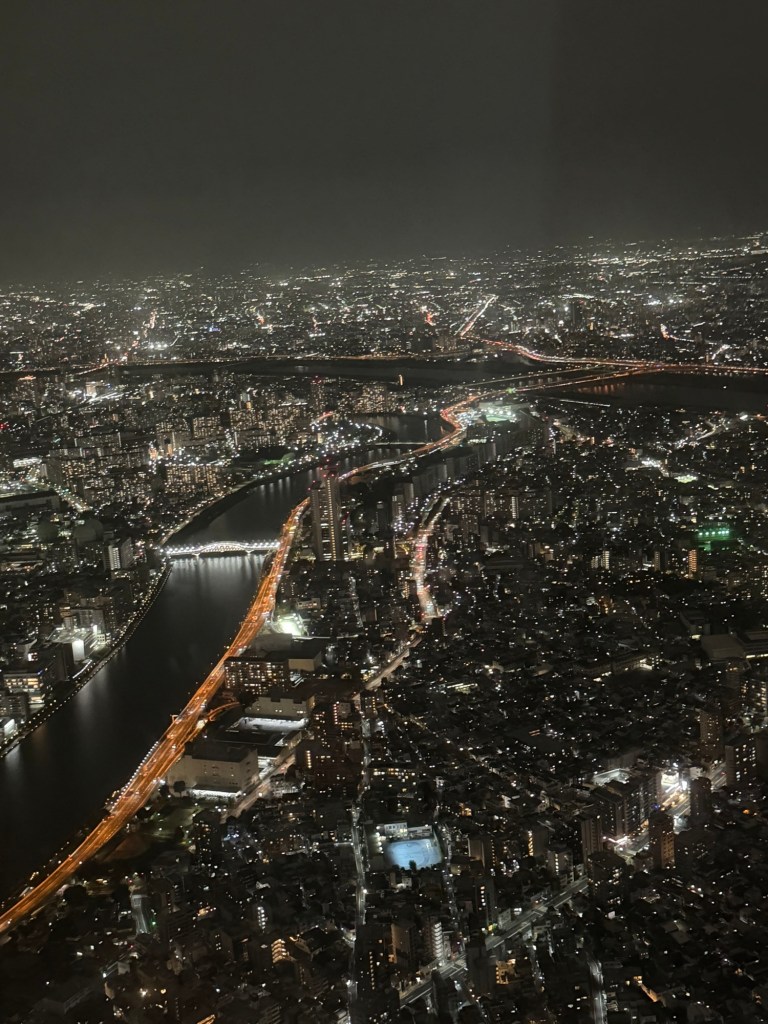
    The views were as you would expect from such a height and looking out on such a city. And then, downside looking up…

    All along, 634m on high, we remained vigilant. It was still in view, and in mind.

    Wearied by the wait, we retraced our steps and, yes…

    After all, we were in Asahi land

    We finally made it back, after another entry/exit gate saga. Not to worry, I am sure we will have it mastered before Friday, when we depart for Kyoto.

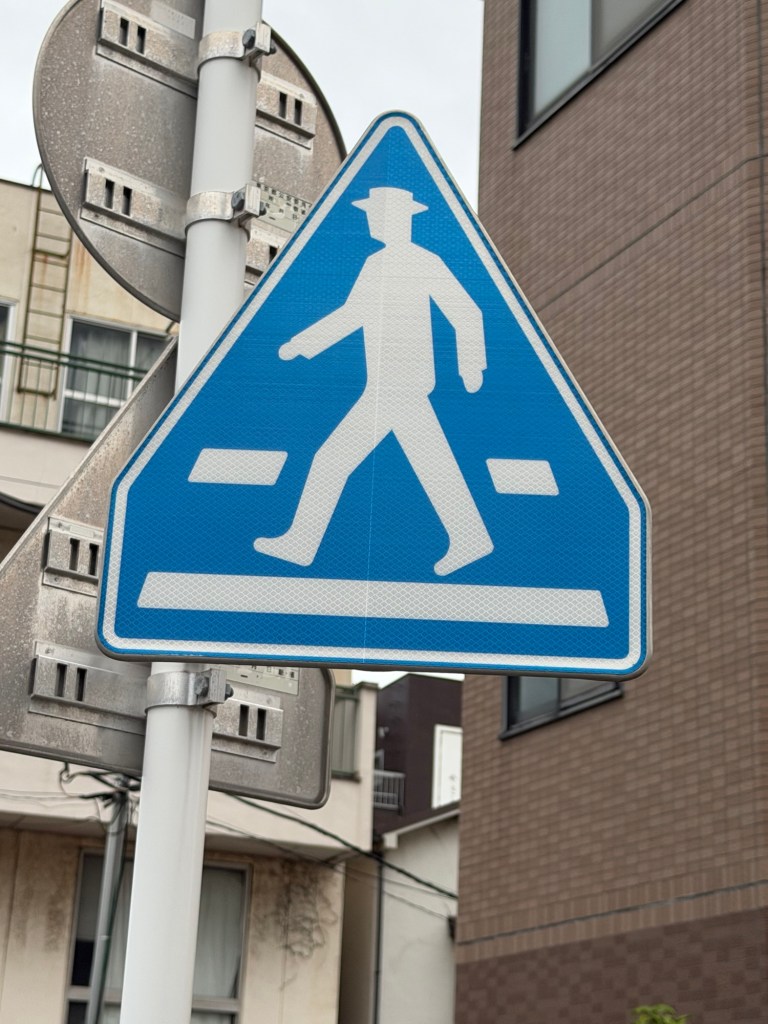
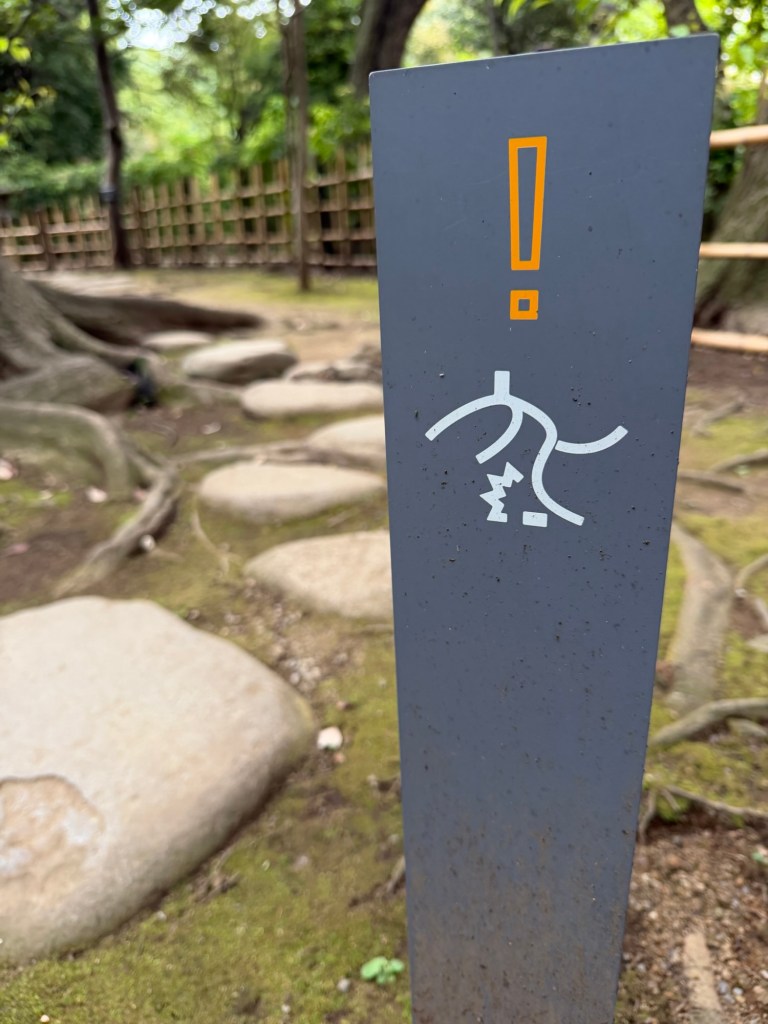
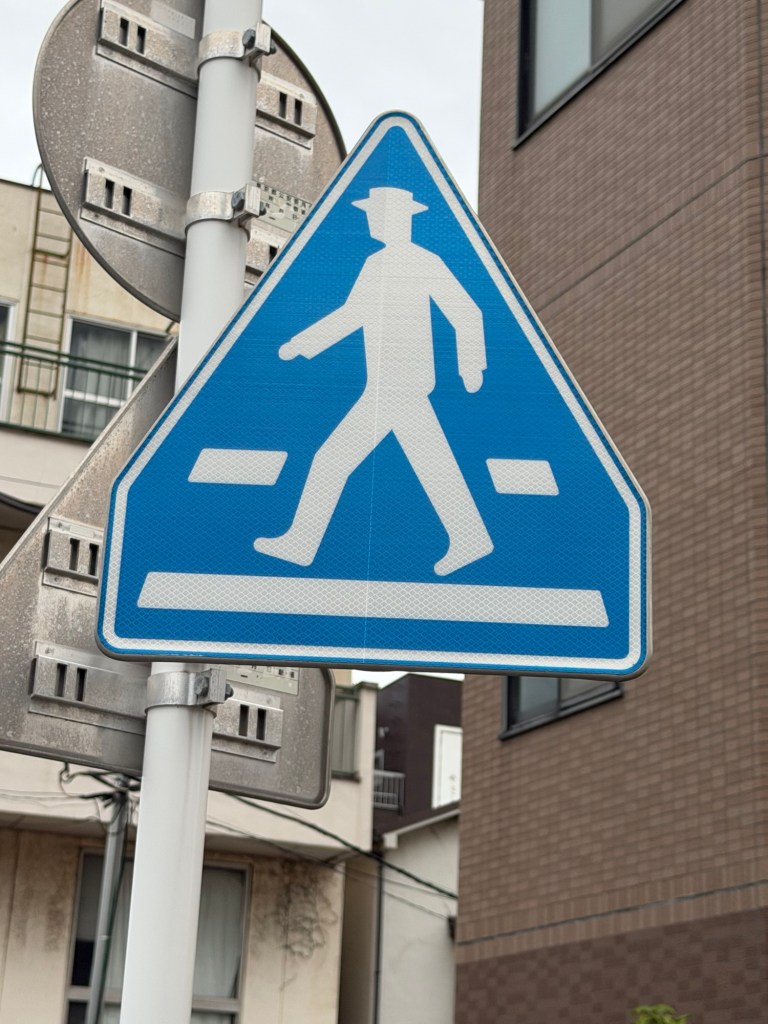
    And the award for the signage of the day? We came across this sign in the National Museum garden. A close second to… simply for the natty head wear…

  • Day 1: Letters, Numbers, Colours… simple logic 🤷🤷‍♀️

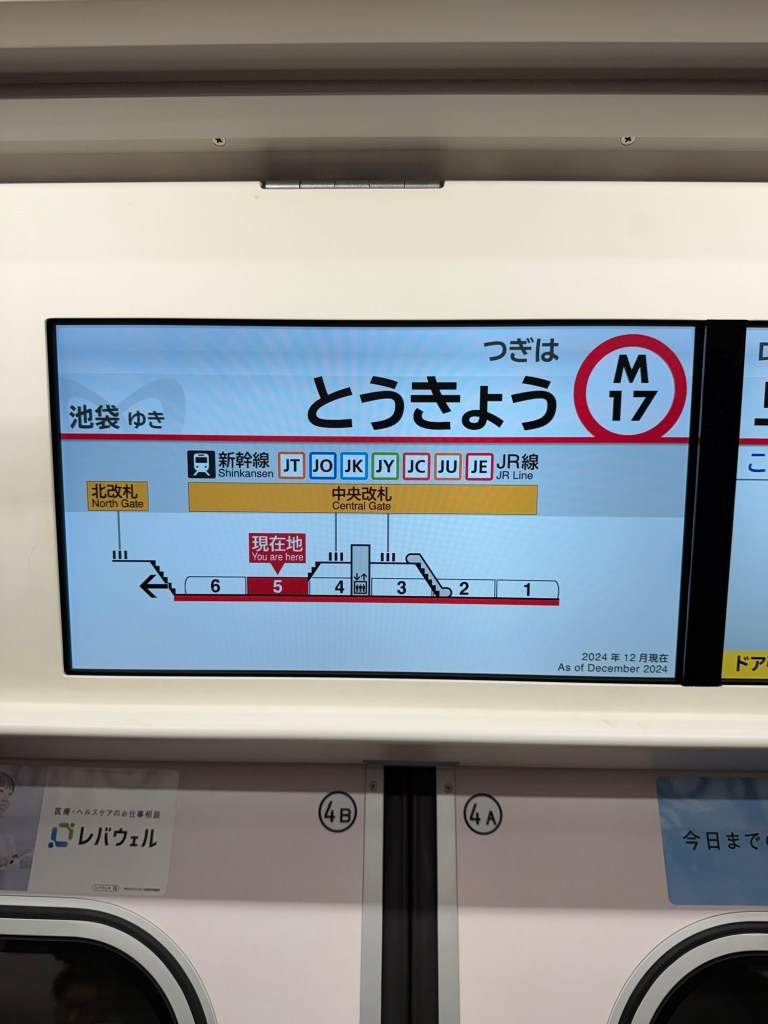
    Tokyo (とうきょう)

    The first day. All about finding your bearings, isn’t it. Well, we did, and we didn’t, in equal measure.

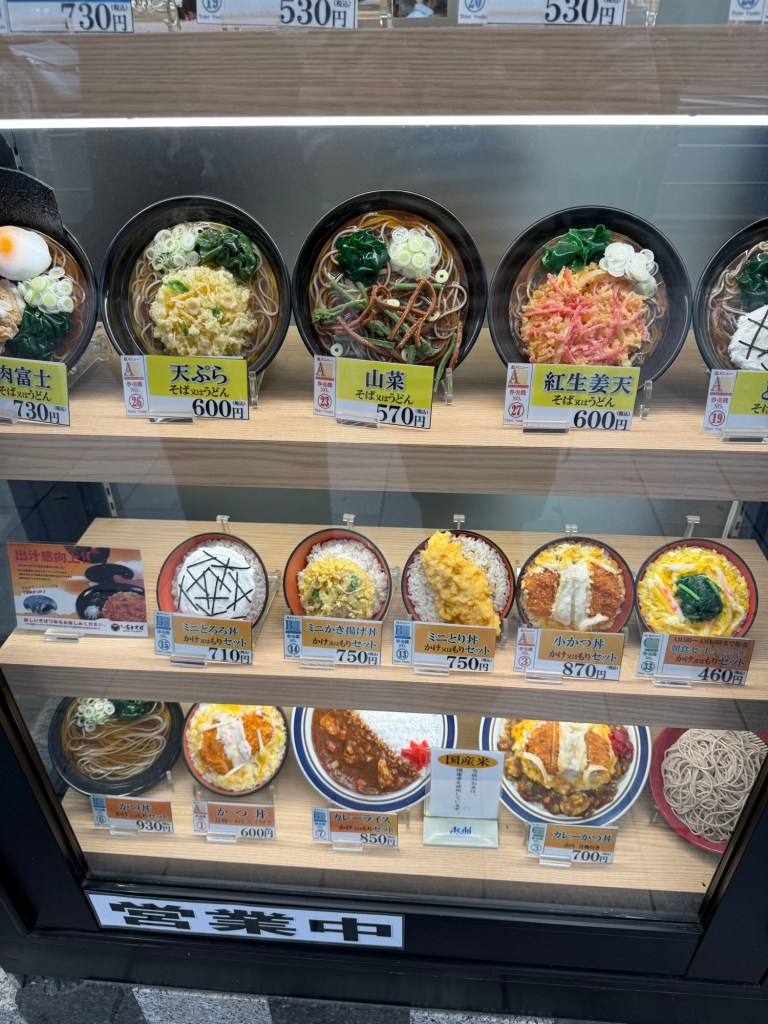
    A hint at the Japanese way (absolutely not meant in a patronising way) was dropped on us during the flight over. We flew with All Nippon Airways (ANA); direct flight from London Heathrow to Tokyo (Haneda): 14 hours. Come the in-flight meal, we were handed a laminated card. A simple choice, A or B, with an image of each menu option. Not unlike this assortment of culinary delights displayed in the window of a restaurant in Shibuya that we passed by this afternoon.

    Easy to see as off-putting but, if artificial (plastic, in my language), the price is clearly displayed, as is a 3-dimensional model of that you may choose to purchase and consume.

    It couldn’t be simpler than that, could it? Apply the same logic – as it is – to the Tokyo transportation system, and there the fun begins. As we found out, boldly stepping out, with our ambitious plan for this, our first day in wonderful Tokyo. More of that to follow.
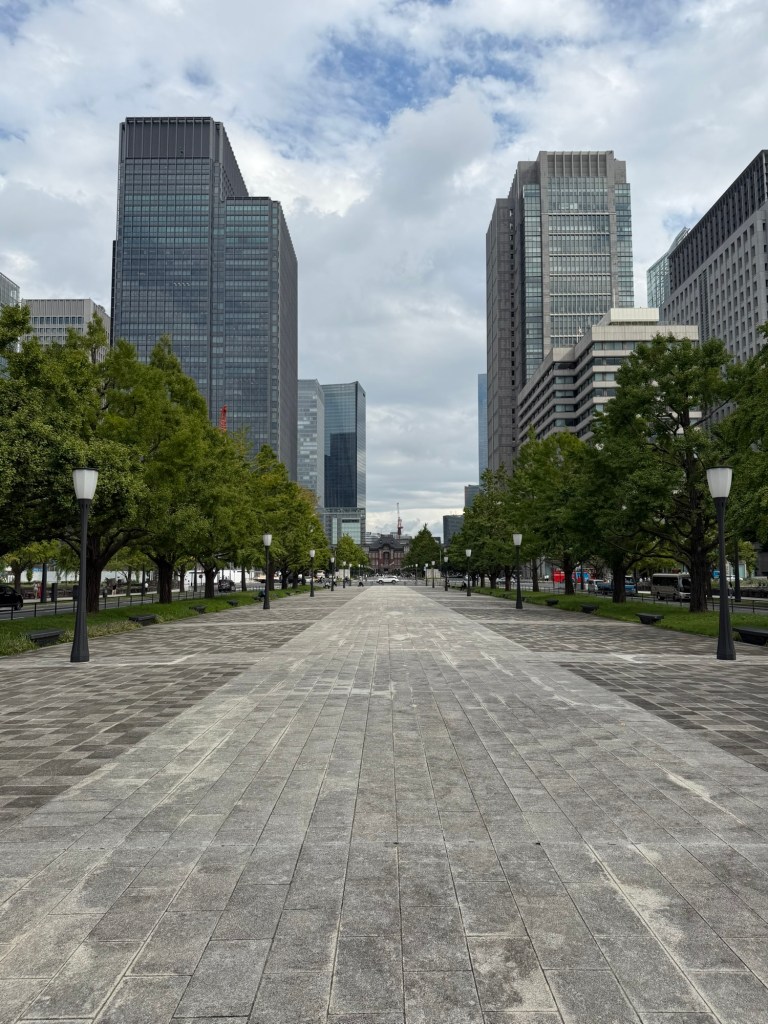
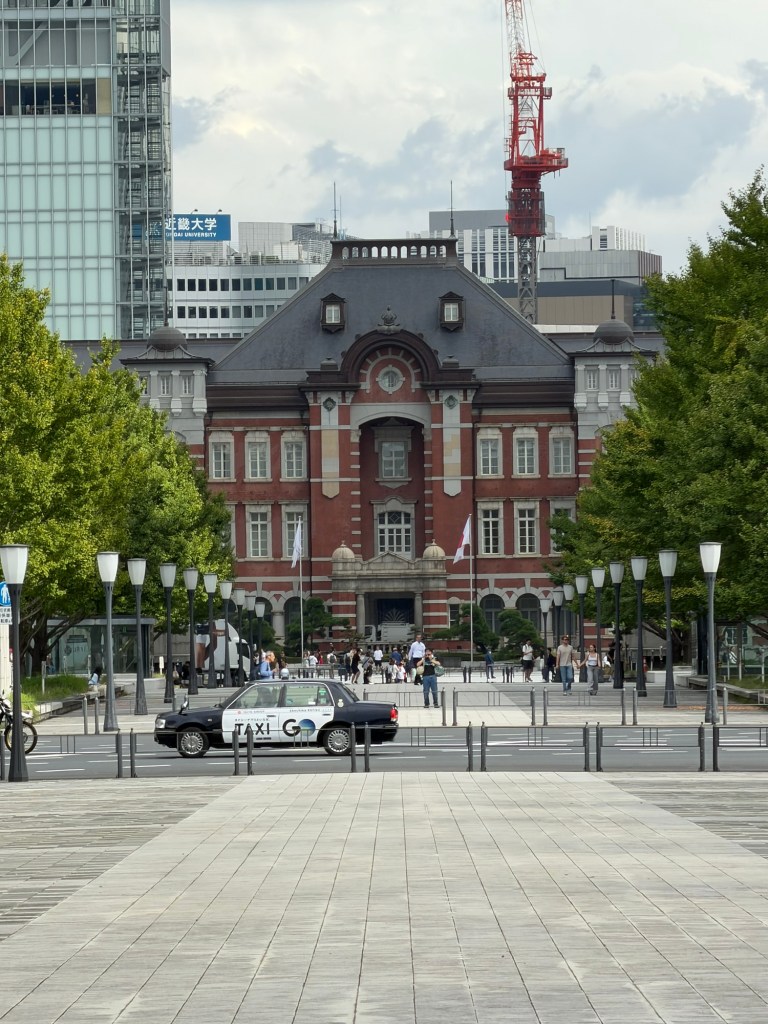
    We are staying at the Marunouchi Hotel, close by Tokyo Station. First off, we walked across to the area around the Imperial Palace. A wide open space, as we wanted to move after a long day of travelling, yesterday.
    Looking back towards Tokyo Station
    Tokyo Station

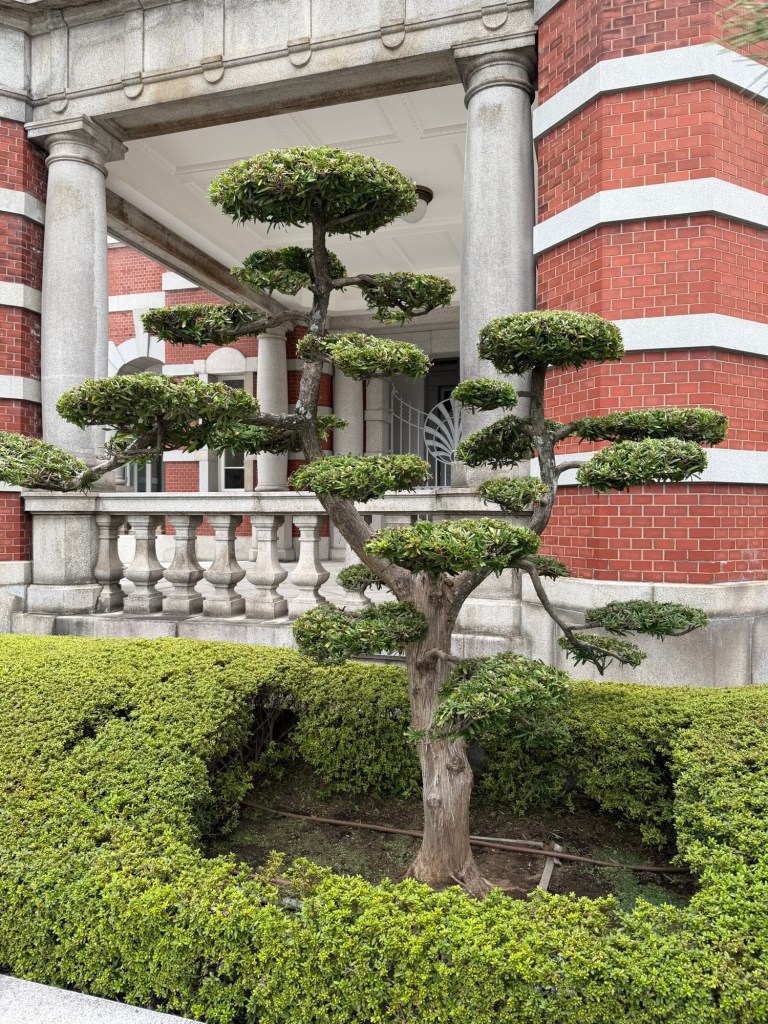
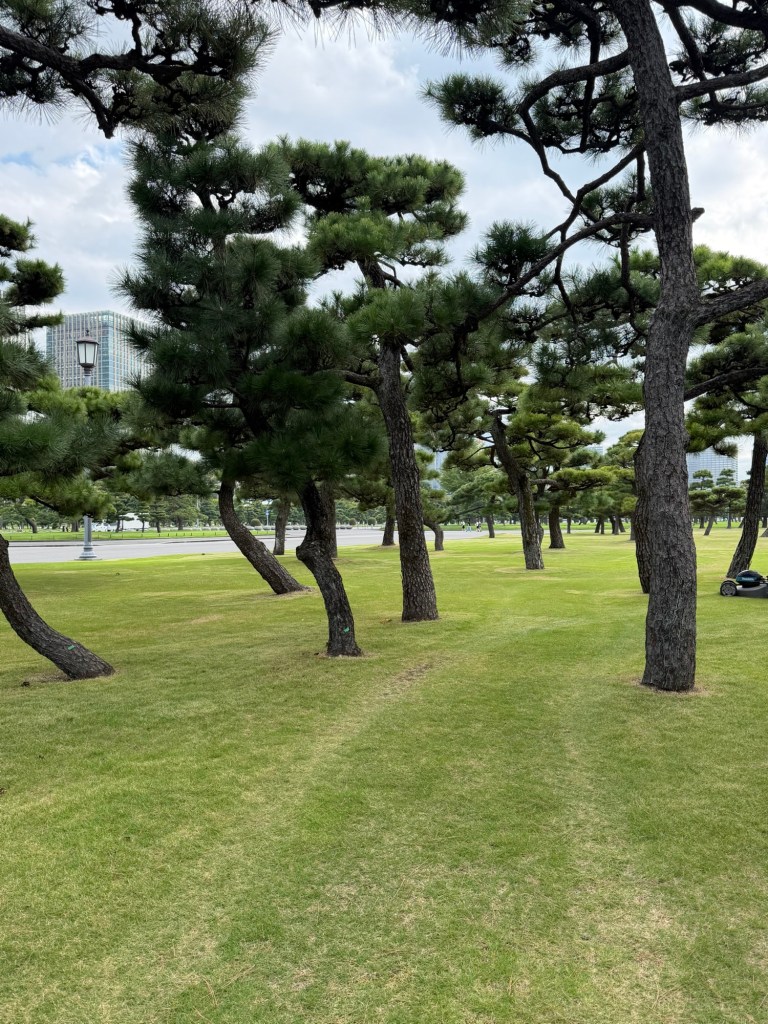
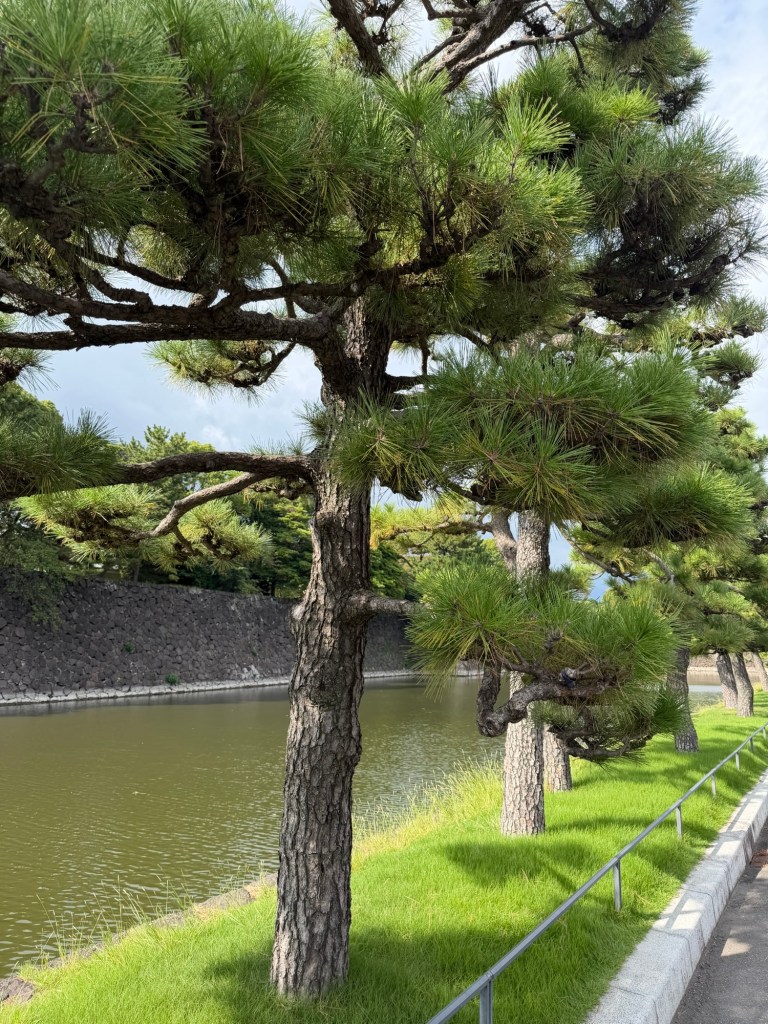
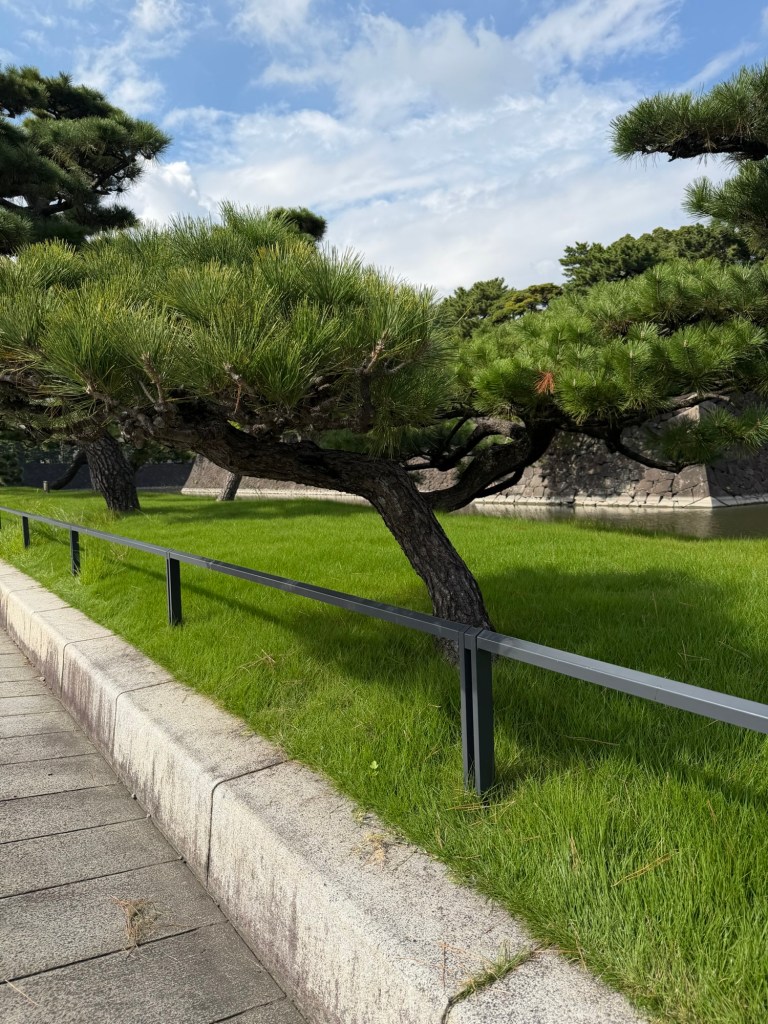
    Every tree has its own personality, don’t you think? We are looking forward to meeting Japan’s very own model of trees over the coming weeks. It came as no surprise to witness the gardens by the palace being so tenderly groomed by a team of gardeners. The trees bear witness to the care afforded them over many years.

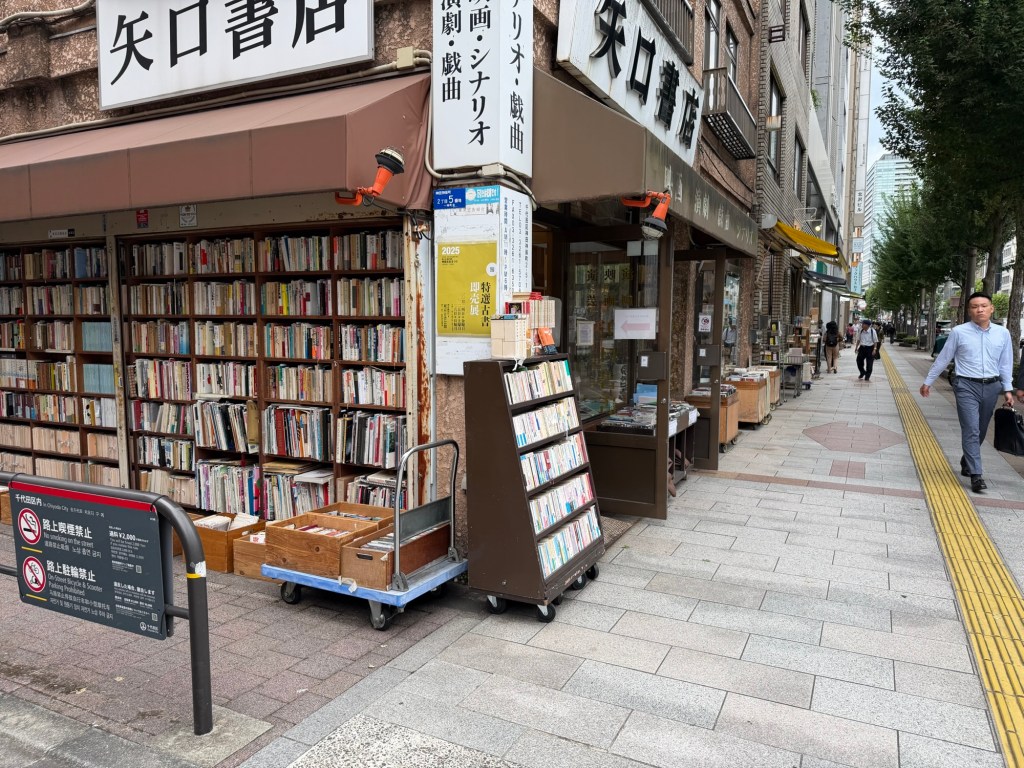
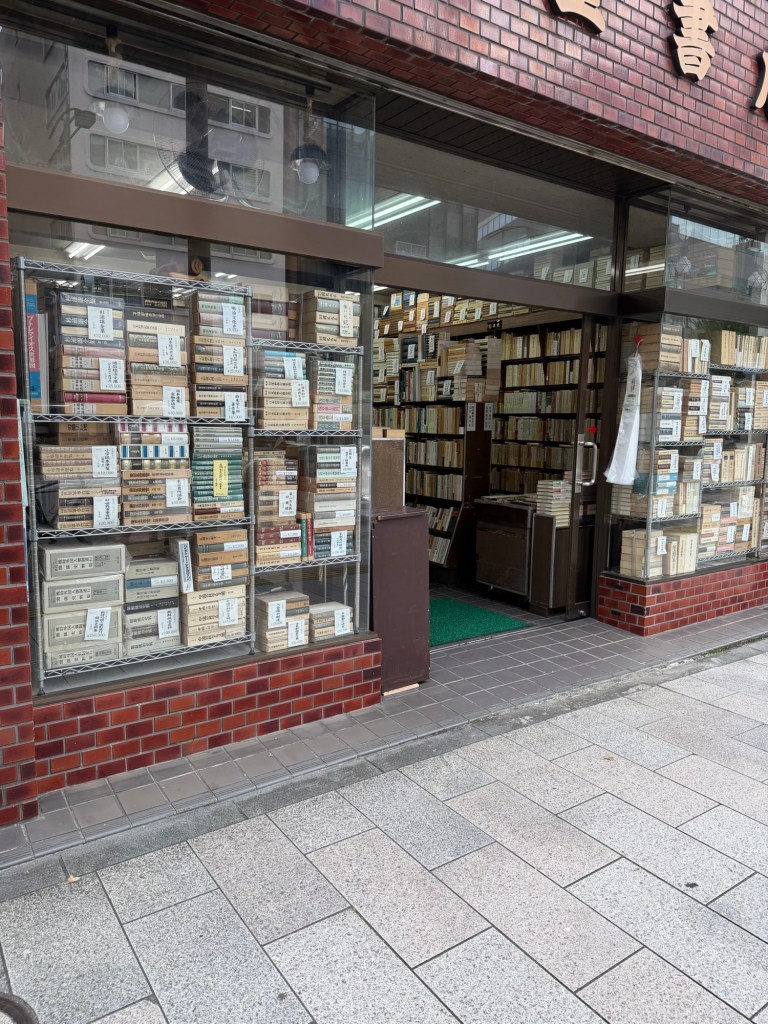
    Then we headed over to Jimbocho, an extraordinary book lover’s idyll.

    The images don’t do the area justice, certainly in terms of scale, for Jimbocho is made up of hundreds of such establishments.

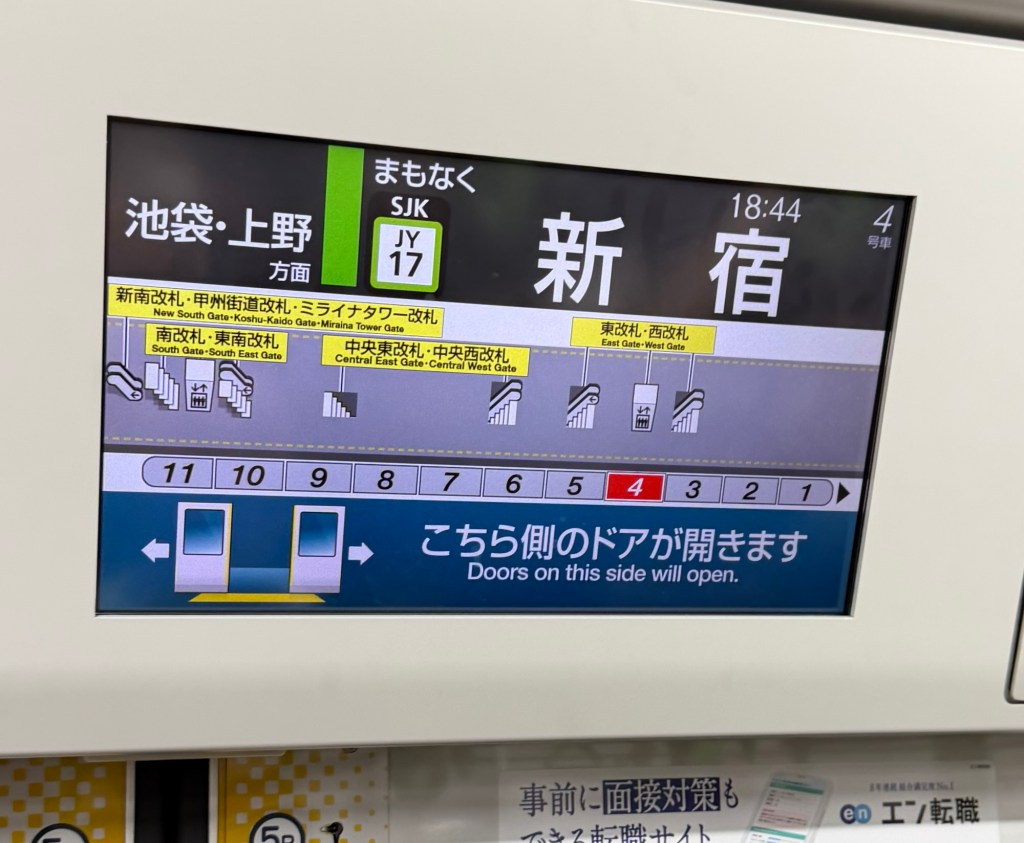
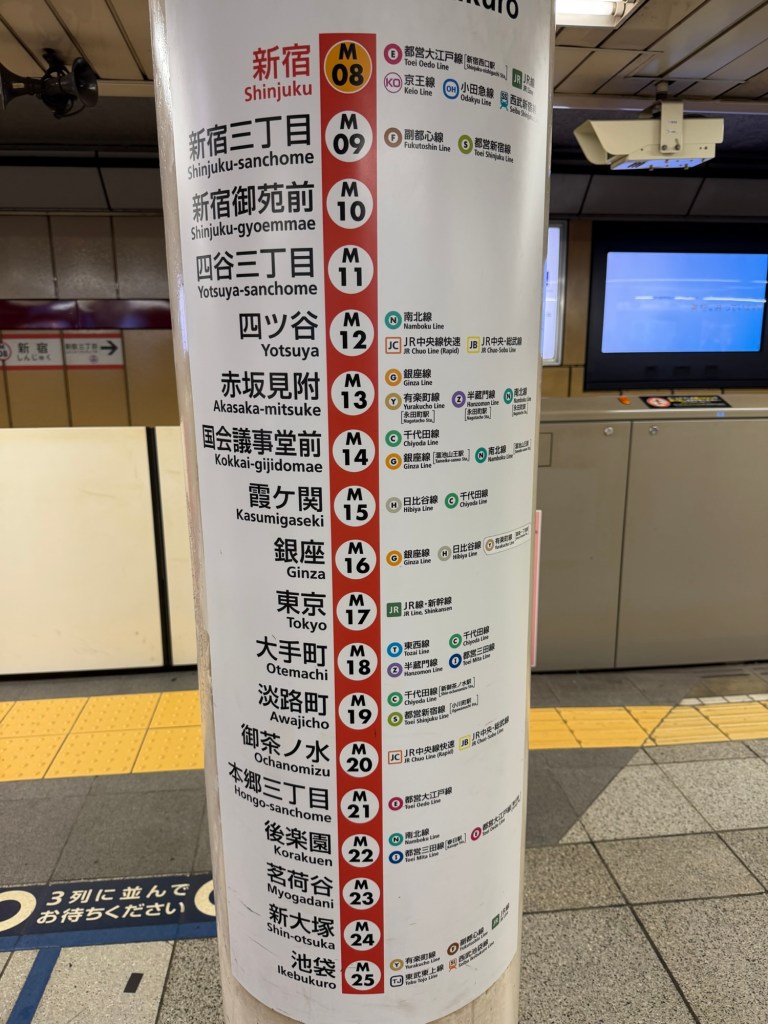
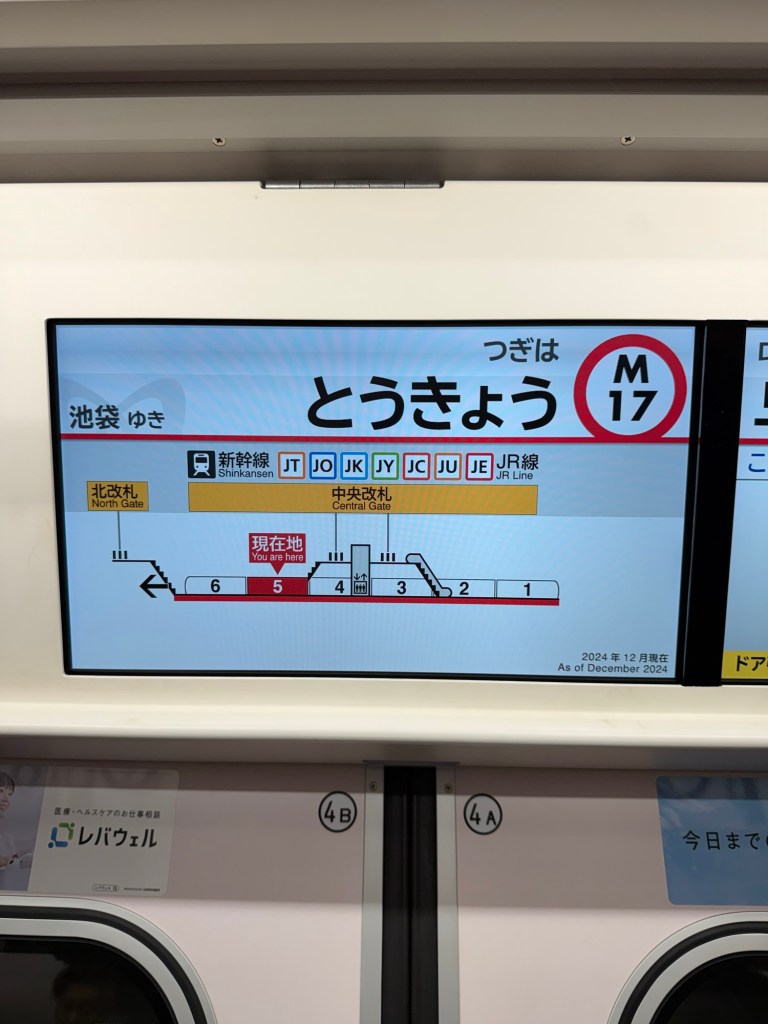
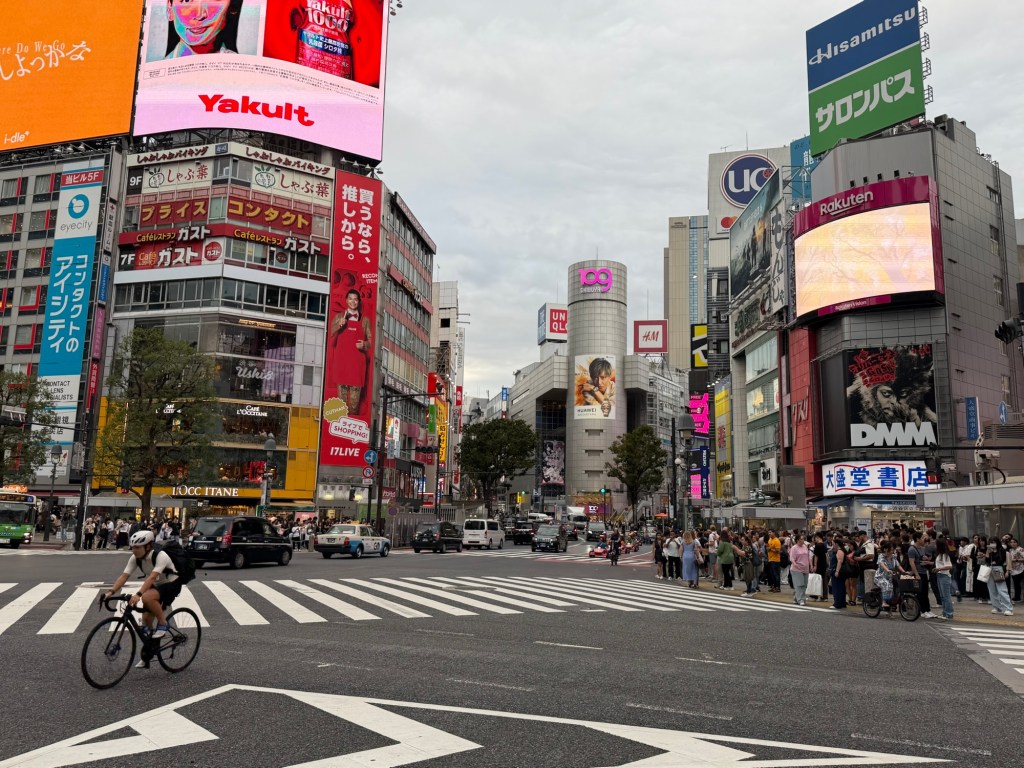
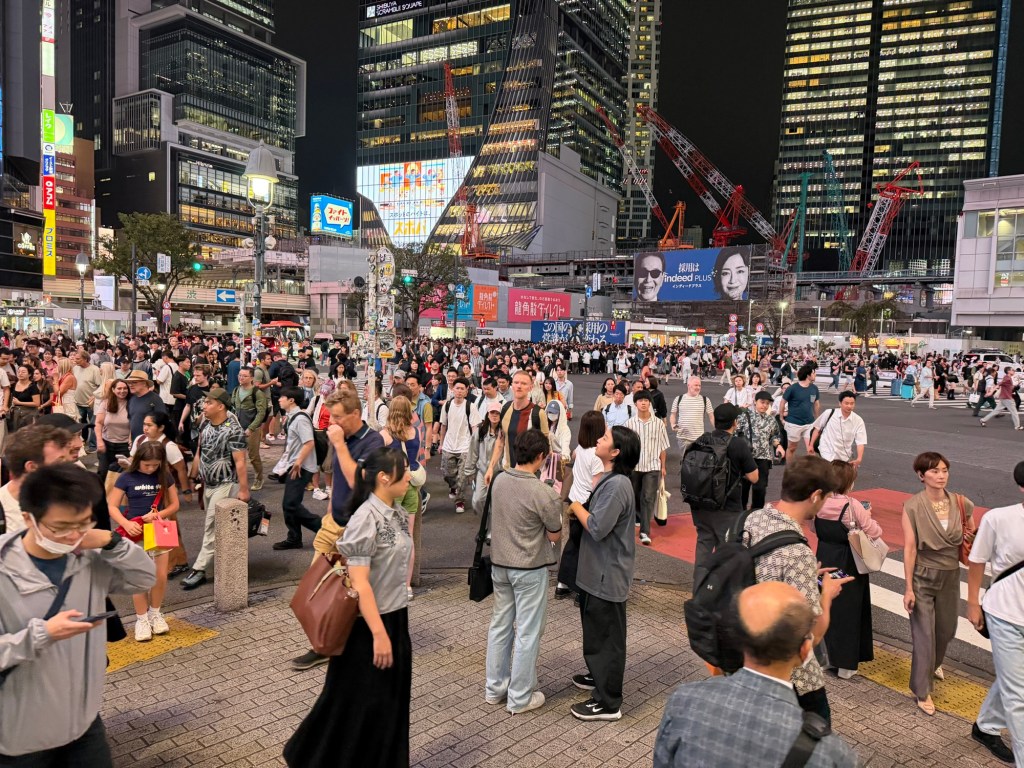
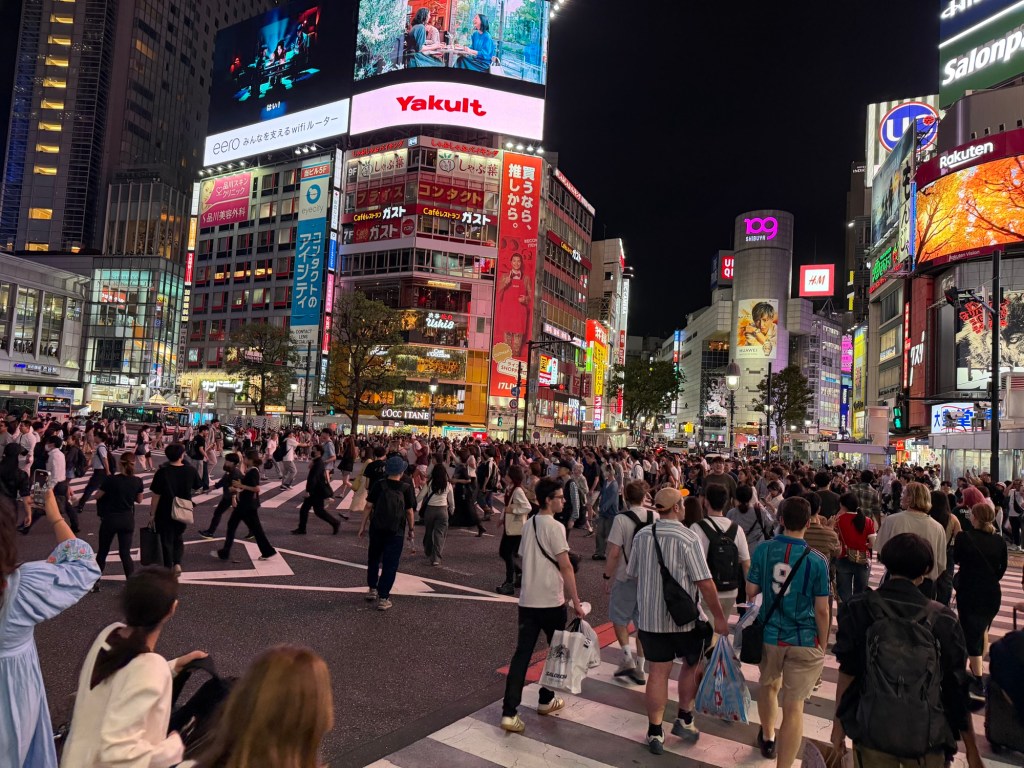
    That done, fuelled by coffee and lunch (cheese and seaweed sandwich + baked cheesecake) we headed for something quite different, the shopping district in Shibuya. And this is where we return to the logic discussed at the head of this post – as applied to the Tokyo transportation system.

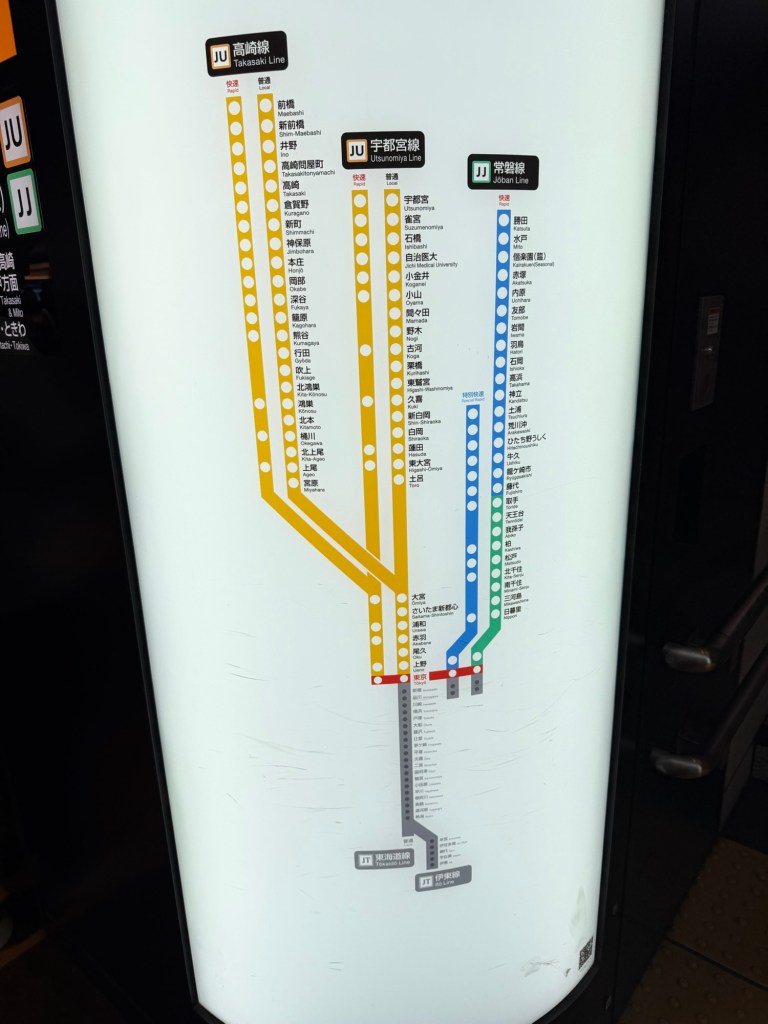
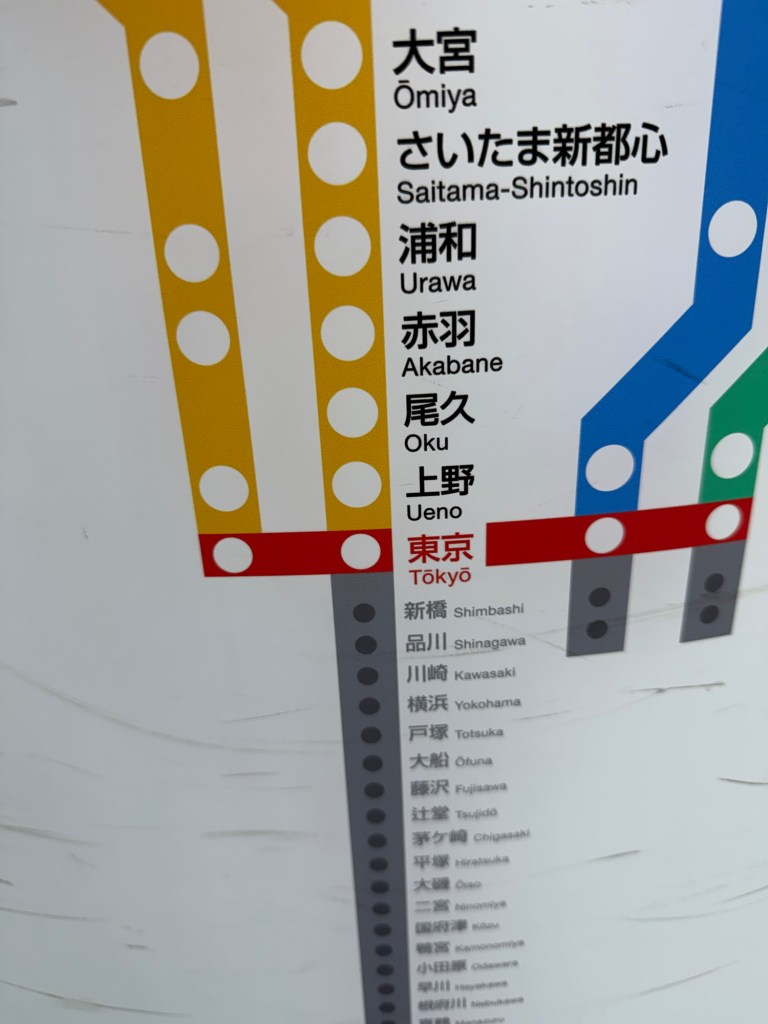
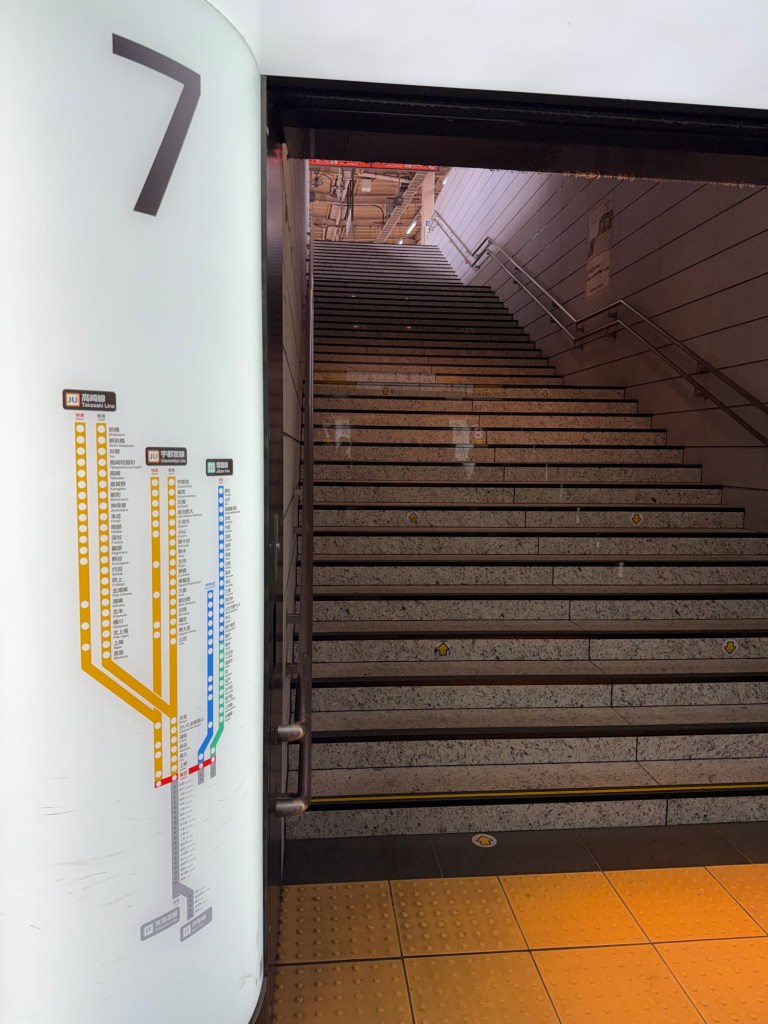
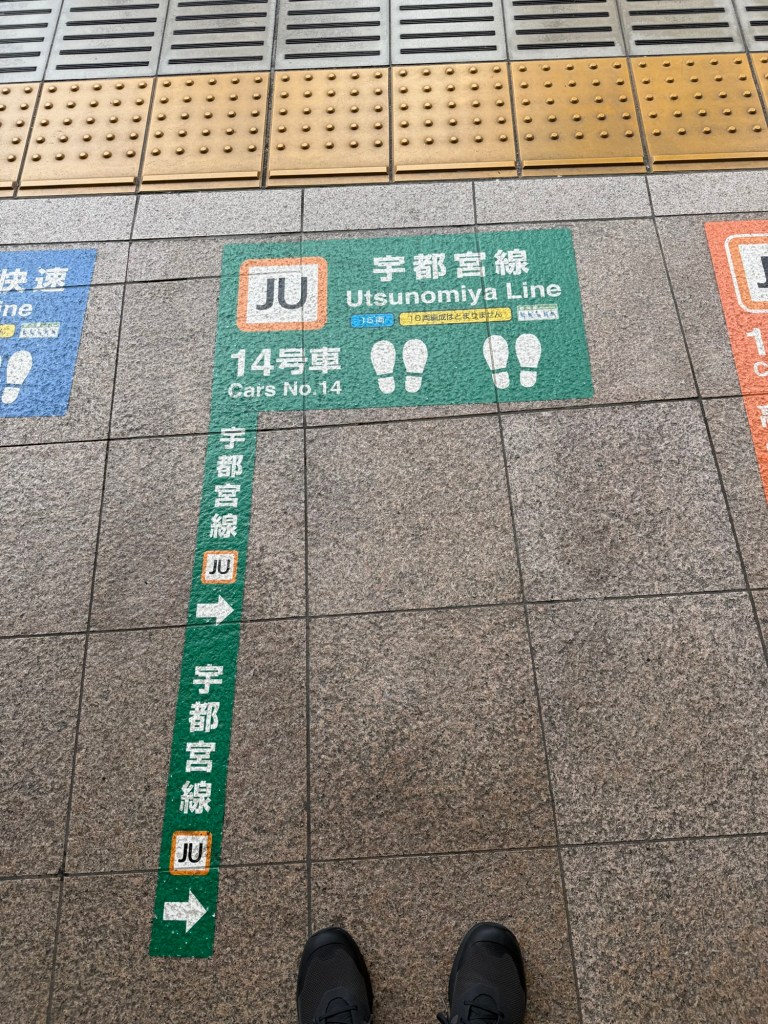
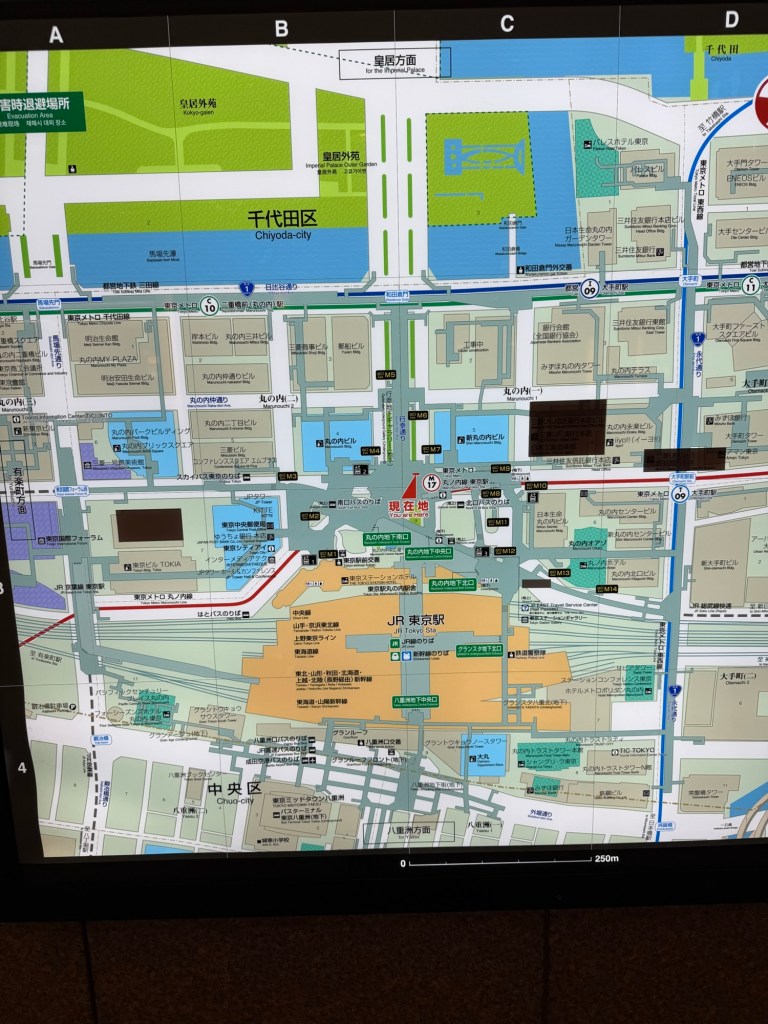
    The information is all there, in code: letters, numbers, code… Just follow it…

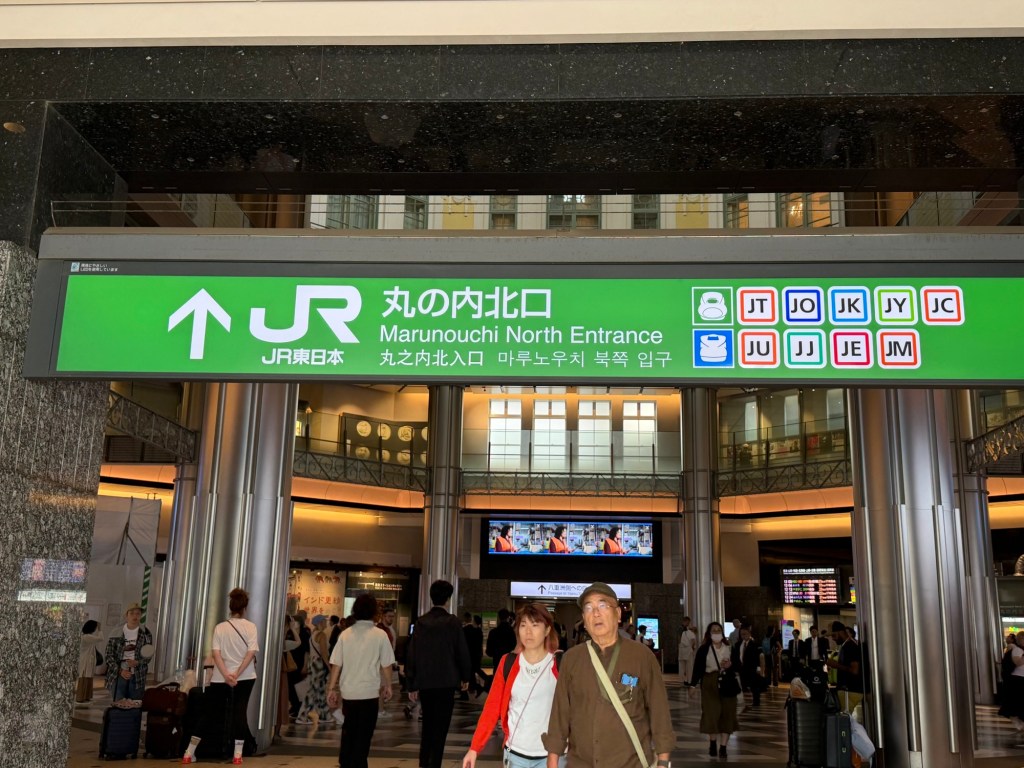
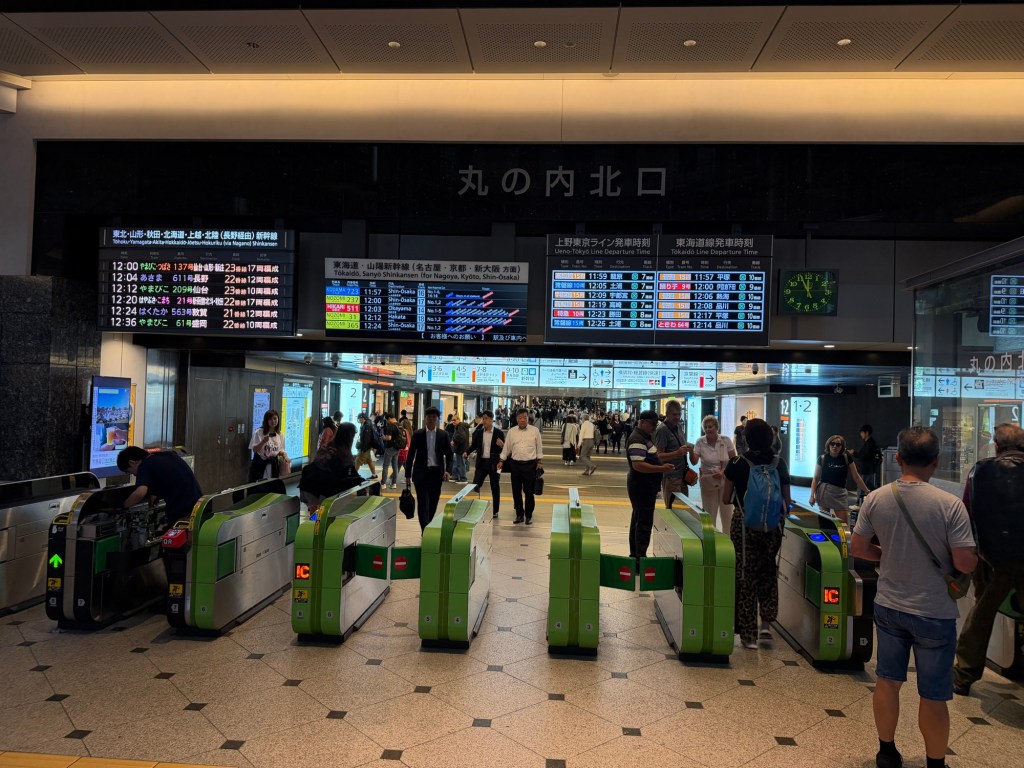
    Long story short, we got there, eventually! It all makes perfect sense. It’s the application that is the hard bit. The logical simplicity rubs up against the scale of the system itself. I am stating that as fact. It is my excuse and I stand by it. Fathom this… when in London, for example, you make your way up from the underground and might be faced by up to 4 exits onto the street? Well, when in Tokyo, you really are faced with a subterranean world and many, many, many more exits (and so, entrances, for that matter). It’s finding the correct entrance, and then exit, that proved the ultimate challenge. In doing so, you make your way across vast underground concourses, following an array of signage. Let your attention wander and you can, quite literally, find yourself half a mile down the road from your originally intended point of egress.

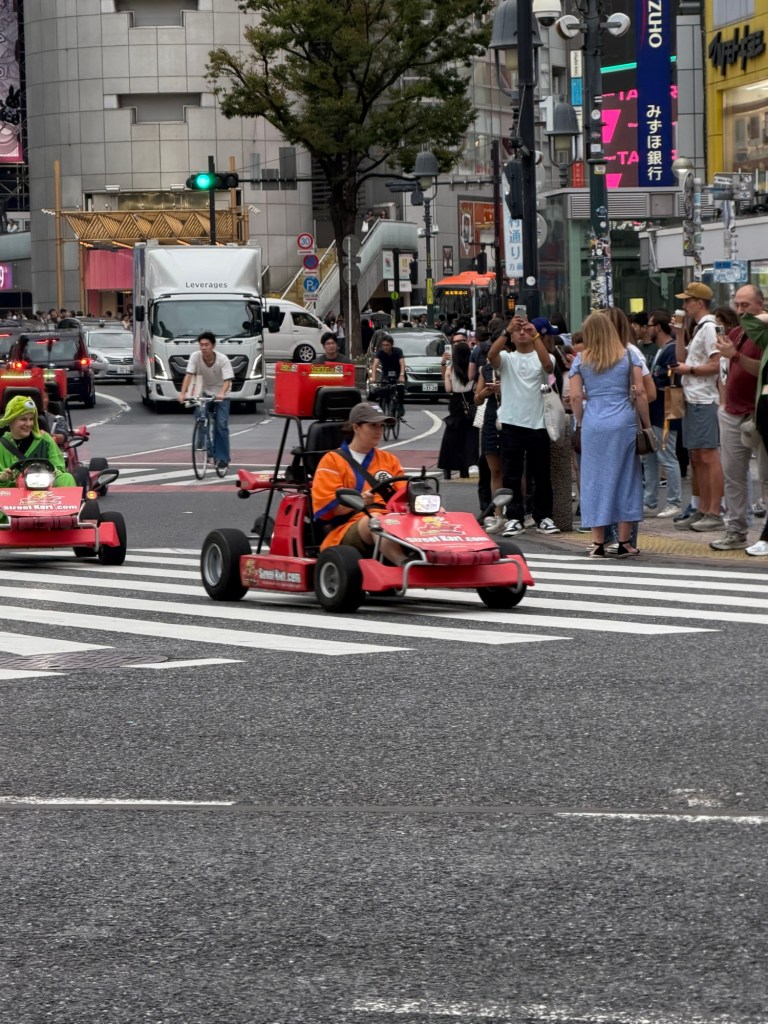
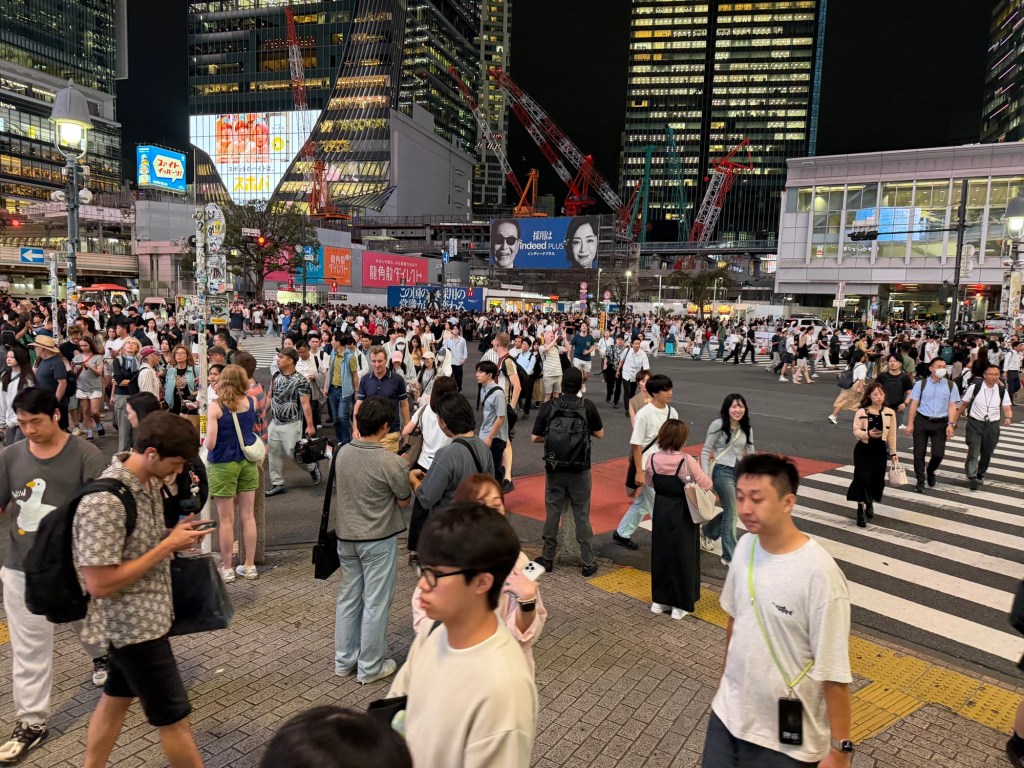
    All that said, we did it, we patted each other on the back, heartily, and had a ball in Shibuya…

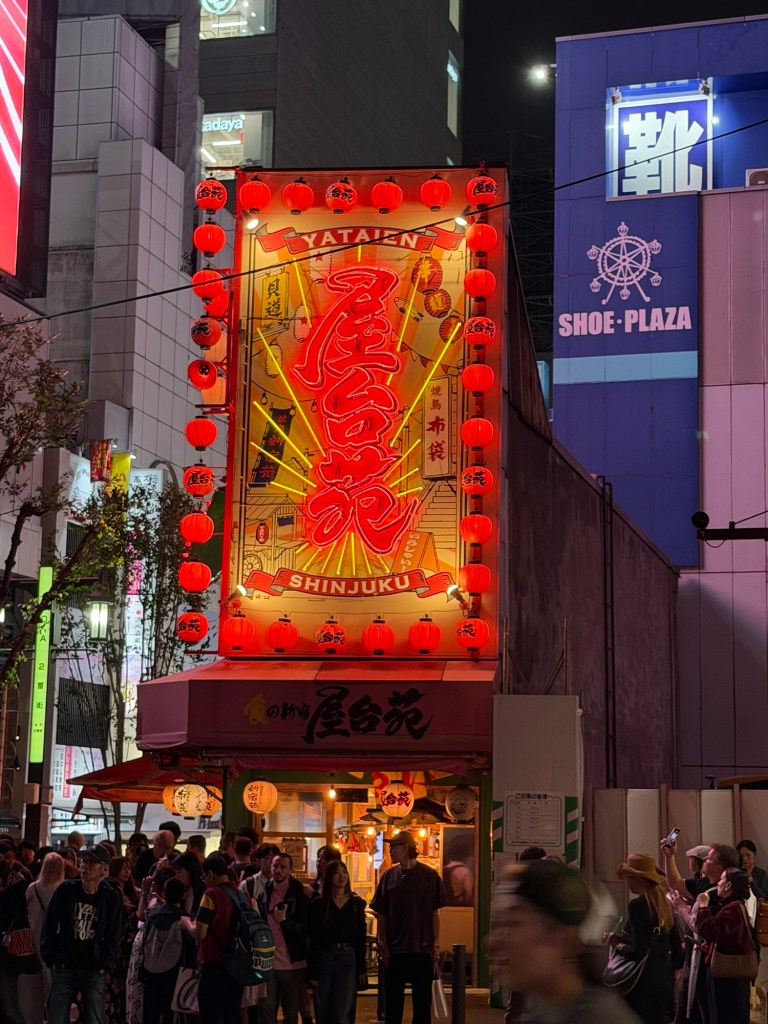
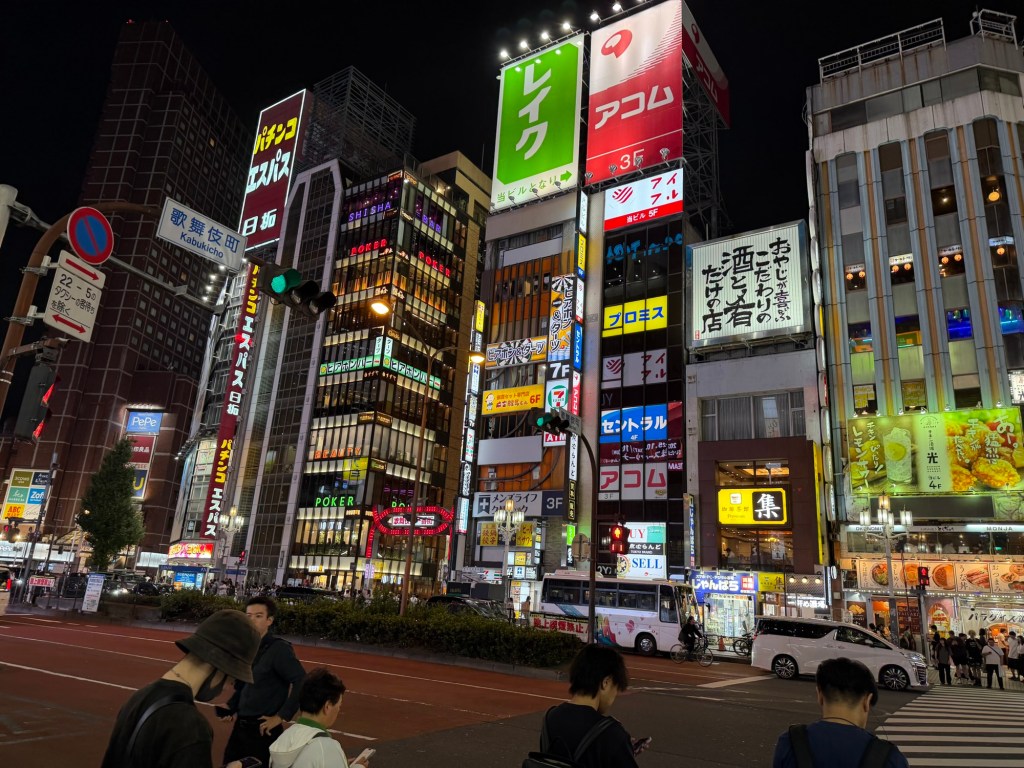
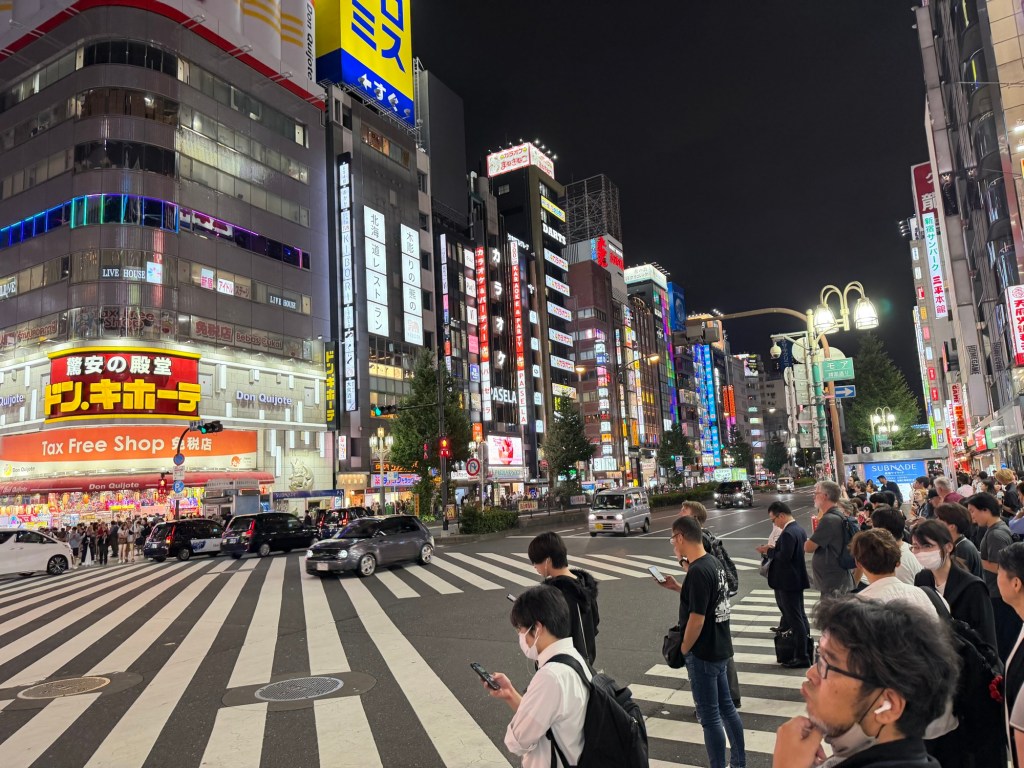
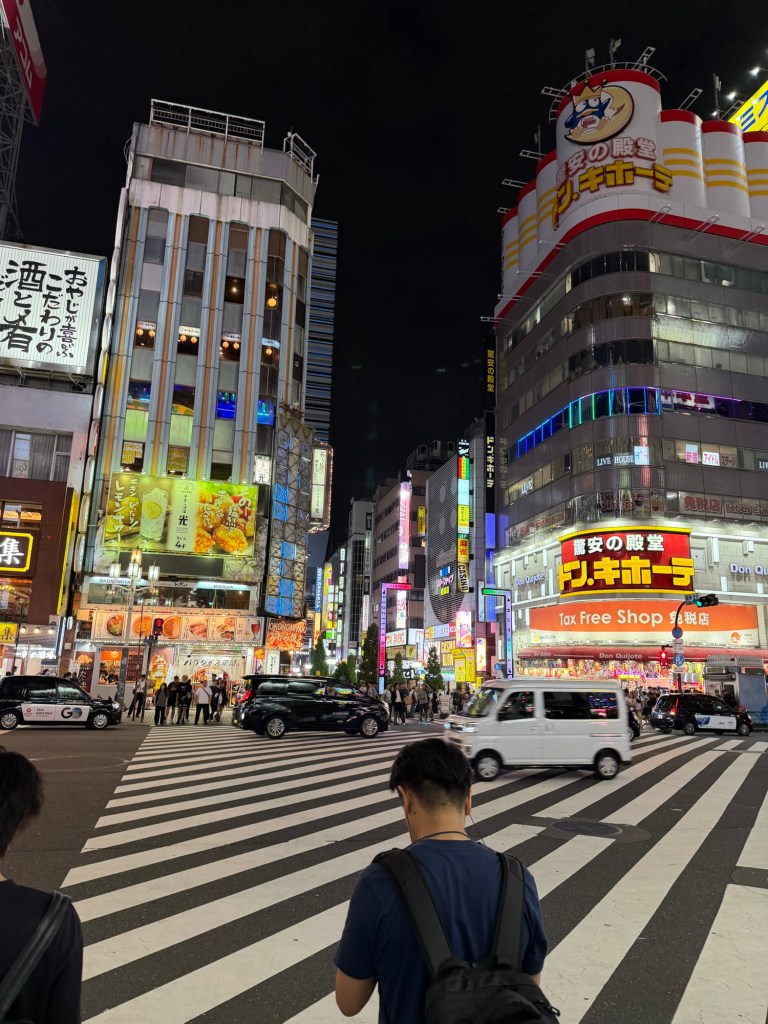
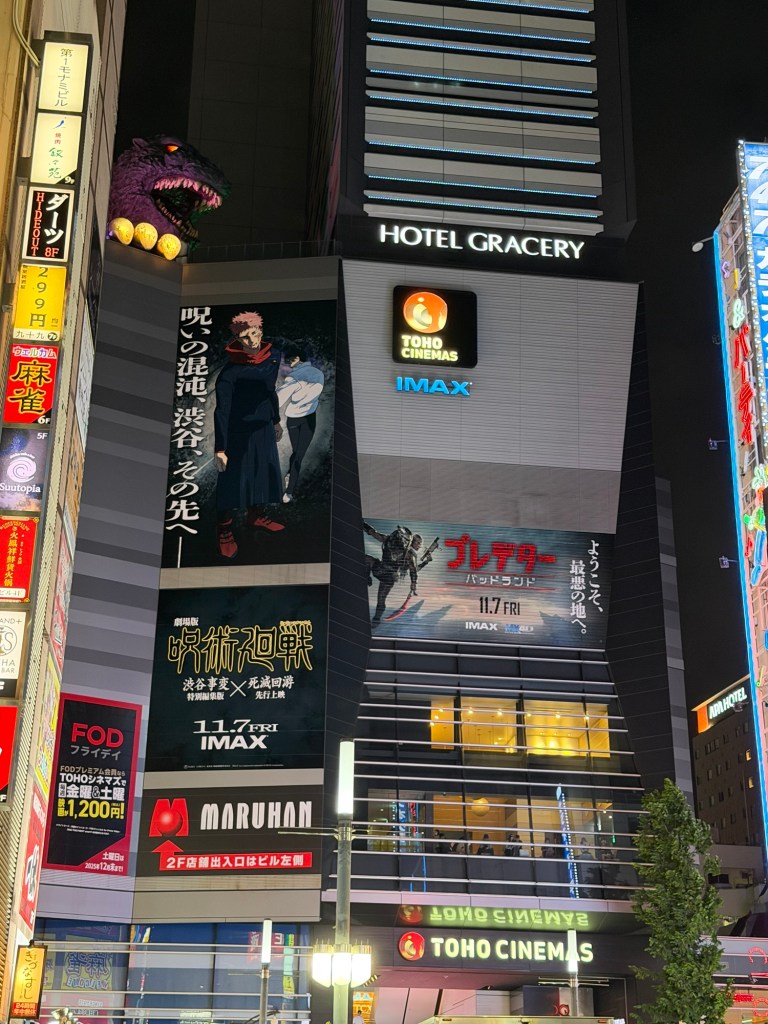
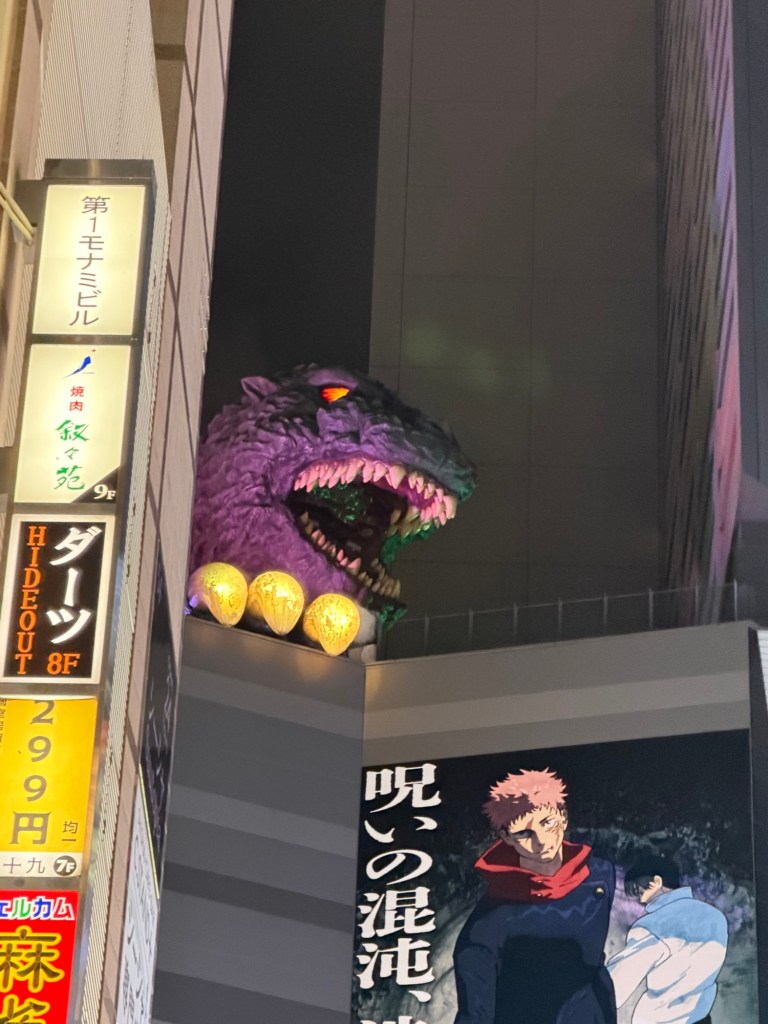
    And then, come the evening, we enjoyed a well earned (and found!) bite to eat + beer in the crazy world that is Shinjuku…

    Bring on tomorrow, we are loving the Tokyo vibe and cannot wait to explore further!

    Final word:

    Everywhere is very busy but calm and orderly. Nobody seems motivated to go against the flow: no crossing of the road until the green light flashes; orderly lines up stairs and escalators, all standing to the left. Although, late at night, as we wended our weary way home to base, I did discover to my horror that…

  • Test blog

    This where daily travel blogs will appear