Author: A Dragon Apparent

  • Day 16: Okinawa (沖縄県) > South Korea (대한민국) Bali (ᬩᬮᬶ) – Parallels, Politics and non-choices

    Today we leave Japan and travel on to Bali, via South Korea. More accurately, Incheon International Airport, Seoul, for a 2hr 20mins layover.

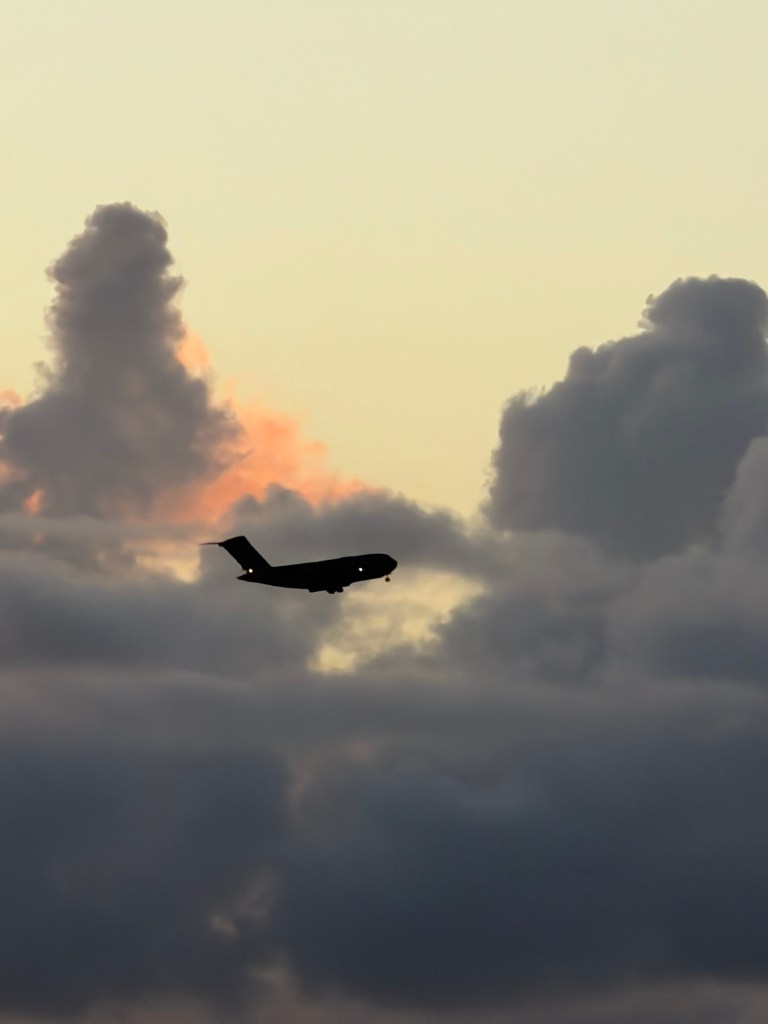
    Enjoying breakfast, we commented on the roar of a ridiculously large aeroplane landing at a nearby airbase; an American military base. The American footprint on the island of Okinawa has revealed itself to us incrementally over the four days we have spent here. Whether that be signage advertising a tire [tyre] depot, a group of young American lads enjoying a beer together, or Camp Lester Middle School, which we walked past on our exploration of the area yesterday. The American presence had become immediately obvious to us on day one. And then, right on cue, as we climbed into our taxi, bound for the airport, another deafening roar from the airfield!

    Stating the obvious now, World War II impacted the whole world. Its legacy continues to do so. We saw this for ourselves when visiting Vietnam, last year – discussed here.
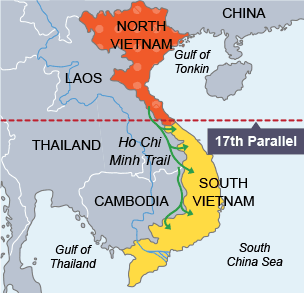
    17th Parallel – a ‘temporary’ measure following the 1954 Geneva Accords

    We are flying on this leg with Korean Air, from Naha Airport, Okinawa, via South Korea, to Denpasar, Bali. We accept that a short layover in Incheon Airport shouldn’t really count in our ever increasing tally of countries visited. What do you think?

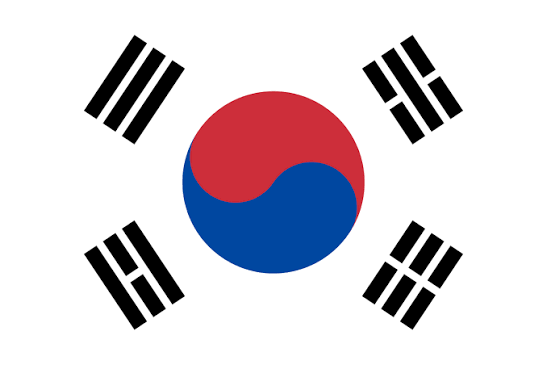
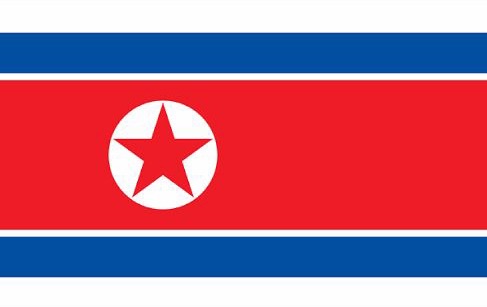
    Korea itself most certainly remains deeply impacted by WWII. Following Japan’s defeat, the Soviet Union and the United States agreed to divide Korea to oversee the surrender of Japanese troops. The temporary military boundary at the 38th parallel became a permanent political one as the U.S. and USSR’s wartime alliance fractured and evolved into the Cold War. 
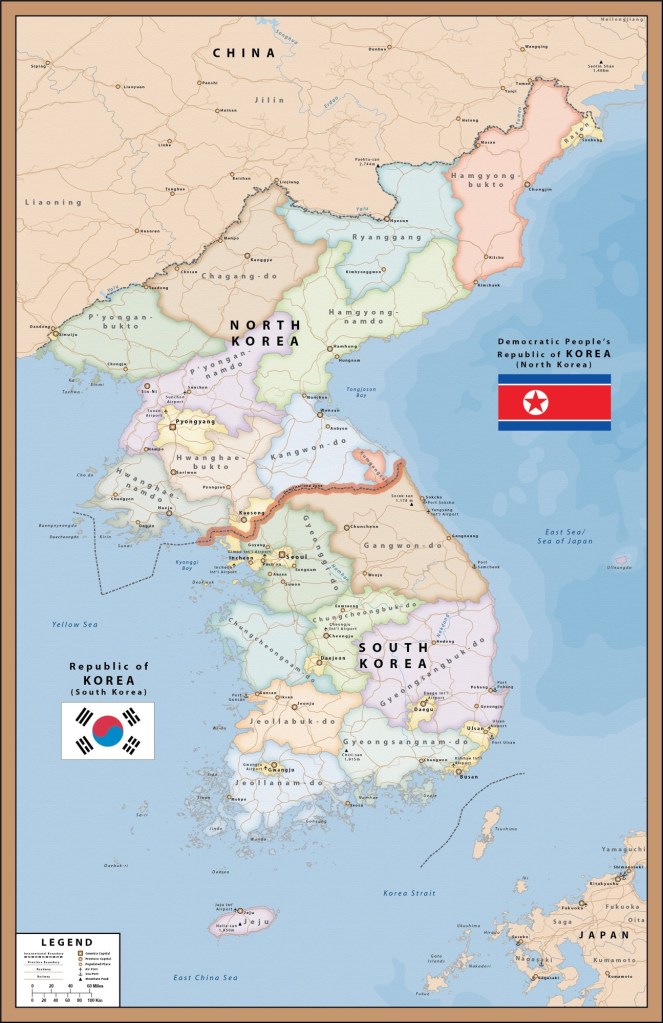
    38th Parallel – a ‘temporary’ measure following the Korean War truce in 1953

    The two powers failed to agree on a plan for a unified, independent Korea, and instead supported the establishment of two separate governments in 1948:

    1. The Soviet-aligned Democratic People’s Republic of Korea (North Korea).

    2. The U.S.-aligned Republic of Korea (South Korea).

    We intend visiting South Korea sometime soon. Visiting North Korea requires a visa, is usually only possible through an organized tour, and involves being accompanied by guides at all times, with strict restrictions on free movement. Not our idea of fun, however intriguing.

    The backwash really does continue to play out doesn’t it. We marvel and despair at the fact that Trump and Putin haggle over Ukraine (mineral and strategic interest), while Ukraine’s democratically elected president, Volodymyr Zelenskyy is subject to ongoing, obscenely public humiliation and absented from the room when big decisions are made (or not!).

    Meanwhile, Kim Jong Un (Supreme Leader of North Korea) is said to have offered 12,000 soldiers to bolster the Russian invasion (‘Special Operation’). Trump has just announced a multi-billion dollar shipbuilding deal with South Korea.

    How far do you take this? Nothing original in all of this, of course. Take British responsibility for the ‘carving up’ of the Middle East in 1917, after the fall of the Ottoman Empire.

    The agreement ignored existing ethnic, religious, and tribal boundaries, with borders drawn primarily by European interests. The arbitrary borders and the creation of the mandate system are often cited as root causes for many of the region’s ongoing conflicts and instability.

    Ok, enough of the politics. Although, as Adrian Leftwich, who advocates the broadest of definition, contends:

    Politics is at the heart of all collective social activity, formal and informal, public and private, in all human groups, institutions and societies

    In this sense, politics takes place at every level of social interaction; it can be found within families and amongst small groups of friends just as much as within nations and on the global stage. 

    Time for something lighter…

    Security at Naha Airport, Okinawa, was tight, as you would expect. Although…

    And I wasn’t the only one fascinated by this ‘security’ robot…
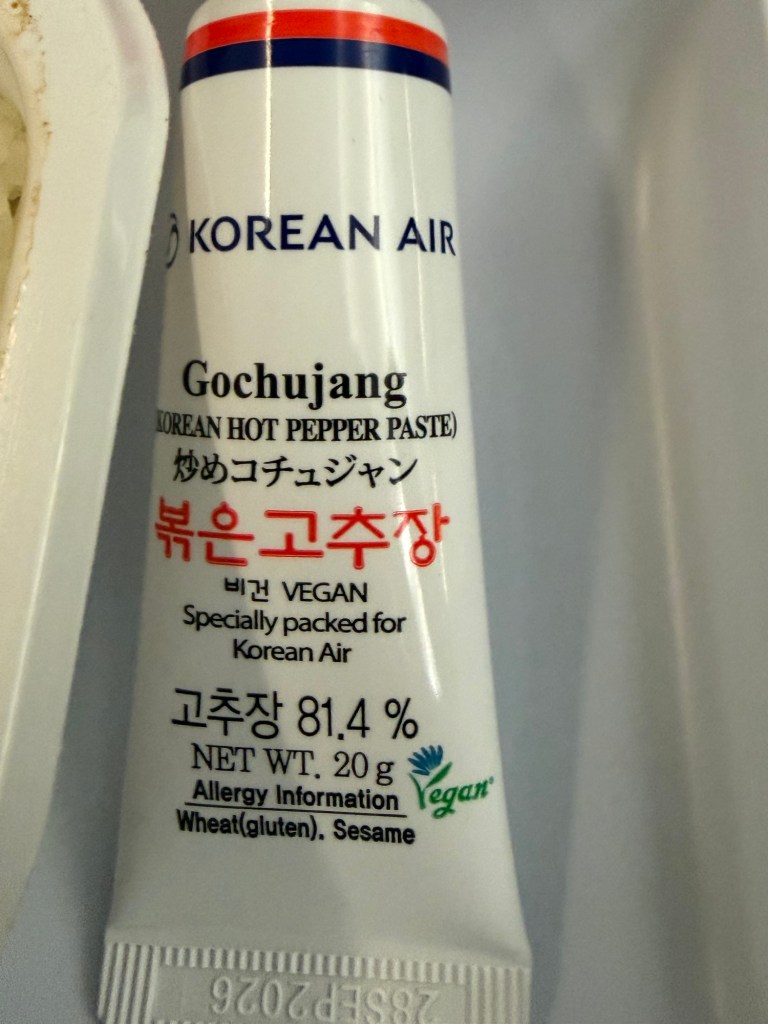
    How hot is hot? It was surprisingly tasty actually, and quite hot. Forrest Gump made the observation:

    life is like a box of chocolates, you never know what you’re gonna get

    For box of chocolates, read in-flight meal. This Korean Air one was actually not bad; chicken something or other.

    We cannot choose where we are born: North or South of any given country; which side of the Parallel; which side of a line drawn arbitrarily on a map.

    In our personal social interaction – families, small groups of friends, e.t.c. – we will inevitably influence politics at that level, accepting Leftwich’s definition. At the State level, if Volodymyr Zelenskyy cannot wholly influence the ultimate outcome for the country of his own people, then any current definition of ‘democracy’ is a nonsense.

    The ramblings of a travelling man! Bali tomorrow! Time to chill out! 🏝️
  • Day 15: Okinawa (沖縄本島) – a good day for ducks [crabs (蟹)] and an 840-year old Samurai warrior

    A starter for 10…

    TOKYO (Kyodo) – A total of 150 people named “Hirokazu Tanaka” gathered on Saturday in Tokyo’s Shibuya district in an attempt to set a world record for the largest gathering of people sharing the same full name.

    The Guinness World Records for the title was set in 2023, when 256 people named “Milica Jovanovic” gathered in one place in Serbia. The Tanakas had previously held the record in 2022 with 178.

    Participants must remain in one place for five minutes. Names written with different kanji characters are counted as the same, provided they are pronounced identically, with verification through identification, such as passports or health insurance cards.

    When a Guinness official announced that the attempt had failed, a collective sigh rose from the crowd.

    The proposer, Hirokazu Tanaka, 56, began searching for people who share his name after being inspired in 1994, when a baseball player of the same name was selected as the now-defunct Kintetsu Buffaloes’ first draft pick.

    How did I know that? It was reported in this morning’s Japanese daily, The Mainichi.

    Have I learned to read Japanese in the past two weeks? No. It appeared in full translation (English) on my Google feed, along with many other news stories and other articles related to places we have been since arriving here. This phenomenon does provide many highly interesting and, frankly, topical pieces.

    Also on the feed, bearing in mind yesterday’s blog post:

    Keys to longevity: These 11 Japanese rituals can add 11 year to your life – an article published by The Times of India on 15 October.

    102-year-old ramen restaurant worker in Japan lures customers from across the world – an article also published in today’s edition of The Mainichi.

    An intrusion? Well, we cannot have it both ways, can we? Especially as I have been bigging up the use of Google as a navigational tool. I guess the key question is, Where will it go next? Indeed, how far can they (whoever they are/is?) go?

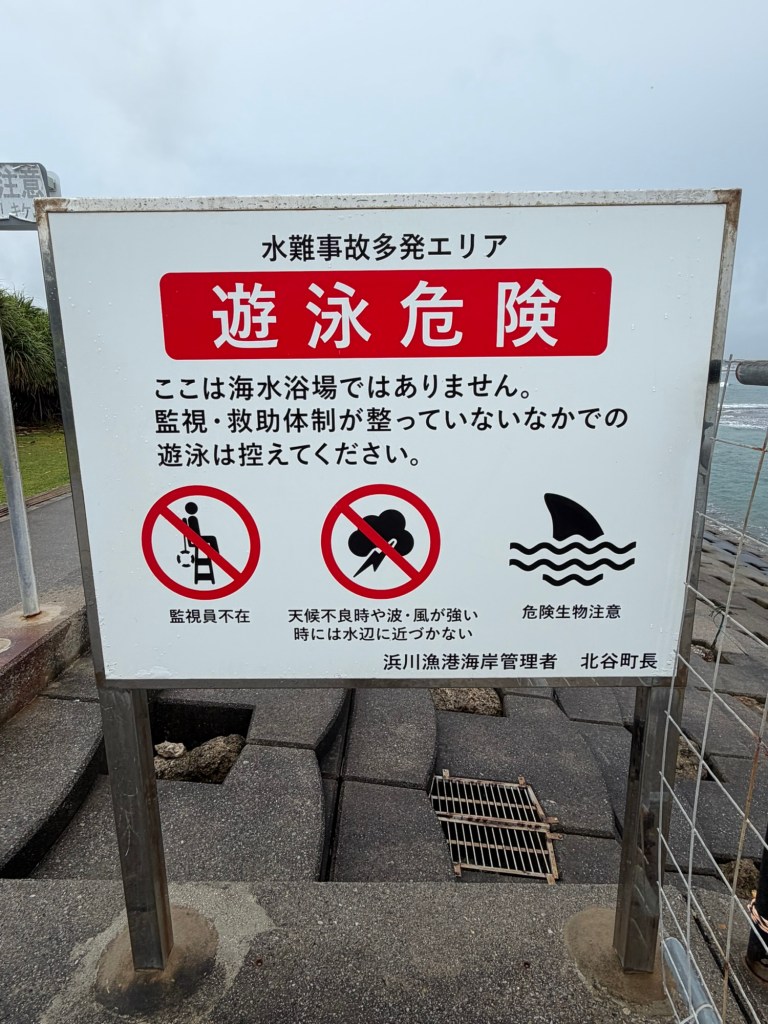
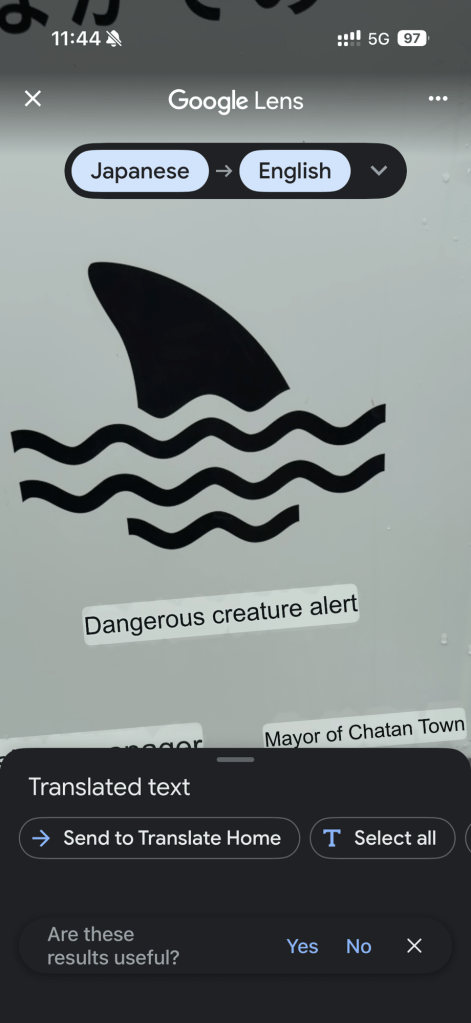
    We headed off, on foot, in the opposite direction to the American emporium, this morning. And Google did its job once more; Google Translate, that is…

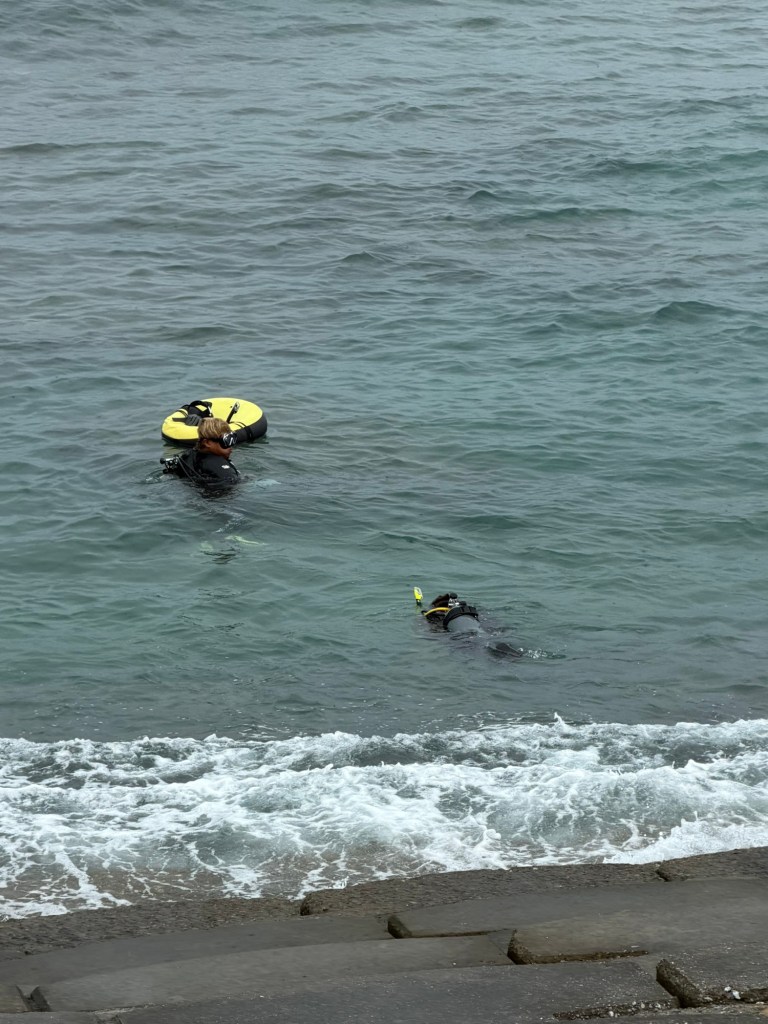
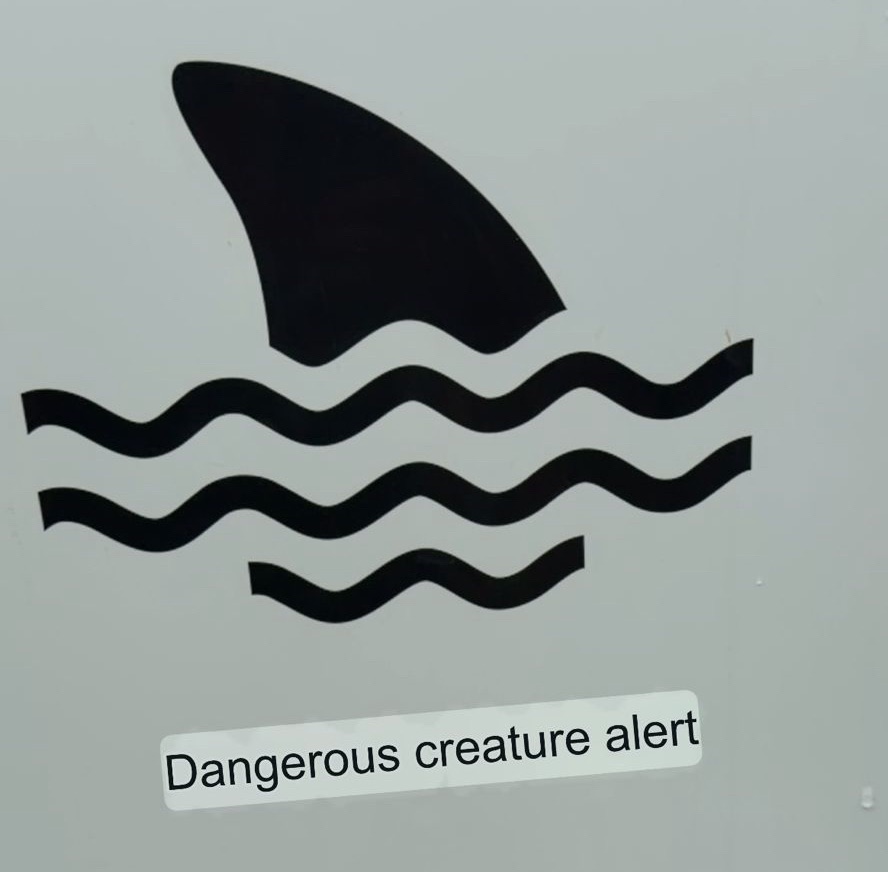
    Not that we couldn’t make sense of this particular warning anyway. It went unheeded by this posse, mind.

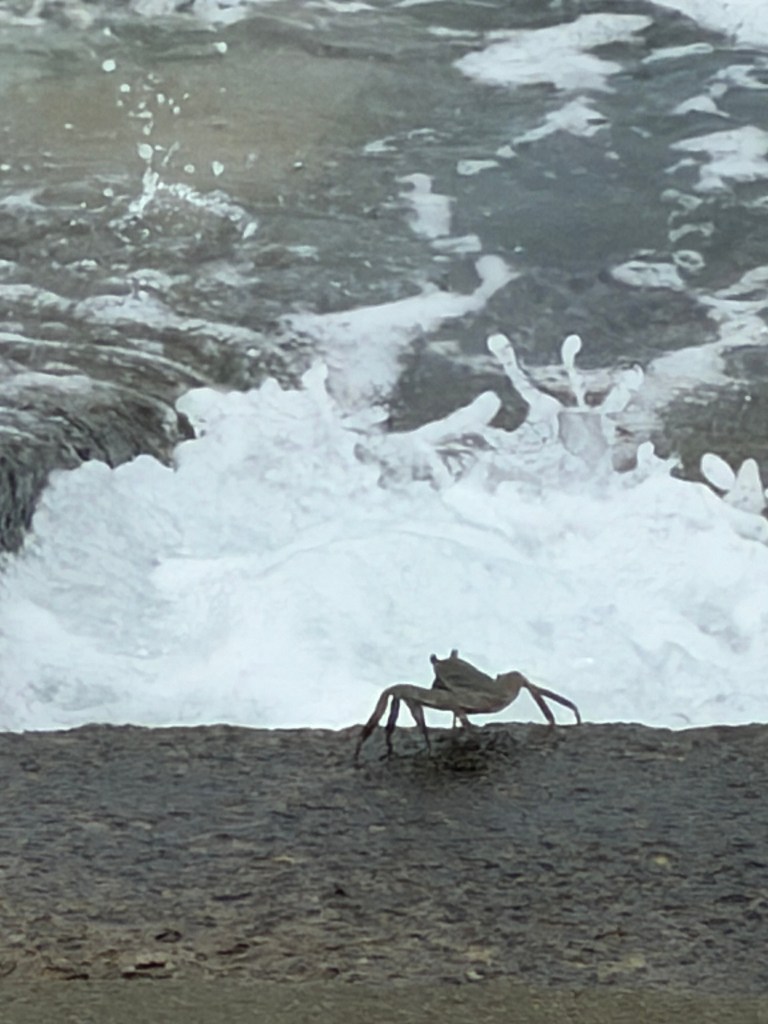
    Dangerous creature? A good day for it.

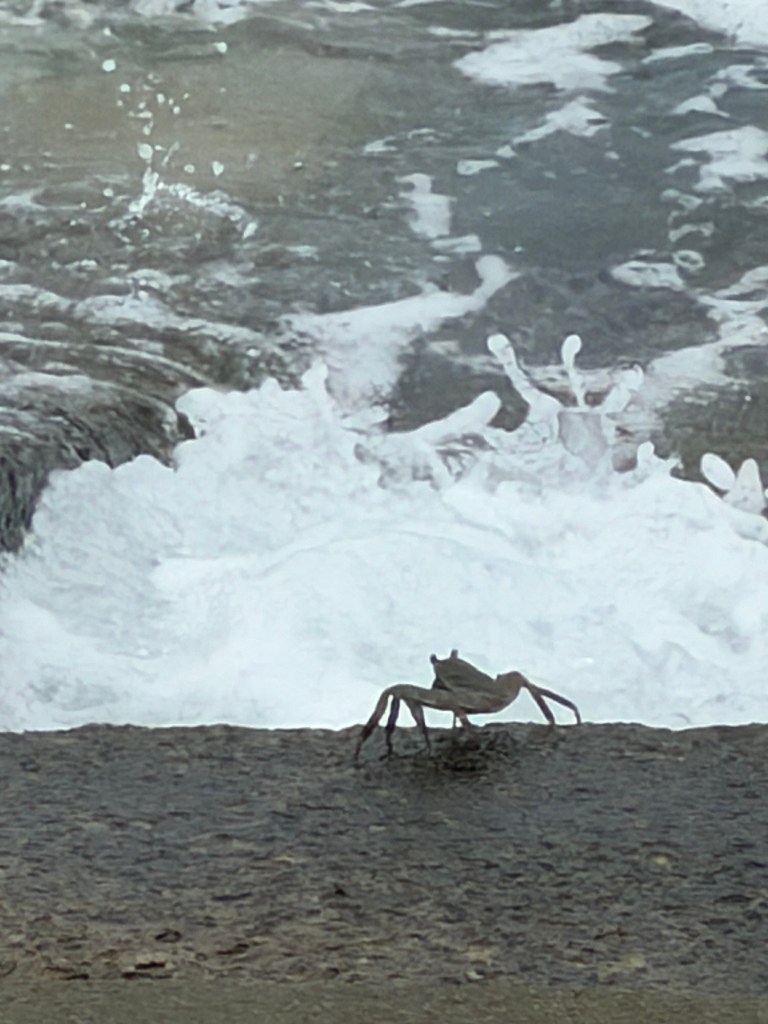
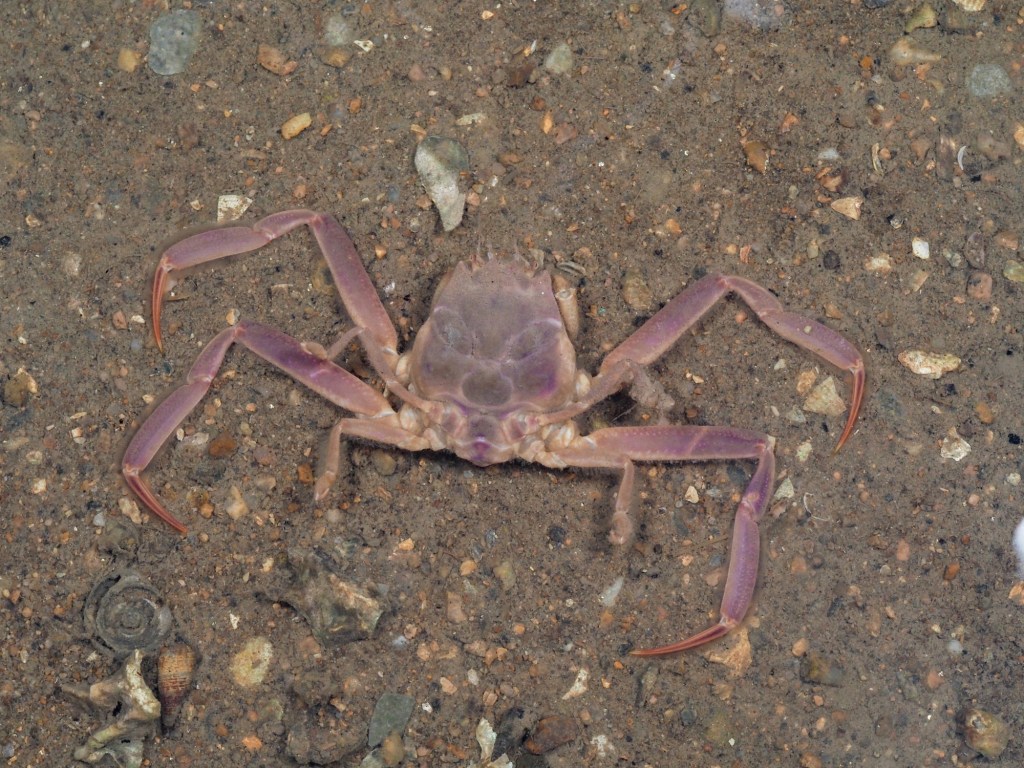
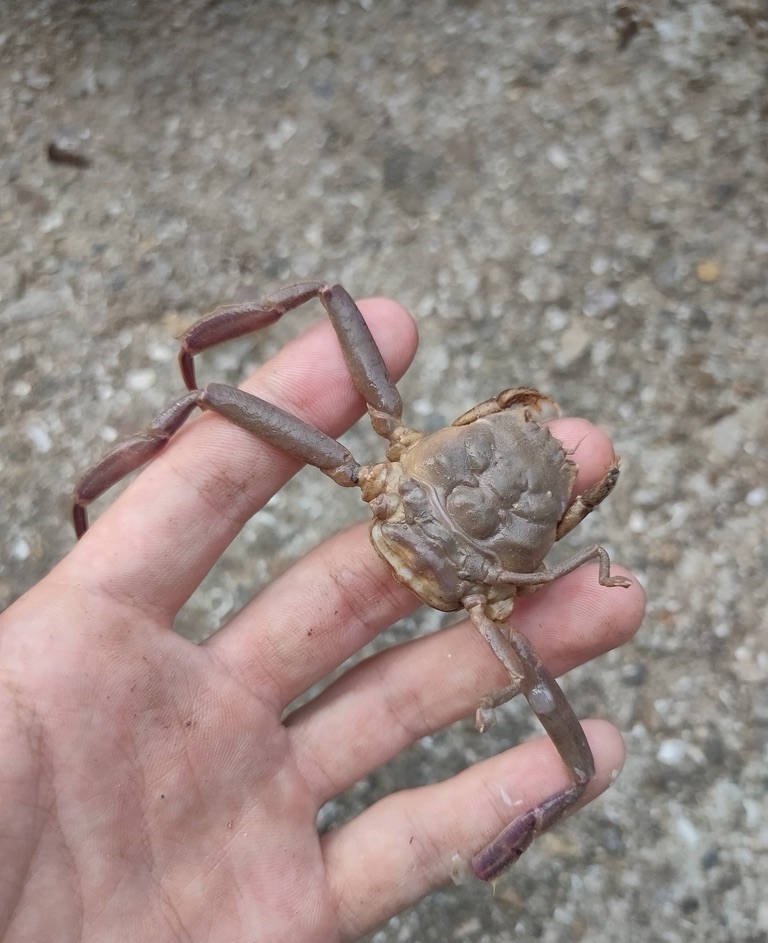
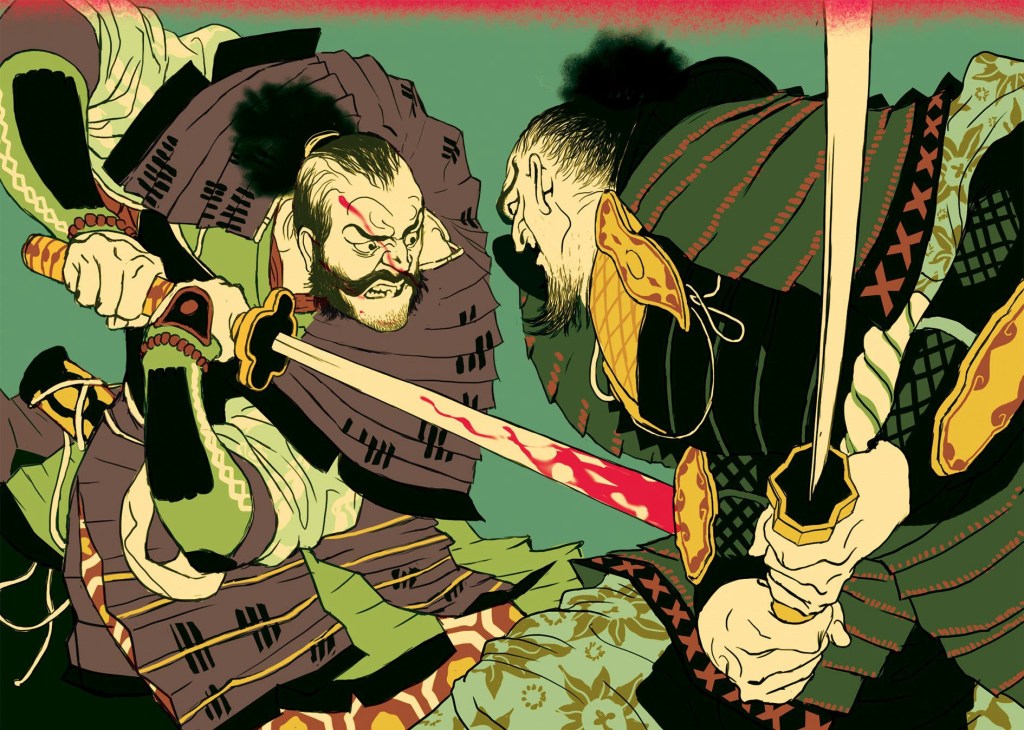
    Japanese legend has it that during the Genpei War, the Heike clan was defeated at the Battle of Dan-no-ura in 1185. The souls of the Heike warriors who perished in the naval battle are believed to have been reincarnated into a species of crab, Heikeopsis japonica. 

    The shells of these crabs have a pattern that looks like the scowling face of a samurai warrior. This feature is seen as a sign of their loyalty and lingering rage from the battle.

    An alternative explanation, both folkloric and scientific, is that fishermen would throw back the crabs with faces on their shells, leading to a form of unintentional selective breeding over time.

    I prefer the first explanation. I did ask the crab to ‘show its face’ but it wasn’t having it. And the possibility that it was indeed a Samurai warrior worked against me pushing the matter too far. So I spoke to Google instead and he/she came up with this…

    As to scale…

    I am calling it. Today we met an 840-year old Heike Samurai warrior. Don’t scoff, you weren’t there, and so you didn’t feel the aura the crab warrior gave off. Further evidence? Well, you saw the sign, after Google translate had done its thing. The sign was quite literally yards away.

    And they were a fearsome crew…

    A bit more on the Tale of the Heike

    On another note, not to be ignored…

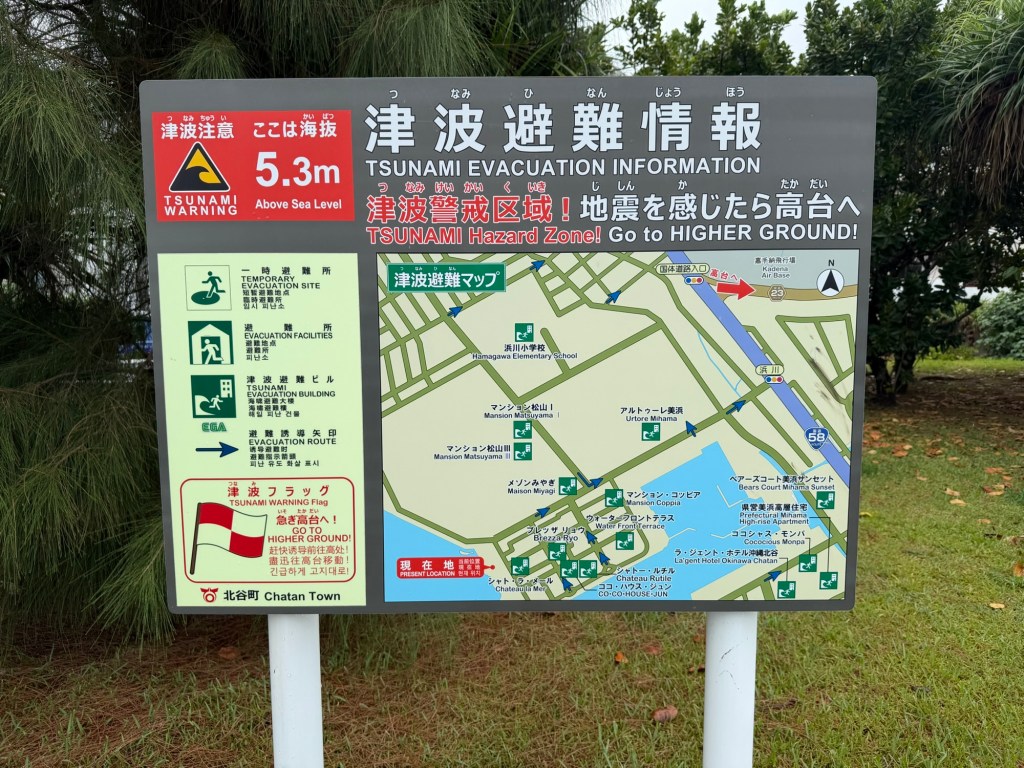
    We learned a lot about the dangers inherent to tsunamis when in Thailand last year, recorded here.

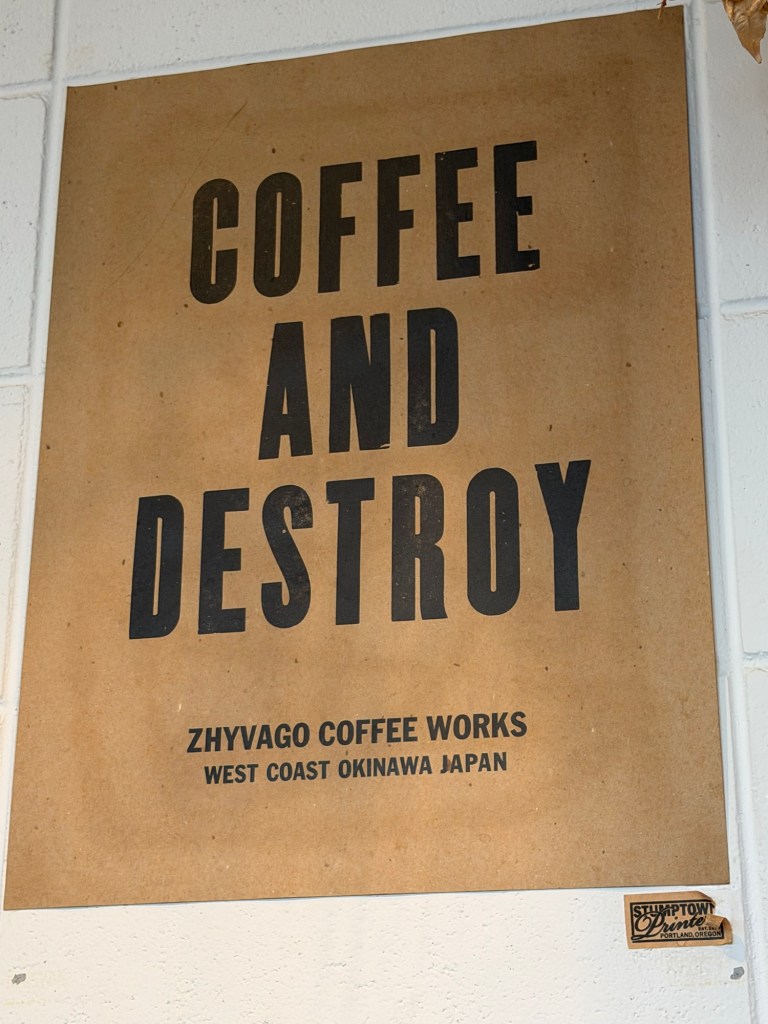
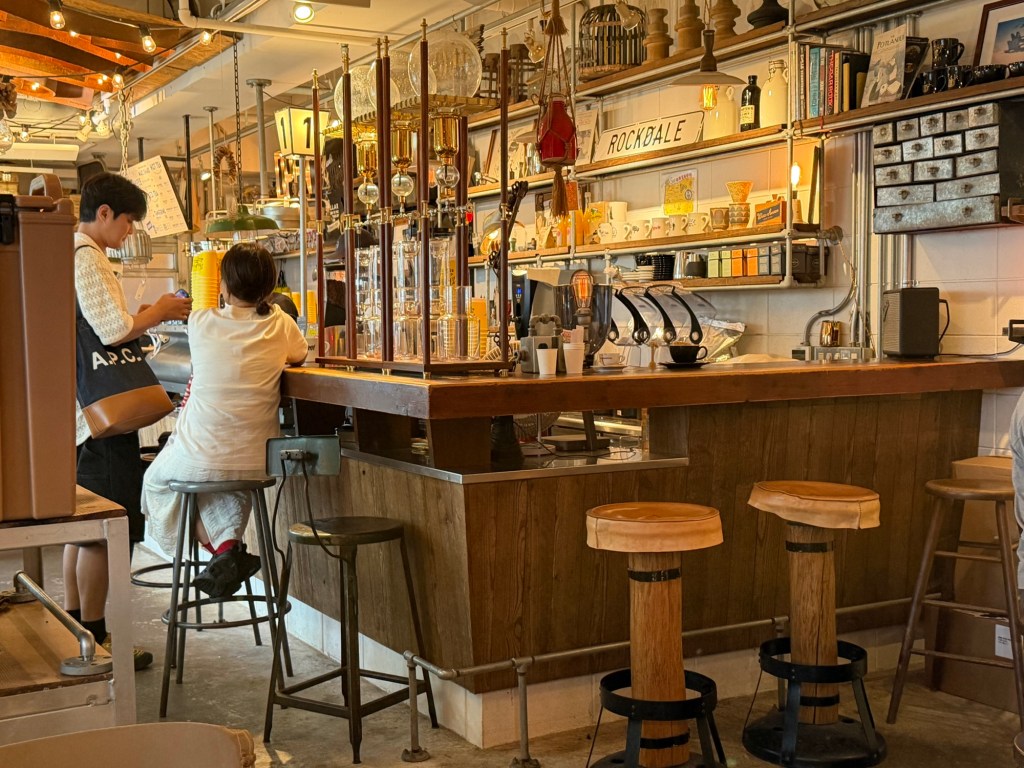
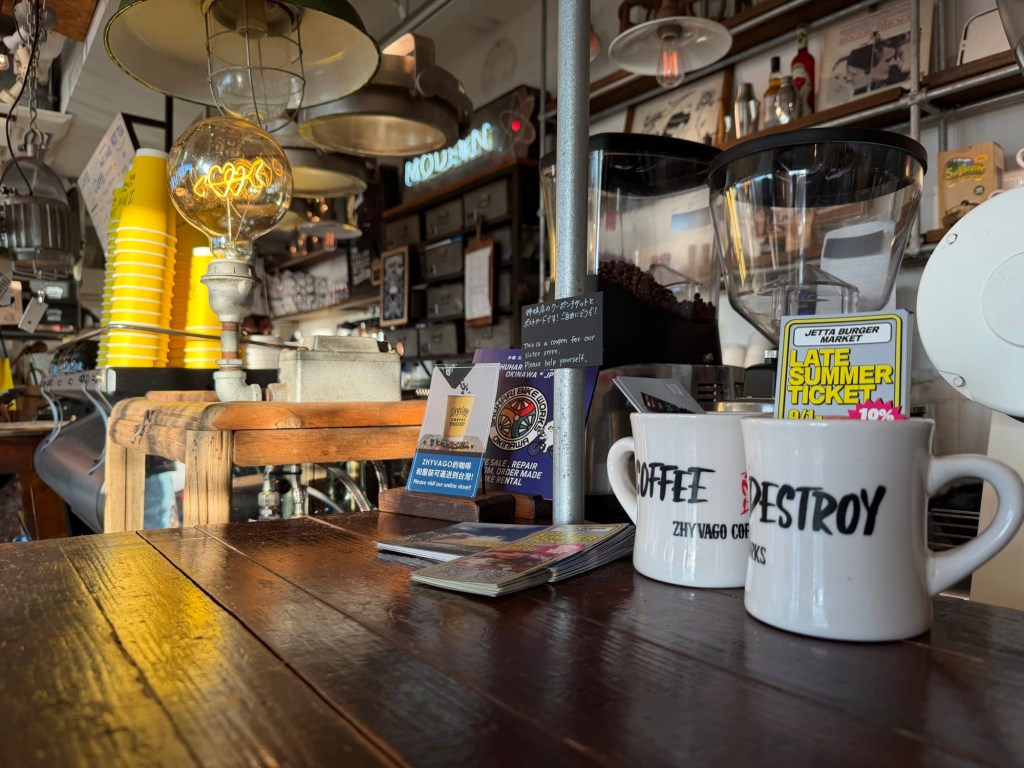
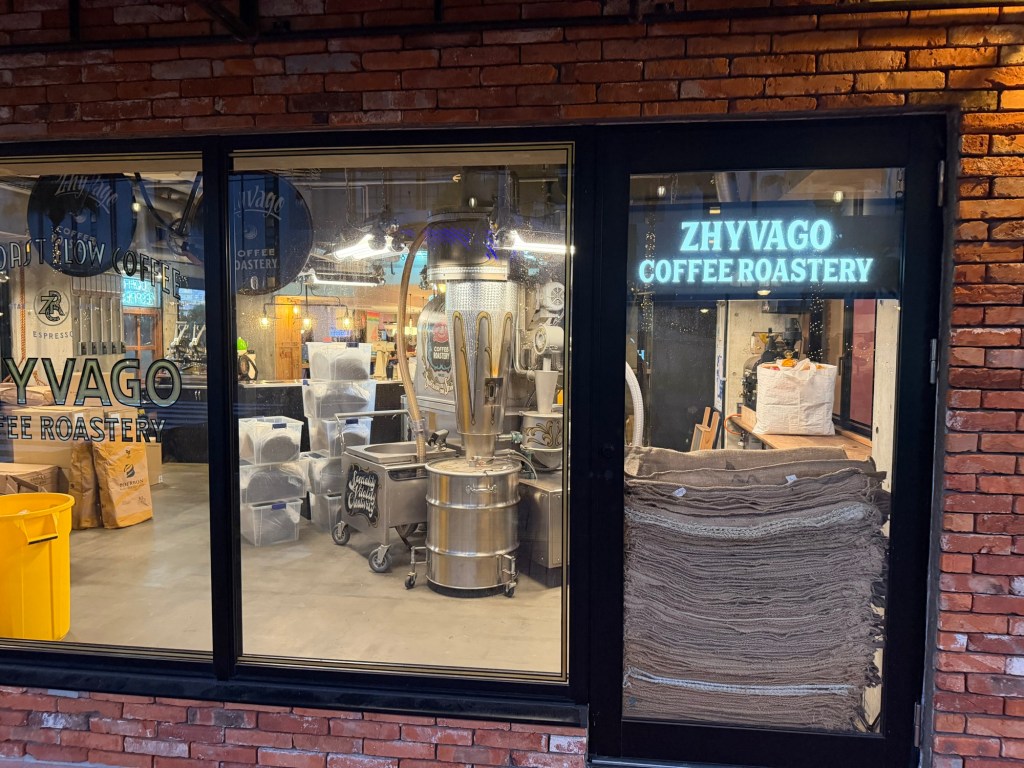
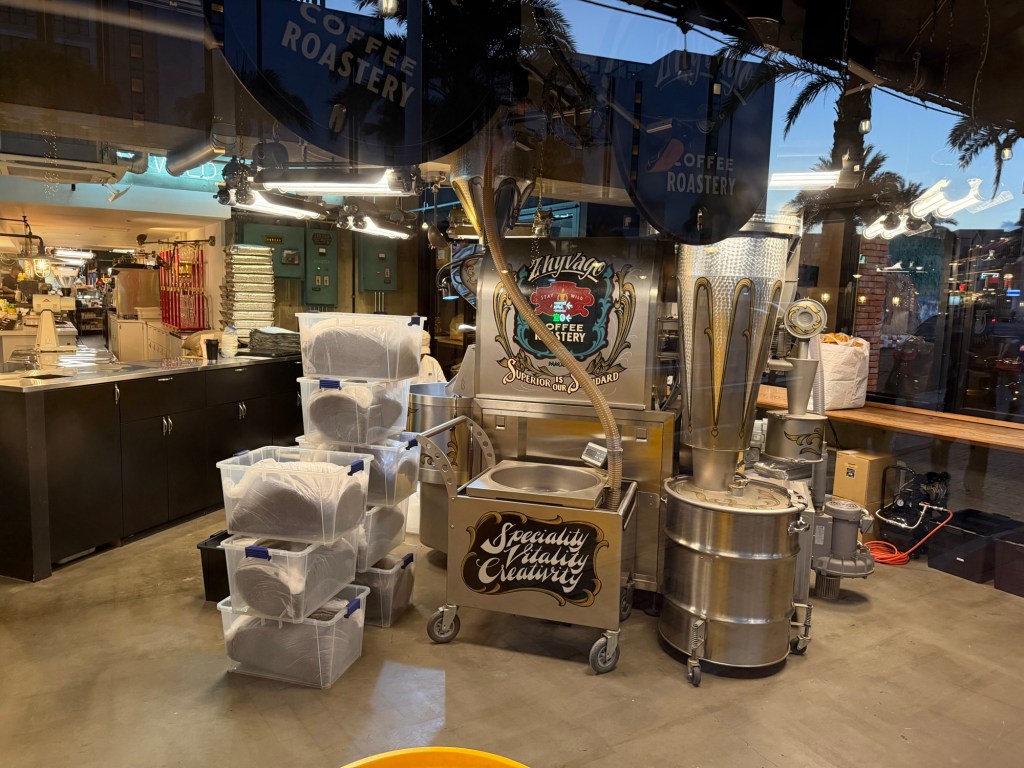
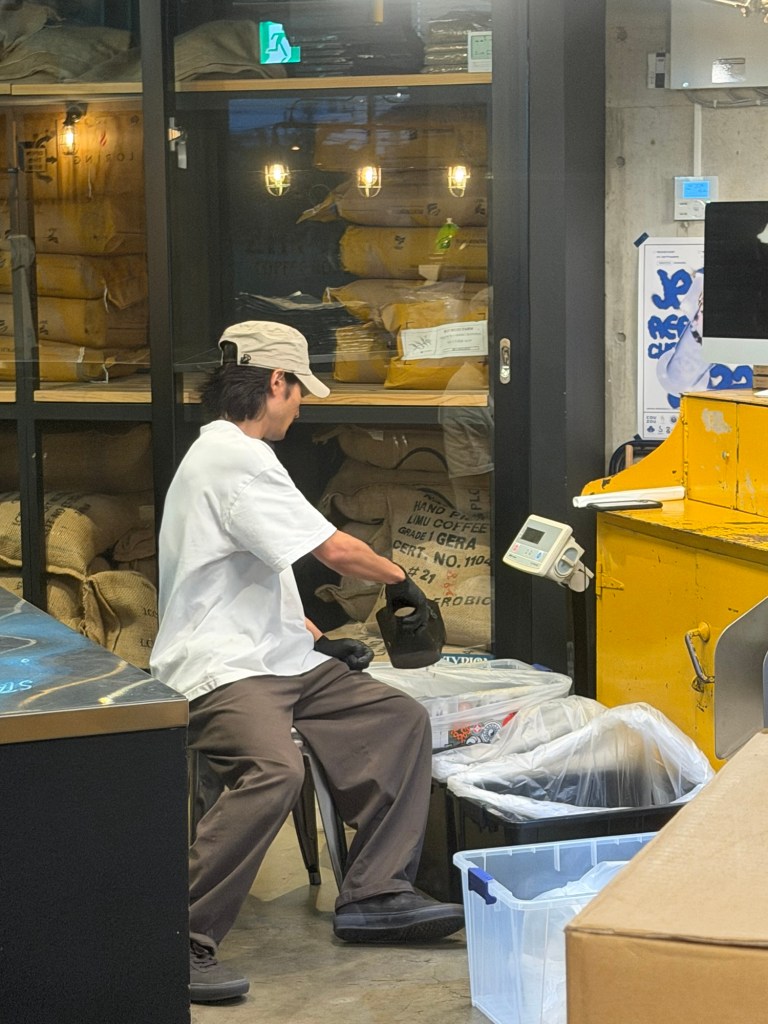
    Where else would you hang out on a wet and balmy afternoon on the West Coast of Okinawa? Our most favourite haunt, Zhyvago Coffee Works… and they now know our names, too.

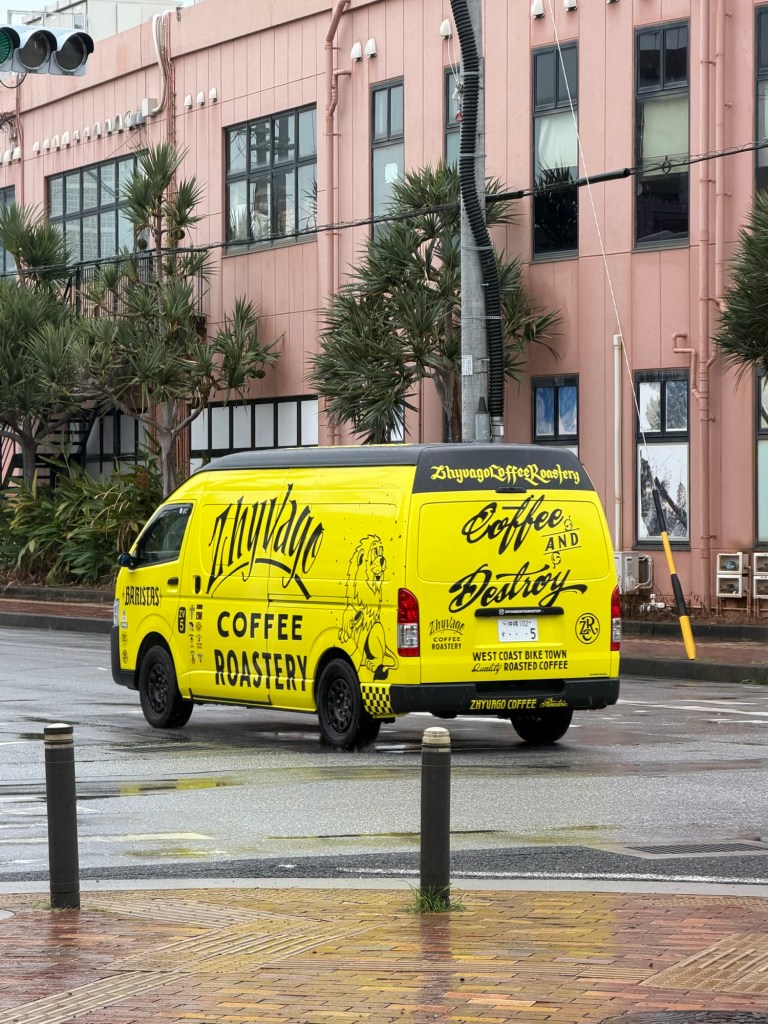
    Not that we are stalking the establishment but we clocked this machine, earlier…

    The phrase ‘a good day for ducks’ dates back to at least the 1840s. It may have originated, apparently, because rainy weather is good for hunting ducks, as it can mask a hunter’s presence.

    We didn’t see any ducks today. The closest we came was this little fellah…

    … so we have gone for a ready made substitute in ‘crabs’. So, there you go, our final full day in Okinawa. All we needed was a brolly each, no additional layers, and the job was a good one. We just meandered and had a most enjoyable, slow day, thinking on Bali, tomorrow onwards.

    And it’s not every day you get to meet an 840-year old Samurai warrior. Now that’s longevity for you!!

  • Day 14: The Blue Zone – Ogimi Village (大宜味村), Kunigami Village (国頭村), and Higashi Village (東村)

    “At 80 years old, I am still a child. When I come to see you at 90, send me away to wait until I’m 100. Let us keep going strong as we get older and not depend too much on our children in old age.”

    Recognised for having the highest proportion of elderly persons in Japan, the village of Igimi issued a “Greatest Longevity in Japan” declaration in 1993. The declaration included the above quoted passage.

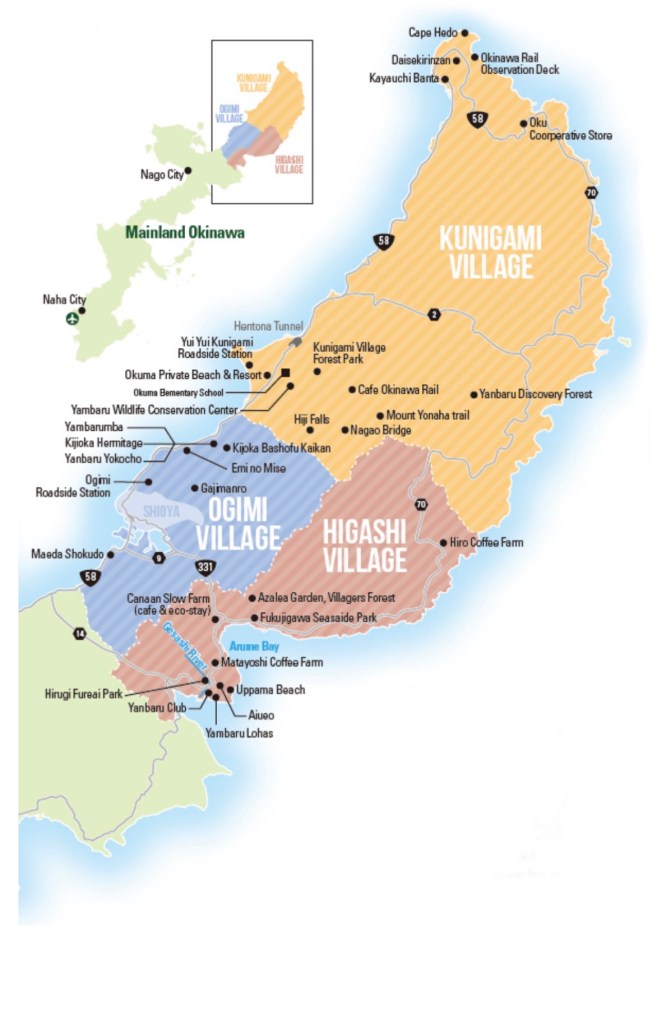
    Having explored the heavily American-influenced part of Okinawa, we felt strongly that we really must see the ‘real’ Okinawa that features so strongly in the ‘Blue Zone’ literature. The said area is in the far north of the island. We decided to focus on three villages that feature strongly in Dan Buettner’s groundbreaking work: Ogimi Village (大宜味村), Kunigami Village (国頭村), and Higashi Village (東村).

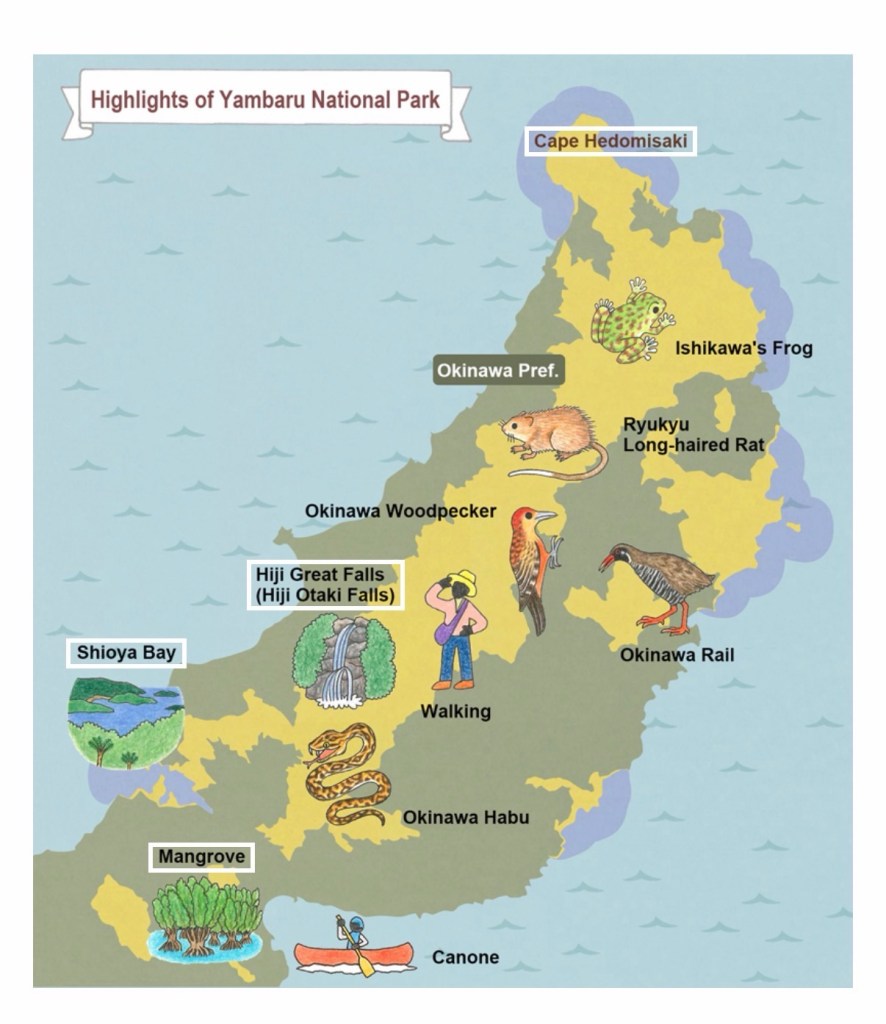
    In 2016 a large swathe of northern Okinawa bordered by the villages of Kunigami, Higashi and Ogimi was designated Yanbaru National Park by the Japanese government.

    We discovered it to be simply impractical to do all this by public transport so we hired a taxi for the day. We set out anticipating a memorable day, sure to keep an eye out for Fumiyasu, Zen-ei, and Yasu, introduced in Day 12 blog

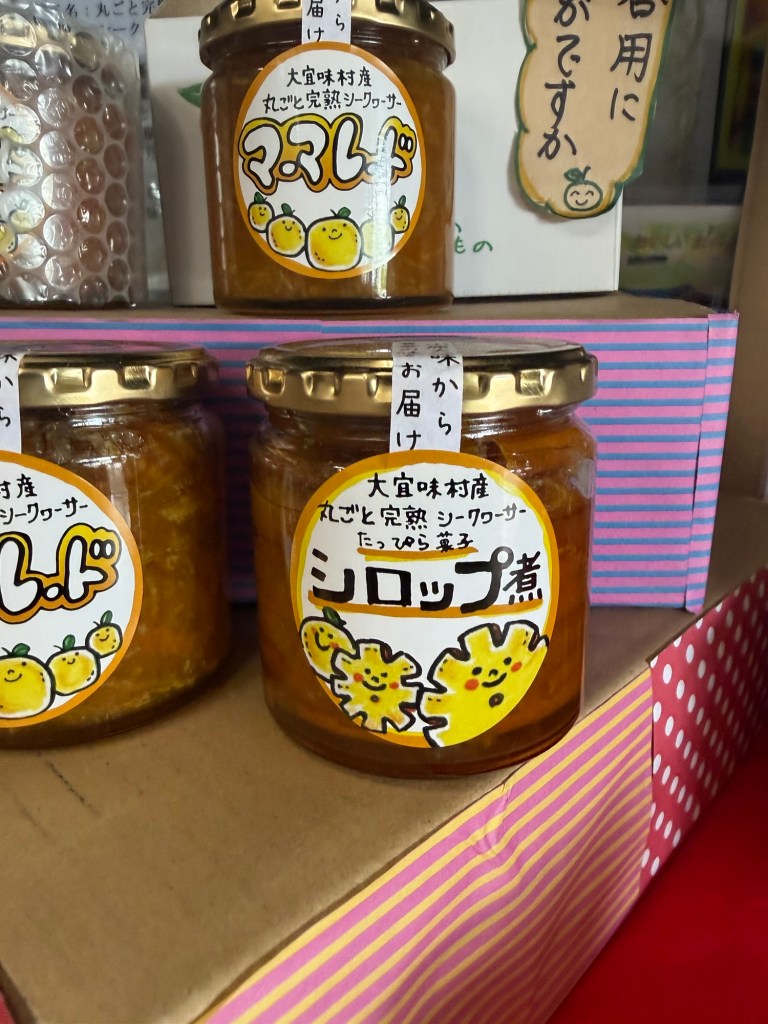
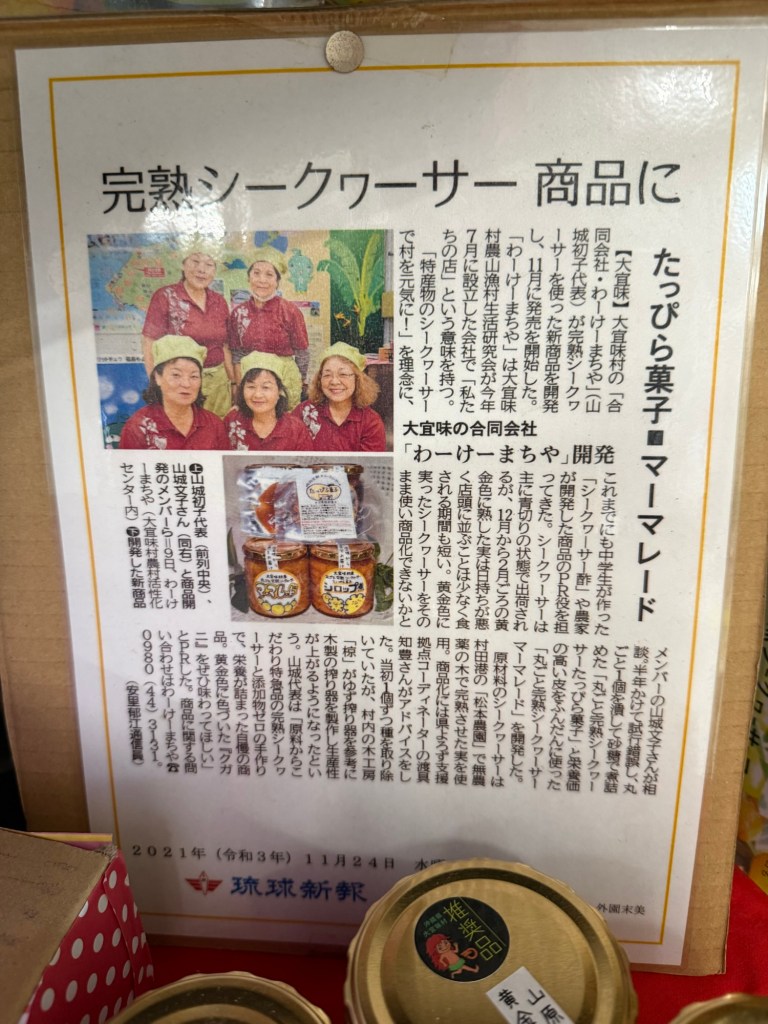
    We made a first stop at the Ogimi Farm Revitalisation Centre. Ogimi Village is renowned for its growing and use of the Shikuwasa, a small, sour citrus fruit, known for its tart flavour when unripe and a sweeter taste when ripe and yellow. The name derives from the Okinawan dialect and is a combination of the two words “Shii” and “kwaasaa”, which mean “sour” and “food” respectively. It is a key ingredient in many Okinawan dishes, juices, and alcoholic beverages, and is sometimes called the “longevity fruit” due to its high concentration of beneficial compounds like nobiletin. The fruit can be eaten fresh, used as a substitute for vinegar, or made into jams, dressings, and refreshing drinks. Having a predilection for marmalade, we made our first purchase. Because the whole fruit is processed, including the skin and seeds, only fully ripe, pesticide free, Shikuwasa is used.

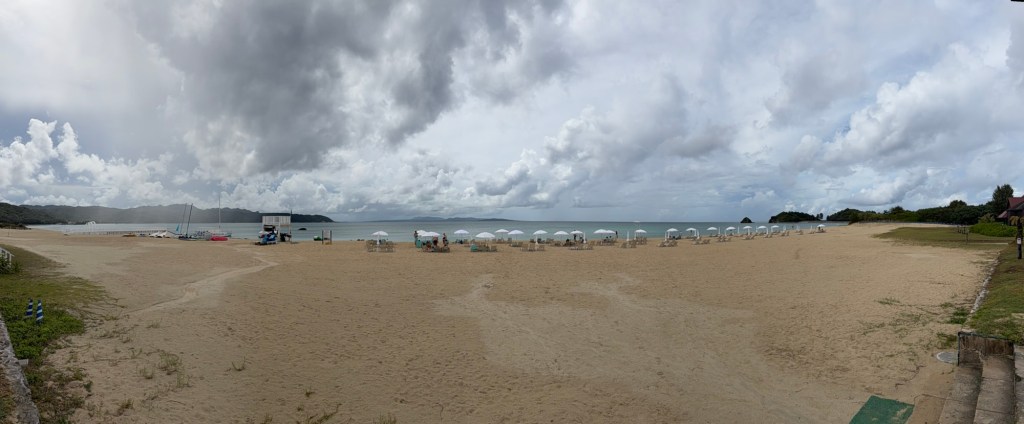
    We stopped at Okuma Beach. Not a lot to see, other than an extensive beach, fine sand, and a calm East China sea.

    Having said that, come in late December, through to April and, apparently, you can sit and watch humpback whales with their calves.

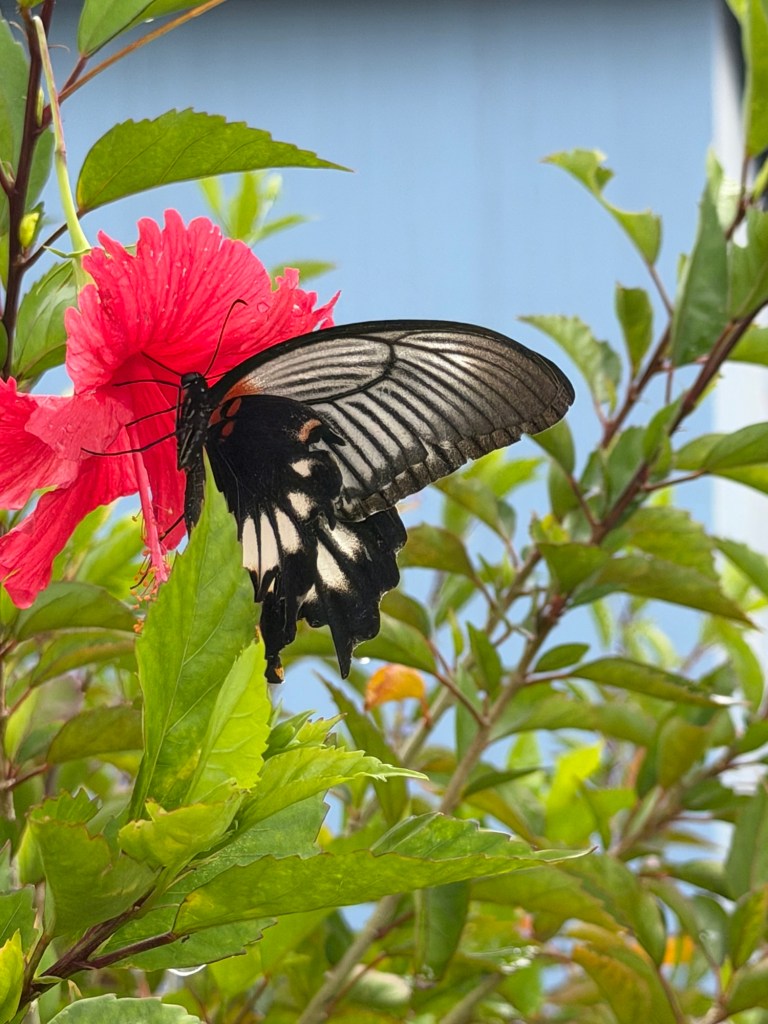
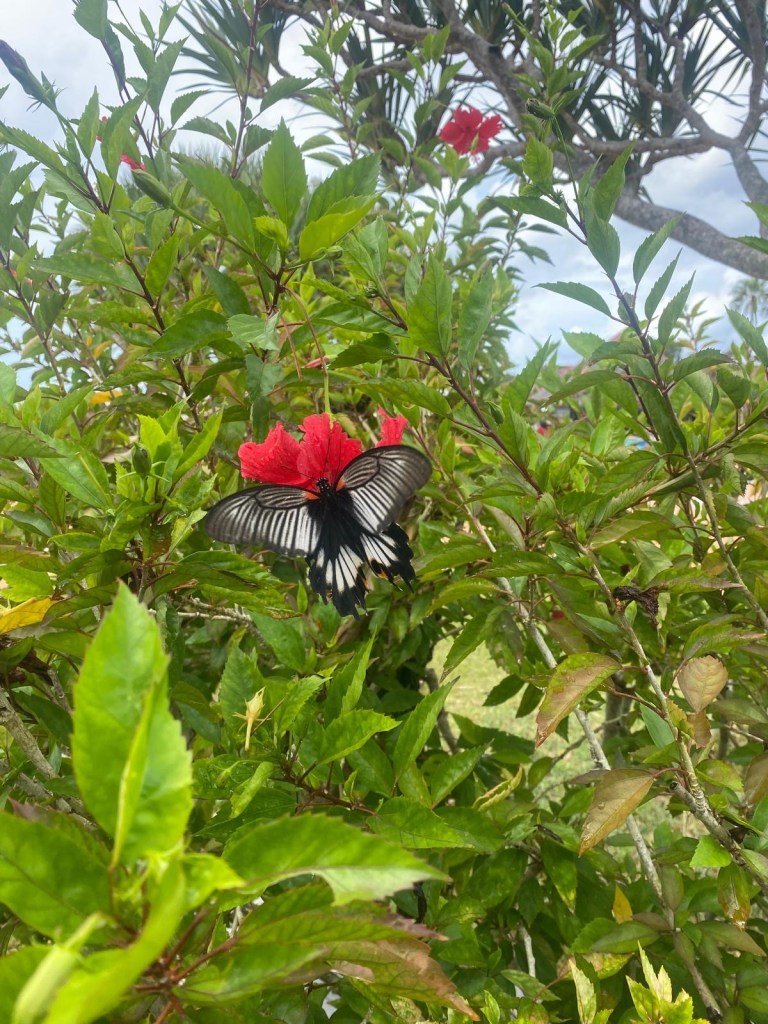
    And then, the butterflies. It is difficult to get a sense of perspective from the photographs but the flower is a large one and the butterfly has a wing span of approximately 15cms.

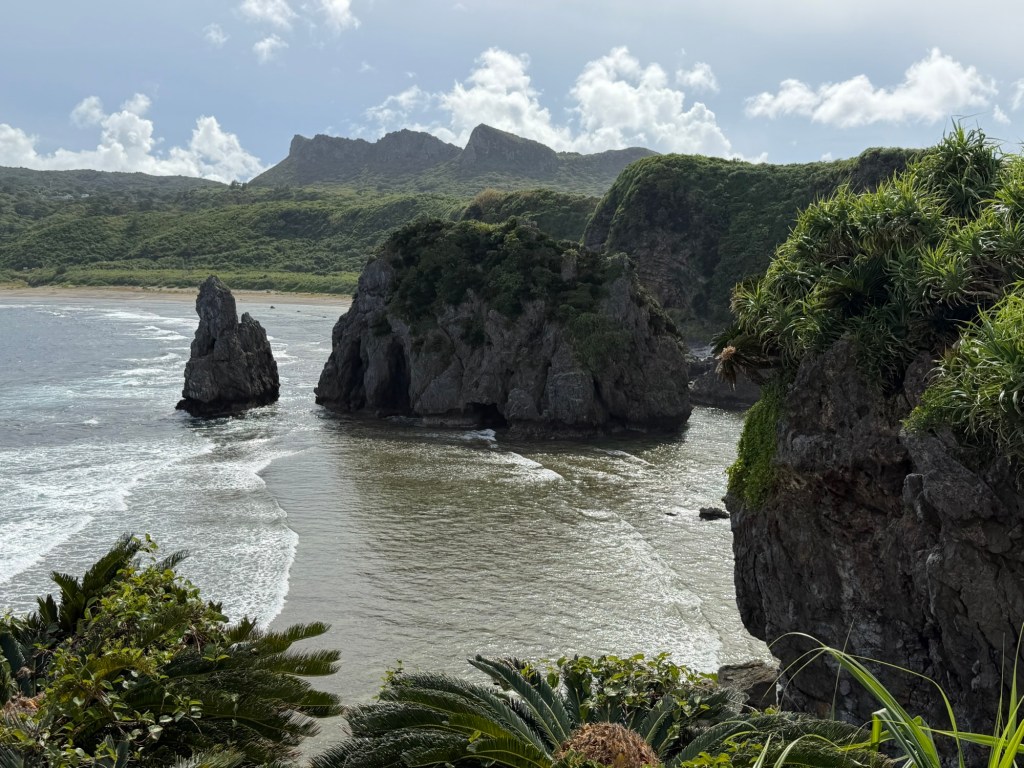
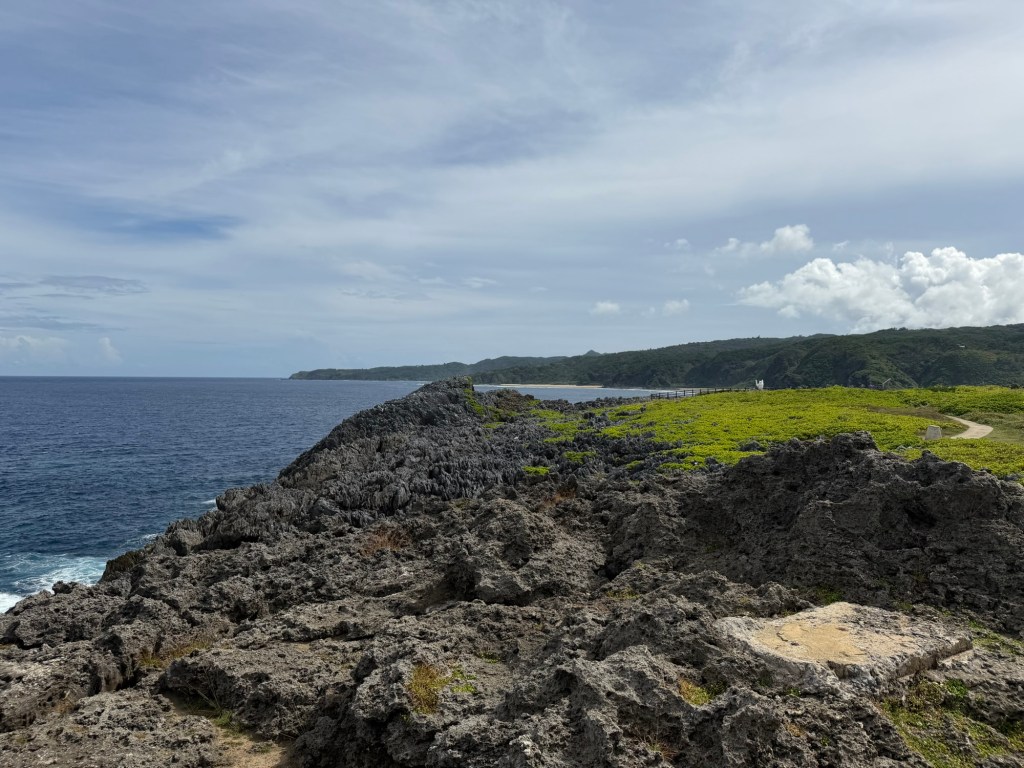
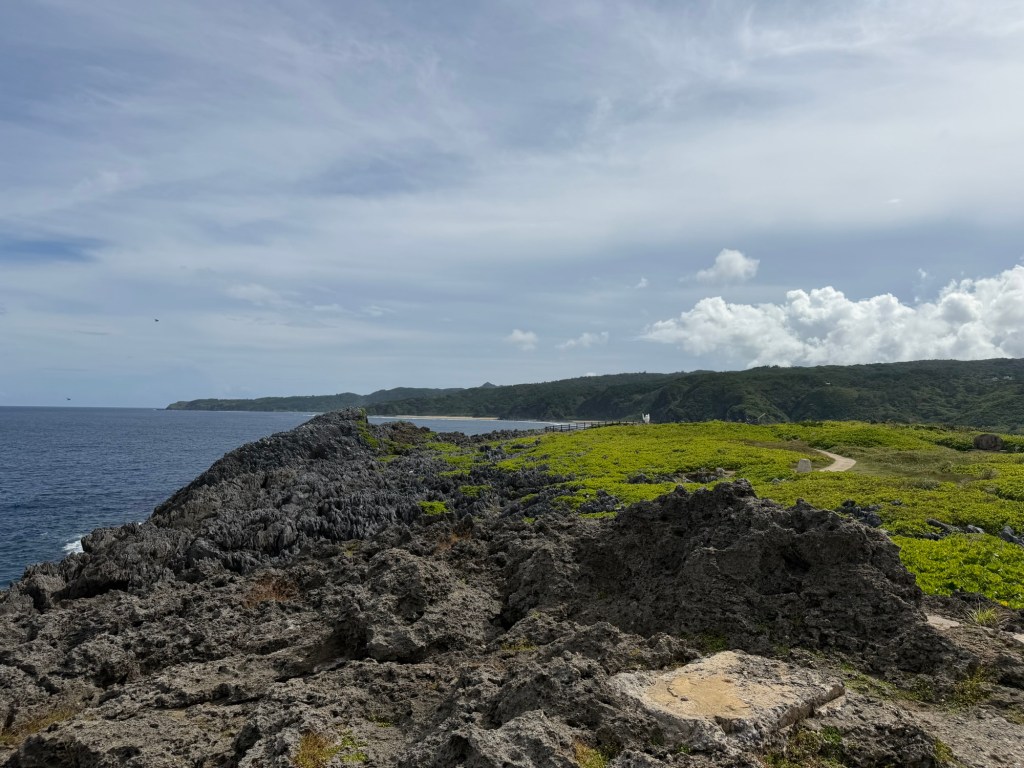
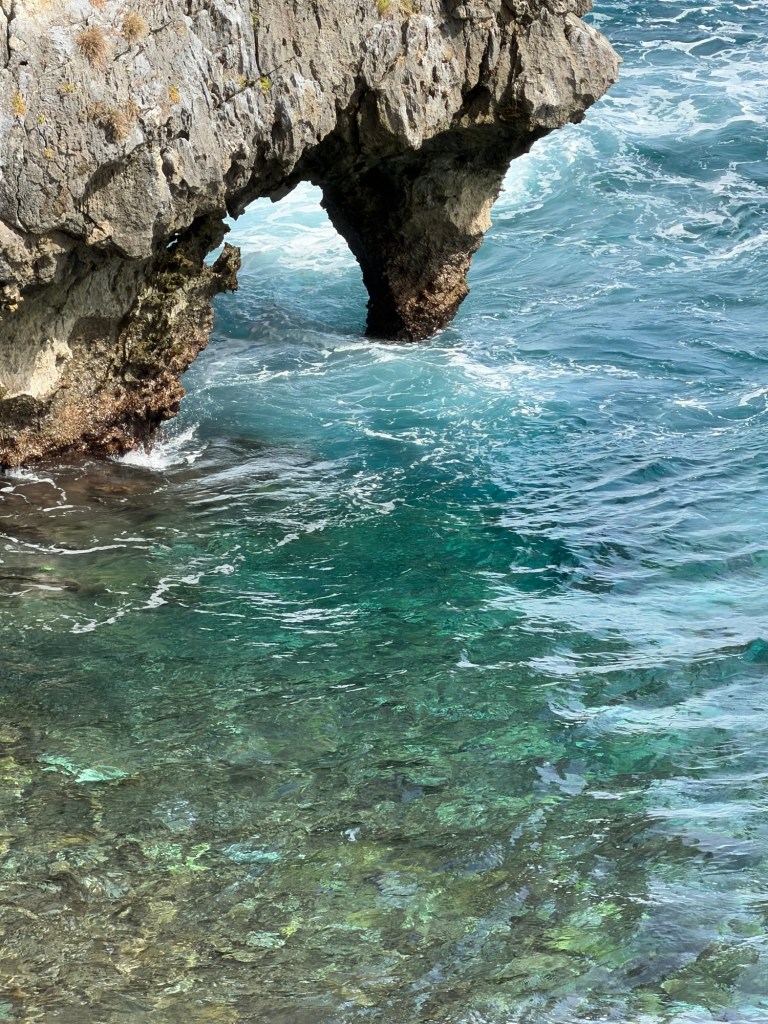
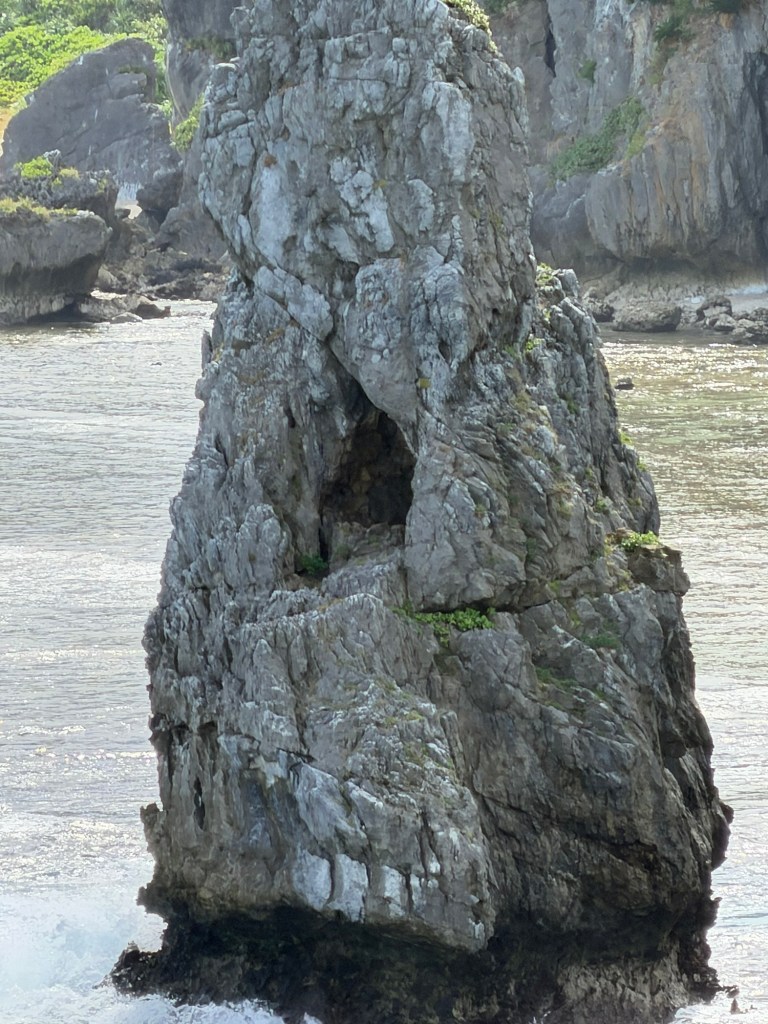
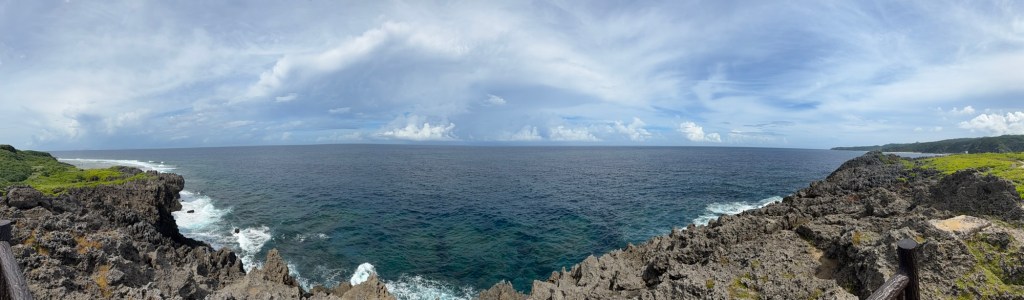
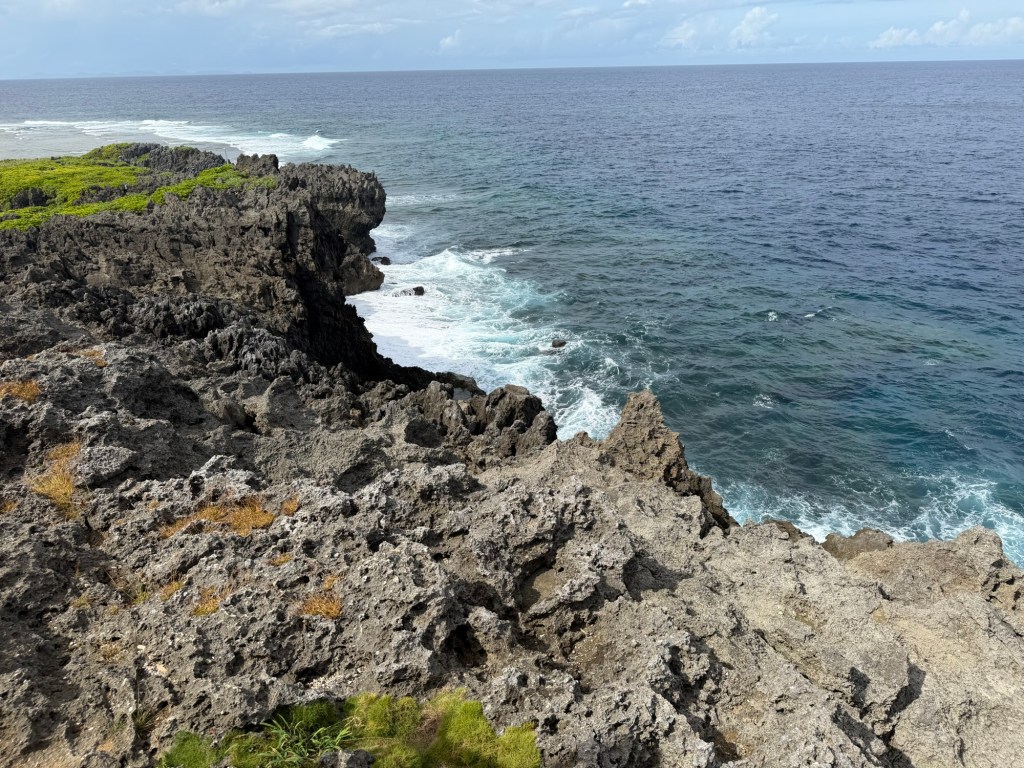
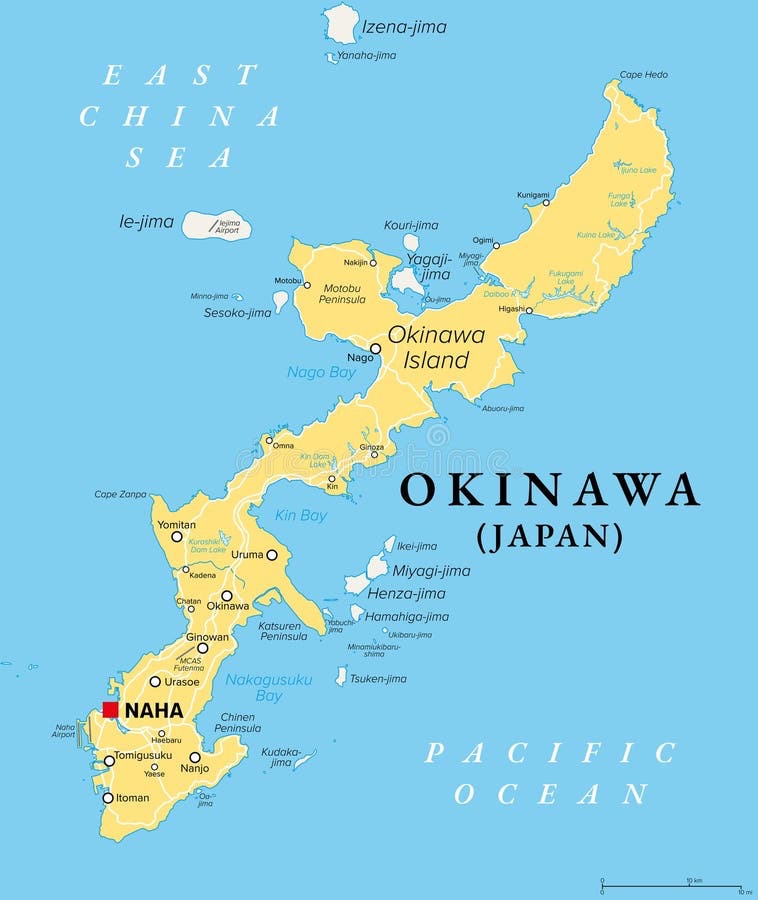
    Next stop, Cape Hedo (辺戸岬, Hedo Misaki), the island’s northernmost tip. With sensational views…

    Cape Hedo faces the East China Sea on the west, and the Pacific Ocean on the east. 

    The Pacific Ocean
    The East China Sea

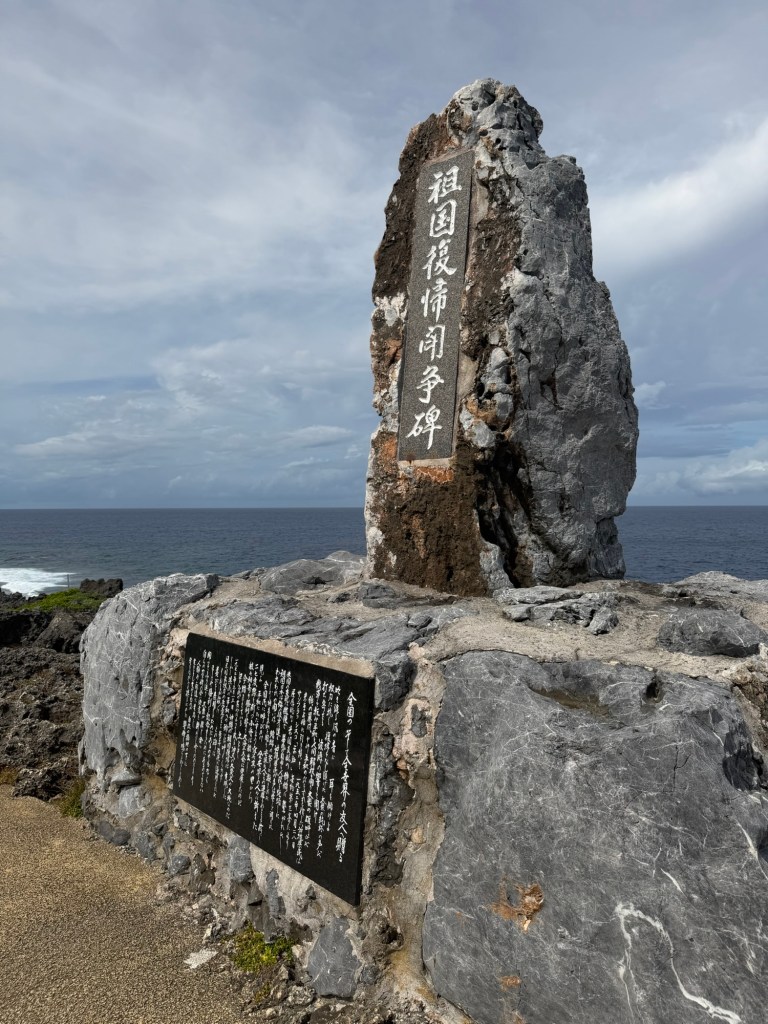
    This monument was erected in 1972 to commemorate the end of US occupation and return of Okinawa to Japanese sovereignty. 

    Cape Hedo is a place revered by locals, and is the place where they gather to watch the New Year’s sunrise and pray for peace. Our experience in Japan has taught us that the Japanese appear to hold a steadfast and transparent desire for World Peace.

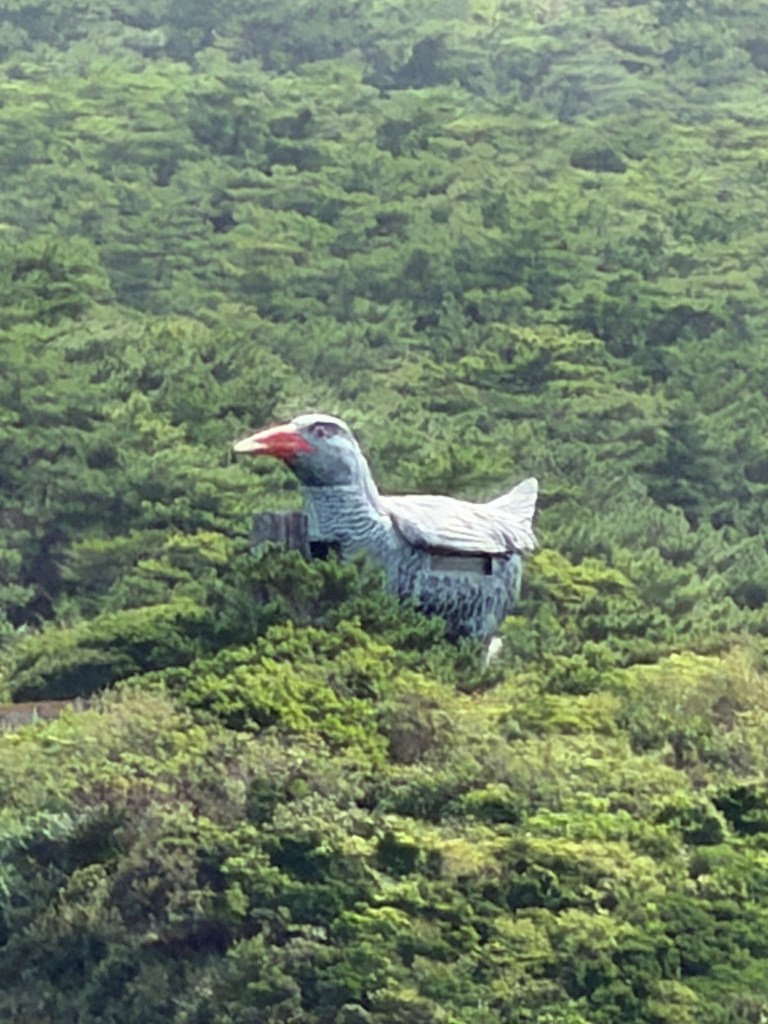
    We espied this oddity across the water, to discover that it is actually an observatory, the Yanbaru-Kuina Observatory. It is the shape of a giant bird (our eyes did not deceive us!), modelled on the Okinawa rail, an endangered species of Okinawan bird. 

    Another monument on Cape Hedo is the “Kariyushi”, a big white bird in honor of Friendship between Kunigami Village and Yoronjima, one of the Amami Islands. It is a local legendary animal with a head of a bird and a body of a fish.

    It has proved difficult today to penetrate the real world and lives of the people of Ogimi Village, Kunigami Village and Higashi Village. The closest we got after the Ogimi Farm Revitalisation Centre was limited to similar cooperatives situated at roadside stopping points, where you can peruse and buy, if you choose to do so, food stuffs (such as the marmalade), products and craft items indigenous to the island. The marmalade, for example, is produced in a greenhouse in Matsumoto Farm Ogimi Murati Port.

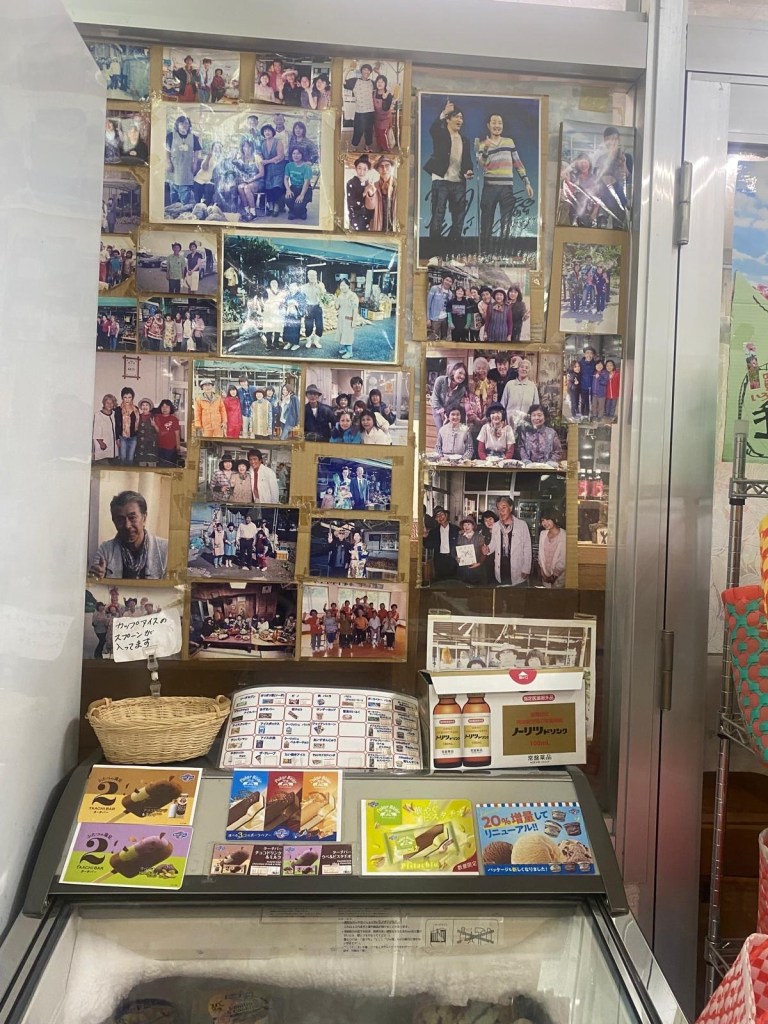
    The cooperative members do proudly exhibit photograph collections alongside their products. We were served by a delightful lady when buying the marmalade. When we pointed out that she featured in the collection (centre-front in the image below) she laughed heartily and acknowledged that was indeed her.

    I suppose it was a little bit fanciful to think that we could get up close to Fumiyasu, Zen-ei, Yasu, and their fellow ‘Blue Zone’ Okinawans. We did, however, get a strong sense of the place, travelling up the coast, across the top of the island, and then winding up, down, and through the mountains. At least we can imagine the ‘Blue Zone’ ideal all the better for today’s road trip.

    “At 80 years old, I am still a child. When I come to see you at 90, send me away to wait until I’m 100. Let us keep going strong as we get older and not depend too much on our children in old age.”

  • Day 13: Okinawa (沖縄) Only mad dogs and Englishmen go out in the midday sun ☀️ and a non-deadly drone show
    We decided to visit Naha (那覇) the capital city of Okinawa, today. Now being big fans of the Japanese public transport system, we shied away from the easy, many times more costly, taxi option, and jumped on a local bus. Doing so is made really quite straightforward, by using Google maps. Again, coming prepared, having uploaded a reliable e-sim, is essential. Connectivity has never been an issue wherever we have been in Japan. Once on the route (bus) it even keeps count of the number of stops, allowing you to jump when your destination point arrives.

    Journeying down to Naha, we spotted a very large military base, Camp Foster, with signs up declaring it to be United States property.

    Following World War II, Okinawa was a U.S. territory before being returned to Japanese control in 1972, with the agreement allowing the U.S. to maintain its military presence.

    Approximately 30,000 active-duty service members, along with thousands of civilian employees and their families, live and work in Okinawa.

    The U.S. views the bases as crucial for regional security and the alliance with Japan, as outlined in the Treaty of Mutual Cooperation and Security. The presence is a source of debate and ongoing protest among some Okinawans.

    The presence of America Village now made more sense. As did this sign

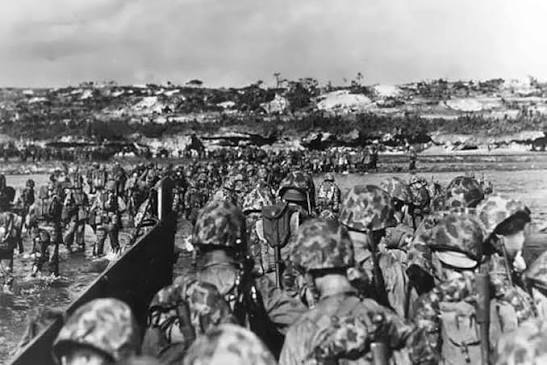
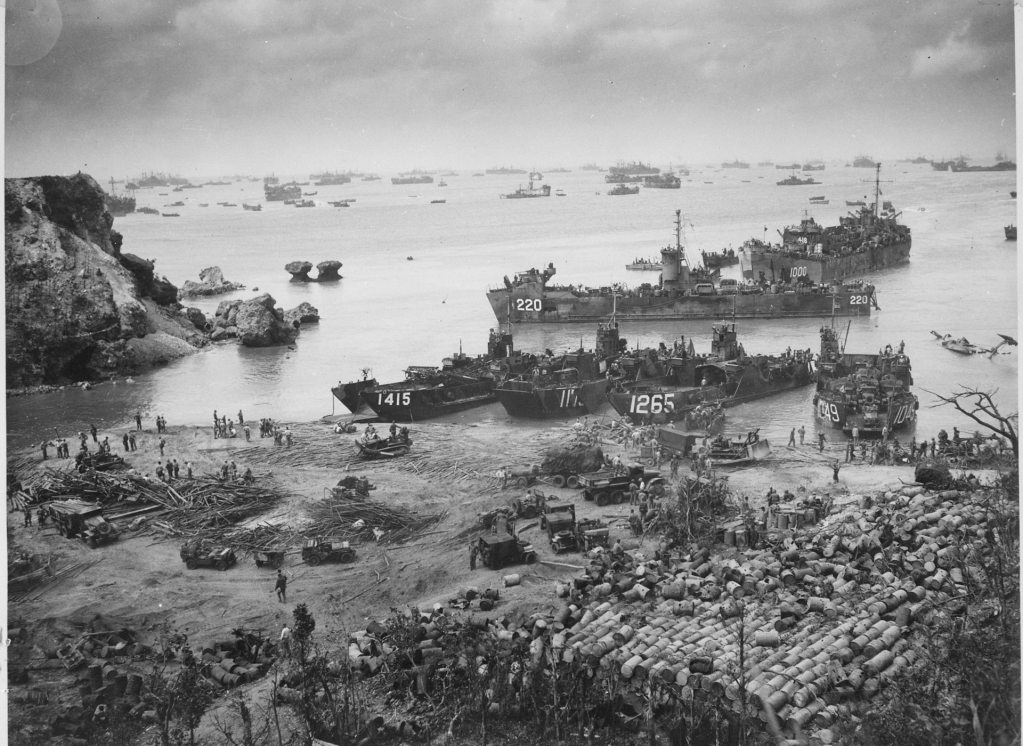
    Near the end of World War II, Okinawa became the site of one of the war’s bloodiest battles, when the US forces invaded and occupied the island. An estimated 200,000 people, including more than 100,000 civilians and 12,500 Americans were killed in the battle, which lasted from April to June 1945.

    Since Naha was almost completely destroyed in the Battle of Okinawa, only a few of the city’s buildings predate the war. The former capital of the Ryukyu Kingdom around Shuri Castle, Naha’s most famous landmark, was located within the borders of today’s Naha City

    We were not particularly enamoured with the central district in Naha, and sought to move on. We decided to head for Shuri Castle. To get to Shuri Castle we travelled on the Yui line. All very smooth and efficient, of course.

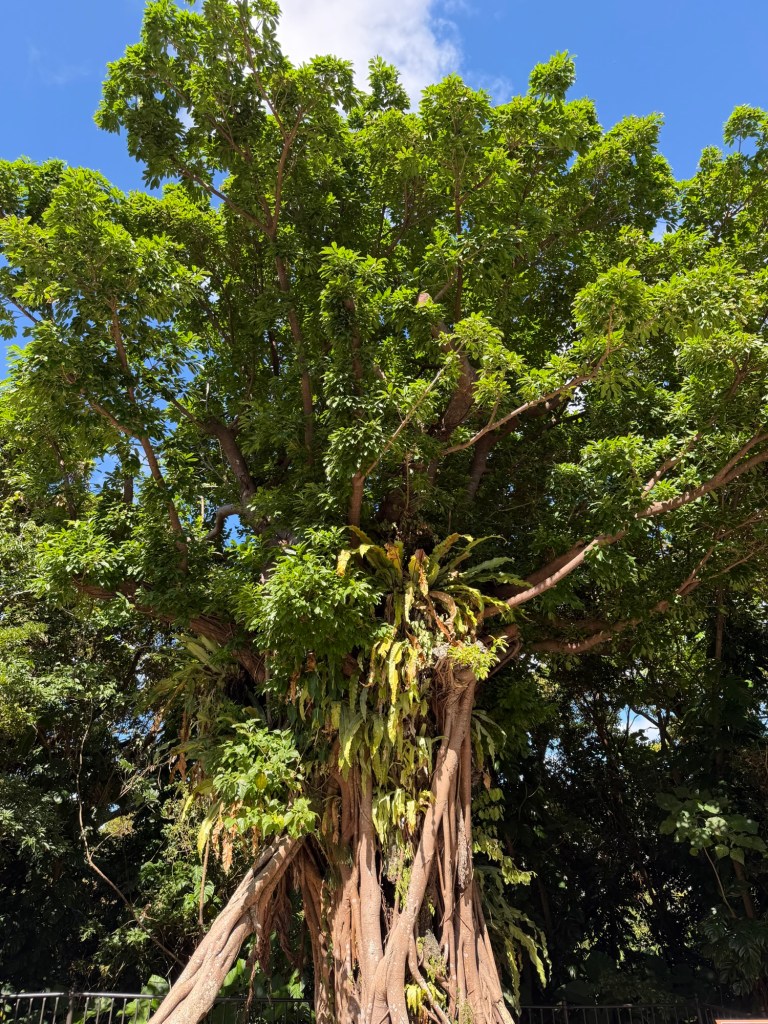
    Another victim of the war was this giant Akagi tree, situated by the castle walls. Before the war some of its branches, some as thick as one metre in diameter, stretched towards the castle walls, providing shade. Damage caused in the war ravaged the tree, leaving only its withered trunk. Now, an Akou tree has attached itself to the remaining trunk. Shade was something we craved today, it was intensely hot at times.

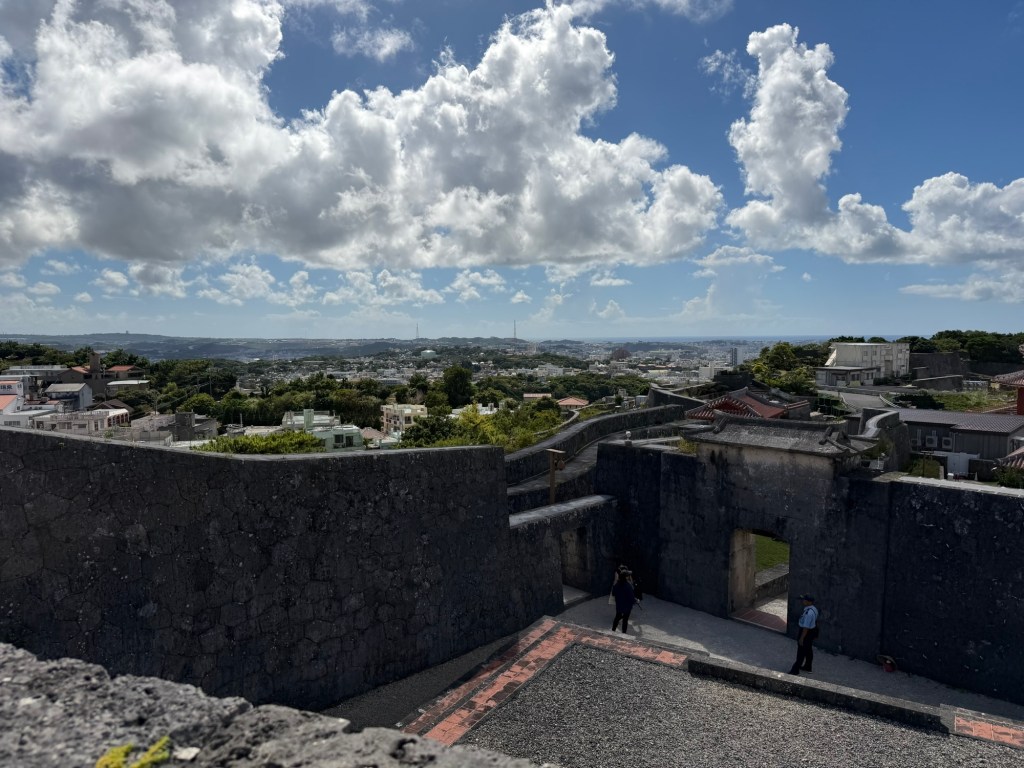
    Shuri Castle is an impressive sight from below but we found it to be undergoing extensive refurbishment works, including the creation of a giant, life-size, ceramic dragon. We did feel somewhat aggrieved as it looks like quite some project. So we skirted around the walls and grounds, appreciated the view from the high ground (only mad dogs and Englishmen go out in the midday sun!) and headed back down.

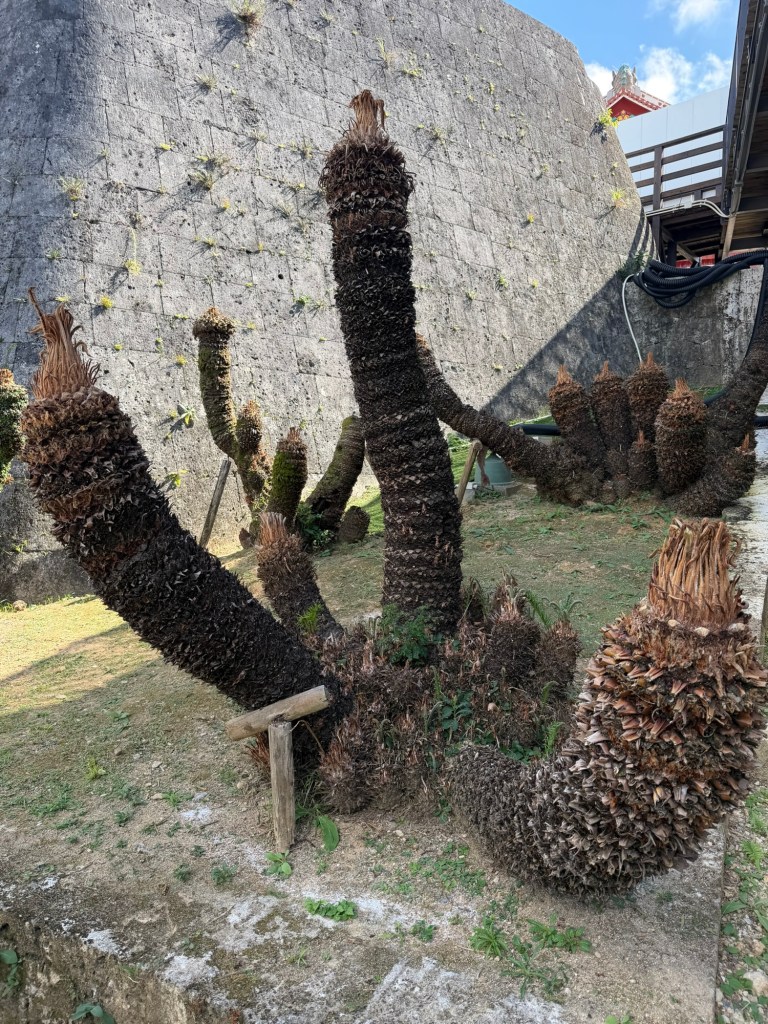
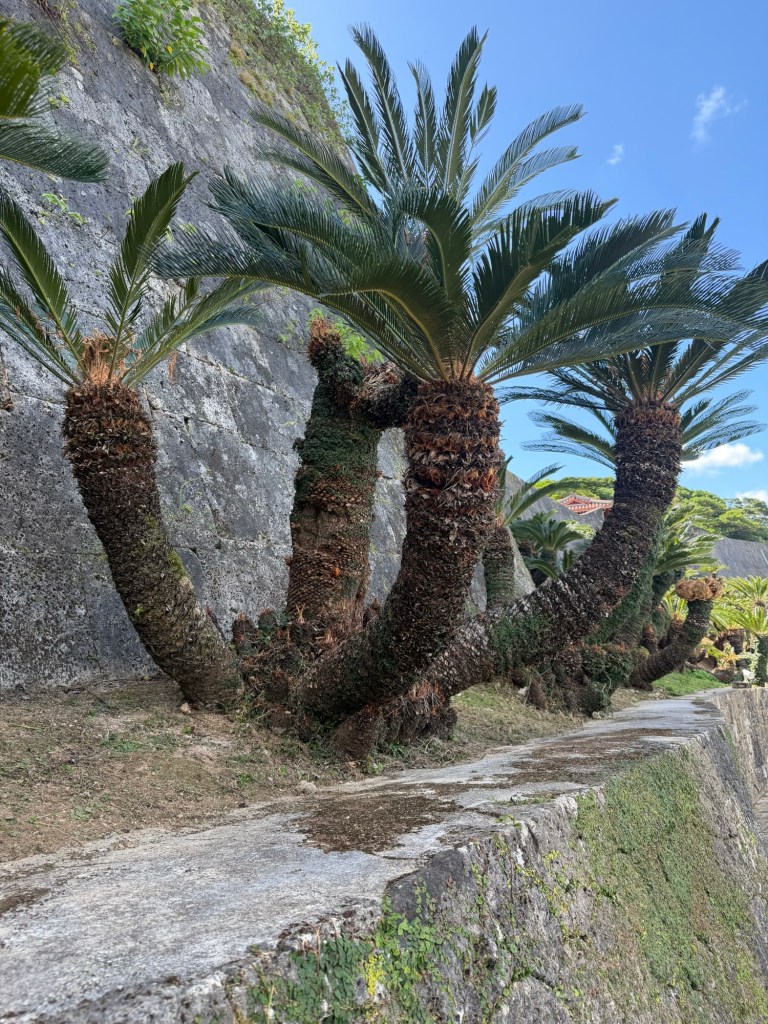
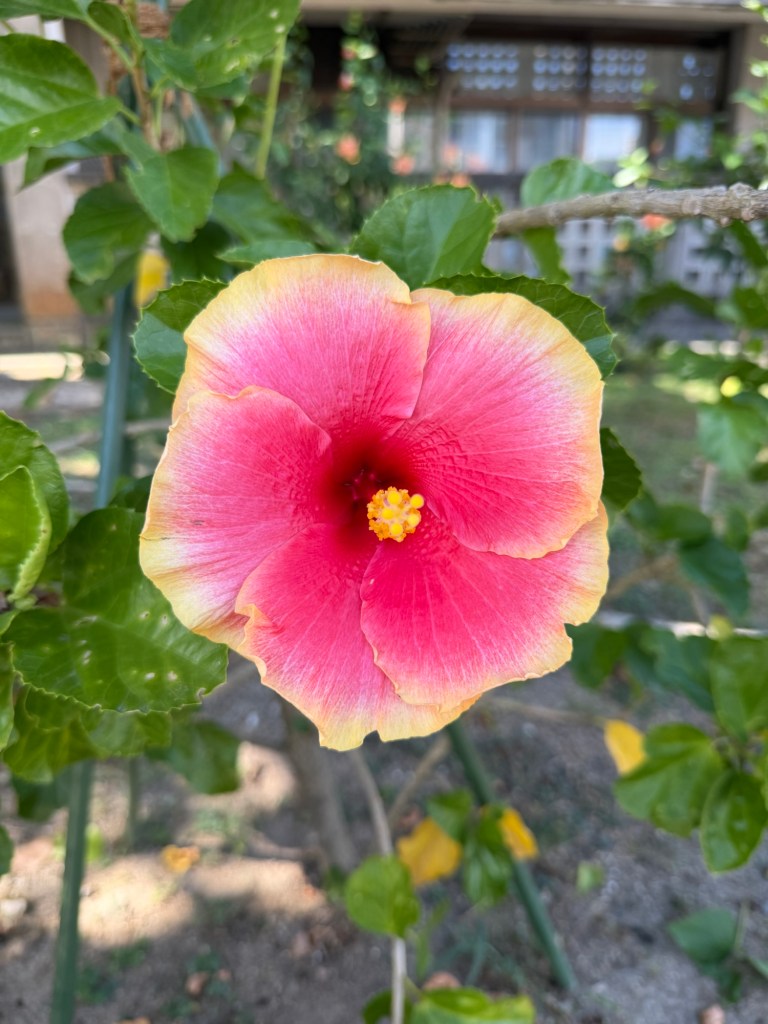
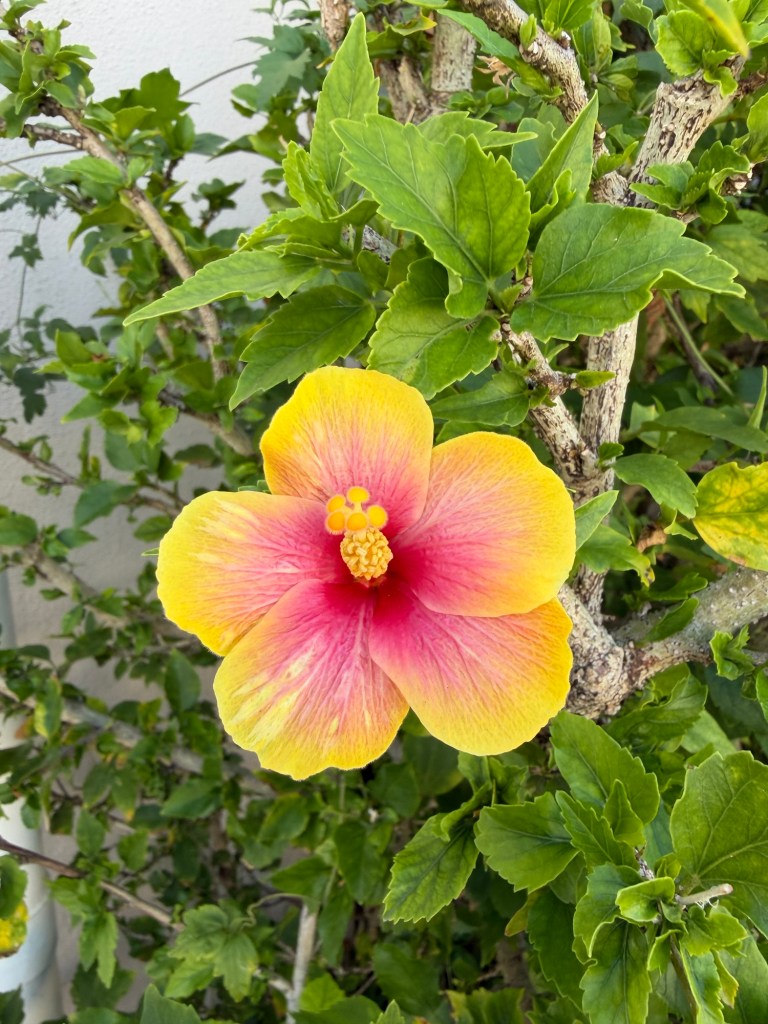
    Some interesting plants/trees (?) caught our attention, as did a couple of beautiful flowers hanging on in there, in the October heat.

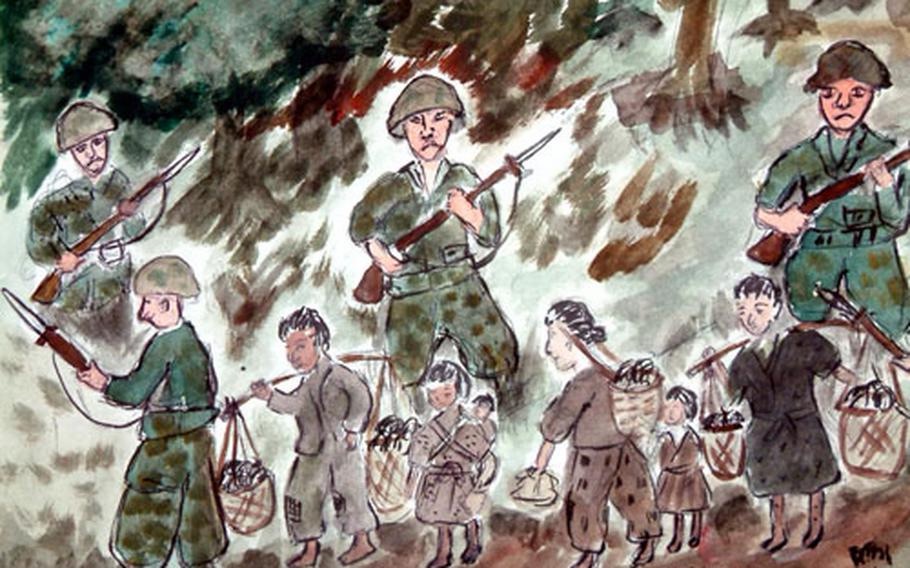
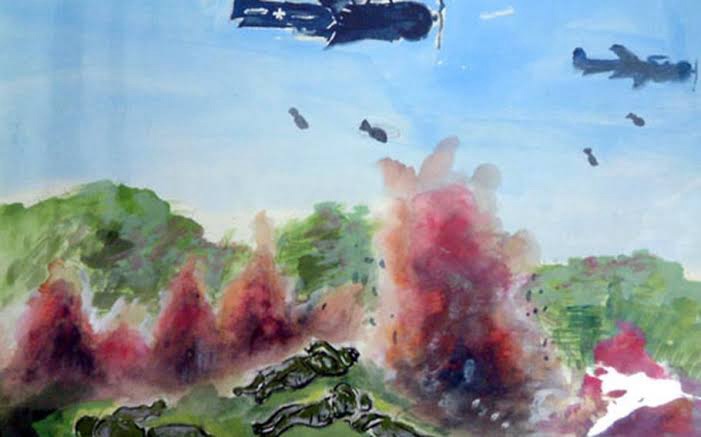
    In 2005, an exhibition of 100 drawings depicting war scenes that took place on the island 60 years previously — when most of the illustrators were children — was opened to the public at a Naha gallery. They are part of a collection of 700 drawings owned by the Buddhist group, Soka Gakkai Okinawa.

    The drawings are telling in their brutal simplicity…

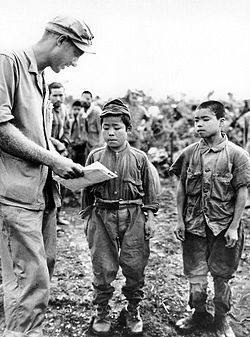
    And then there is this well known photograph taken during the Battle of Okinawa in 1945, showing a U.S. Army officer, Lt. Richard Jones, with two Japanese children

    How does one ever begin to make any sense of such things?

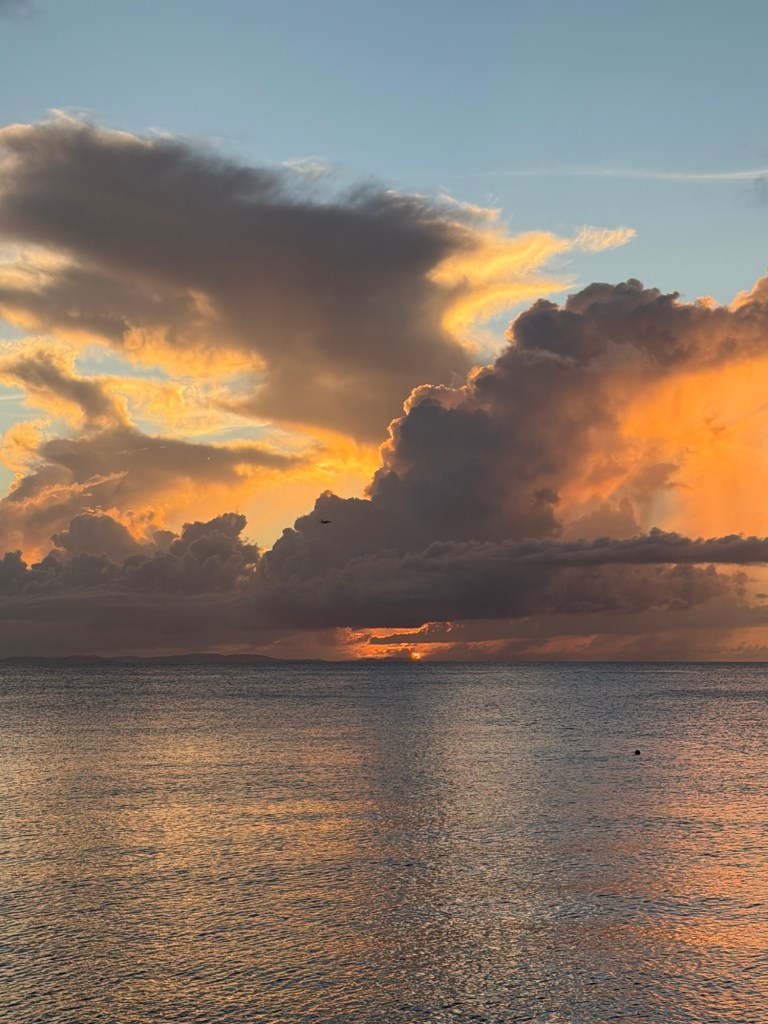
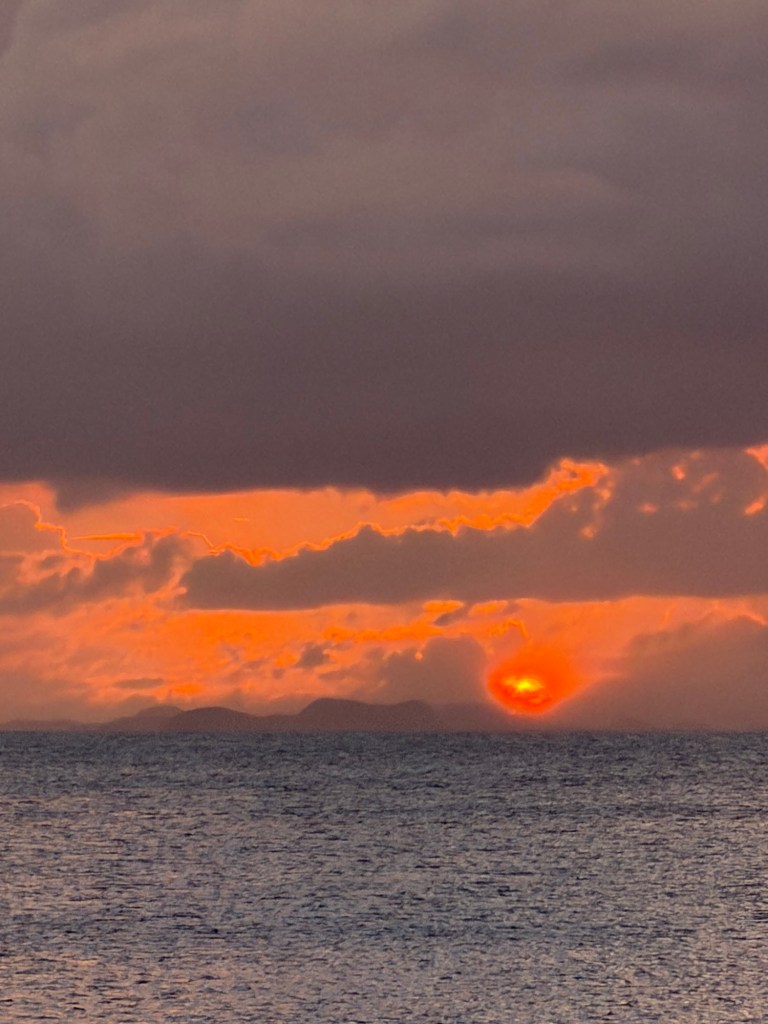
    It was a little less clear tonight so sunset took on a different aspect; spectacular nonetheless.

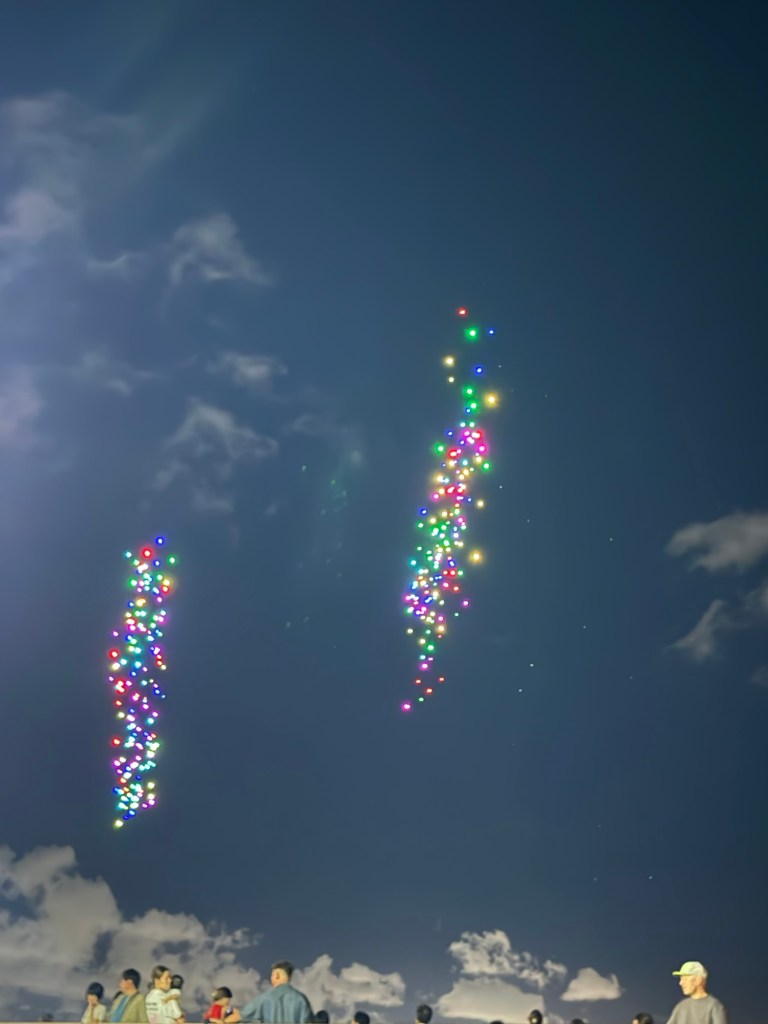
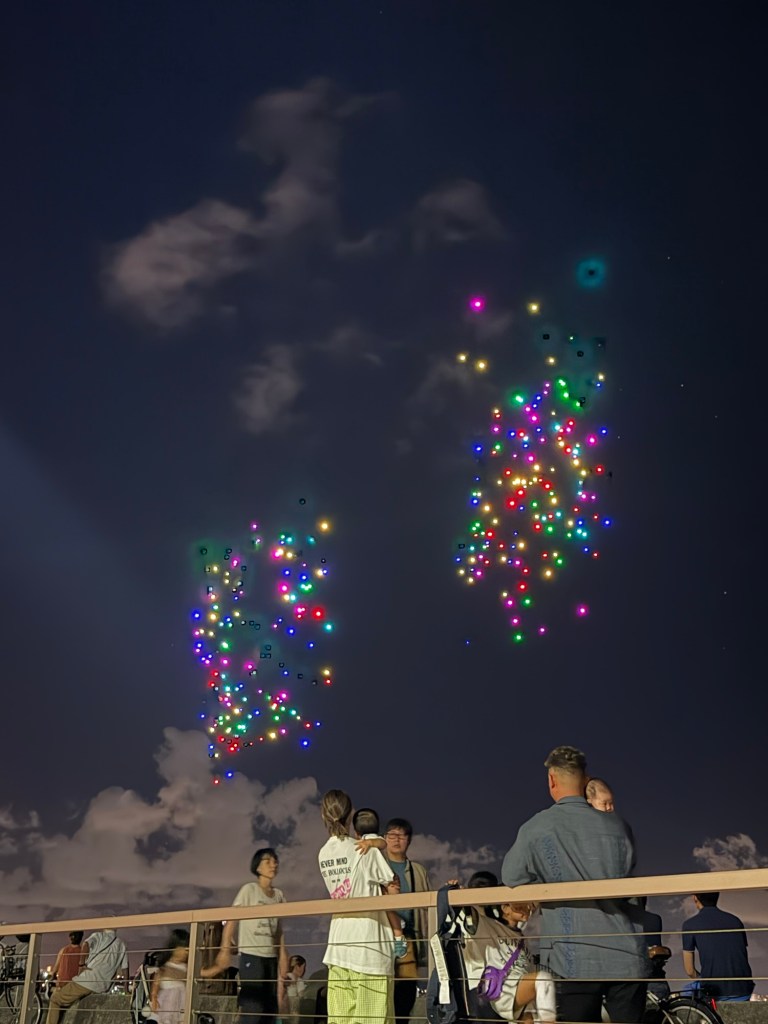
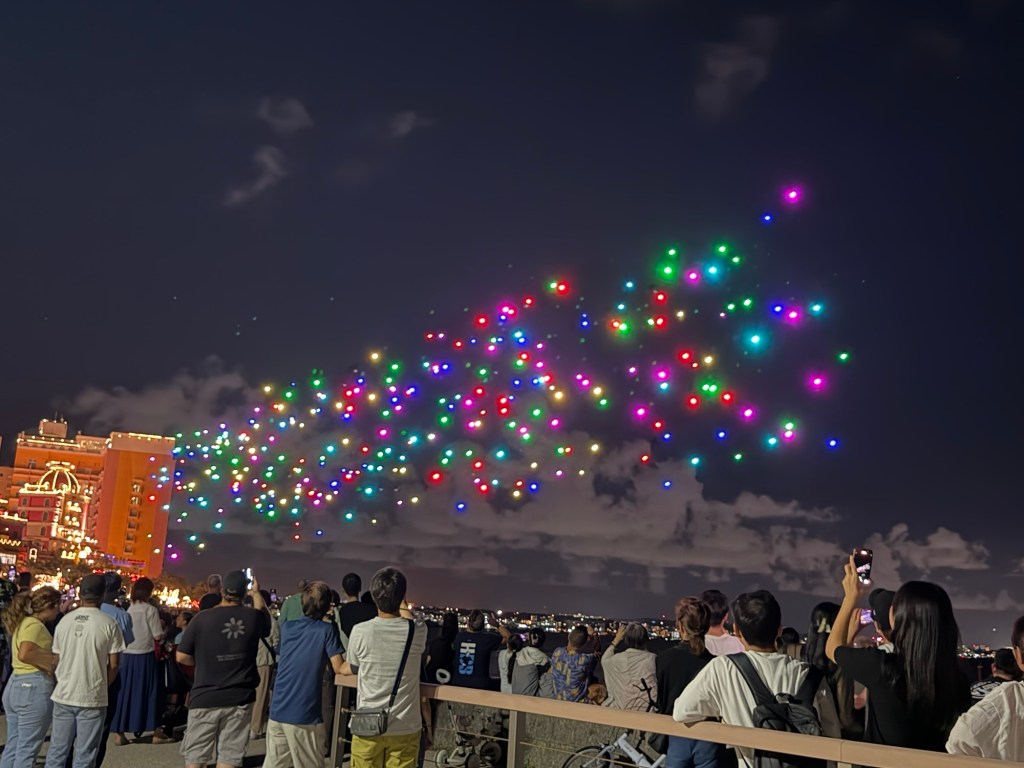
    On the way out this evening, something totally unexpected, a drone light show.

    And we were just in time to see them return to base.

    Pretty impressive! But then, returning, reluctantly, to the matter of war, this technology is being used all over the world in a far more destructive capacity. If only we could practise such ingenuity in strictly positive and beneficial ways. No more hiroshimas!

  • Day 12: Okinawa (沖縄) Fumiyasu, Zen-ei, Yasu, great coffee and a glorious sunset

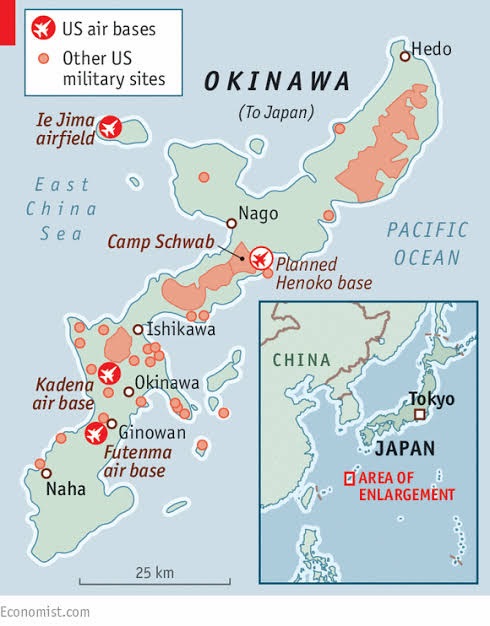
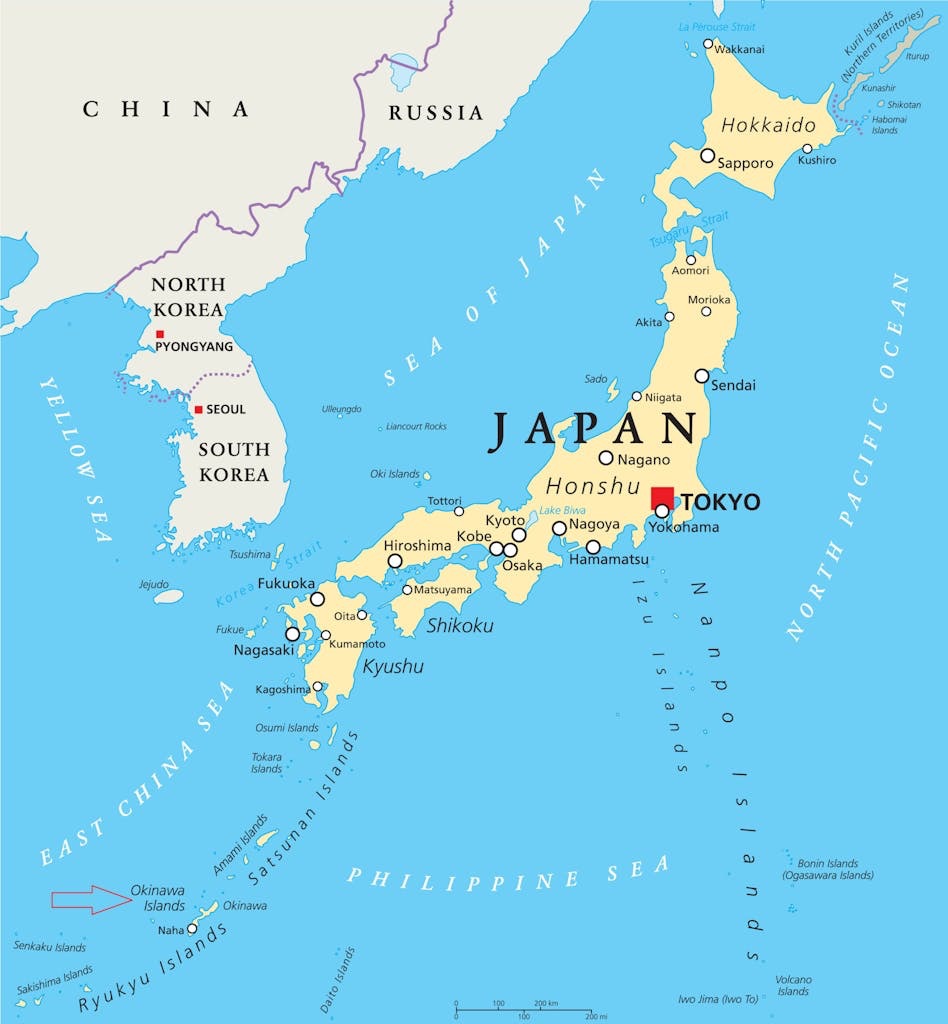
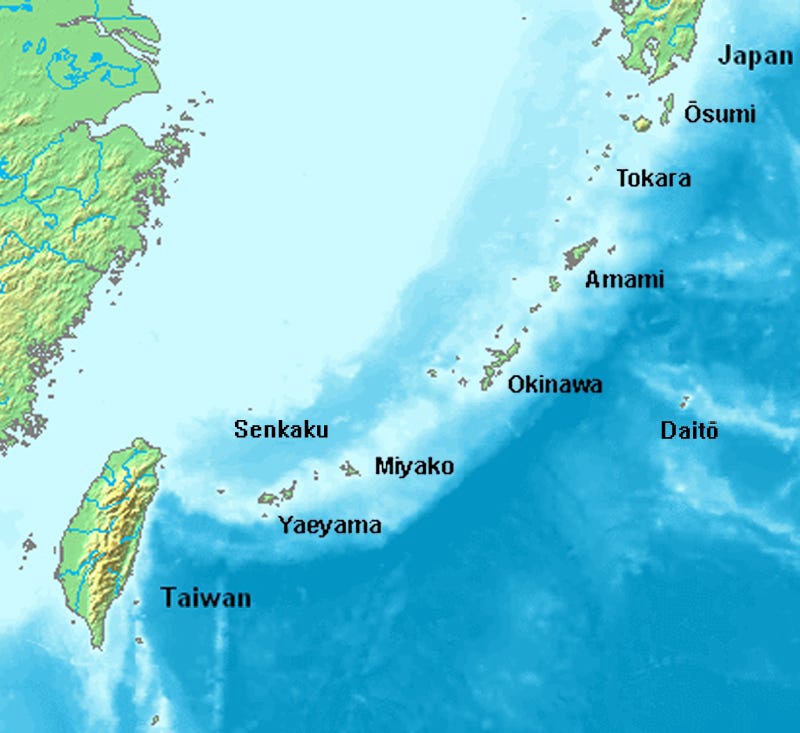
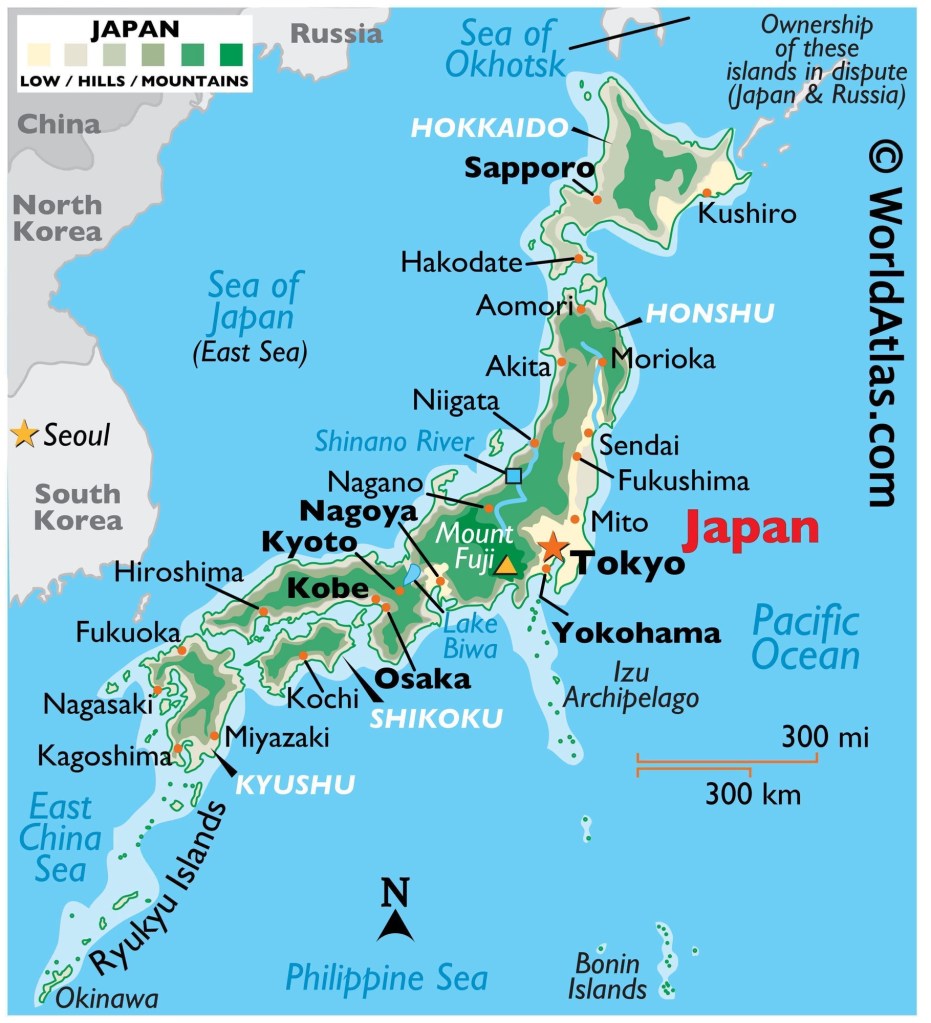
    Okinawa is about 400 miles (640km) from the Japanese mainland (bottom left on the above map). It is situated in the East China Sea, and is actually closer to Taiwan than it is to Tokyo.

    We said farewell to Hiroshimah on a beautiful, blue-sky day, which was a little frustrating given that we were 535m up, yesterday, atop Mt Misen, on Miyajima, umbrellas open.

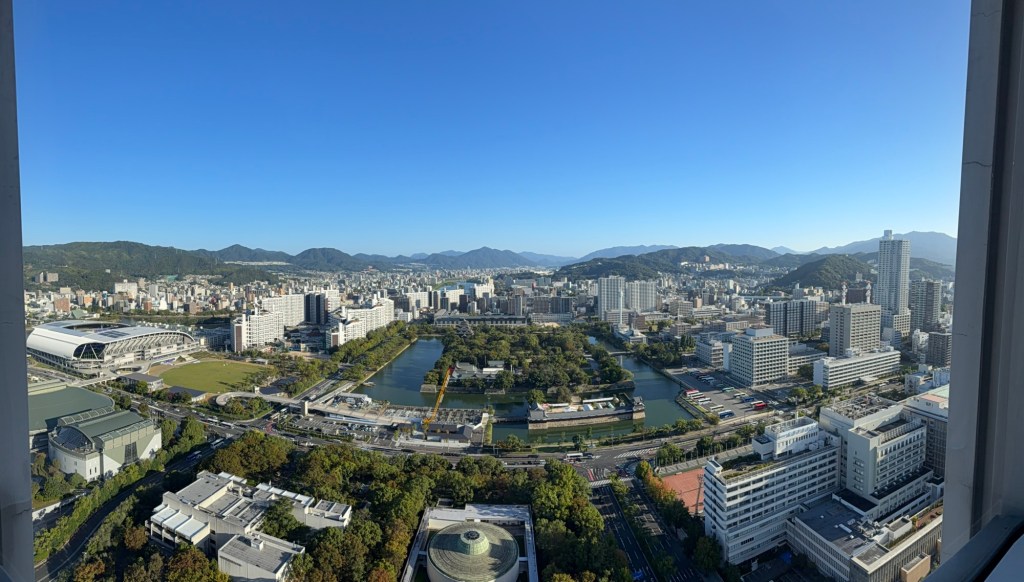
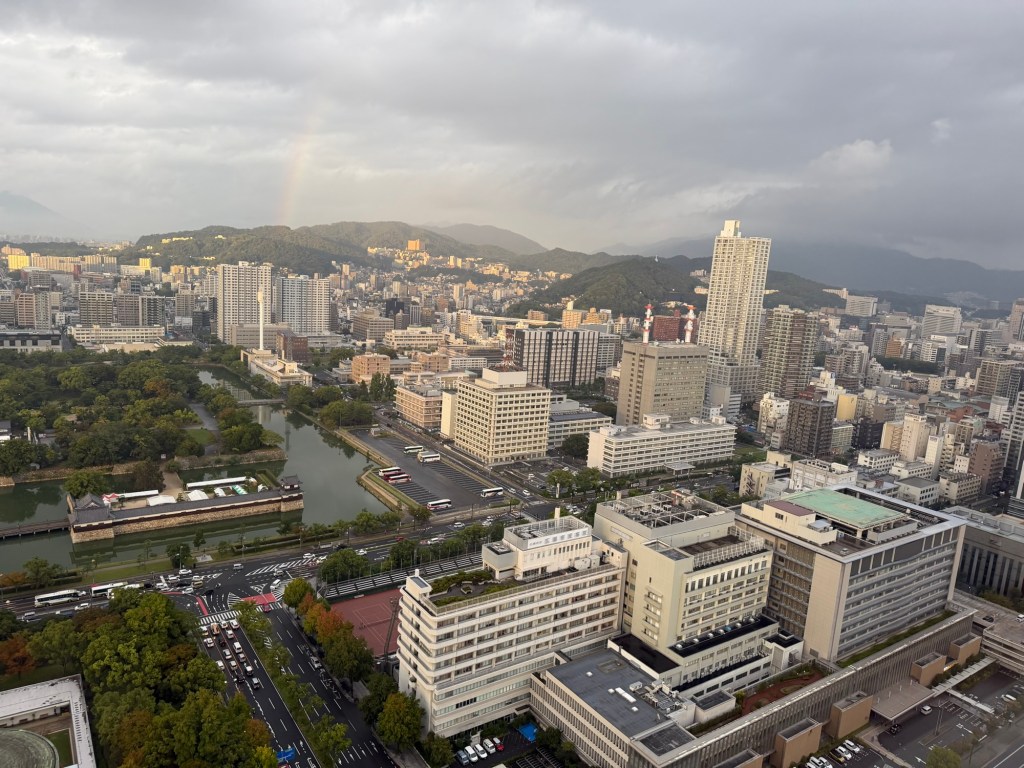
    A final view from our hotel room in Hiroshima

    We enquired about a taxi to the airport: no problem, £80. Given our positive experience yesterday, we made further enquiries with regard to other options. The bus to the airport – the bus station being a 5 minute walk from our hotel – £7.50 each. Of course we did…

    So, why Okinawa? Meet a few Okinawans (courtesy of National Geographic, see link below).

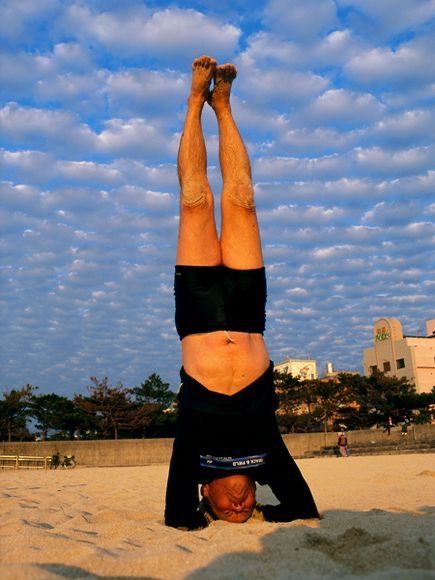
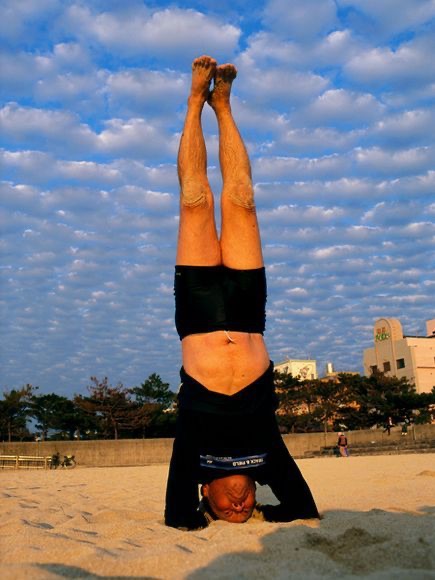
    84-year old Fumiyasu Yamakawa’s ikigai (reason for living)? Daily exercise, including yoga (see below), to train for an annual decathlon; his favourite events being high-jump and pole-vault.

    84-year old Fumiyasu Yamakawa

    For 88-year old Zen-ei Nakamura, “fishing is his life”. He immerses himself in his work, often skin-diving to usher fish into his nets.

    88-year old Zen-ei Nakamura

    103-year old Ushi Okushima grows her own food, seeing gardening as her daily exercise. Her daily long-time daily rituals include: morning prayers to her ancestors, tea with friends, lunch with family, an afternoon nap, a sunset social hour with friends, and before bed a cup of sake infuse with the herb mugwort.

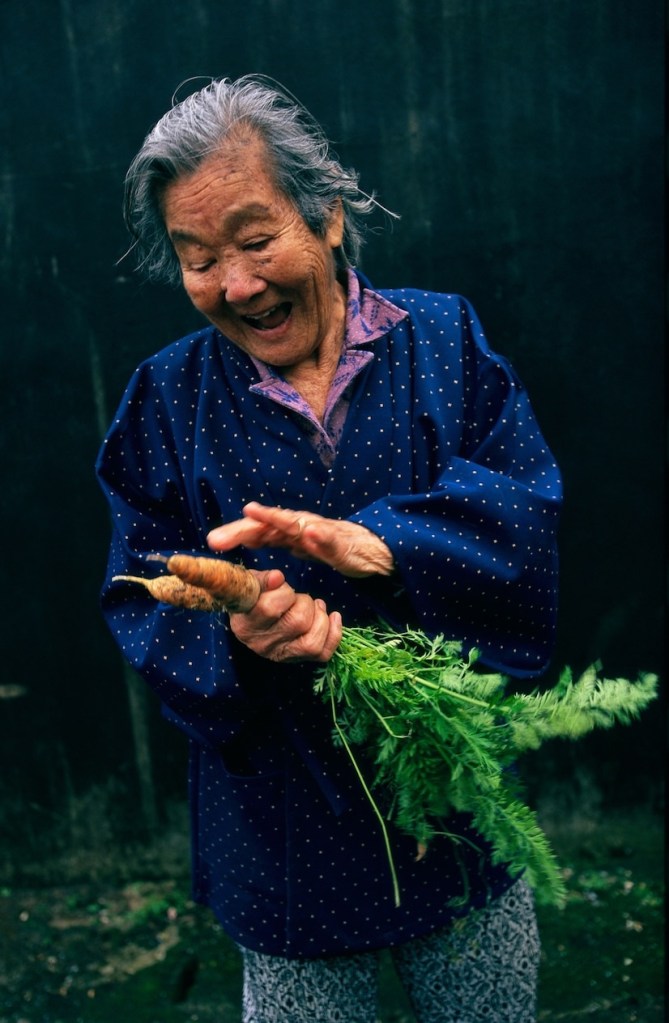
    When she’s not watching sumo wrestling on TV, 100 year-old Yasu Itoman, gets her own exercise by growing onions, tomatoes, carrots, and other herbs and vegetables in her garden. They give her natural antioxidants that may help prevent cancer.

    100 year-old Yasu Itoman

    Our interest in the ‘Blue Zone’ areas of the world – of which Okinawa is a prime example – has been long-held. It was likely sparked by my wife’s reading of Dan Buettner’s The Blue Zones Secrets for Living Longer: Lessons From the Healthiest Places on Earth.

    According to Buettner, ‘Scientific studies suggest that only about 25 percent of how long we live is dictated by genes… The other 75 percent is determined by our lifestyles and the everyday choices we make. It follows that if we optimize our lifestyles, we can maximize our life expectancies within our biological limits’ (p. xxii).

    Gradually, over the years, driven by my wife’s passion for research on such matters, we have taken many positive steps, especially with regard to diet. We have both always recognised the value of good exercise, and maintained a good regime. Although, all too often, a busy work life compromises our ideal.

    So, why Okinawa? I suggest you have your answer. We simply want to be there, get a feel for the place where people, generally, live longer and healthier lives – and hopefully extend our learning along the way. Added to that, our base is at the sea’s edge (as is the case for our next leg, Bali); we love being by the sea, anywhere in the world.

    A short walk from our hotel is America Village. We thought we would get that one out of the way first!

    We reckon that Fumiyasu, Zen-ei, and Yasu do not owe their good health and longevity to their frequenting such areas?

    Although, as the light dropped, the area filled up and took on quite a different feel.

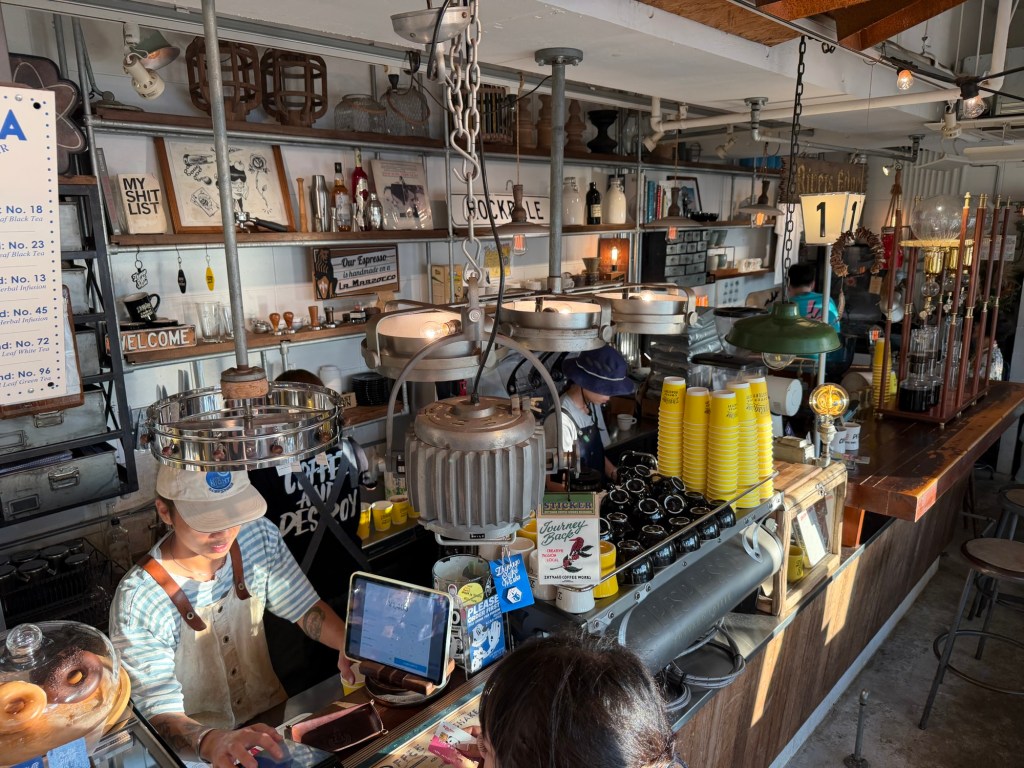
    And then, one of the highlights of the two weeks so far, a superb little cafe, with truly first rate coffee – not to mention the baked cheesecake.

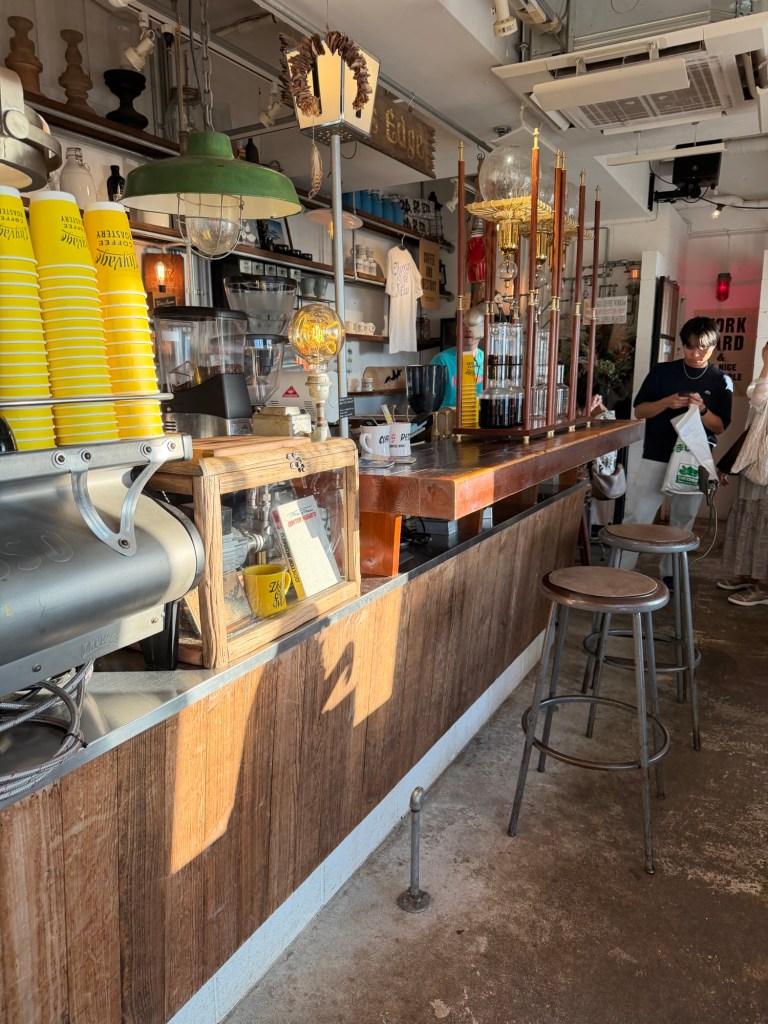
    A little further down the road, we came across their roastery.

    All is well when you know where to go for a good (great) coffee don’t you think!

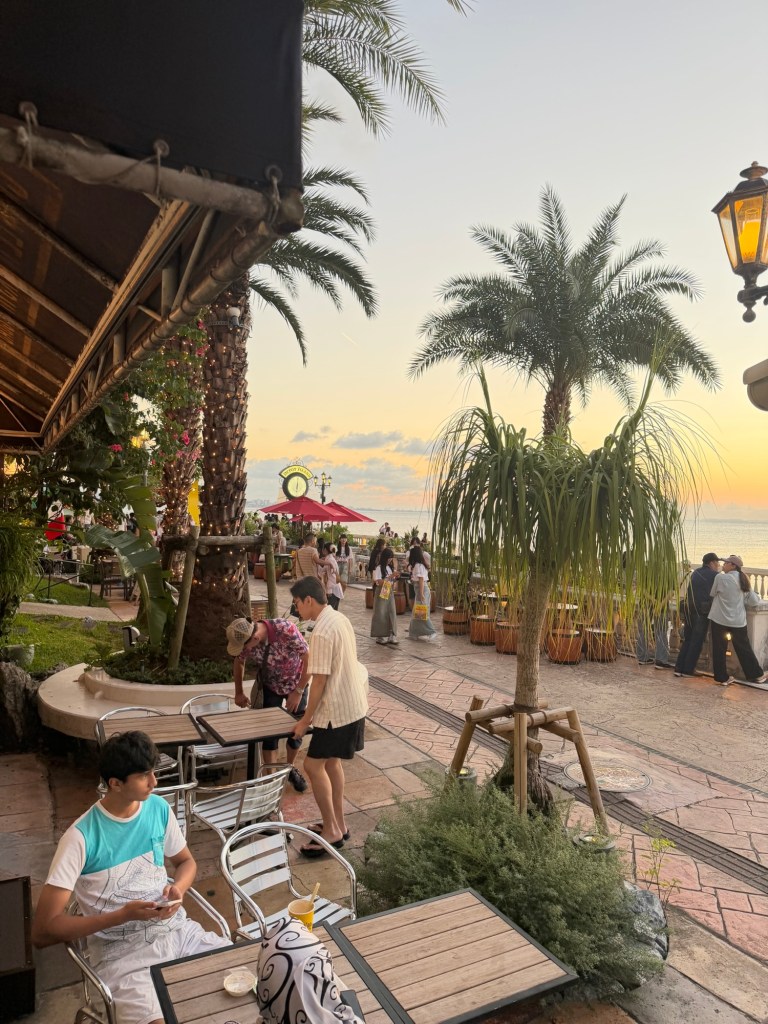
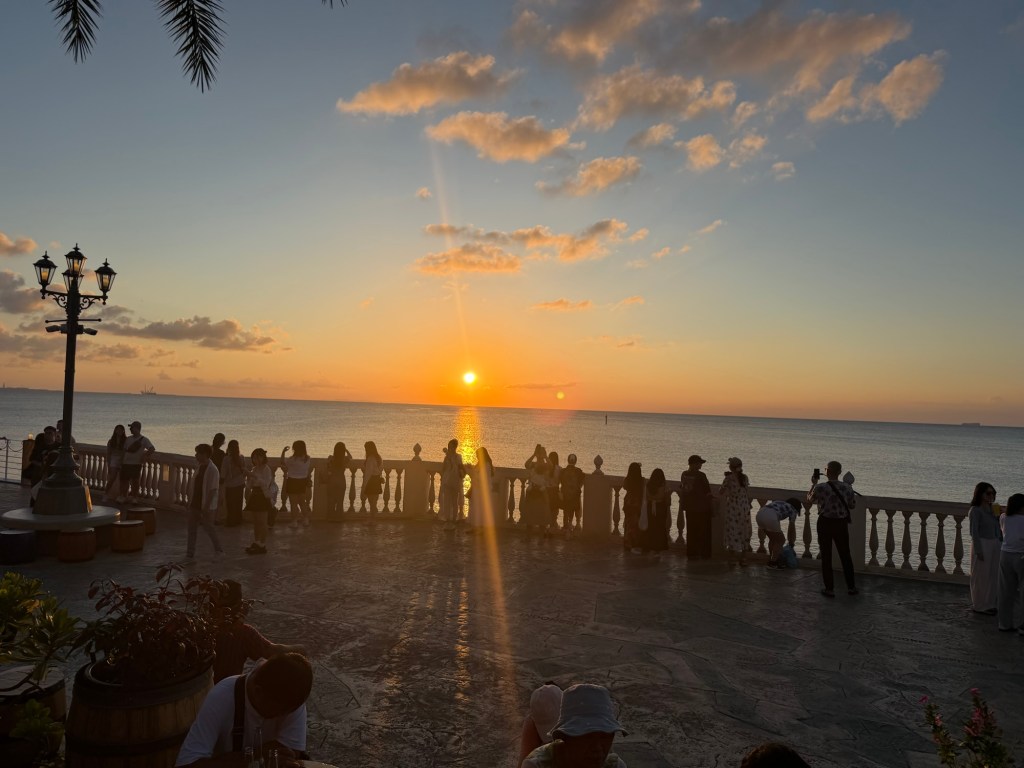
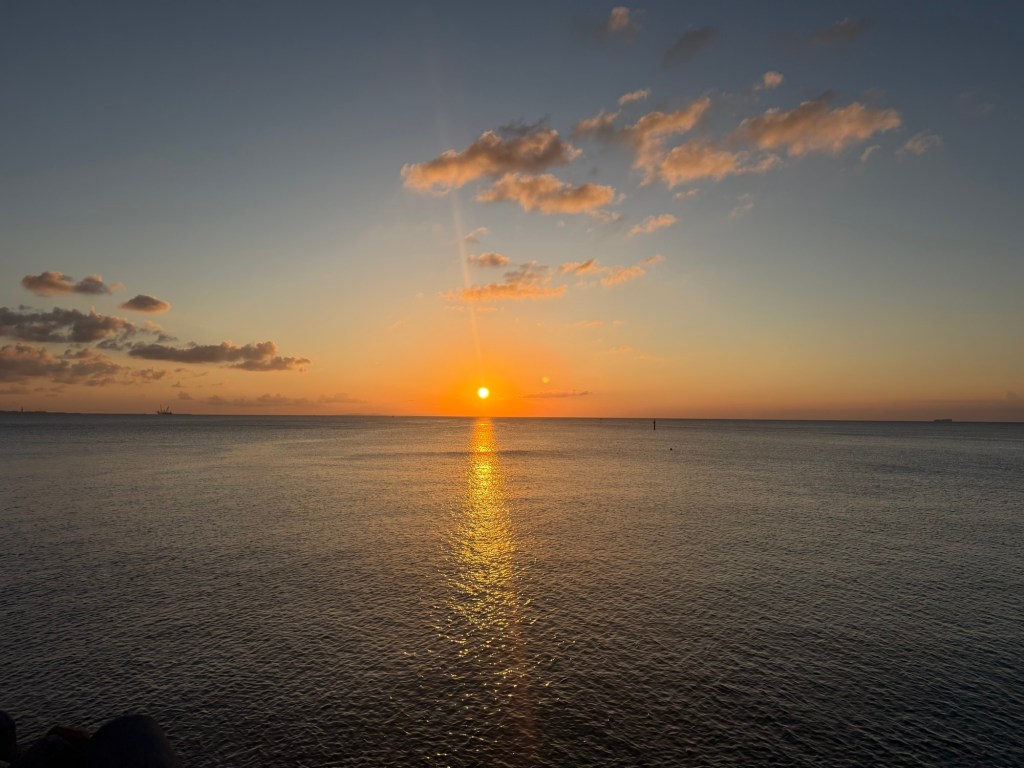
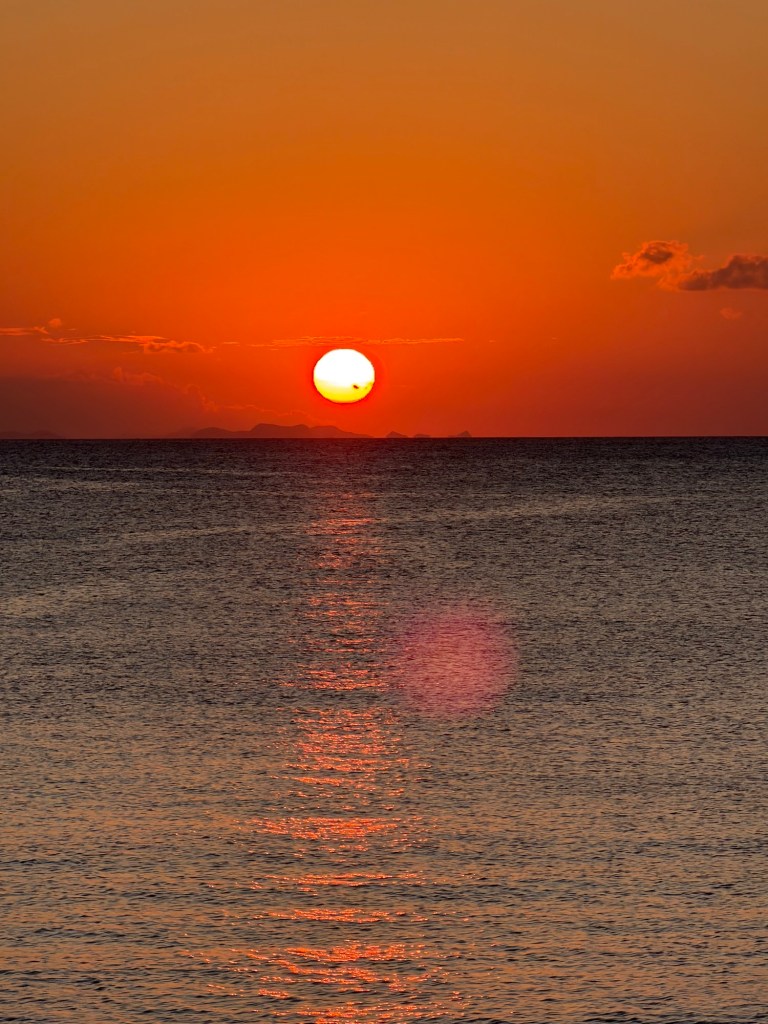
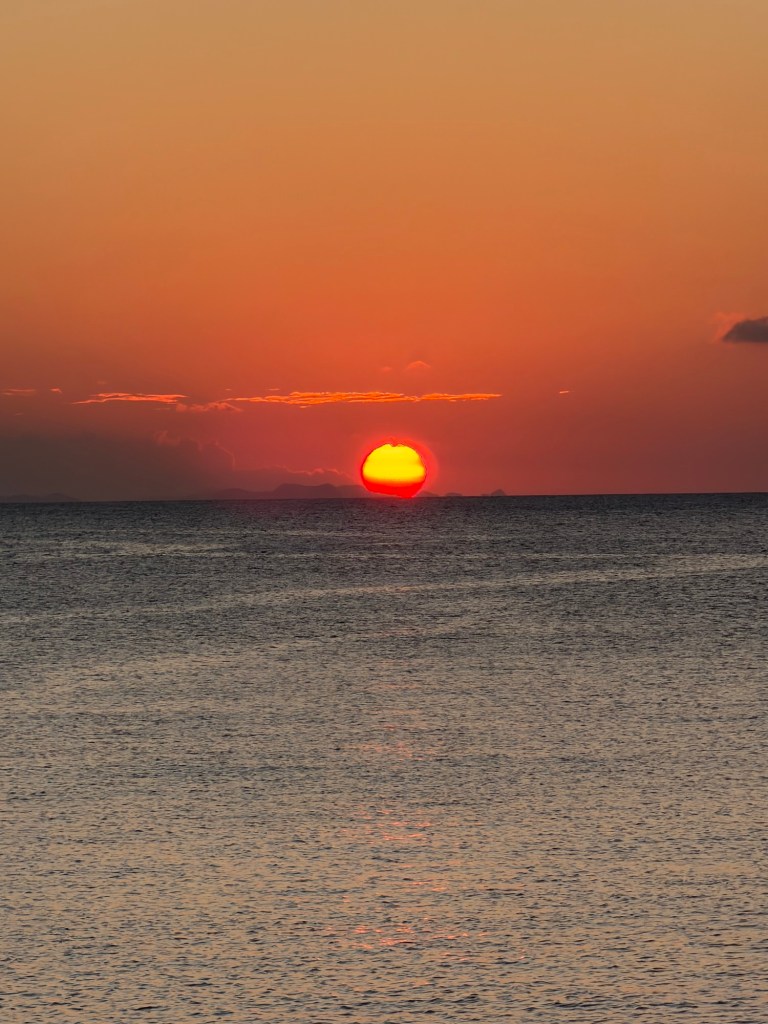
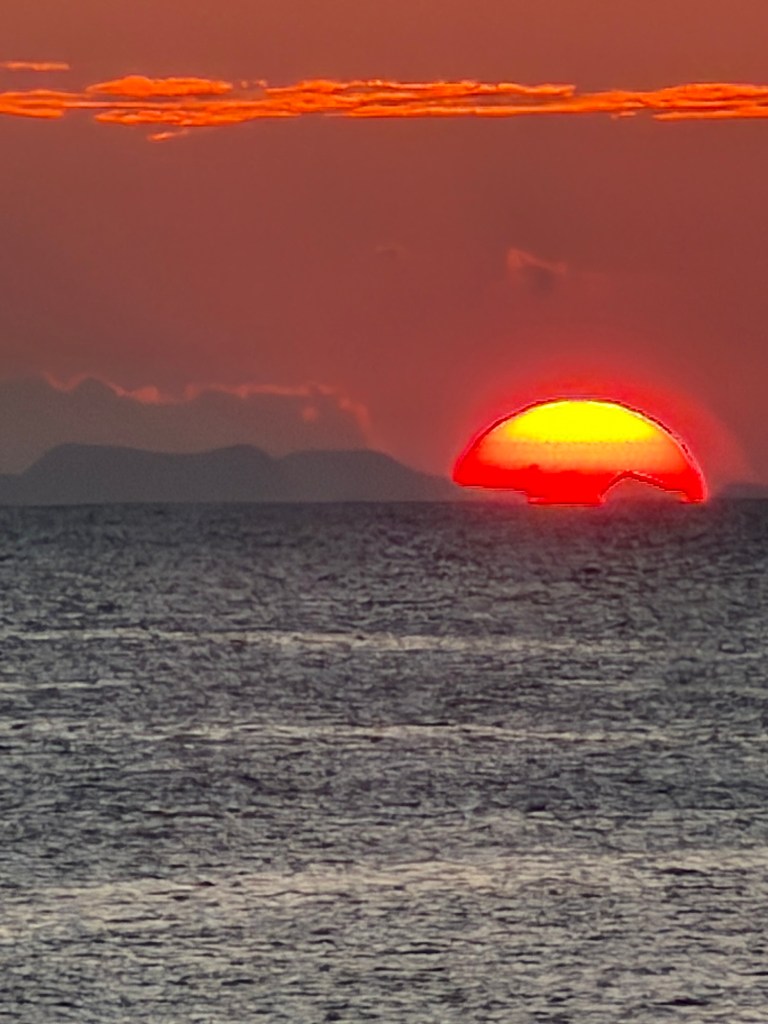
    The beach we are by is renowned for its sunsets. No words needed here…

  • Day 11: Miyajima Island (宮島) 🚂 ⛴️ 🚃 🚠 🦌 📚 🌈
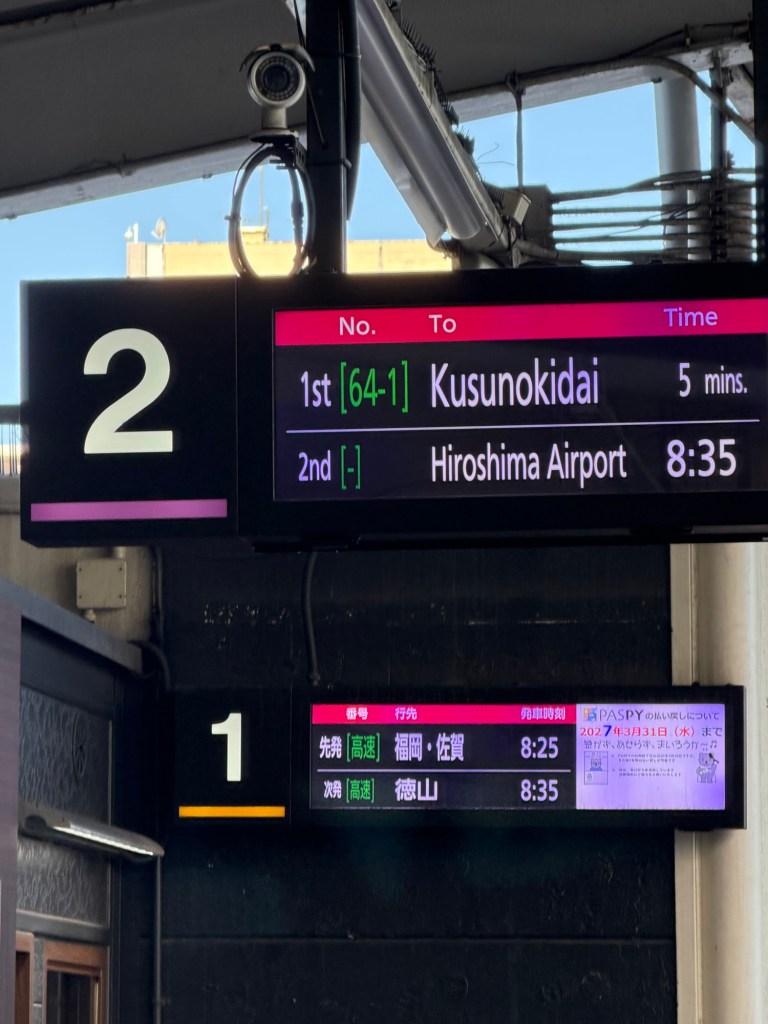
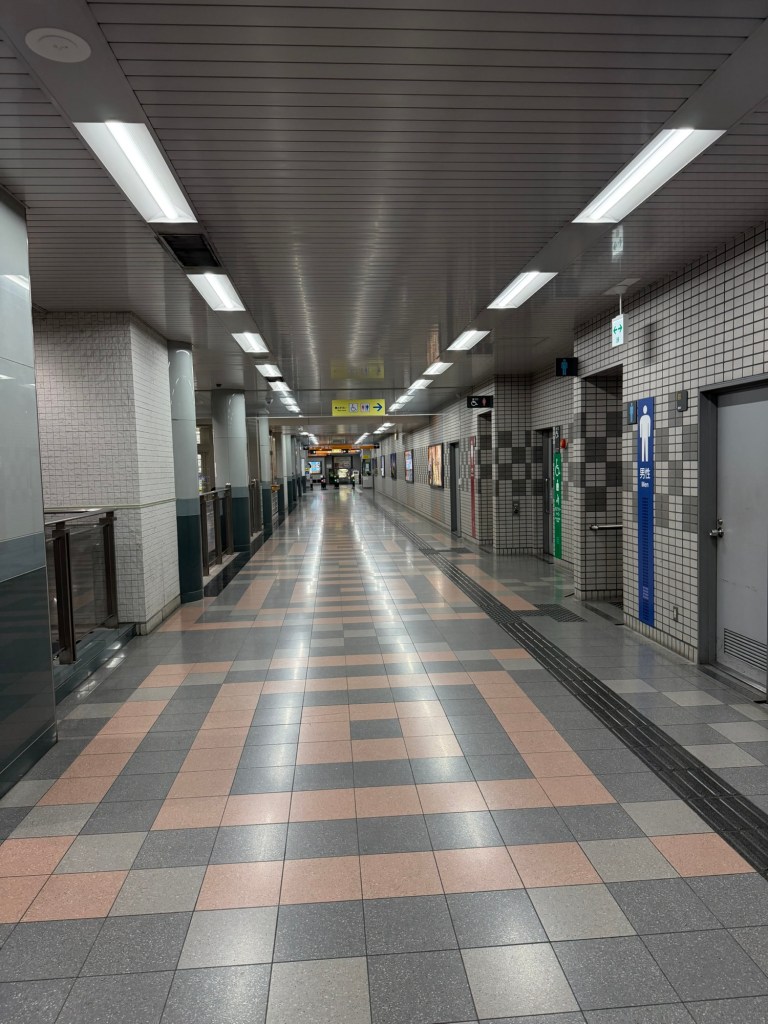
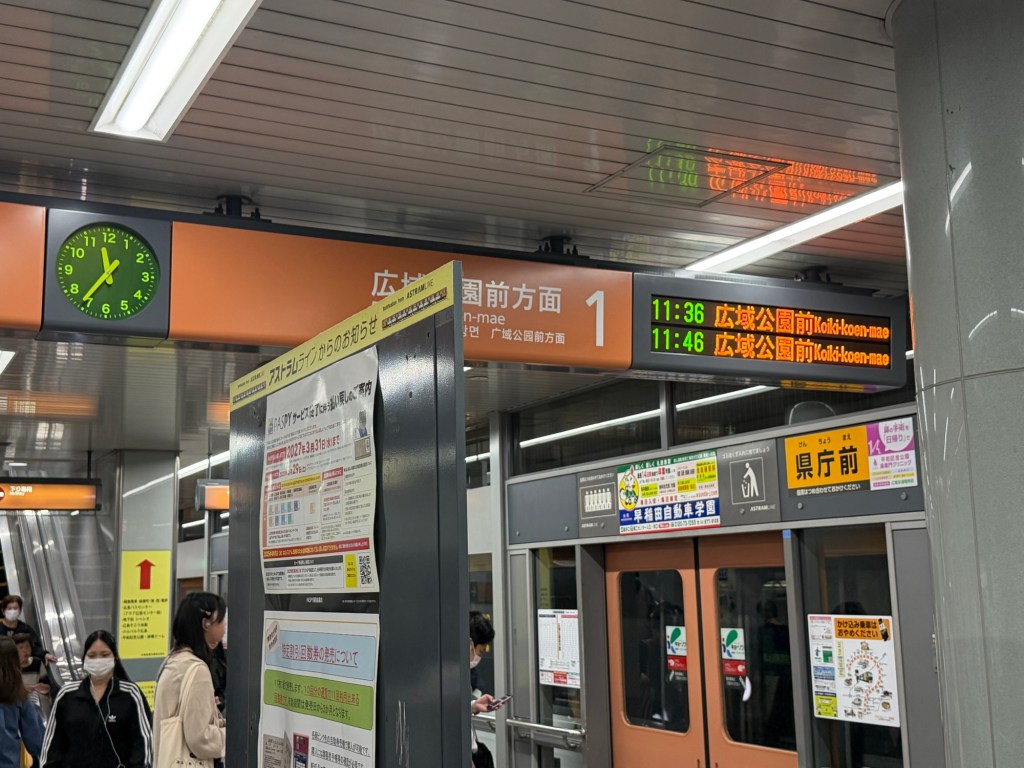
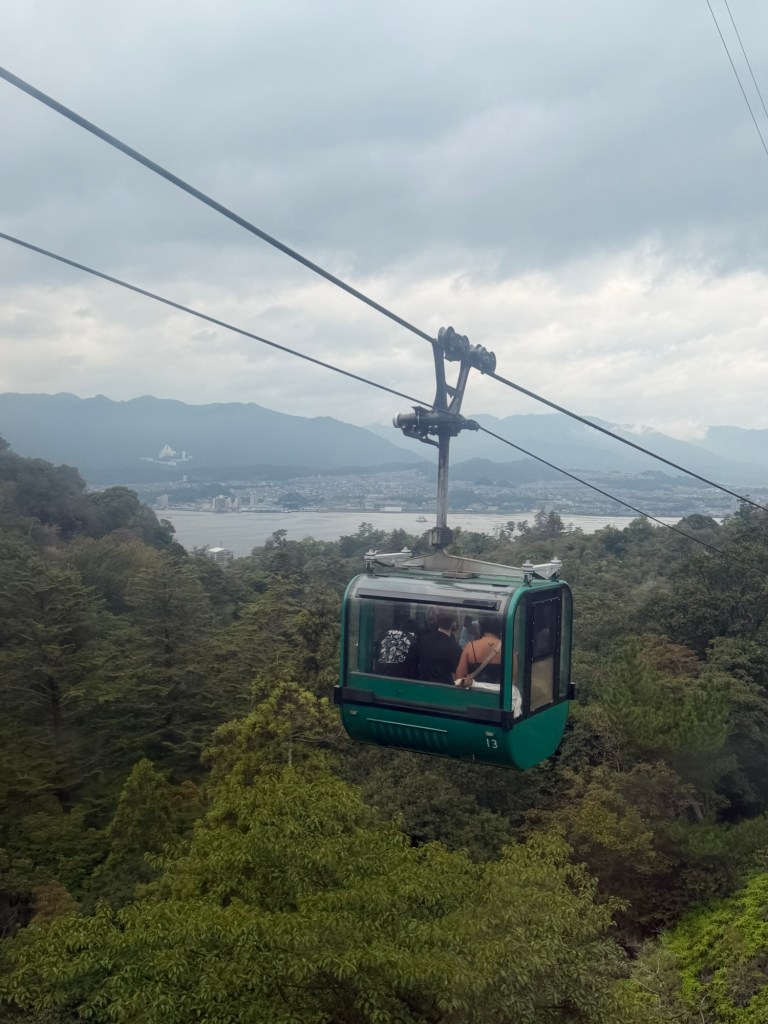
    Today we decided to head out of town and journey to Miyajima Island (宮島). Rather than take the tourist option, avoiding the surcharge sting (£££), we felt like being bold and using public transport again. The first leg was a short underground train ride from Kencho-mae to Shin-Hakushima. The train journey cost 220 yen (£1.09). Again, the station concourse and platform was immaculate. A lot less crowded, too.

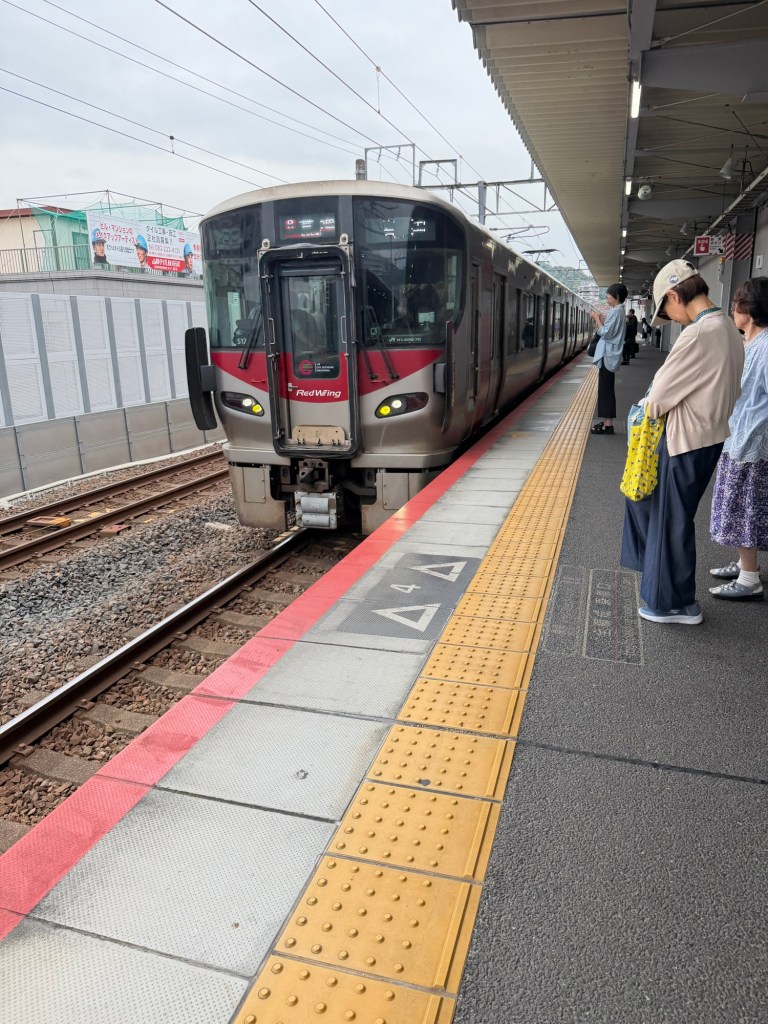
    The train, naturally, arrived on the dot.

    We were asked on two occasions by a lady, and then a gentleman, if we needed help. A far cry from the hurry and scurry of the mega-terminals of Tokyo, Kyoto, and Osaka.

    Due at 12:03. Arrived at 12:03. The train from Shin-Hakushima to Miyajimaguchi Station took 25 minutes, and cost 330 yen (£1.63), one way.

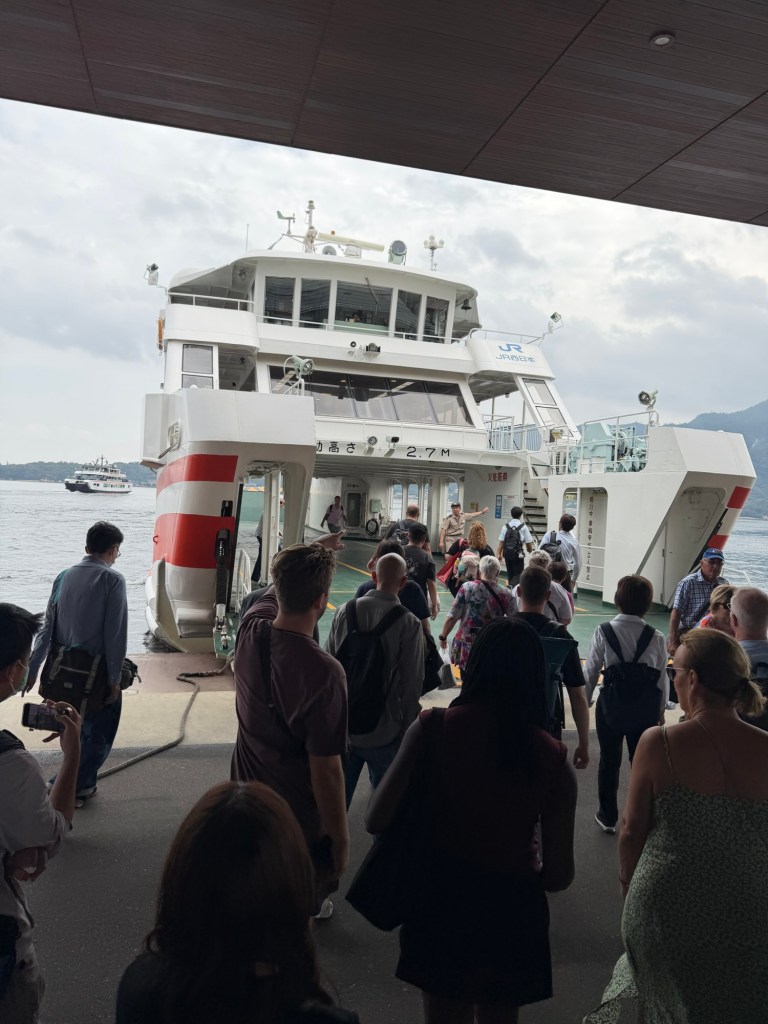
    Next leg: the ferry from Miyajimaguchi to Miyajima Island, costing 660 yen (£3.26) return – a 15 minute journey.

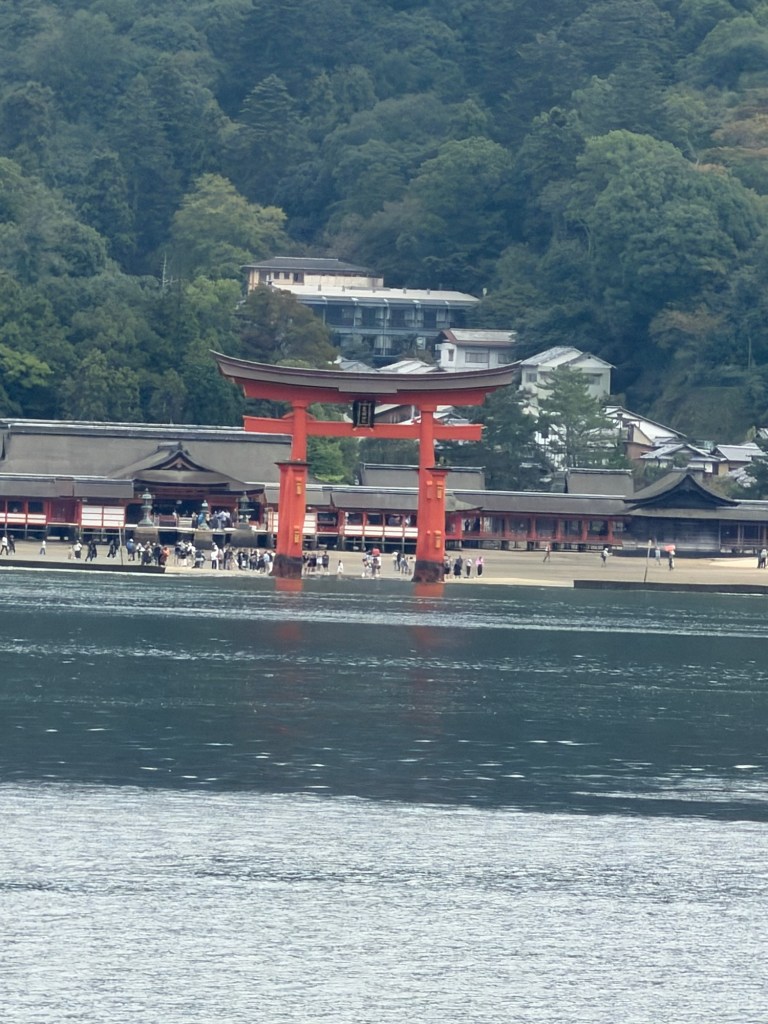
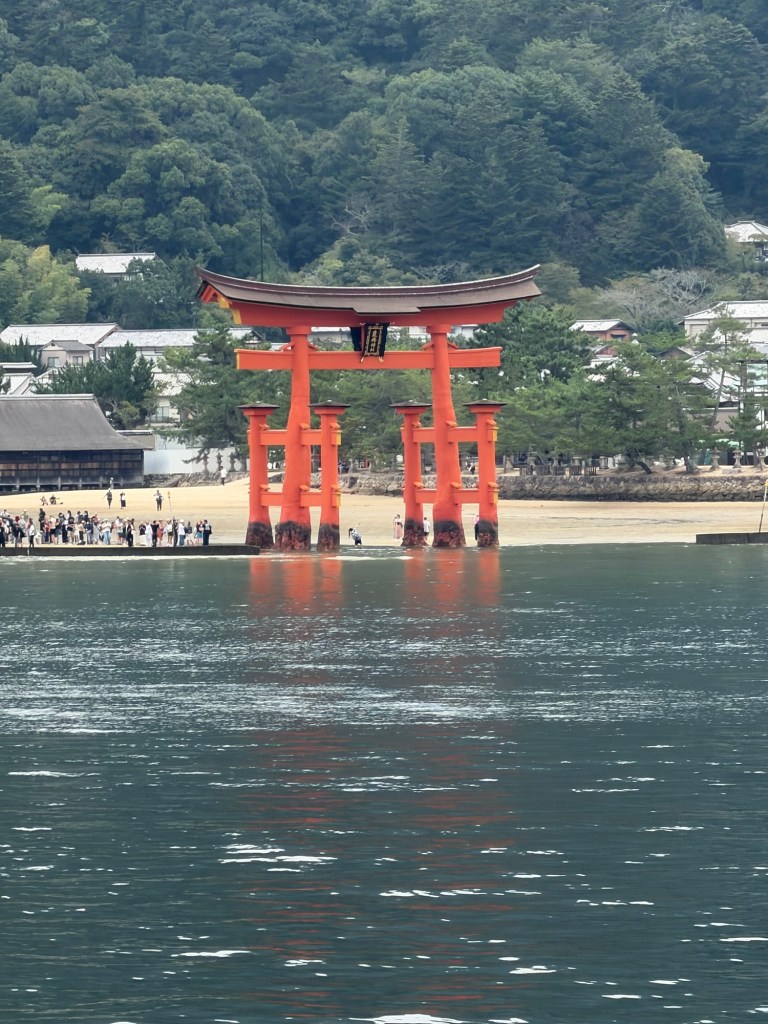
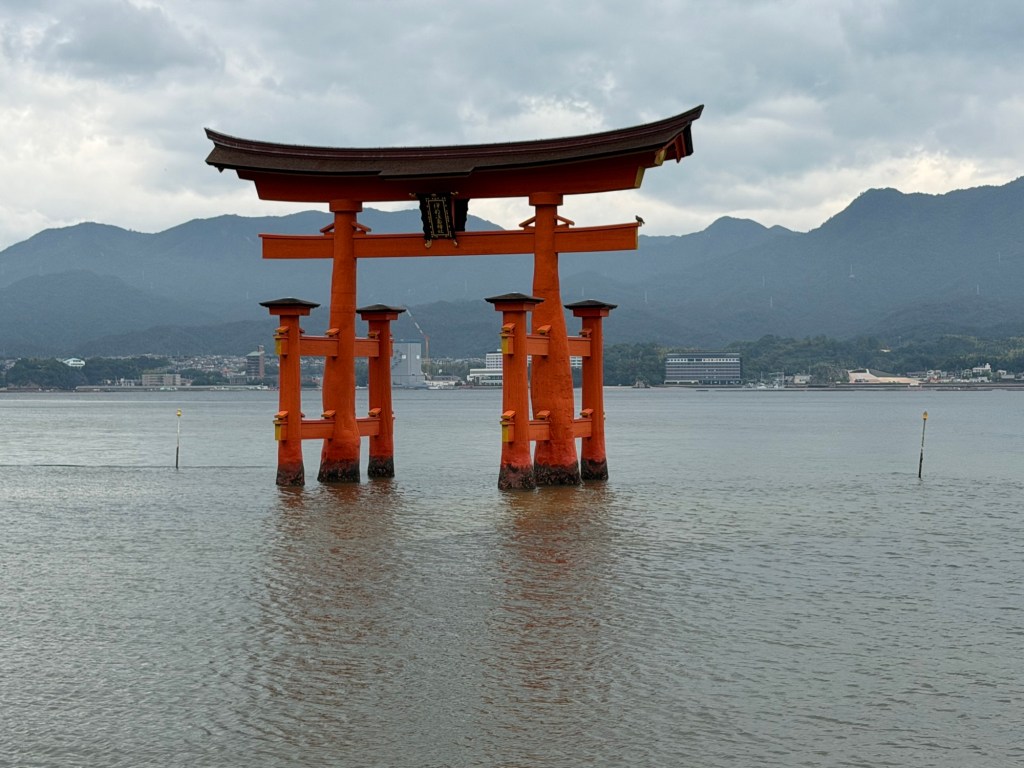
    While officially named Itsukushima (厳島), the island is more commonly referred to as Miyajima, Japanese for “shrine island”. This is because the island is so closely related to its key shrine, Itsukushima Shrine. Like the torii gate, the shrine’s main buildings are built over water.

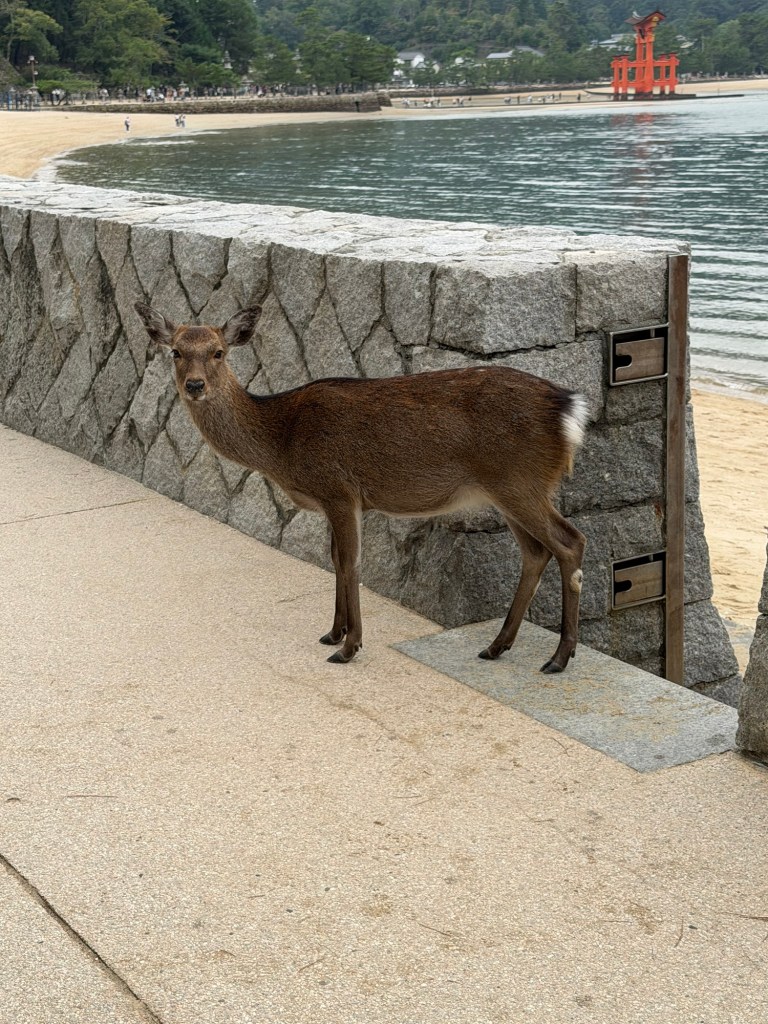
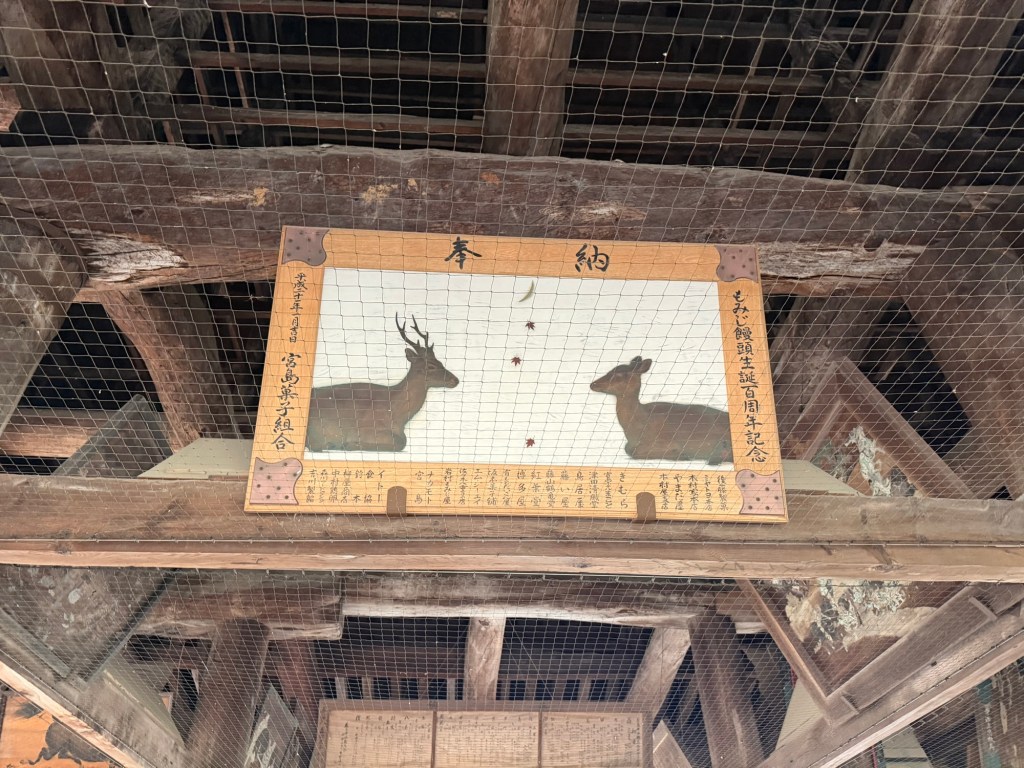
    The island is inhabited by a sizeable population of deer, which are happy to mooch around all areas.

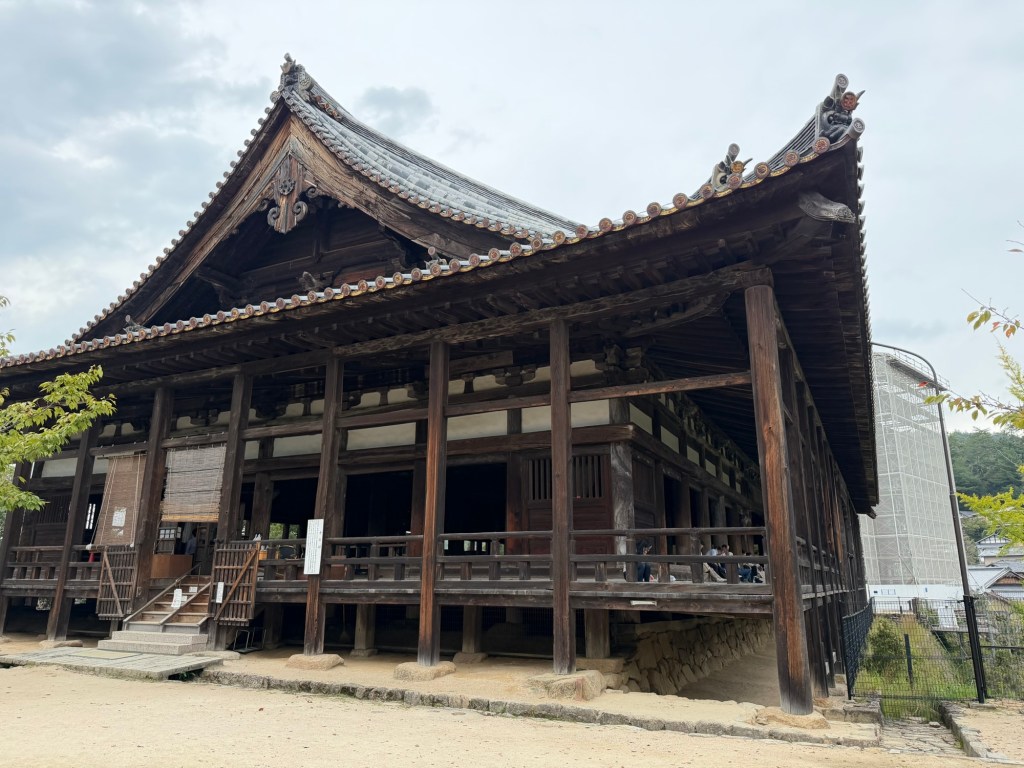
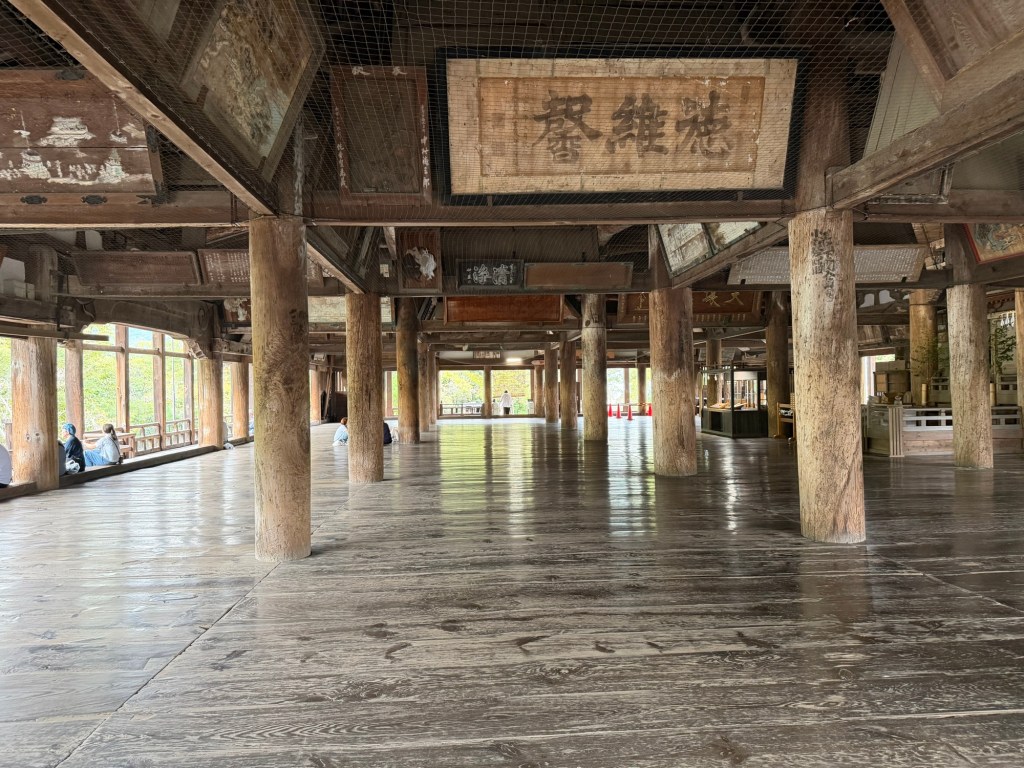
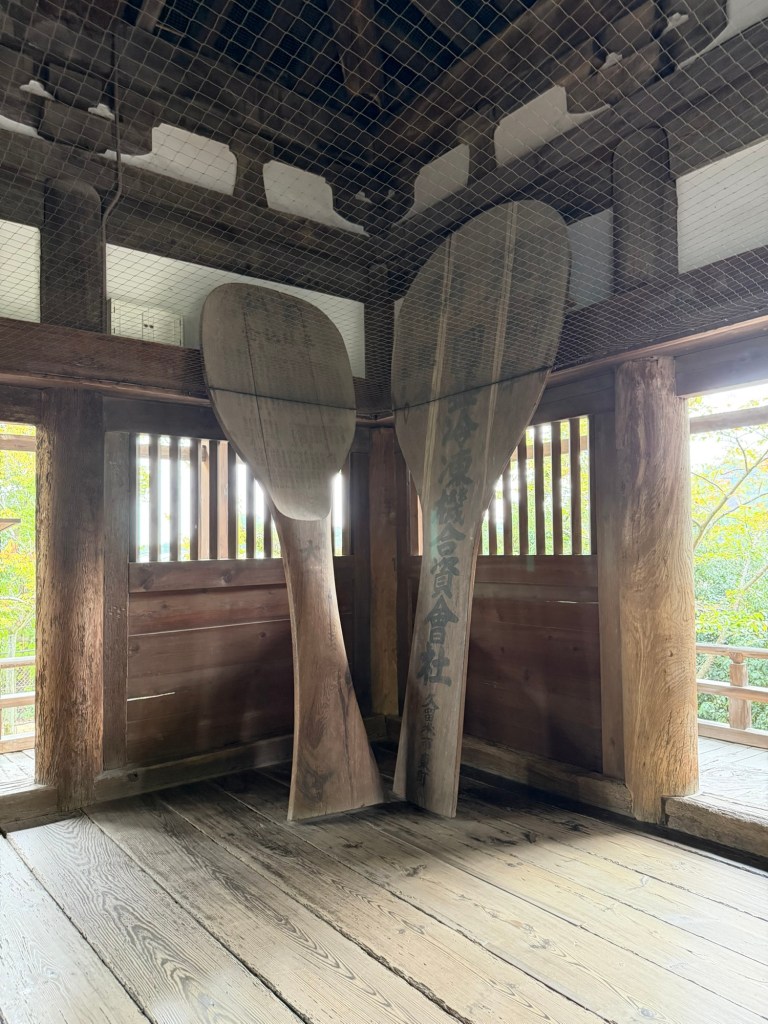
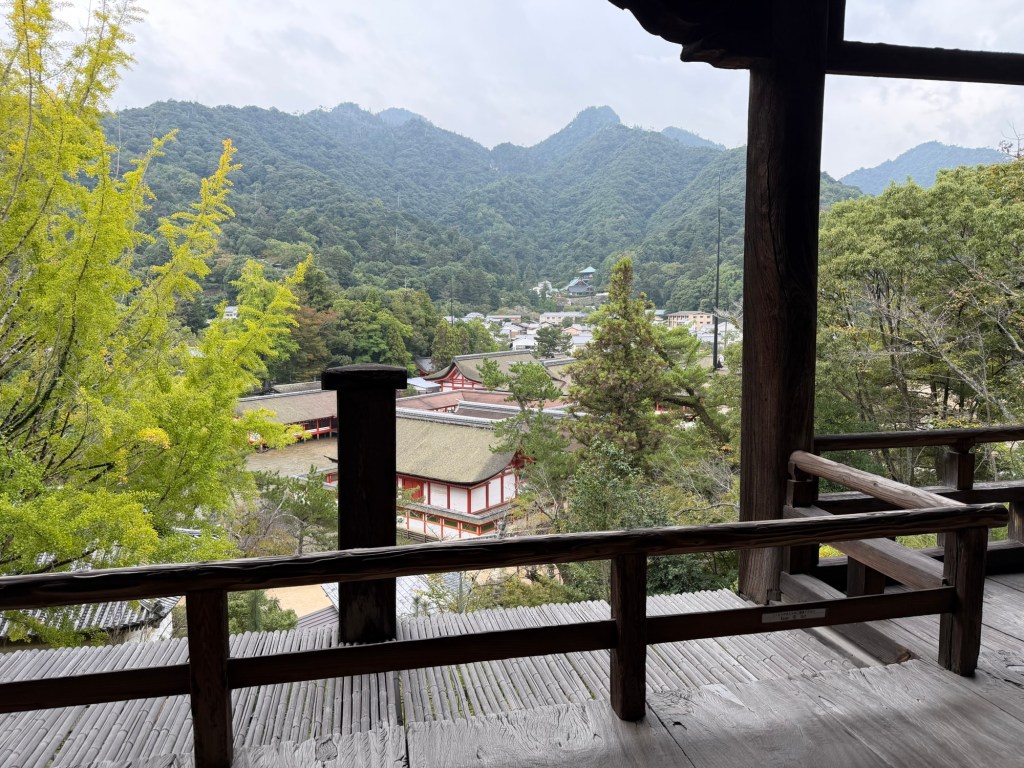
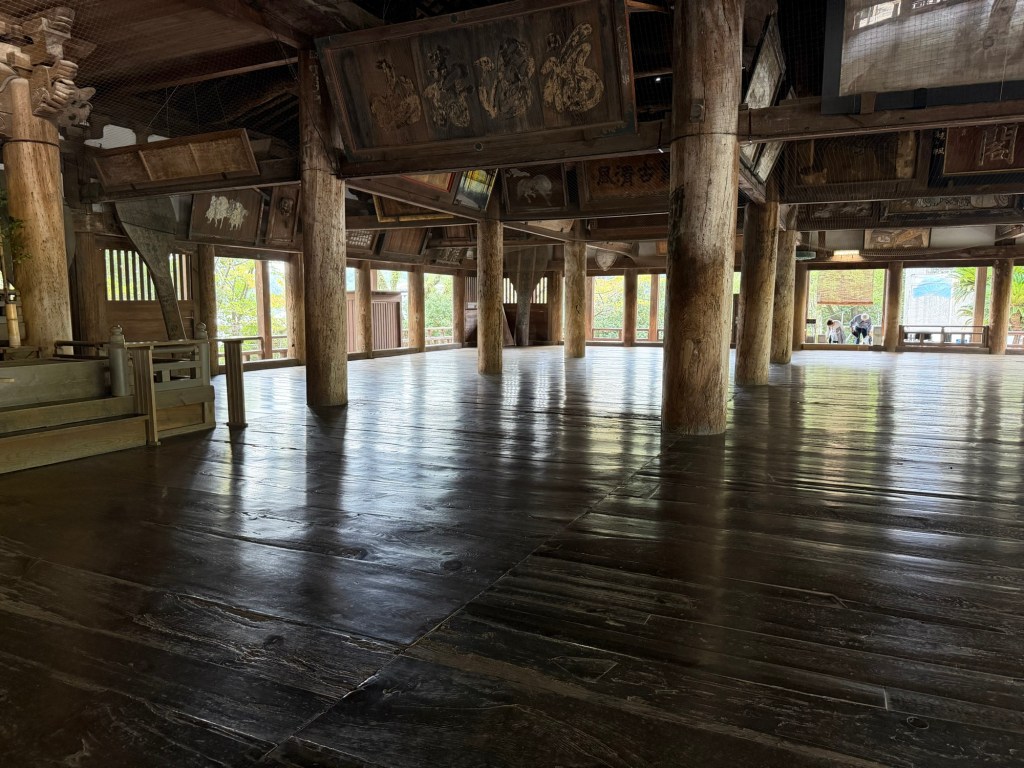
    A little away from the tourist types (I know!), we hit upon Hokoku Shrine, dedicated to the warlord Toyotomi Hideyoshi (one of the three unifiers of Japan in the 16th century) and his loyal aid Kato Kiyomasa. It is believed that it was to be a Buddhist library, and that the construction of the building was not completed.

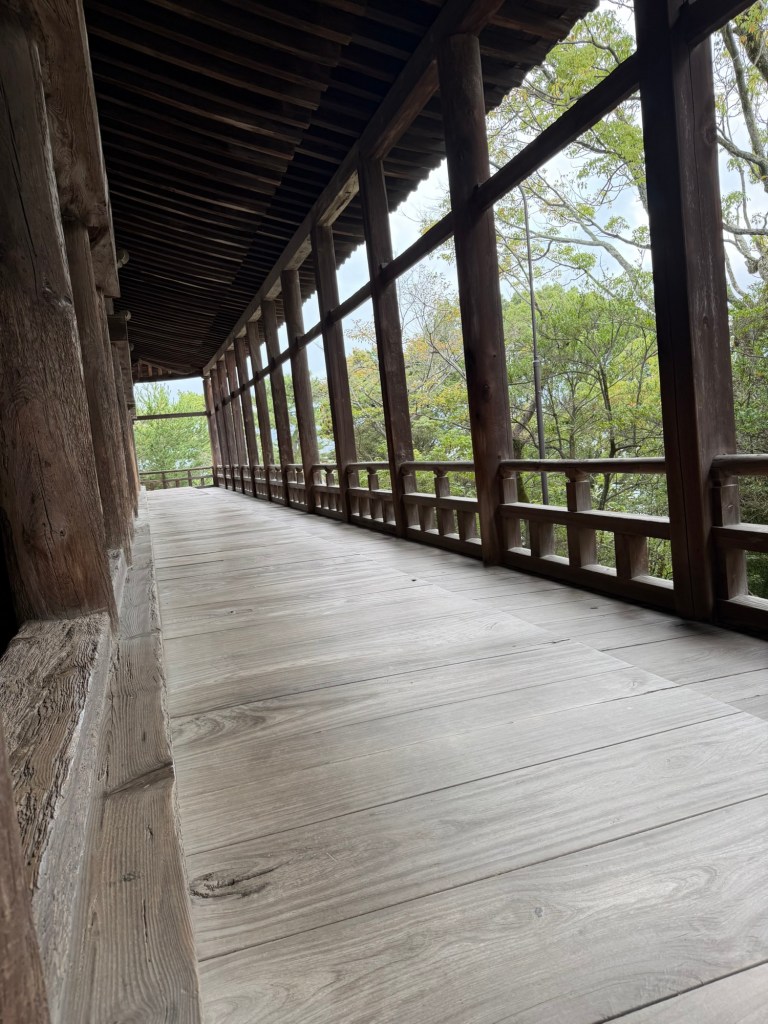
    The fact that this structure, unique among the buildings belonging to Itsukushima Shrine, is unpainted and that its exact date of founding (1587) is recorded makes it a valuable gauge of the passage of time. The traces of weathering on its pillars and floor boards can be used to determine the approximate age of any other wooden structure on Miyajima.

    We found it be a very peaceful place, and could well imagine it being a magnificent library.

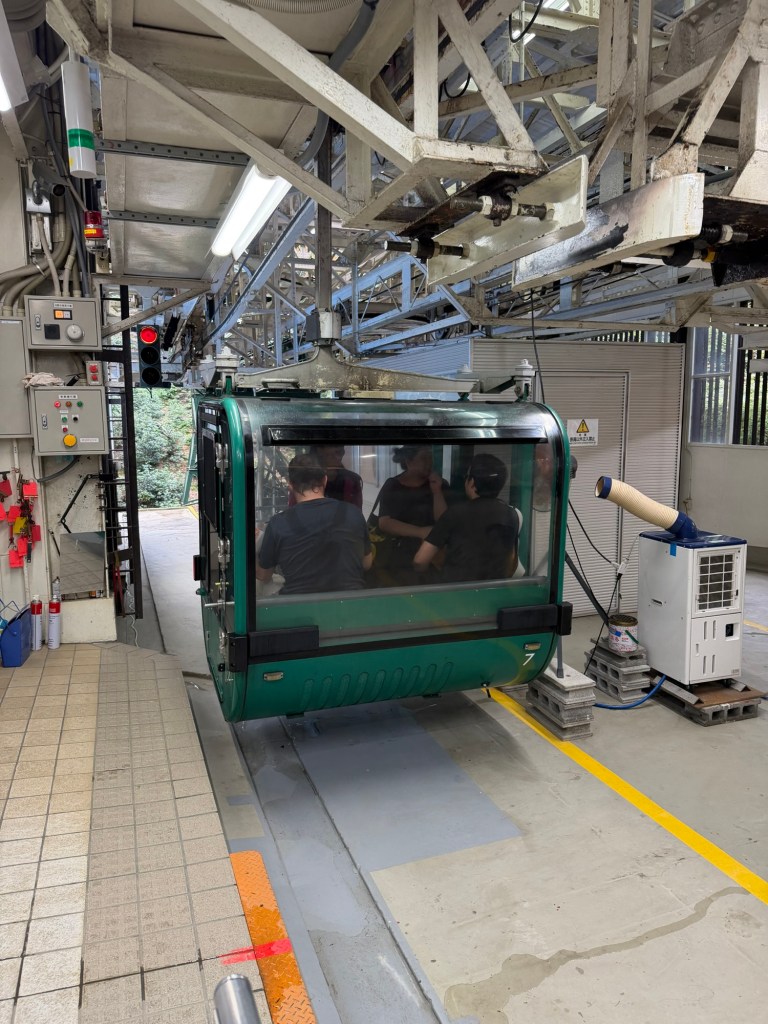
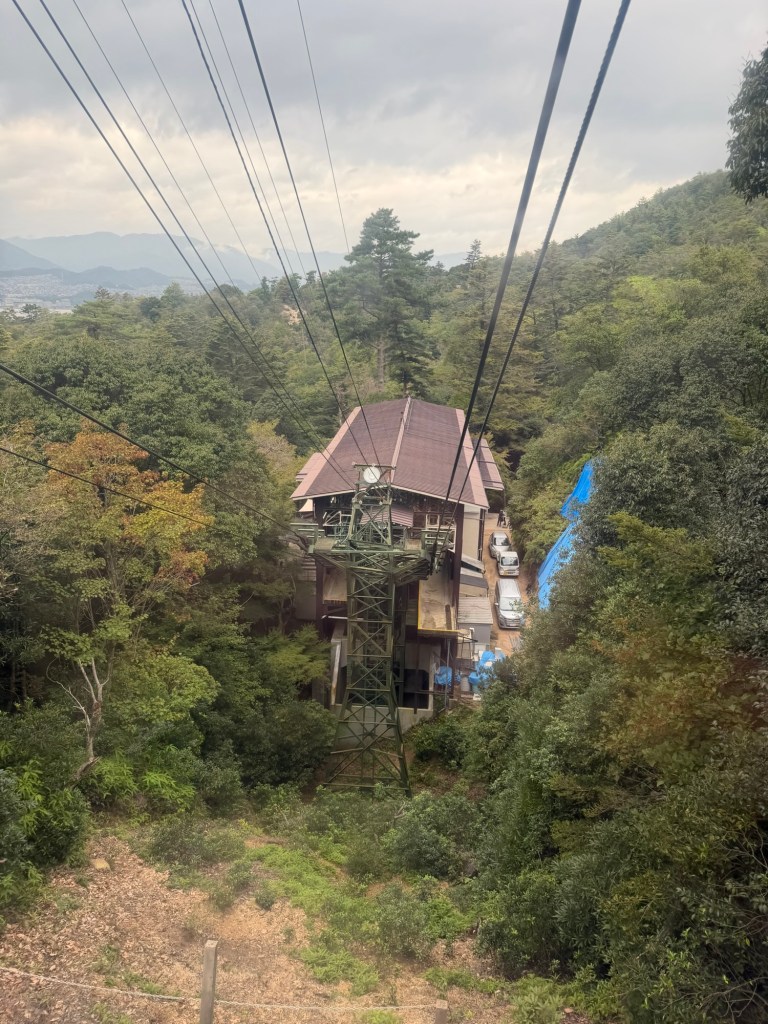
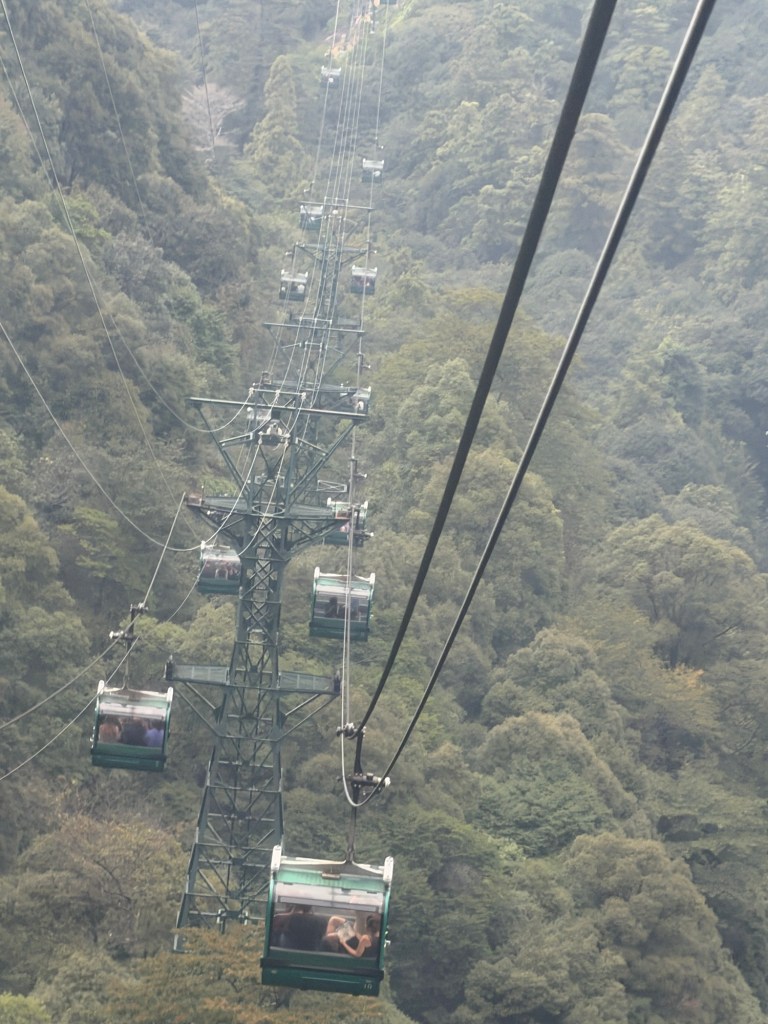
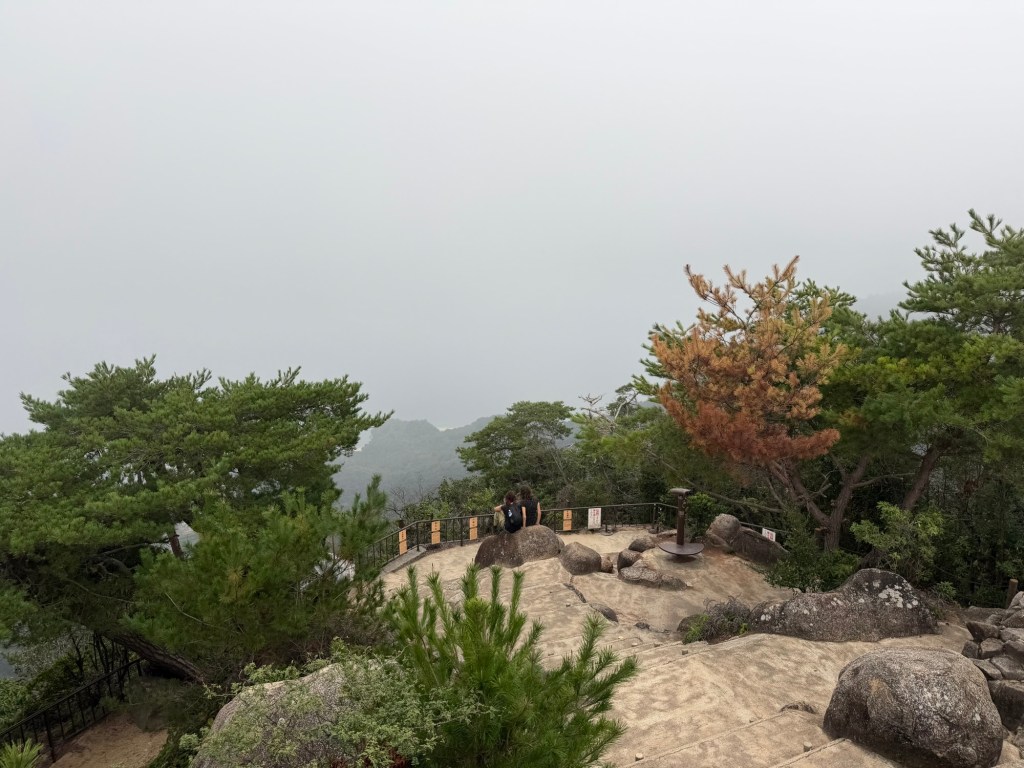
    The highest peak on the island is Mount Misen (弥山) at 535 metres above sea level. You can take one of three walkways to the top. We opted for the fourth way.

    The views from the summit are magnificent, apparently. Unfortunately, an already hazy day, turned to rain (the first we have experienced over here) but hey!

    535m below, back from the summit, we dawdled through town – as do the deer.

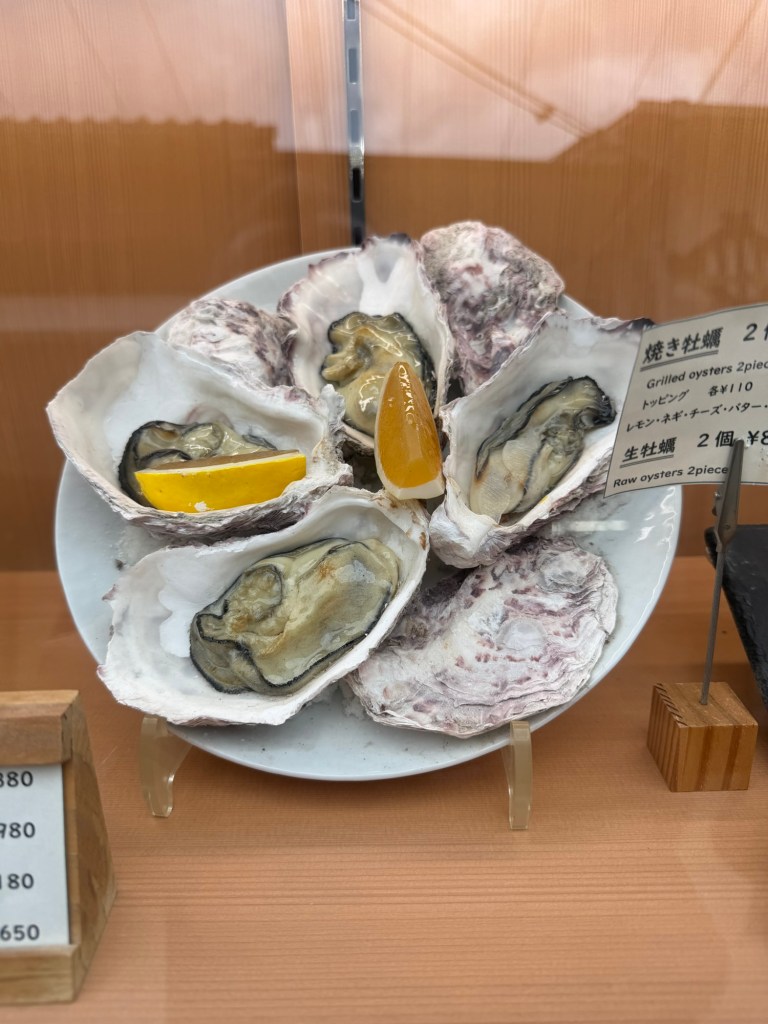
    I appreciate I have harped on about the artificial food models outside eating places but thought I would share this fine representation of the craft. A whole new level!

    The tide was on its way in

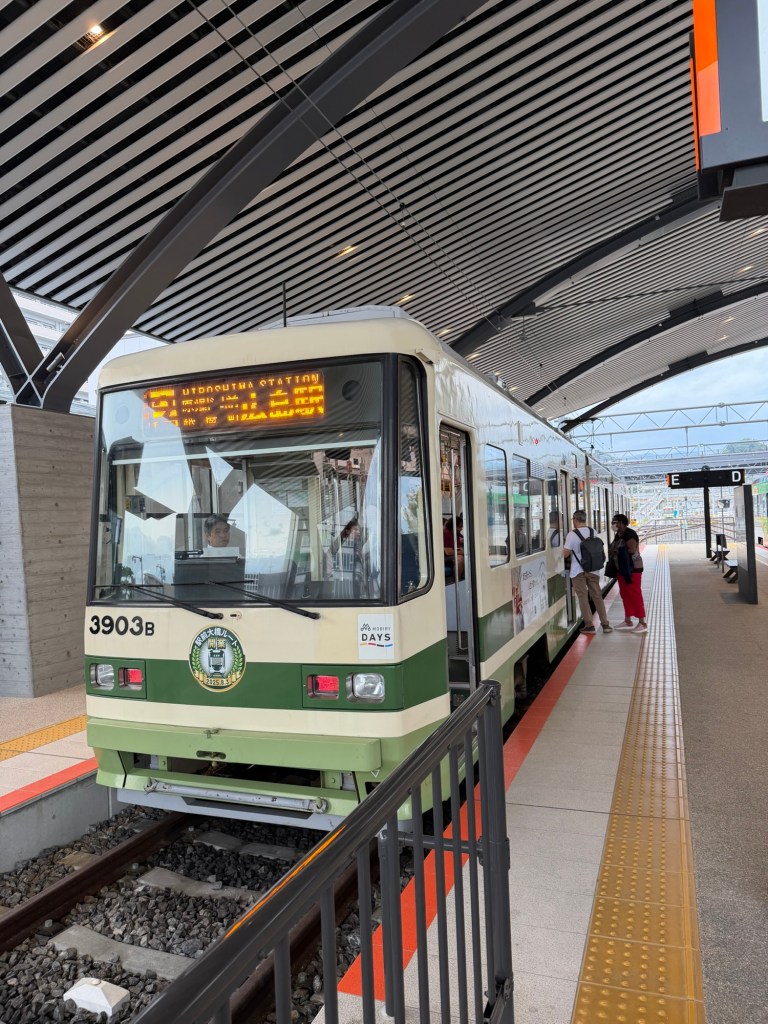
    The one mode of transport we had not used was the tram, of which there is a very lengthy and extensive network. So, after getting the ferry back to the mainland, we had a go.

    The tram journey back from Miyajimaguchi to the centre of Hiroshima, our base, took 50 minutes and cost the princely sum of 240 yen (£1.19). So, we spent a grand total of 2 x £7.14 = £14.28 on getting to and from Miyajima Island, having used public transport. Believe me, that is a tiny, tiny fraction of what tour operators are charging. We are not tight but we took enjoyment from both the doing and the saving.

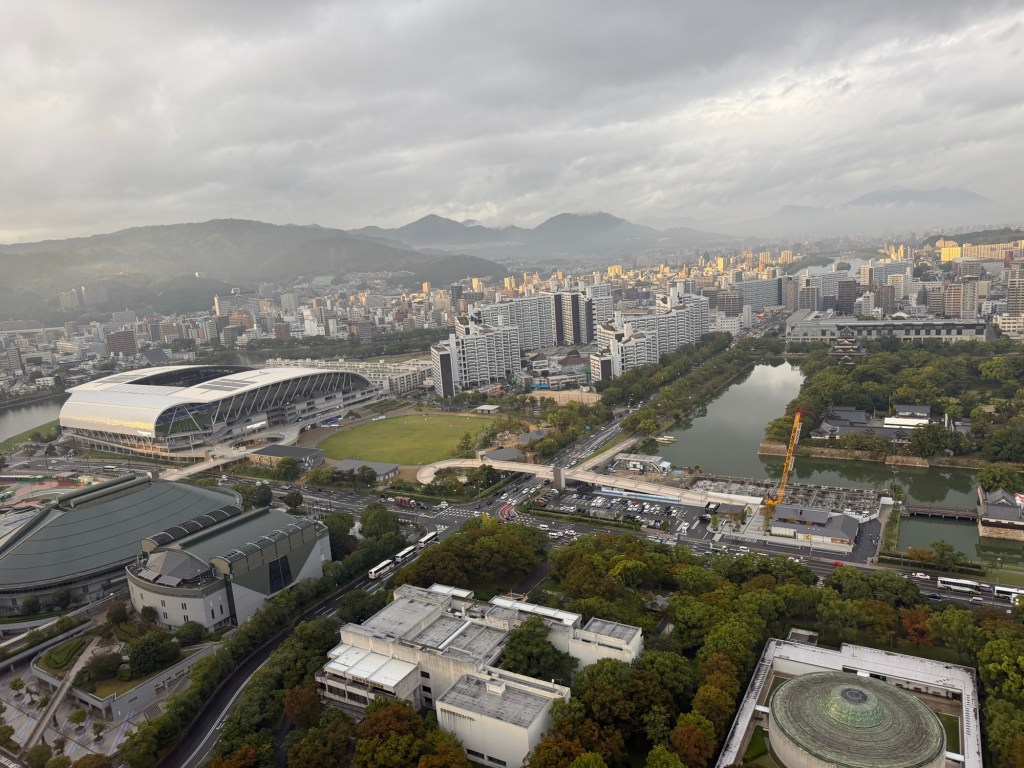
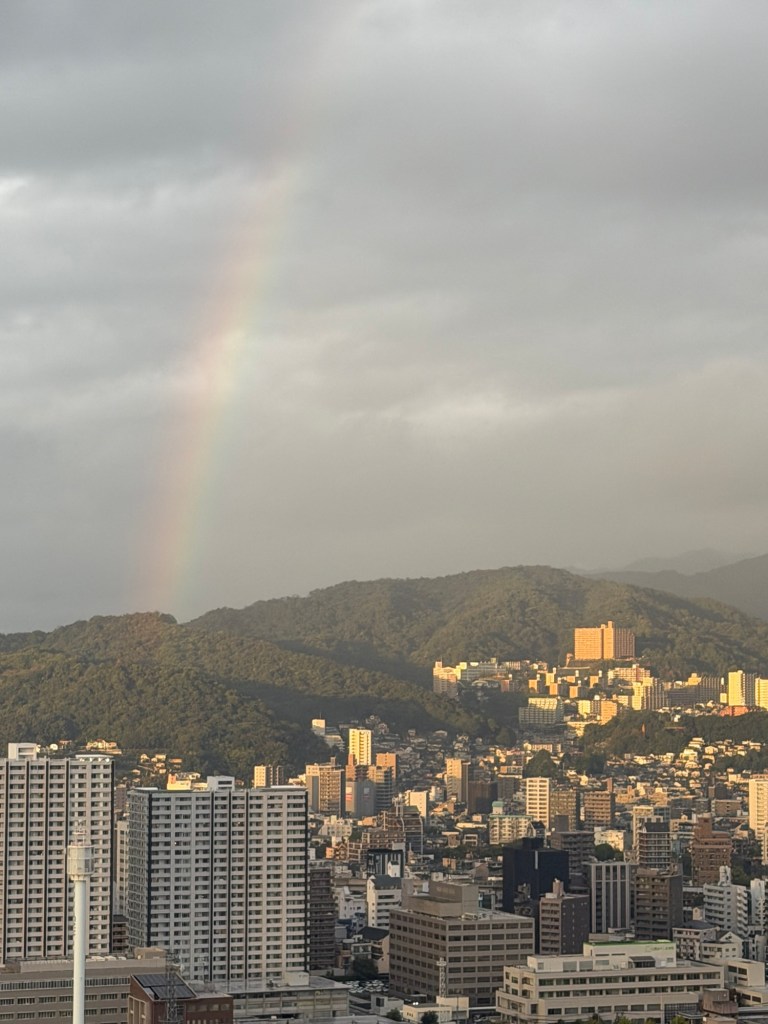
    Returning to the hotel, we found there to be a lovely early evening light. A light that made the view from our room all the more special.

    And we are taking this to be auspicious as we prepare for tomorrow’s journey south to Okinawa (沖縄県) 🌈

  • Day 10 (B) Hiroshima 広島: Sanfrecce Hiroshima F.C, Father Hugo Lassalle, Pope John Paul II, and Girl Power

    After leaving the Peace Park we sought out something a little lighter, if remaining reflective, given the morning’s experience.

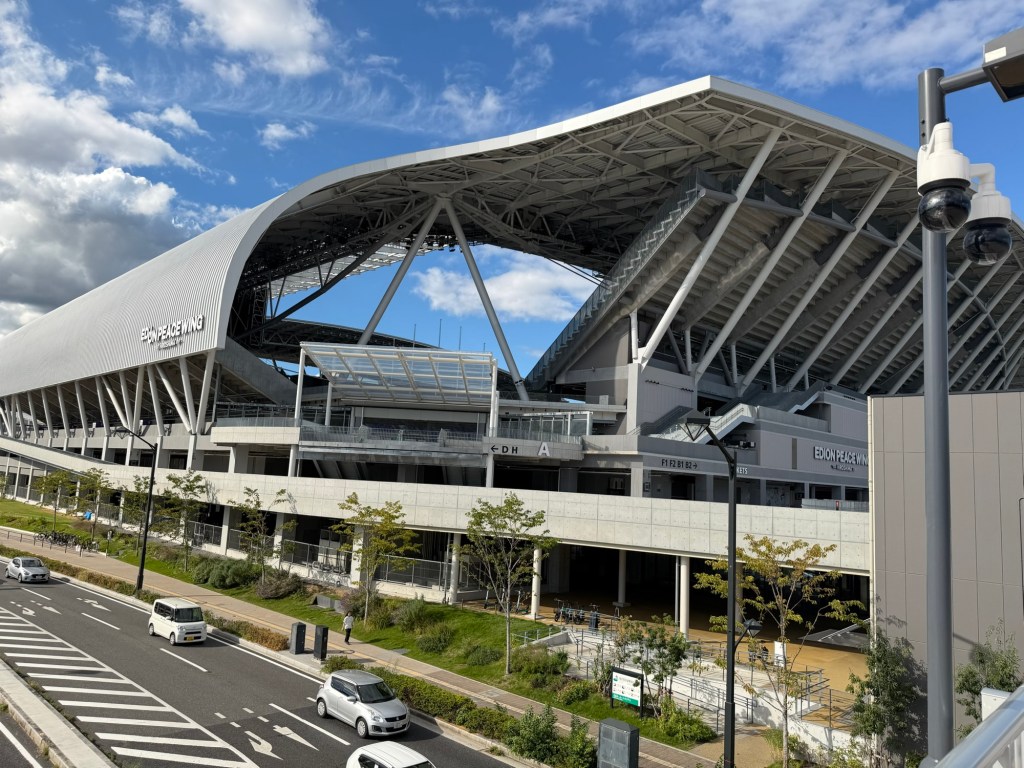
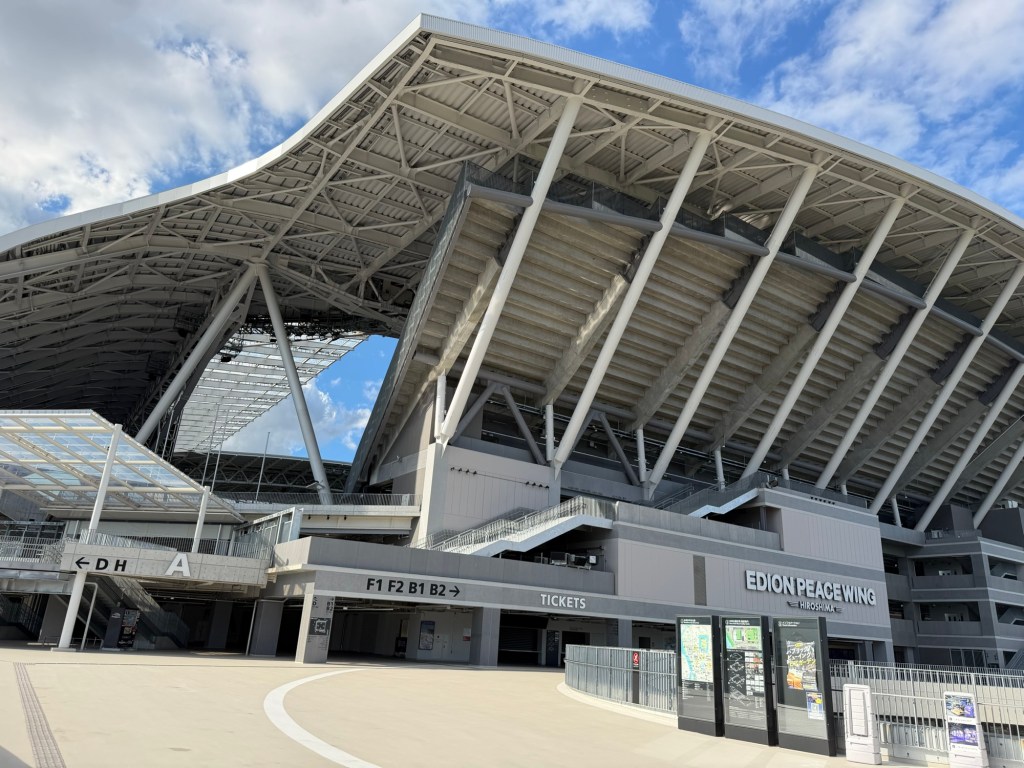
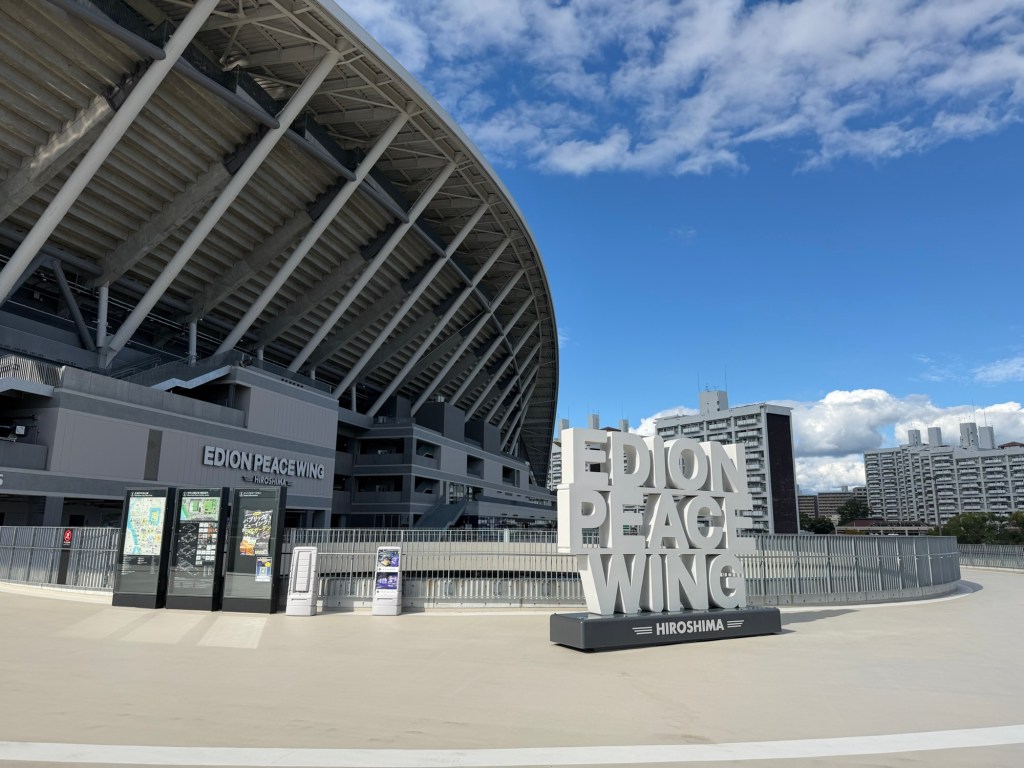
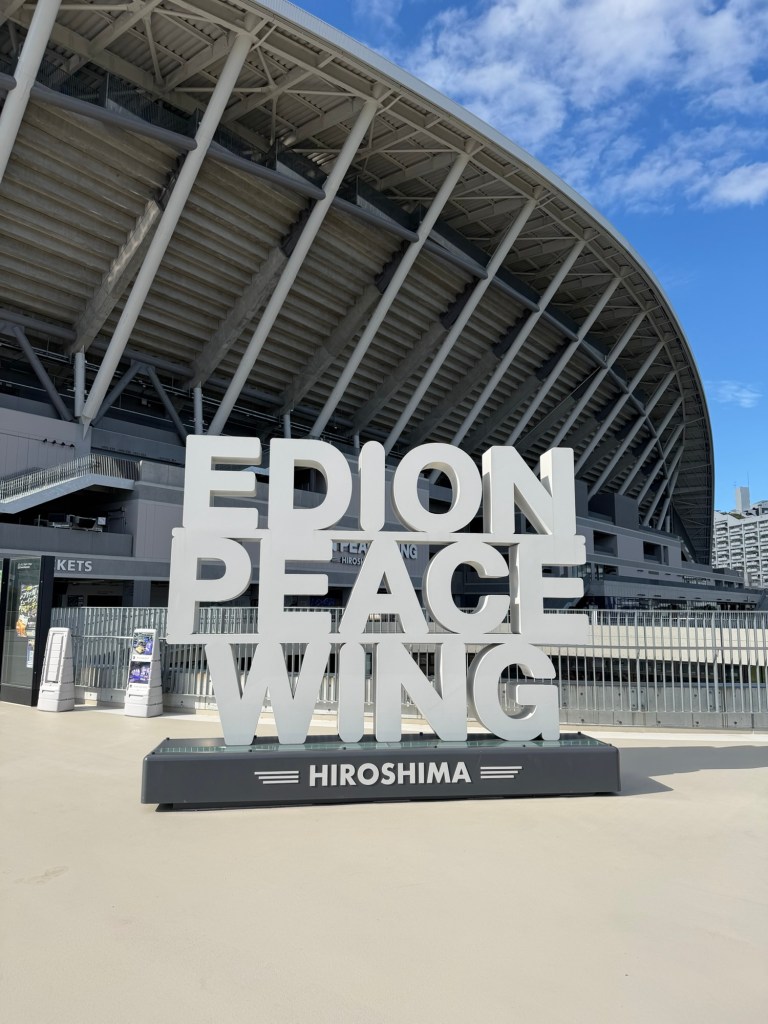
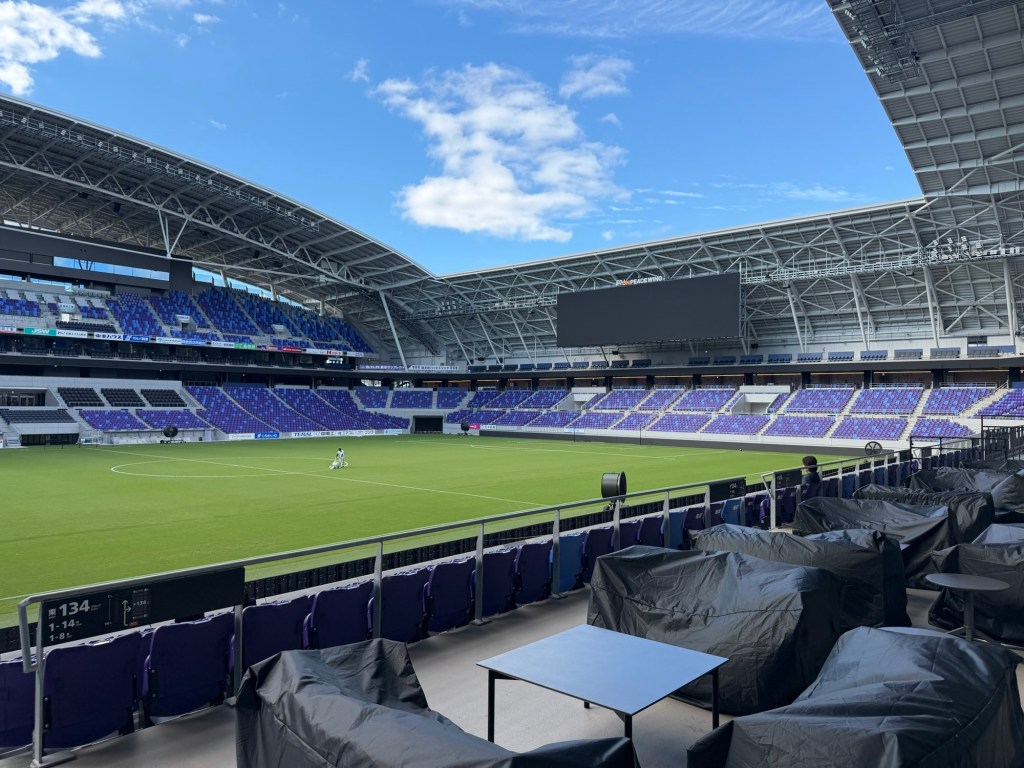
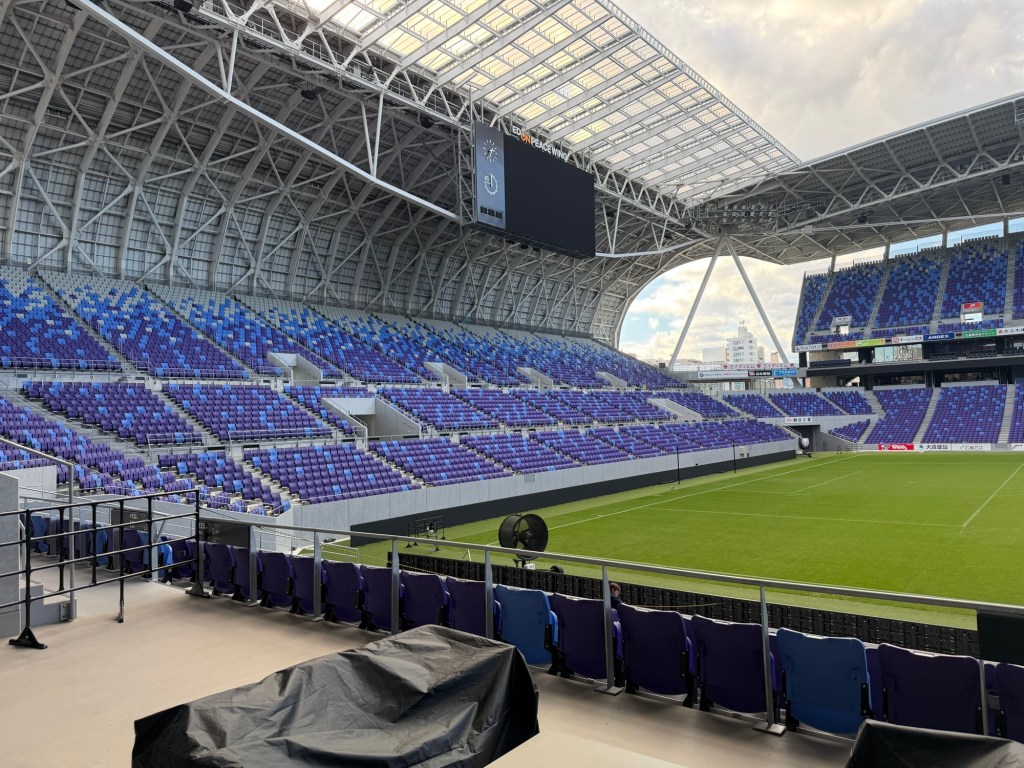
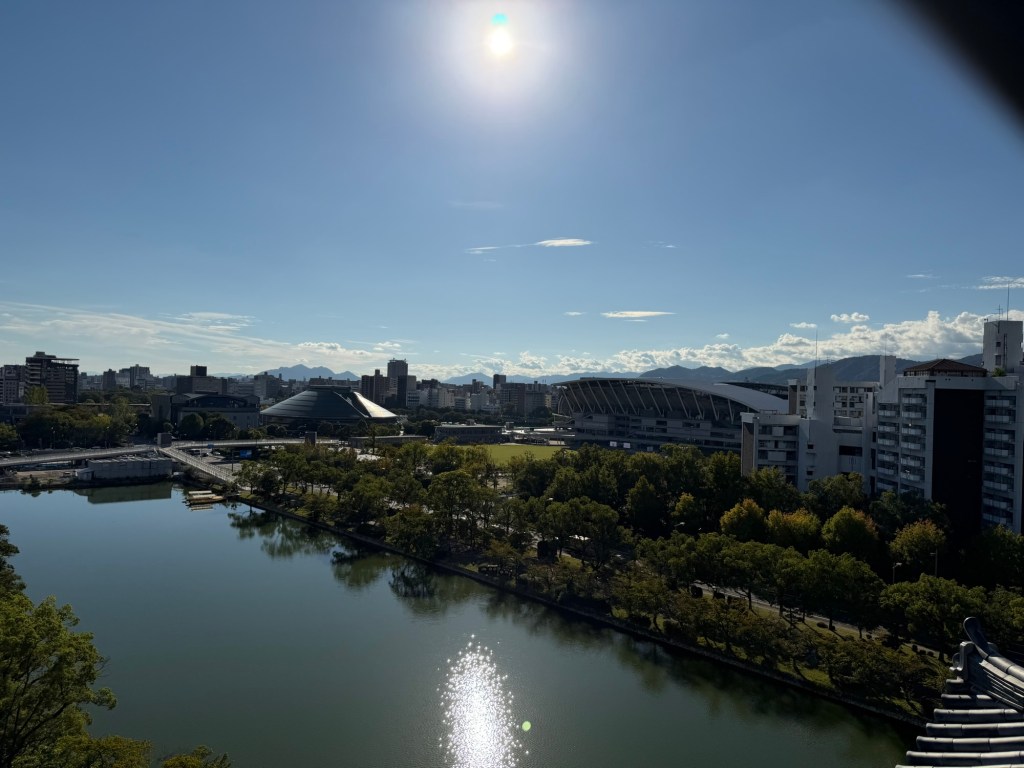
    Just across from the park is the recently built football stadium, home to Sanfrecce Hiroshima F.C. A home that many an English football team would be proud of.

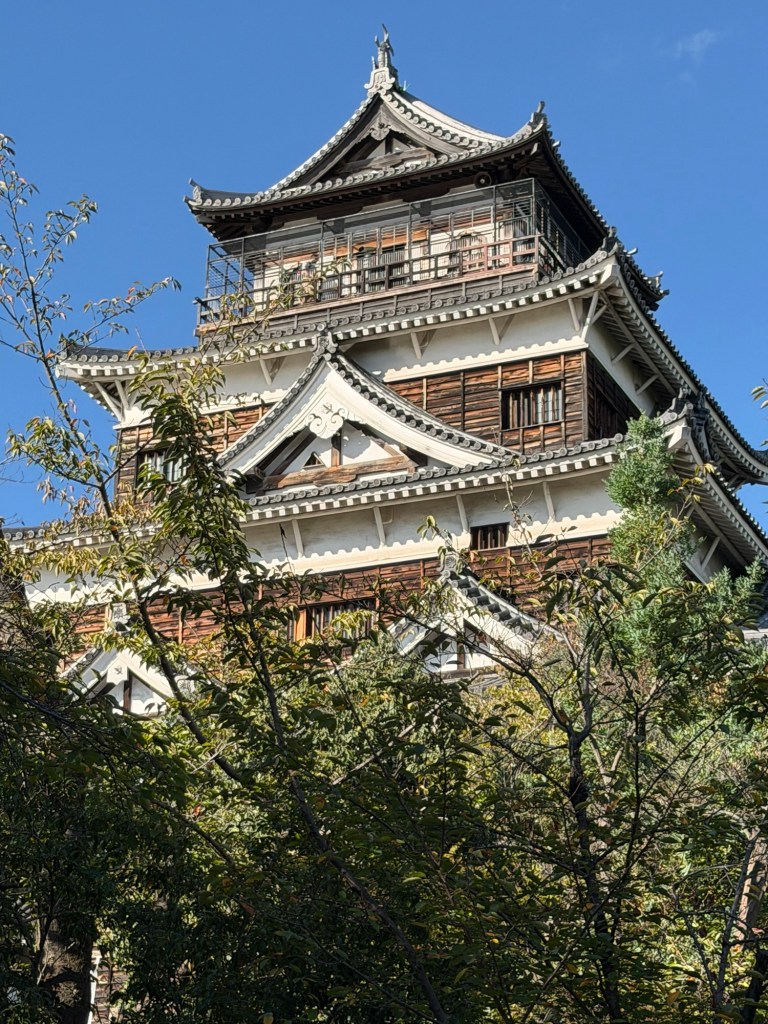
    A little further along the way is something – necessarily reconstructed – that marks a very different era: Hiroshima Castle.

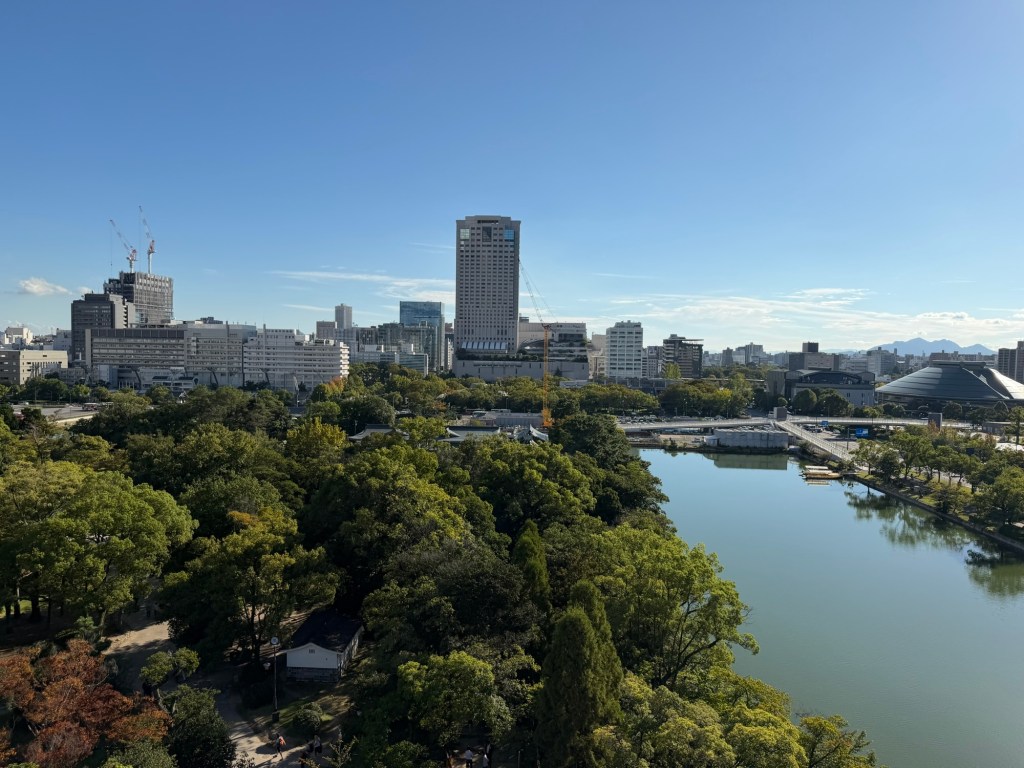
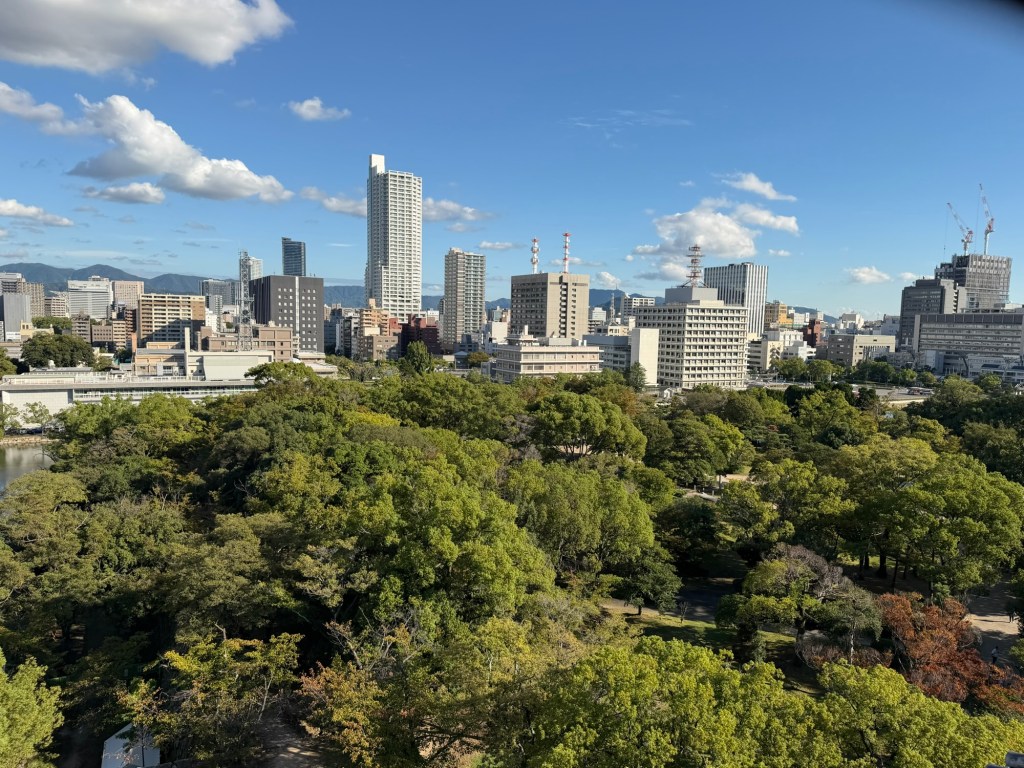
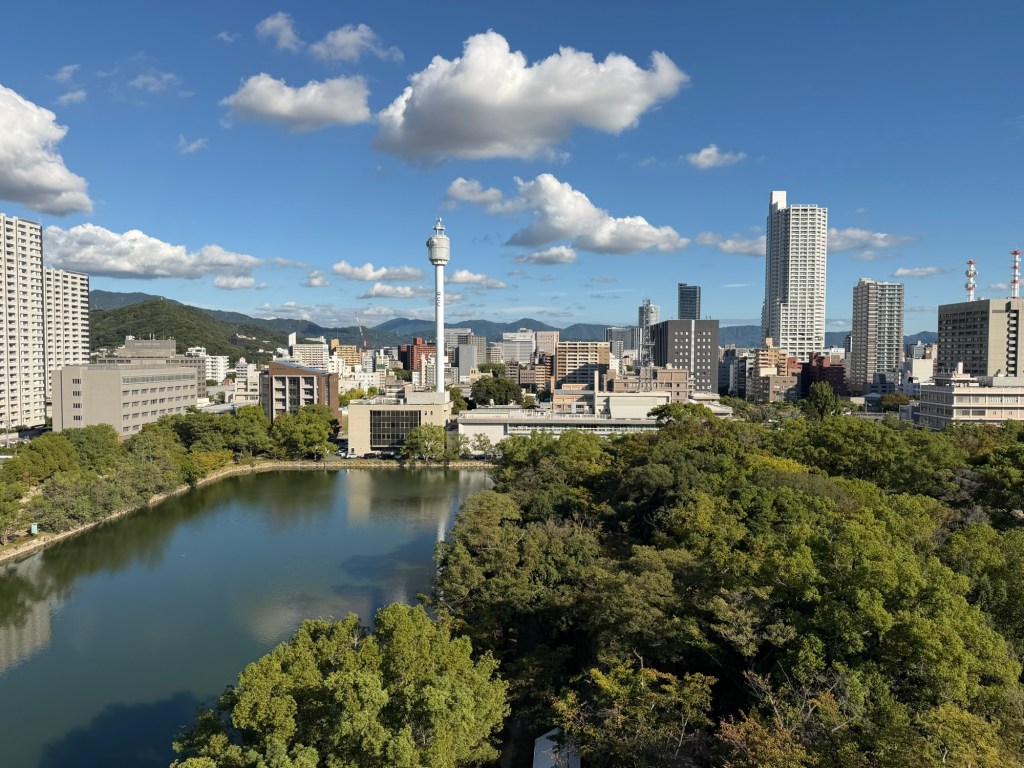
    The Castle Tower offered great views of the city.

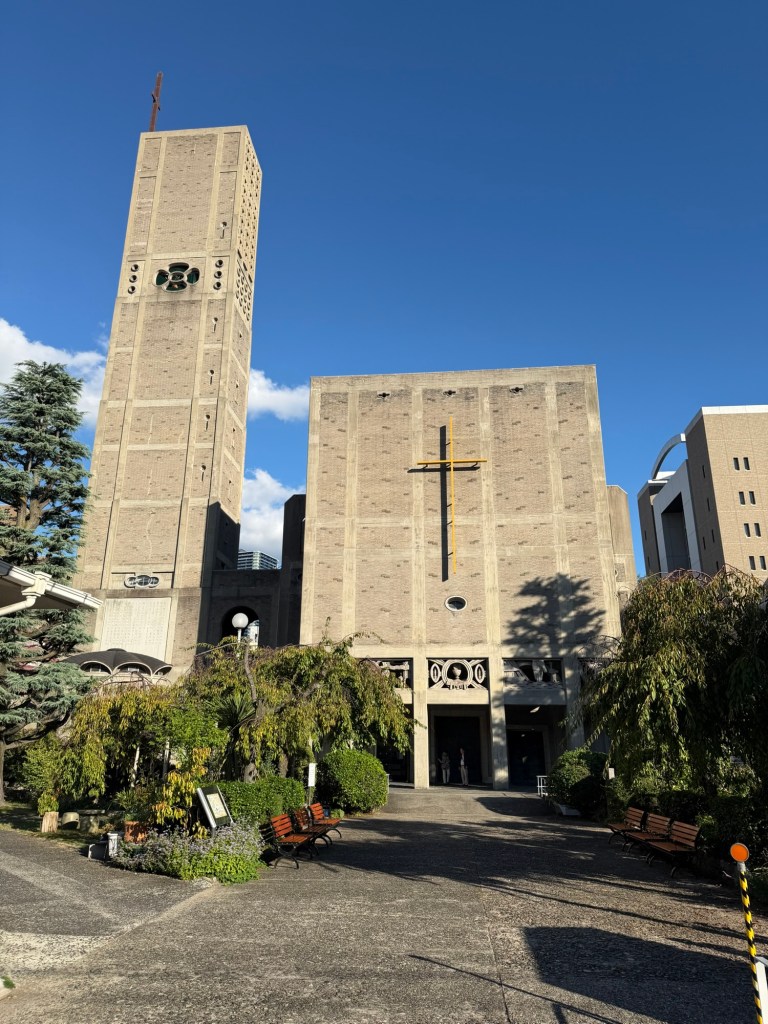
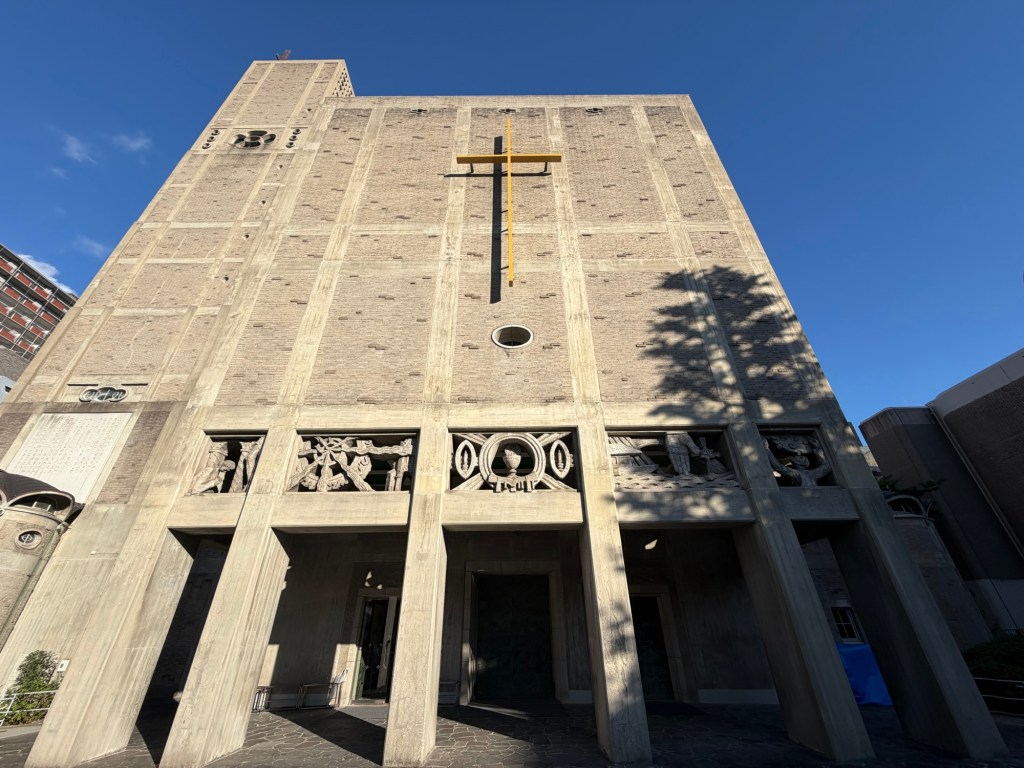
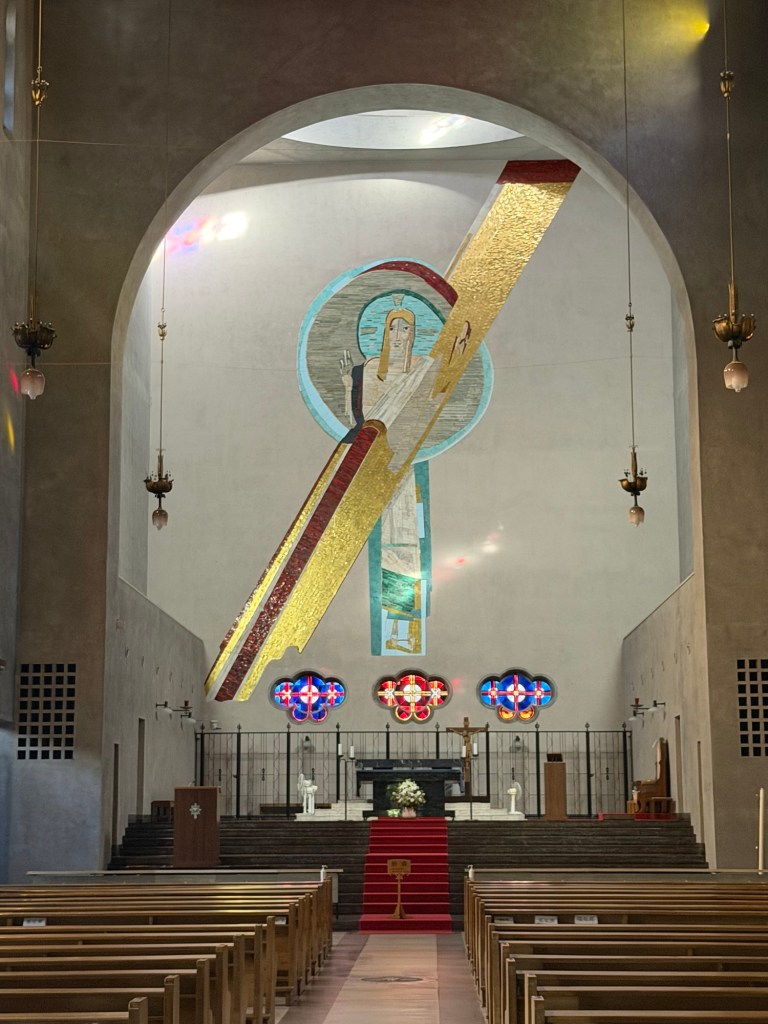
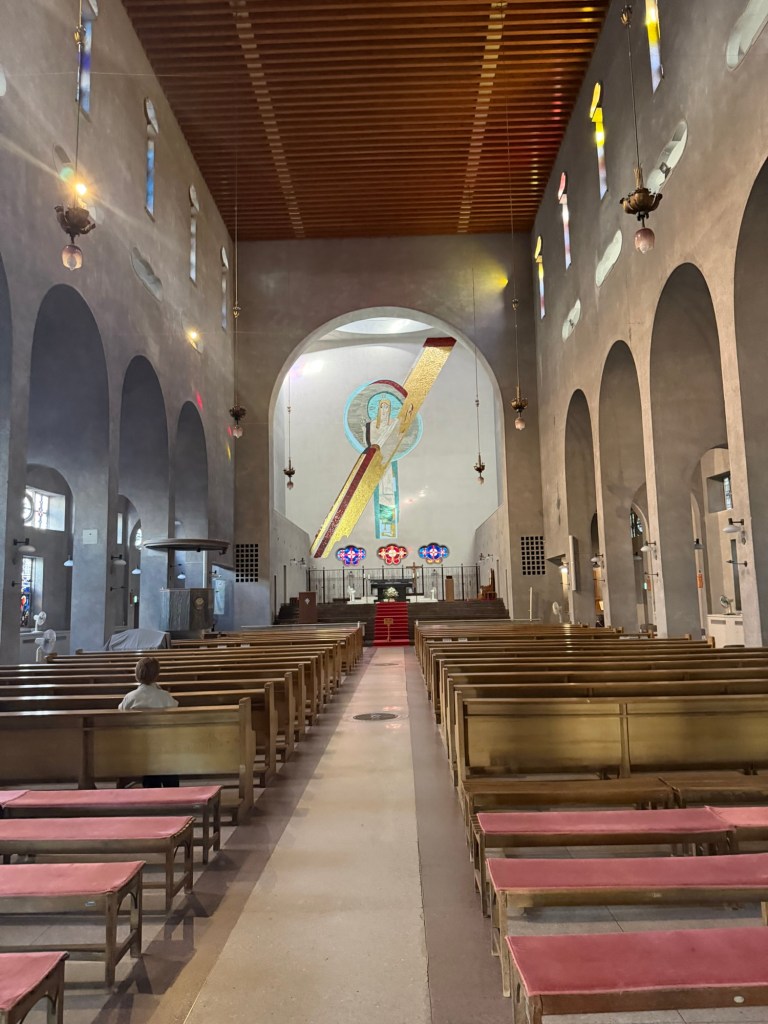
    We searched out the Memorial Cathedral for World Peace, the Catholic Church of Noboricho.

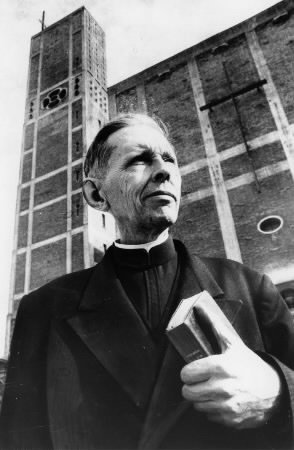
    We had learned of the work of Jesuit missionary, Father Hugo Lassalle, at the Peace Memorial Museum. Father Lassalle was priest of the parish of Noboricho located less than 1500m from the hypocentre of the bomb. Although severely wounded, he survived, and determined to rebuild his church, as a monument to World Peace. It would be a Cathedral dedicated to the memory of the Atomic Bomb victims, a symbol of love and peace for all nations.

    Father Hugo Lassalle, Jesuit Priest

    With the blessing of Pope Pius XII, Father Lassalle set about soliciting funds from Europe, America, and from all over the world. The construction begun on 6 August 1950 (5 years to the day after the bomb was dropped) was completed by 6 August 1954. It now stands as a symbol of hope, dedicated to World Peace.

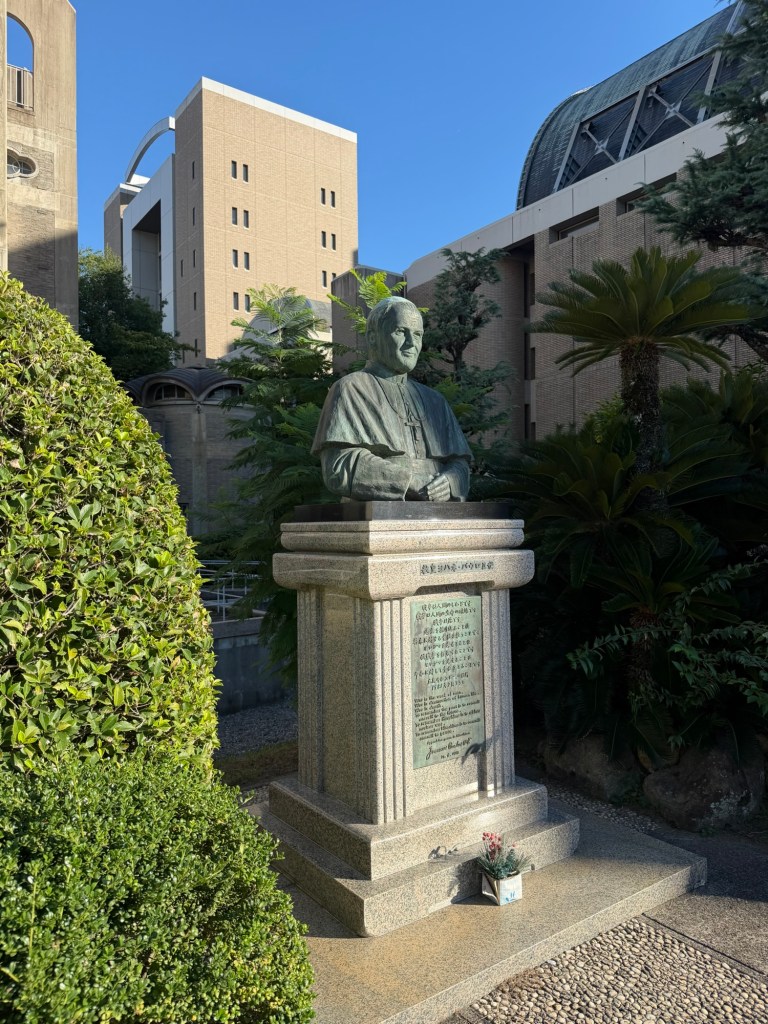
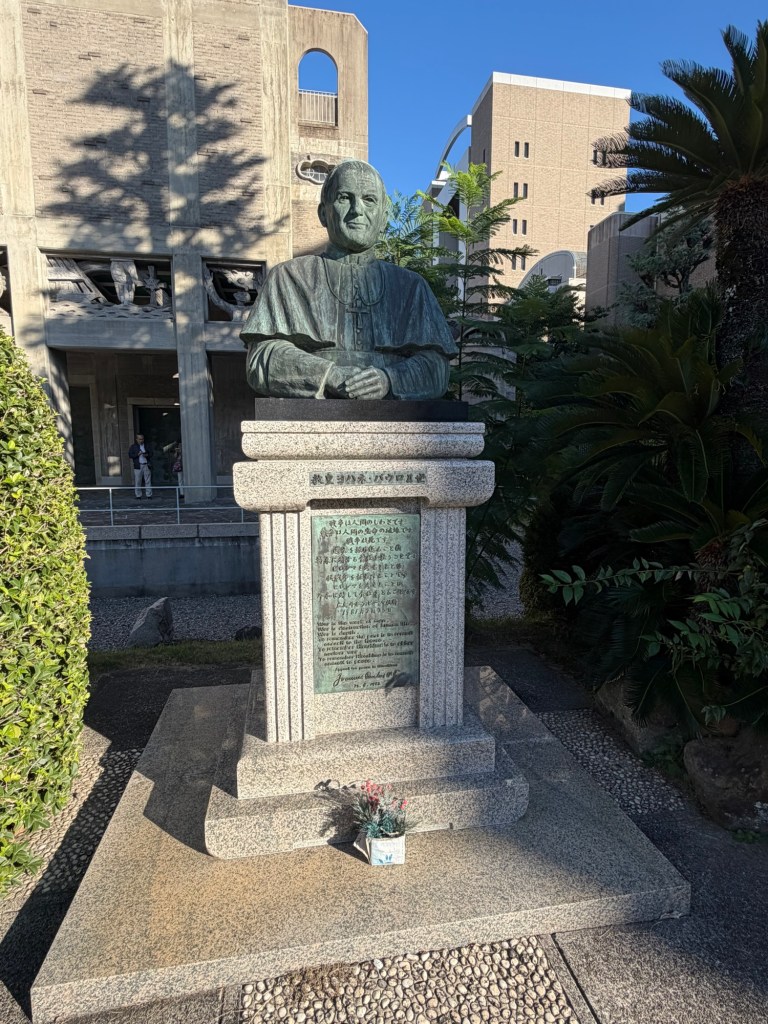
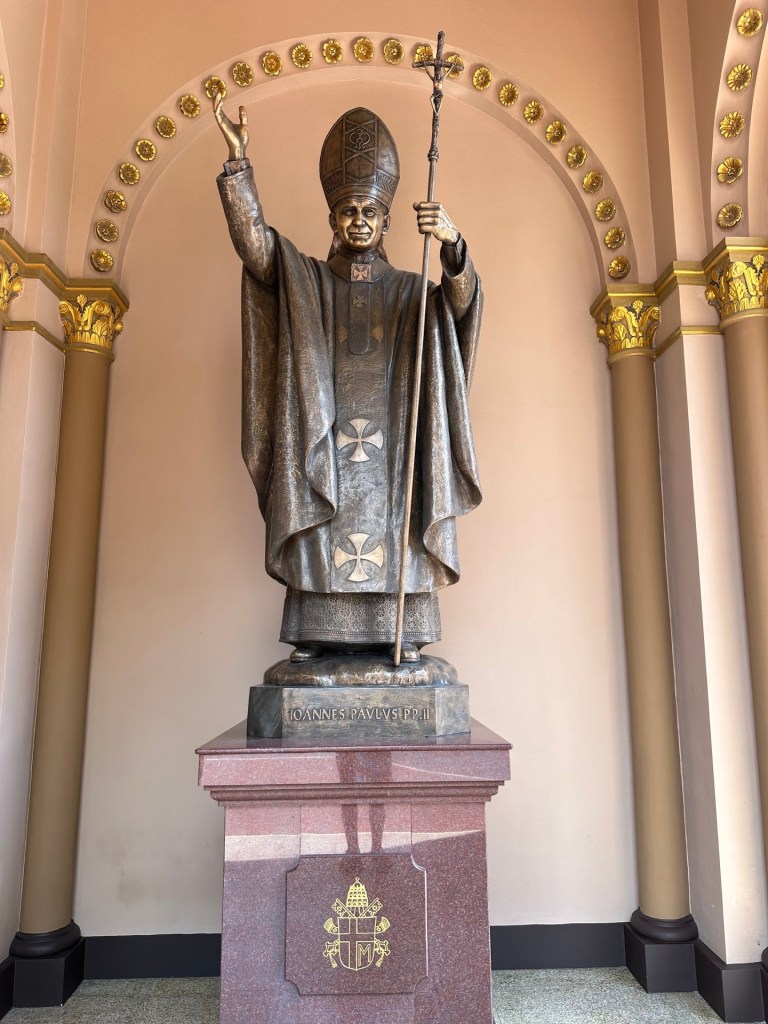
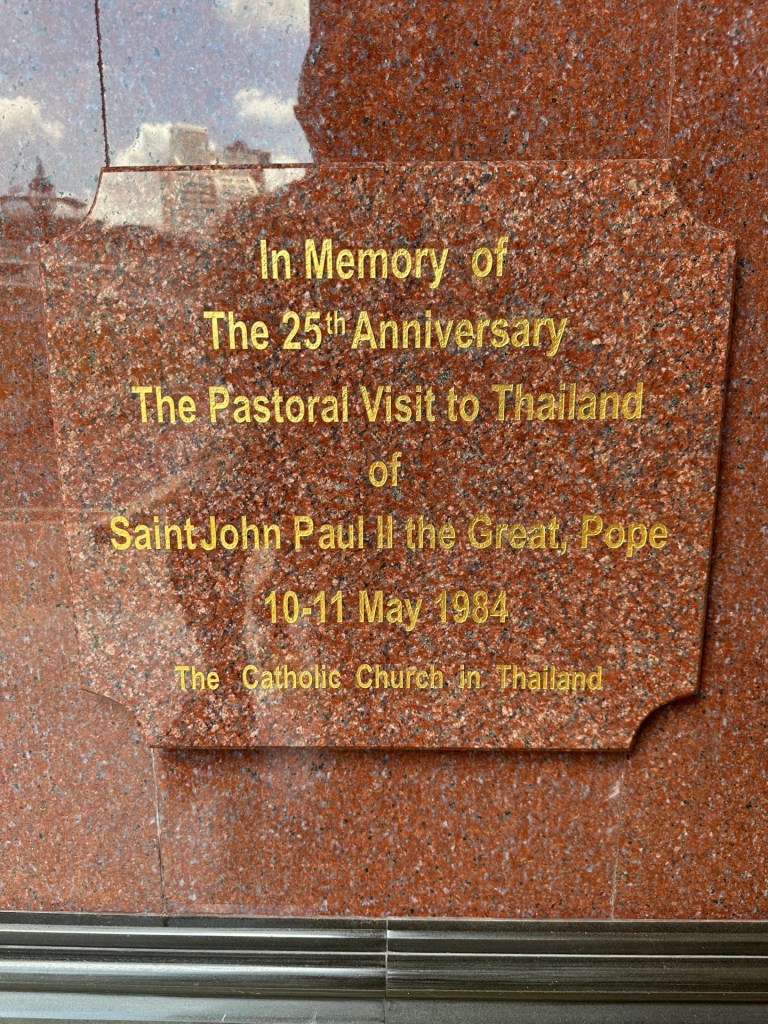
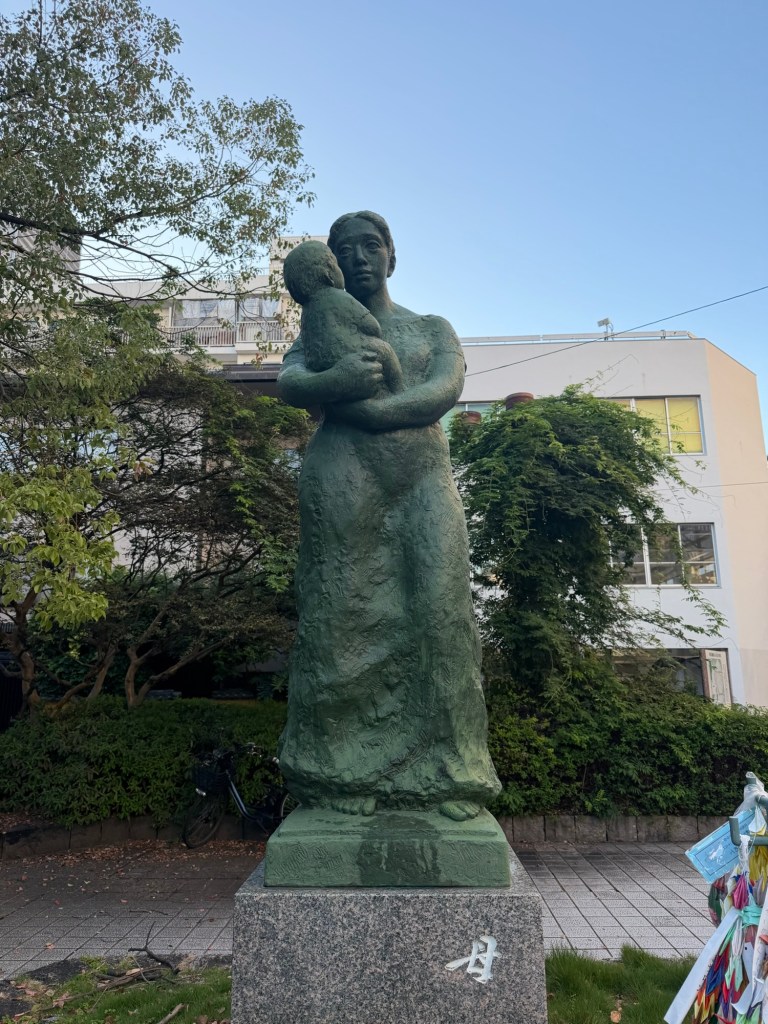
    We came across a very familiar figure on the way up to the cathedral.

    It reminded us of just such a moment we experienced in Bangkok, at the Assumption Cathedral, last year, recorded here.

    Sign of the day?

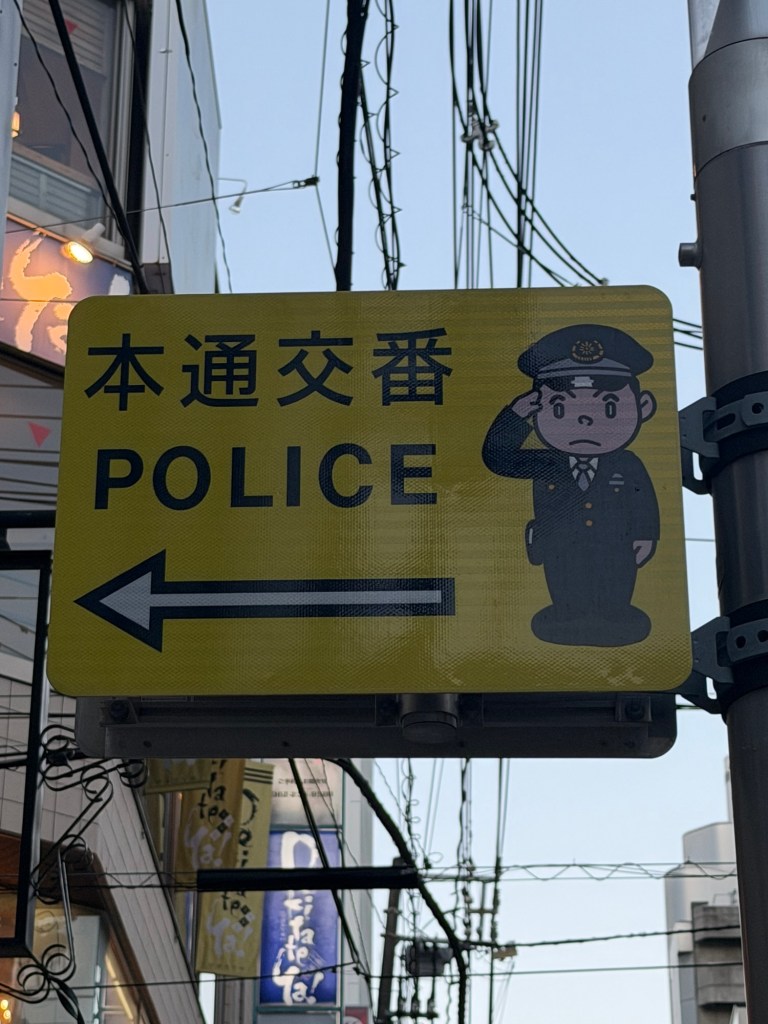
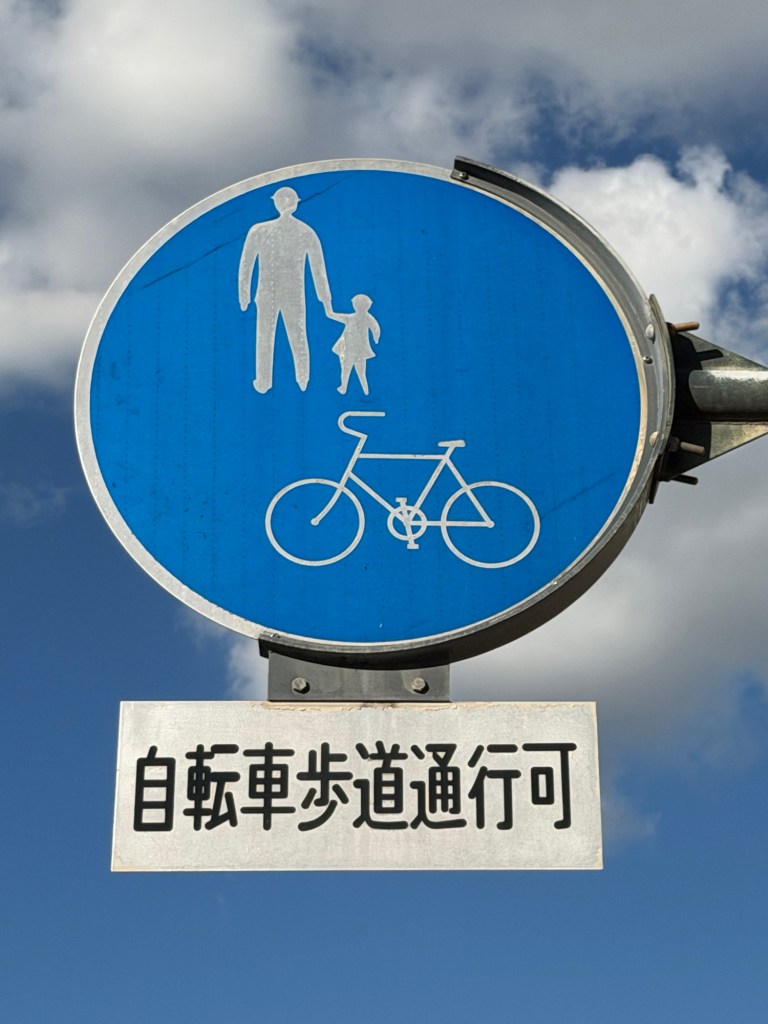
    As to the distinctly masculine signage trend… yet another one!

    And then it all made sense. The designer is clearly male? And the designer of this, female?

    We male sorts know this feeling do we not? Come to mother, what is daddy thinking of?! Reality. Who ever really thought we were in charge?

    And then, elsewhere

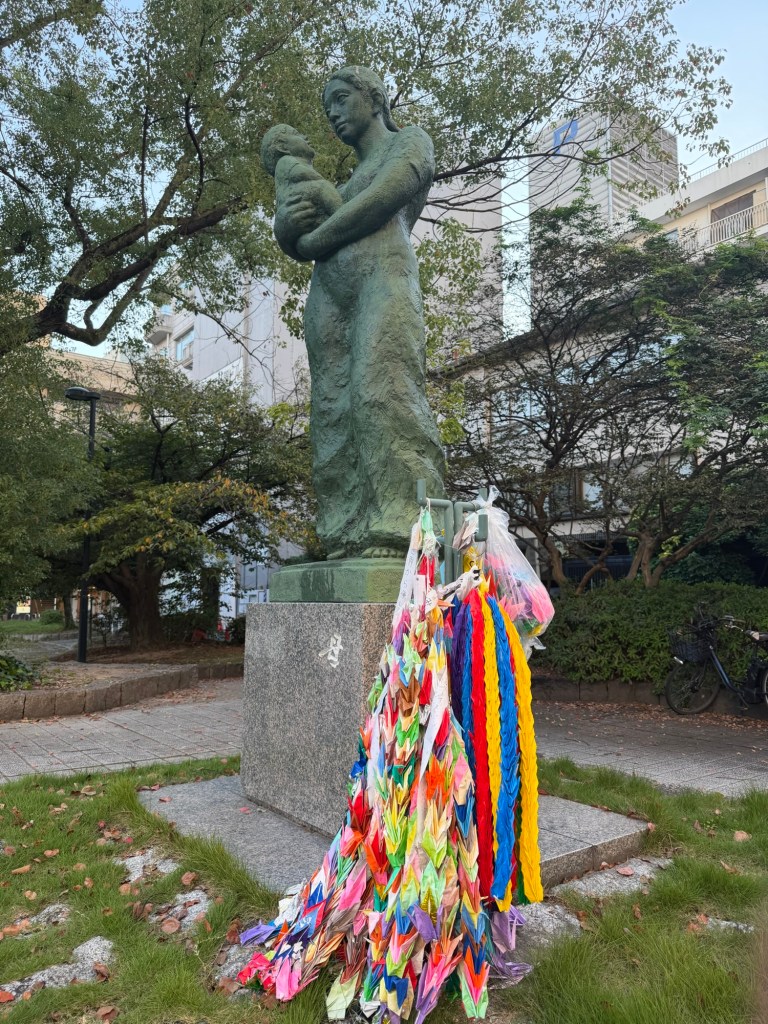
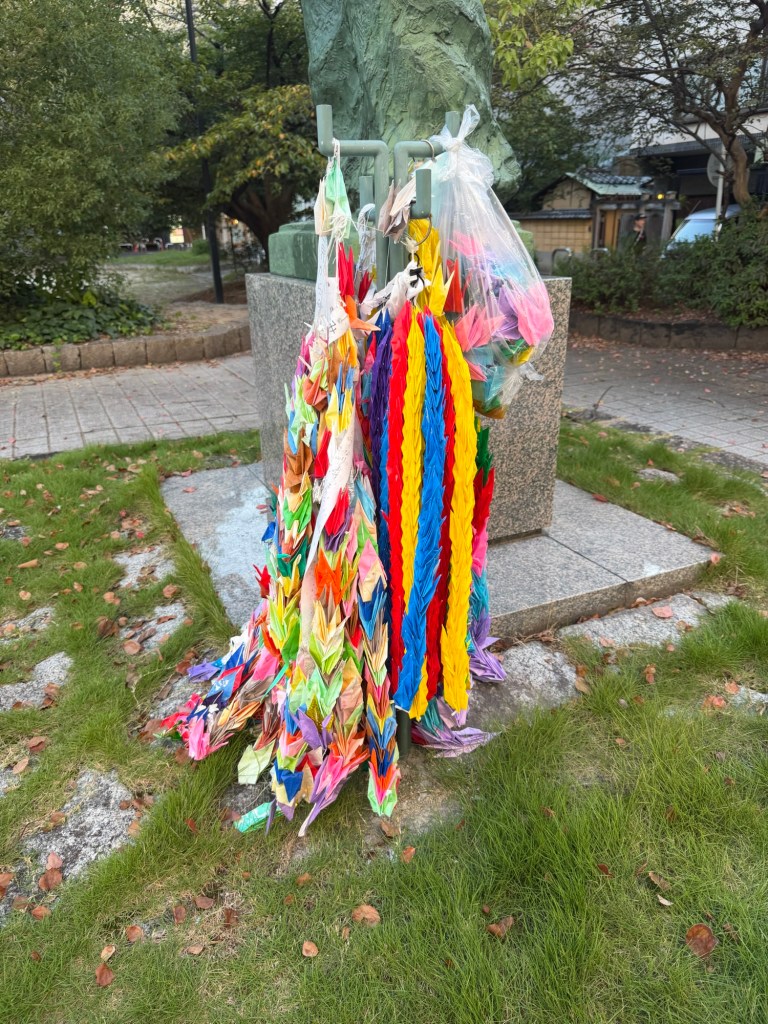
    Remember the paper (origami) cranes and the symbol of peace?

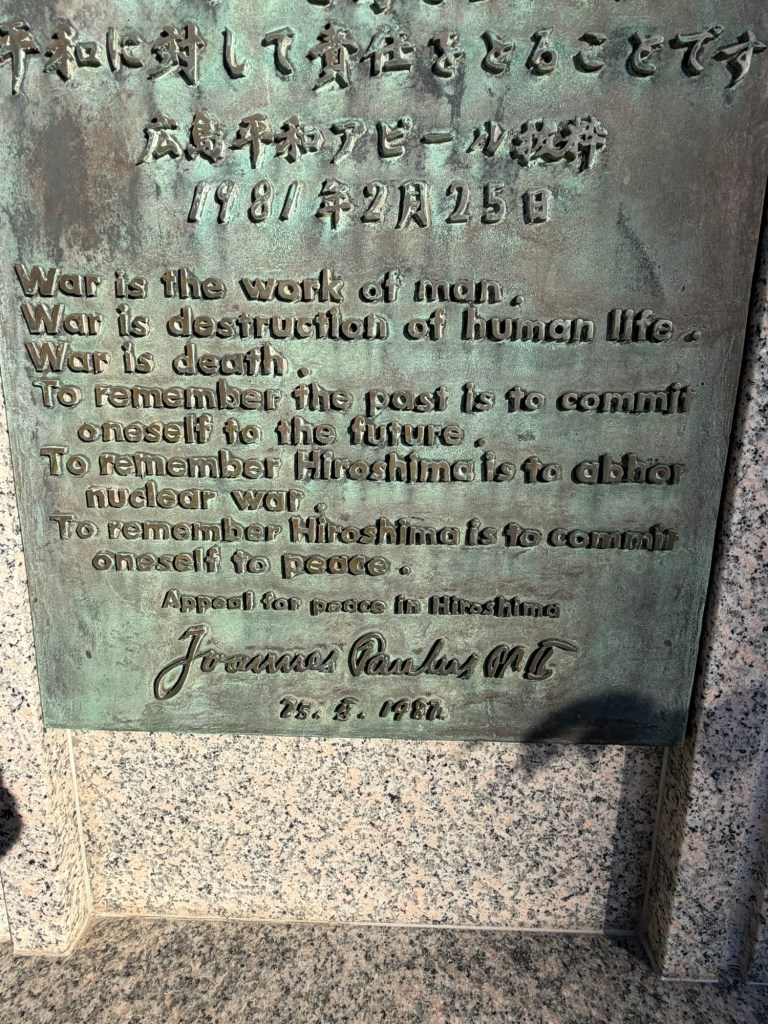
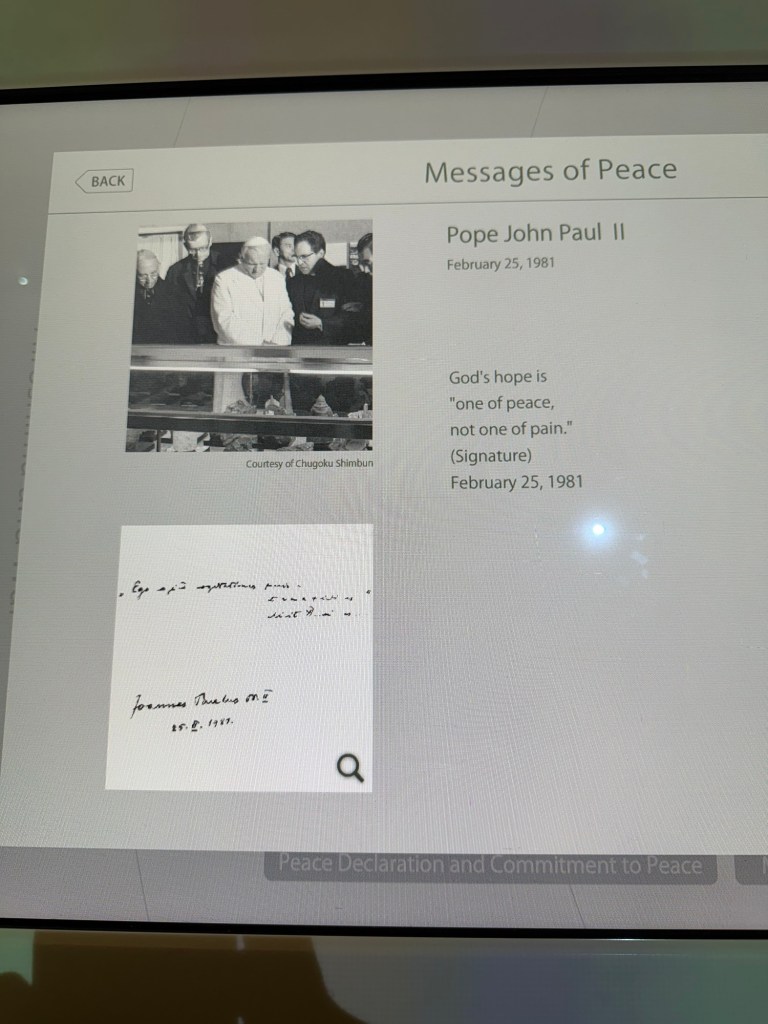
    Going back to Pope John Paul II

    War is the work of man. War is the destruction of human life. War is death. Nowhere do these truths impose themselves upon us more forcefully than in this city of Hiroshima

    And isn’t it just, all too often, ‘the work of man

    To end a memorable day, with sights and learning deeply etched in our souls.

    A truly excellent paella 🇪🇸

  • Day 10 (A): Hiroshima’s Peace Memorial Park (平和記念公園, Heiwa Kinen Kōen) 

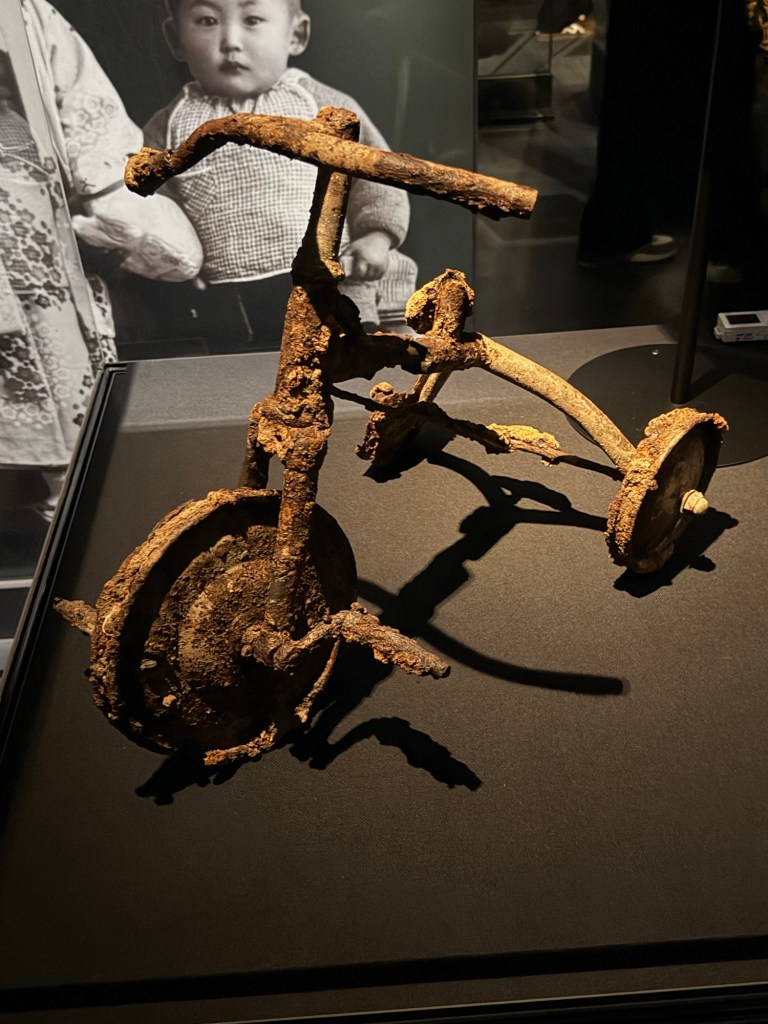
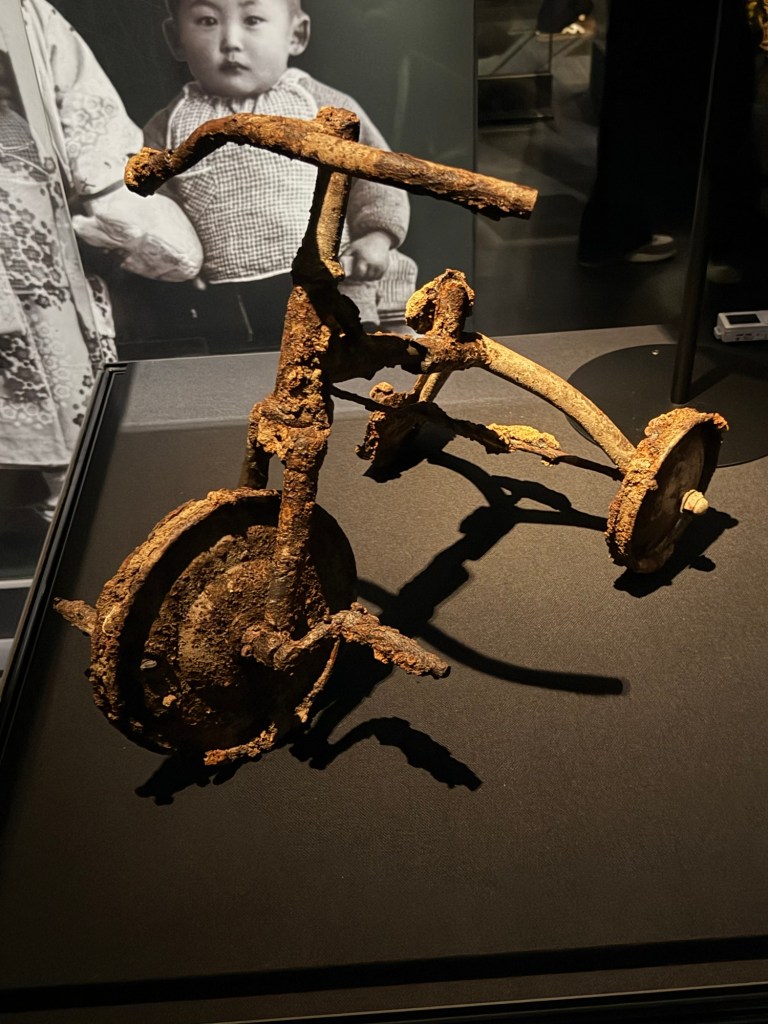
    Shinichi Tetsutani’s tricycle

    The opening statement on Hiroshima’s Peace Memorial Park’s (平和記念公園, Heiwa Kinen Kōen) website:

    A single atomic bomb indiscriminately killed tens of thousands of people, profoundly altering and disrupting the lives of the survivors. Through belongings left by the victims, A-bomb artifacts, testimonies of A-bomb survivors, and related materials, the Hiroshima Peace Memorial Museum conveys to the world the horrors and the inhumane nature of nuclear weapons and spreads the message of “No more Hiroshimas.”

    Before the bomb, the area of what is now the Peace Park was the political and commercial heart of the city. For this reason, it was chosen as the pilot’s target. Four years to the day after the bomb was dropped, it was decided that the area would not be redeveloped but instead devoted to peace memorial facilities.

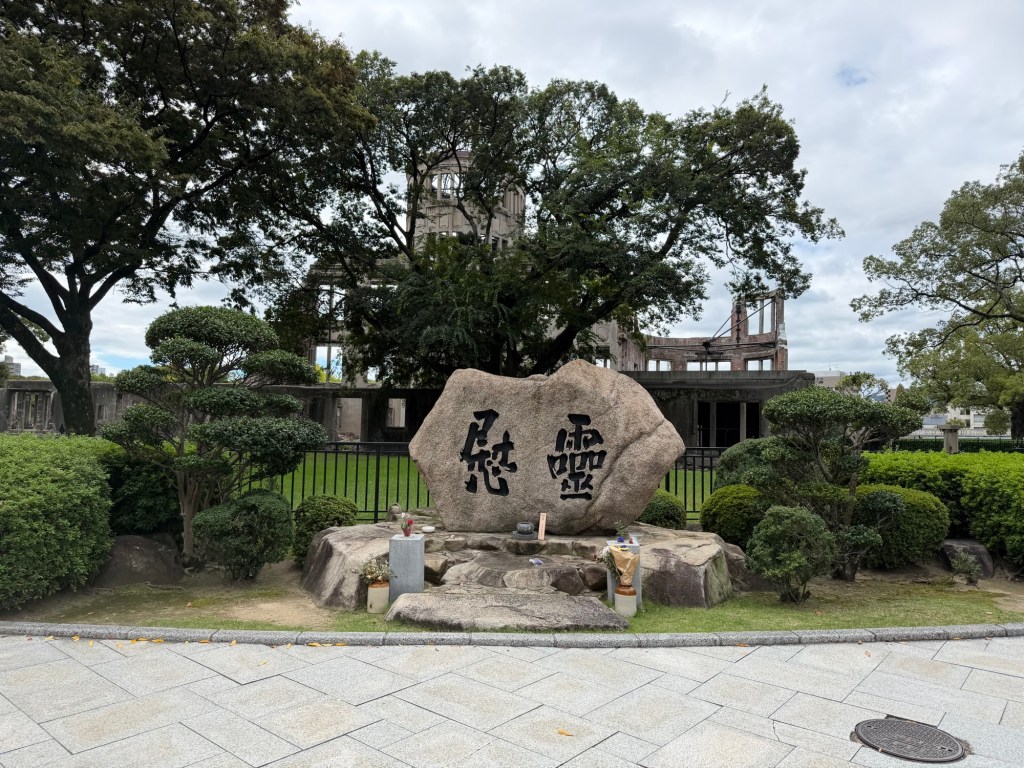
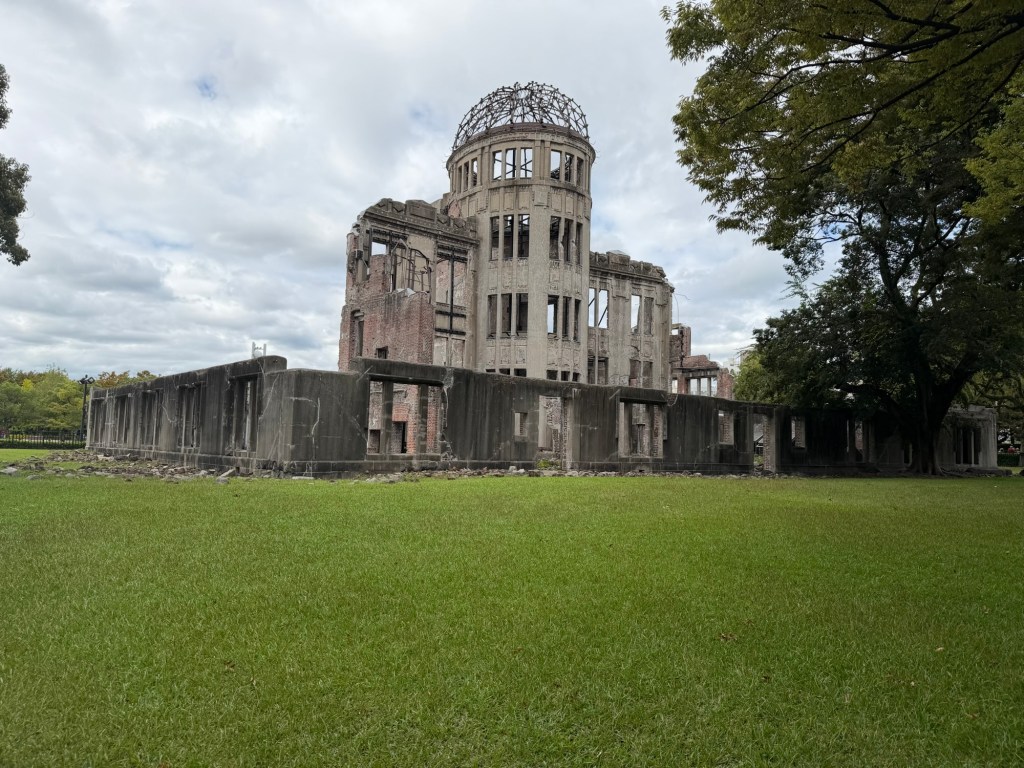
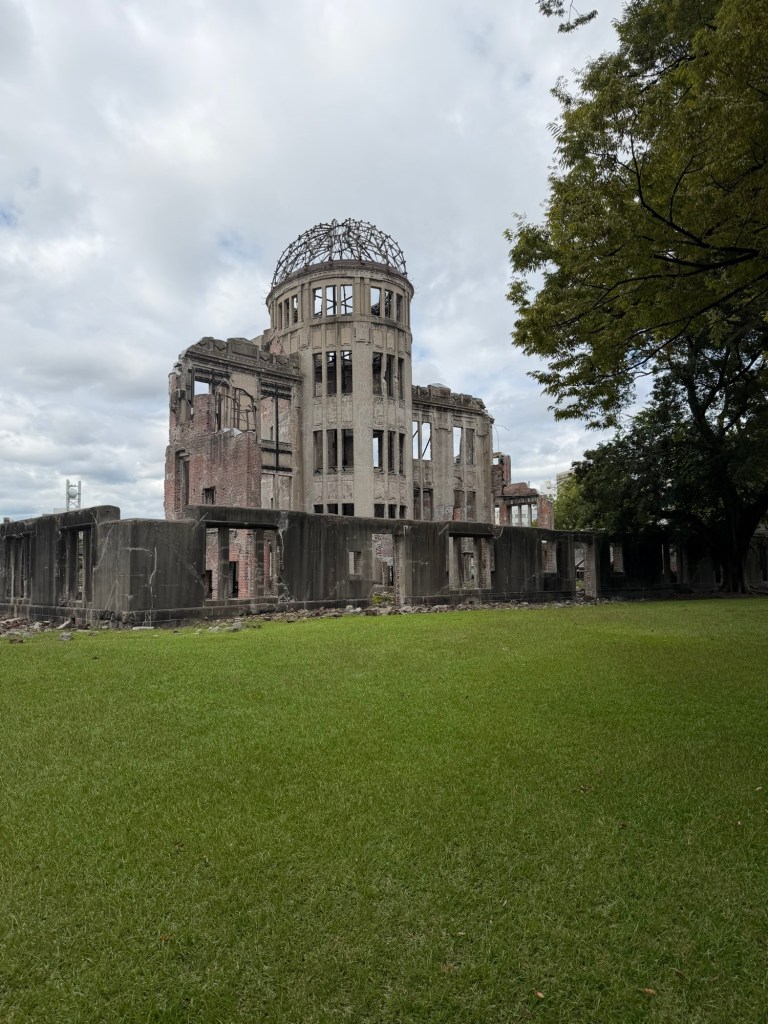
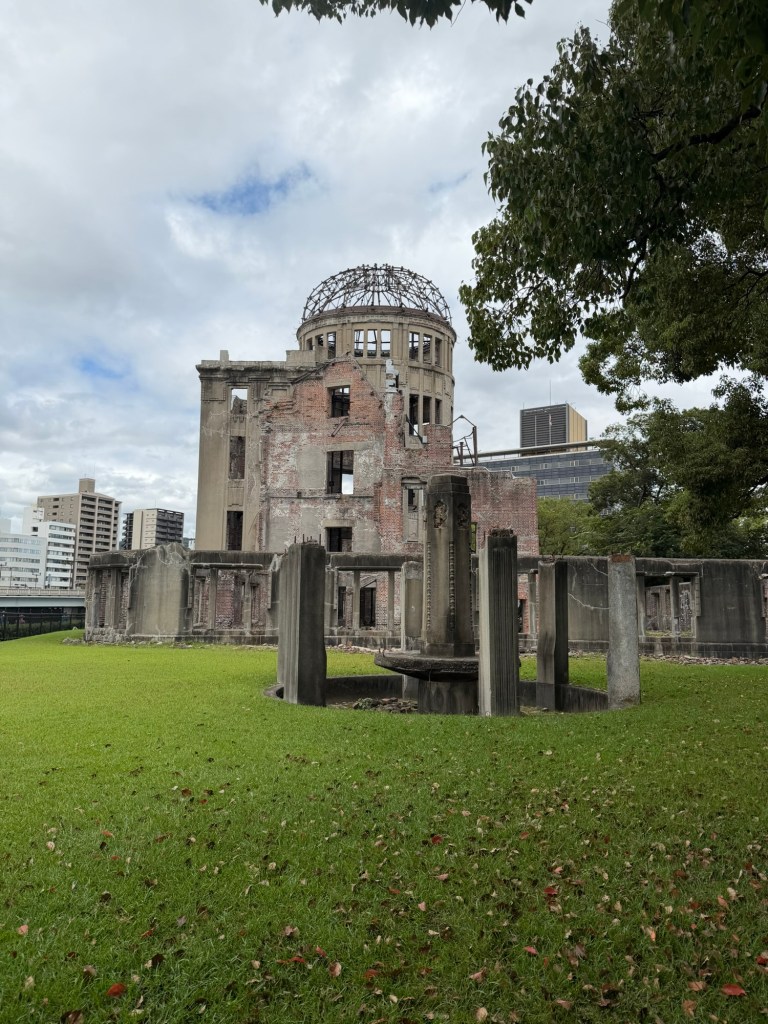
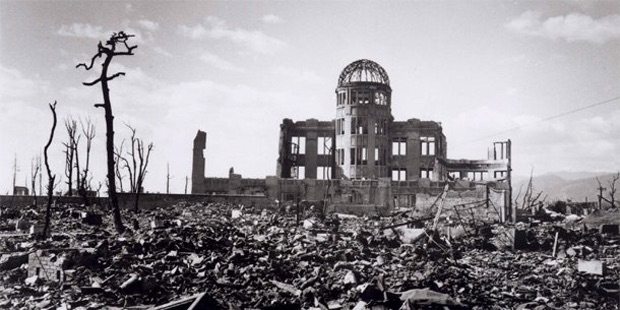
    The Hiroshima Peace Memorial (Genbaku Dome) was the only structure left standing in the area where the first atomic bomb exploded on 6 August 1945. It has been preserved in the same state as immediately after the bombing. Not only is it a stark and powerful symbol of the most destructive force ever created by humankind; it also expresses the hope for world peace and the ultimate elimination of all nuclear weapons.

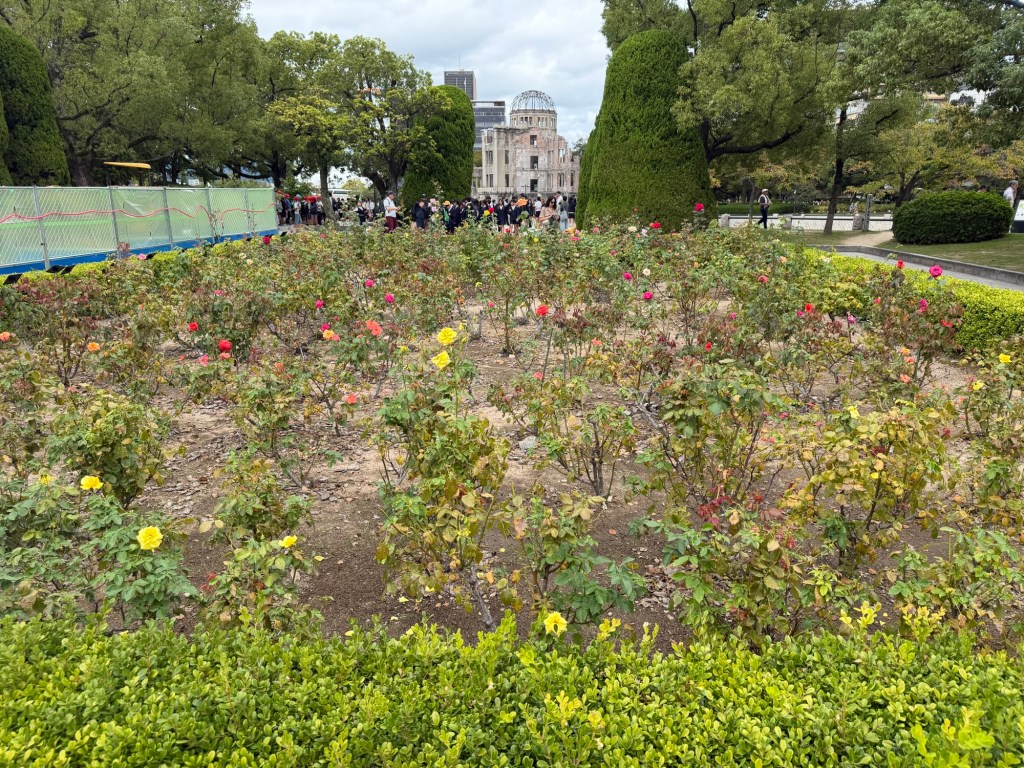
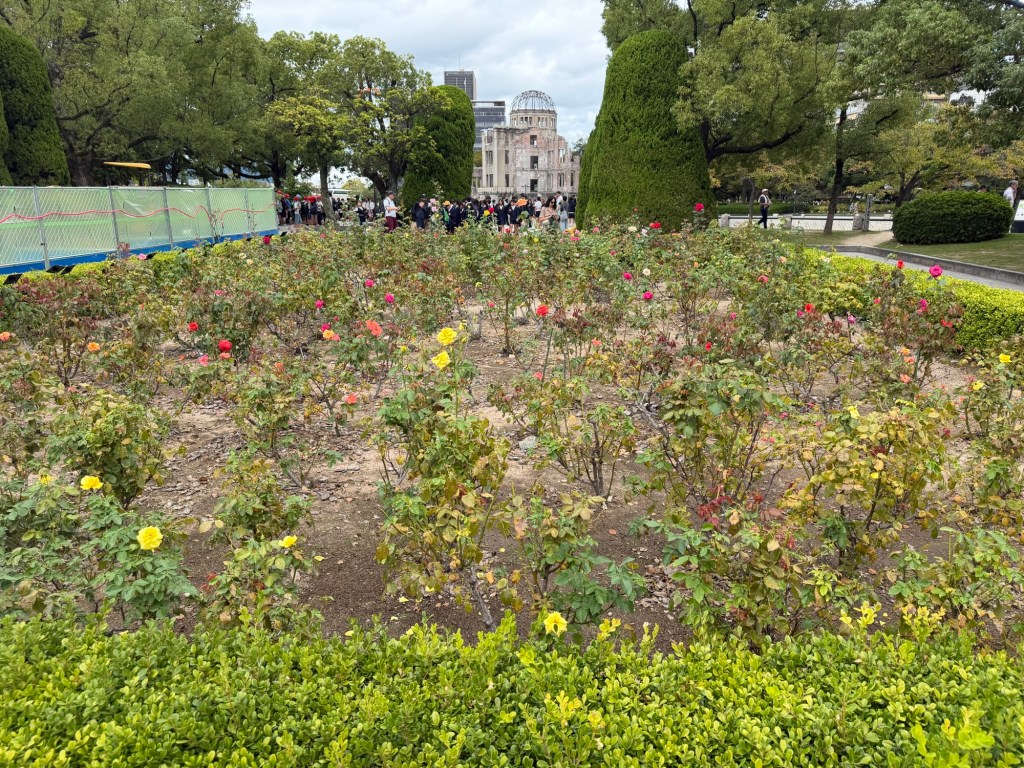
    The whole of the park is beautifully landscaped. We came across this wonderful rose garden. Imagine the sight and aroma in springtime.

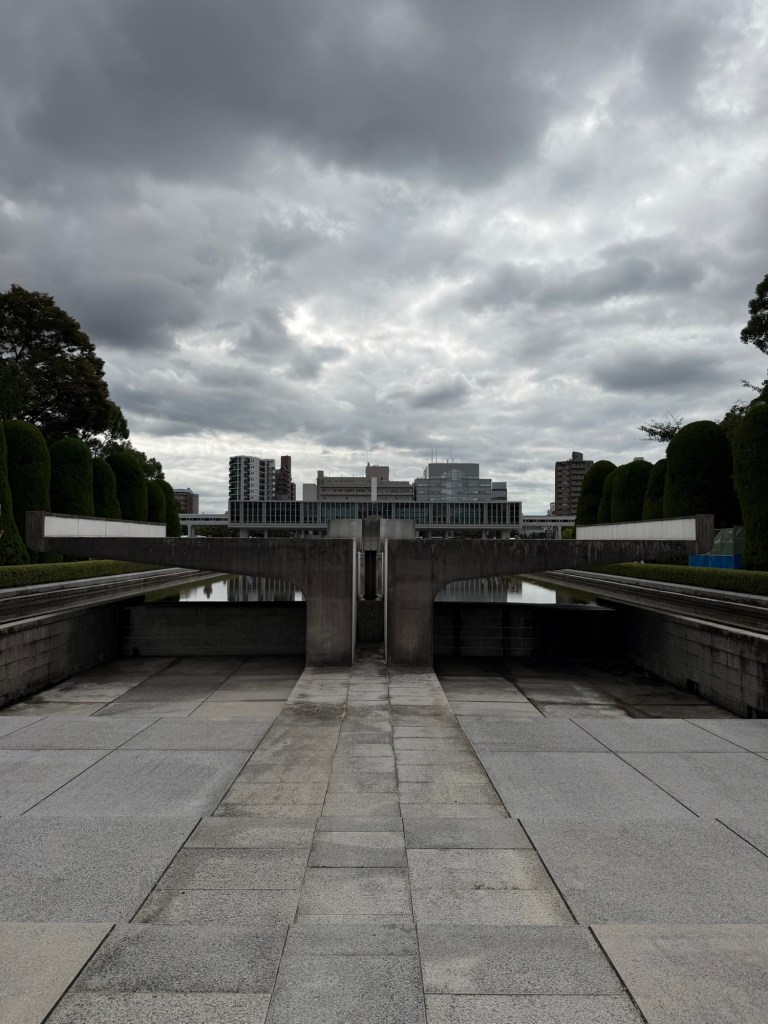
    The Flame of Peace marks the centre of the park. Designed by Kenzo Tange, then professor at the University of Tokyo, the base of the sculpture represents two wrists joined together, and the two wings on either side represent two palms facing upwards to the sky. It was designed both to console the souls of the thousands who died begging for water and to express the hopes for the abolition of nuclear weapons and the realization of lasting world peace. The flame at the top was lit on August 1, 1964, and has been burning ever since in protest of nuclear weapons, and will continue to burn until there are no nuclear weapons left on earth.

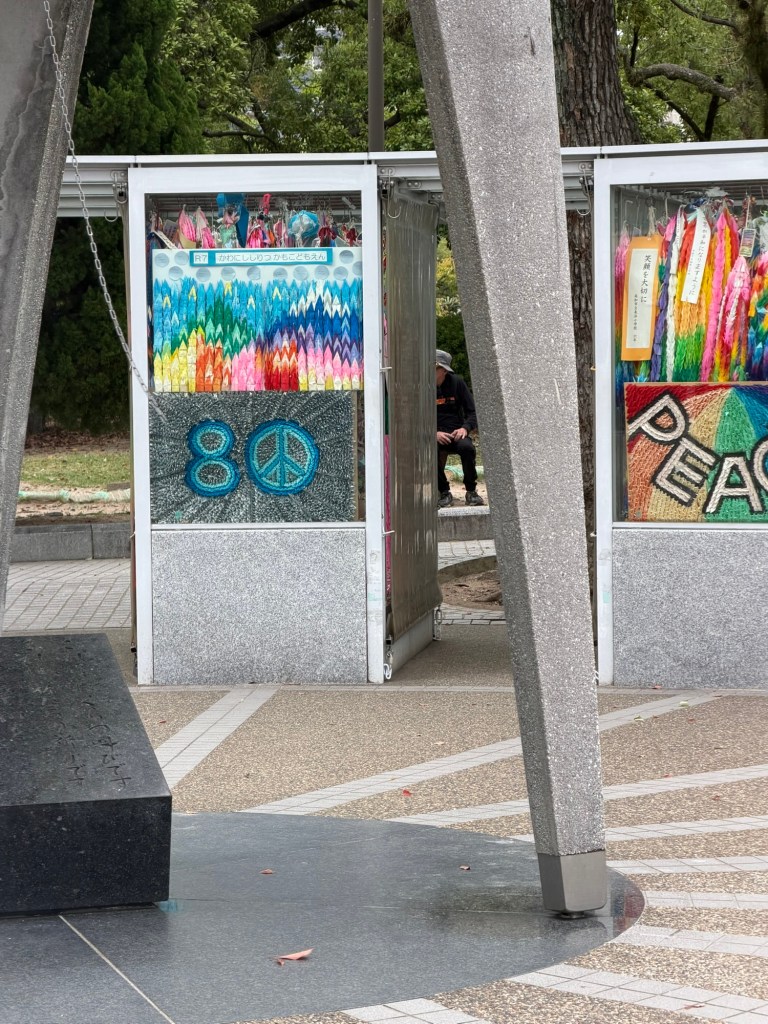
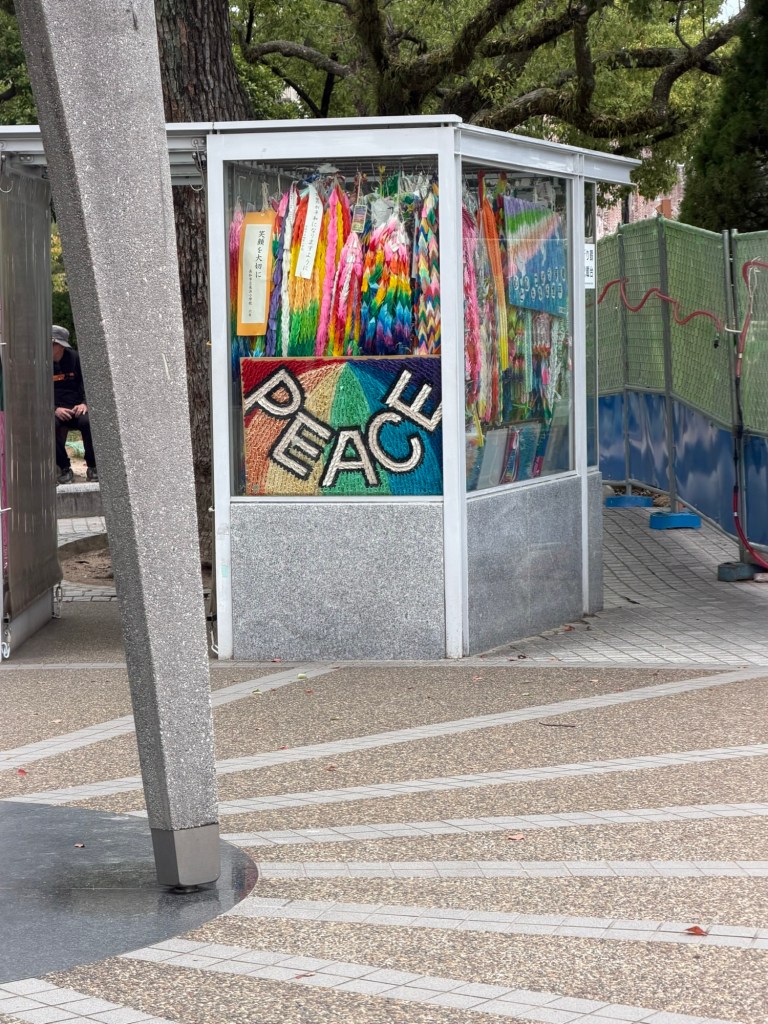
    The importance of children permeates the message of the Peace Park: the many that suffered instantly on 6 August 1945; those who survived and suffered thereafter; and children as torch bearers for the hope of a peaceful future.

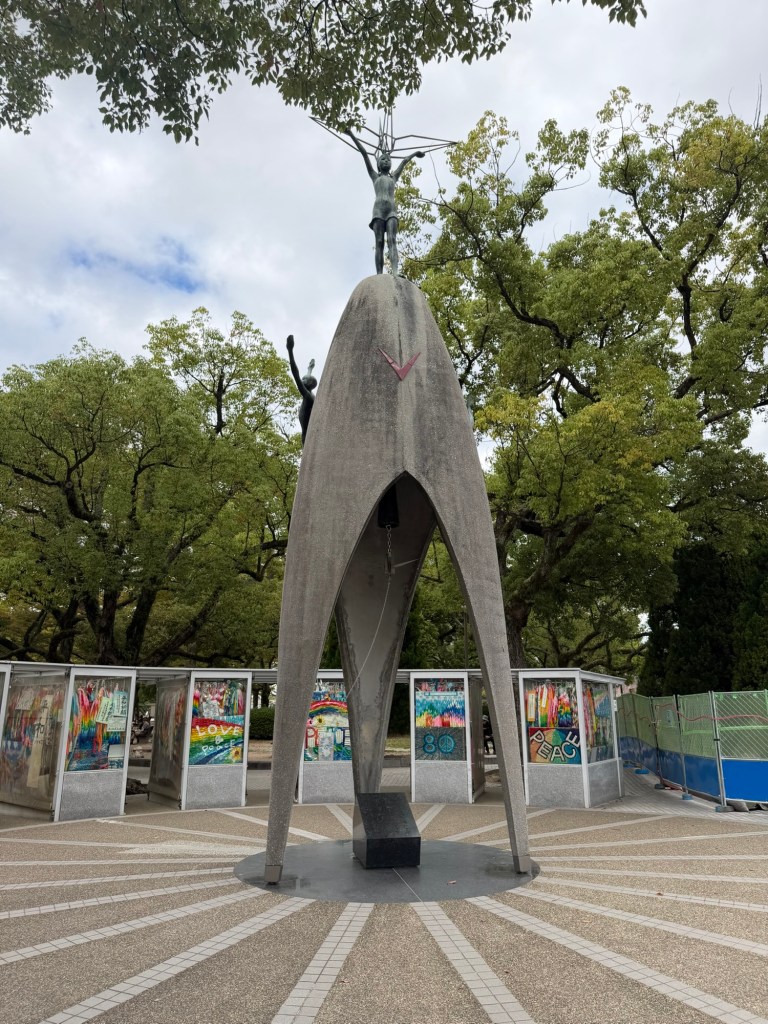
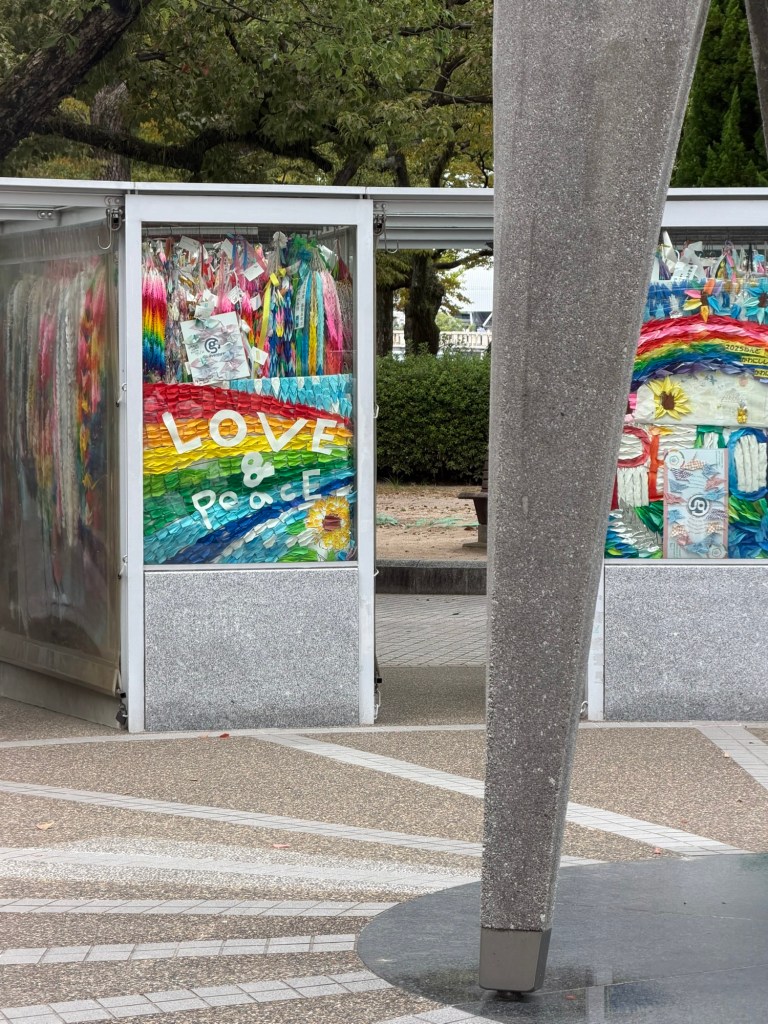
    Around the park and the city one will see brightly colored paper cranes everywhere. These paper cranes come originally from the ancient Japanese tradition of origami or paper folding, but today they are known as a symbol of peace. They are folded as a wish for peace in many countries around the world. This connection between paper cranes and peace can be traced back to a young girl named Sadako Sasaki, who died of leukemia ten years after the atomic bombing.

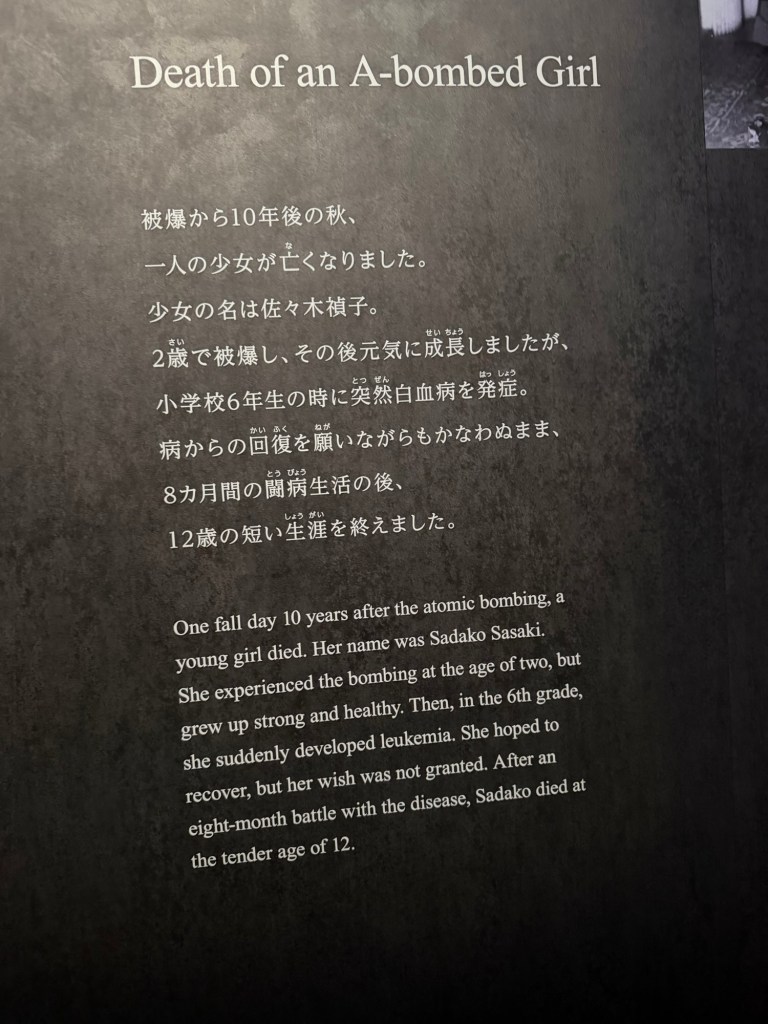
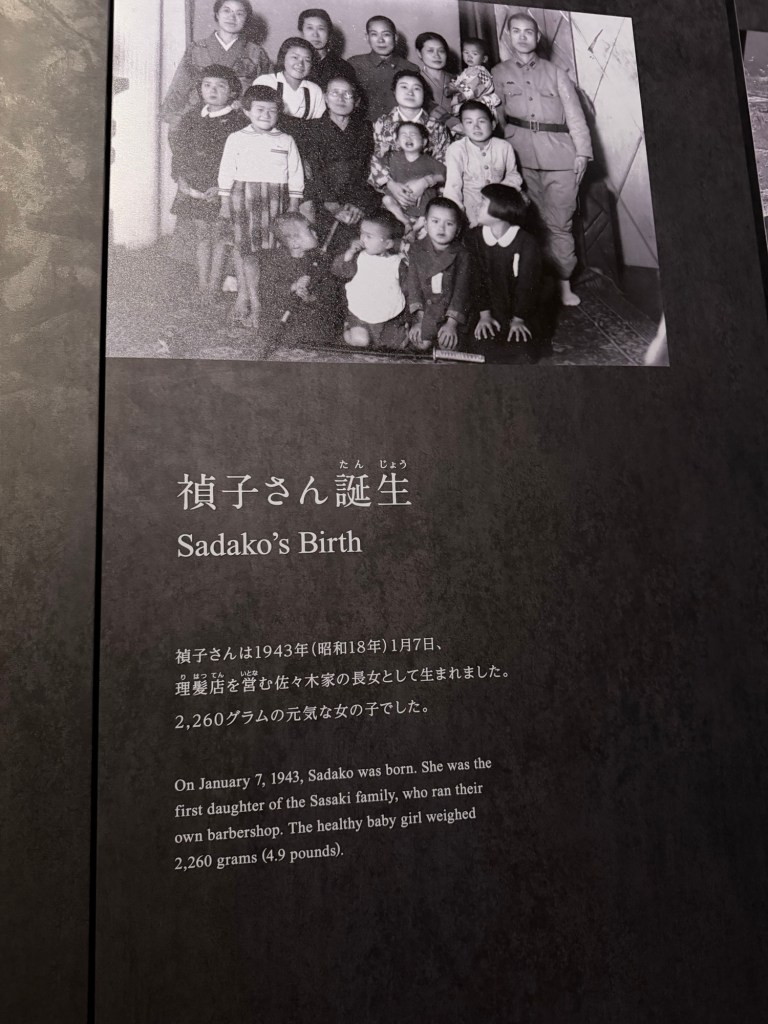
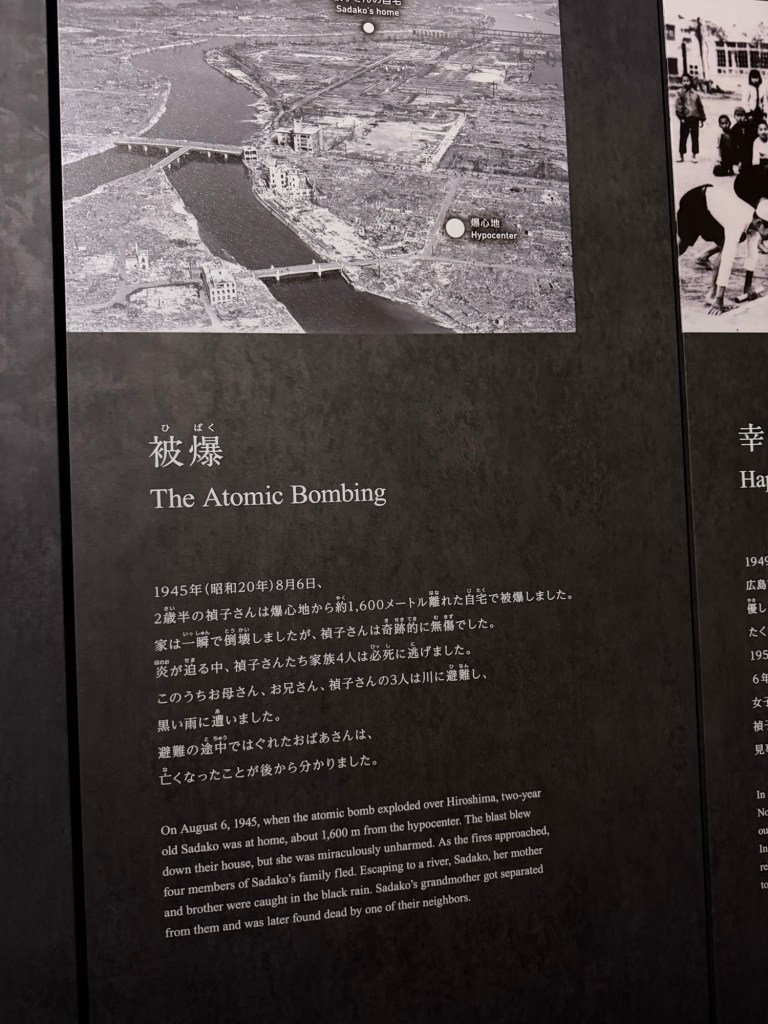
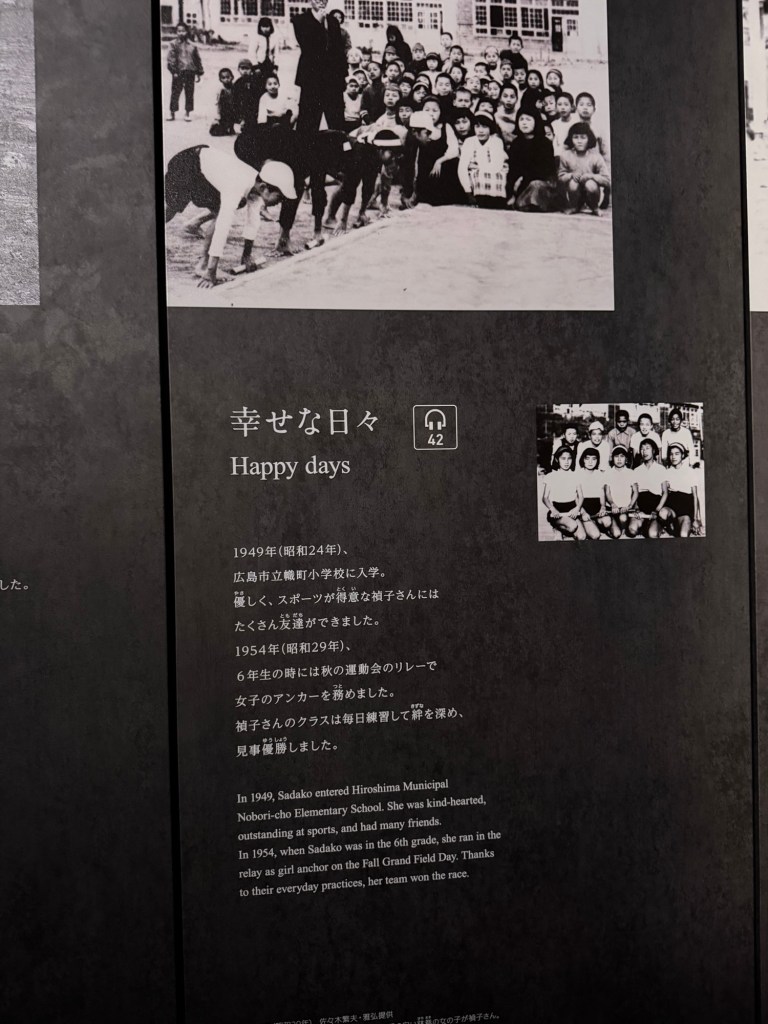
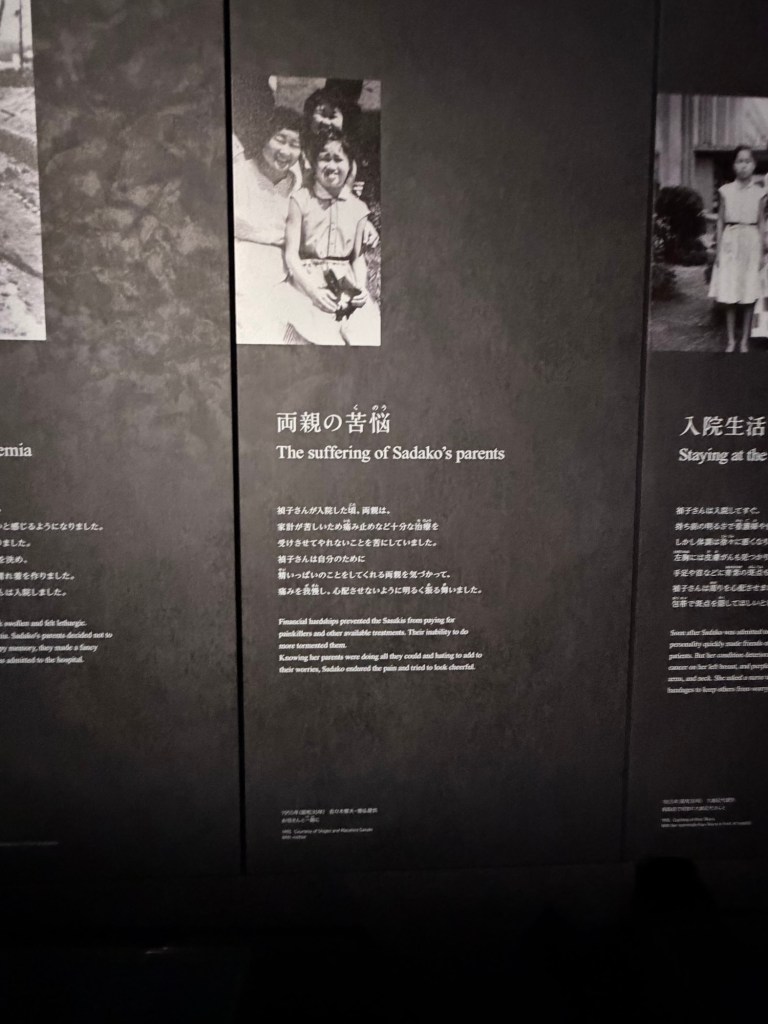
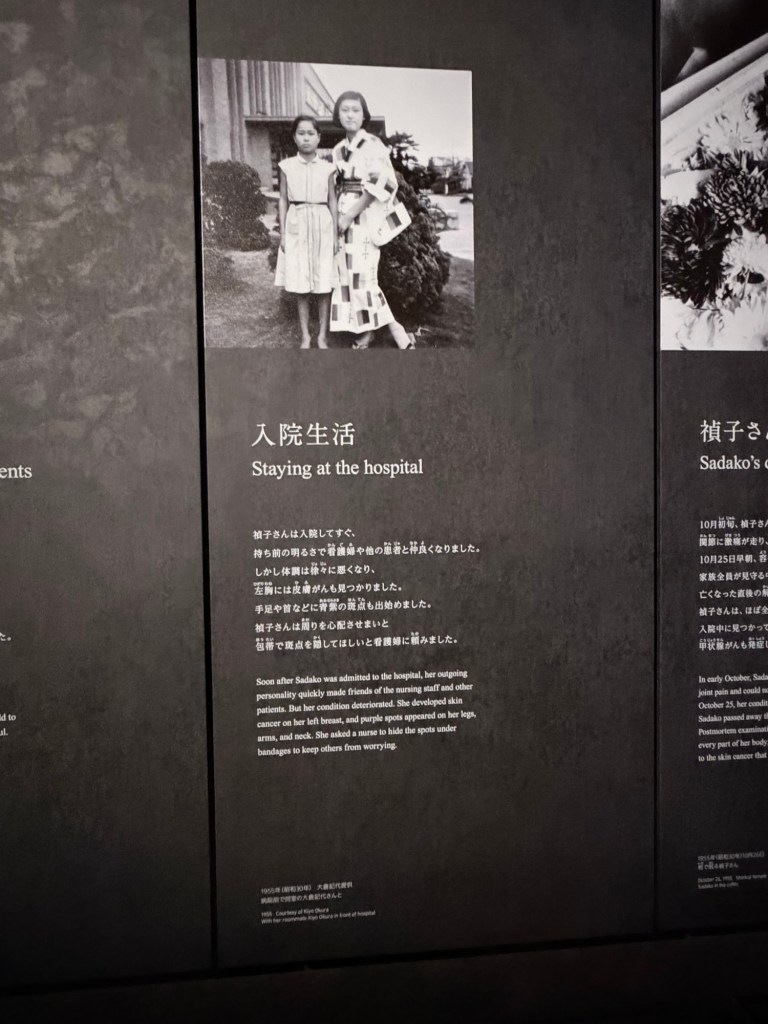
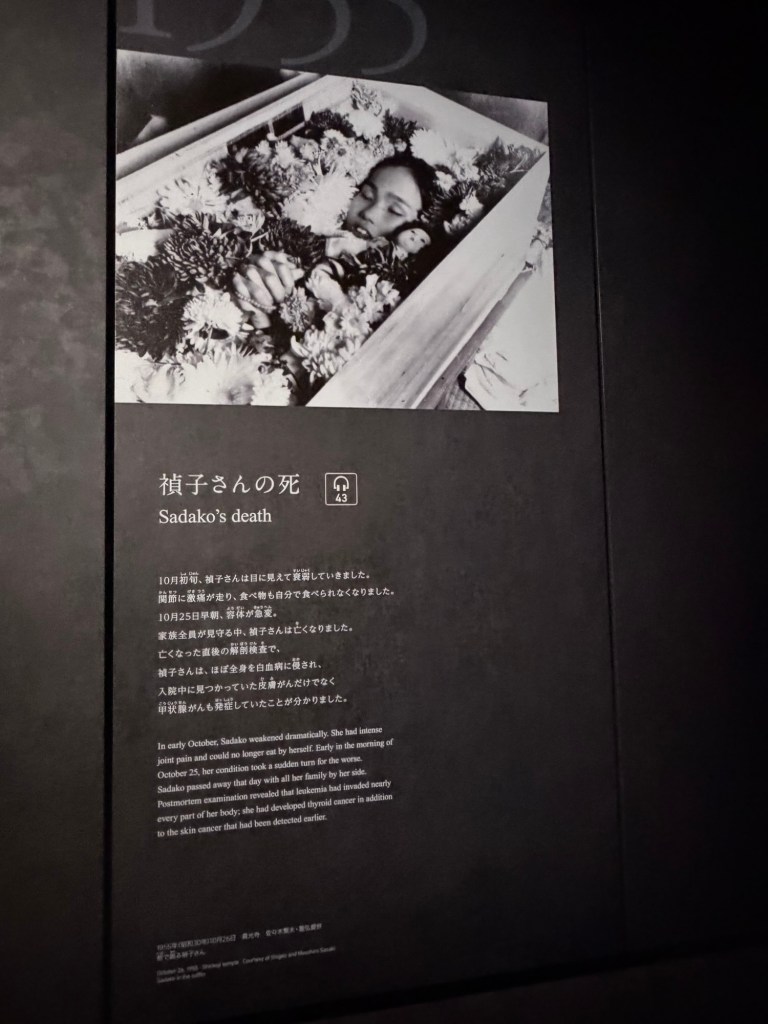
    Sadako was two years old when she was exposed to the atomic bomb. She had no apparent injuries and grew into a strong and healthy girl. However, nine years later, she suddenly developed signs of an illness. In February the following year she was diagnosed with leukemia and was admitted to the Hiroshima Red Cross Hospital. Believing that folding paper cranes would help her recover, she kept folding them to the end, but on October 25, 1955, after an eight-month struggle with the disease, she passed away.

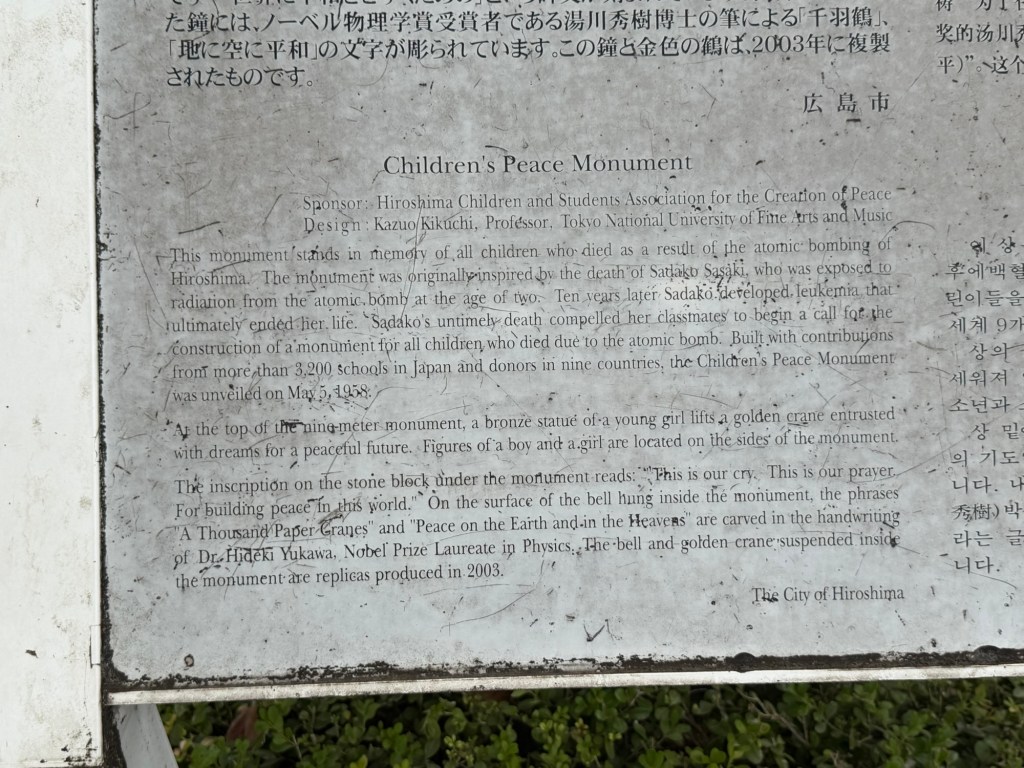
    Sadako’s death triggered a campaign to build a monument to pray for world peace and the peaceful repose of the many children killed by the atomic bomb. The Children’s Peace Monument is the result, built with funds donated from all over Japan. Later, this story spread to the world, and now, approximately 10 million cranes are offered each year before the Children’s Peace Monument.

    An exhibit in the museum honours Sadako. This series of images attempts to replicate the exhibit.

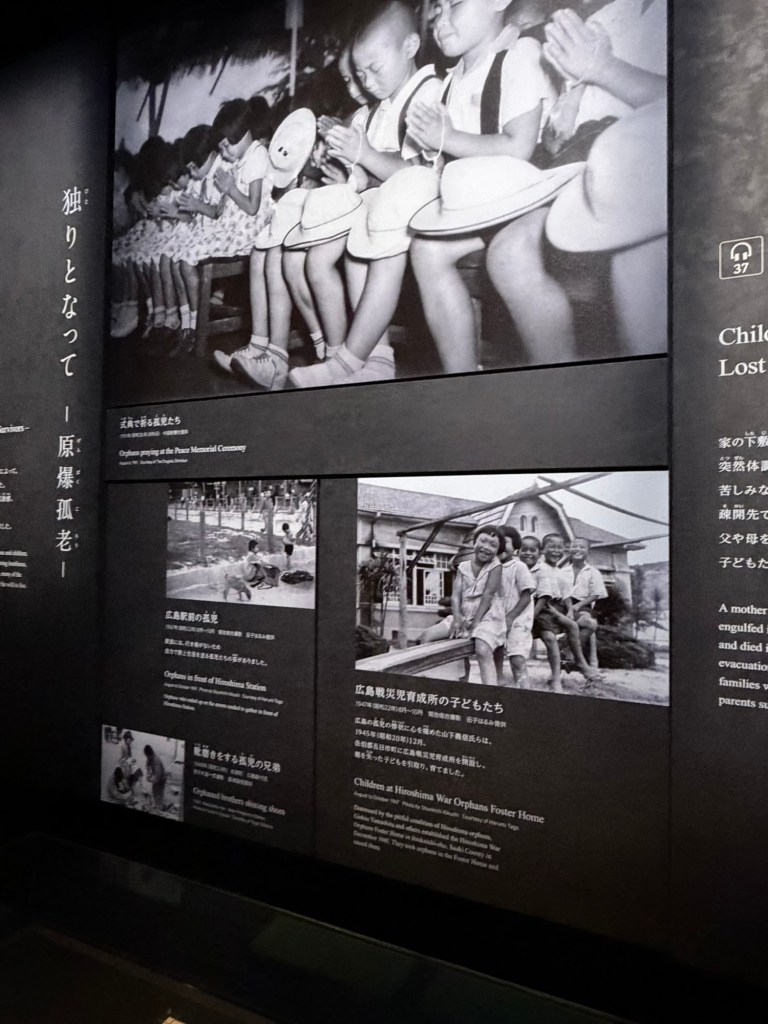
    Sadako was, of course, one of many children who suffered.

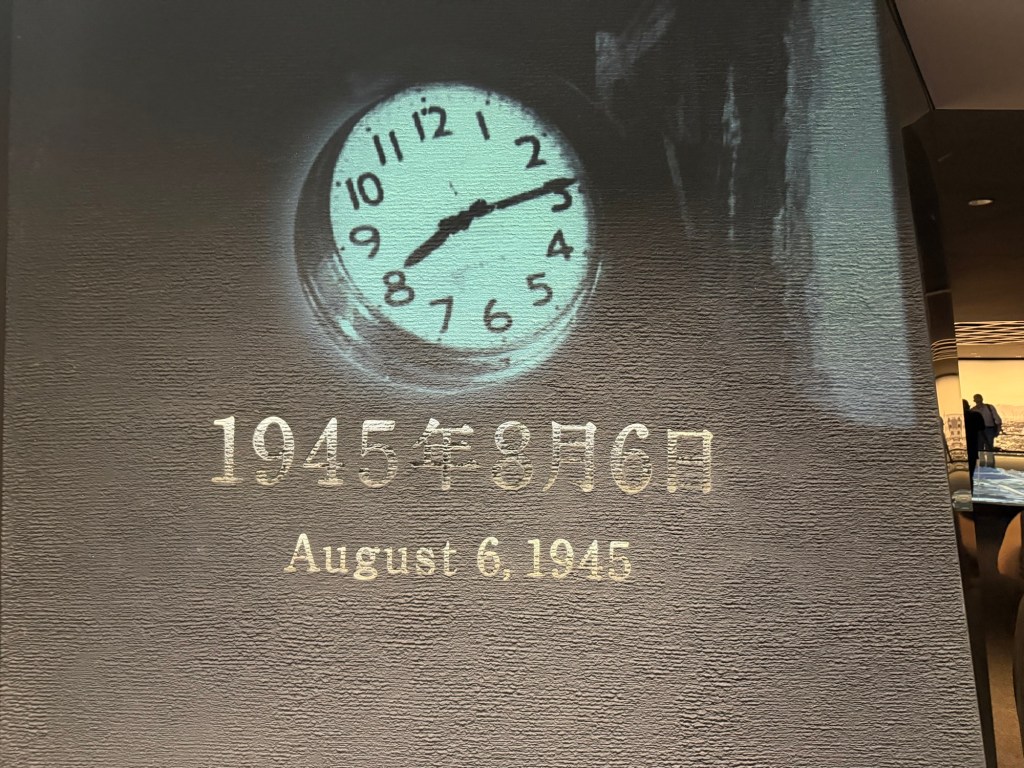
    The harsh reality of this cataclysmic event is starkly laid out within the museum itself.

    Shinichi Tetsutani (1 year, 3 months) was riding this tricycle when the A-bomb dropped. Suffering serious injuries and severe burns all over his body, he died that night. His father, Nobuo, buried Shinichi’s body in the backyard, along with his tricycle, so that he could ride it even after his death. The family lived 1500m from the hypocentre.

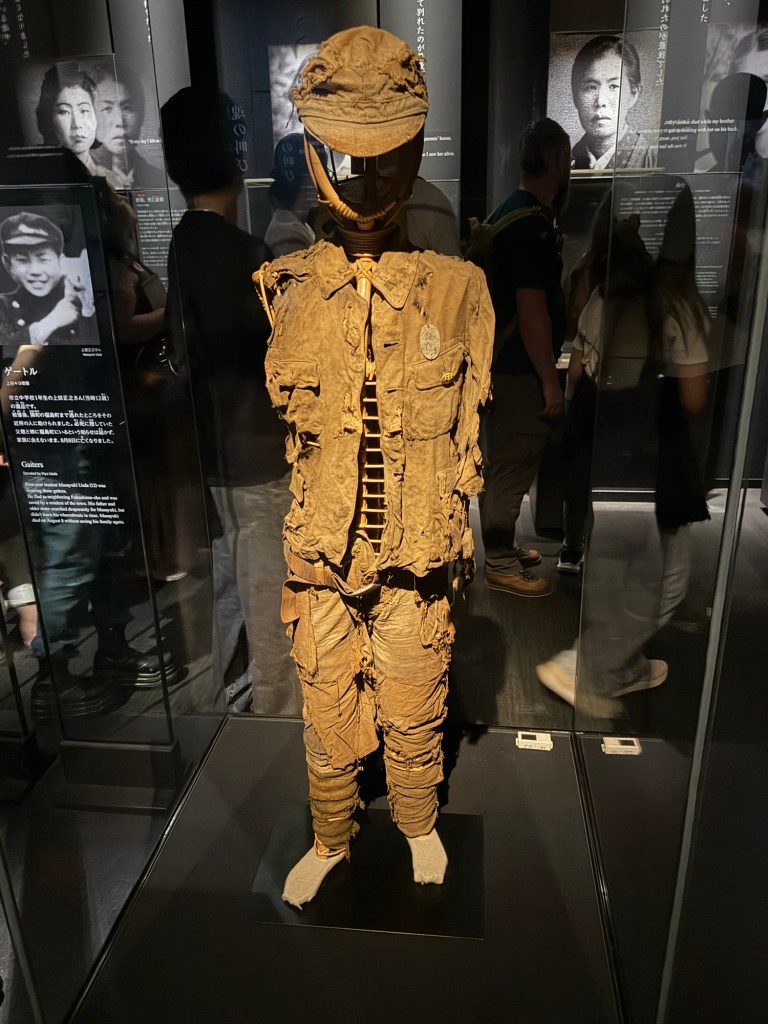
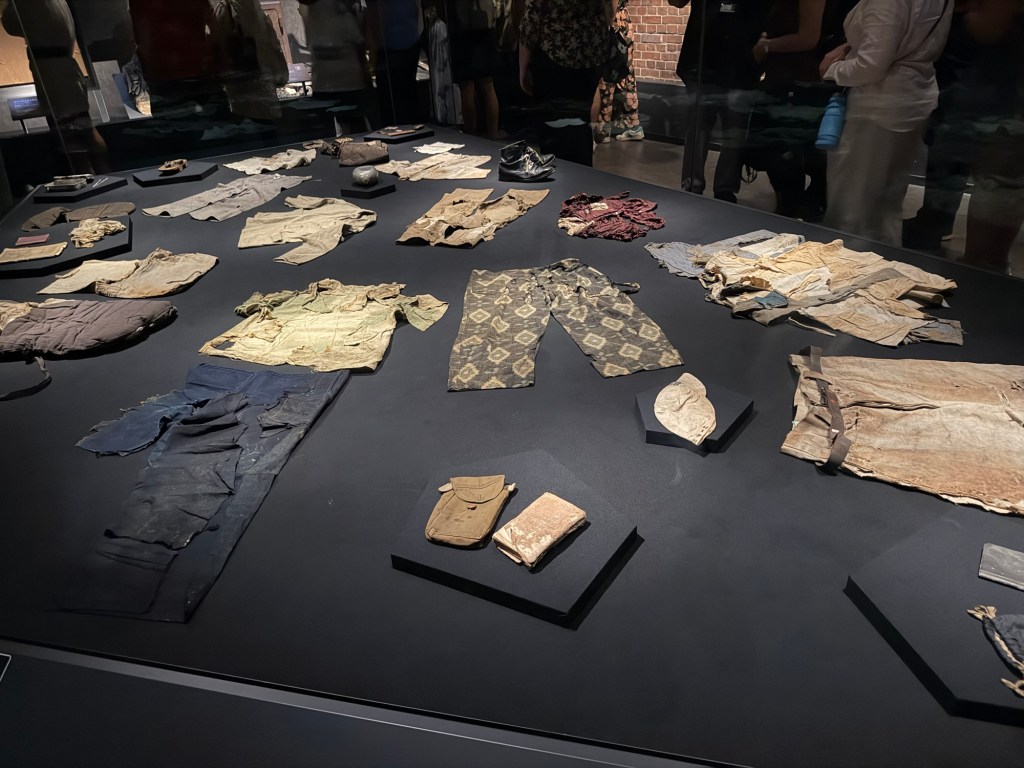
    900 metres from the hypocentre, a group of first- and second-year students from Hiroshima Junior High School were hit by the blast. Most of them died. This exhibit displays the clothes worn by three of them killed in the blast. Each article conveys the deep sorrow felt by the parents on the loss of their sons.

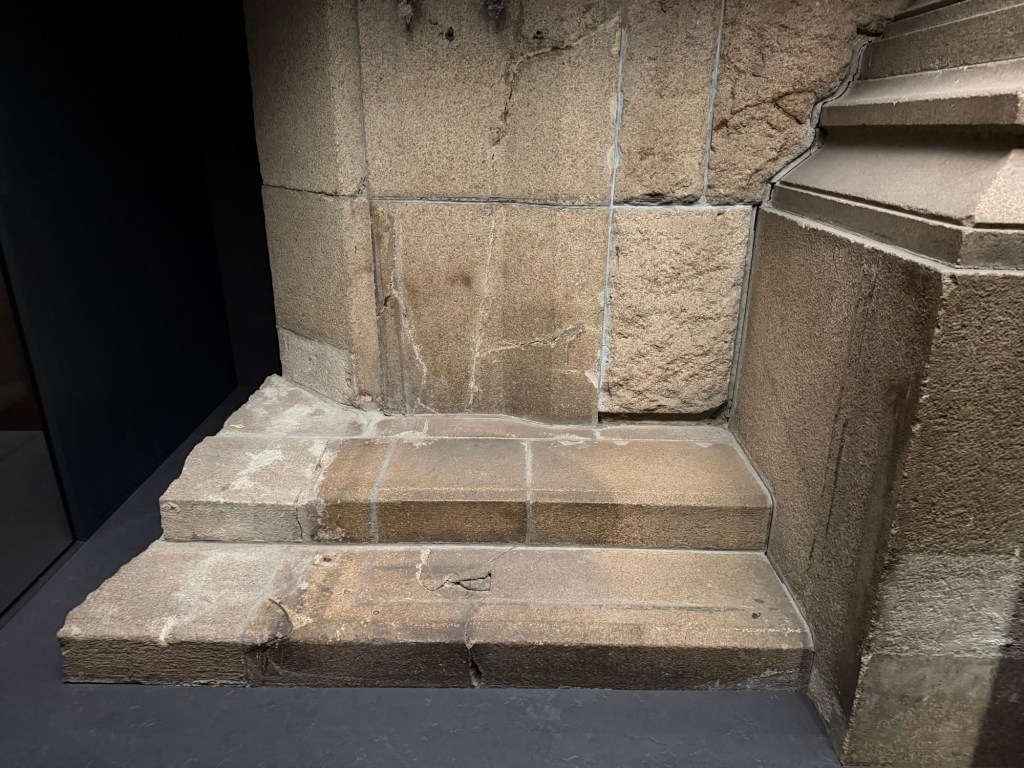
    One thing stood out as a marker of what made this event horrifically unique. Black shadows of humans and objects, like bicycles, were found scattered across the walkways and buildings of Hiroshima in the wake of the atomic blast. If difficult hard to fathom, these shadows likely encapsulated each person’s last moments, similar to the ashen casts of ancient volcano victims preserved at Pompeii. When the bomb exploded, the intense light and heat spread out from the point of implosion. Objects and people in its path shielded objects behind them by absorbing the light and energy. The surrounding light bleached the concrete or stone around the “shadow.” 

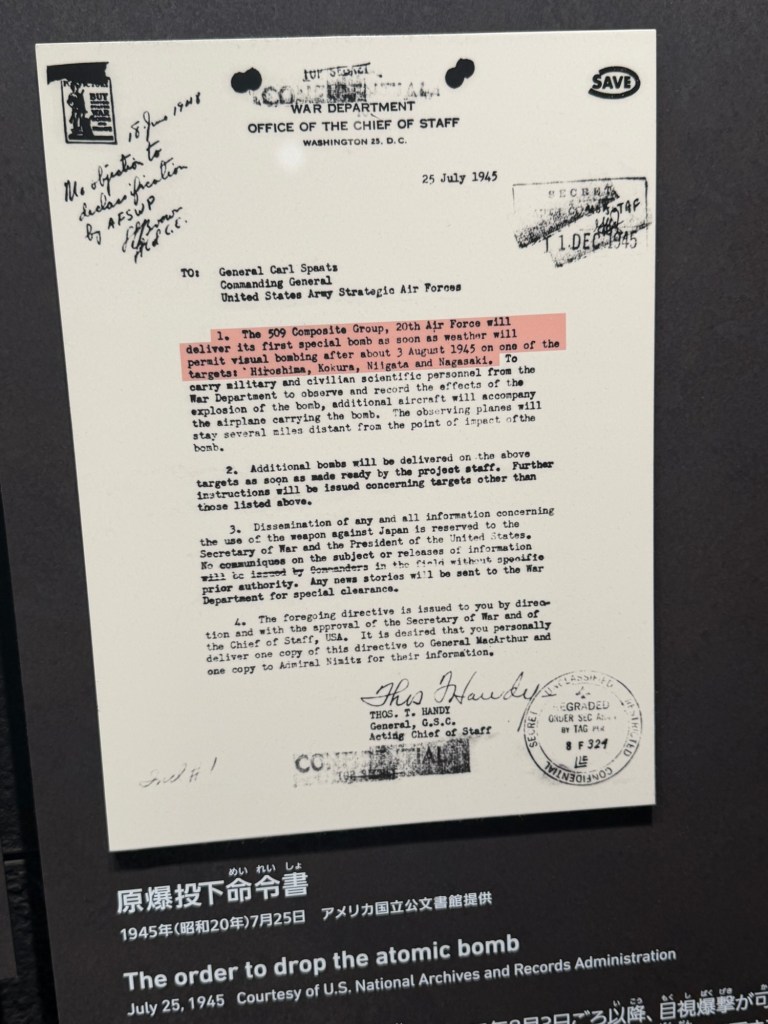
    And here it is, the order that changed the world forever.

    I am dividing today’s blog into two sections, A and B. It would be insensitive not to do so.

    A final thought:

  • Day 9: Hiroshima (広島)

    Japan learned from the bombings of Hiroshima and Nagasaki that the tragedy wrought by nuclear weapons must never be repeated and that humanity and nuclear weapons cannot coexist.

    Daisaku Ikeda (Japanese writer)

    What might we learn from visiting Hiroshima itself, and its Peace Memorial Park in particular?

    With that in mind we said farewell to Kyoto, ready for the next leg of our journey- 3 days in Hiroshima – before flying out to the Okinawa Islands.

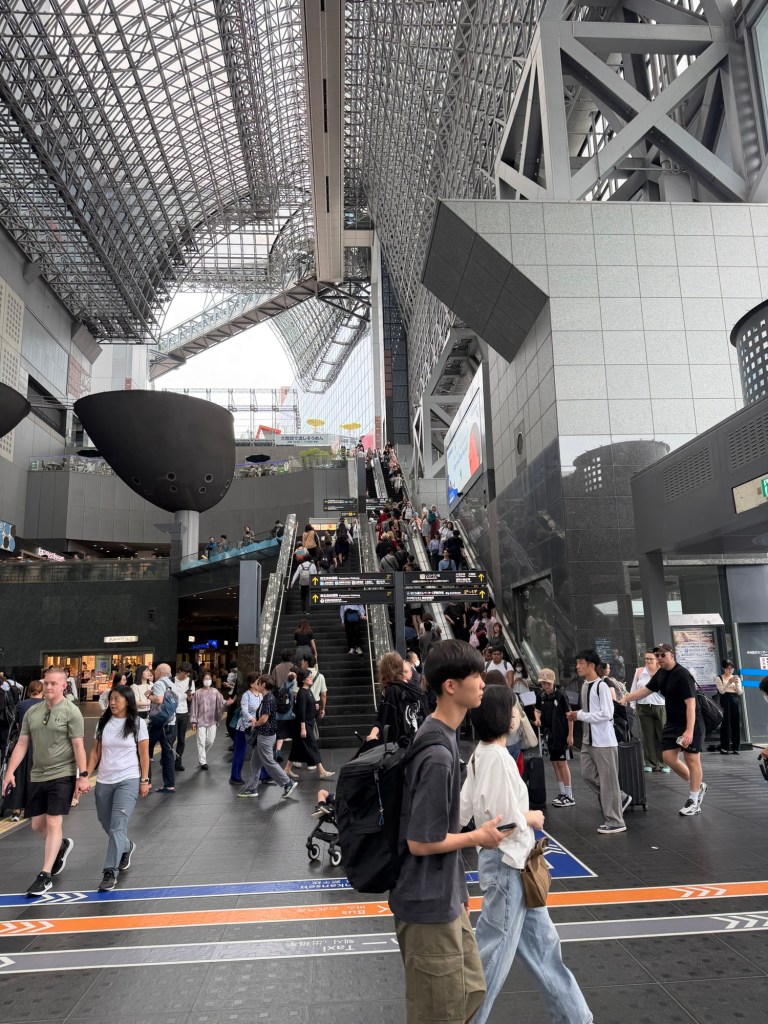
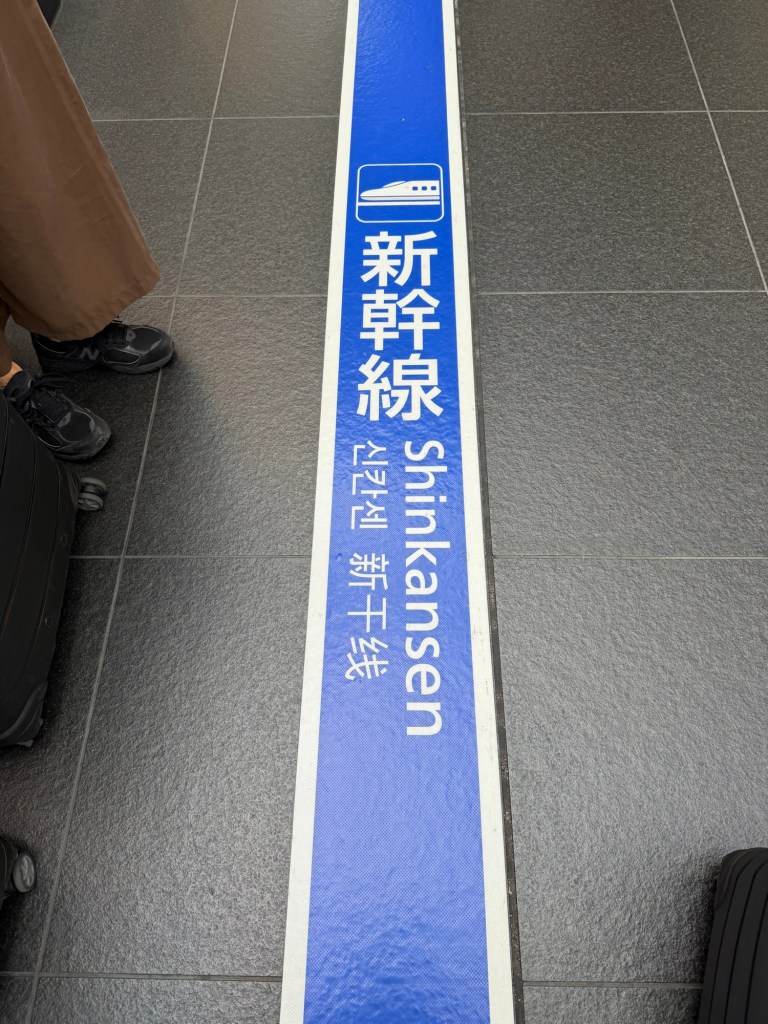
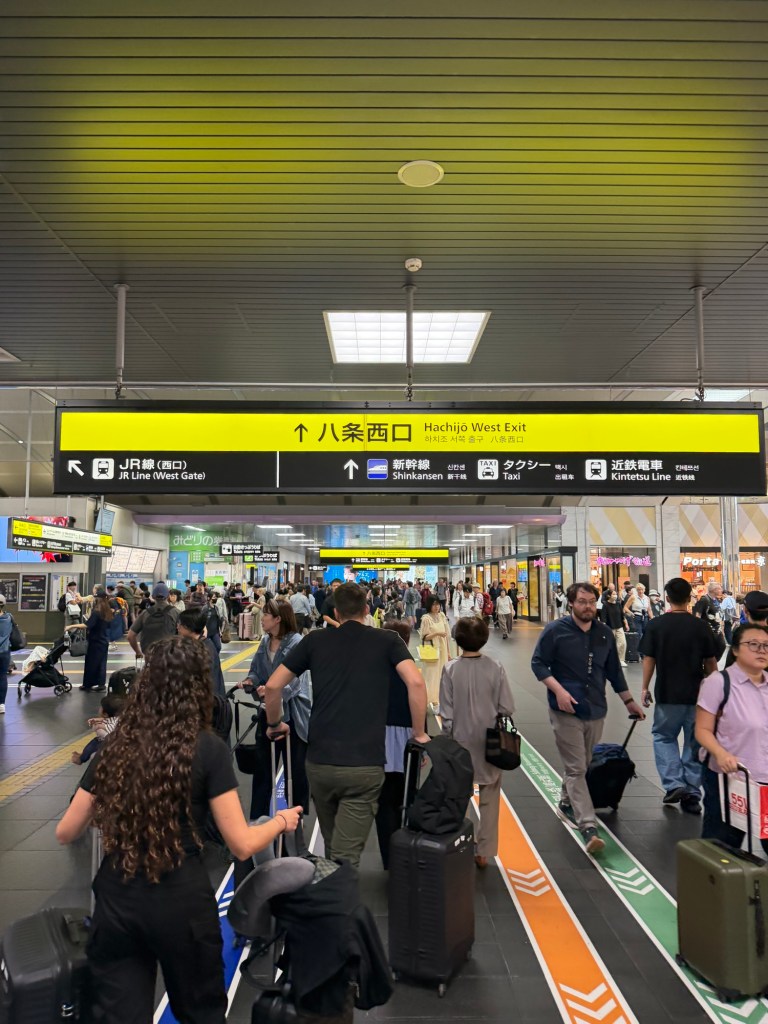
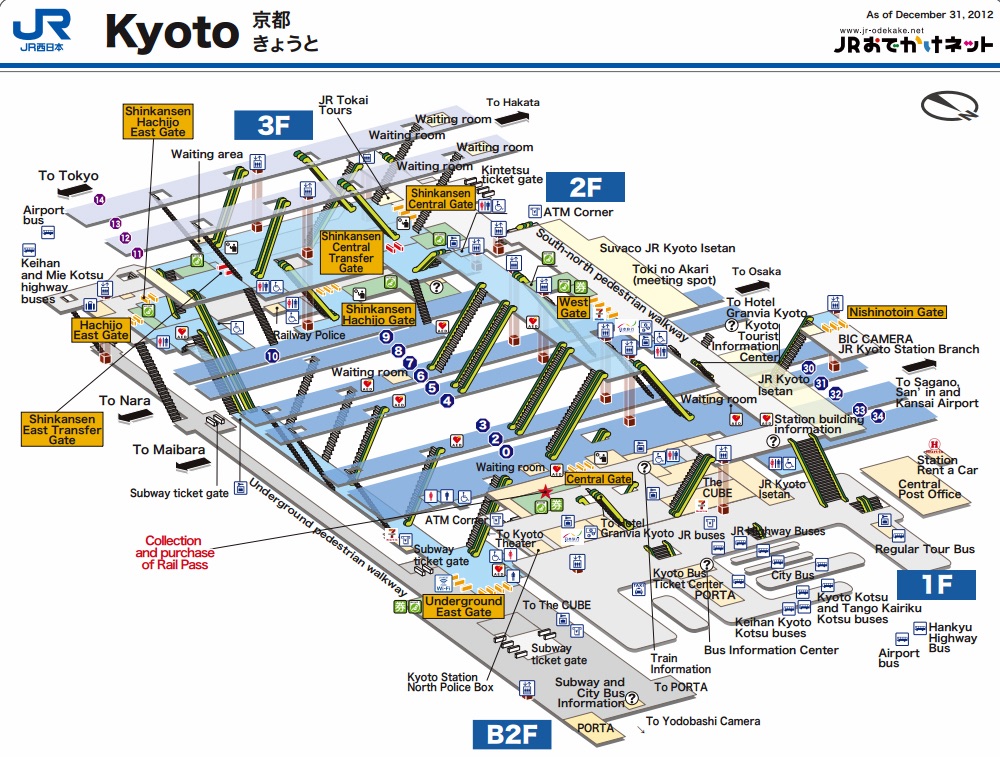
    Negotiating the upper floors of Kyoto station – where the Shinkansen (bullet trains) operate from is a doddle – just follow the blue line.

    How cool are these trains! Plus they arrive on the dot and leave so: all within a two minute window; off, on, move on.

    One of the fun things to do when travelling is trying something a little bit different food-wise. Not everywhere is so far out as was the area of Osaka we teleported into yesterday. If, like us, you are drawn to a patisserie, then ‘you pays your money and takes your choice’, as is the case everywhere.

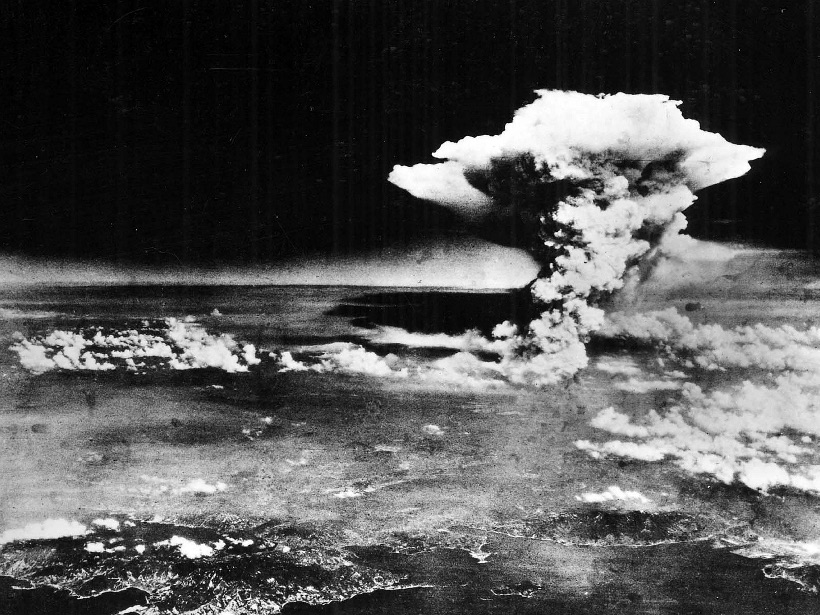
    Hiroshima will forever be known as the city on which the first atomic bomb was dropped on 6 August 1945. The destructive power of the bomb was simply unprecedented.

    As he witnessed the first detonation of a nuclear weapon on July 16, 1945, J. Robert Oppenheimer (see Reading page) quoted a piece of Hindu scripture, one of the best known lines of the Bhagavad Gita.

    Now I am become Death, the destroyer of worlds.

    After the war, the city was rebuilt. Destroyed monuments of Hiroshima’s historical heritage, like Hiroshima Castle and Shukkeien Garden, were reconstructed. In the centre of the city a large park was built and given a name that would reflect the aspirations of the re-born city: Peace Memorial Park.

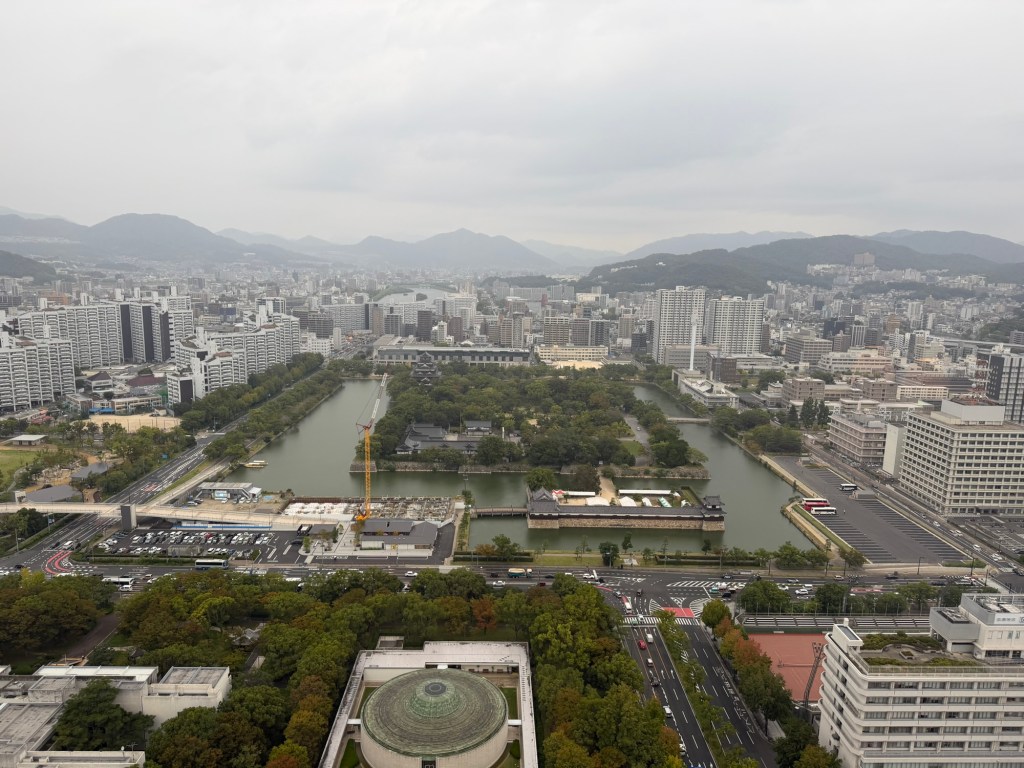
    The view from our room is centred on the reconstructed Hiroshima Castle. We look forward to exploring tomorrow, and extending our learning on Daisaku Ikeda’s expressed truism that: humanity and nuclear weapons cannot coexist.

  • Day 8: Ōsaka 大阪, a walk on the wild side

    Osaka (大阪, Ōsaka) is Japan’s second largest metropolitan area after Greater Tokyo. We anticipated something quite different, today, after soaking up the cultural hot spots of Kyoto over the past couple of days. The Lonely Planet guide describes Oska thus:

    Osakans are famously brash, playful (many of Japan’s comedians are from here) and less hung up on etiquette than other Japanese.

    Osaka’s unofficial slogan is kuidaore (eat yourself to ruin), which as home to some of the country’s best-loved snacks sounds a worthy challenge.

    Now, I think it is fair to say that neither of us is remotely brash, we appreciate good manners, and we are avidly health-conscious. We both are, however, very much up for a challenge so we approached the day decidedly gung ho!

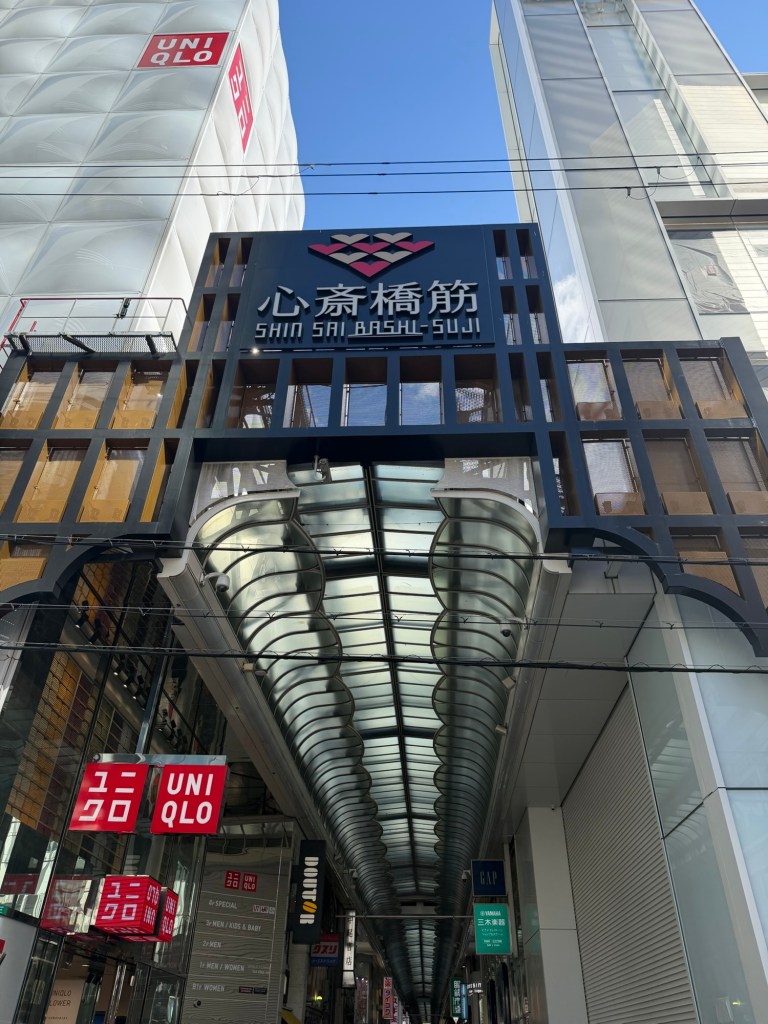
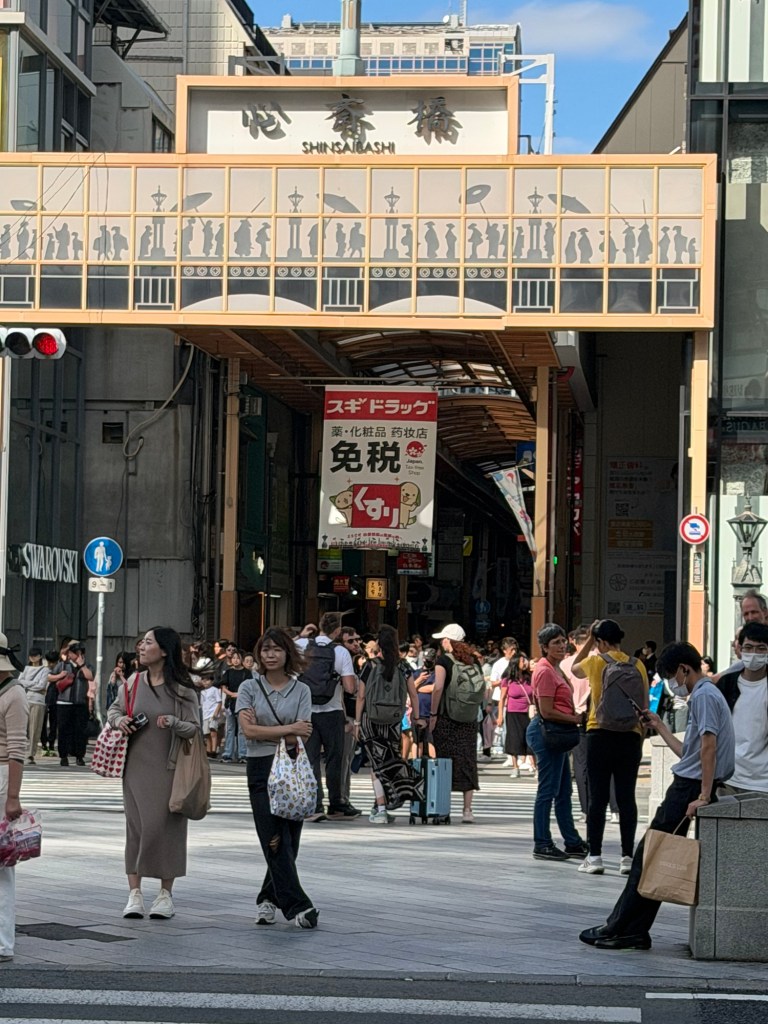
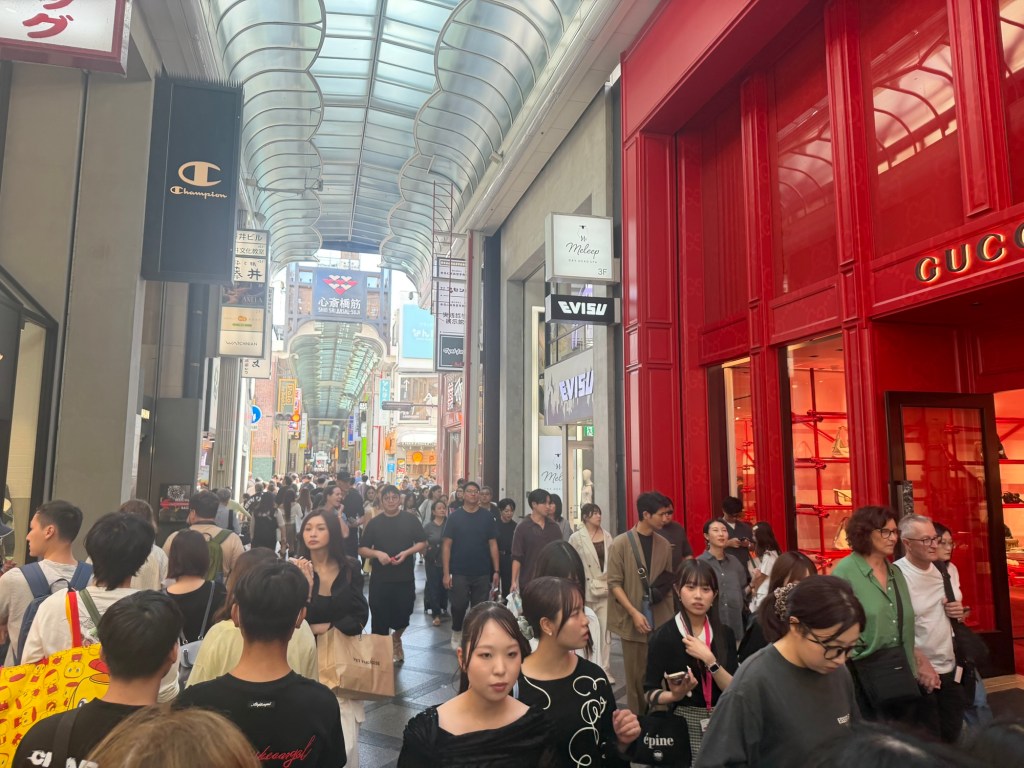
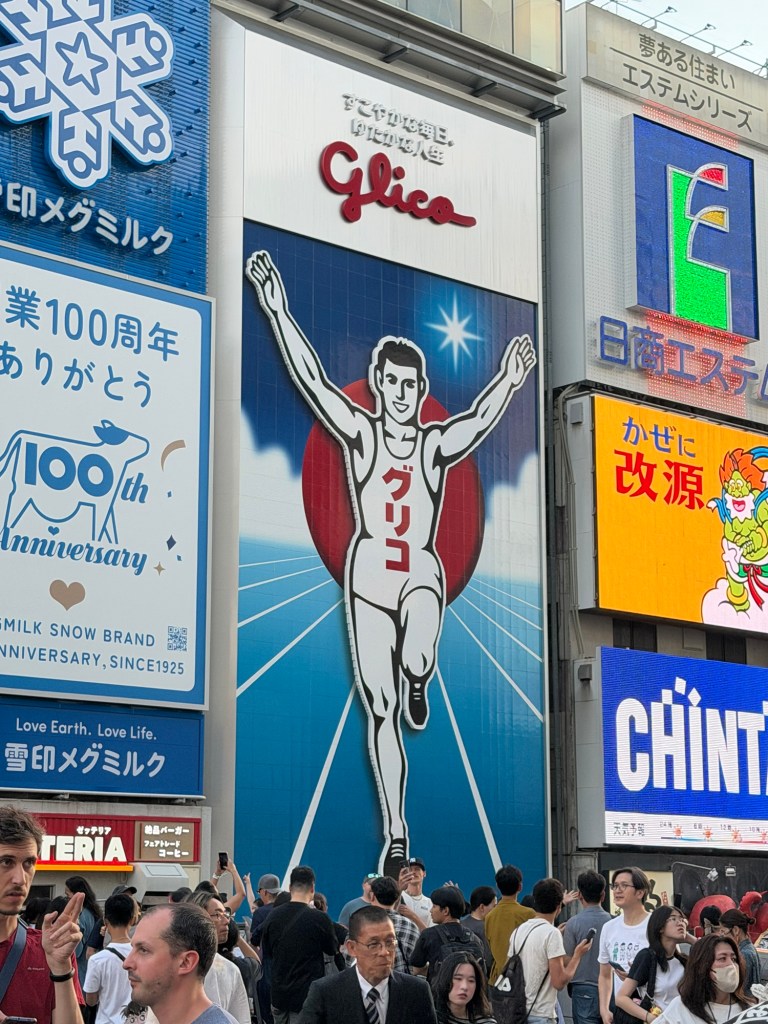
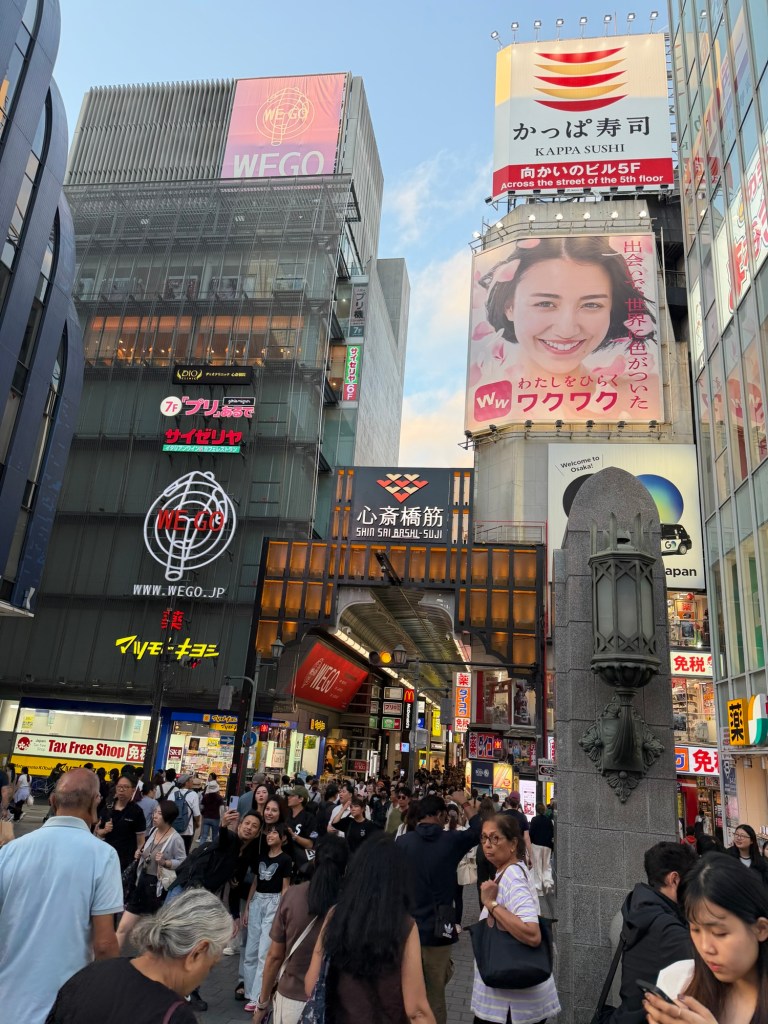
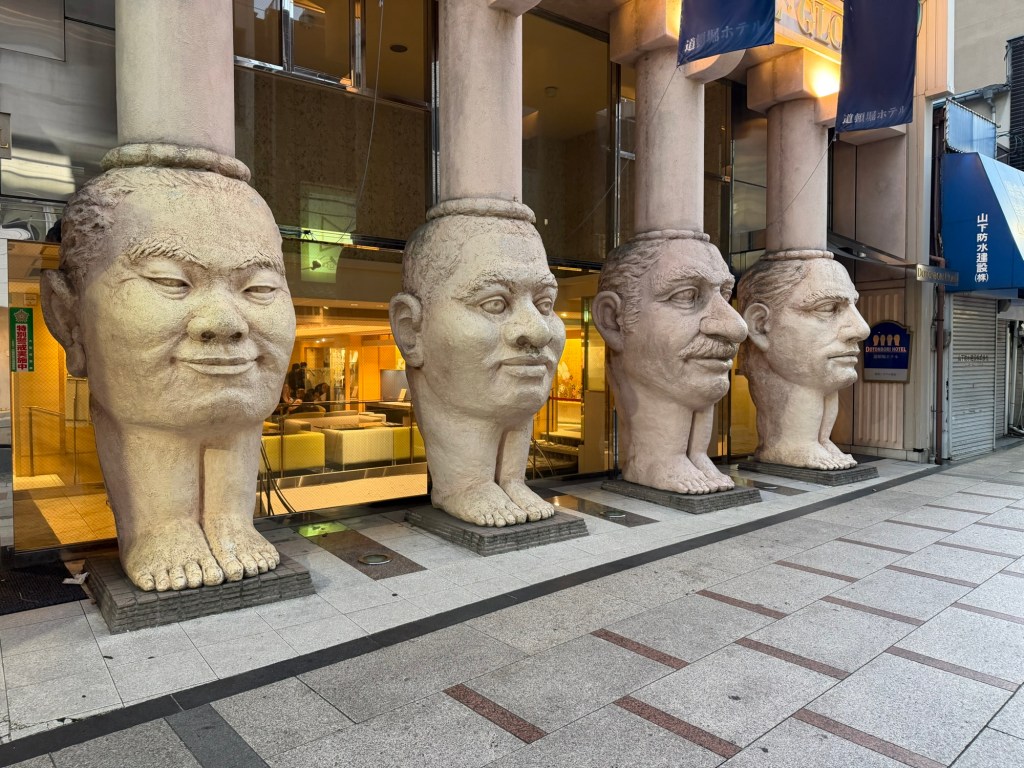
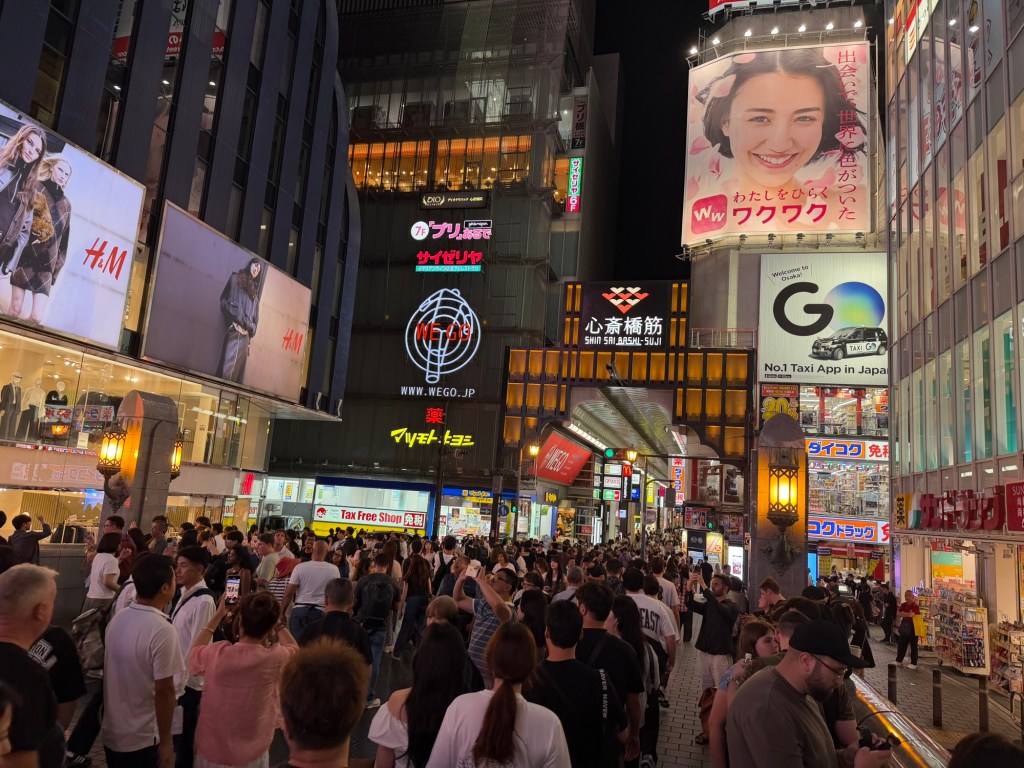
    The train journey to Osaka was uneventful (after we found the platform in Kyoto station). We then took the underground to Shinsaibashi, wanting to see what the fuss is about at Shinsaibashi-suji, a covered arcade, one of Osaka’s oldest and busiest shopping destinations, which runs about 600 metres in length. 

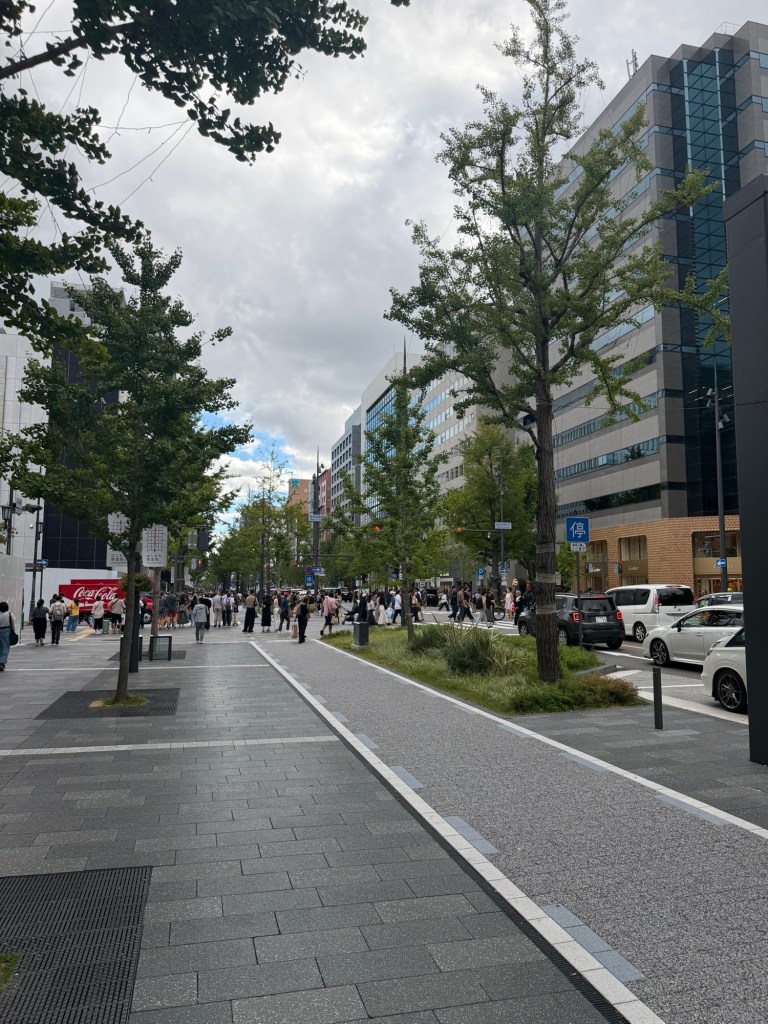
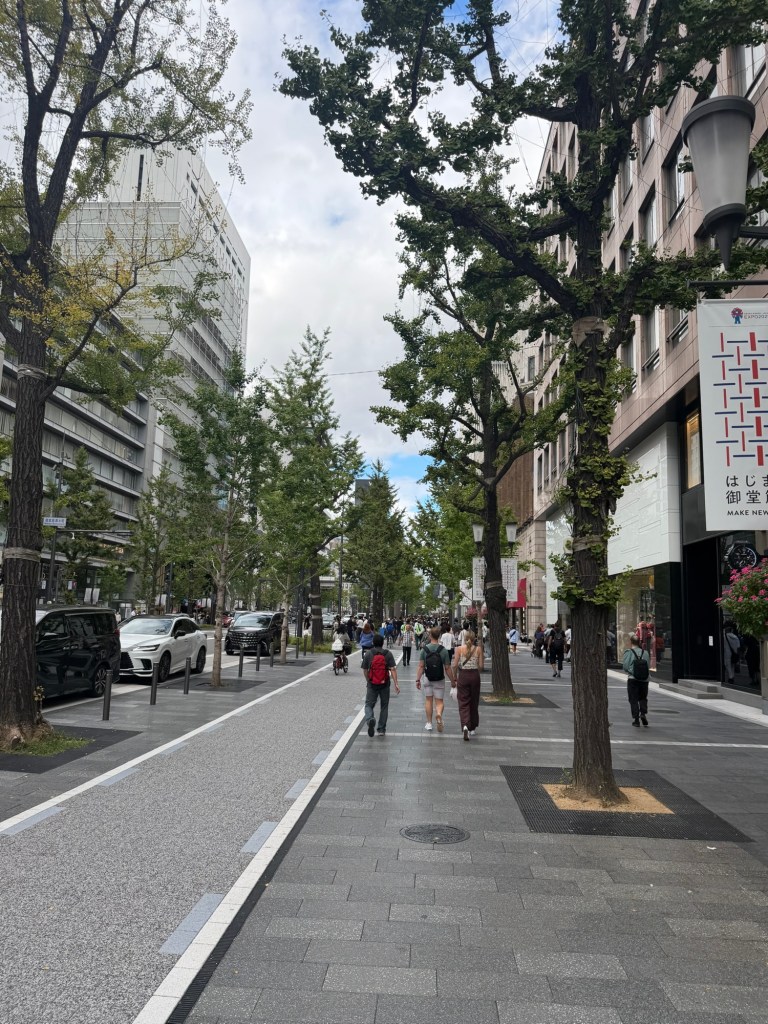
    After a while, we side-stepped the covered walkway and moved down one block. A much more pleasant walk, passing all those ‘look don’t touch’ shops; with every name we knew, and more.

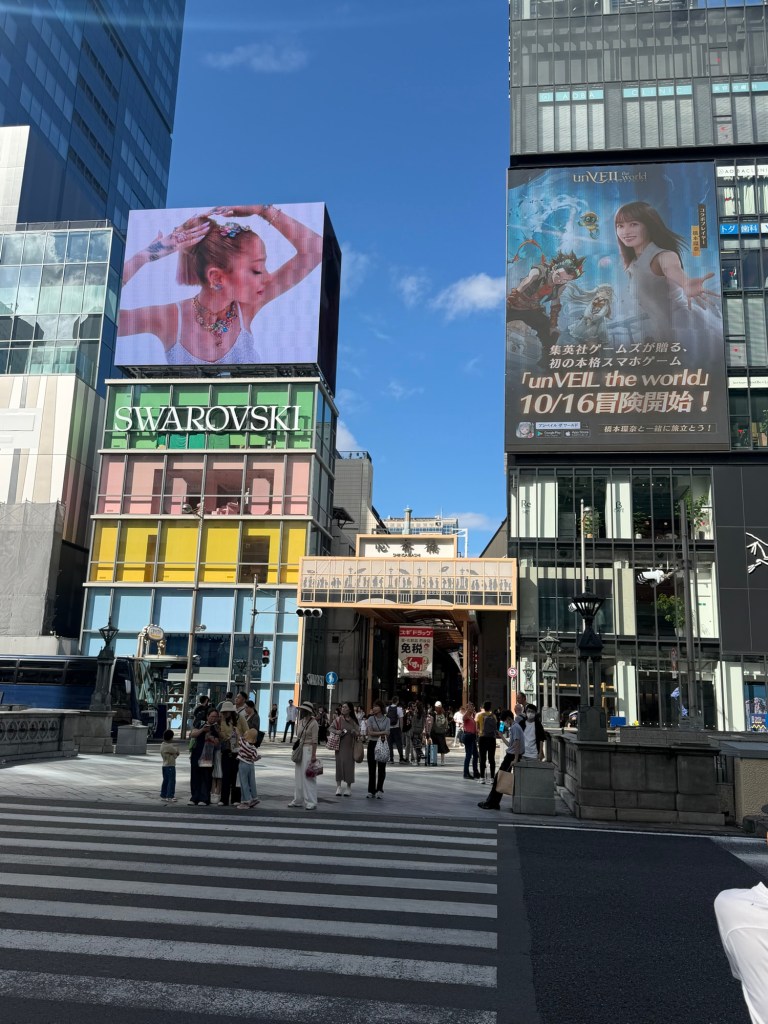
    We were looking for the Ebishu bridge. The name is said to likely come from its position on the pilgrimage route to the Imamiya Ebisu Shrine, dedicated to the kami (deity) Ebisu, who is particularly beloved in Osaka. The bridge is also nicknamed “hikkake-bashi” (ensnare bridge) because of the tradition of “hosts” trying to lure customers and tourists. They needn’t bother with us. Been there, fallen for it more than once, learnt the lessons; short shrift, politely so.

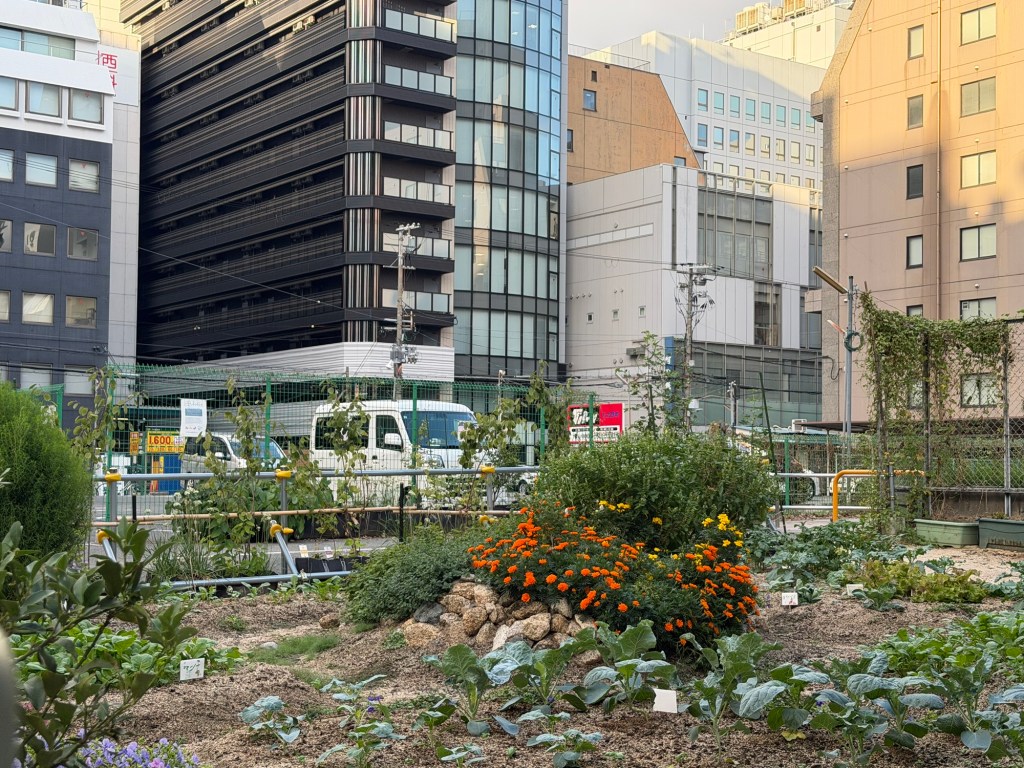
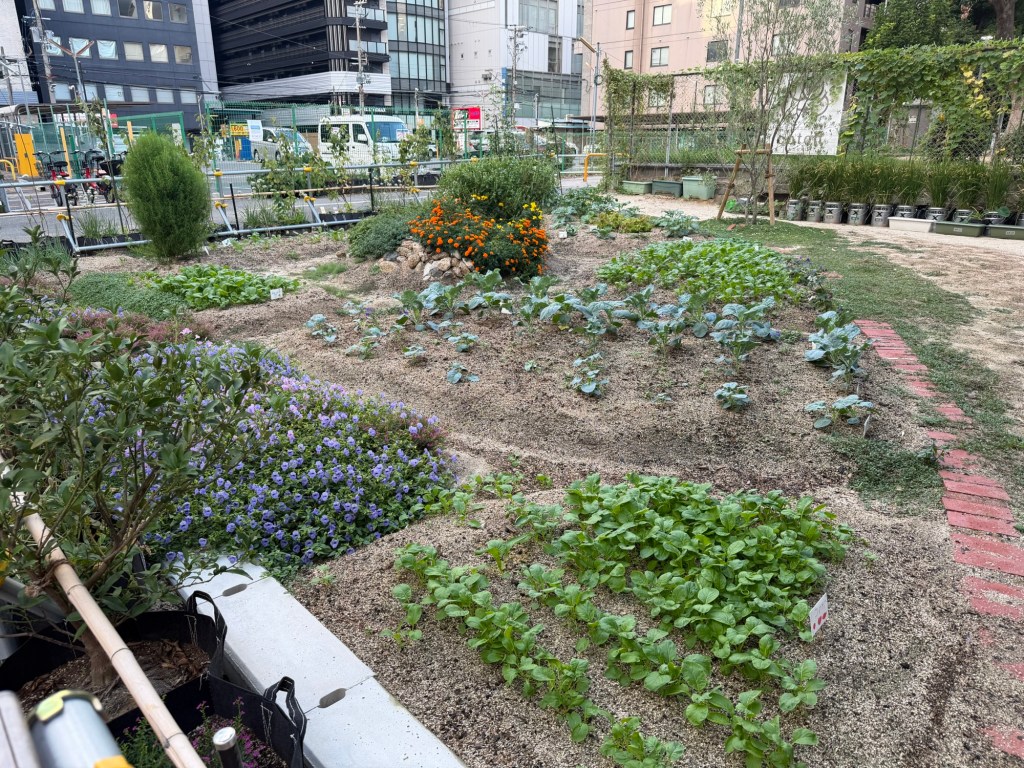
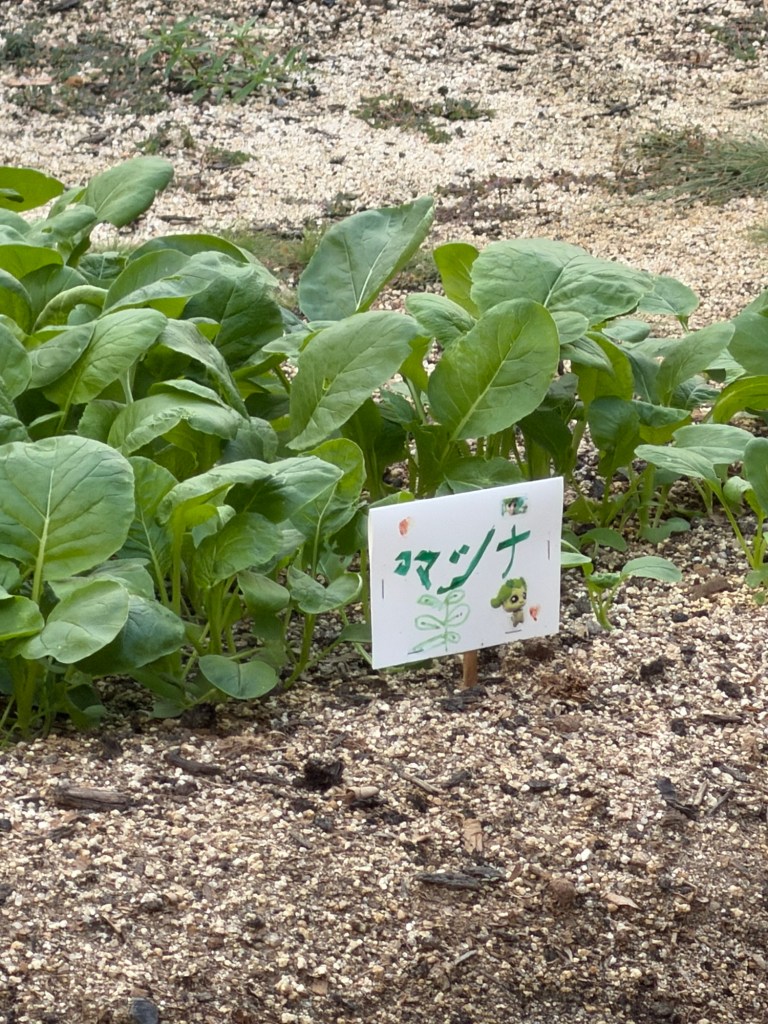
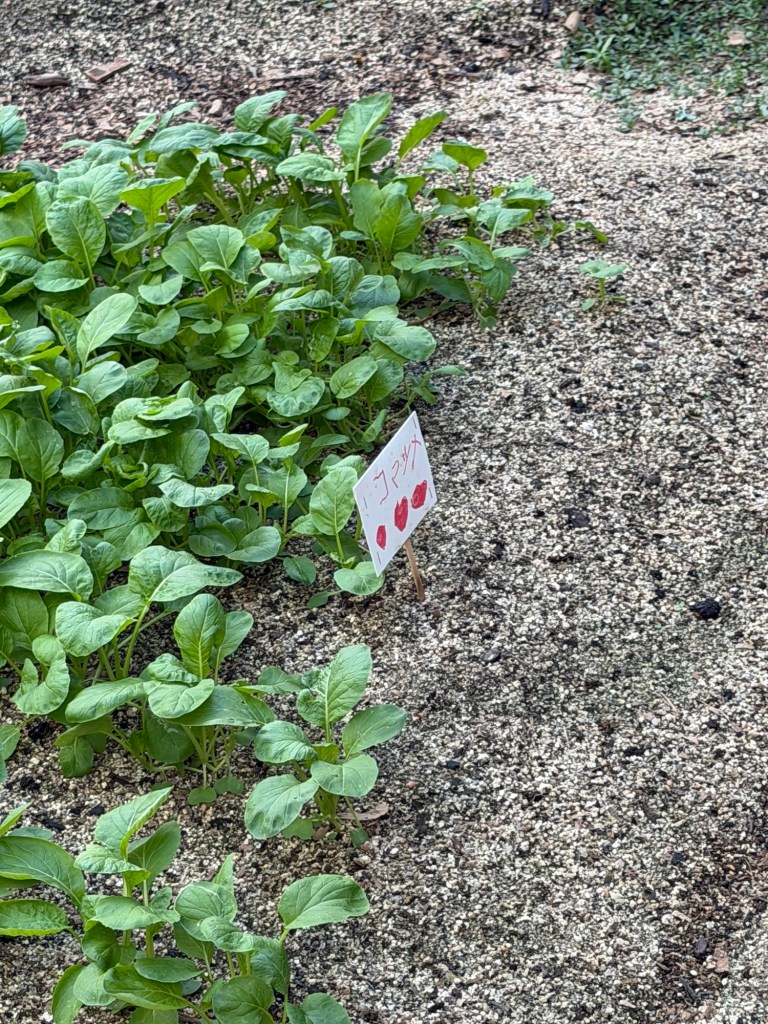
    Venturing a little off the beaten track we came across this delightful little garden, set within one of the busiest areas of this metropolis – all lovingly labelled.

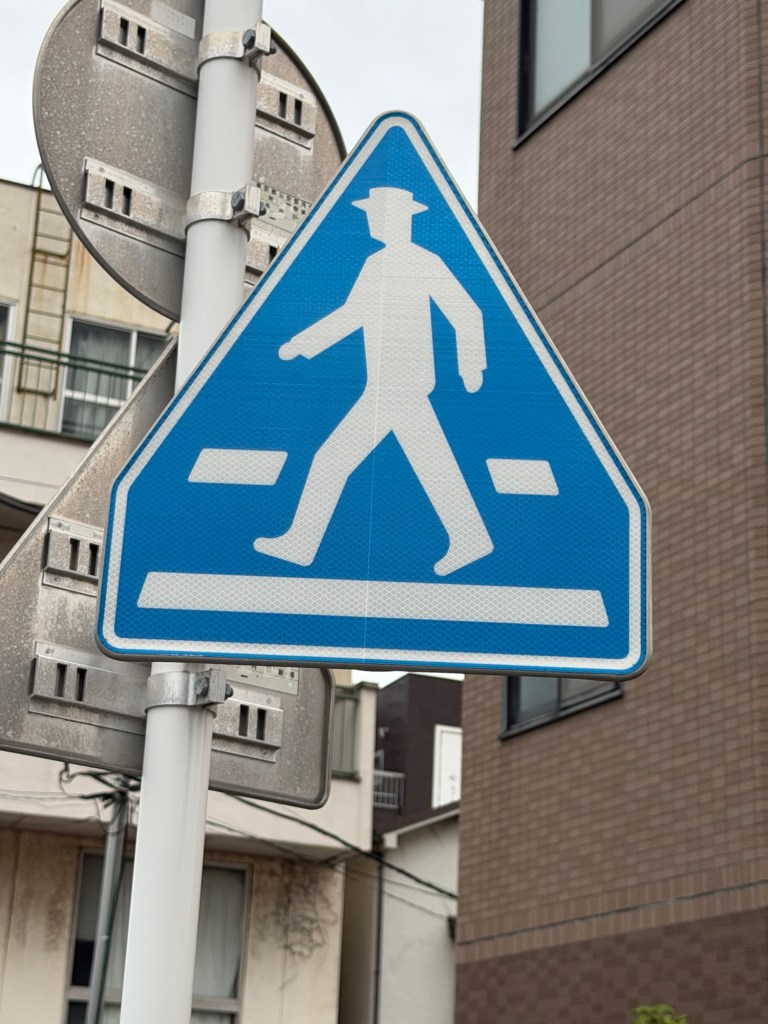
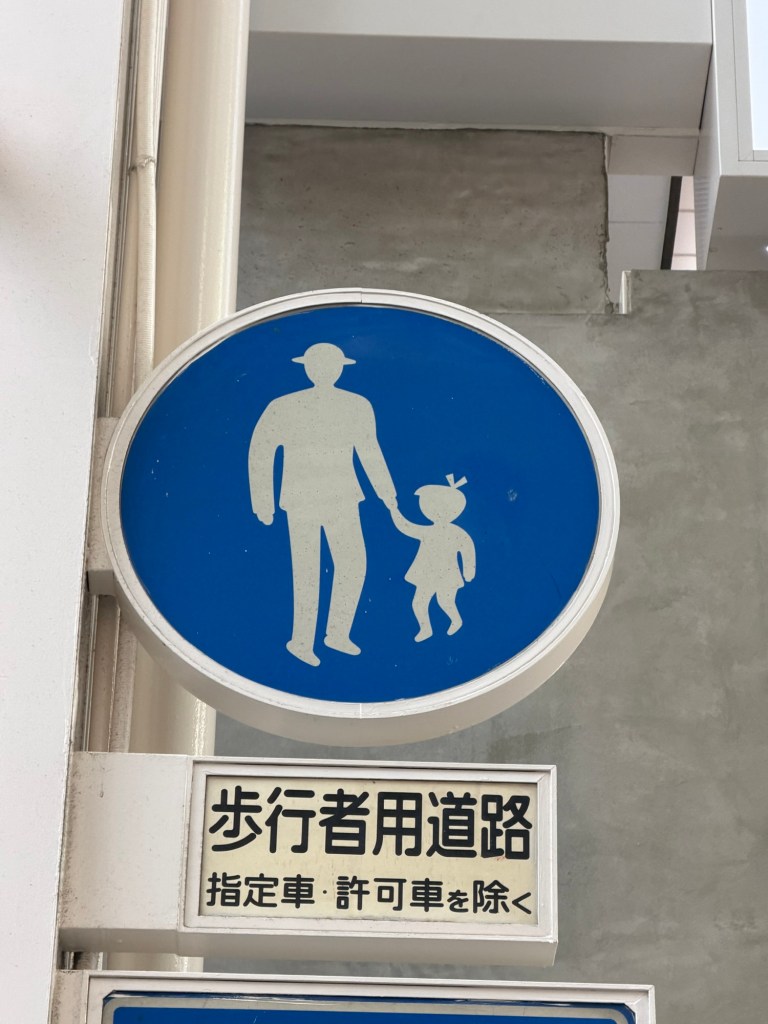
    Also, remember the crossing sign that featured in Day 3’s blog post – the one by Asahi HQ. There’s one for father’s crossing with child, too.

    A little softer in attitude (fatherly?) than the young gallant making a beeline for the Asahi watering hole we tried out.

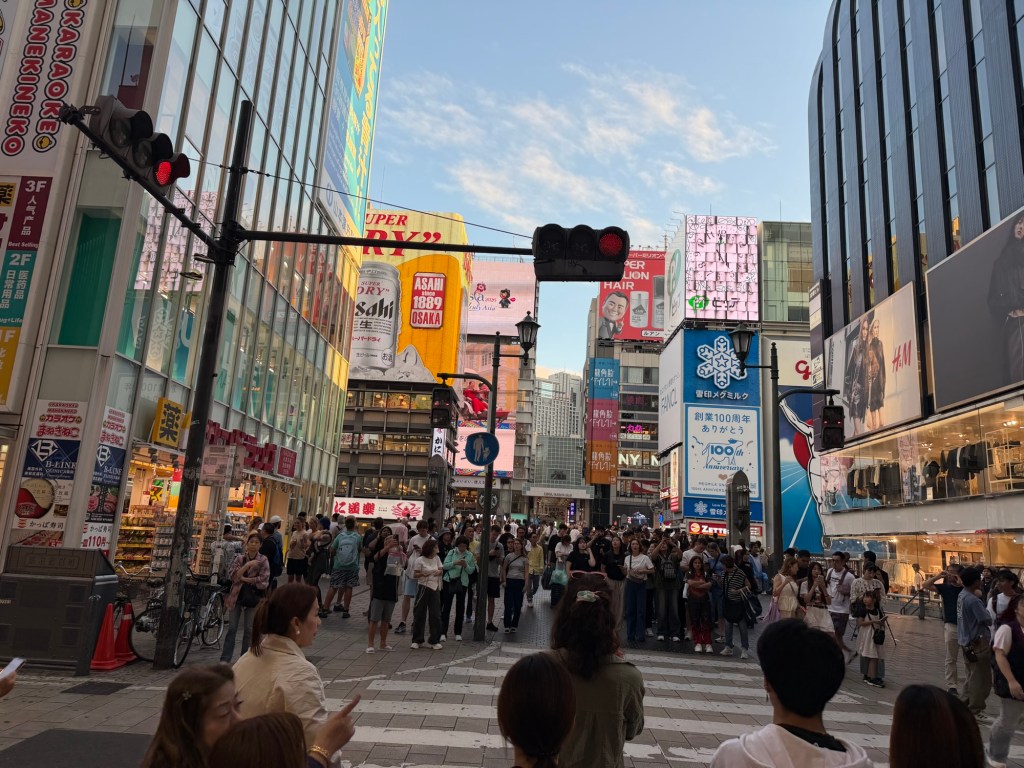
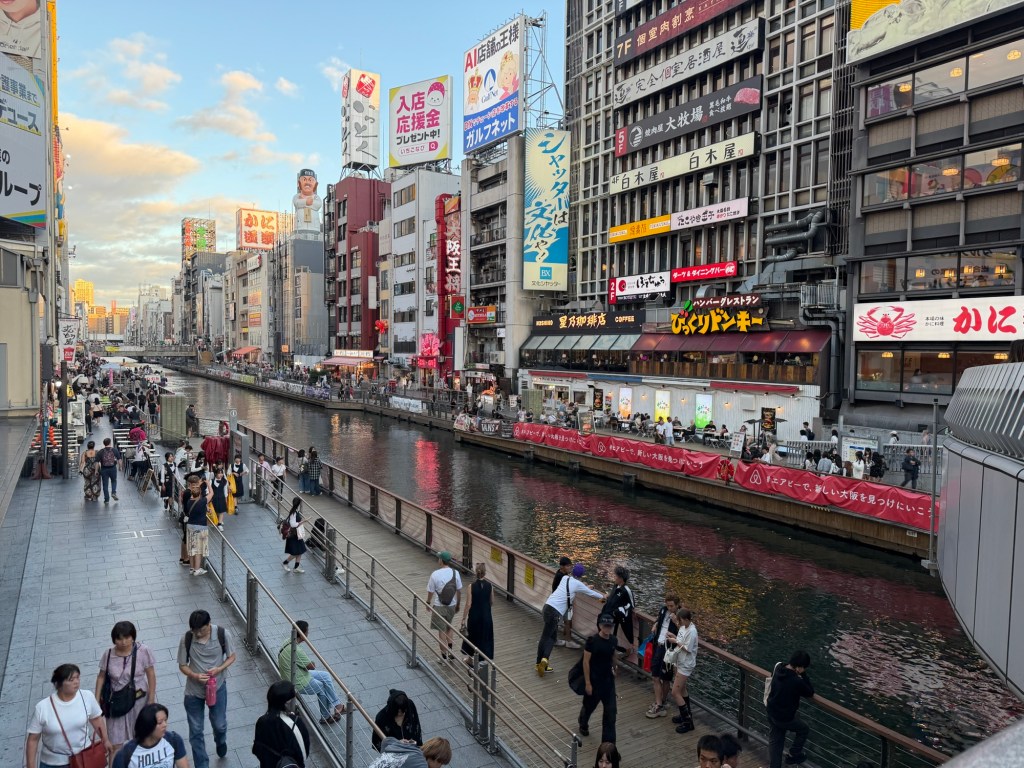
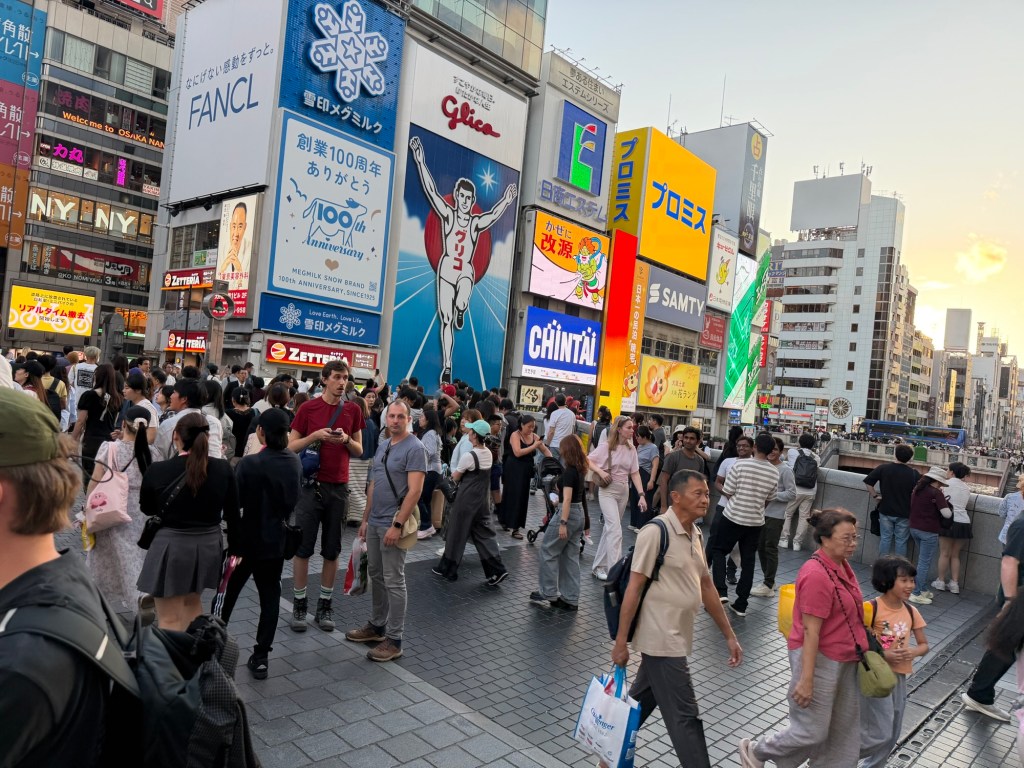
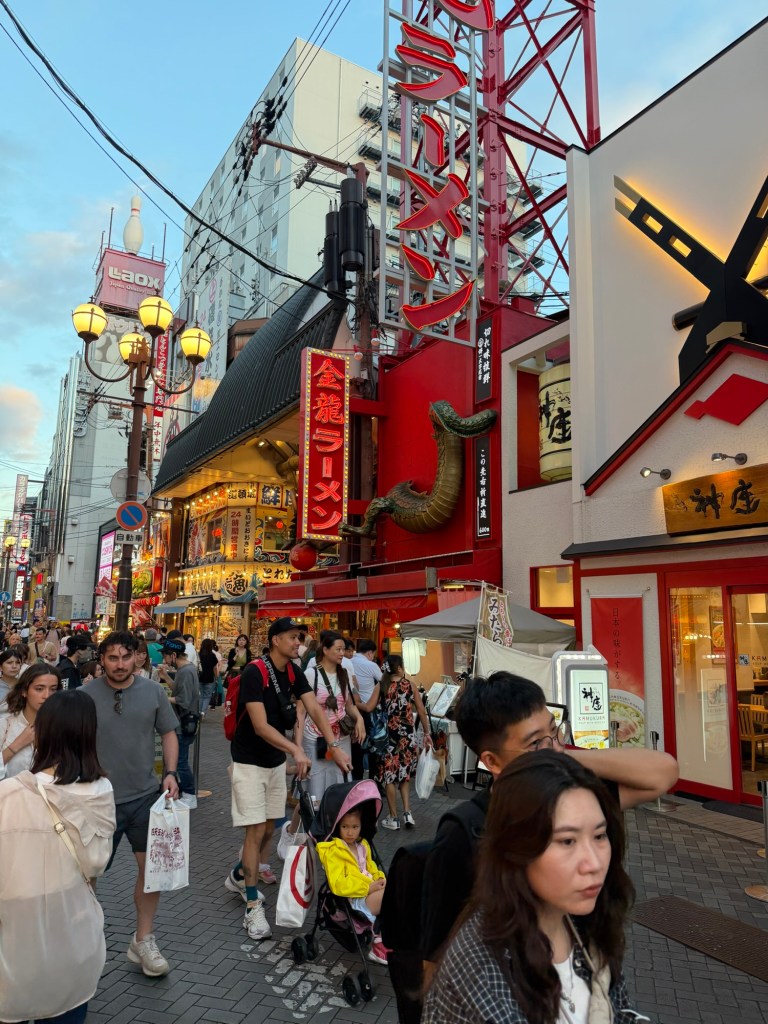
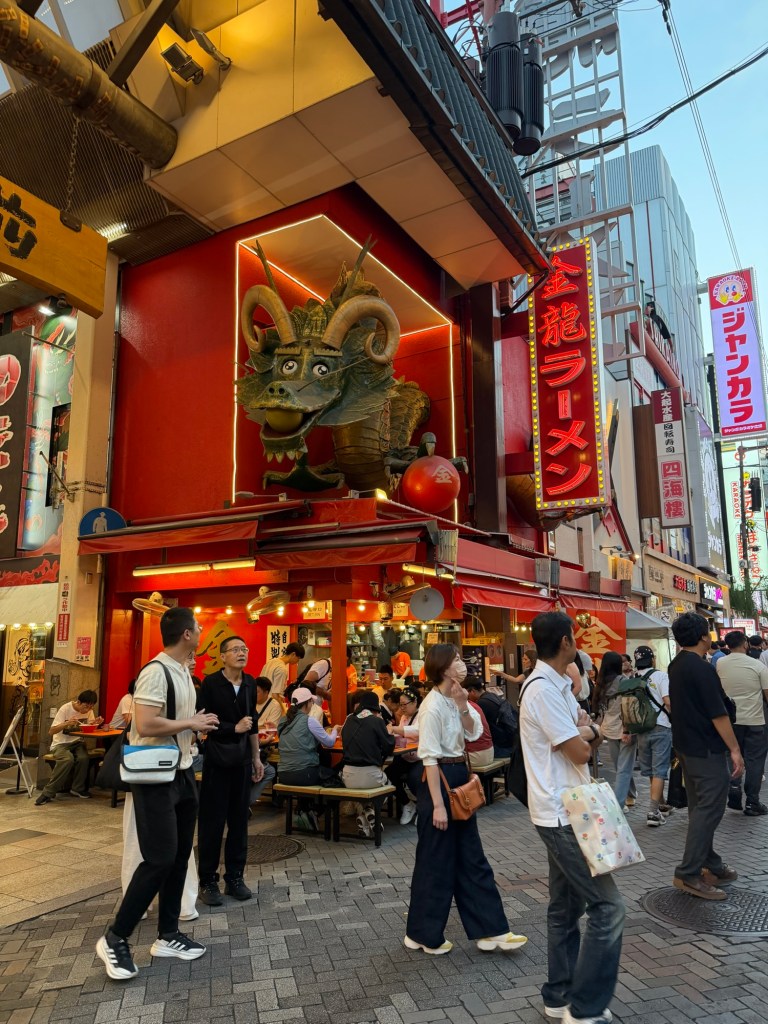
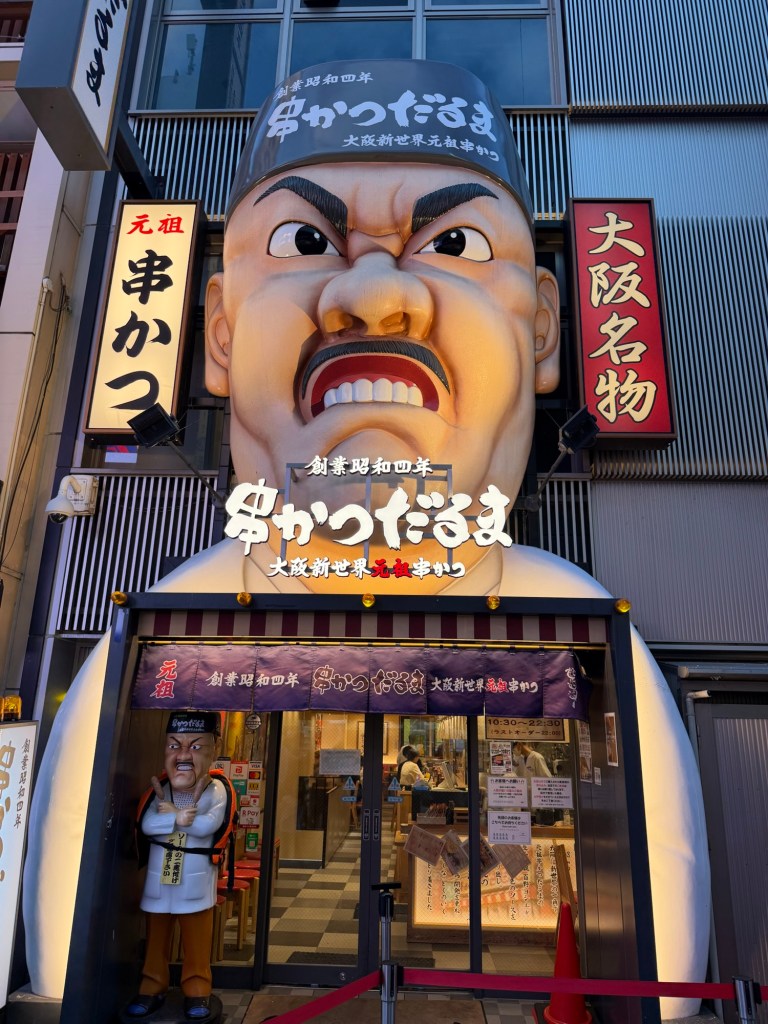
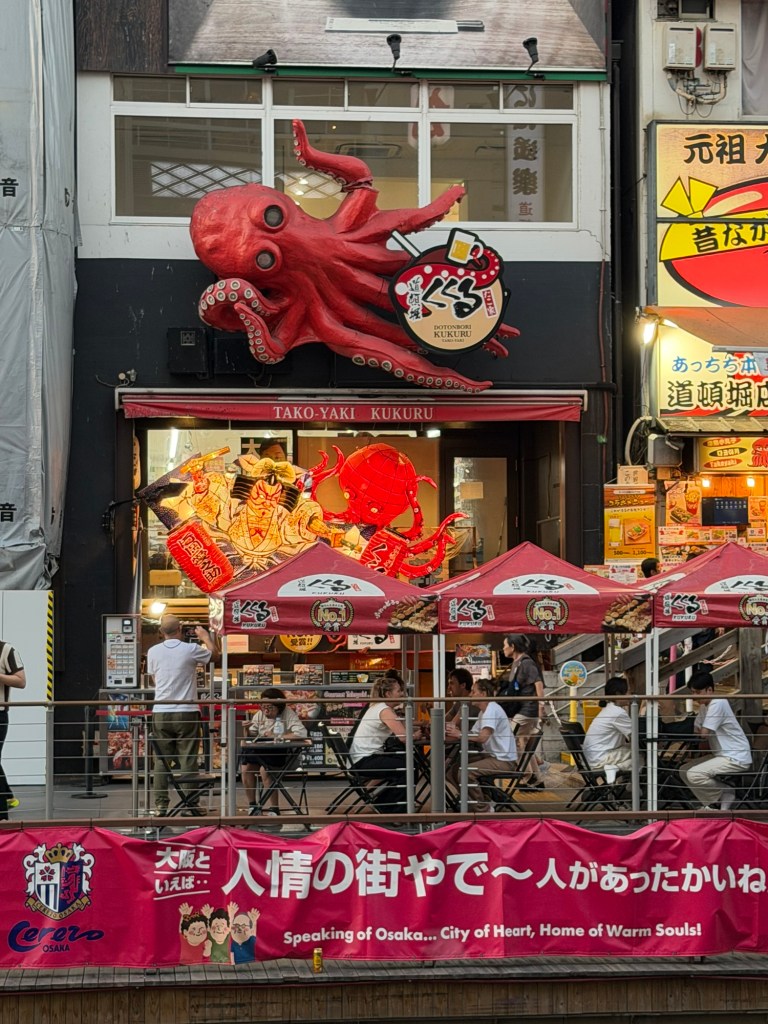
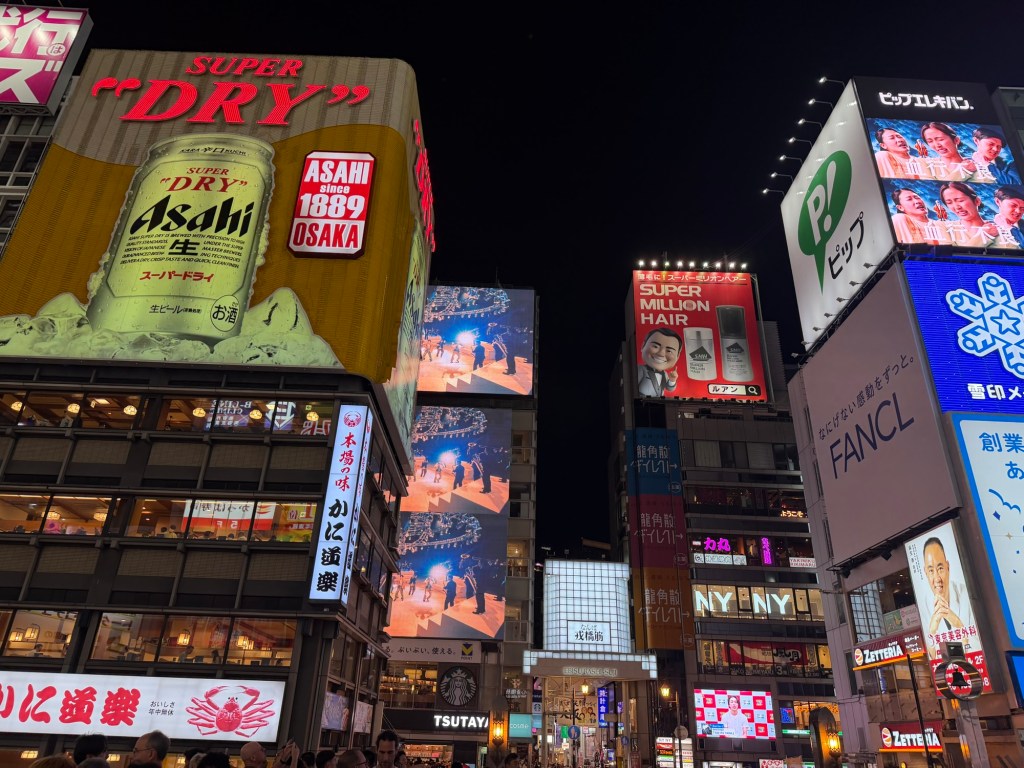
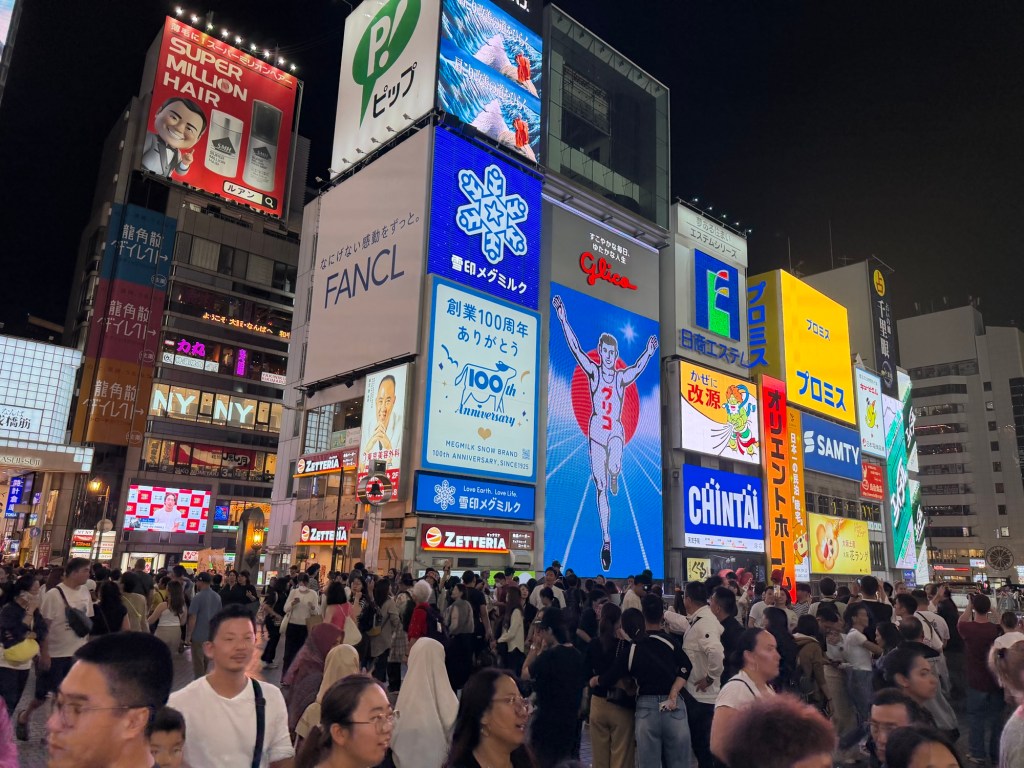
    We did finally make it to Ebishu bridge. Crazy town!

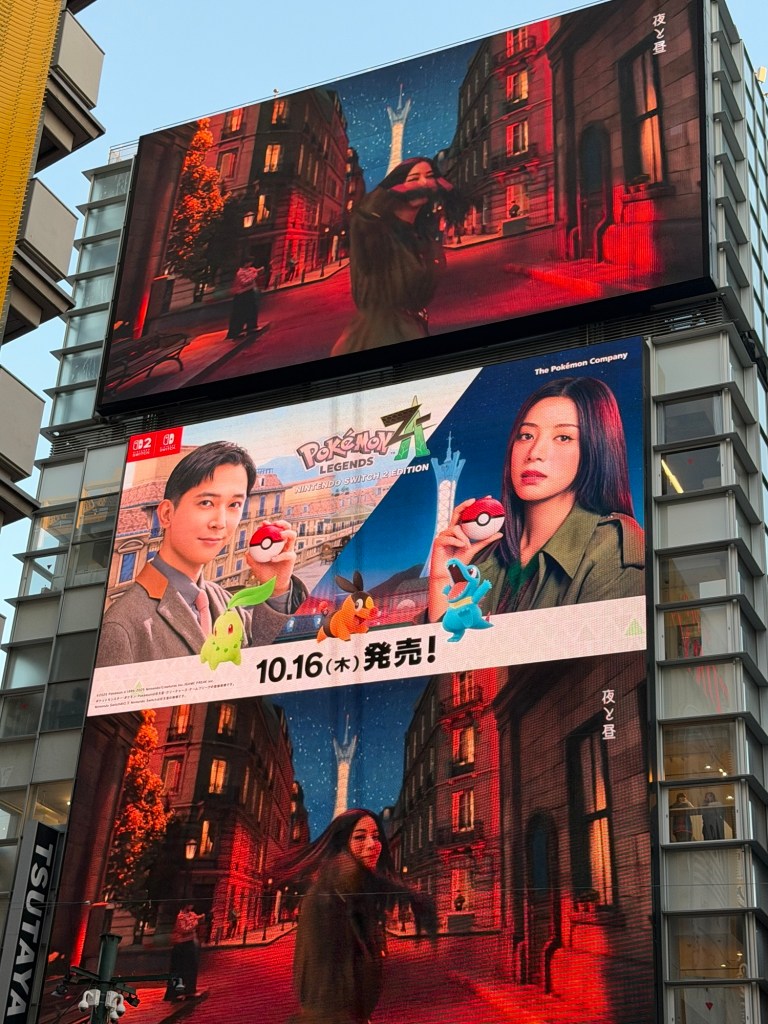
    I’ll just let the pictures do the talking

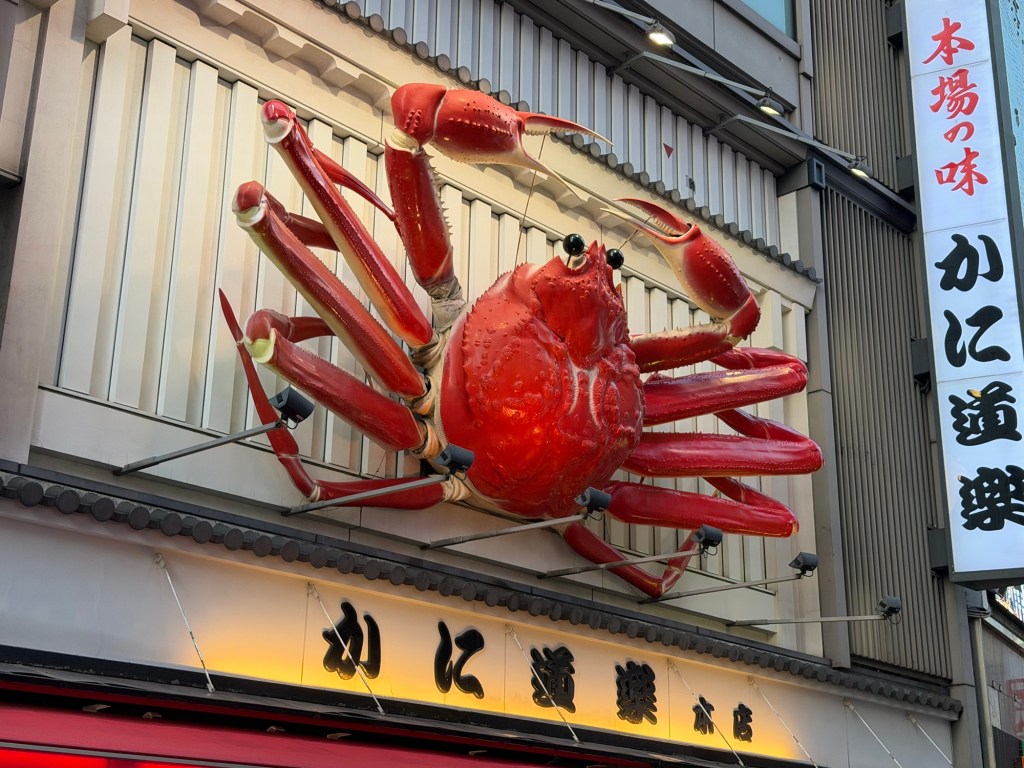
    A lot of competition so it is hardly surprising they pull out all the stops to entice people into their eating places.

    animated crab
    🤷‍♂️

    If possible, the whole place became busier, noisier and madder as the light dropped

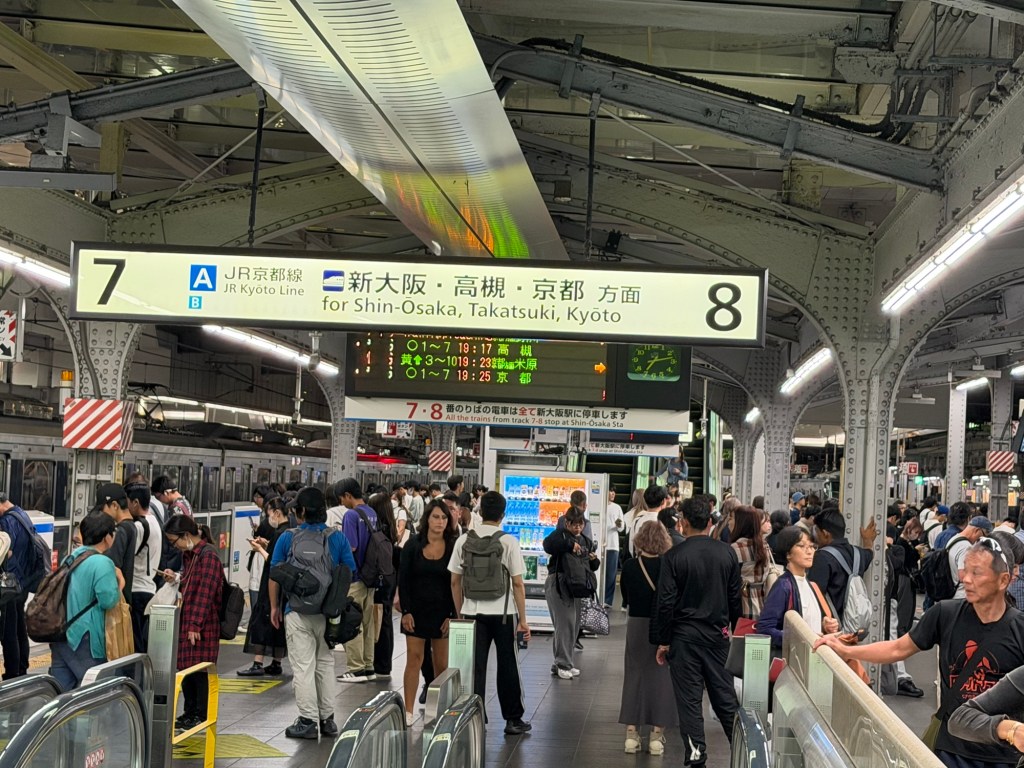
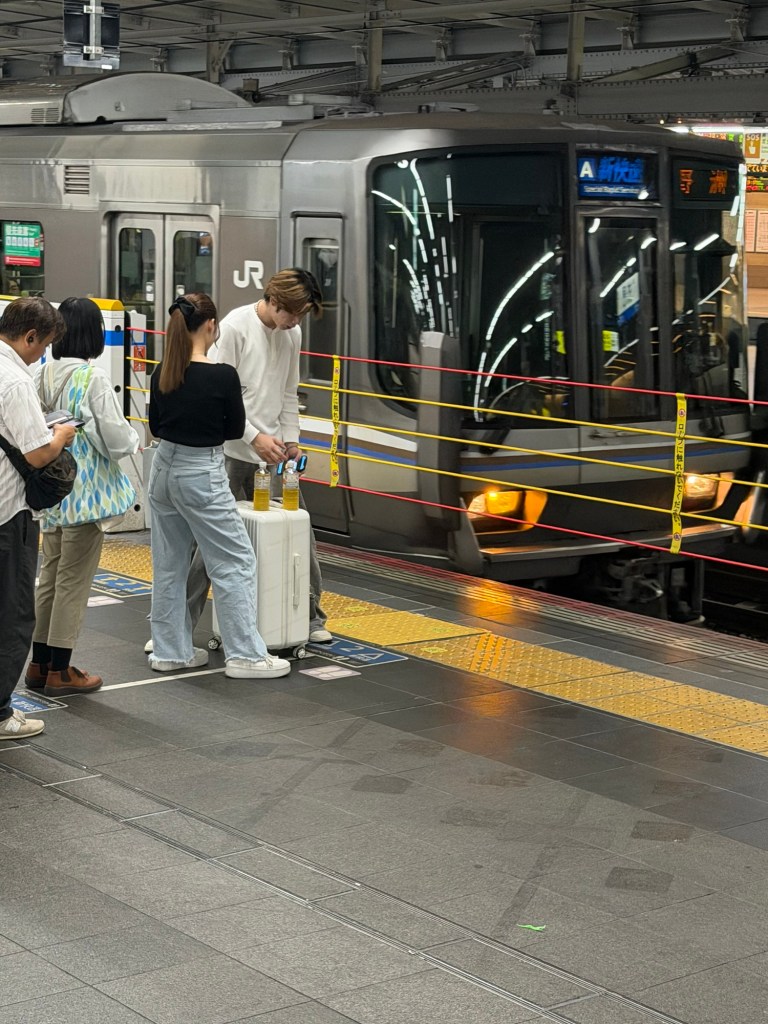
    Today was exhausting (maybe yesterday’s 199 steps, to the power of 1000, catching up) but lots of fun. We had a bit of a saga, yet again, finding our train and platform at Osaka station.

    It was with no little relief we watched Casey Jones steaming in…

    So it’s on to Hiroshima tomorrow, where we are expecting something quite different again.