Having swum in the sea over this part of the world many times in the past few years, we have often marvelled at just how warm it is. It is no less the case this year; this October. So, with this in mind, I have been doing a little bit of homework.
A trustworthy (source wise) and helpfully colour-coded World sea surface temperature map immediately aids one’s understanding.
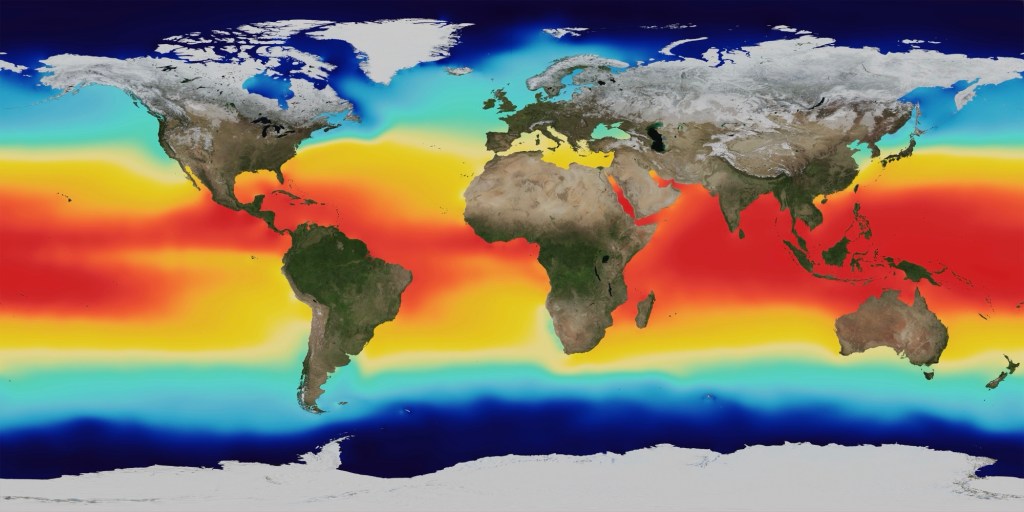

Explains a lot…
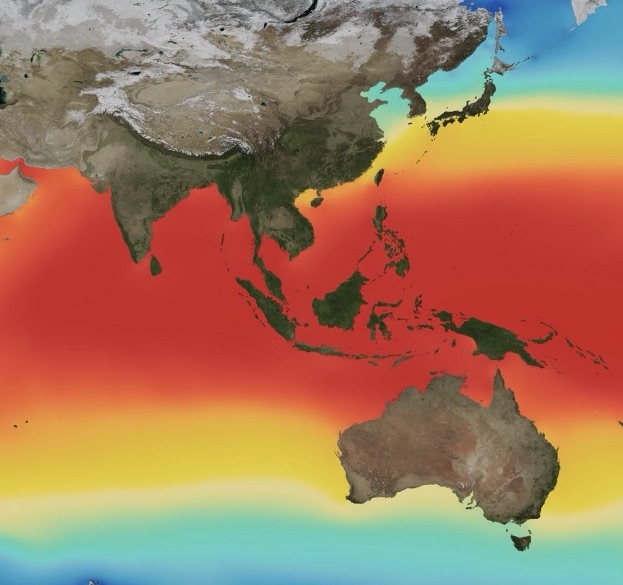
And then I sourced this useful website (click here to go to website), maintained by the U.S. National Oceanic and Atmospheric Administration (NOAA).
The measurements for the water temperature are provided by the daily satellite readings provided by the NOAA. The temperatures given are the sea surface temperature (SST), which is most relevant to recreational users.
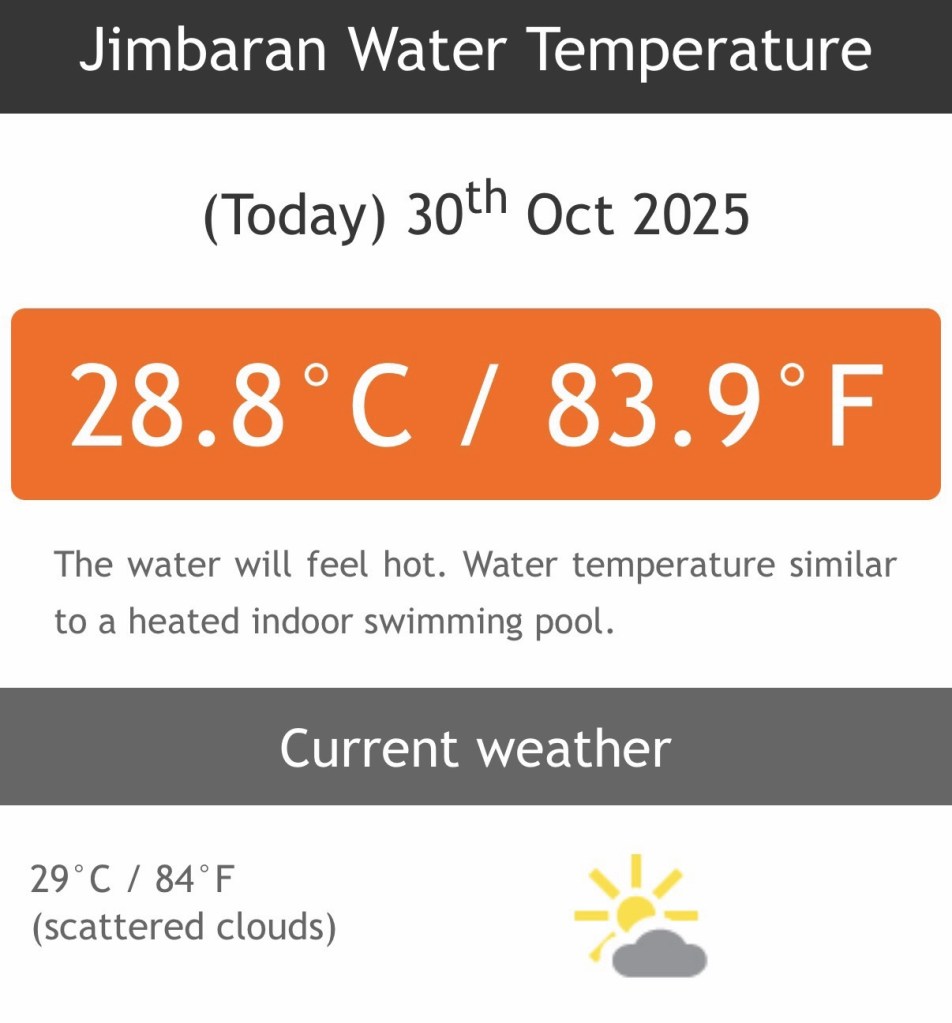
Compare this to somewhere close by our neck of the woods…
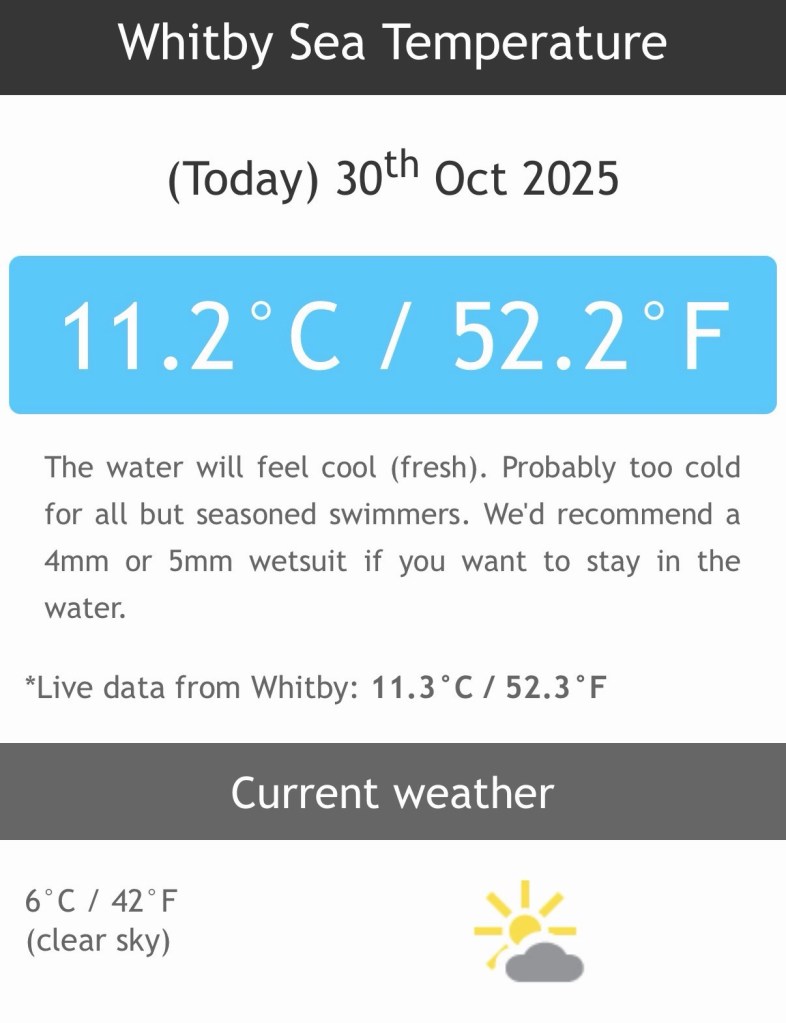
As to the descriptors, on both counts, Jimbaran and Whitby, we can vouch for the accuracy of both. Not that we are in Whitby today, rather (according to Google AI), we are 13,900 km (8,637 miles) away.
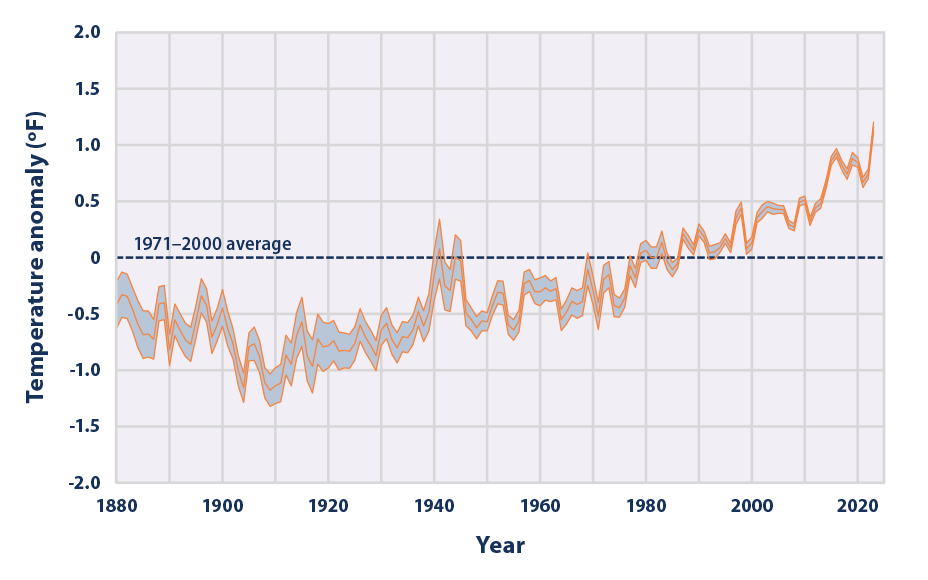
On the issue of rising temperature (global warming?), this graph shows how the average surface temperature of the world’s oceans has changed since 1880. The graph uses the 1971 to 2000 average as a baseline for depicting change. Choosing a different baseline period would not change the shape of the data over time. The shaded band shows the range of uncertainty in the data, based on the number of measurements collected and the precision of the methods used.
This map shows how average sea surface temperature around the world changed between 1901 and 2022. It is based on a combination of direct measurements and satellite measurements. A black “+” symbol in the middle of a square on the map means the trend shown is statistically significant. White areas did not have enough data to calculate reliable long-term trends.
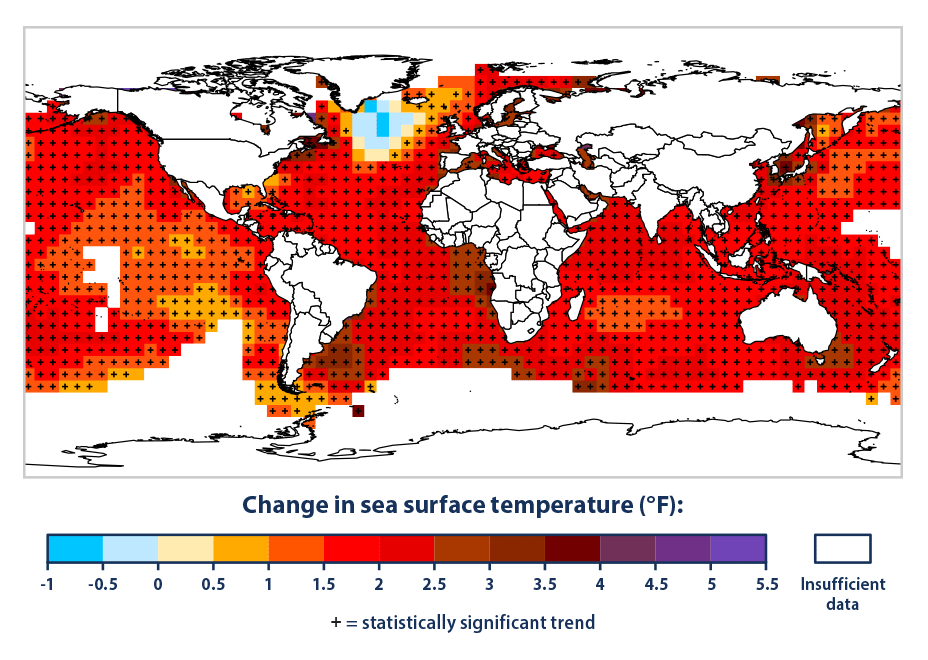
This is something we are all too aware of, of course, but it does ‘help’ to see it in such graphic form.
Last year, when in Thailand, I wrote a piece on plastic pollution, available here. I would argue that the Kata Beach pollution issue is significantly greater than it is here on Jimbaran Beach. At least it was one year ago.
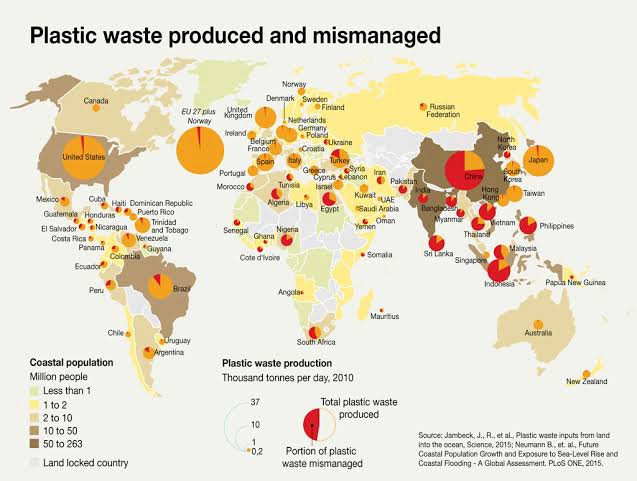
The Commonwealth Scientific and Industrial Research Organisation (CSIRO) claim to have conducted the world’s largest plastic pollution survey, finding that:
Plastic debris in the marine environment is widely documented, but the quantity of plastic entering the ocean from waste generated on land is unknown. By linking worldwide data on solid waste, population density, and economic status, we estimated the mass of land-based plastic waste entering the ocean. We calculate that 275 million metric tons (MT) of plastic waste was generated in 192 coastal countries in 2010, with 4.8 to 12.7 million MT entering the ocean. Population size and the quality of waste management systems largely determine which countries contribute the greatest mass of uncaptured waste available to become plastic marine debris.
Science, 347:6223, 13 Feb 2015
This CSIRO infographic is revealing but ‘glass houses’ and all that, we have no reason to feel smug, pollution in all its guises is very much a worldwide issue.
The beach immediately in front of our base here in Jimbaran is really quite clean but as you walk along, the sea constantly throws something up.
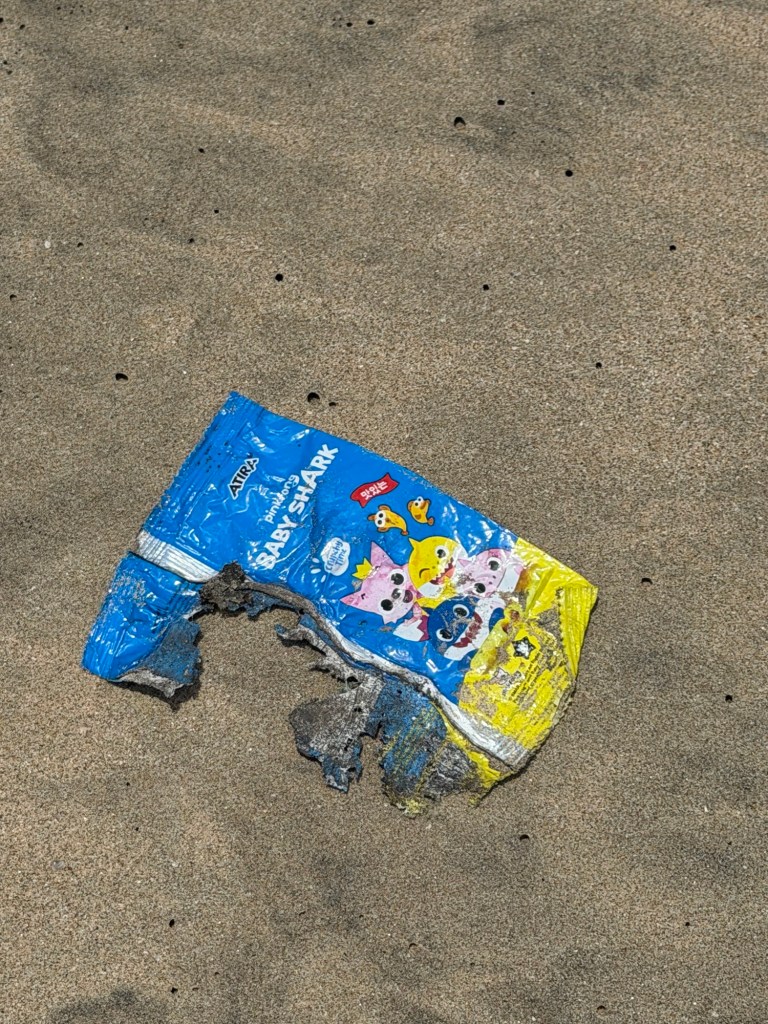
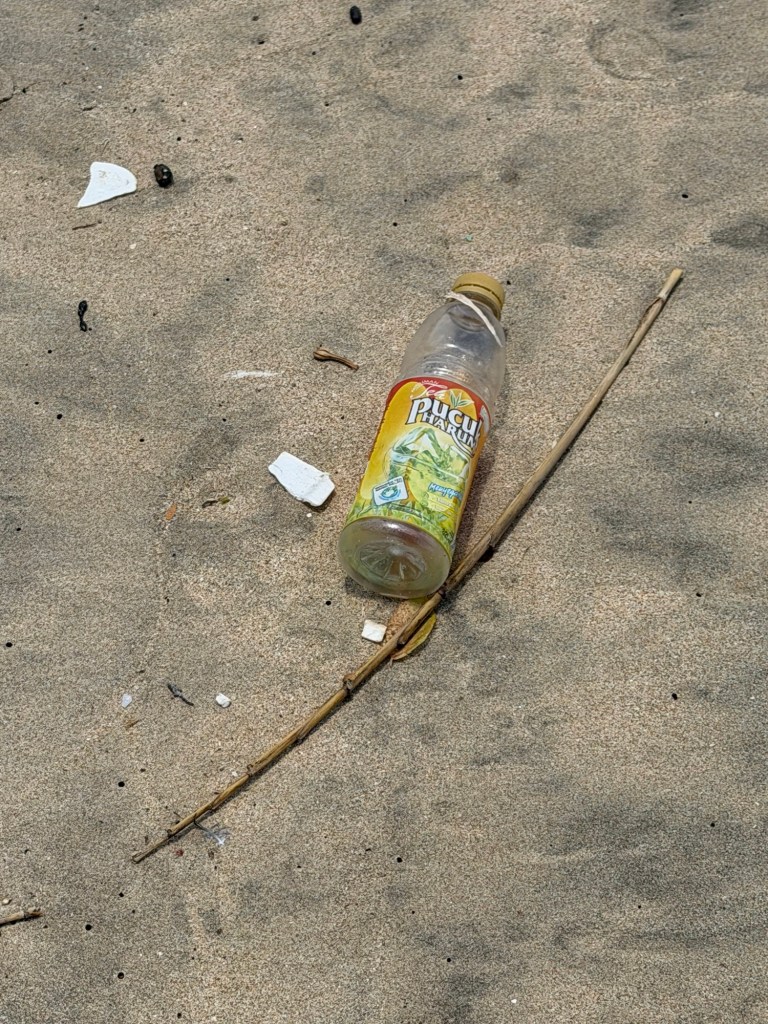
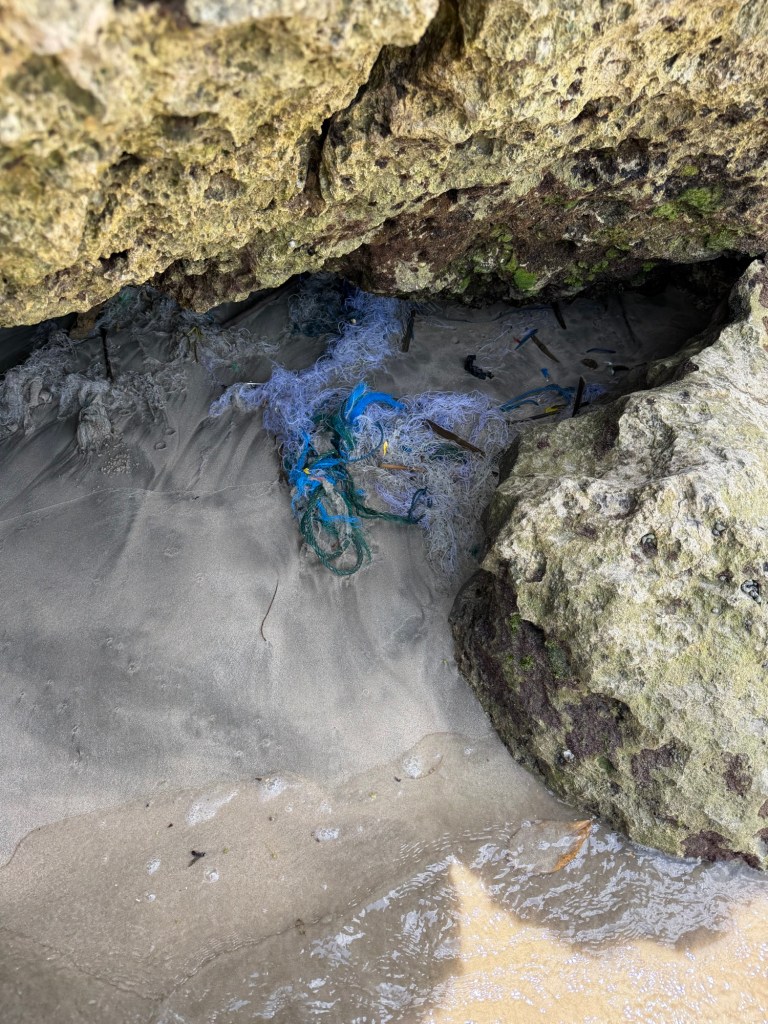
However, as was very much the case in Kata, last year, something else is at play, something that confuses the issue. Remember these? If not, ask your mother, father, grandmother, grandfather, or great-whatever…

You see, it strikes me that the ‘etch-a-sketch’ dynamic is very much at play here. Normal service had resumed at the airport, with aeroplanes coming in off the Indian Ocean, but the sea was heaving in. Hence, a number of amateur (says he! 🤣) surfers giving it a go.
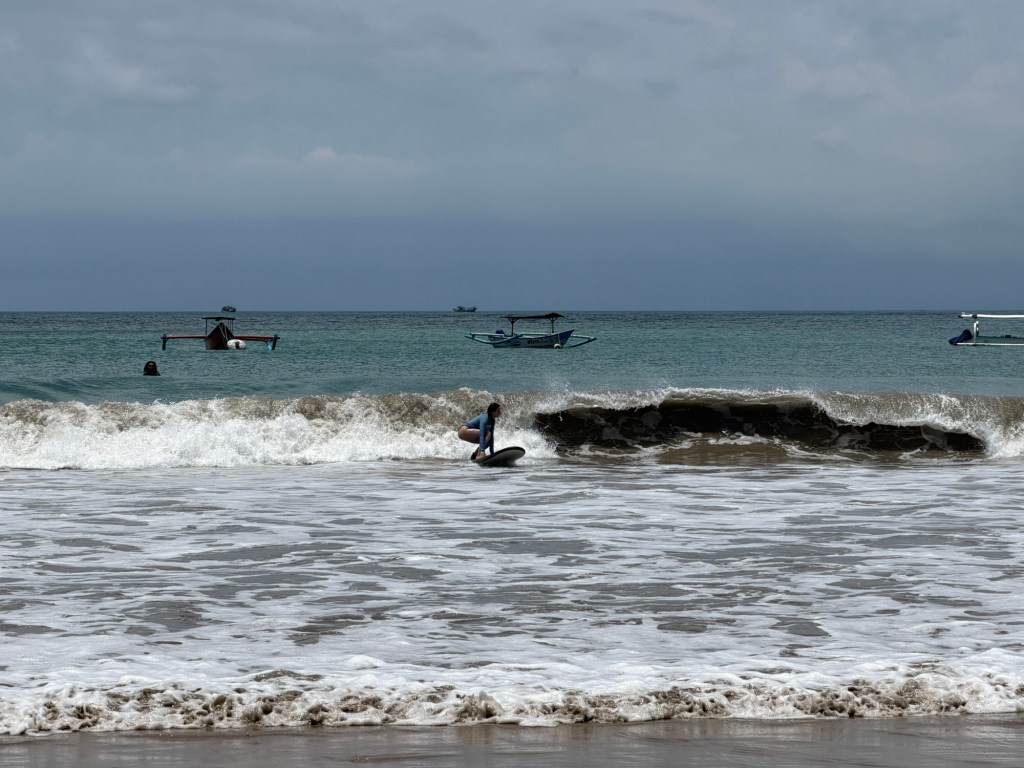
Some more successfully than others…
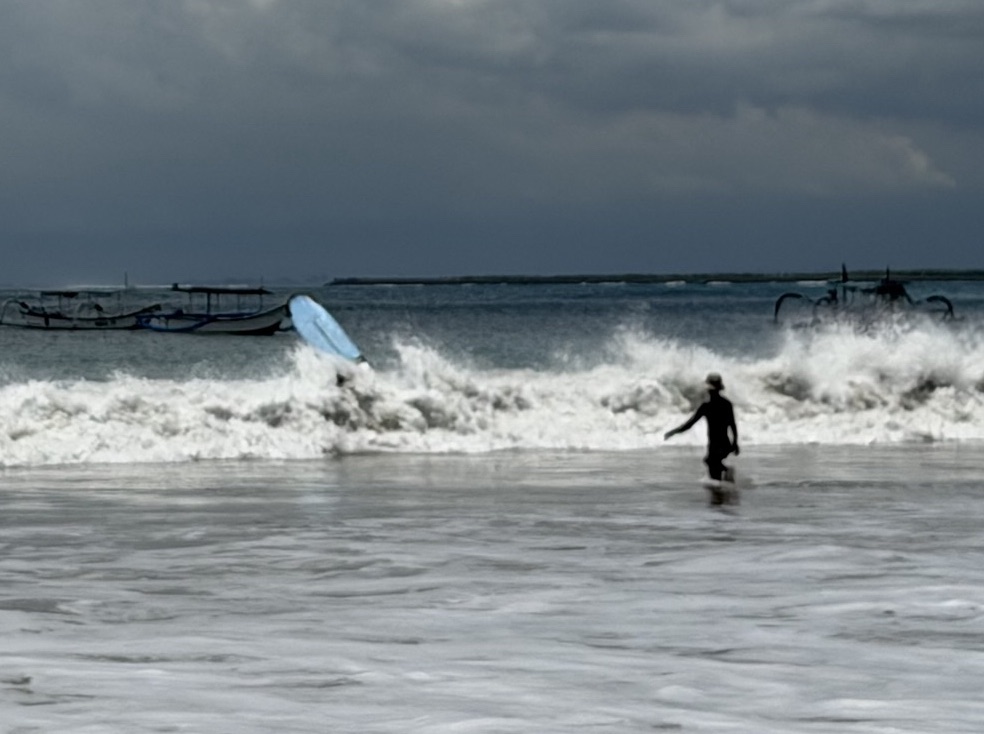
I’m getting to my point… take a look at this short video and you may get a sense of the drag as the sea pulls itself back out again, in the moment.
So, a beach aspect that reveals litter (commonly of the plastic variety) is just as swiftly wiped clean…
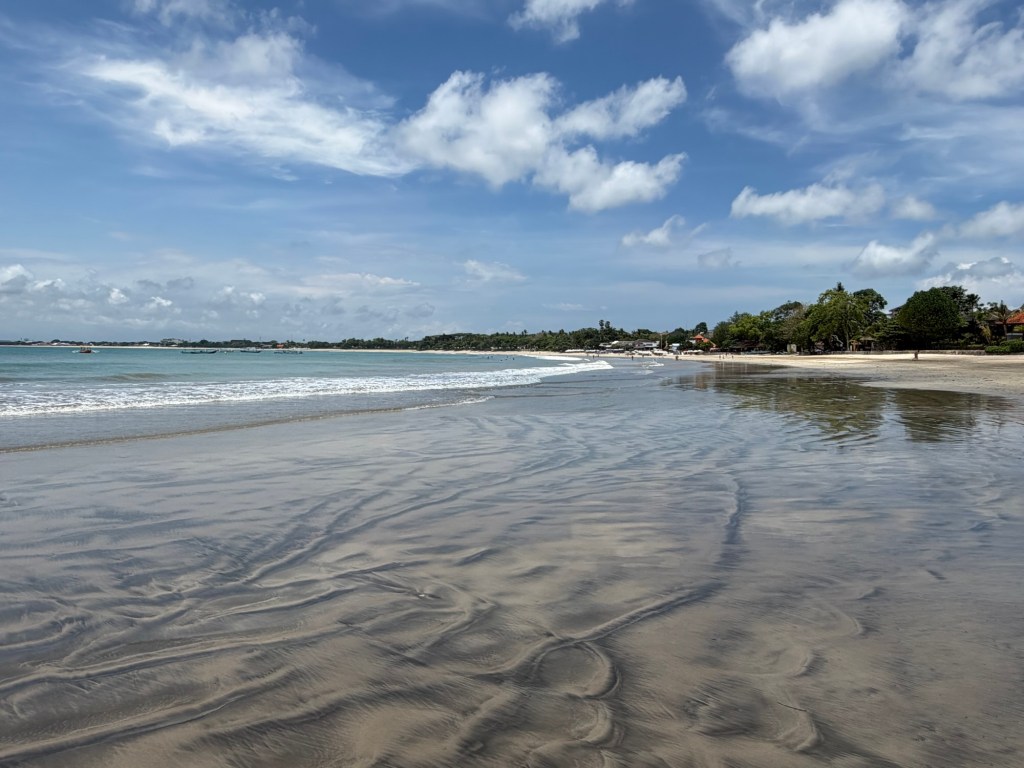
Taking us back to…

Some of you really will need to source a few familial older generation types now won’t you! If you haven’t the time, Google it. Rider: other search engines are available.
In Balinese mythology, Dewa Surya is the god of the sun and a manifestation of the Supreme God, Sang Hyang Widhi Wasa.

Balinese Hindus build special shrines called sanggah surya to honor Dewa Surya. They make offerings at sunrise and sunset in these shrines, which are placed in homes, temples, and yards.
The sun god symbolises enlightenment, much like priests who are called “Surya” to reflect the light they bring to their communities.
If we mortals are not enlightened enough to work harder at maintaining the planet Earth’s equilibrium then perhaps we should all turn to Dewa Surya for inspiration, if not divine intervention?
 Sailing off to Sparta
Leave a comment