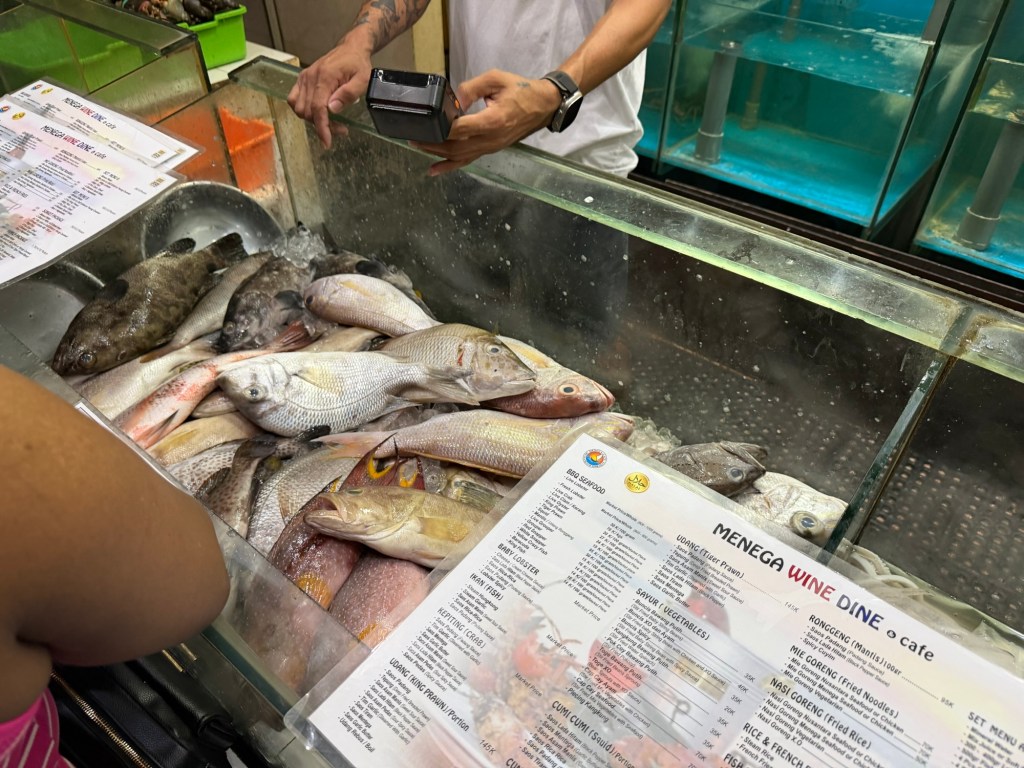
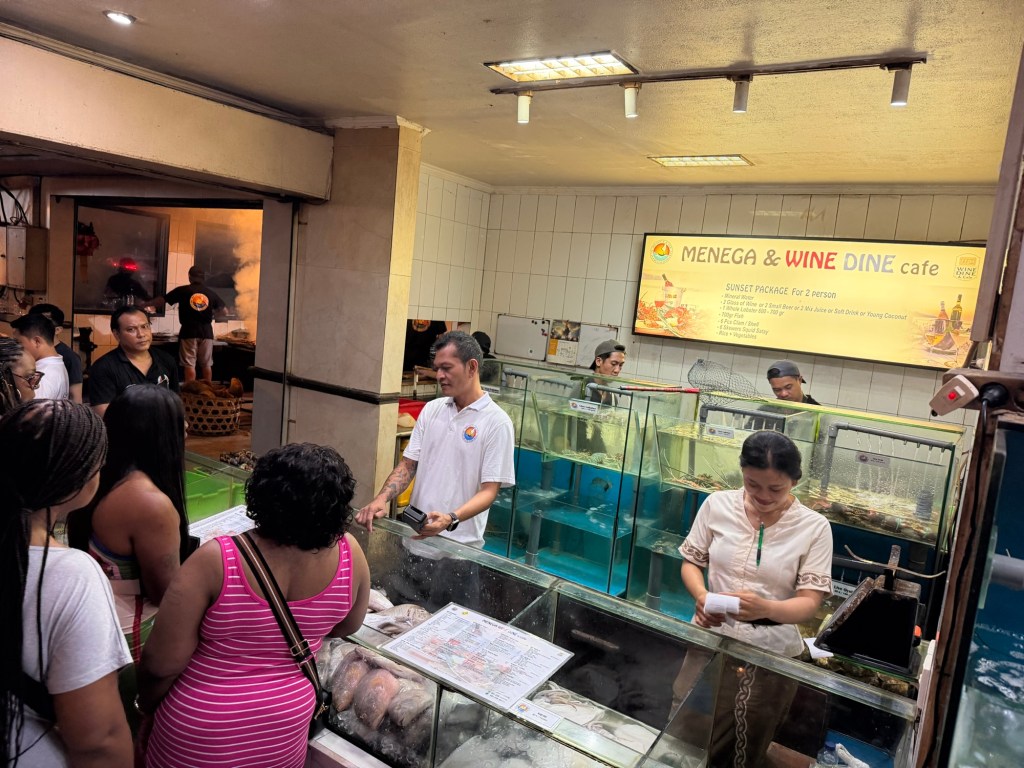
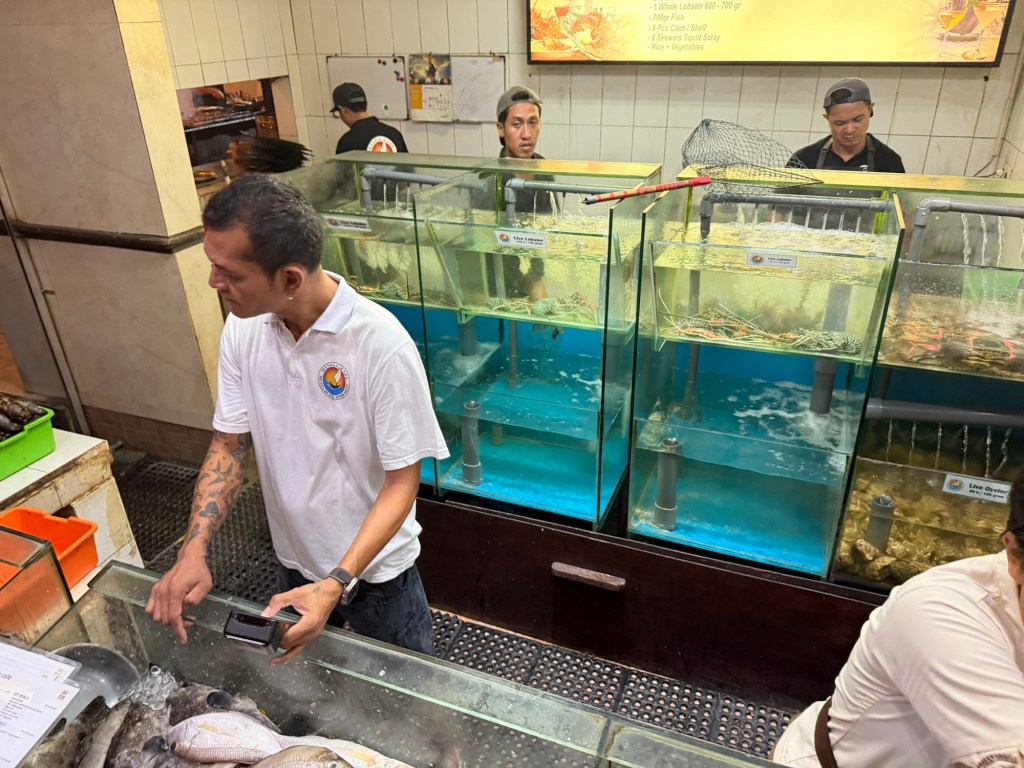
This was the scene a couple of evenings ago at a seafood restaurant on Jimbaran Beach, Menega Cafe. We were selecting our fish for the meal we would eat some 20 minutes later.
Jimbaran is a traditional fishing village, a thriving fishing community, and known for its large Kedonganan Fish Market located just north of Jimbaran Beach.
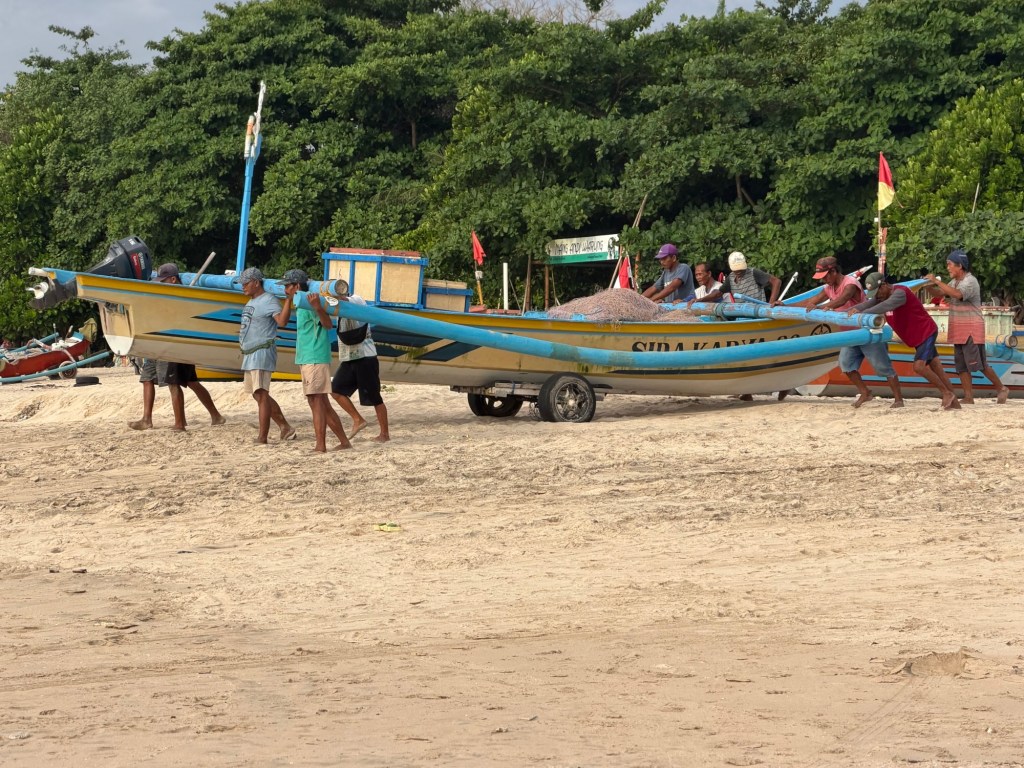
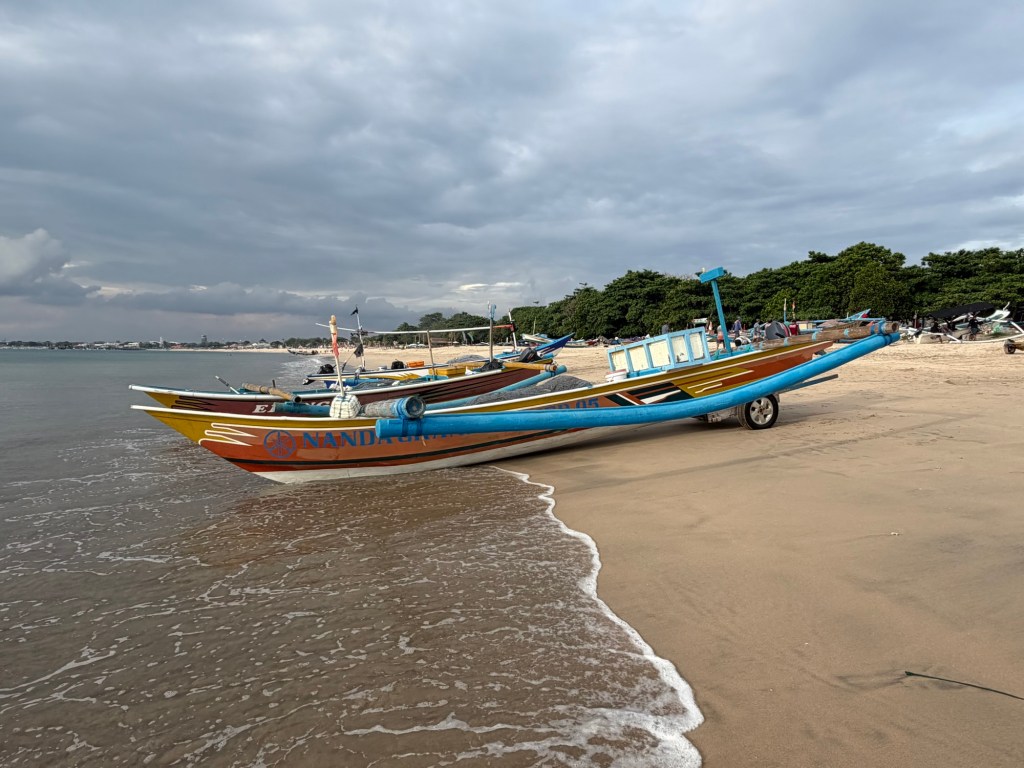
A couple of hours before sunset, yesterday evening, we were walking up the beach and saw these lads preparing for another mission. They were pushing their jukungs out to the water’s edge. It was difficult to know what their actual mission was. It may have been taking tourists out at sunset to fish. Potentially, it could have been a tourist scuba diving mission. They did have fishing gear on the boats. Today we were determined to seek out the Jimbaran fishing community.
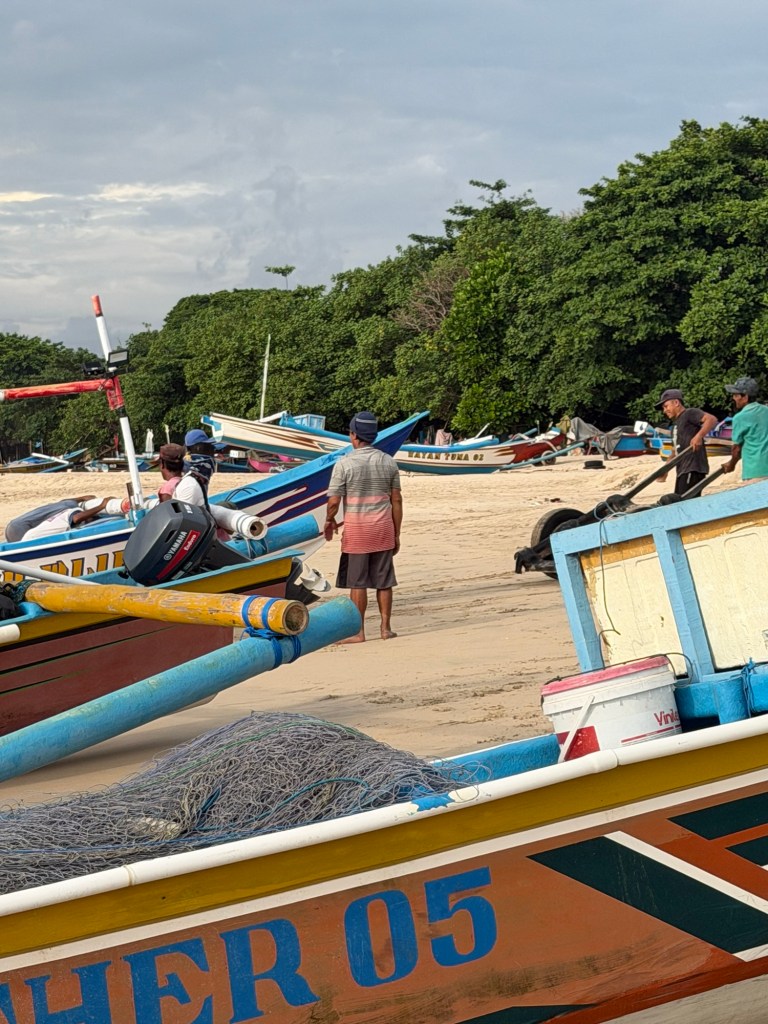
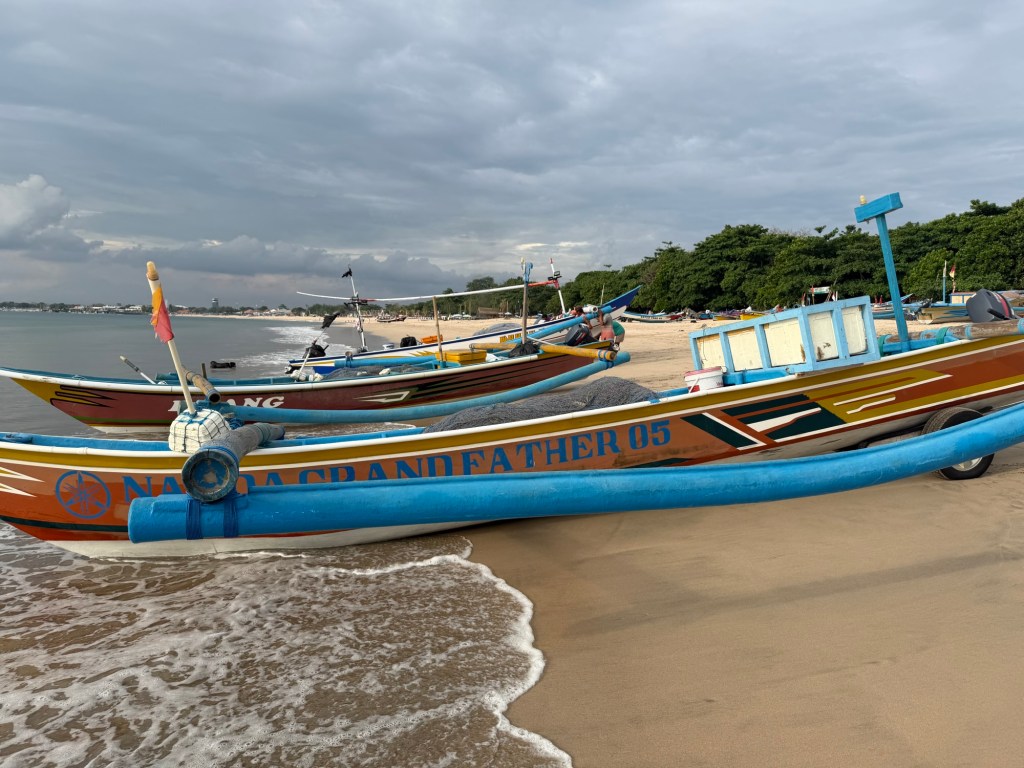
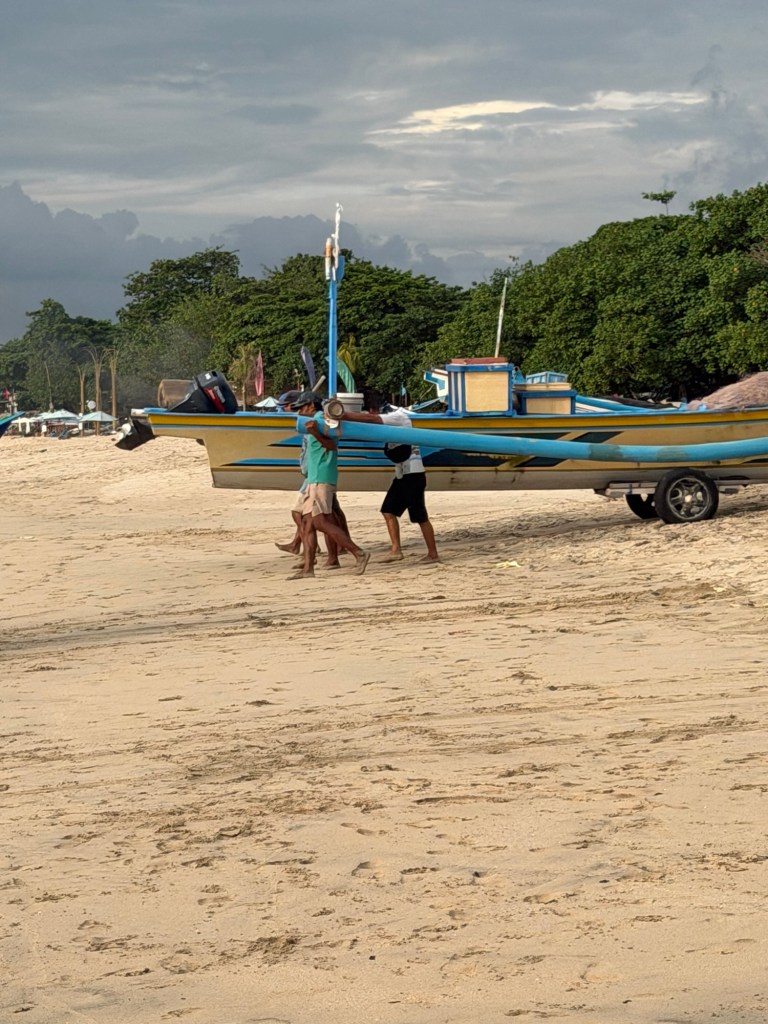
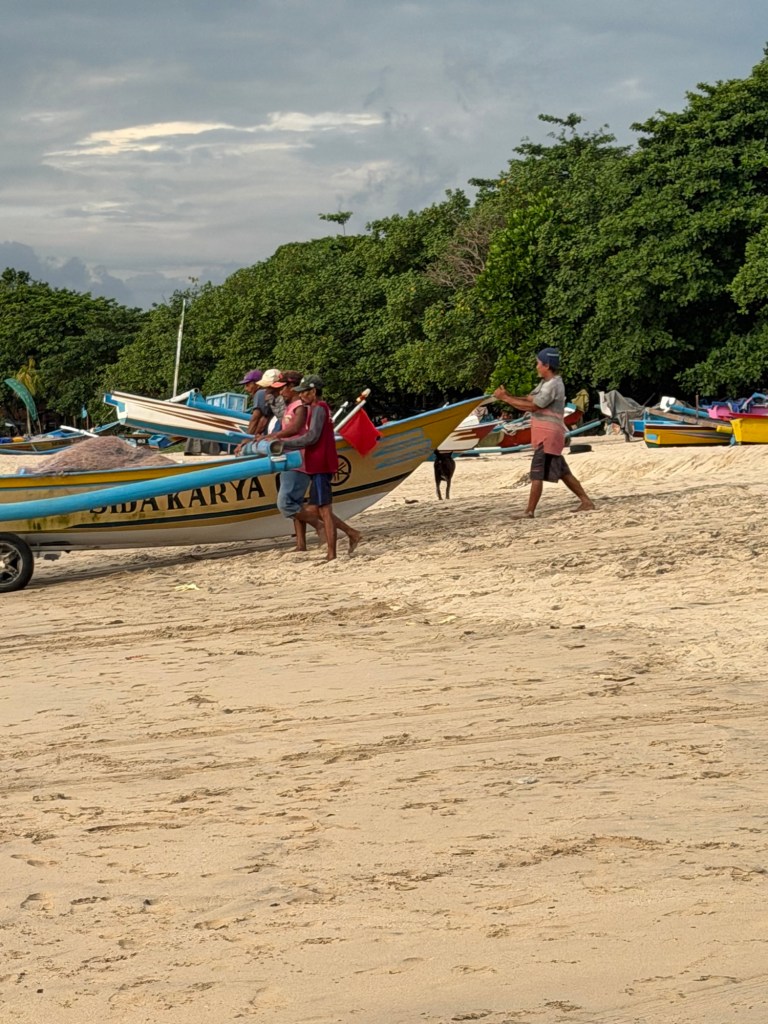
As we set out up the bay, in pouring rain (our first in Bali), we noticed that flights were leaving the airstrip in a seaward direction. The gods had flipped the coin otherwise today, and the sea knew it. It was misbehaving. Not in a big way, more in a let’s charge in quicker this time and catch those two mortals out, sort of way.
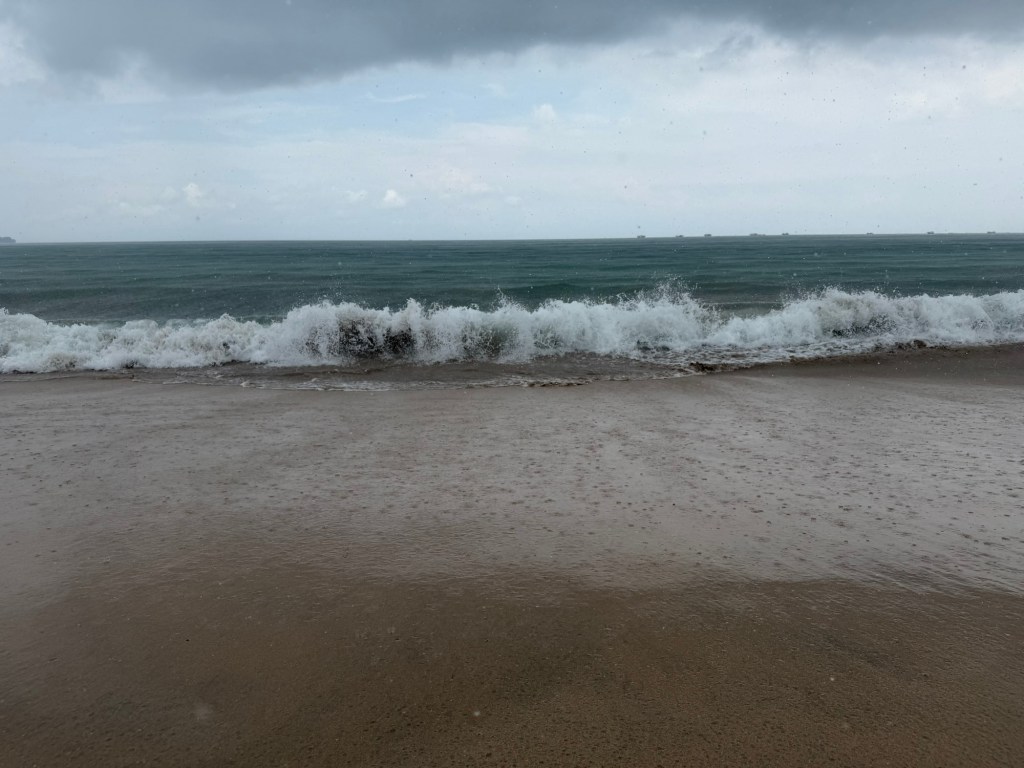
Getting a little bit wetter anyway, in 30C+ heat, is really neither here nor there, is it.
A jukung or kano, also known as cadikis is a small wooden Indonesian outrigger canoe. It is a traditional fishing boat.
Kedonganan Fish Market is the biggest fish market in Bali and is the main fish market that supplies many of the smaller ones in Bali. All of the seafood for sale in Kedonganan Fish Market is caught that day, you can’t get fresher than that!
The area itself was once a small fishing village, then after the influx of tourists in the late 1980s, it grew into a larger town with hotels and restaurants. With the growing demand for more fresh seafood, the market also grew.
As we combed our way up the beach evidence of the ‘real’ Jimbaran began to reveal itself.
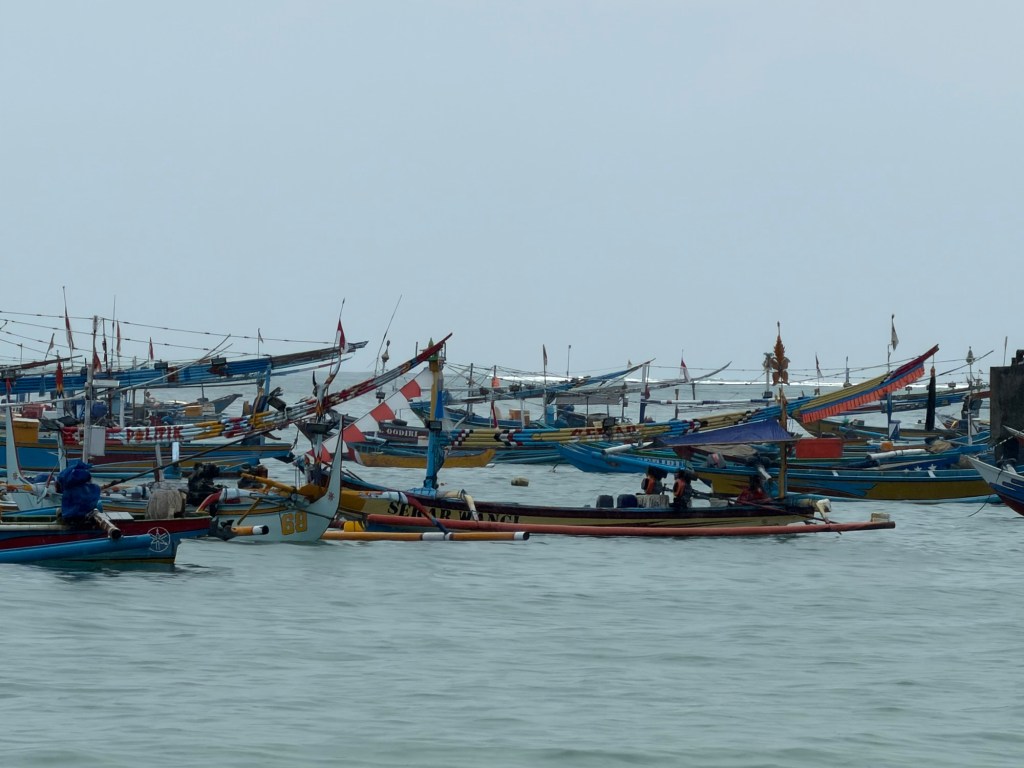
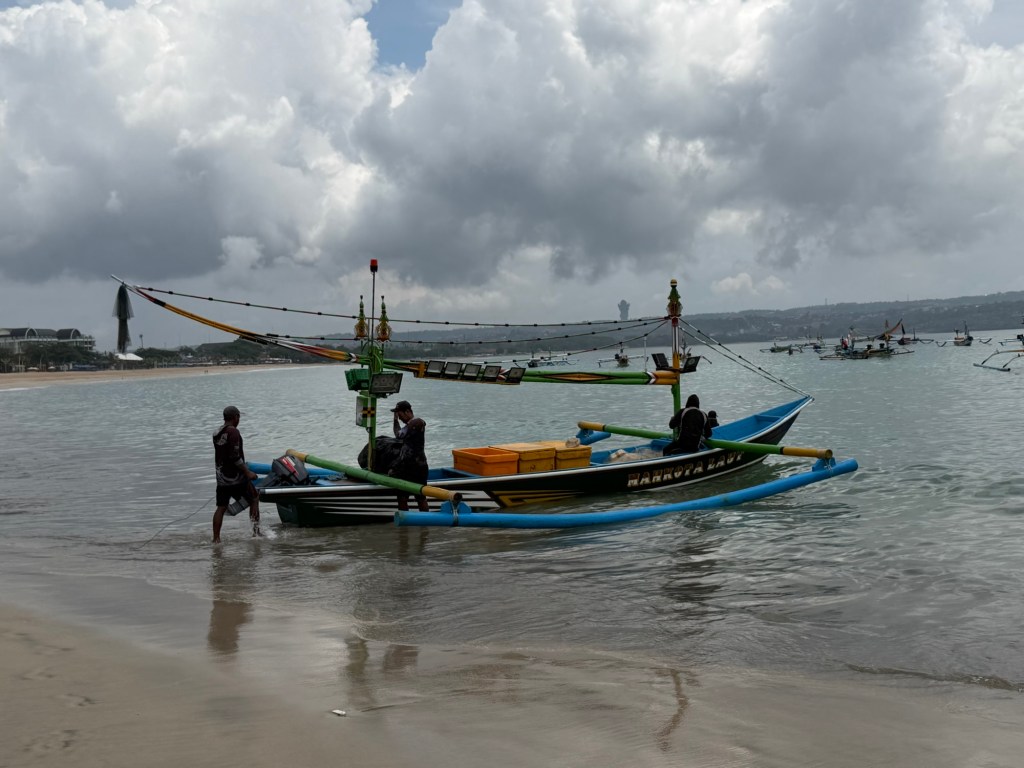
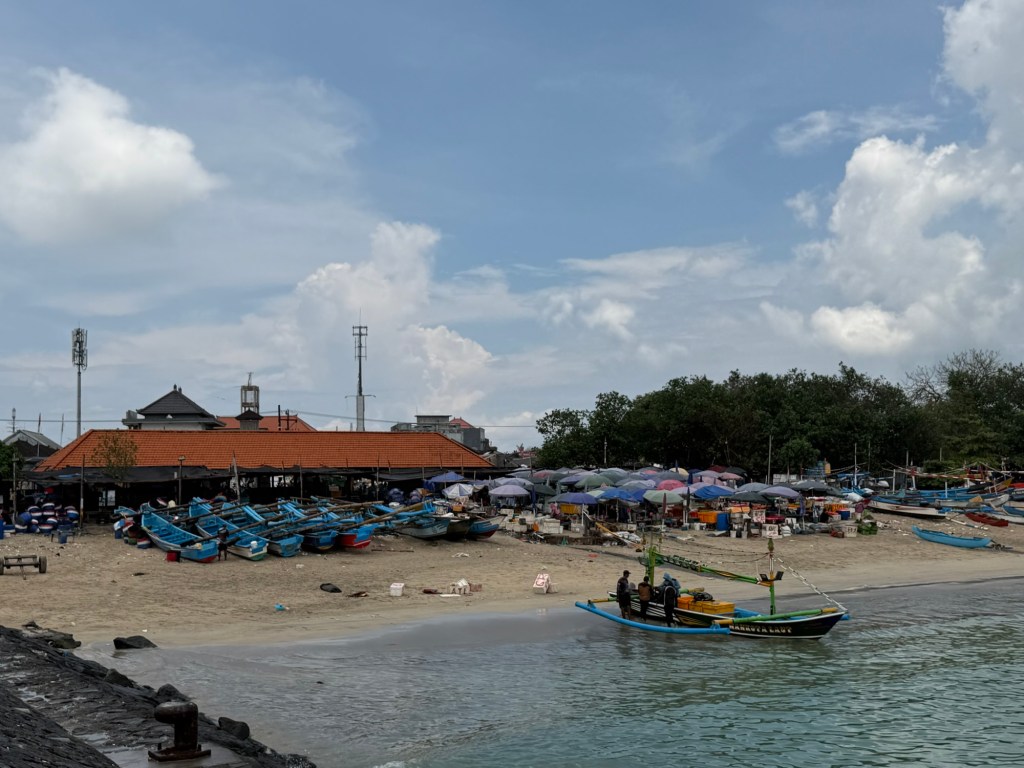
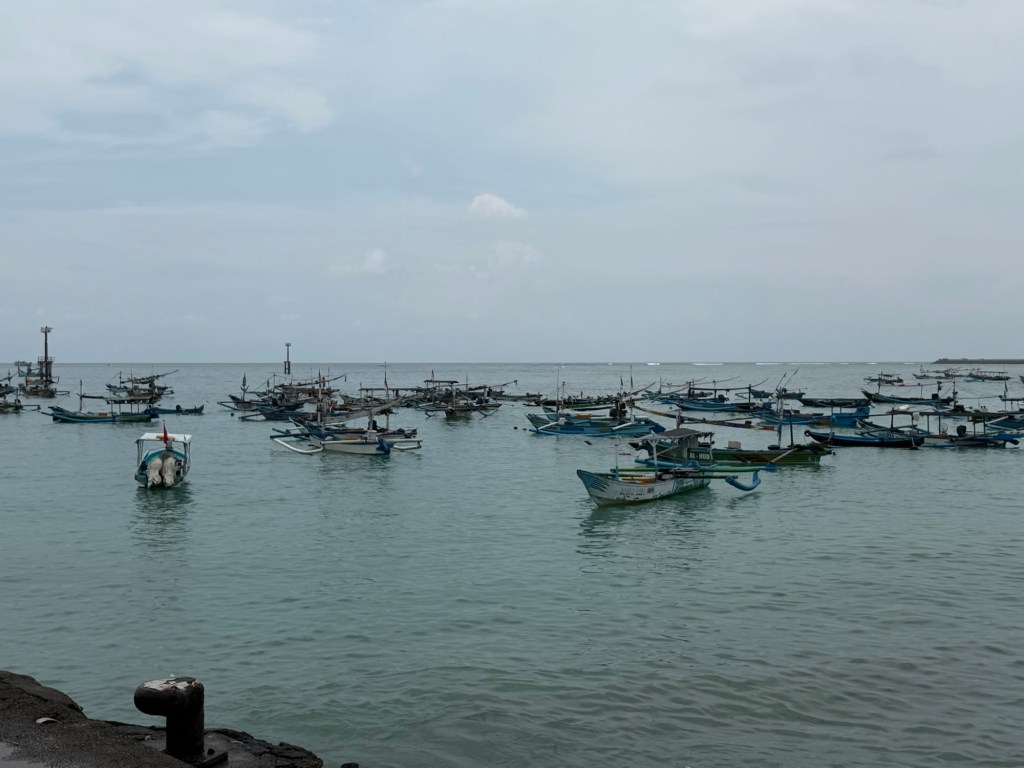
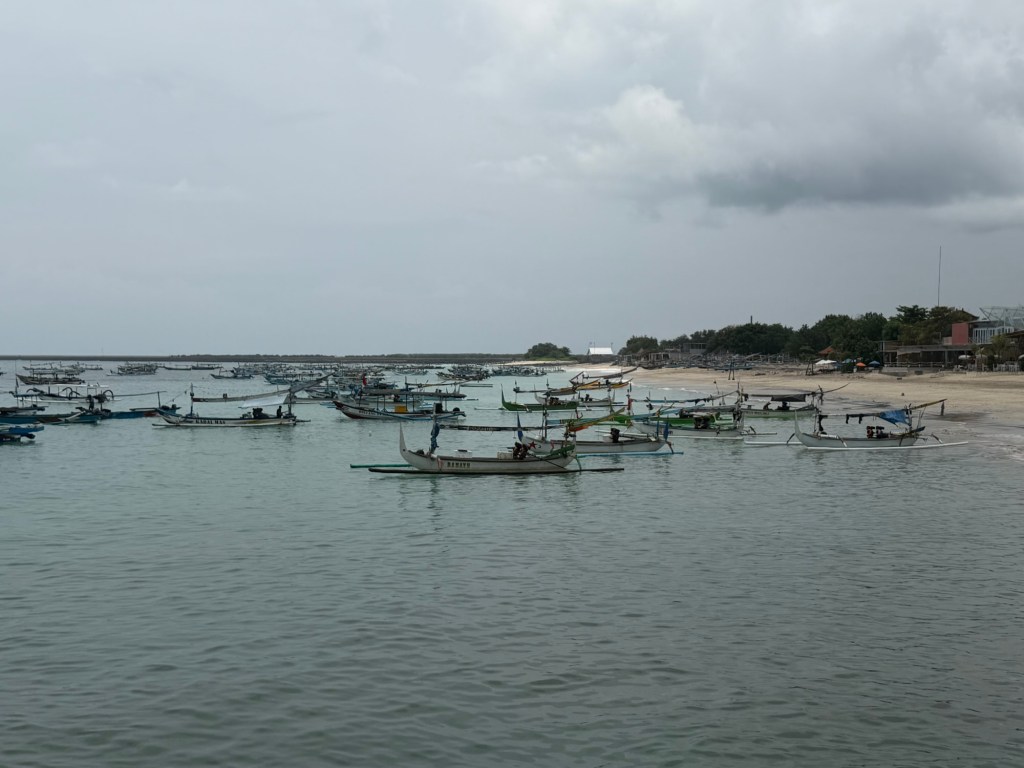
And casting his gaze down upon it all…
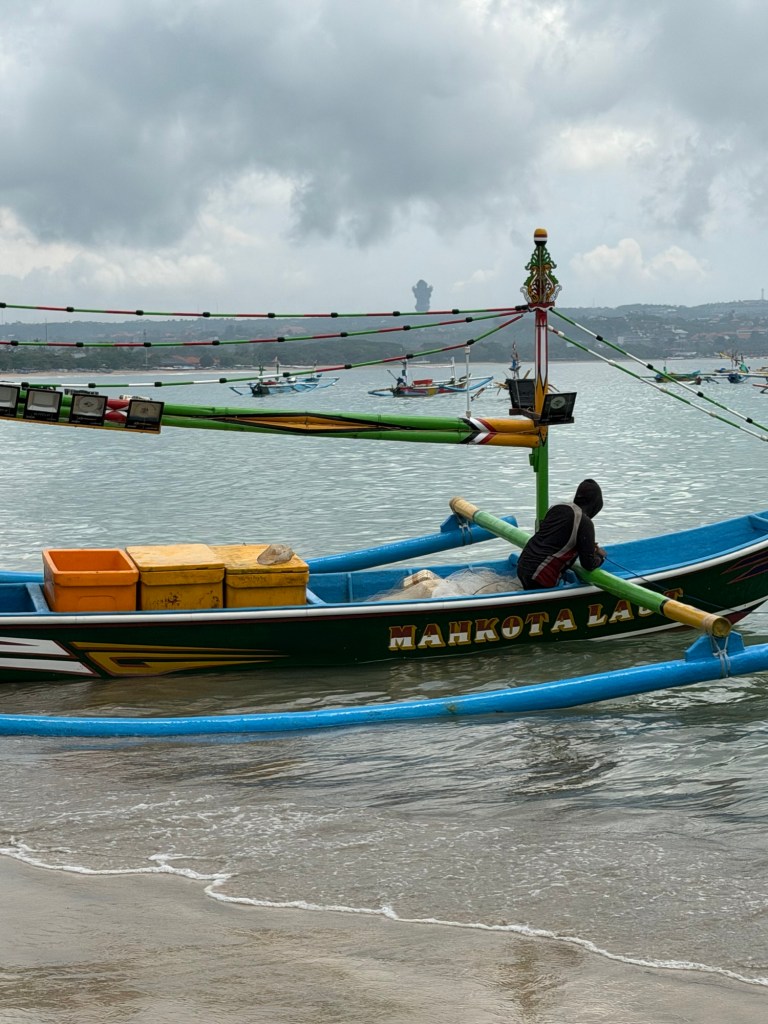
And then, set a little off the beach, hiding under a bushel… there it was, the fish market.
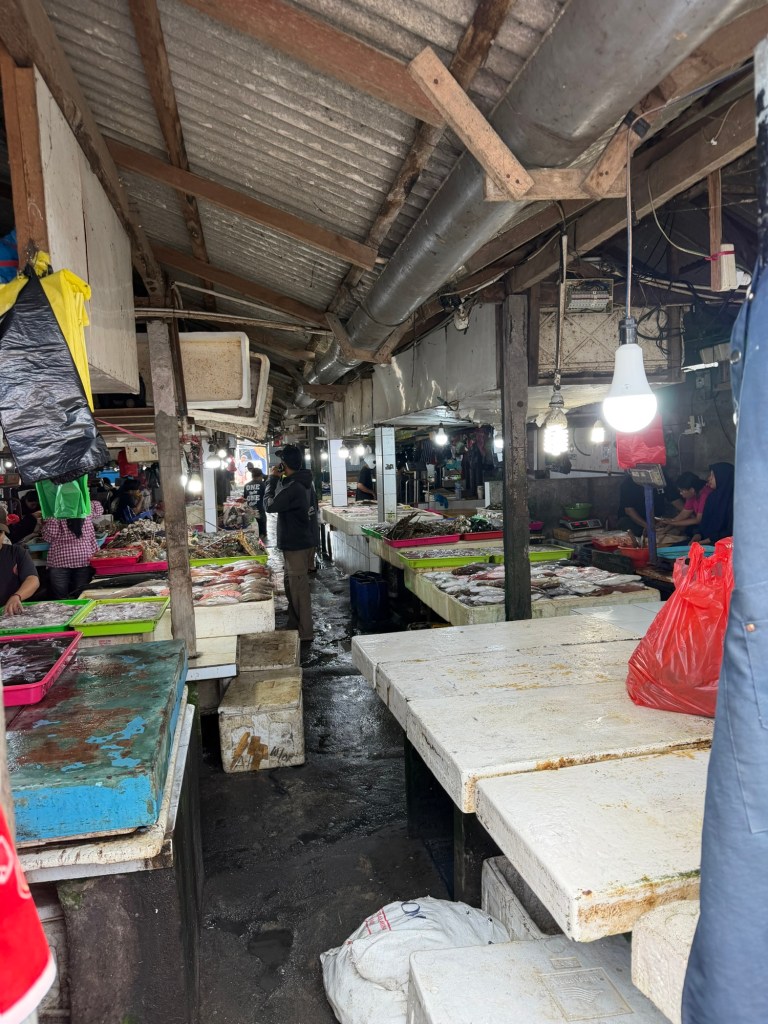
A veritable warren of fish-monger stalls, selling freshly caught fish of all shapes, sizes and colours. Quite a feast for the senses, that including smell. Well, what were you expecting, potpourri?
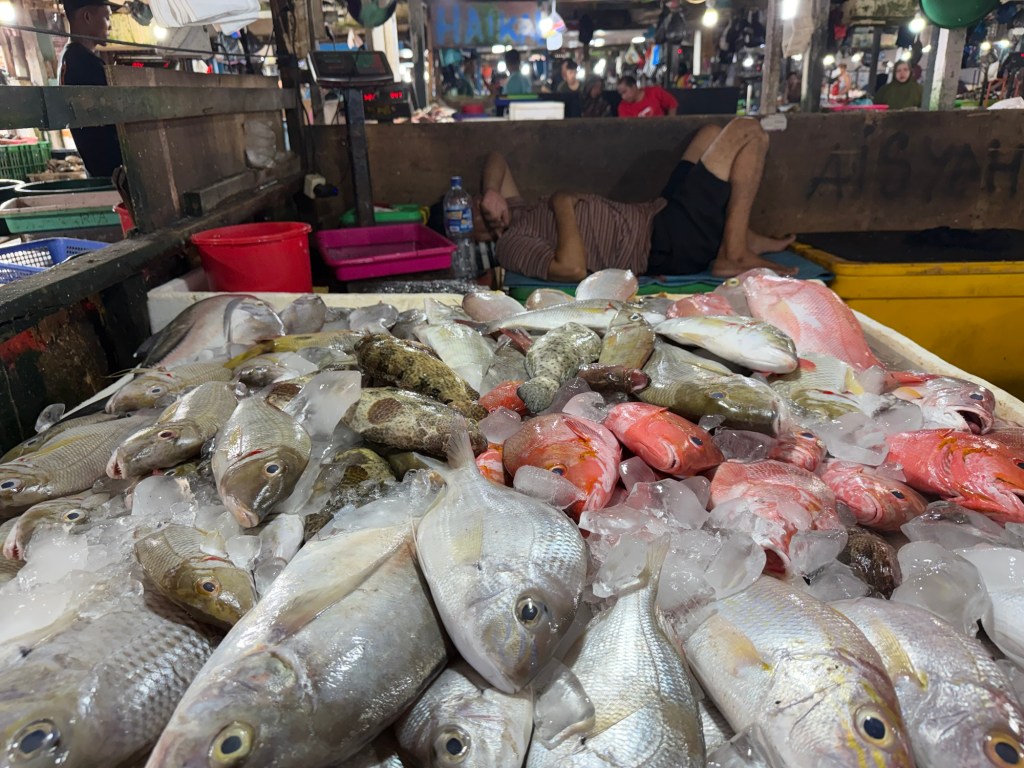
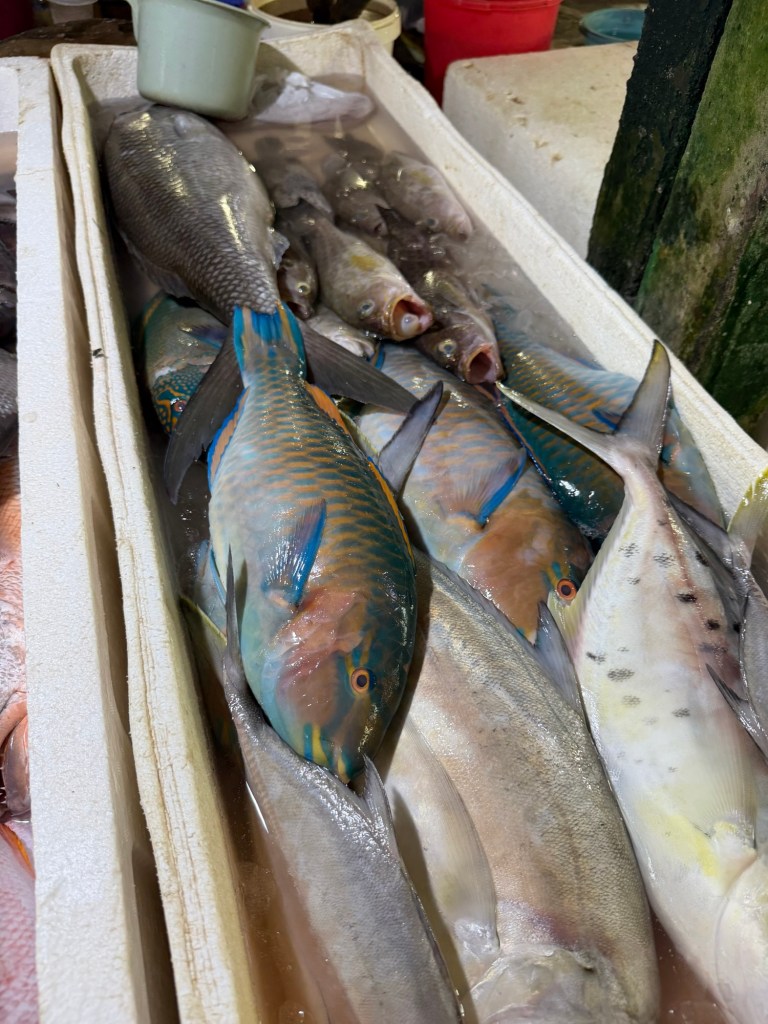
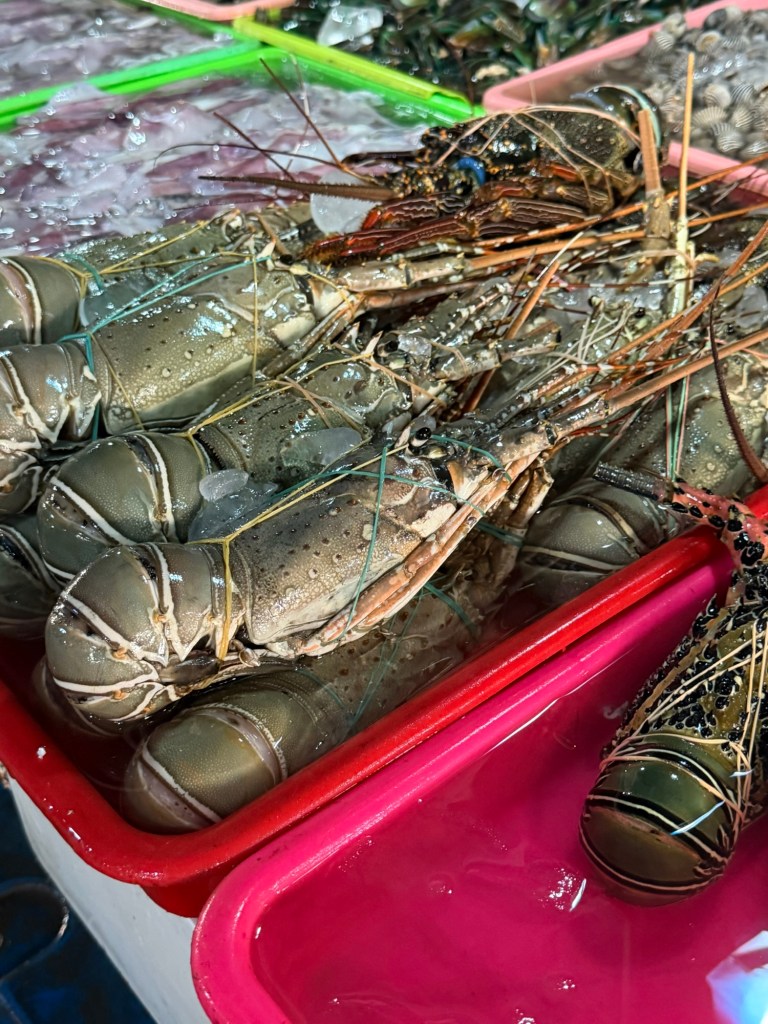
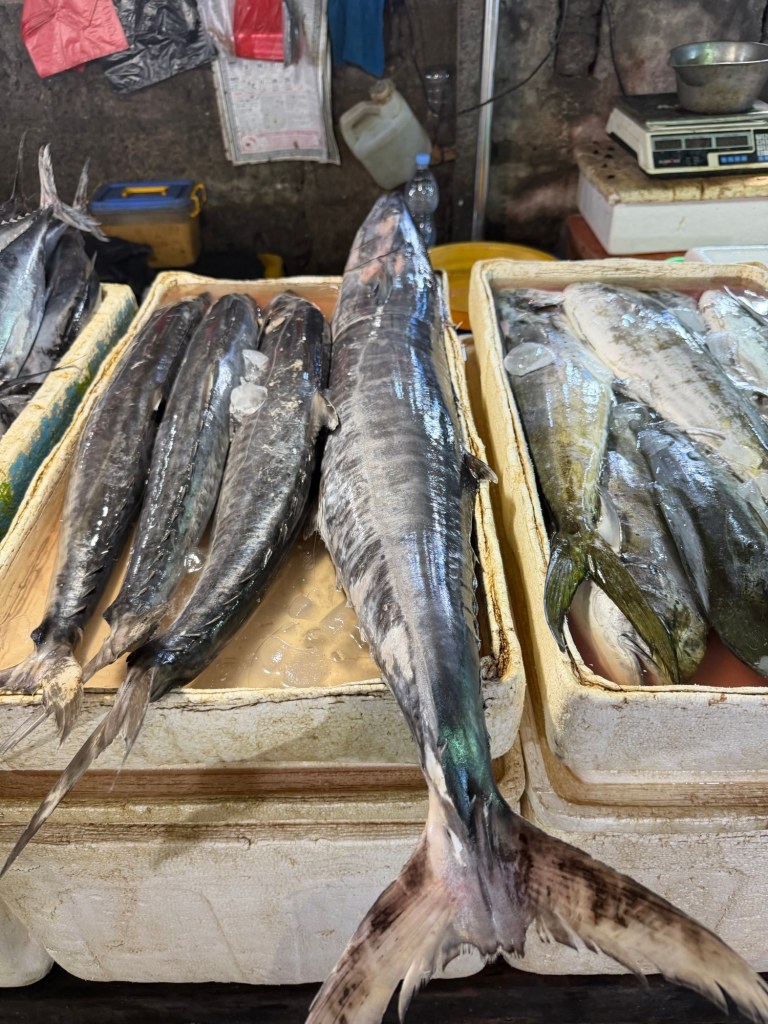
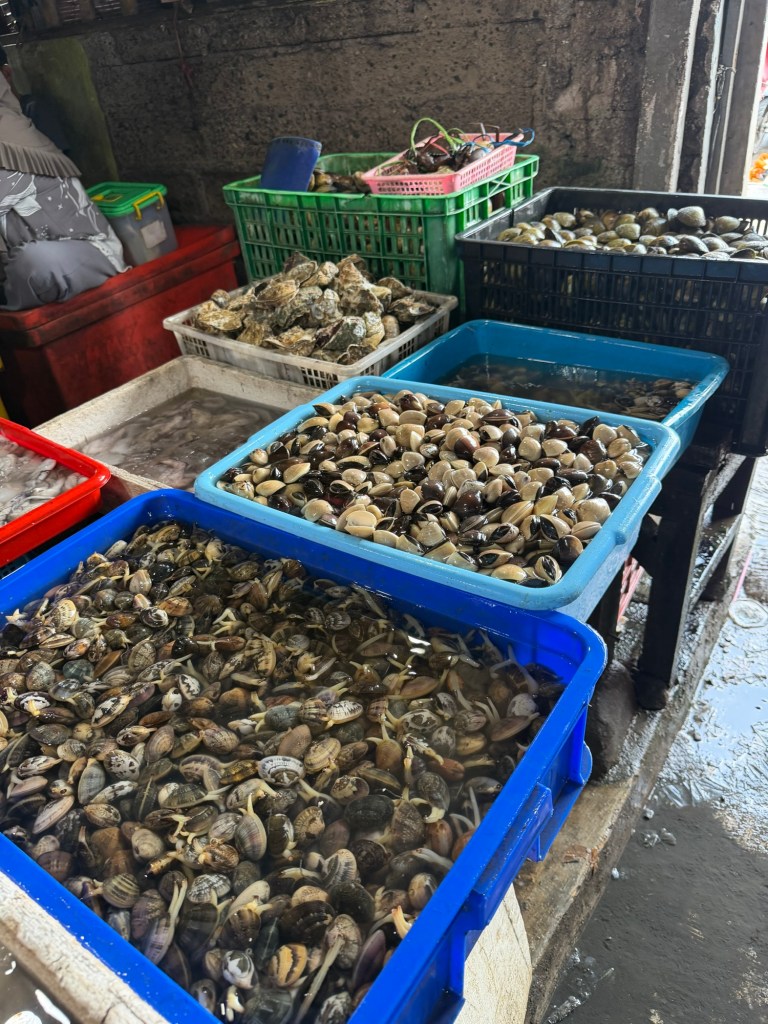
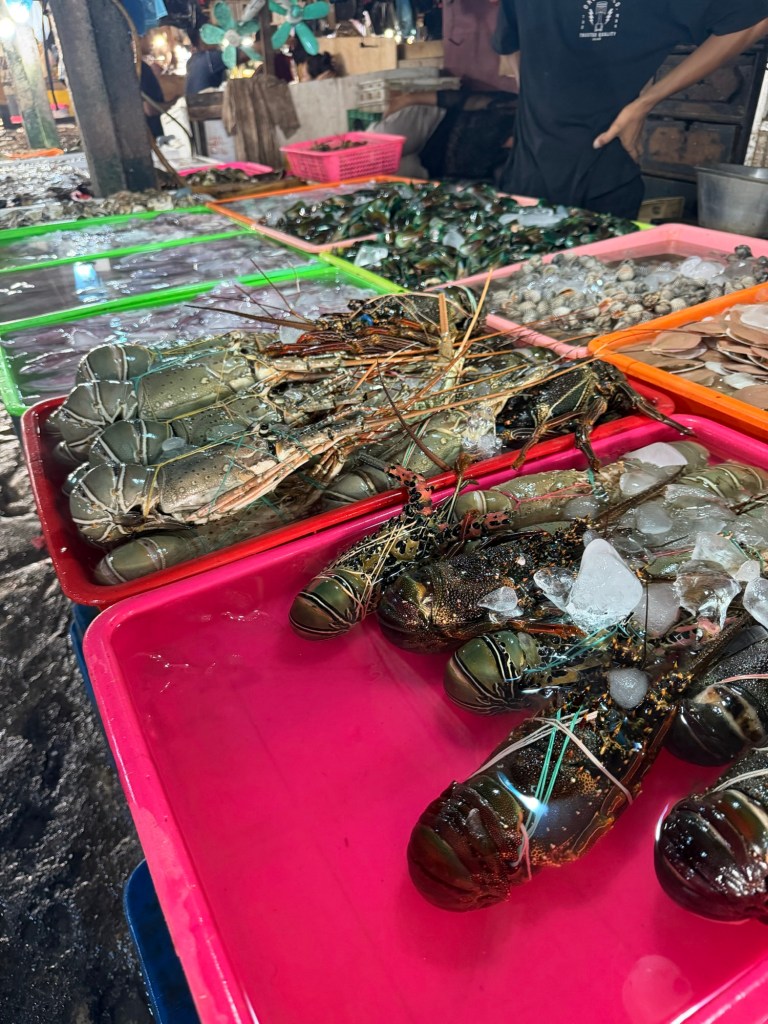
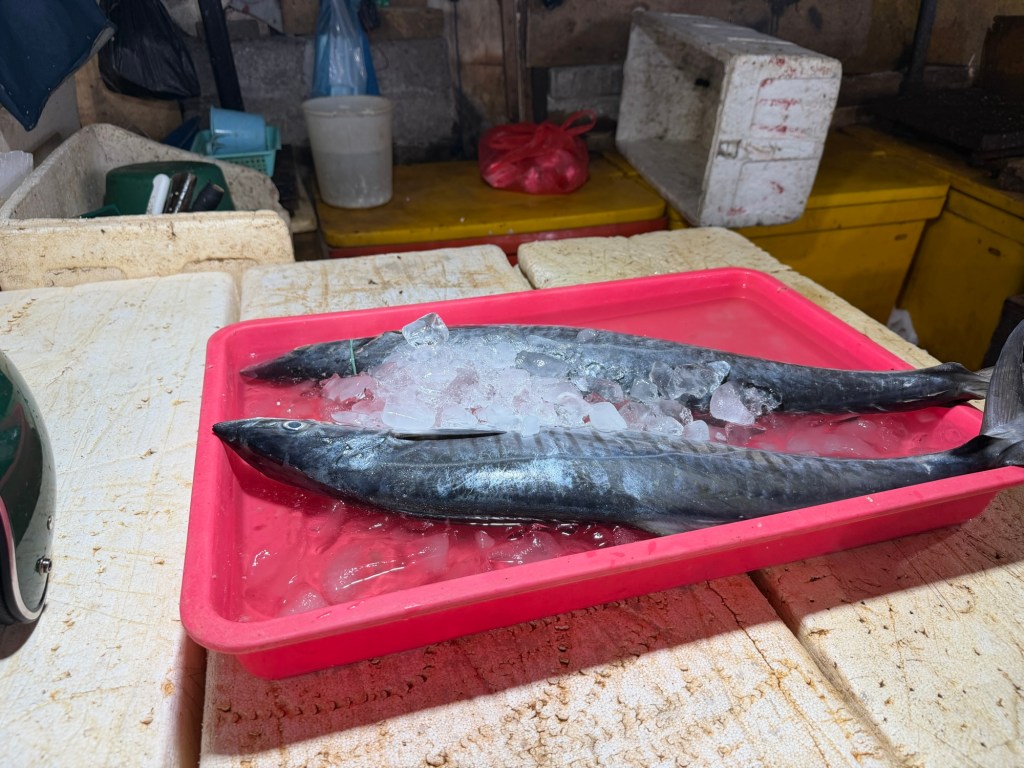
It has been a long day…
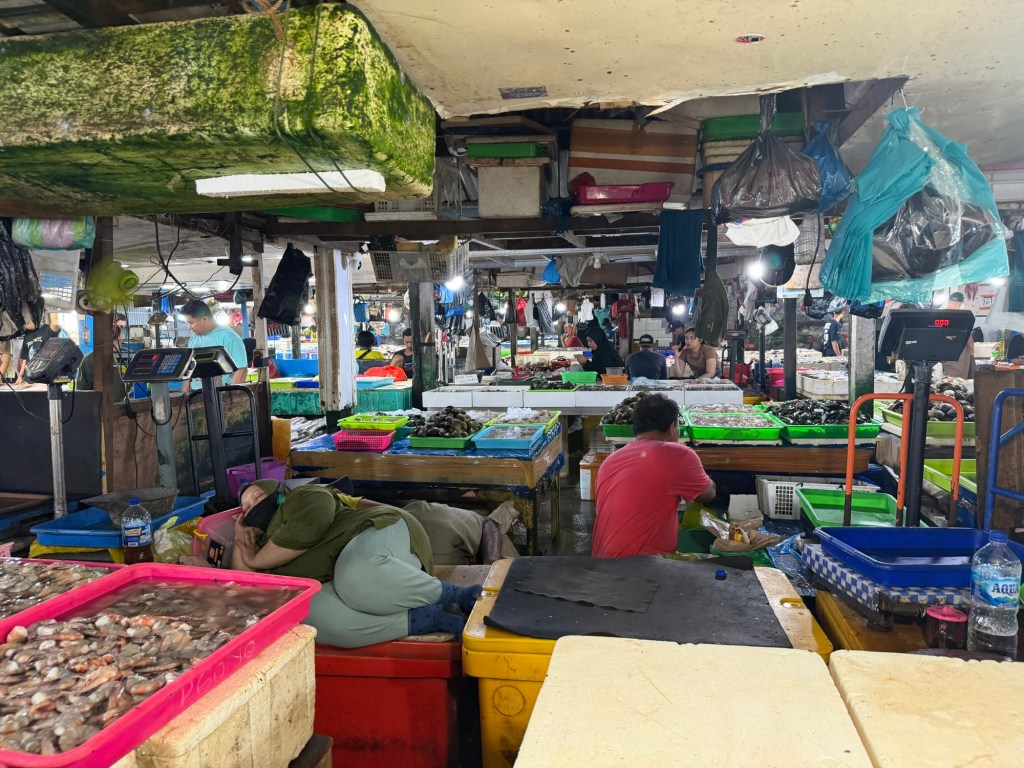
Balinese fishermen primarily go out in the early morning before sunrise, as well as during the evening and night, depending on the type of fishing and the season. This schedule is based on fish activity, local conditions, and tradition.
Fishermen typically set out on their traditional jukung boats before dawn, often around 4 a.m. or 5 a.m. This is because fish are most active and feed closer to the surface during the cooler hours of dawn and dusk. Early embarkation allows fishermen to reach their fishing spots in the darkness and maximize their catch as the sun rises.
By mid-morning, the fishermen return to shore with their catch to sell at local markets. Such is the case at Jimbaran, where buyers start arriving as early as 4–6 a.m. to get the freshest fish.
Some Balinese fishermen practice night fishing, starting in the evening around 7 p.m. and continuing until midnight or later. This is because many species of fish are nocturnal feeders, making the night time a productive time for a catch. Different techniques and baits are used for night fishing.
Kedonganan Fish Market is not solely for traders, it also offers the opportunity for anyone to purchase a fish of their choice and have it grilled for them at a local, adjoining garung.
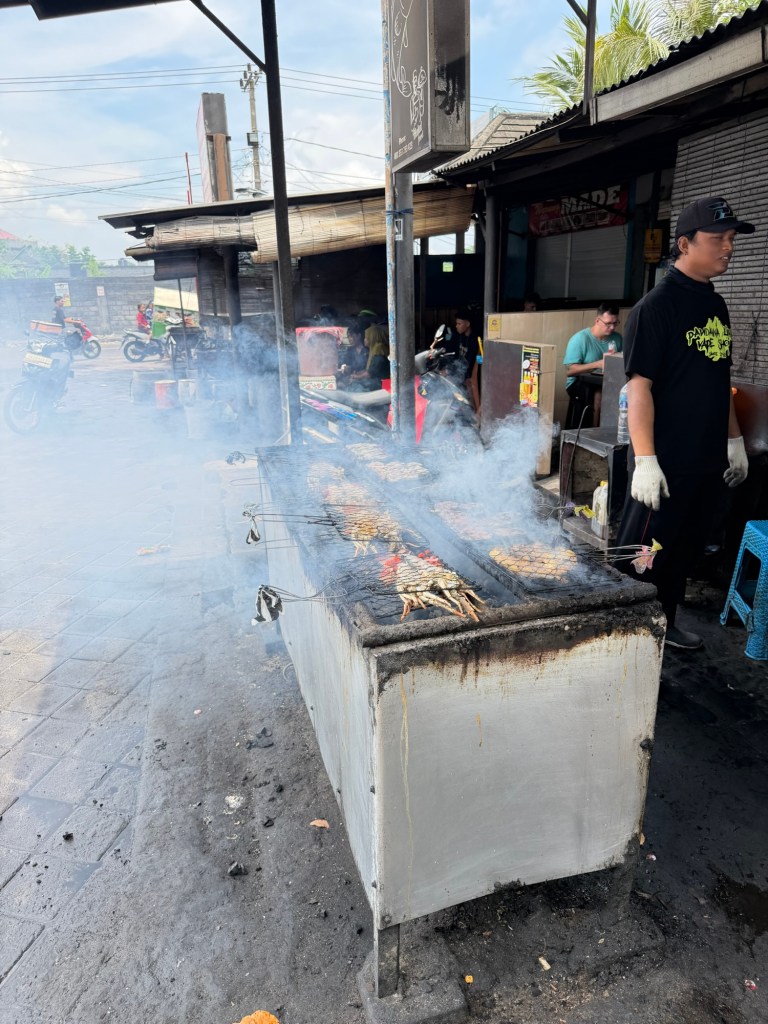
Now you cannot get fresher than that!
The fish I selected the other evening at Menega was a Red Snapper.
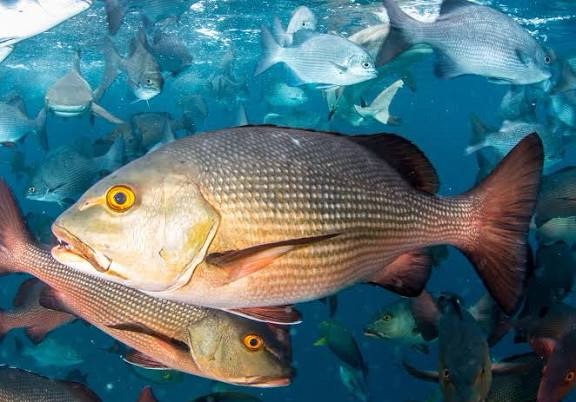
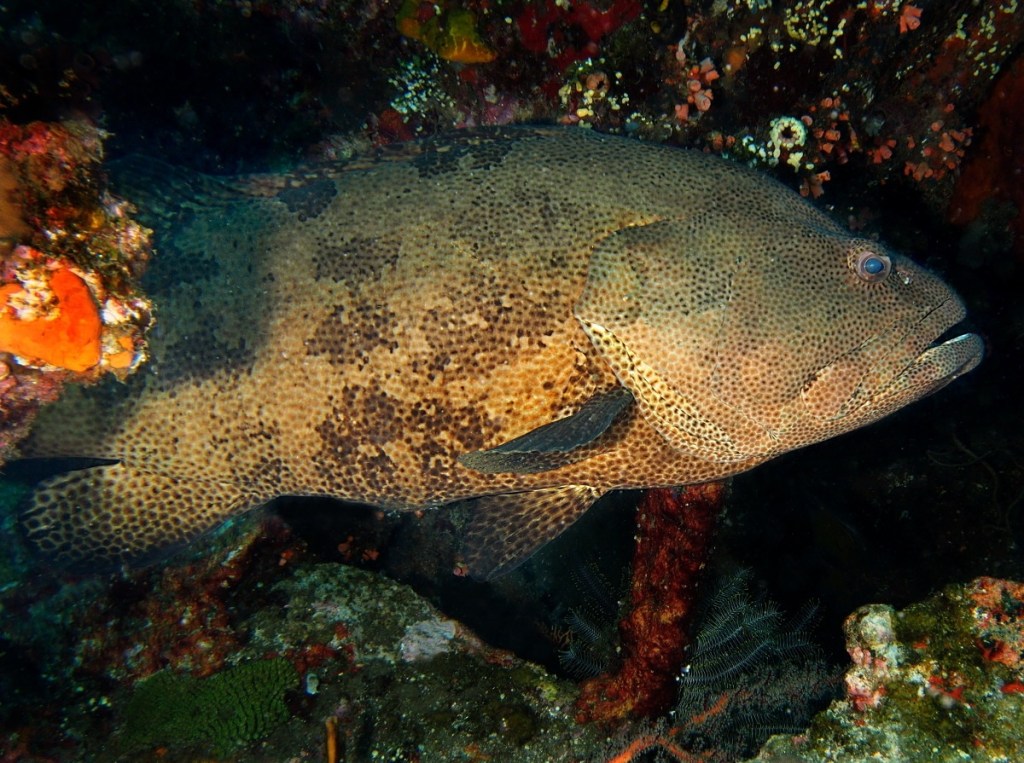
The Snapper is a fish that is common to Bali, along with a fellow ‘reef fish’, the grouper.
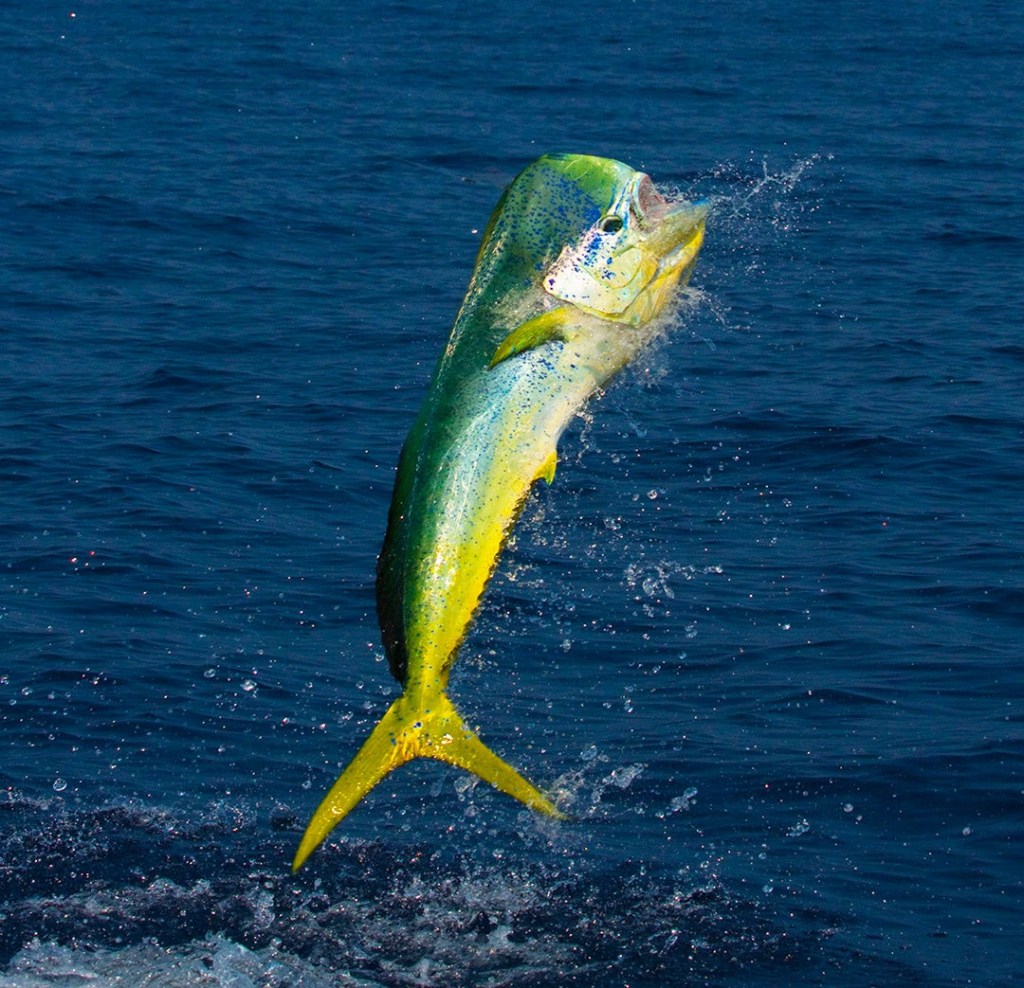
Another fish common to Bali is the Mahi Mahi. Learning that it is also known as dolphin fish is a little disturbing, and a good reason why it probably won’t find its way onto our plate.
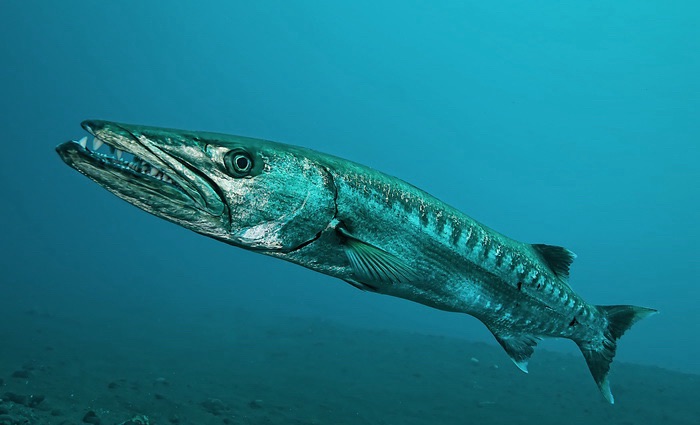
Another is the Barracuda. Now there’s a fish you may well want to eat before it eats you!!
The most significant mythical fish in Balinese tradition is the Gajah Mina, a composite creature with the head of an elephant and the body of a fish.

Literally meaning “fish elephant,” the name is derived from the Sanskrit words gajah (elephant) and mina (fish). This hybrid being embodies the perfect harmony between strength and serenity—between the stability of land and the ever-changing nature of the sea.
Gajah Mina represents protection, balance, and the interconnectedness of all realms.
In Balinese seafaring and ritual life, the creature is revered as a divine guardian who shields sailors from storms and malevolent sea spirits.
Interestingly, in recent years, Gajah Mina has transcended its ritual context to inspire modern artists, environmental activists, and cultural heritage projects. Contemporary Balinese artisans use the figure to promote ecological awareness, seeing its hybrid form as a metaphor for the balance between humanity and nature.
To finish, it came as no surprise to us that there is another stunning statue further up the island on Pererenan Beach. Not a direct competitor to Garuda Wisnu Kencana (Day 23) but a mighty fine sight nonetheless.
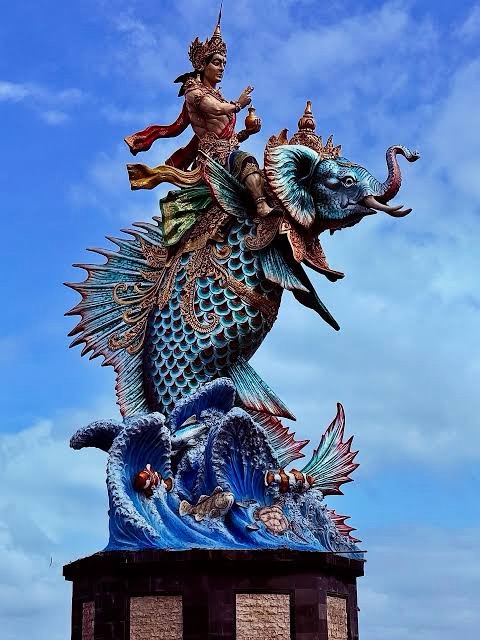
And, lo and behold, in Balinese mythology and wider Hindu tradition, who is known to ride the Gajah Mina? No less than, the sea god Dewa Baruna himself. The very one that was toying with us as we journeyed up the beach, earlier.
 Sailing off to Sparta
Leave a comment