Our breakfast experience in Bali has been nothing short of magnificent. One of our daily indulgences has been the drinking of jamu, served up by a lady who passes from table to table offering it.
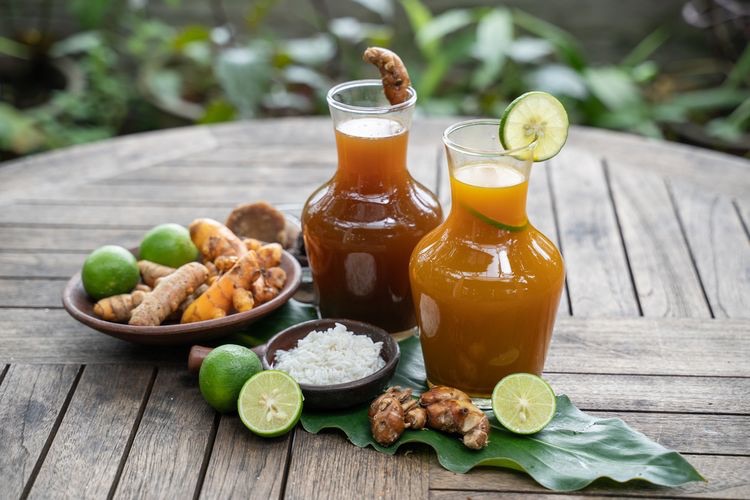
Jamu is a traditional turmeric juice from Indonesia that has been used for centuries to promote health and well-being. This juice is made from a variety of herbs and spices (among them, turmeric) that are believed to have medicinal properties. Jamu is a popular drink in Indonesia consumed daily by millions of people.
The ingredients used in jamu vary depending on the Indonesian region and the recipe. In Bali, jamu is made using turmeric, ginger, and lemongrass.
To make jamu, the herbs and spices are first cleaned and chopped. They are then boiled in water for several minutes to extract their flavors and medicinal properties. The resulting liquid is strained and sweetened with honey or palm sugar. The drink can be consumed hot or cold, depending on the preference of the drinker.
Jamu has many health benefits. It is believed to: boost immunity, reduce inflammation, aid digestion, alleviate pain, and improve skin health.
If you like fruit, Bali is the place. Bali’s equatorial location offers optimum conditions for the growing of exotic fruit. The taste, the colour, the aroma: different level, altogether!
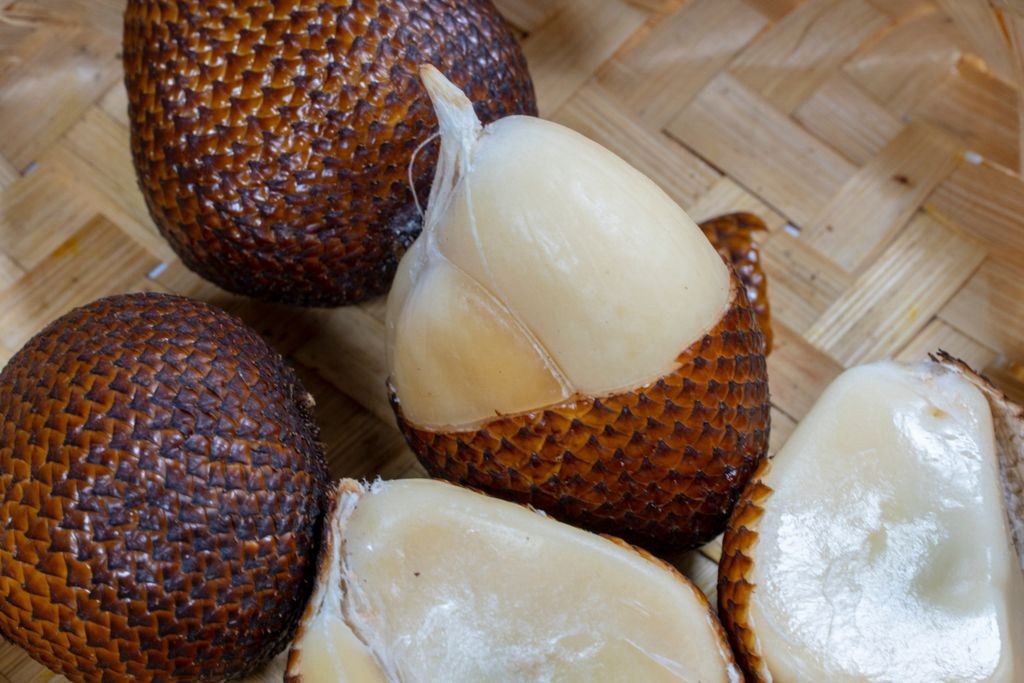
Snake Fruit (Salak) earns its name for obvious reasons. We found it to be quite crunchy and coconut-like. It is rich in beneficial nutrients like vitamins, antioxidants, and fibre. Interestingly, it is believed that the beta-carotene in snake fruit is converted to vitamin A, which is crucial for maintaining healthy vision and may help protect against age-related issues like cataracts and macular degeneration.
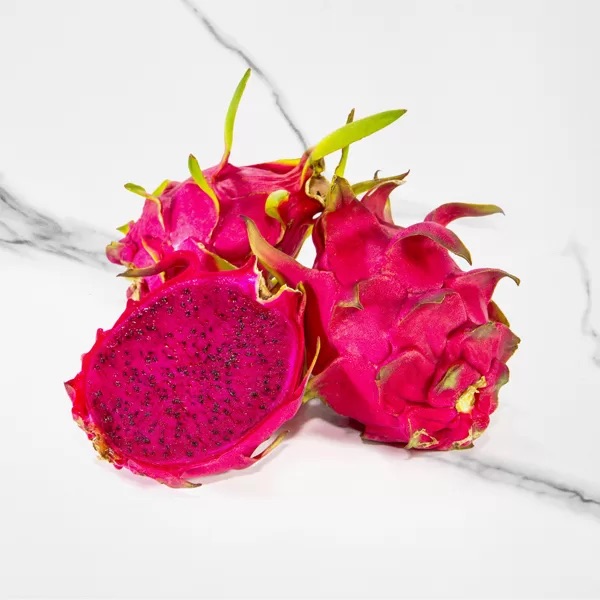
Dragon Fruit (Buah Naga) is possibly my favourite. It is bright pink, delicious, and tastes like a kiwi-pear cross. It is rich in antioxidants and vitamin C, which makes it a great food to prevent inflammation and strengthen the immune system.
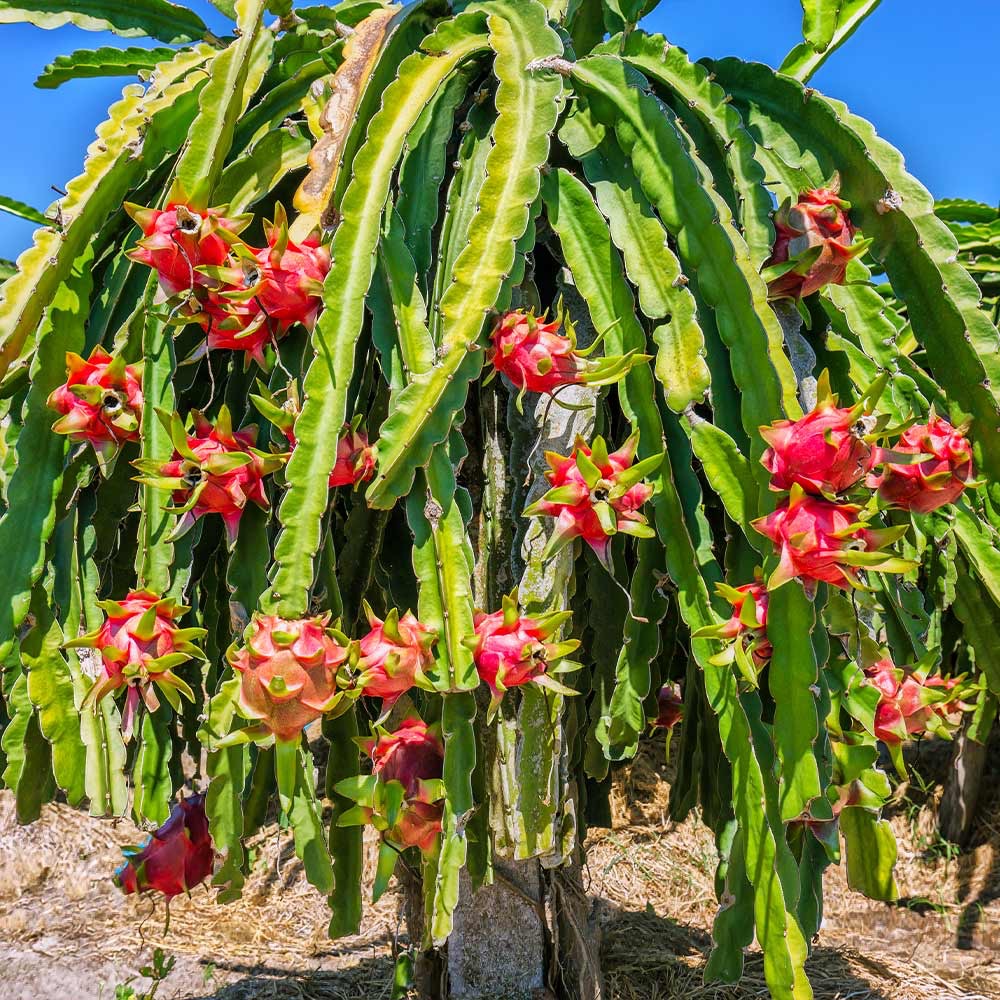
Dragon fruit grows on a cactus. It relies on nocturnal pollinators like bats (thank you, Marvin: Day 21) and moths for pollination, as its large flowers only bloom at night.
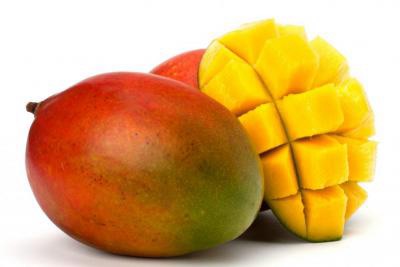
Mango (Mangga) is a must, so succulent and flavoursome! It is an immune-boosting fruit that promotes healthy guts, and helps to prevent many diseases as it contains significant amounts of Vitamin C, A, B-6, K, copper, calcium, potassium, and antioxidants.
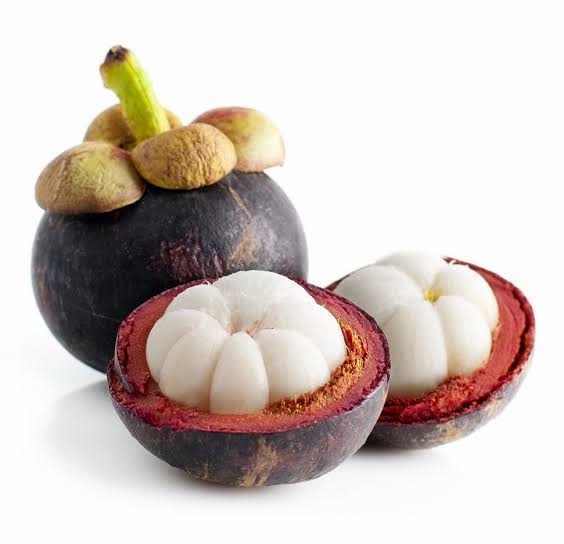
And then there’s Mangosteen (Manggis), considered by the Balinese as the food of the gods. The little jelly cloves inside the purple shell taste like a lychee fruit with a bit of a kick at the end. Mangosteen is believed to be a powerful cancer healer. It fights inflammation in the body and regulates blood pressure. Its high amount of Vitamin C makes this fruit another great immune system booster.
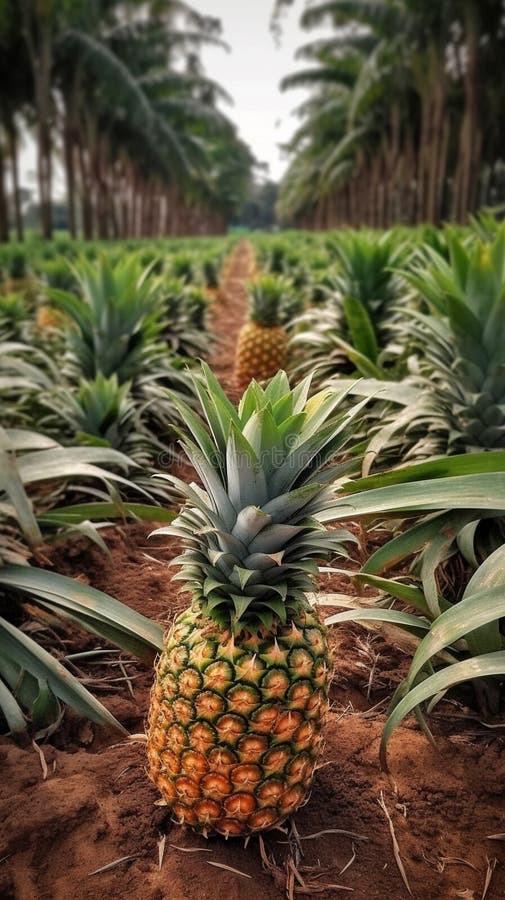
Pineapple is grown all across the island of Bali, including in gardens, at home. It has an incredible flavour and is first in the bowl, every morning, without fail. And, to be fair, the pineapple in Japan was superb too, especially Okinawa.
As well as being so flavourful, pineapple contains an enzyme called bromelain, which breaks down proteins and can help with digestive disorders. Bromelain also has anti-inflammatory properties that can help with conditions like arthritis and may aid in faster recovery after surgery or intense exercise.
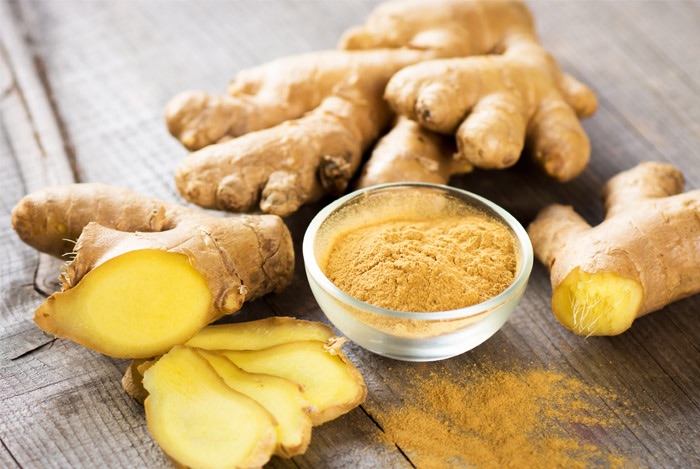
It would seem that you can have ginger (jahe) in just about everything in Bali. Being someone who loves the flavour of ginger, this has been a real game-changer, and has influenced many menu choices.
Ginger contains the compound gingerol, a powerful anti-inflammatory. It can help reduce muscle soreness and pain. It is also believed that ginger increases blood flow, which is beneficial for heart health.
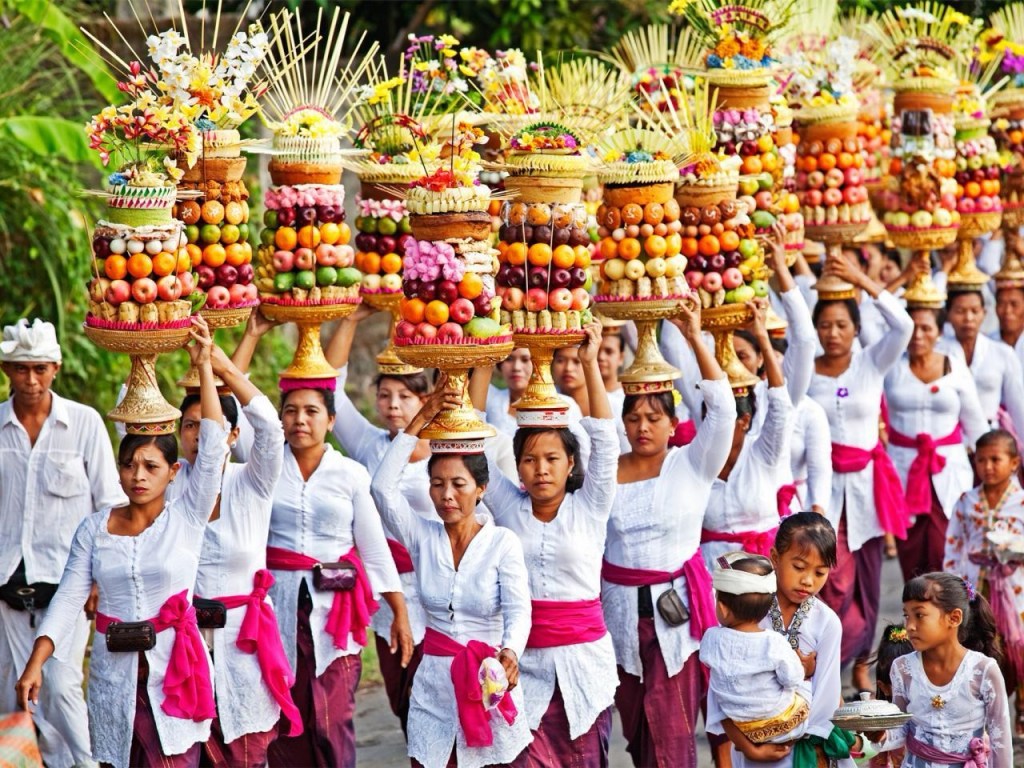
Gebogan is a traditional Balinese form of offering to the gods. Its form is a series of fruits and snacks arranged in the shape of a tapered tower, above a wooden platform called a Dulang. The tradition is rooted in Hindu religion, and used as an offering at the moment of Yadnya (ceremony). Essentially, the message is “What we enjoy, that’s what we dedicate to God”. Gebogan is usually made by Balinese mothers and girls, and then carried in procession.

There is no single Balinese god specifically named as the ‘god of fruit’. However, fruits are offered to the divine in the form of Gebogan, particularly to Dewi Sri, the goddess of rice and fertility, who is associated with abundance and life.
So, Gebogan are an expression of thankfulness for life’s blessings and a symbol of the balance Balinese people strive to maintain between themselves, their community, and the natural world.
Which takes us back around to Tri Hita Karana, discussed here on Day 18.

A lesson for the World on so many levels.
 Sailing off to Sparta
Leave a comment