Today we decided to head out of town and journey to Miyajima Island (宮島). Rather than take the tourist option, avoiding the surcharge sting (£££), we felt like being bold and using public transport again. The first leg was a short underground train ride from Kencho-mae to Shin-Hakushima. The train journey cost 220 yen (£1.09). Again, the station concourse and platform was immaculate. A lot less crowded, too.
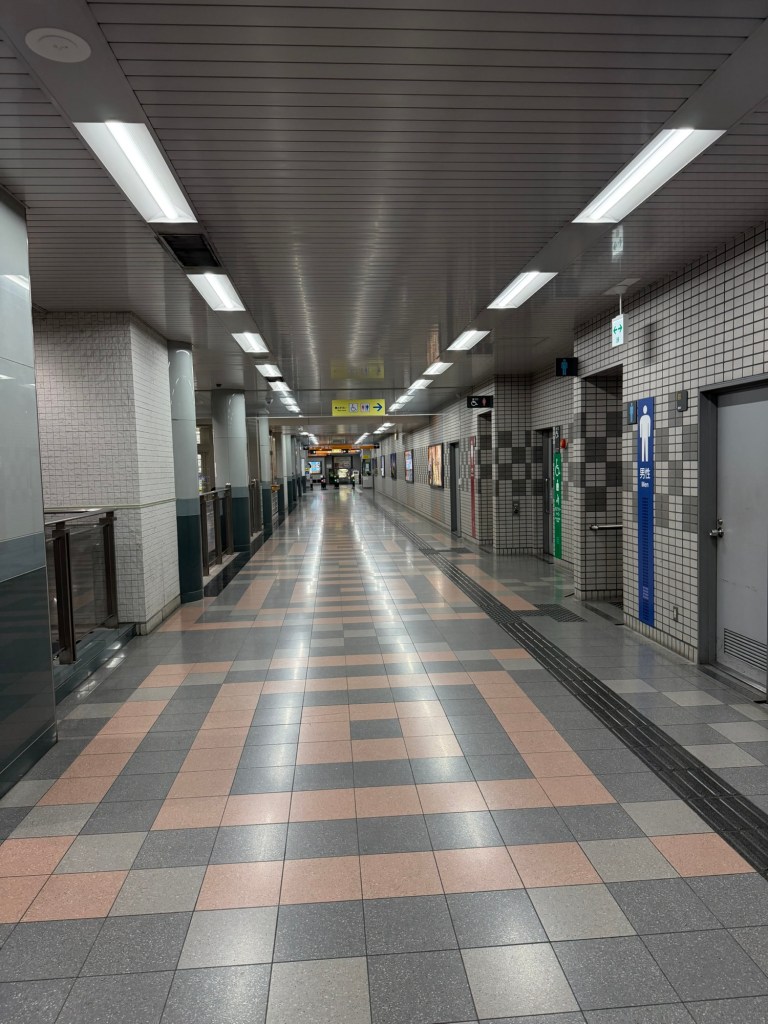
The train, naturally, arrived on the dot.
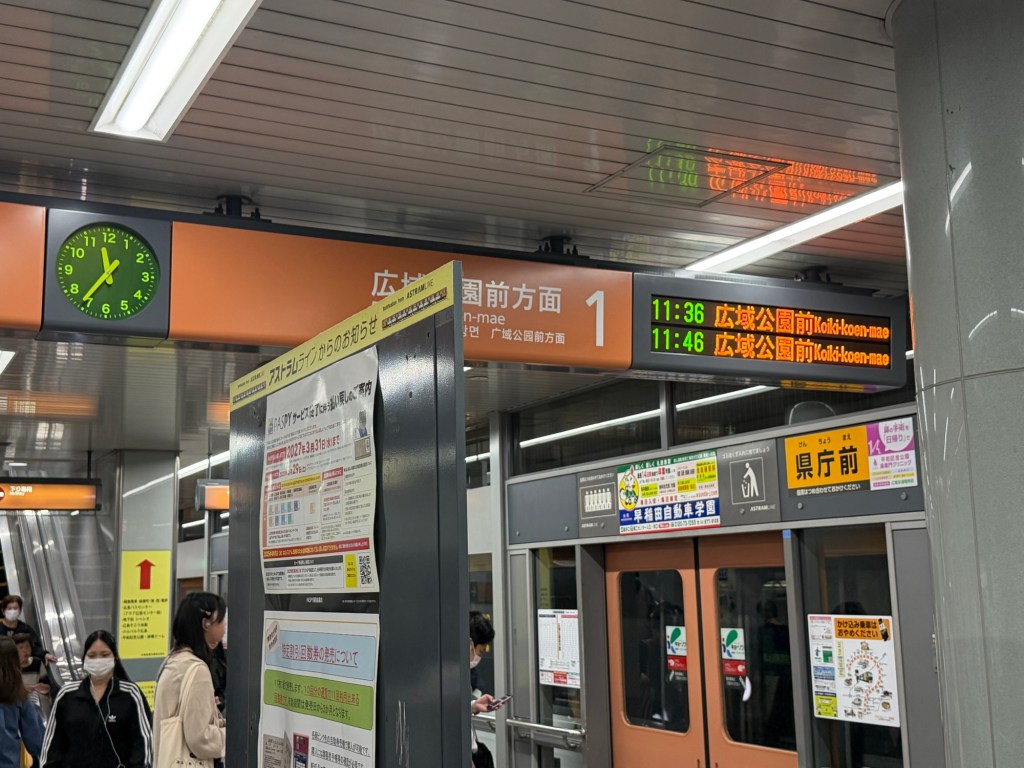
We were asked on two occasions by a lady, and then a gentleman, if we needed help. A far cry from the hurry and scurry of the mega-terminals of Tokyo, Kyoto, and Osaka.
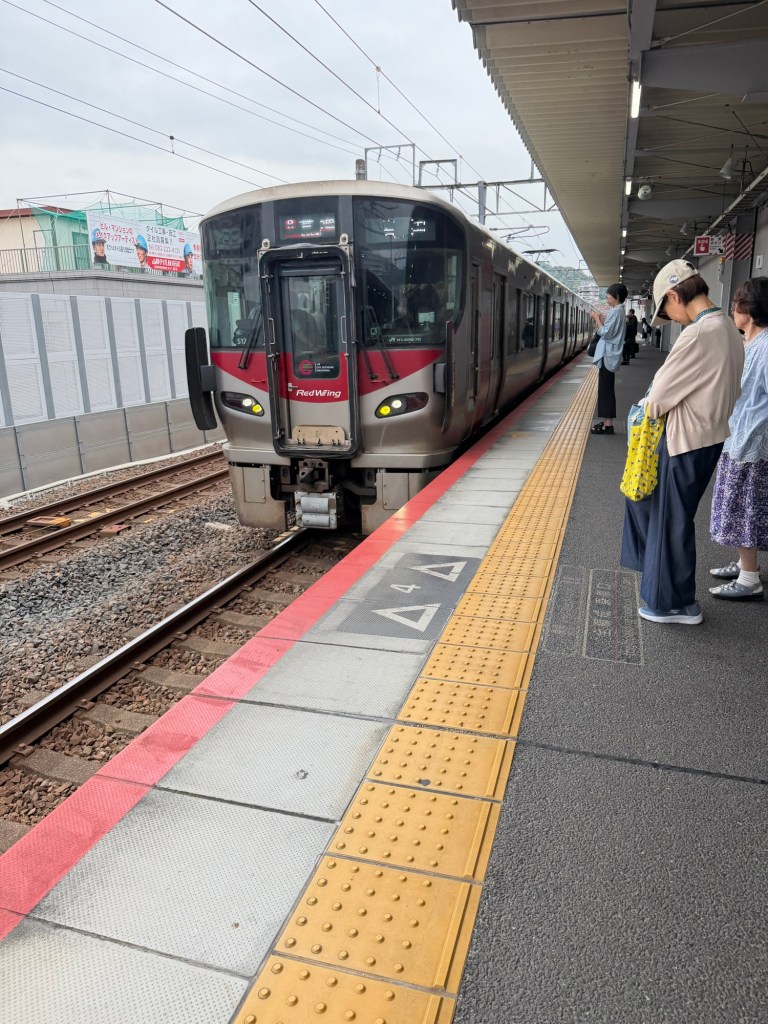
Due at 12:03. Arrived at 12:03. The train from Shin-Hakushima to Miyajimaguchi Station took 25 minutes, and cost 330 yen (£1.63), one way.
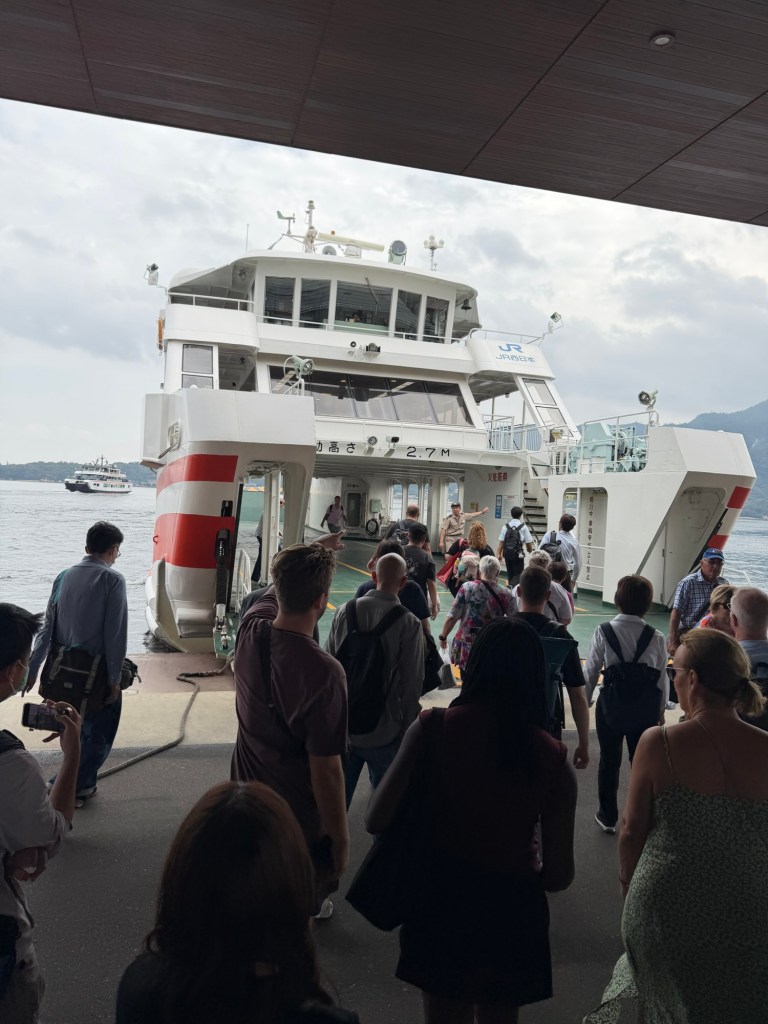
Next leg: the ferry from Miyajimaguchi to Miyajima Island, costing 660 yen (£3.26) return – a 15 minute journey.
While officially named Itsukushima (厳島), the island is more commonly referred to as Miyajima, Japanese for “shrine island”. This is because the island is so closely related to its key shrine, Itsukushima Shrine. Like the torii gate, the shrine’s main buildings are built over water.
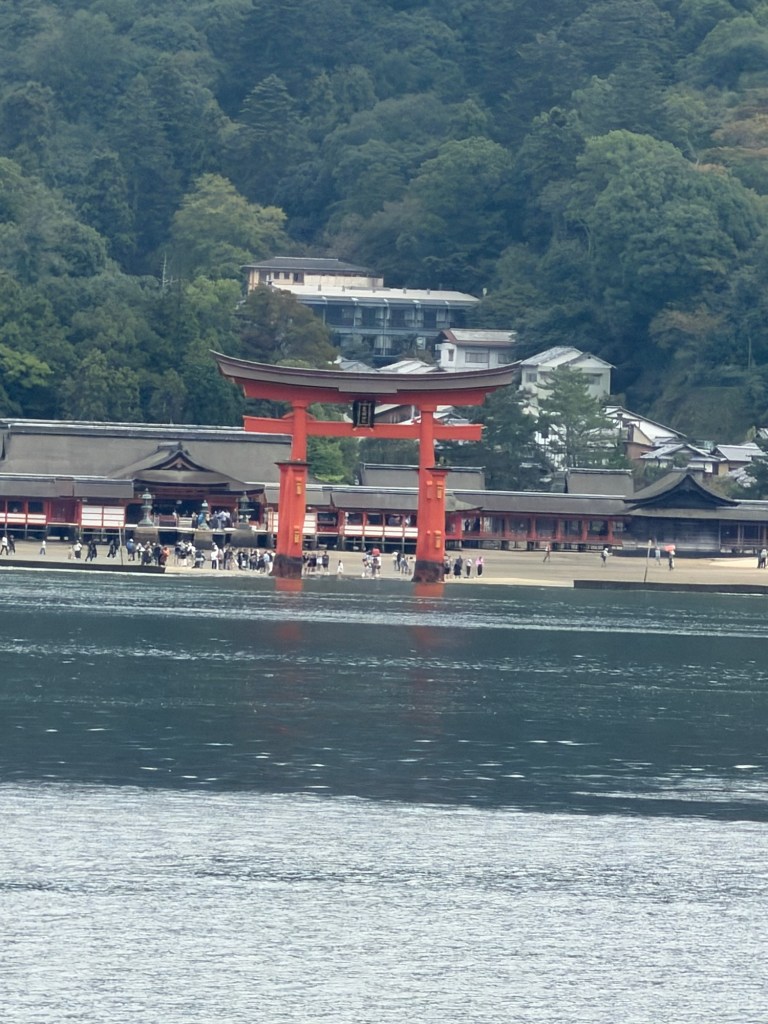
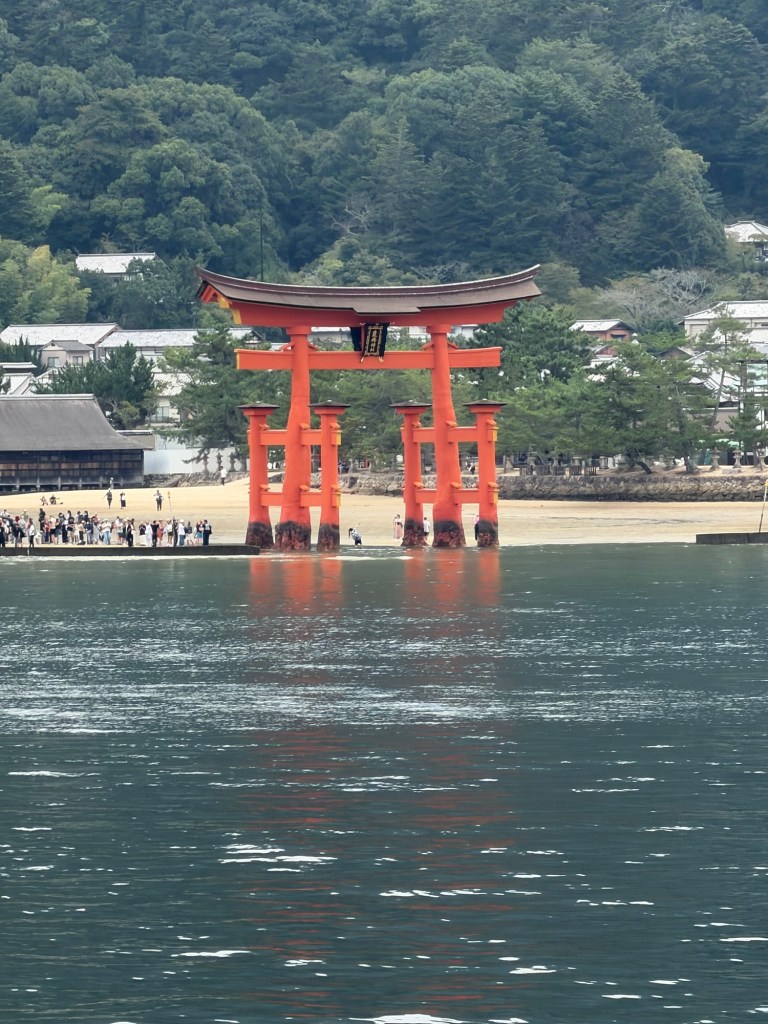
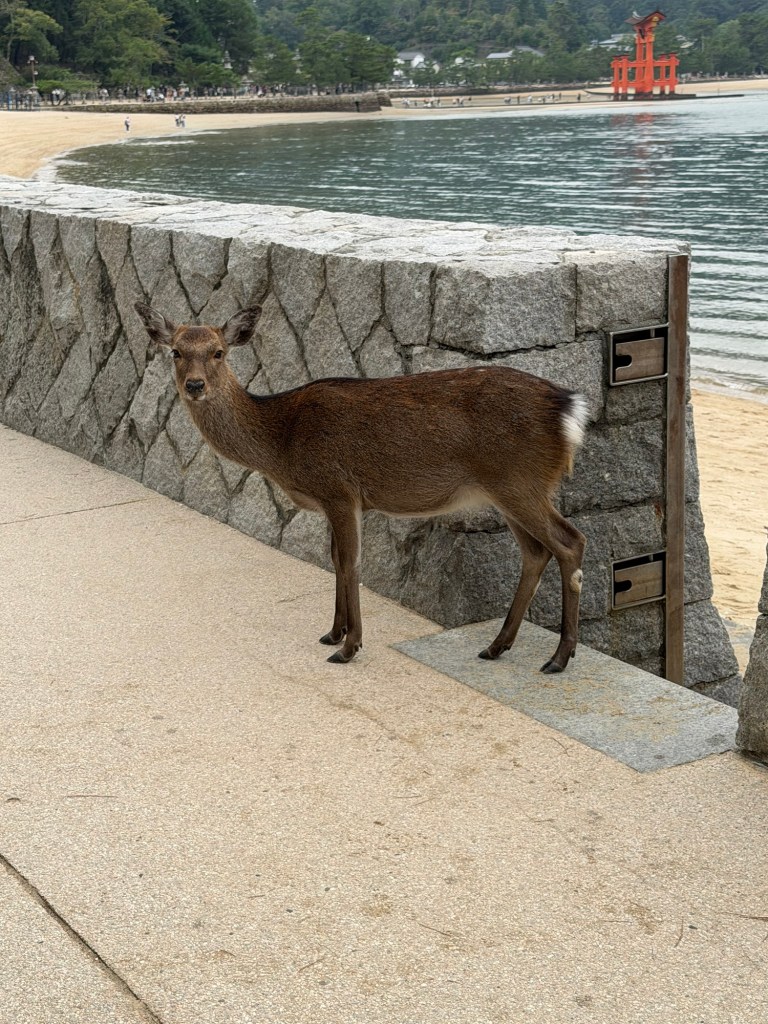
The island is inhabited by a sizeable population of deer, which are happy to mooch around all areas.
A little away from the tourist types (I know!), we hit upon Hokoku Shrine, dedicated to the warlord Toyotomi Hideyoshi (one of the three unifiers of Japan in the 16th century) and his loyal aid Kato Kiyomasa. It is believed that it was to be a Buddhist library, and that the construction of the building was not completed.
The fact that this structure, unique among the buildings belonging to Itsukushima Shrine, is unpainted and that its exact date of founding (1587) is recorded makes it a valuable gauge of the passage of time. The traces of weathering on its pillars and floor boards can be used to determine the approximate age of any other wooden structure on Miyajima.
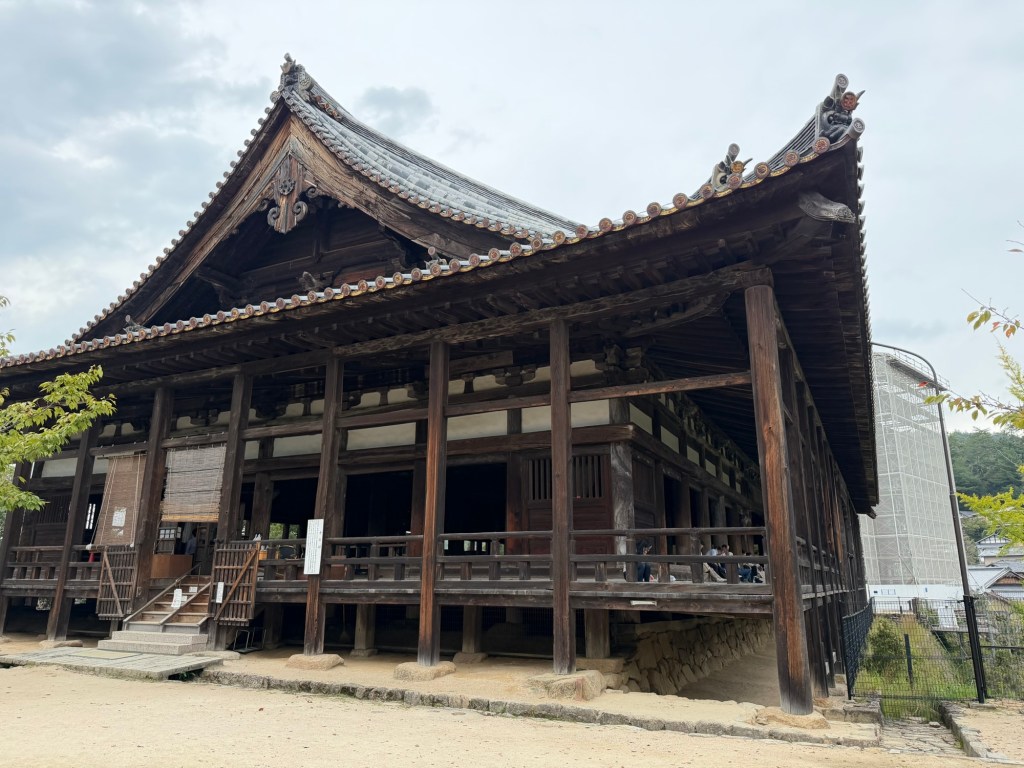
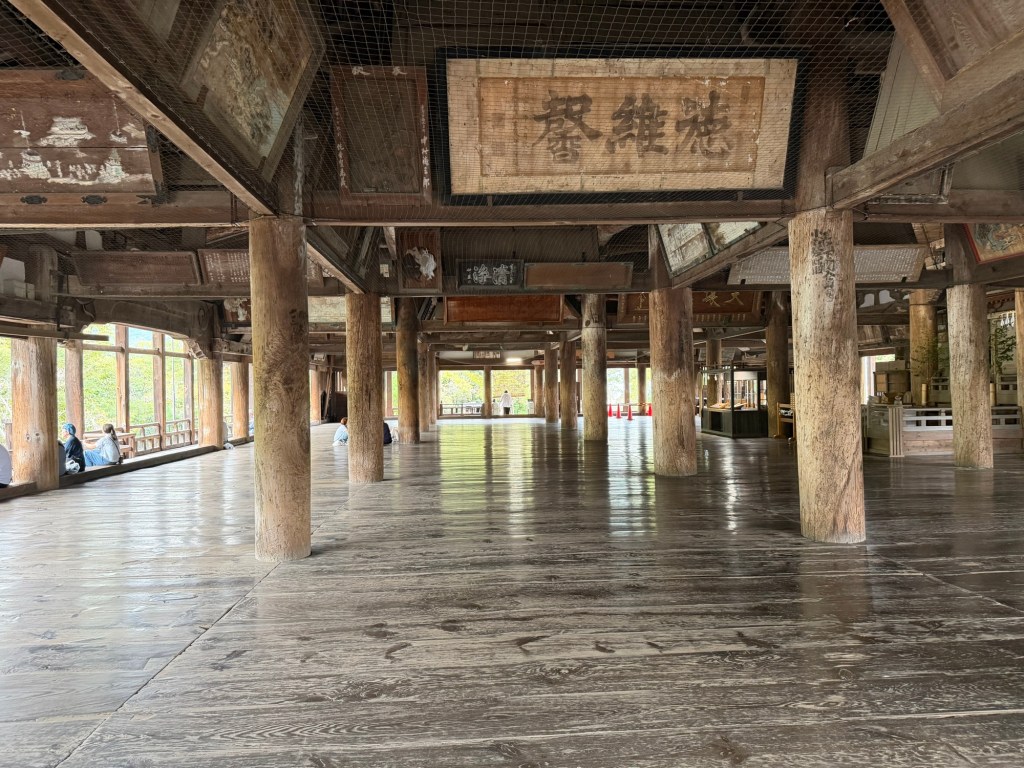
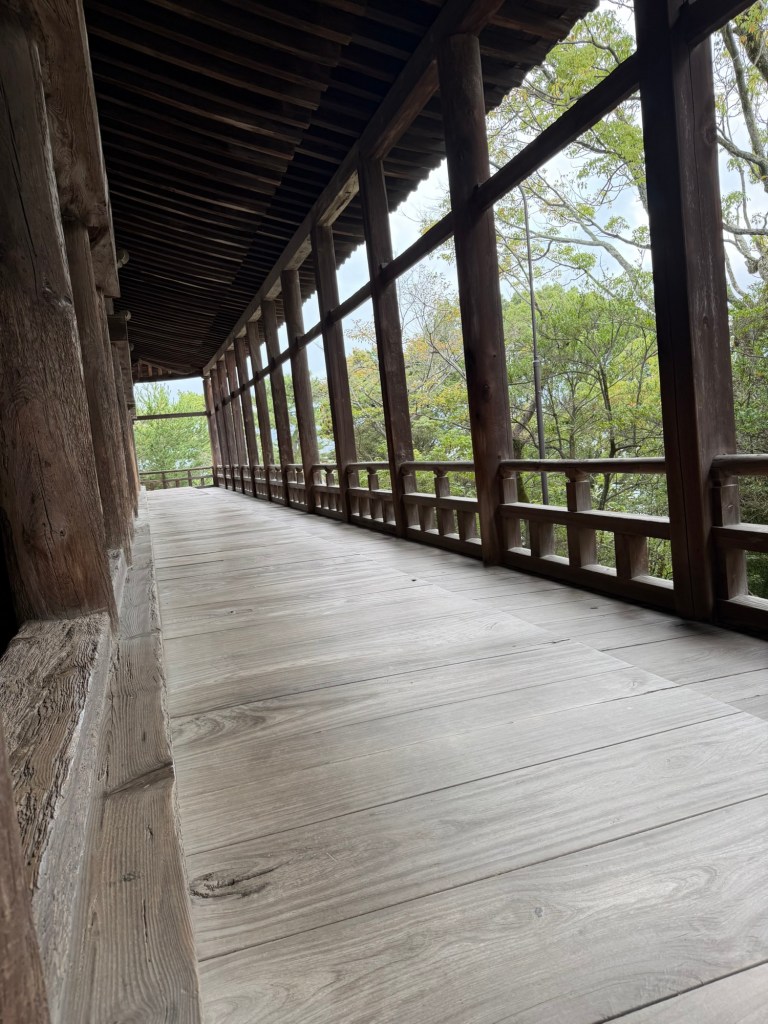
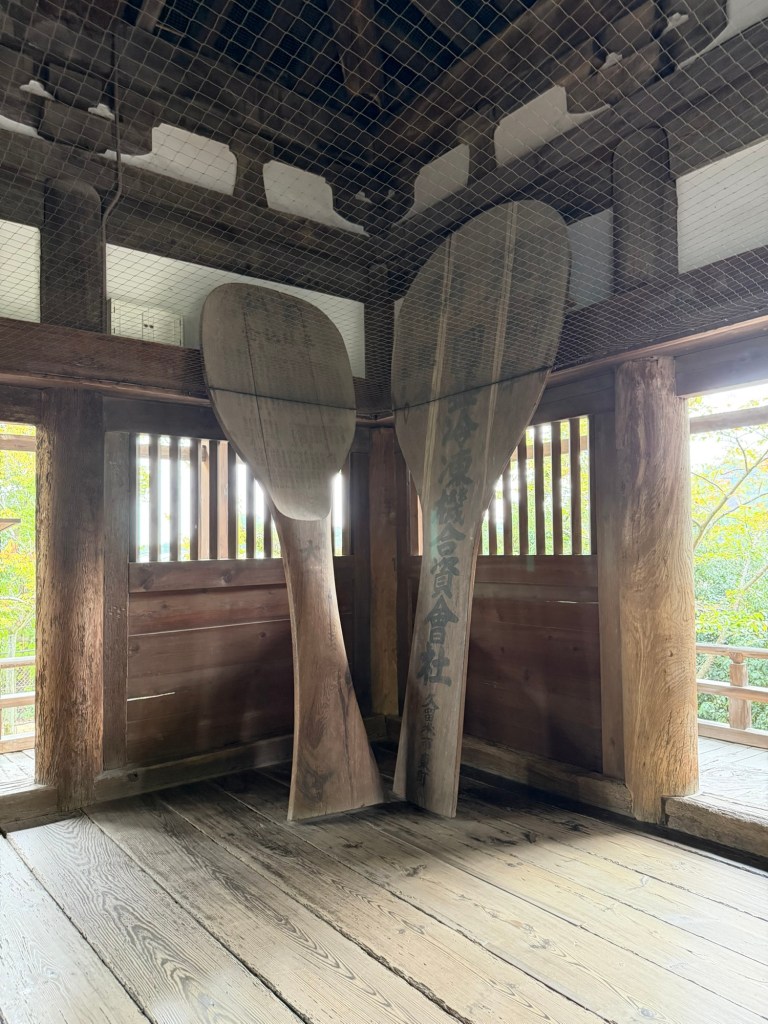
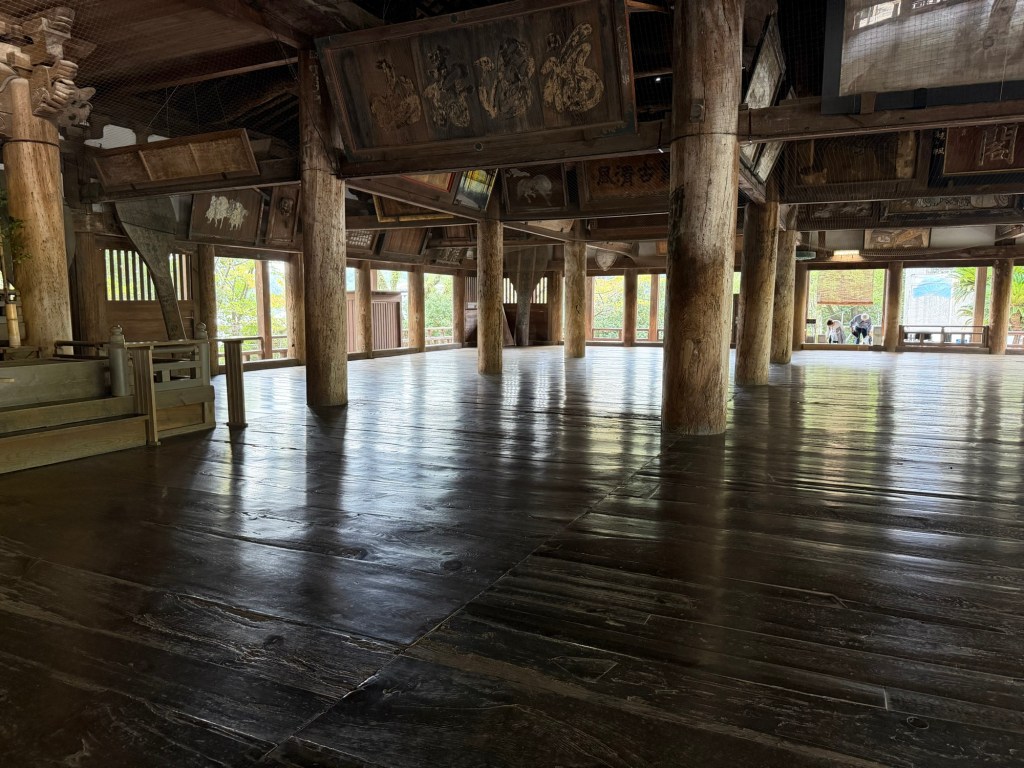
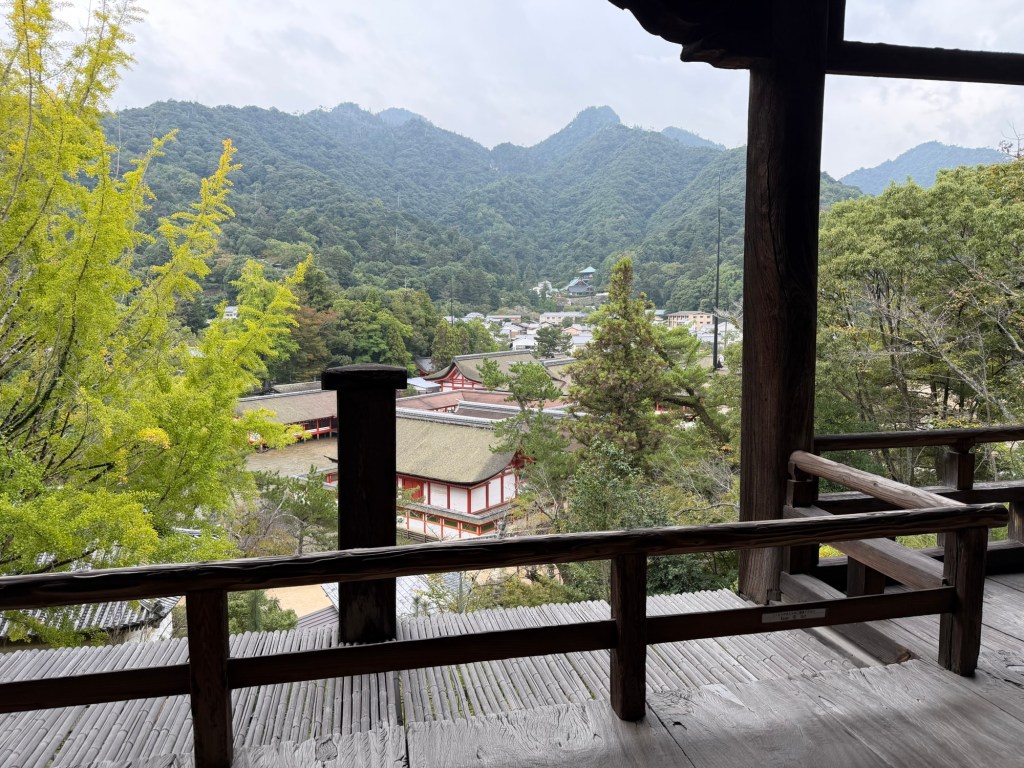
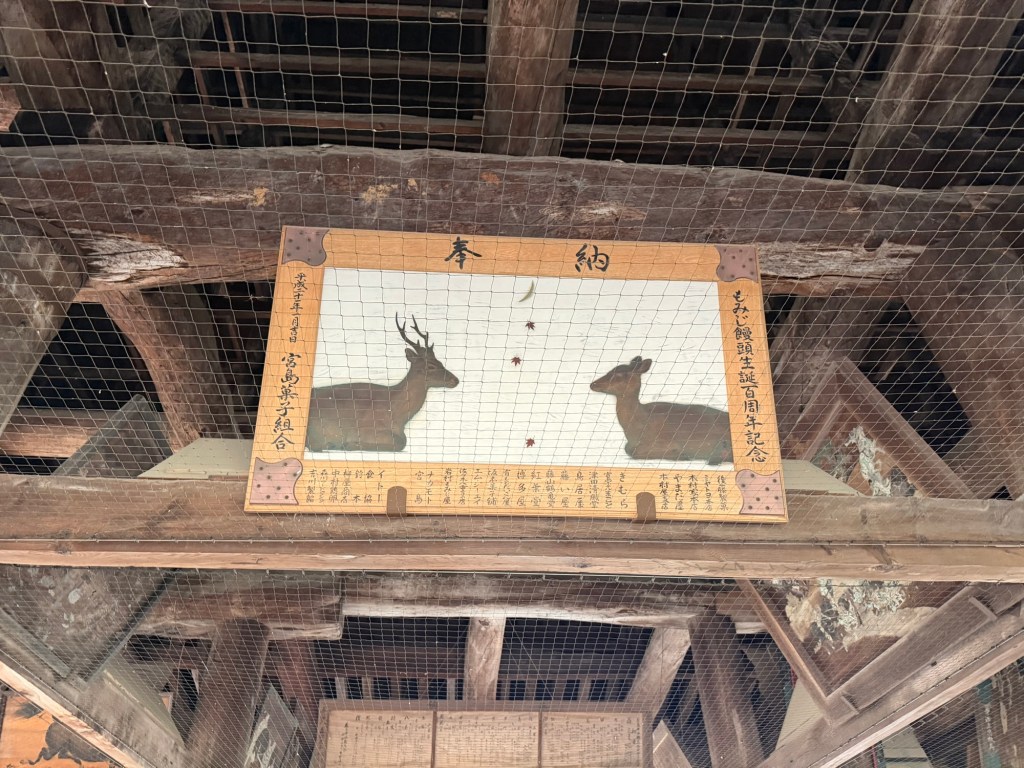
We found it be a very peaceful place, and could well imagine it being a magnificent library.
The highest peak on the island is Mount Misen (弥山) at 535 metres above sea level. You can take one of three walkways to the top. We opted for the fourth way.
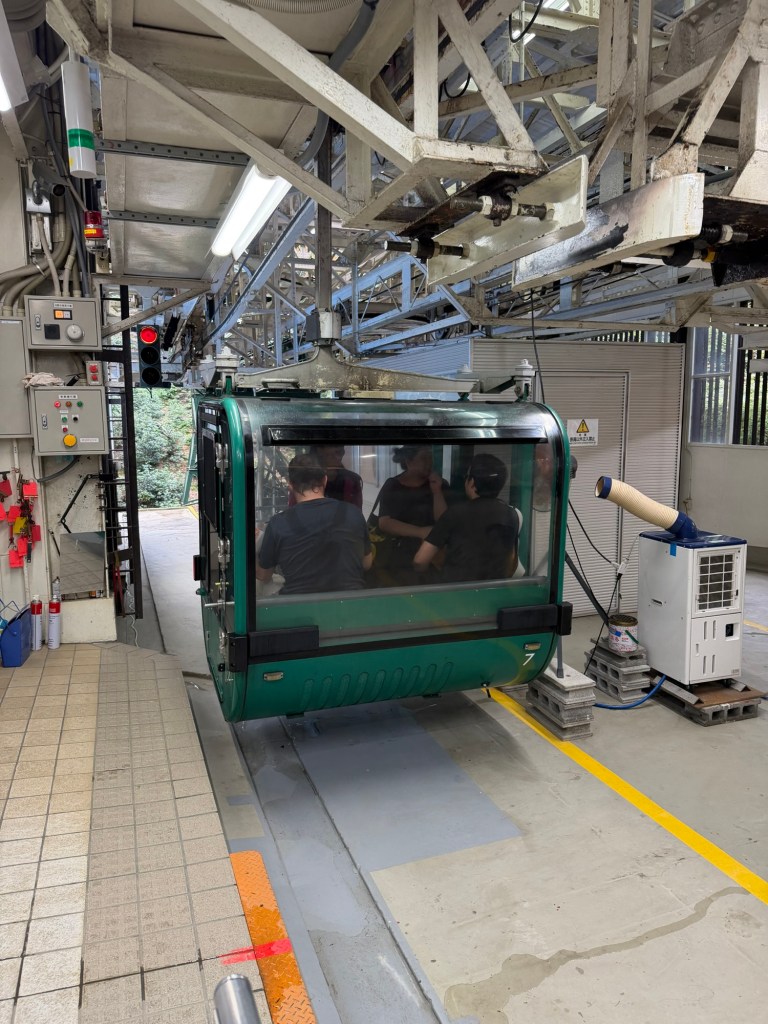
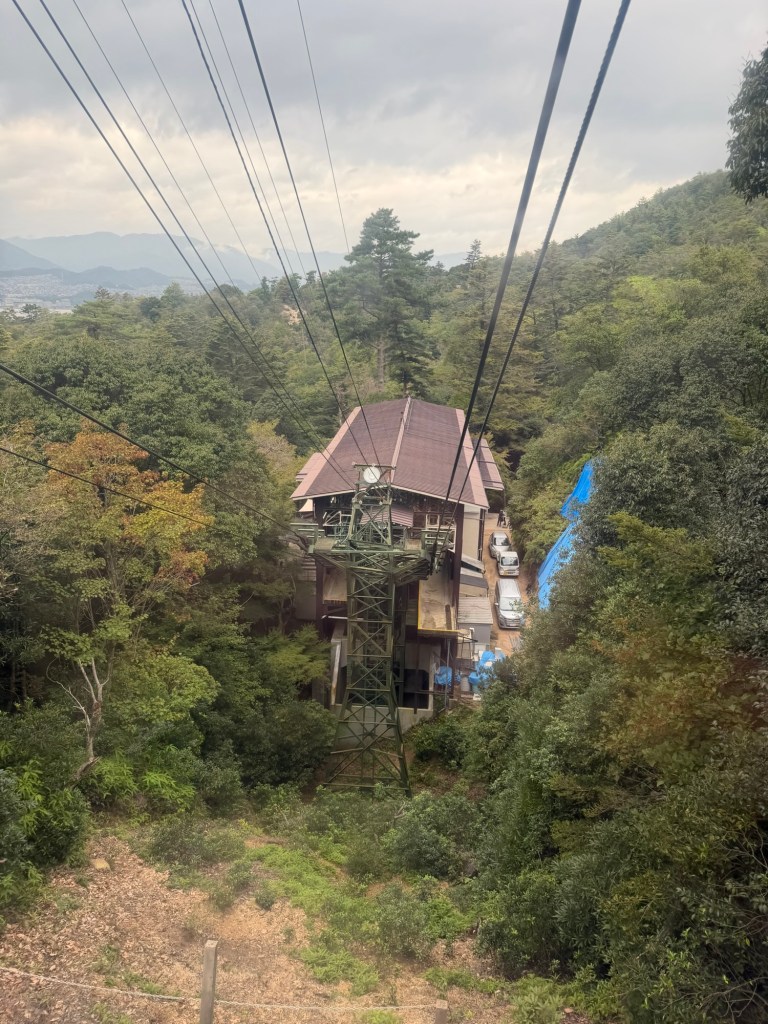
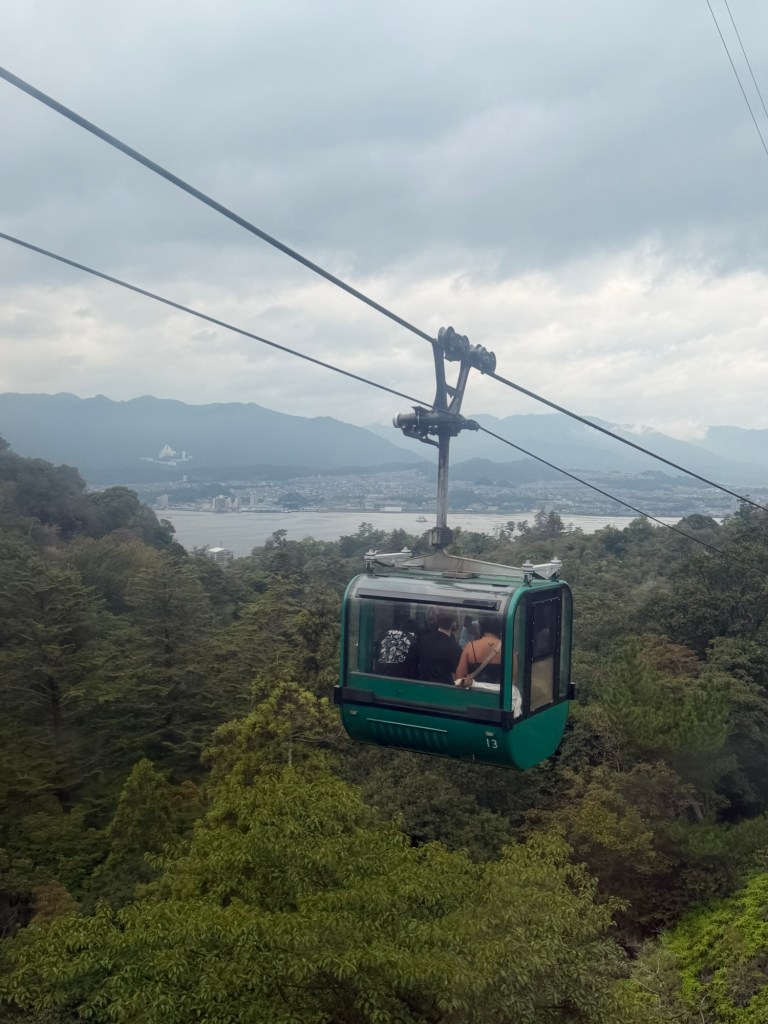
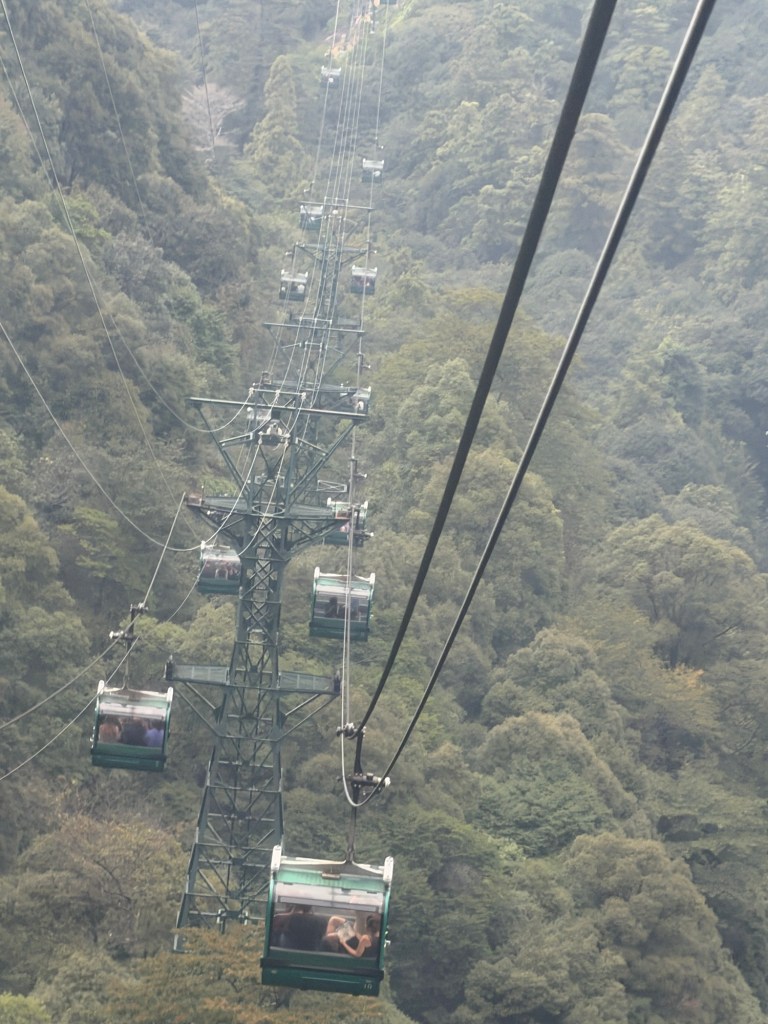
The views from the summit are magnificent, apparently. Unfortunately, an already hazy day, turned to rain (the first we have experienced over here) but hey!
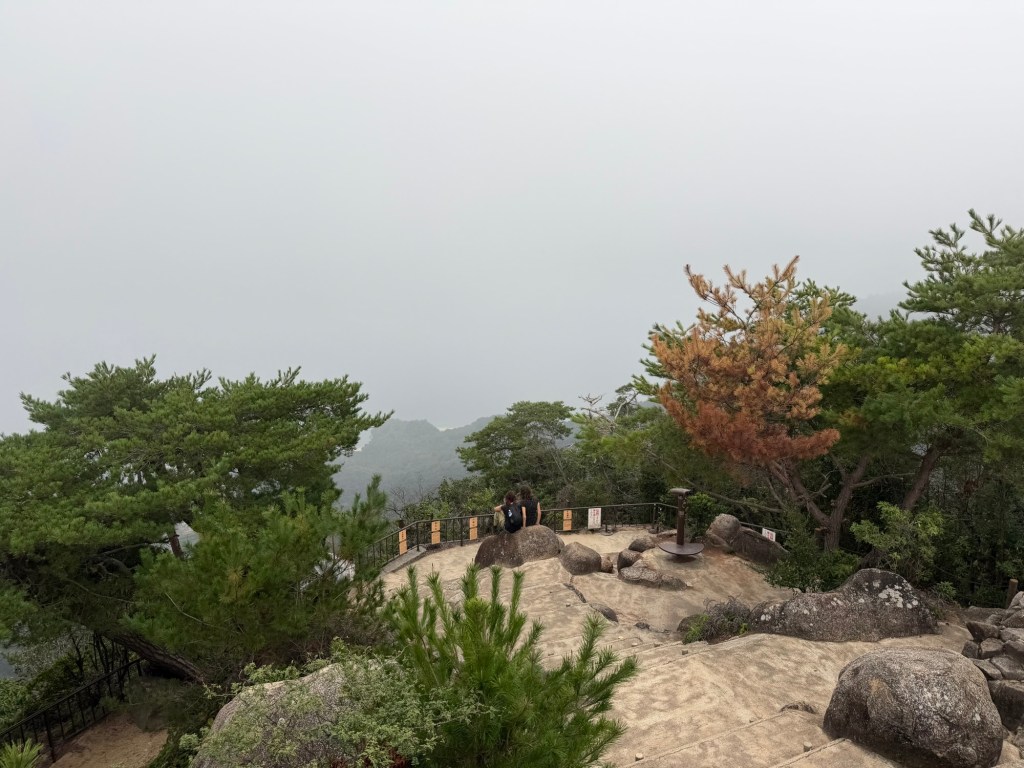
535m below, back from the summit, we dawdled through town – as do the deer.

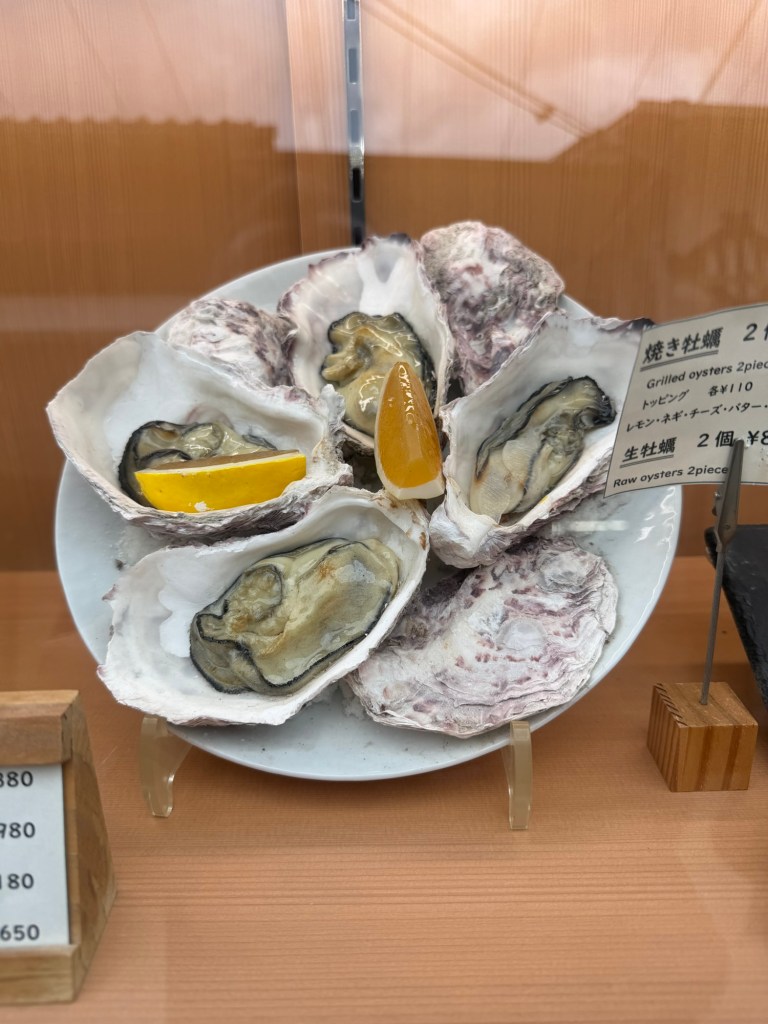
I appreciate I have harped on about the artificial food models outside eating places but thought I would share this fine representation of the craft. A whole new level!

The tide was on its way in
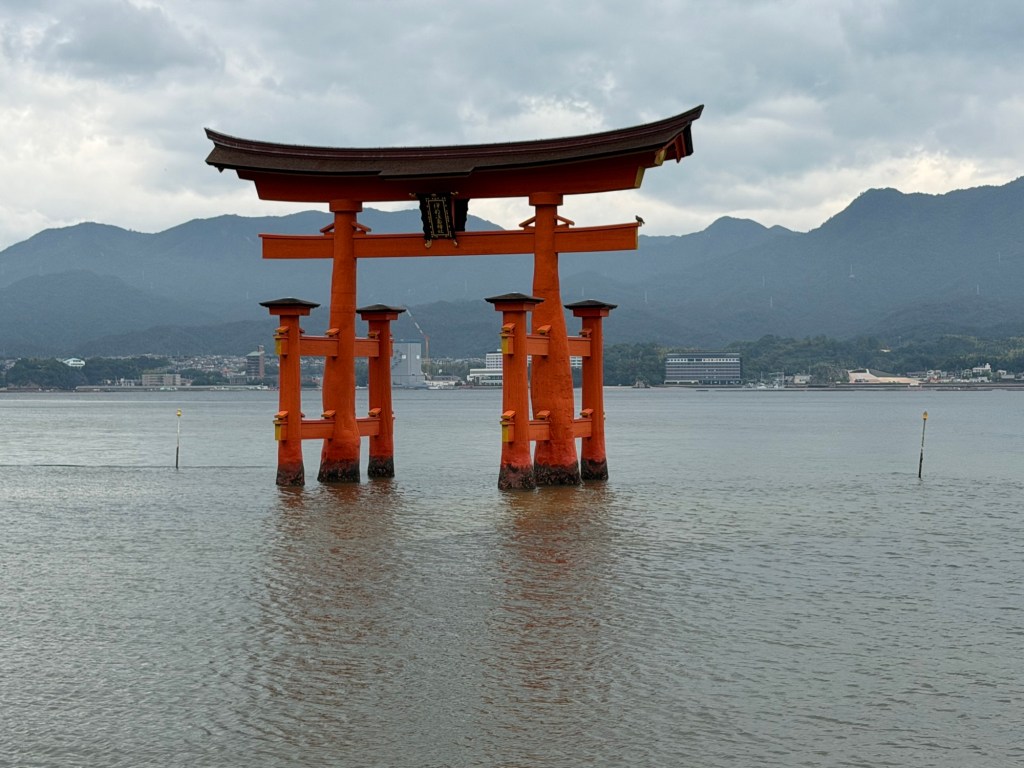
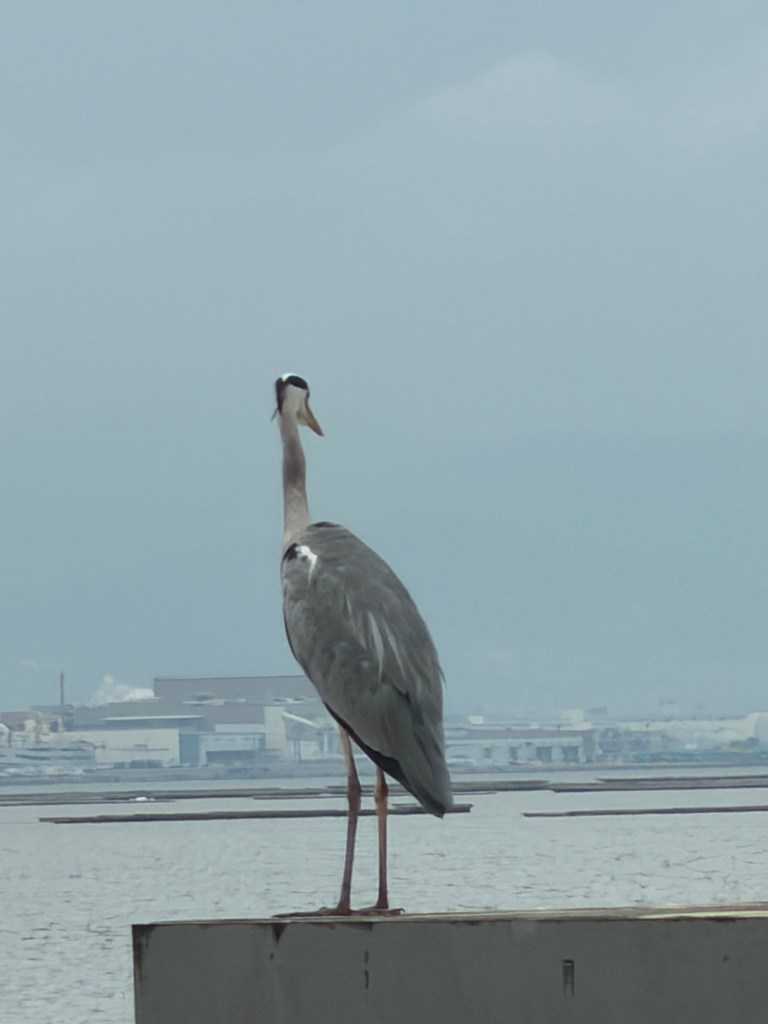
The one mode of transport we had not used was the tram, of which there is a very lengthy and extensive network. So, after getting the ferry back to the mainland, we had a go.
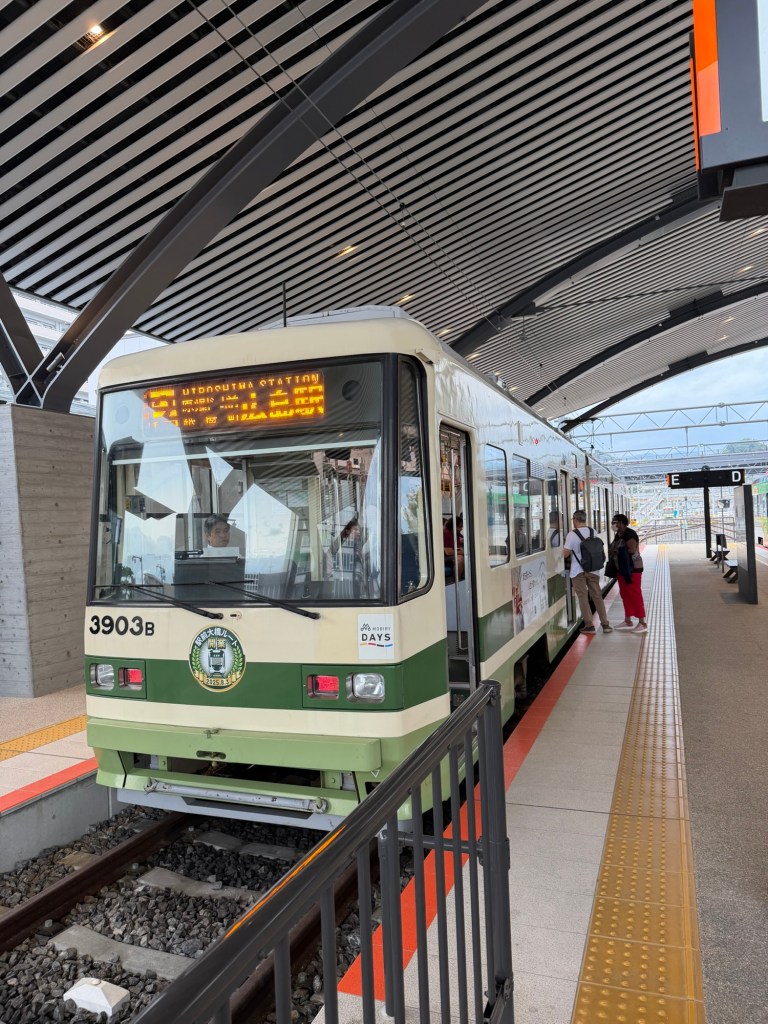
The tram journey back from Miyajimaguchi to the centre of Hiroshima, our base, took 50 minutes and cost the princely sum of 240 yen (£1.19). So, we spent a grand total of 2 x £7.14 = £14.28 on getting to and from Miyajima Island, having used public transport. Believe me, that is a tiny, tiny fraction of what tour operators are charging. We are not tight but we took enjoyment from both the doing and the saving.
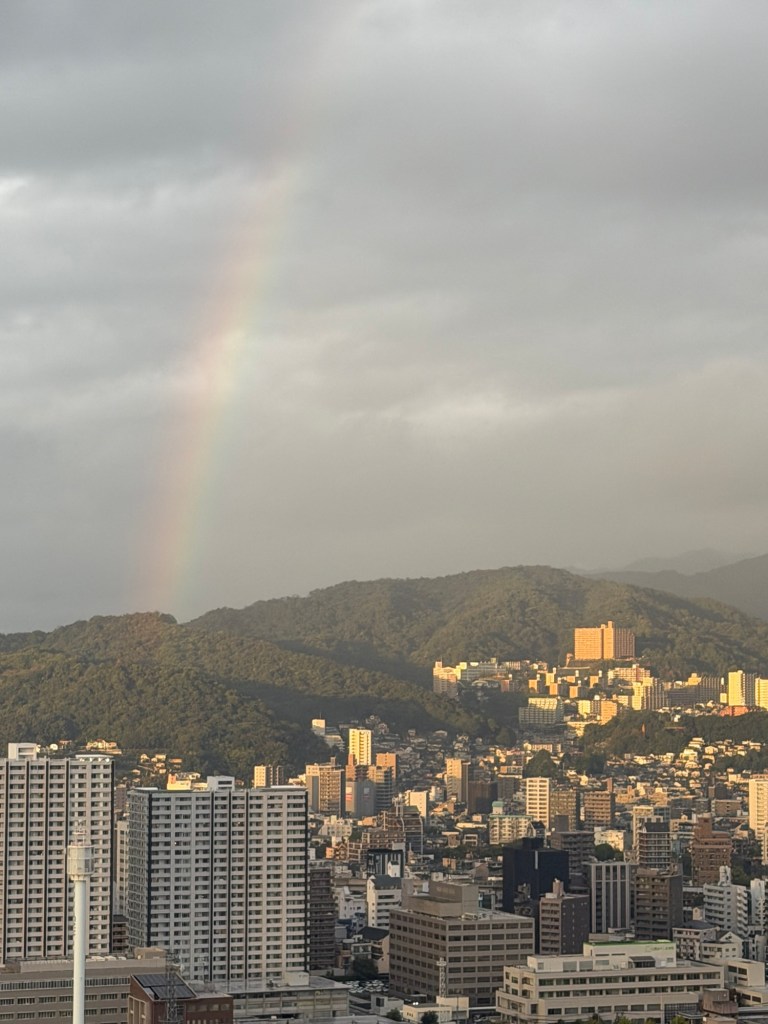
Returning to the hotel, we found there to be a lovely early evening light. A light that made the view from our room all the more special.
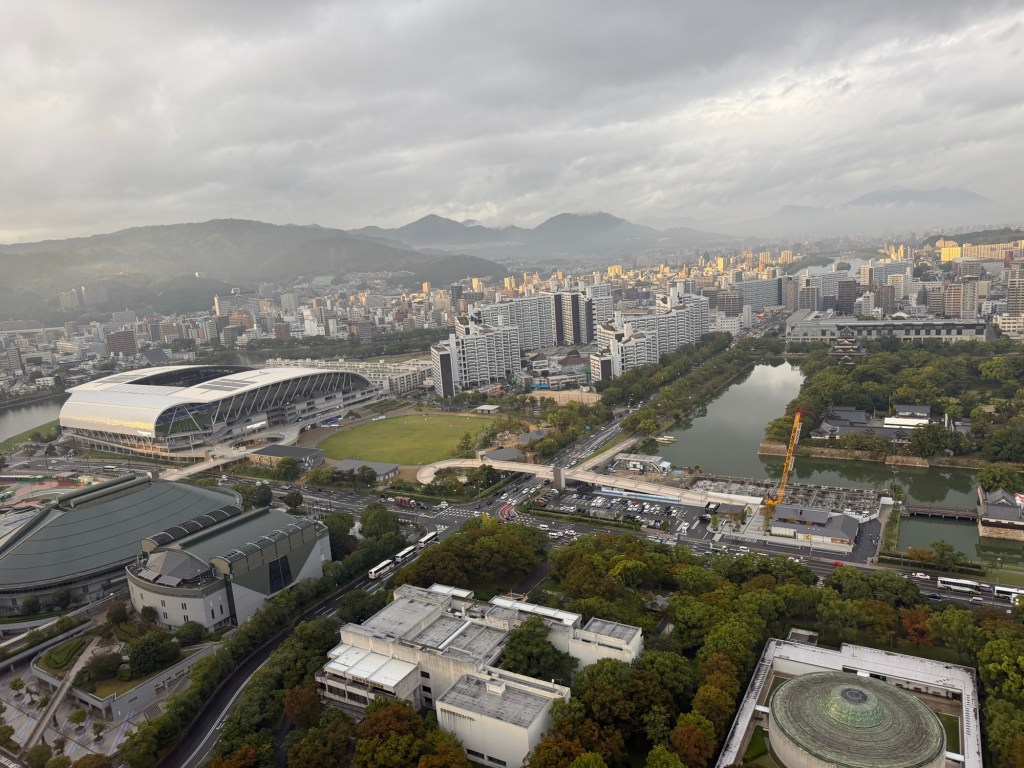
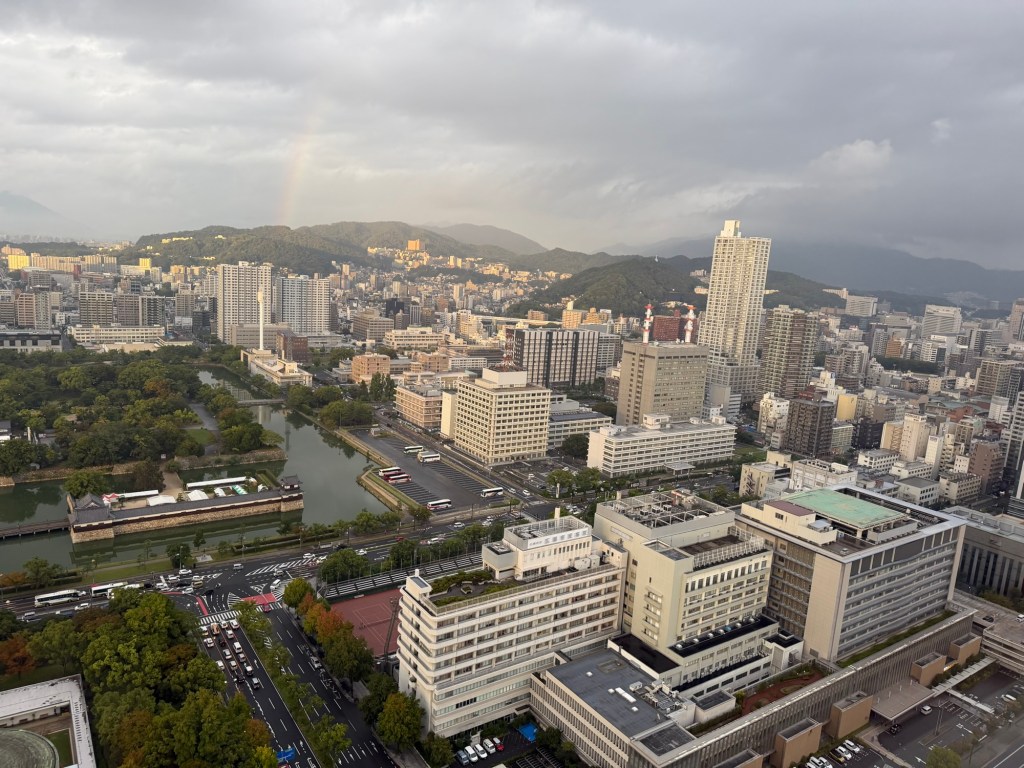
And we are taking this to be auspicious as we prepare for tomorrow’s journey south to Okinawa (沖縄県) 🌈
 Sailing off to Sparta
Leave a comment