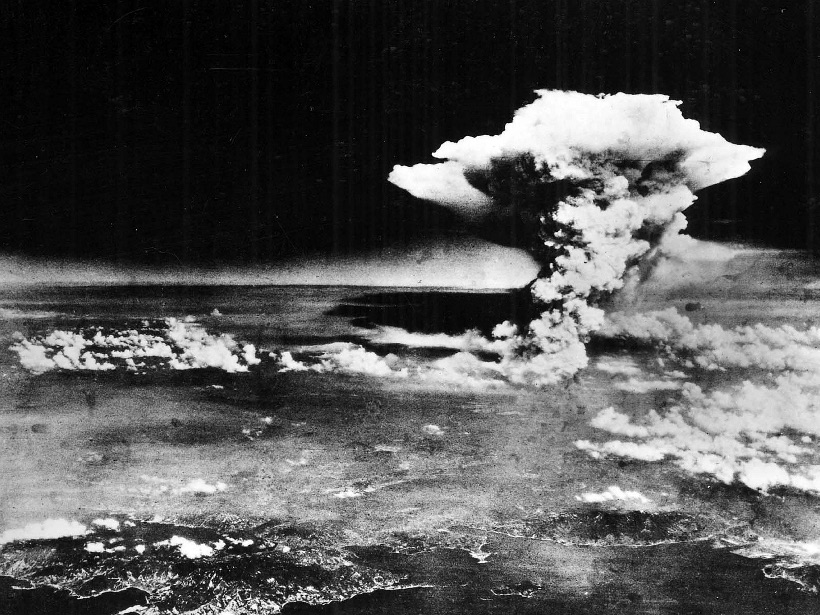
Japan learned from the bombings of Hiroshima and Nagasaki that the tragedy wrought by nuclear weapons must never be repeated and that humanity and nuclear weapons cannot coexist.
Daisaku Ikeda (Japanese writer)
What might we learn from visiting Hiroshima itself, and its Peace Memorial Park in particular?
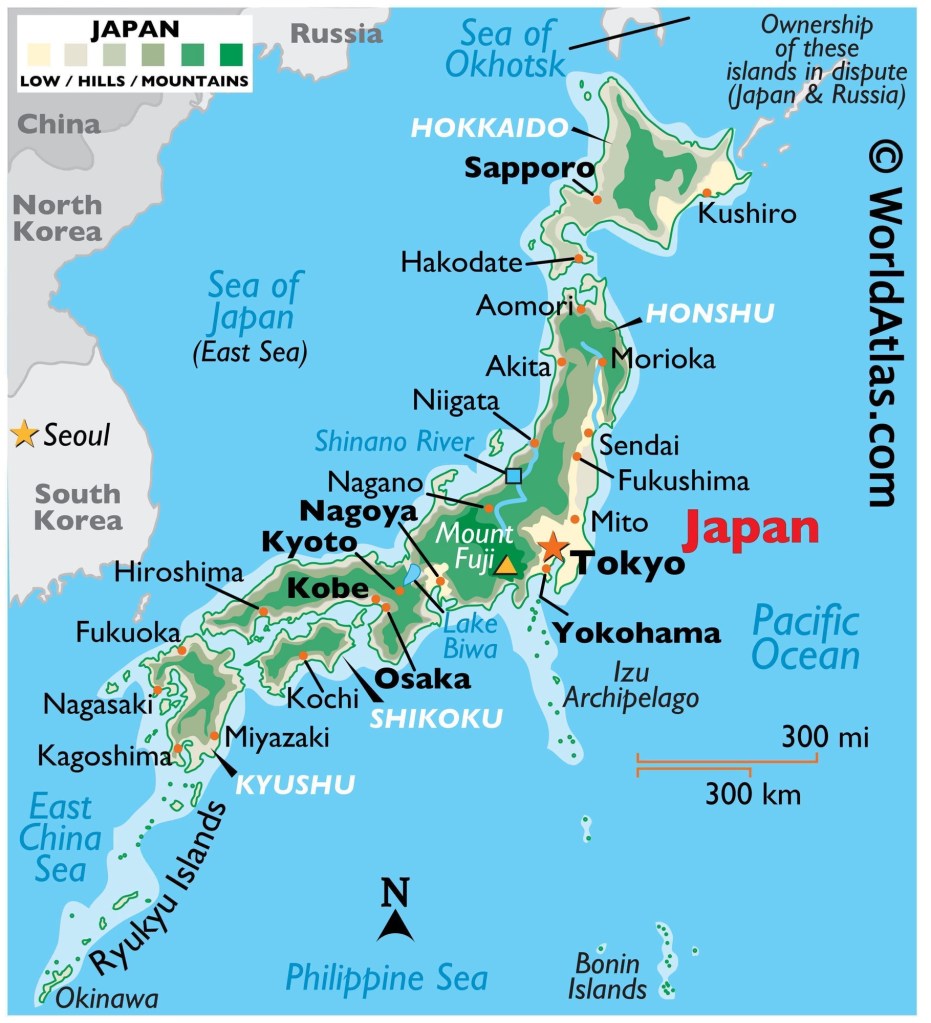
With that in mind we said farewell to Kyoto, ready for the next leg of our journey- 3 days in Hiroshima – before flying out to the Okinawa Islands.
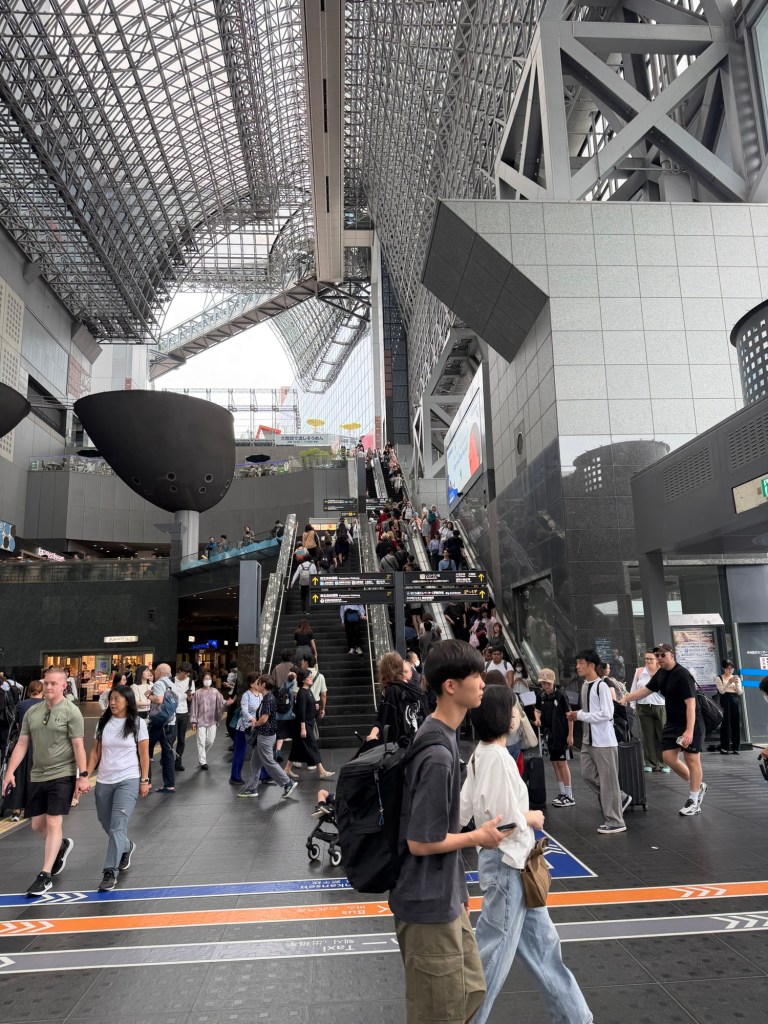
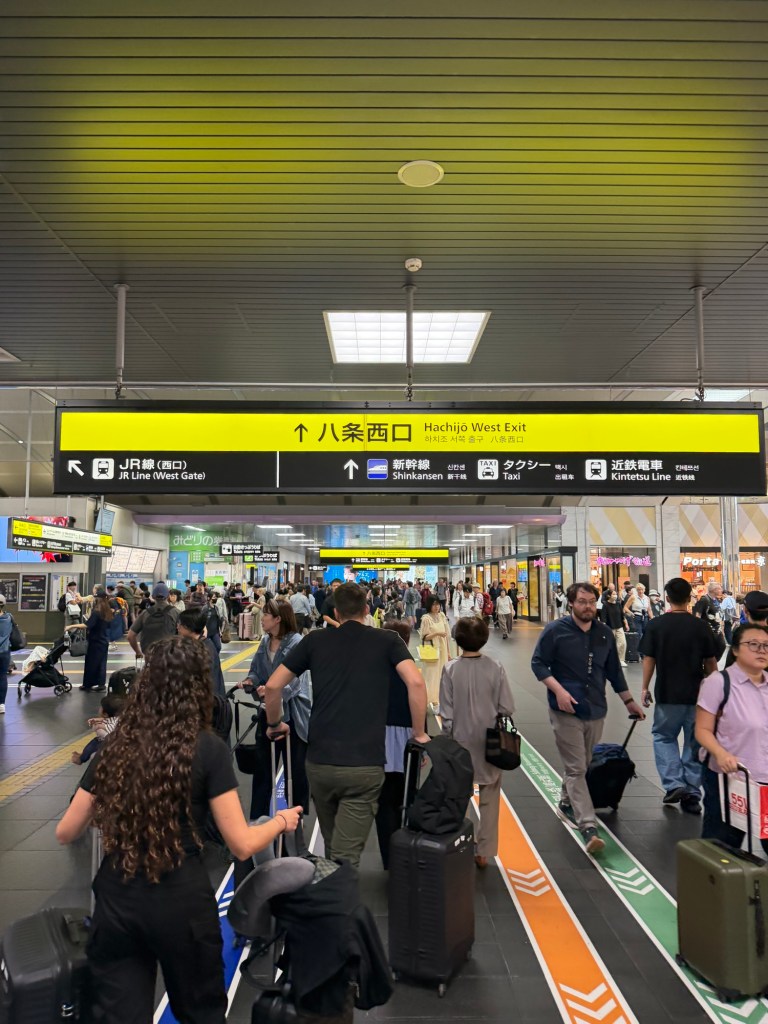
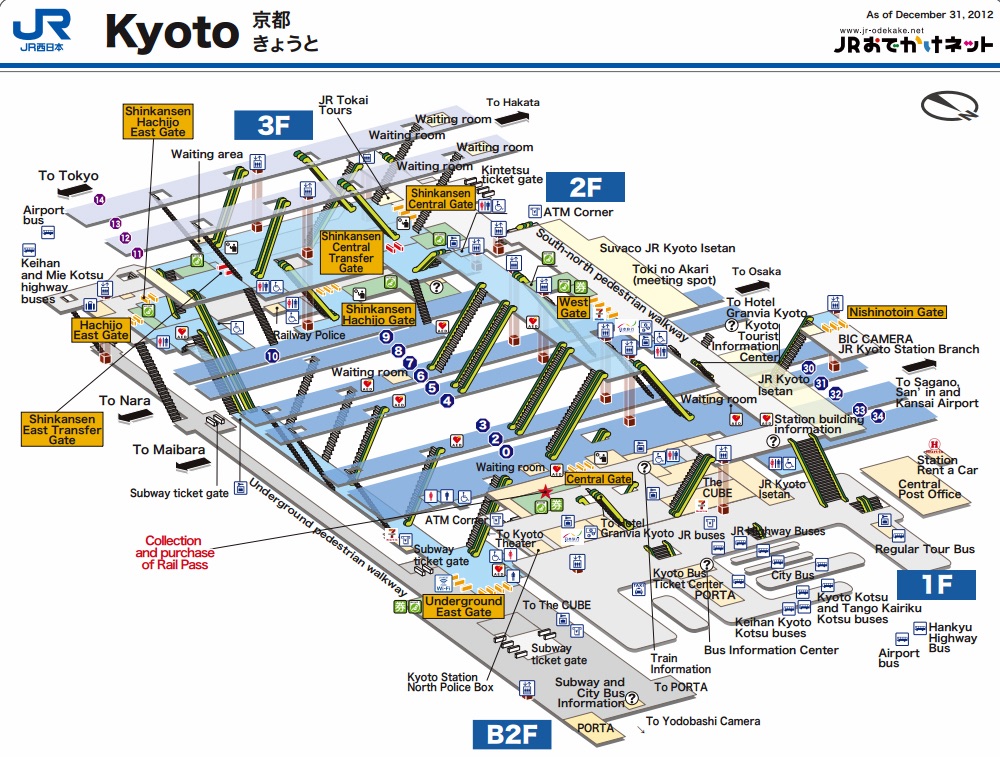
Negotiating the upper floors of Kyoto station – where the Shinkansen (bullet trains) operate from is a doddle – just follow the blue line.
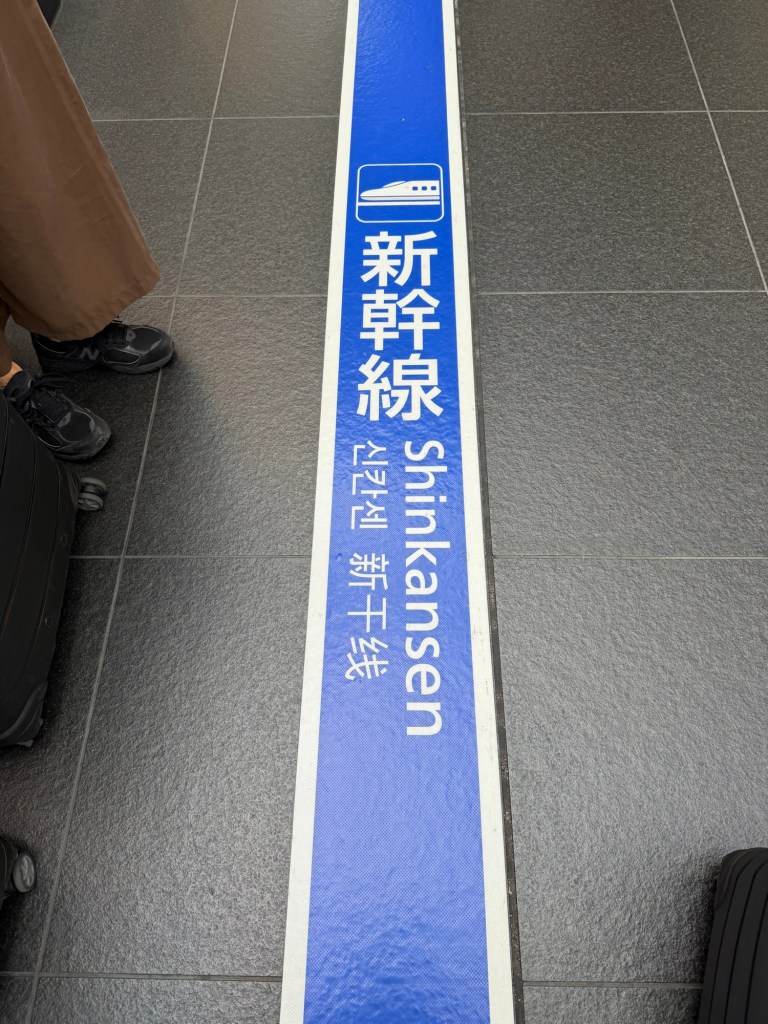
How cool are these trains! Plus they arrive on the dot and leave so: all within a two minute window; off, on, move on.
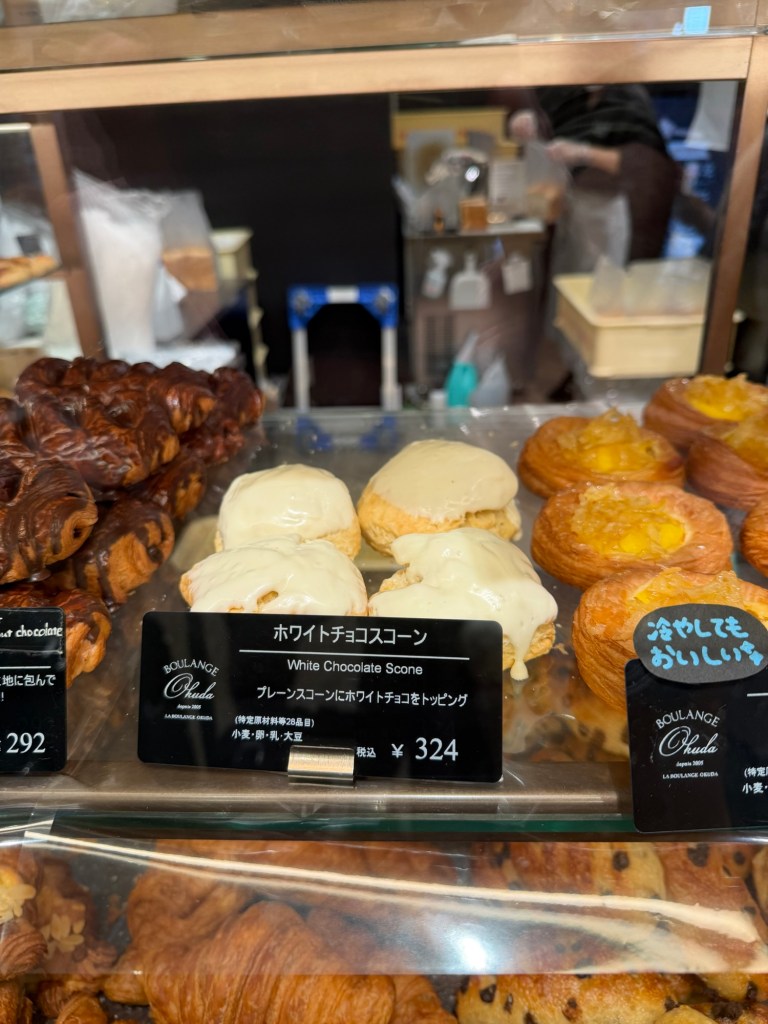
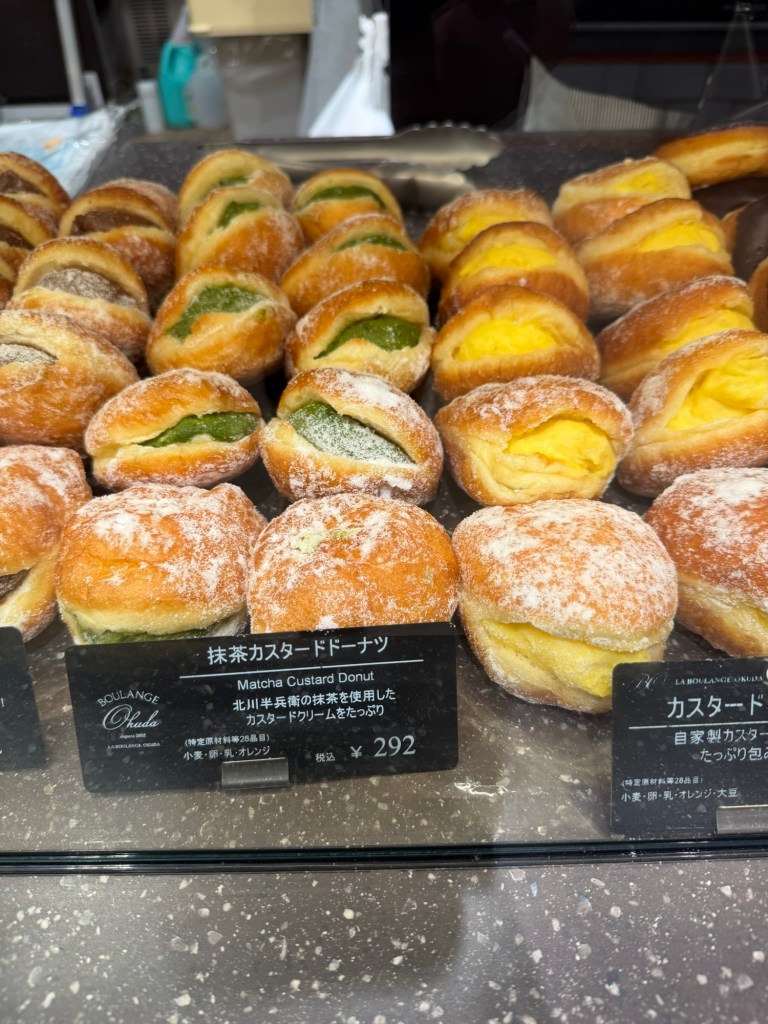
One of the fun things to do when travelling is trying something a little bit different food-wise. Not everywhere is so far out as was the area of Osaka we teleported into yesterday. If, like us, you are drawn to a patisserie, then ‘you pays your money and takes your choice’, as is the case everywhere.

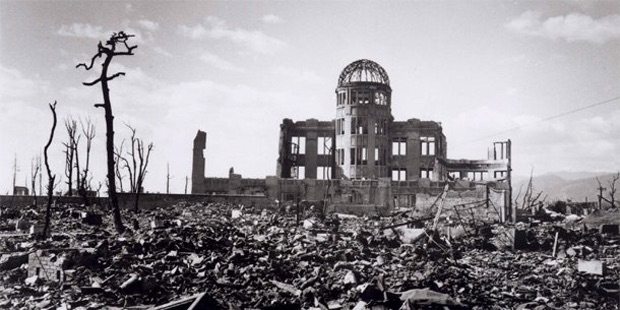
Hiroshima will forever be known as the city on which the first atomic bomb was dropped on 6 August 1945. The destructive power of the bomb was simply unprecedented.
As he witnessed the first detonation of a nuclear weapon on July 16, 1945, J. Robert Oppenheimer (see Reading page) quoted a piece of Hindu scripture, one of the best known lines of the Bhagavad Gita.
Now I am become Death, the destroyer of worlds.
After the war, the city was rebuilt. Destroyed monuments of Hiroshima’s historical heritage, like Hiroshima Castle and Shukkeien Garden, were reconstructed. In the centre of the city a large park was built and given a name that would reflect the aspirations of the re-born city: Peace Memorial Park.
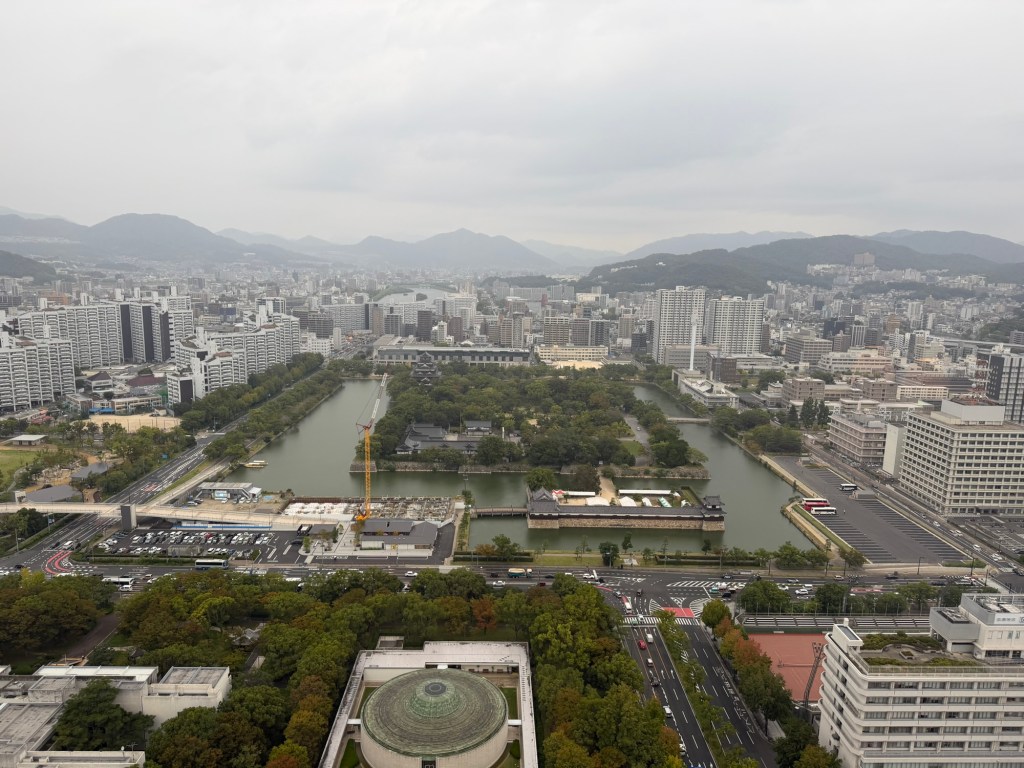
The view from our room is centred on the reconstructed Hiroshima Castle. We look forward to exploring tomorrow, and extending our learning on Daisaku Ikeda’s expressed truism that: humanity and nuclear weapons cannot coexist.
 Sailing off to Sparta
Leave a comment