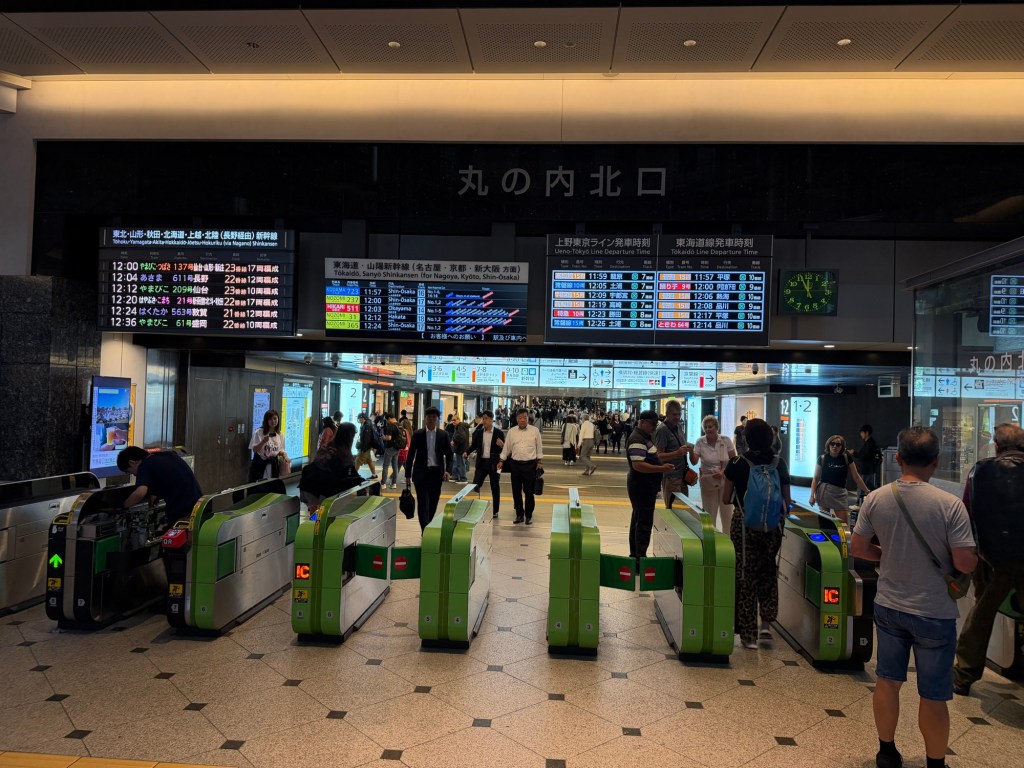
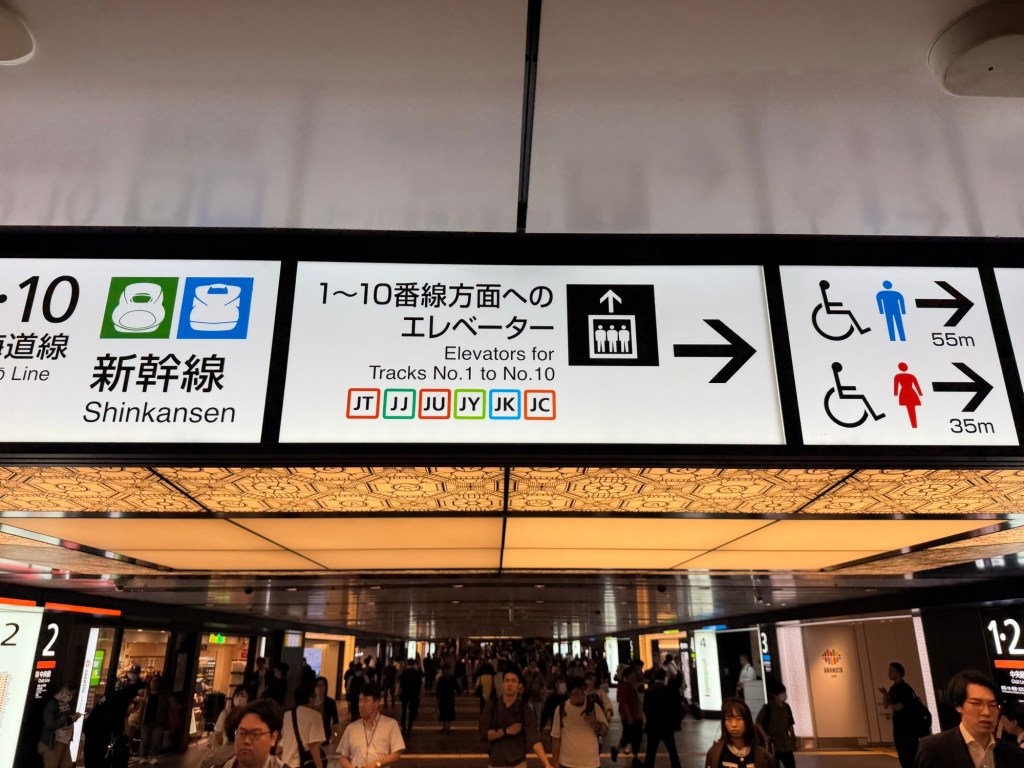
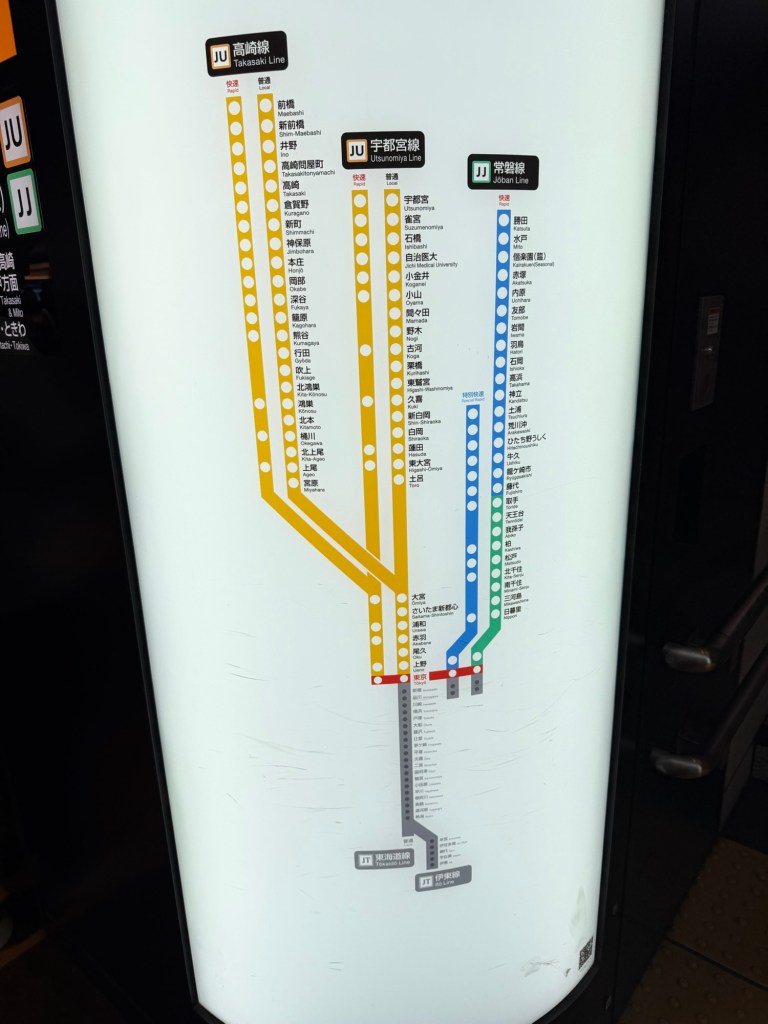
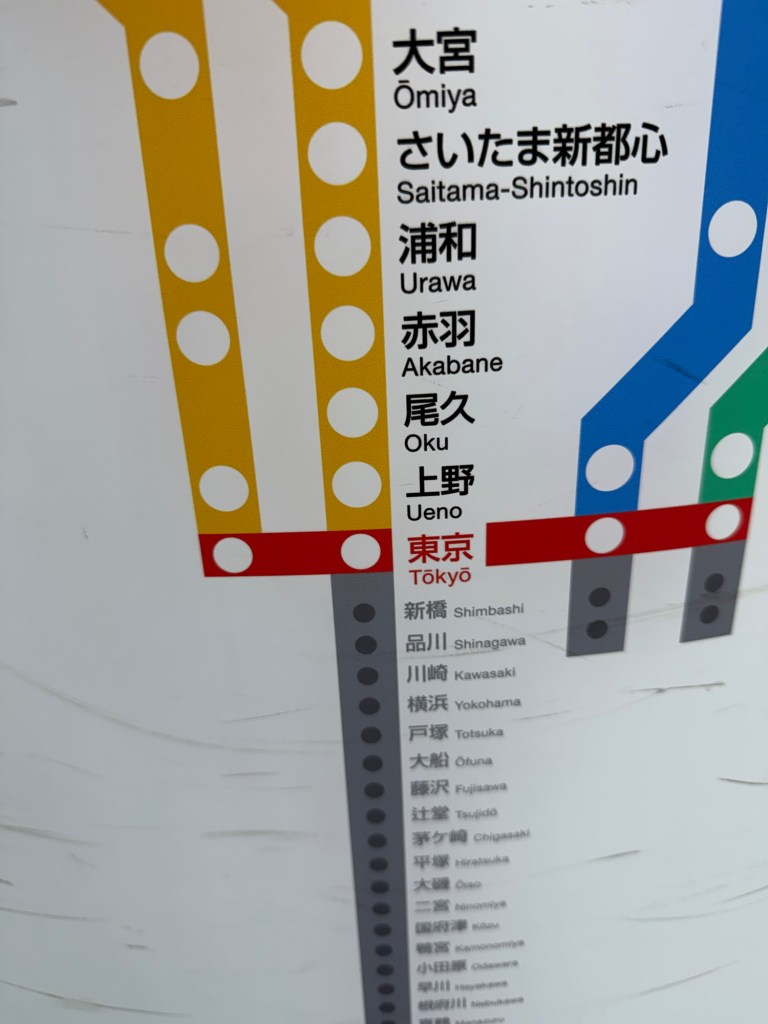
Following on from yesterday’s learning so far as getting around is concerned. Google maps does offer a helpful piece of information on point of entrance and exit.
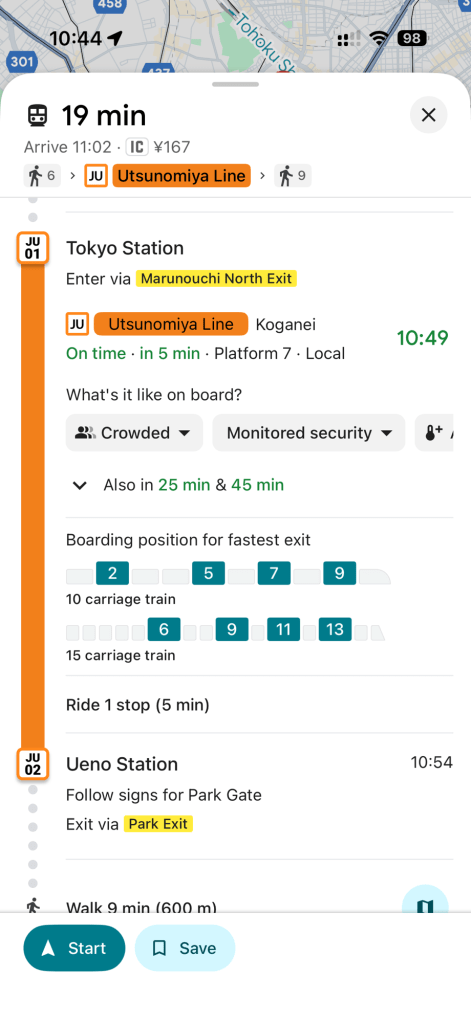
We will be noting this, today. Although, as said, getting to those points is the critical step.
By the way, we both purchased an e-sim through Holafly before travelling: €75 each, unlimited calls, texts and data, for 30 days, covering the whole of Asia. So far, it is working a treat.
As for travelling around, we downloaded the Suica app and simply scan, using our phones (wallet), entering and exiting the station, as you would an Oyster card in London. The Suica card instantly updates at the end of each journey and you have the option to top-up via Applepay.
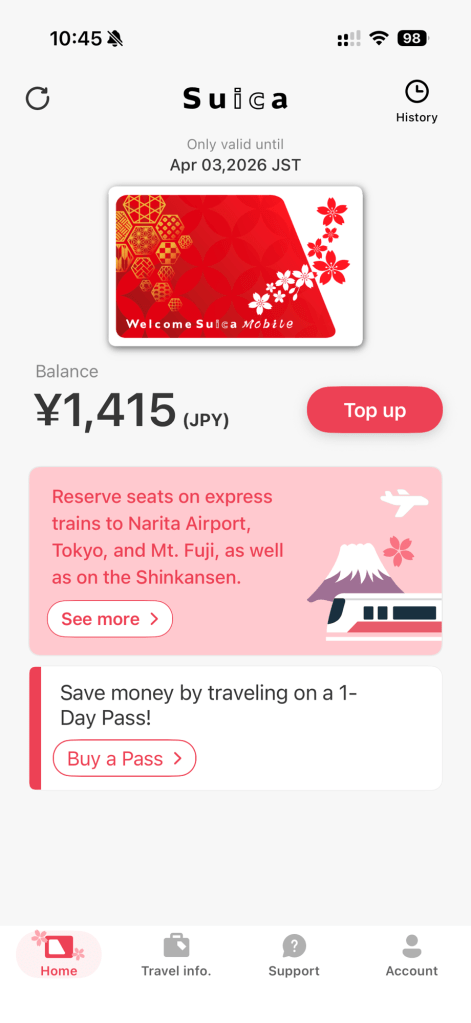
We loaded 2000 yen on at the beginning of yesterday and each spent, yesterday, 585 yen, having made several journeys – a grand total of £2.95.
Ok, so it is all beginning to make sense…
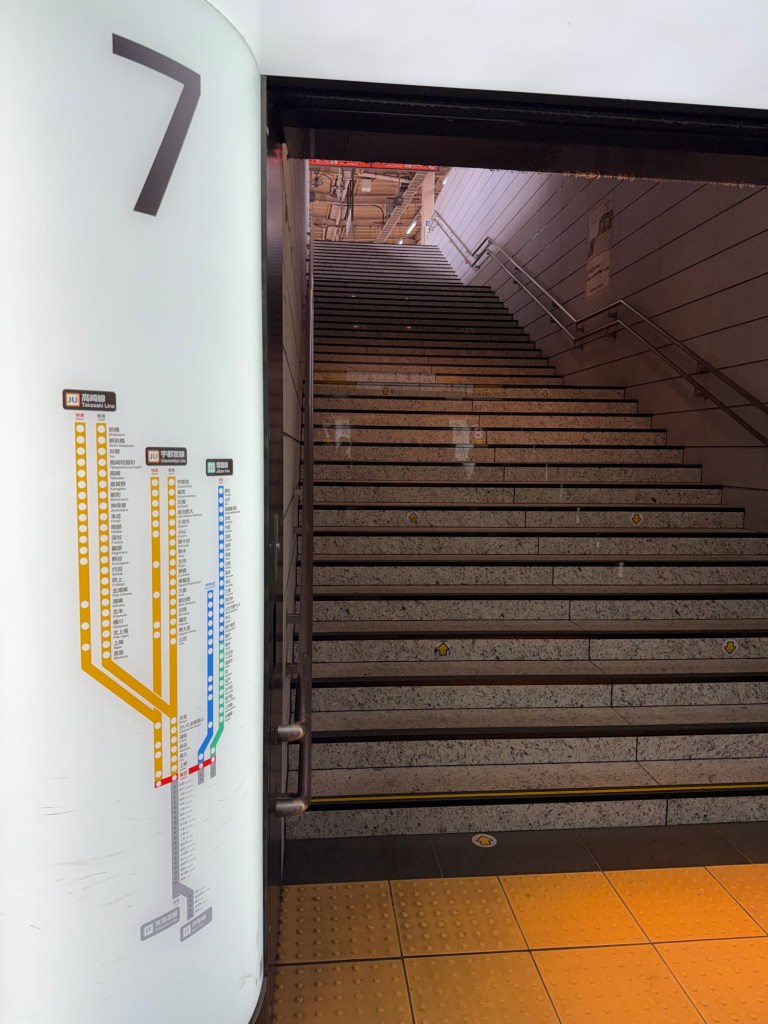
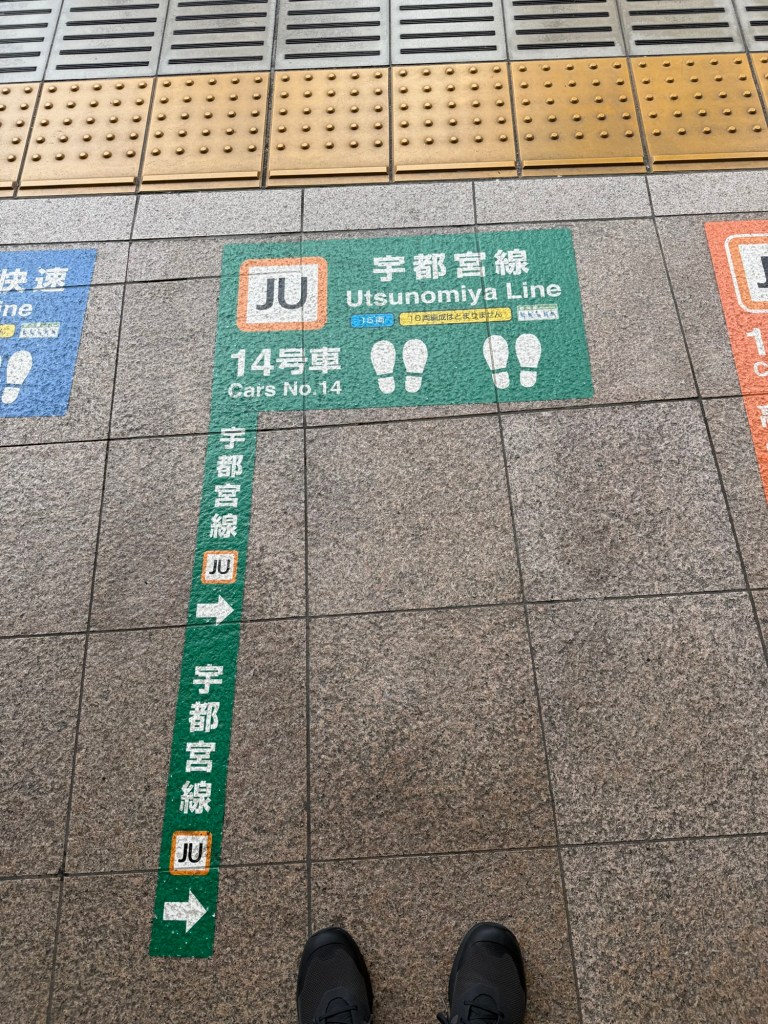
Our first stop today was the Tokyo National Museum at Ueno Park.
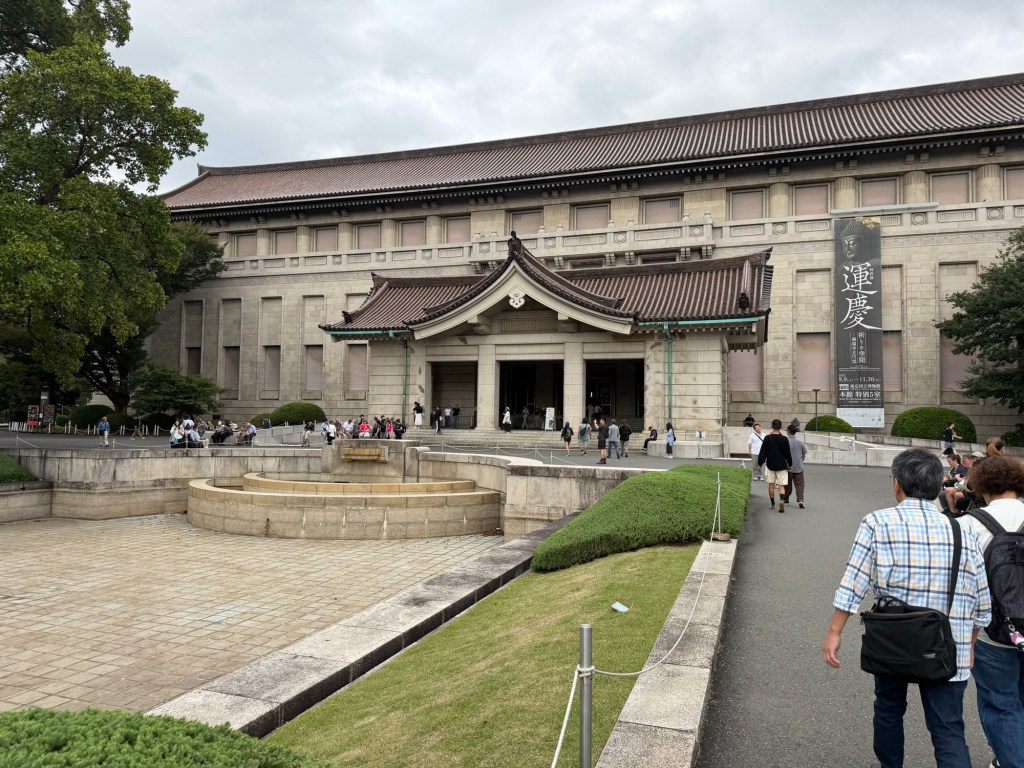
Well worth a visit, the museum houses some pretty impressive specimens.
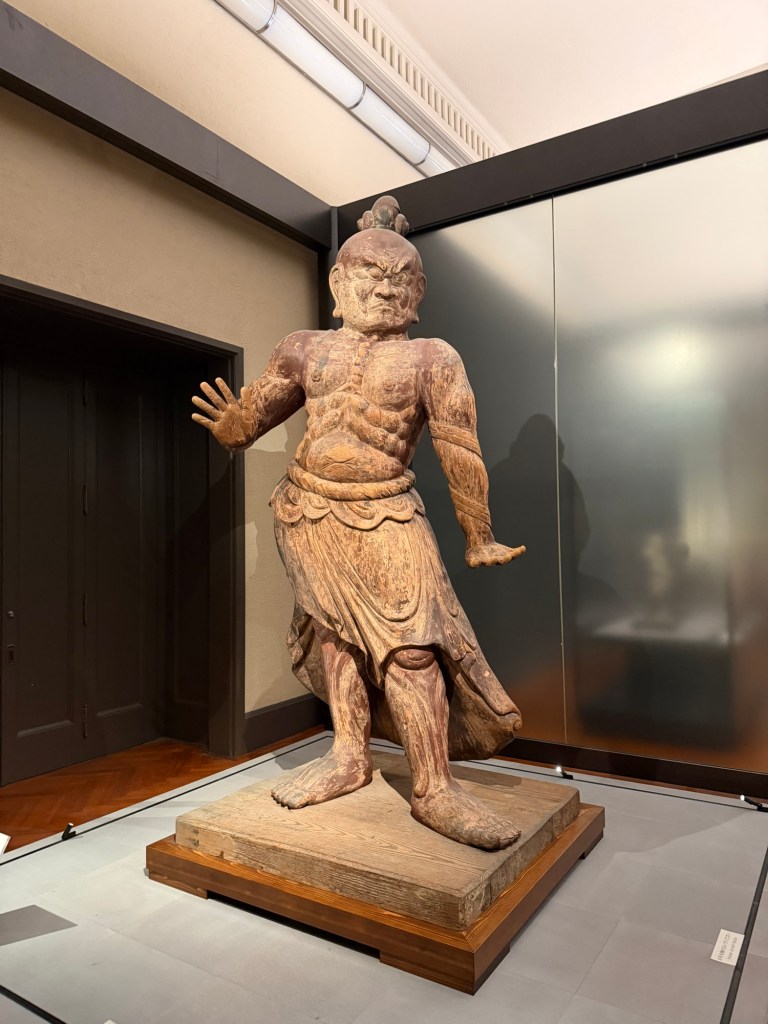
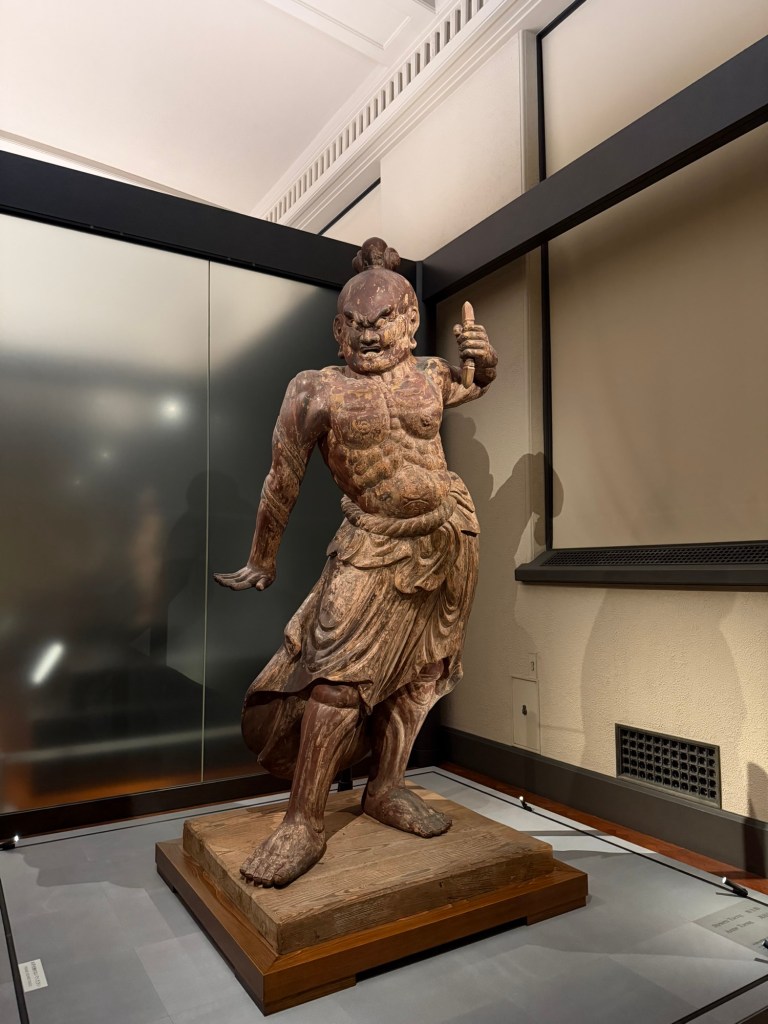
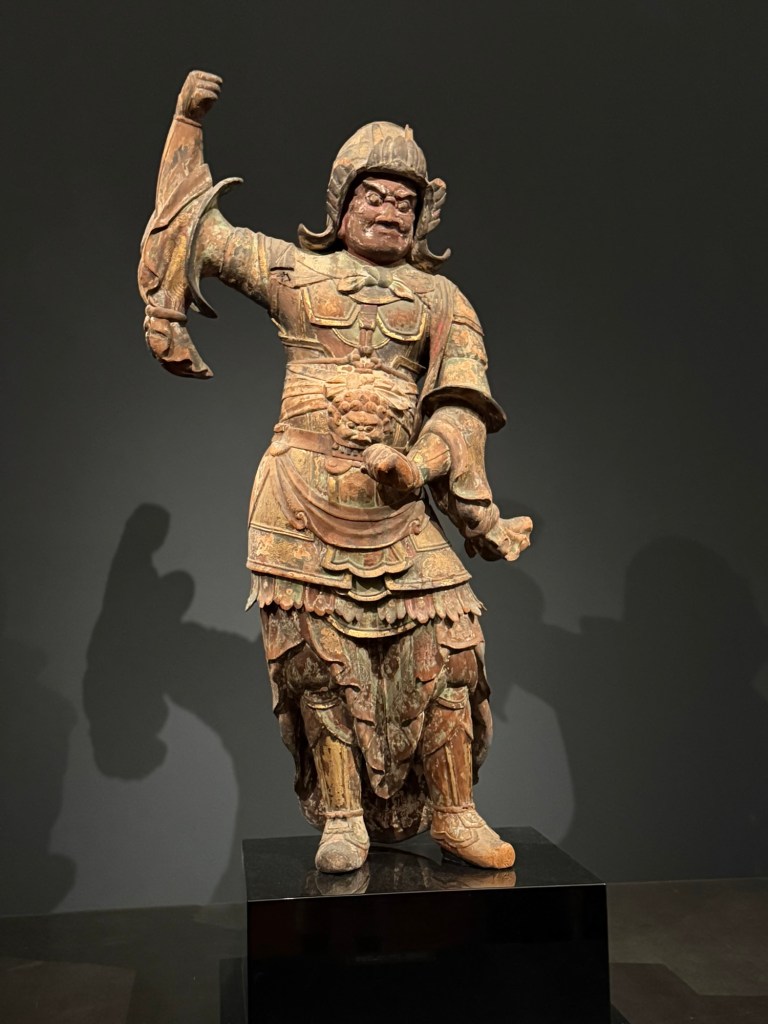
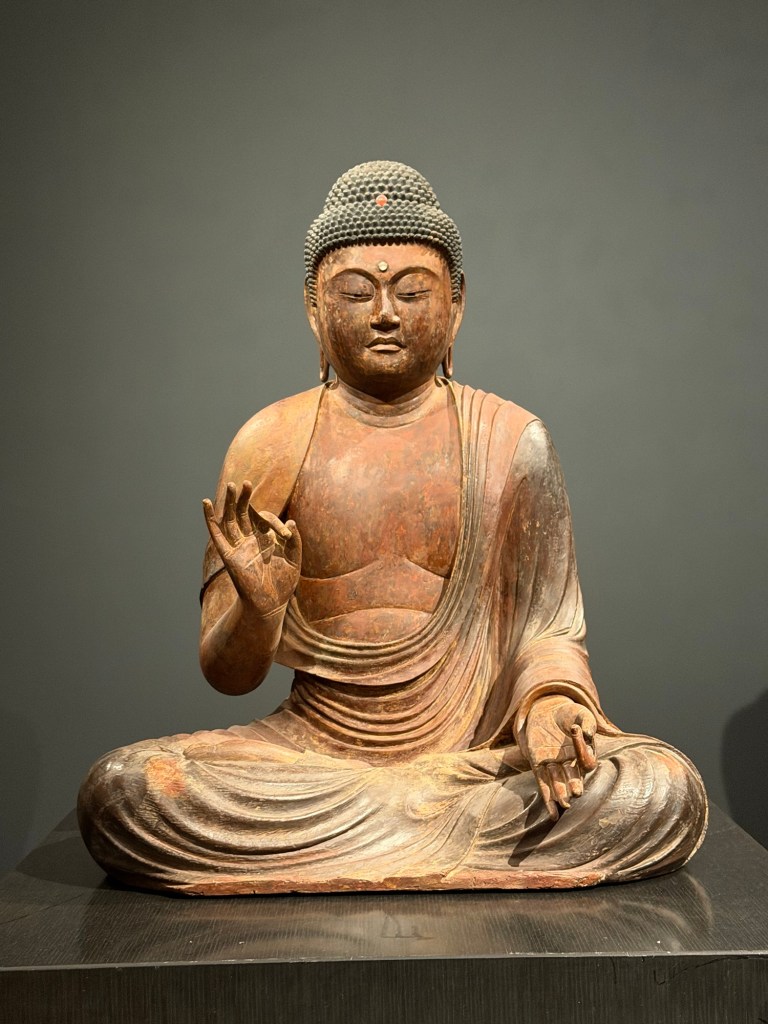
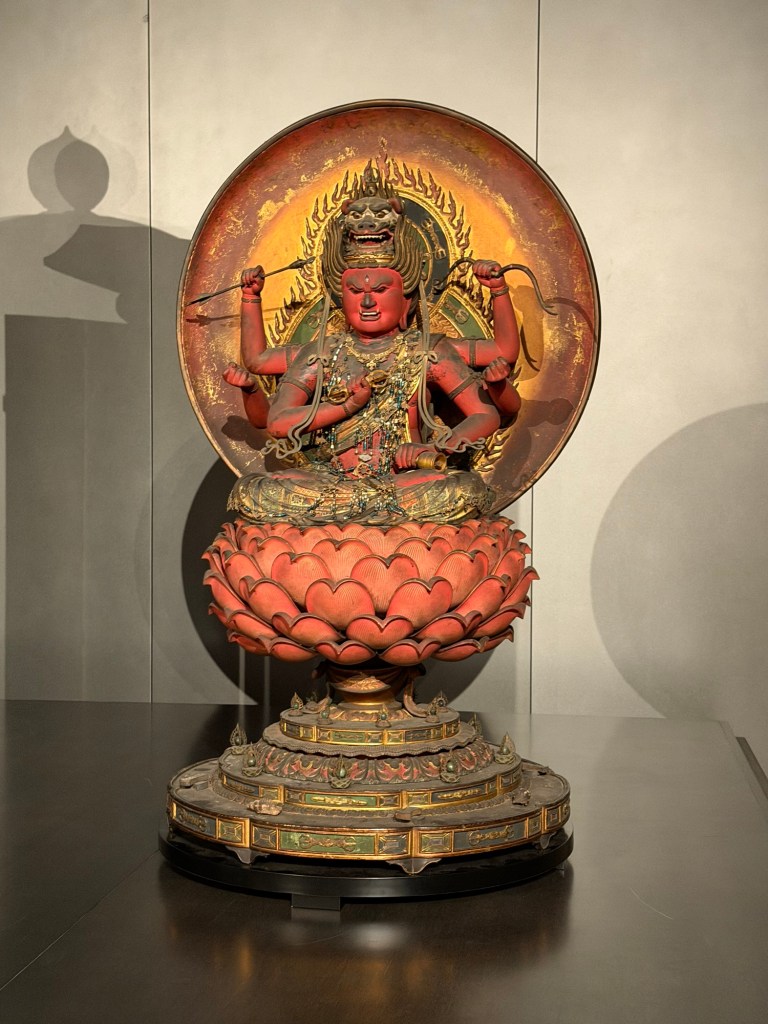
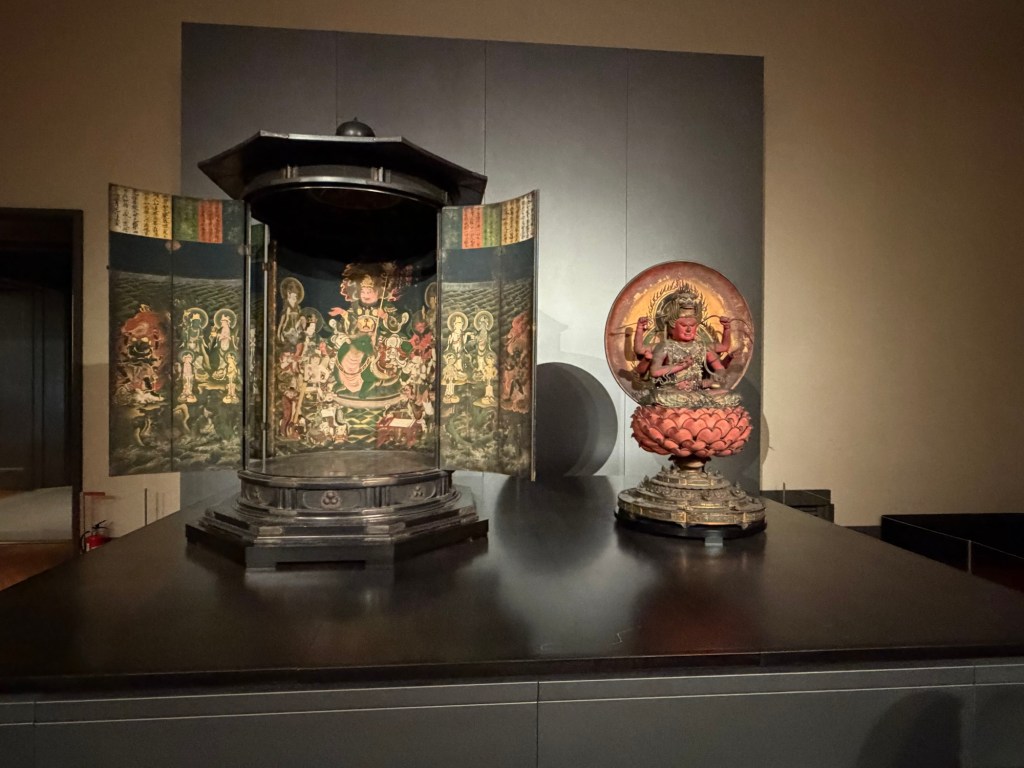
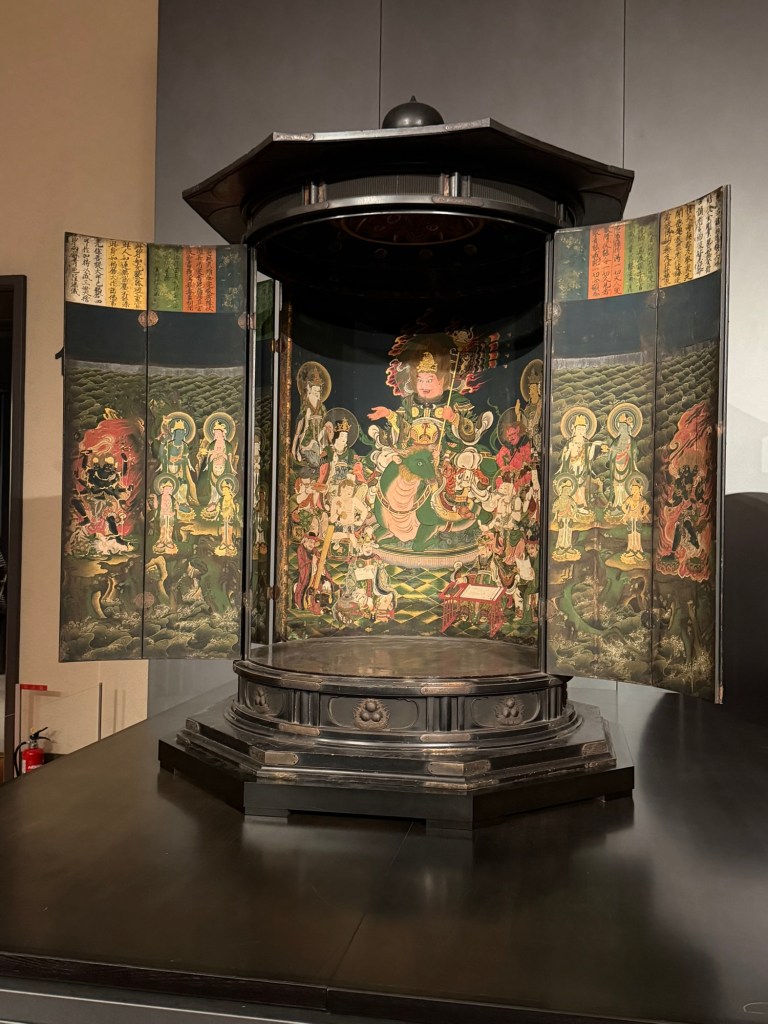
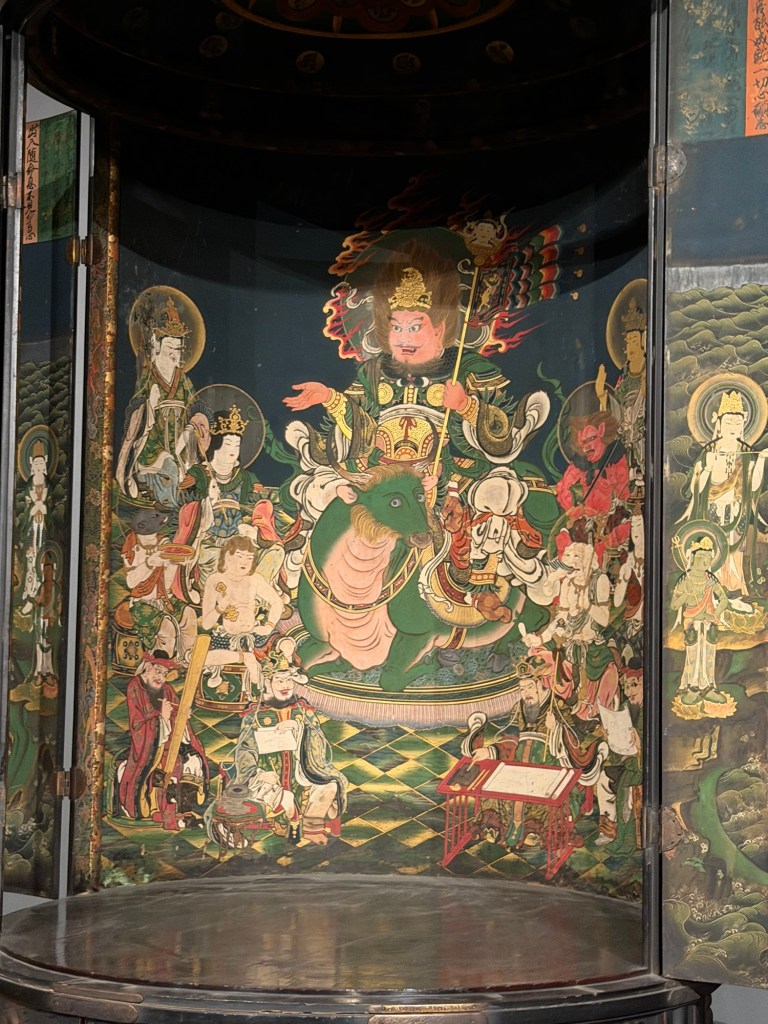
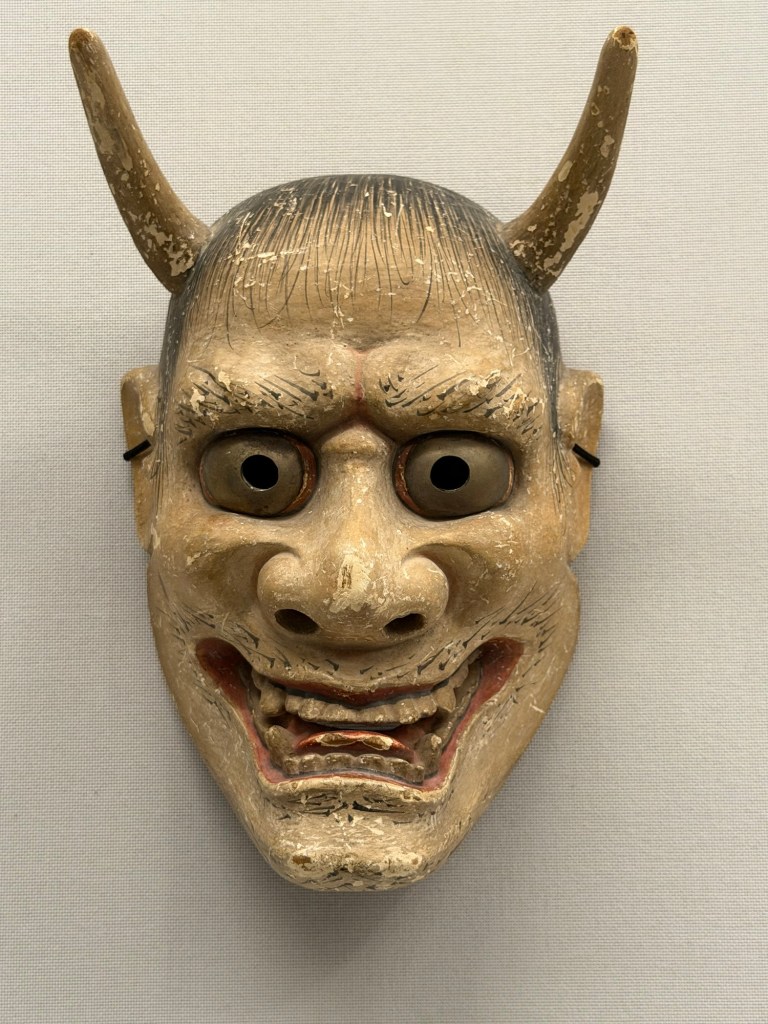
Japan has a long history of performing arts in which the performers wear masks. These three captured our attention. There are many more on display.
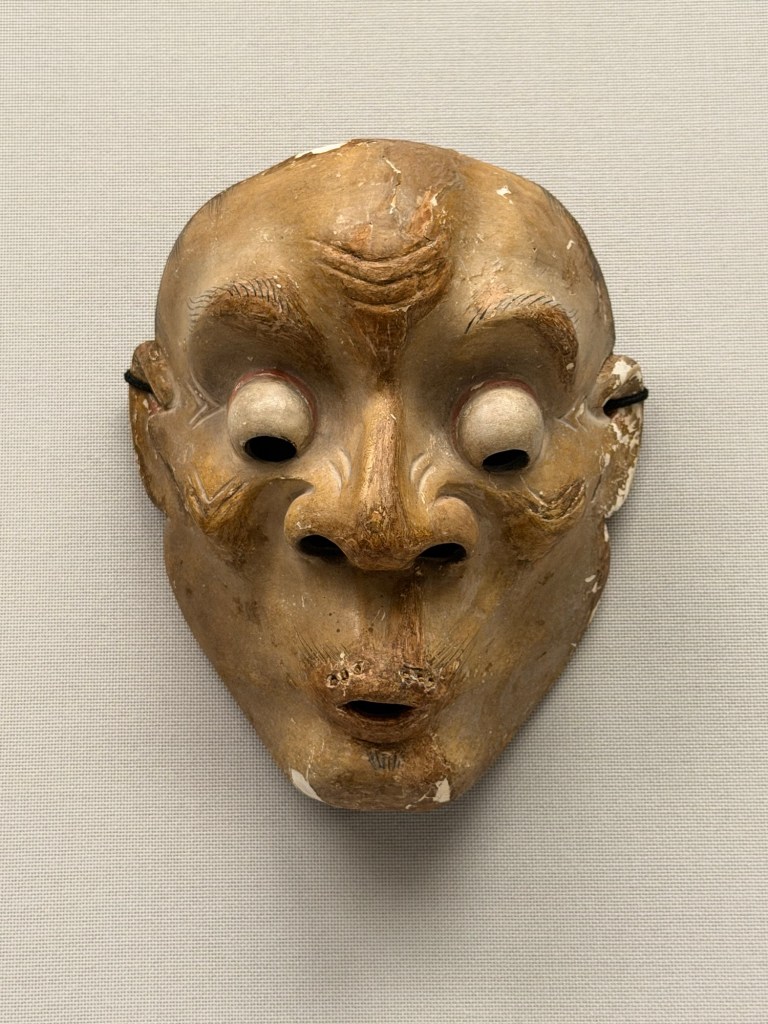

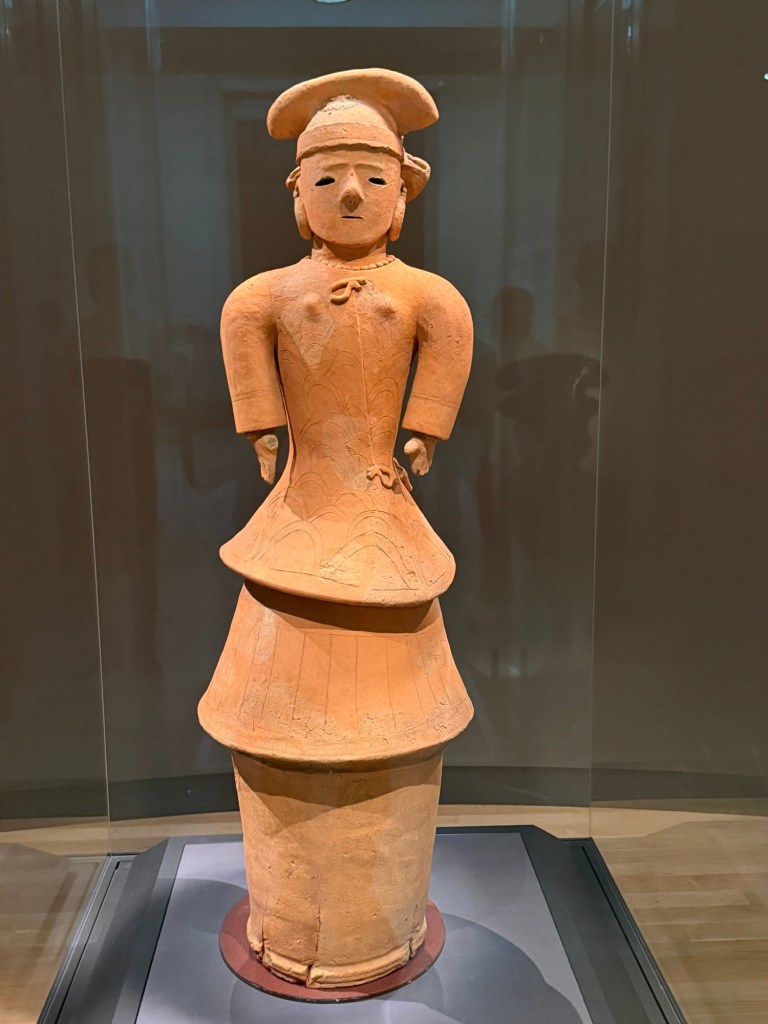
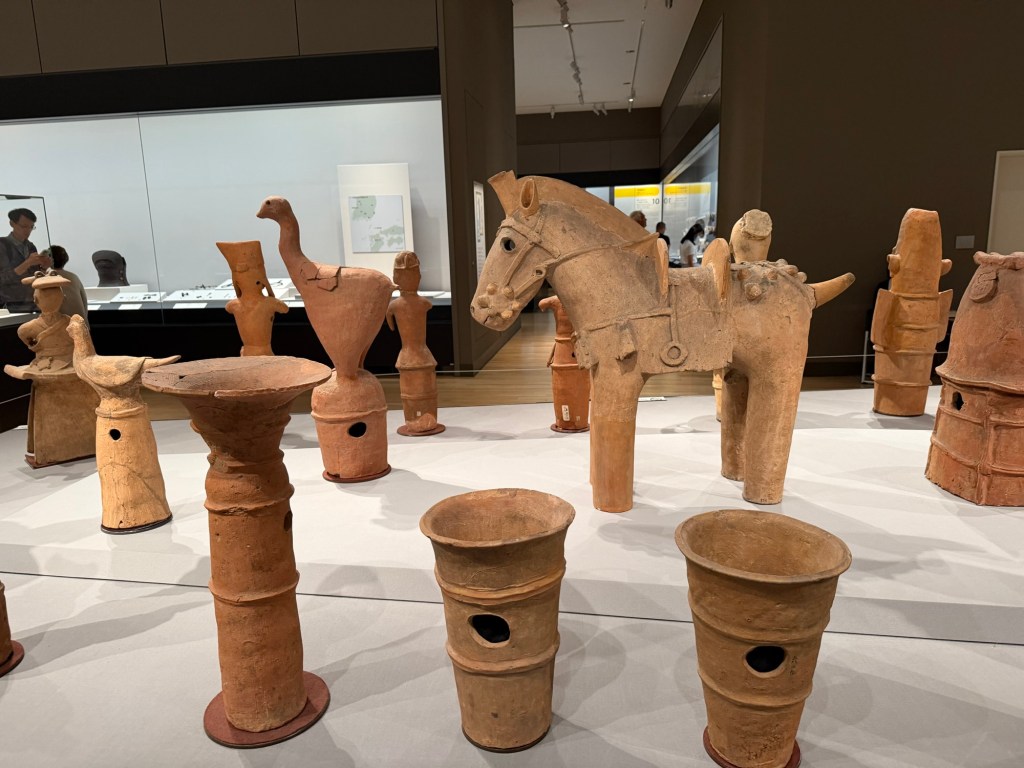
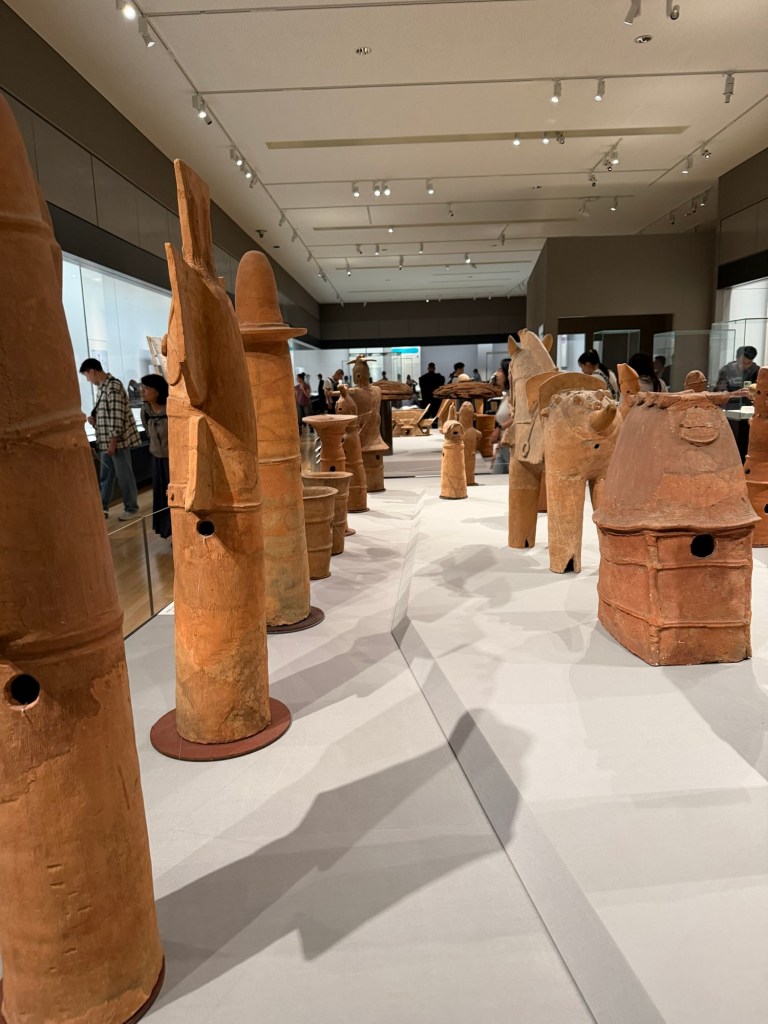
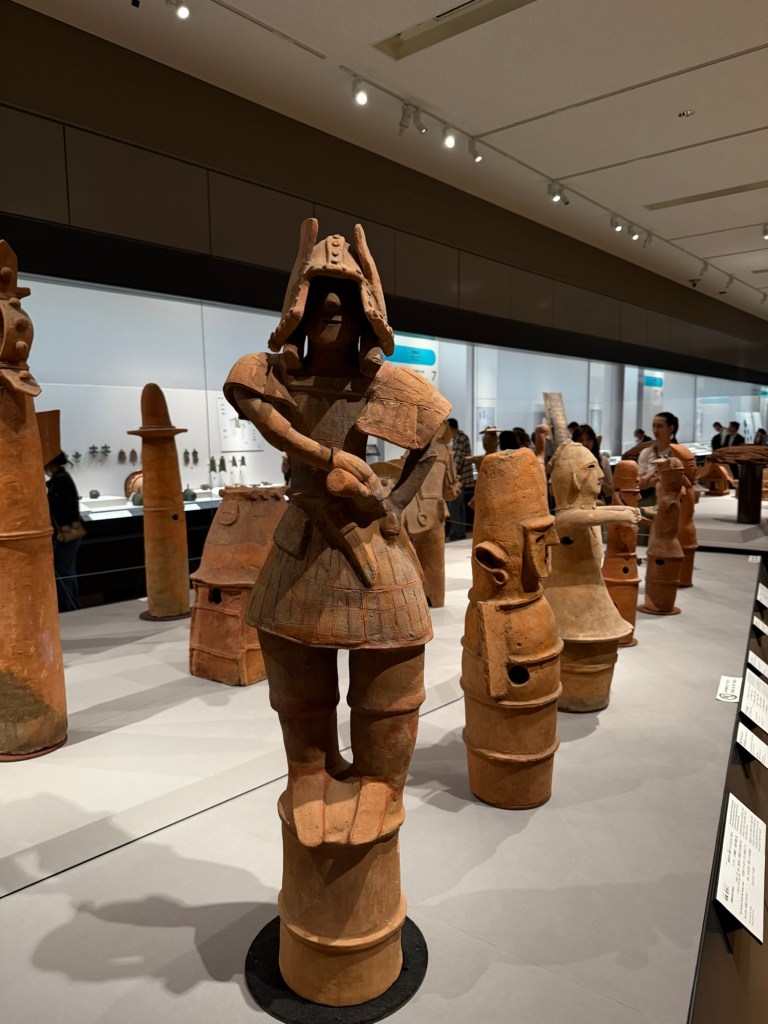
I was also struck by the following exhibits. This area reminded me very much of my favourite museum, the National Archaeological Museum in Nicosia, Cyprus.
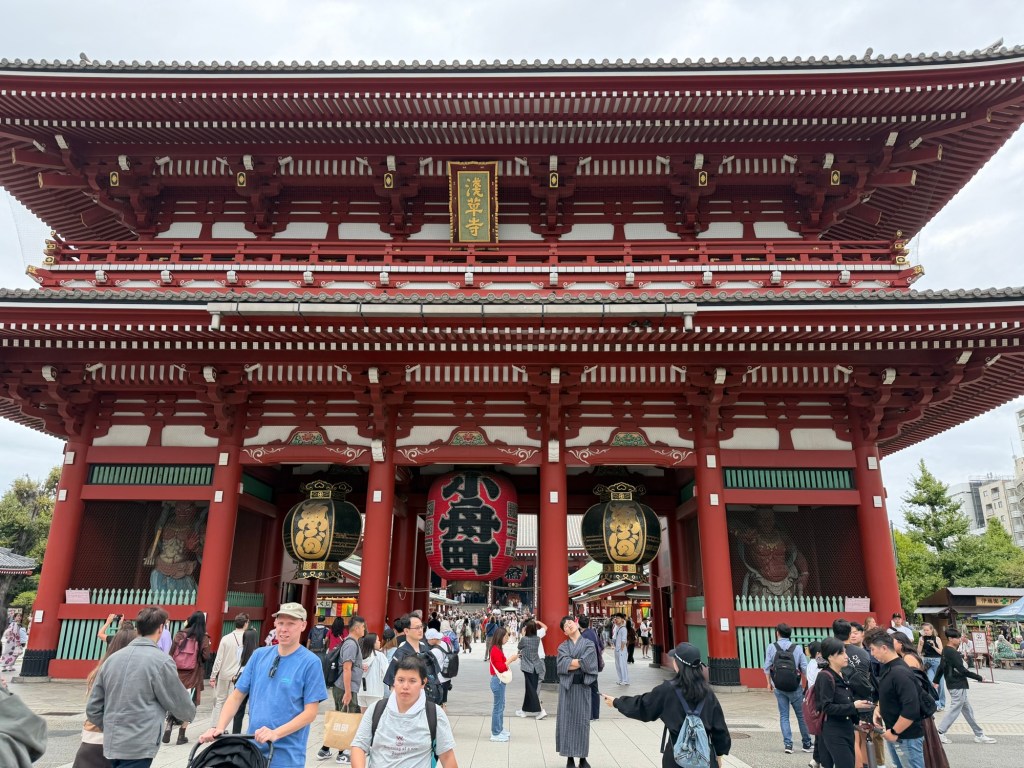
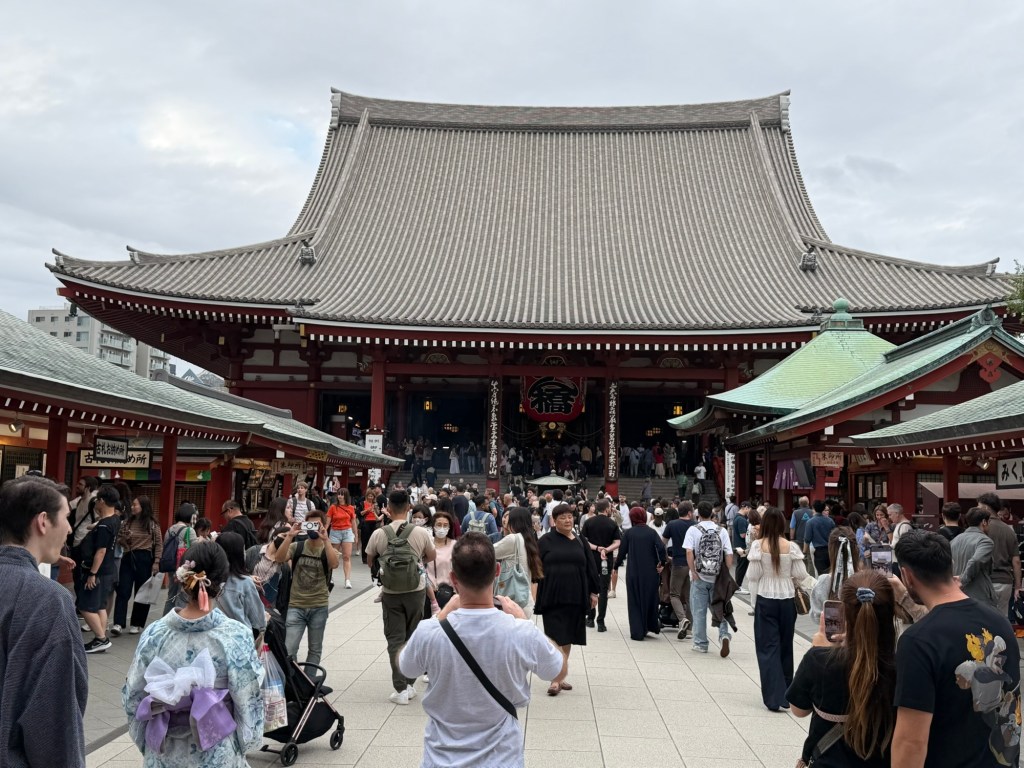
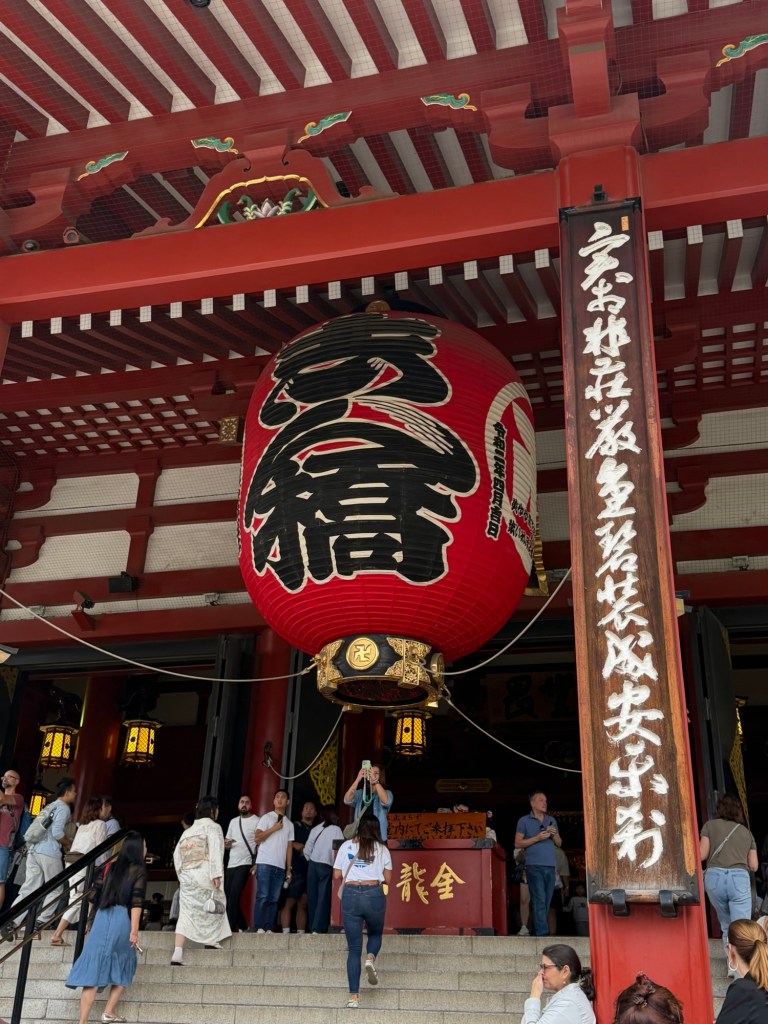
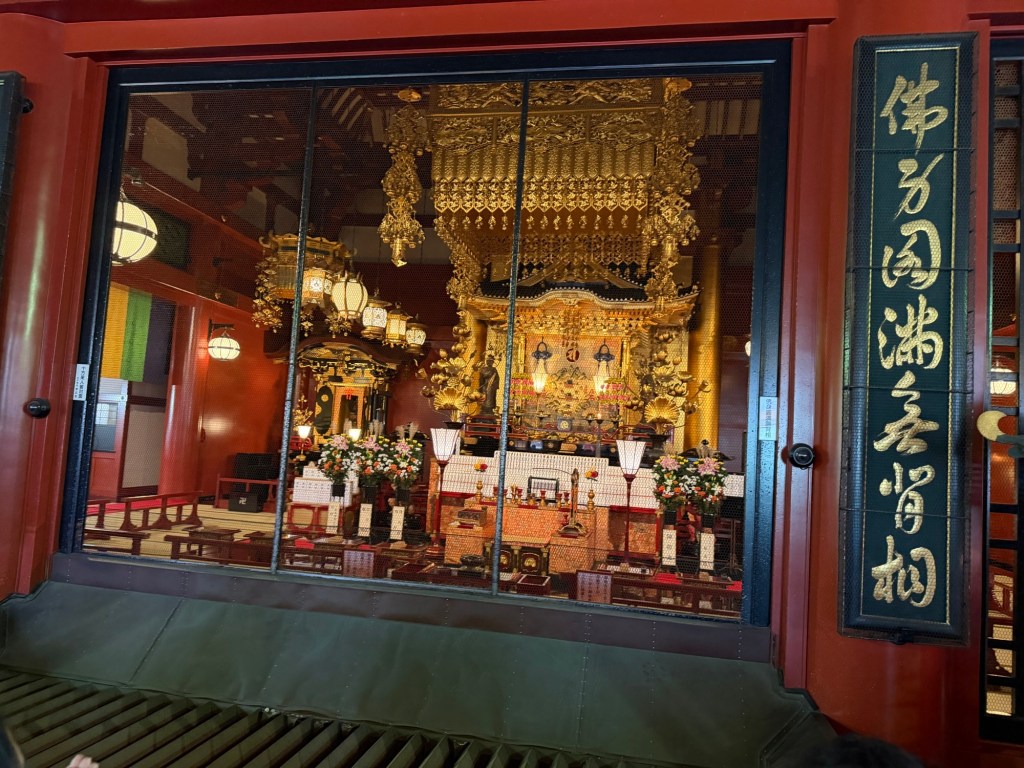
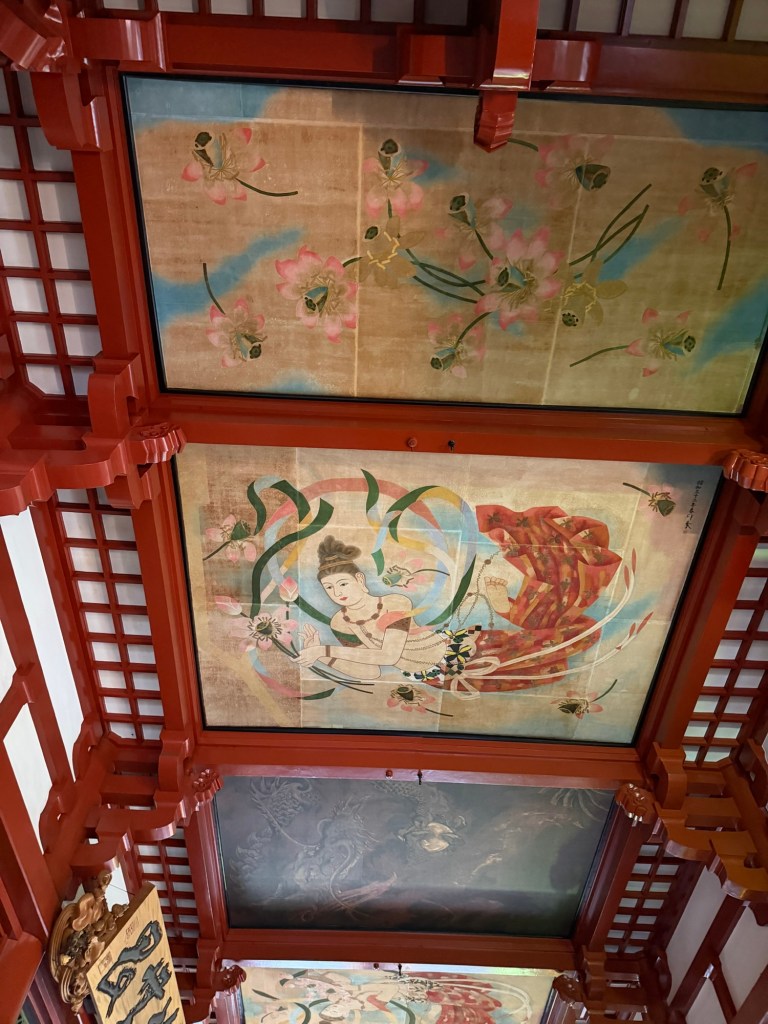
Next, we headed for the most famous and historic temple in Tokyo, Senso-ji Temple in the Asakusa district. It is Tokyo’s oldest temple, founded in the 7th century, impressively announced by its iconic Kaminarimon Gate.
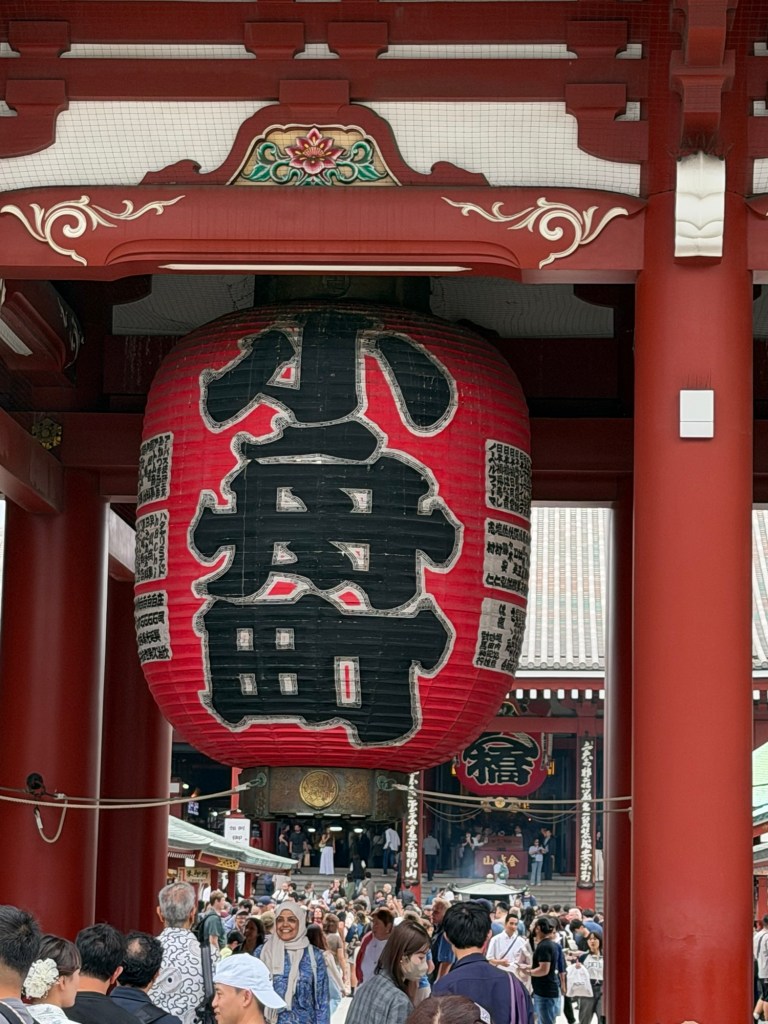
The temple is dedicated to Kannon, the Bodhisattva of compassion, a revered figure in Japanese Buddhism. The two characters 雷門, which are written in black on the front of the lantern, literally mean “Thunder Gate” and give the Kaminarimon its name.
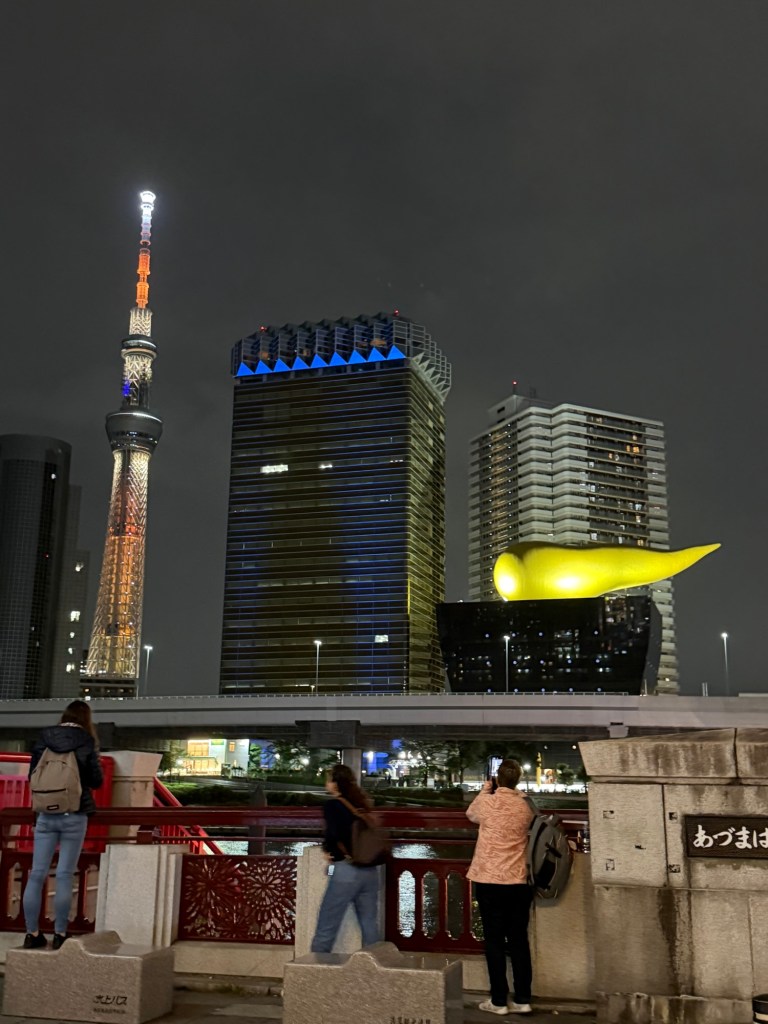
Next up, we headed for the Tokyo Skytree, Japan’s tallest tower at 634m, opened in 2012. The tower has seismic proofing, including a central shaft made of reinforced concrete. From October to November 2007, suggestions were collected from the general public for the name to be given to the tower. On 19 March 2008, a committee chose six final candidate names: Tōkyō Sukaitsurī (東京スカイツリー; “Tokyo sky tree”) proving to be the winner.
The height of 634 m (2,080 ft) was selected to be easily remembered. The figures 6 (mu), 3 (sa), 4 (shi) stand for “Musashi“, an old name for the region where the Tokyo Skytree stands.
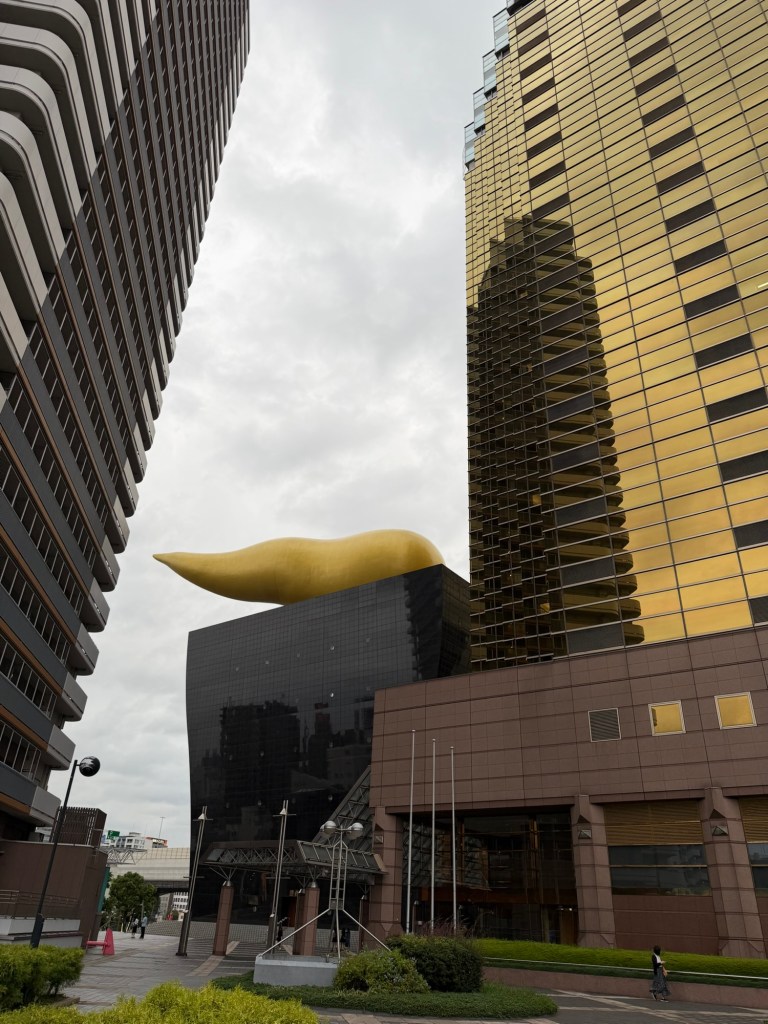
On our way there we came across Asahi HQ. The golden thing on the roof? It is said to represent both the ‘burning heart of Asahi beer’ and a frothy head. The 360-tonne golden flame was made by shipbuilders using submarine construction techniques. It proved useful as a marker on our map (see below).
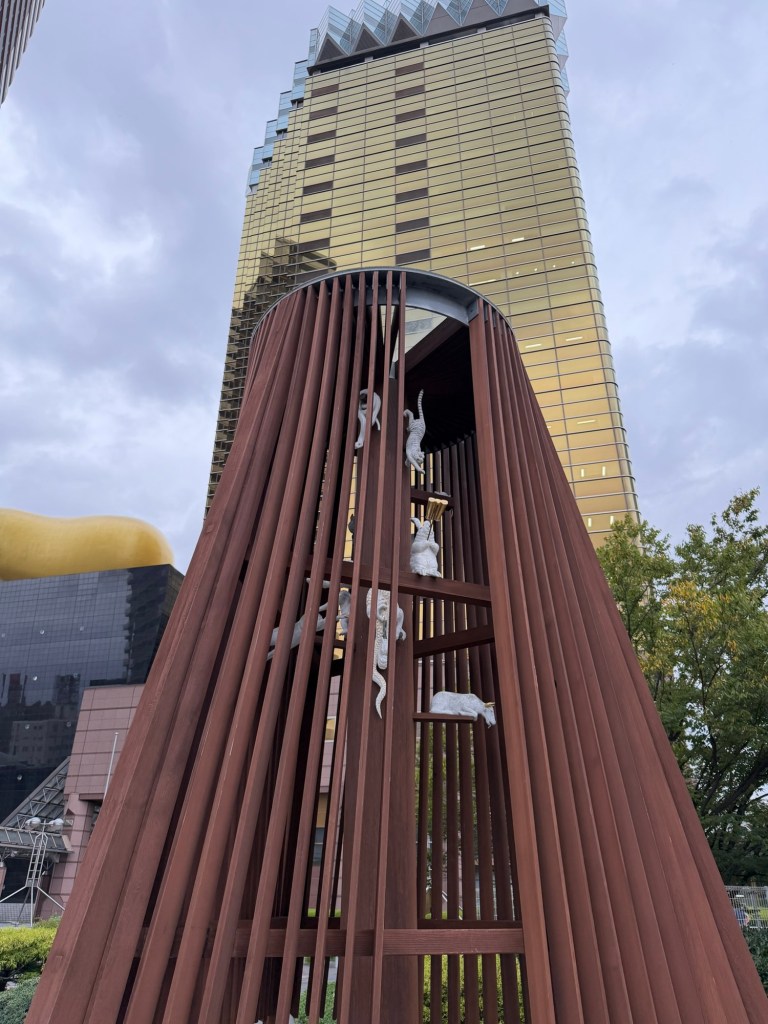
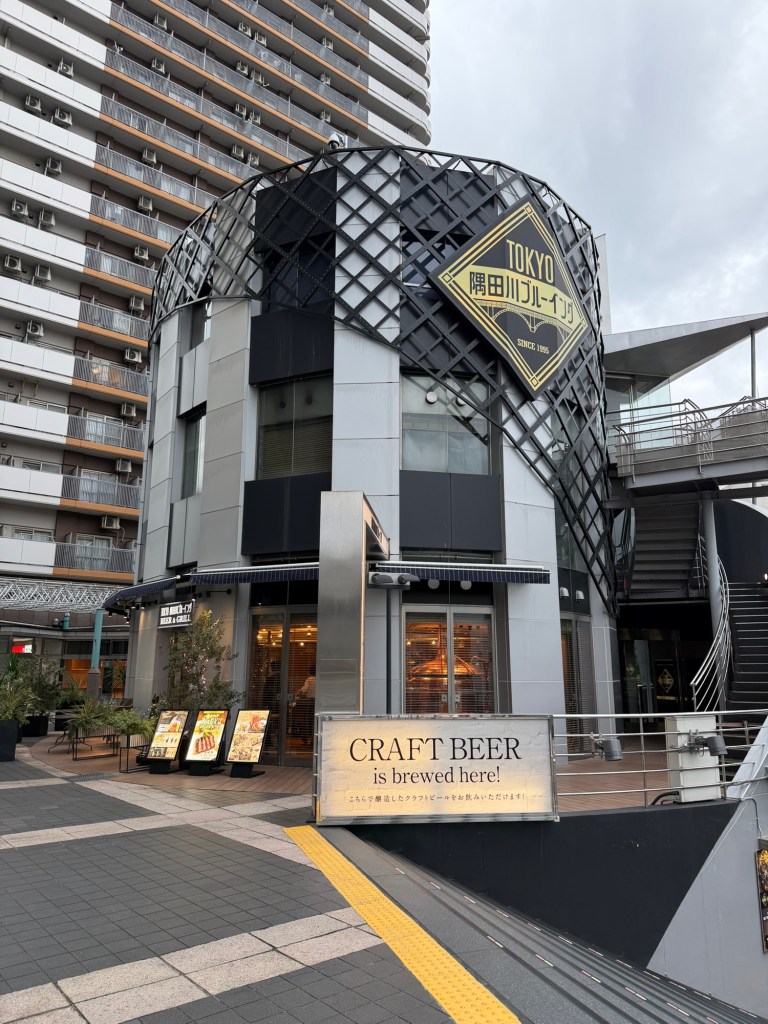
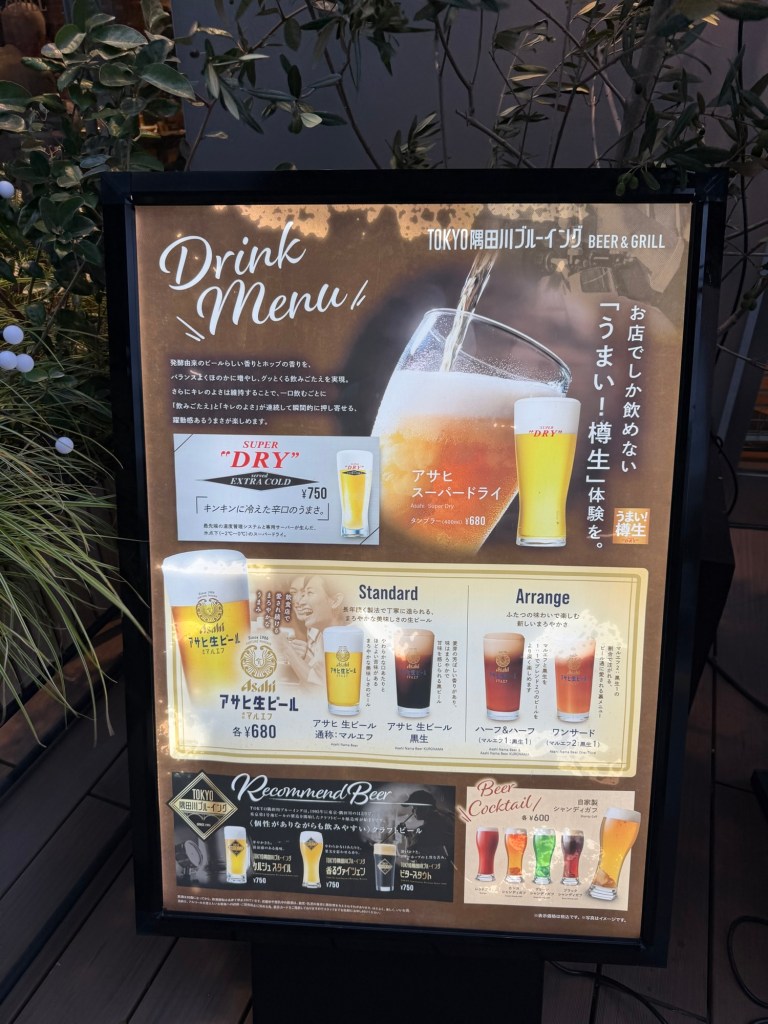
Close by, we clocked on the starboard bow what looked to be a highly promising waterhole, for later.
Dragging ourselves onward, we found Skytree (not difficult) and joined the queue. Be warned, there is (at least, our experience, on a Tuesday evening in October) a fair bit of standing and waiting to negotiate.

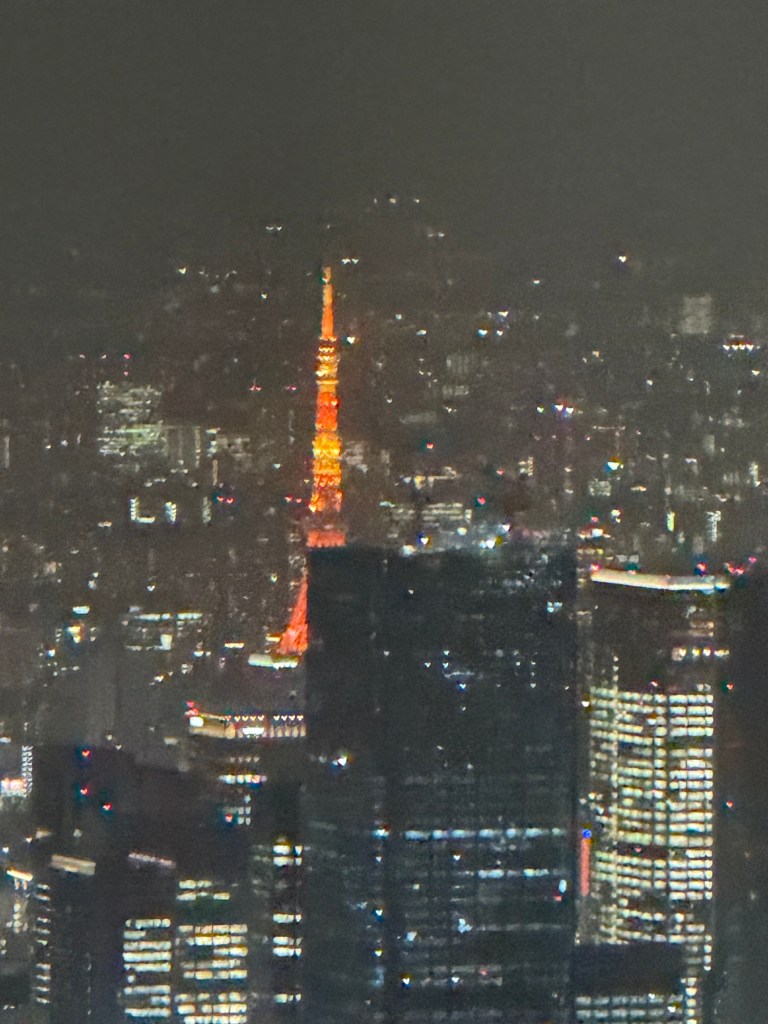

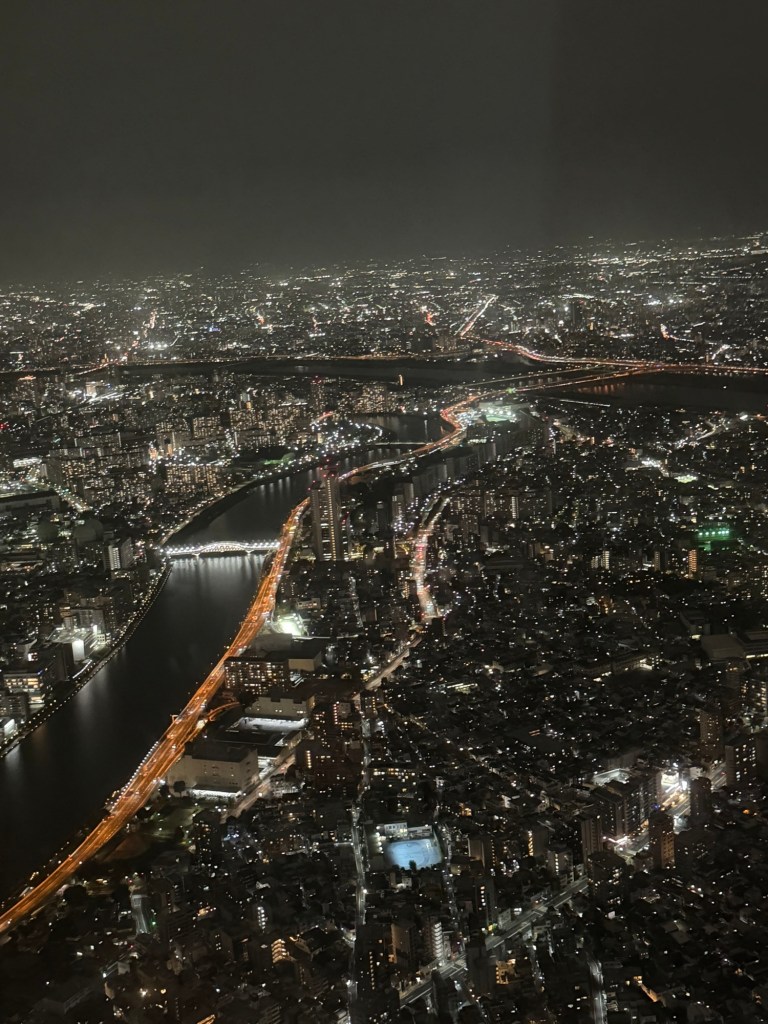
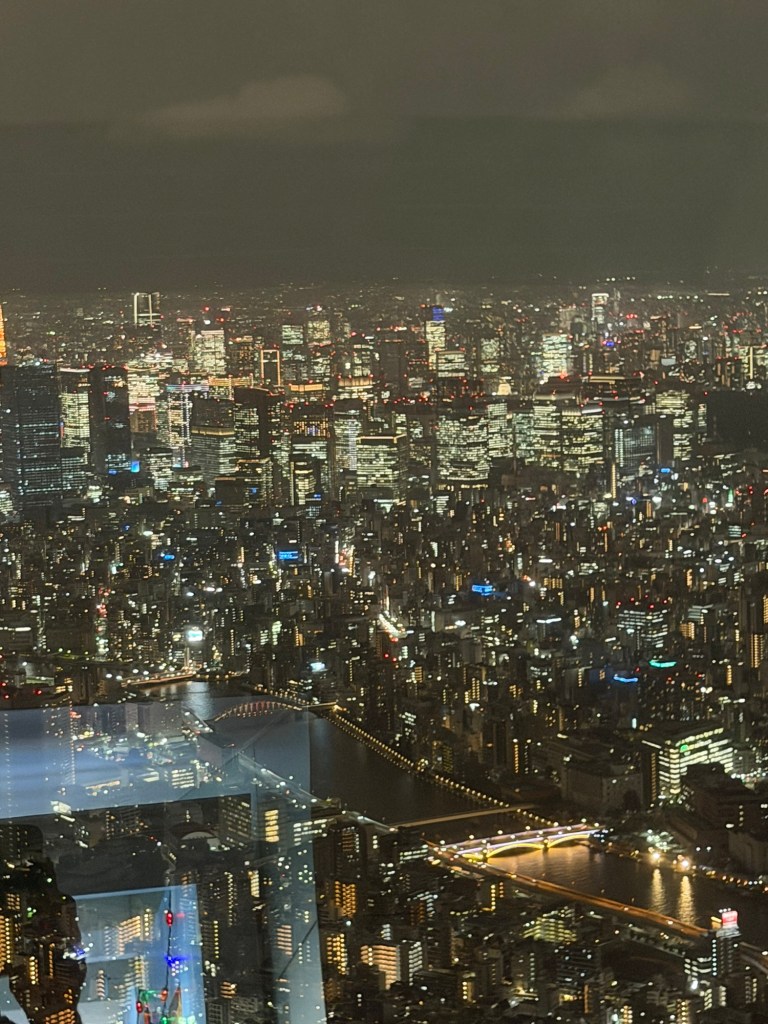
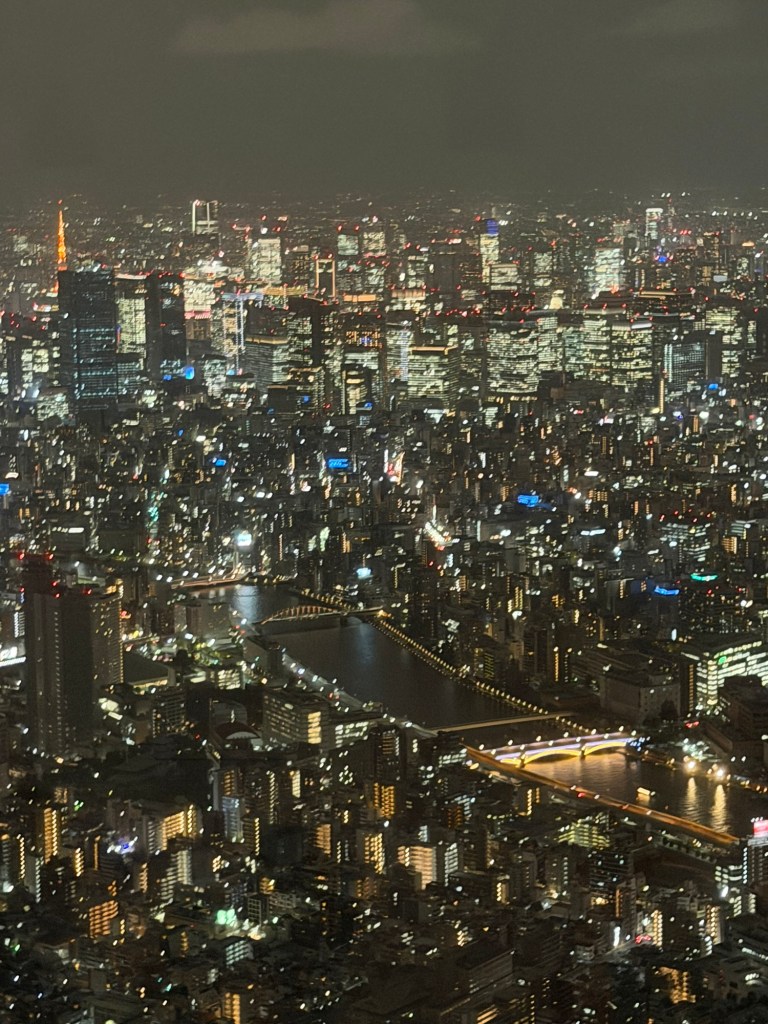
The views were as you would expect from such a height and looking out on such a city. And then, downside looking up…
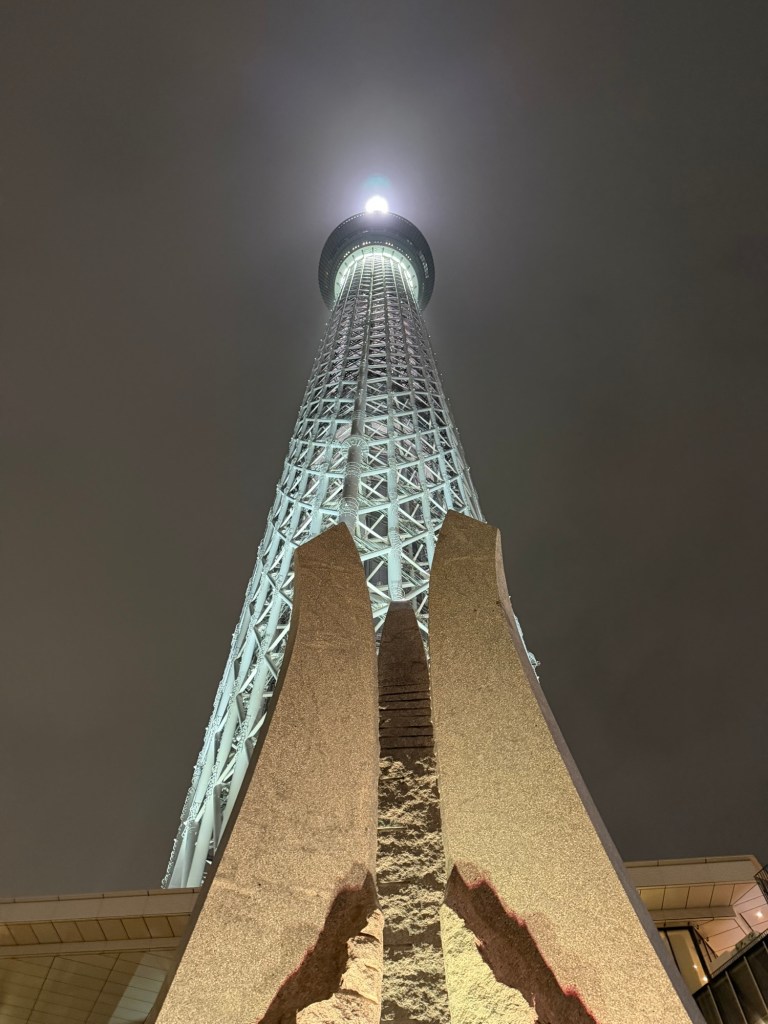
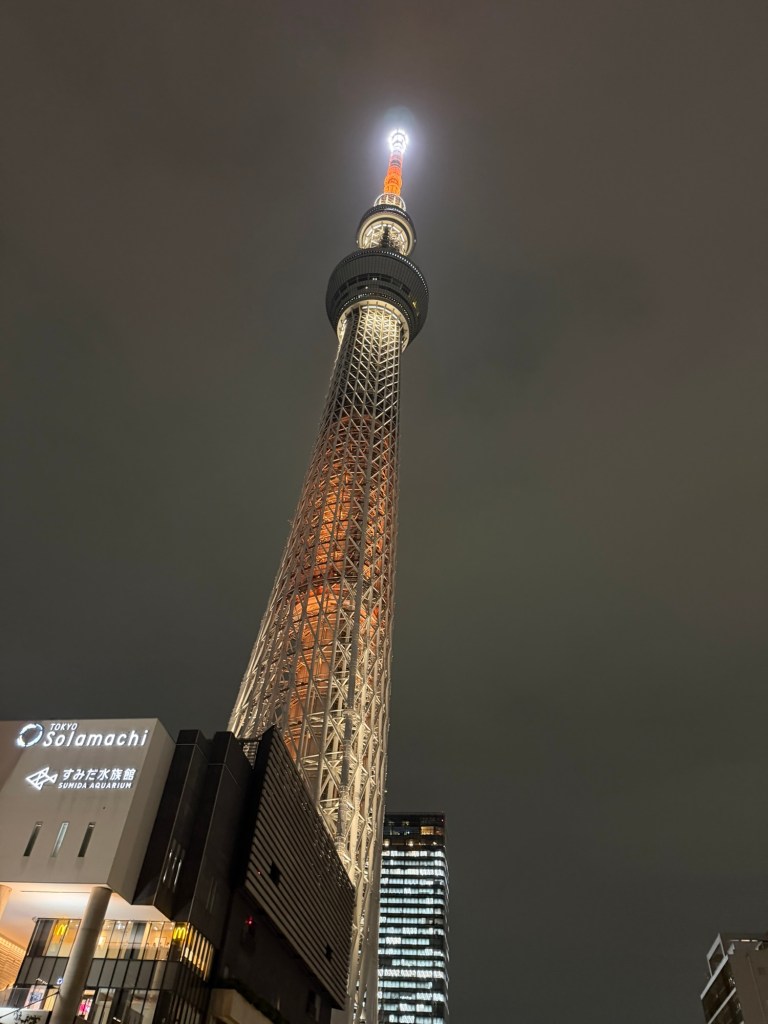
All along, 634m on high, we remained vigilant. It was still in view, and in mind.
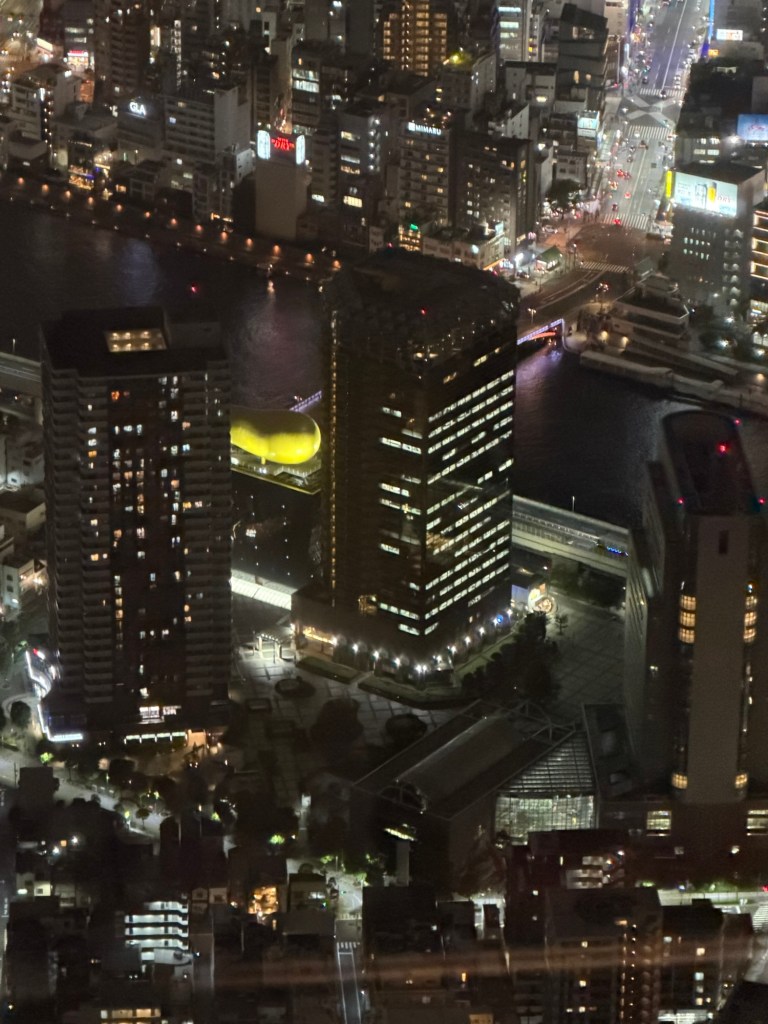
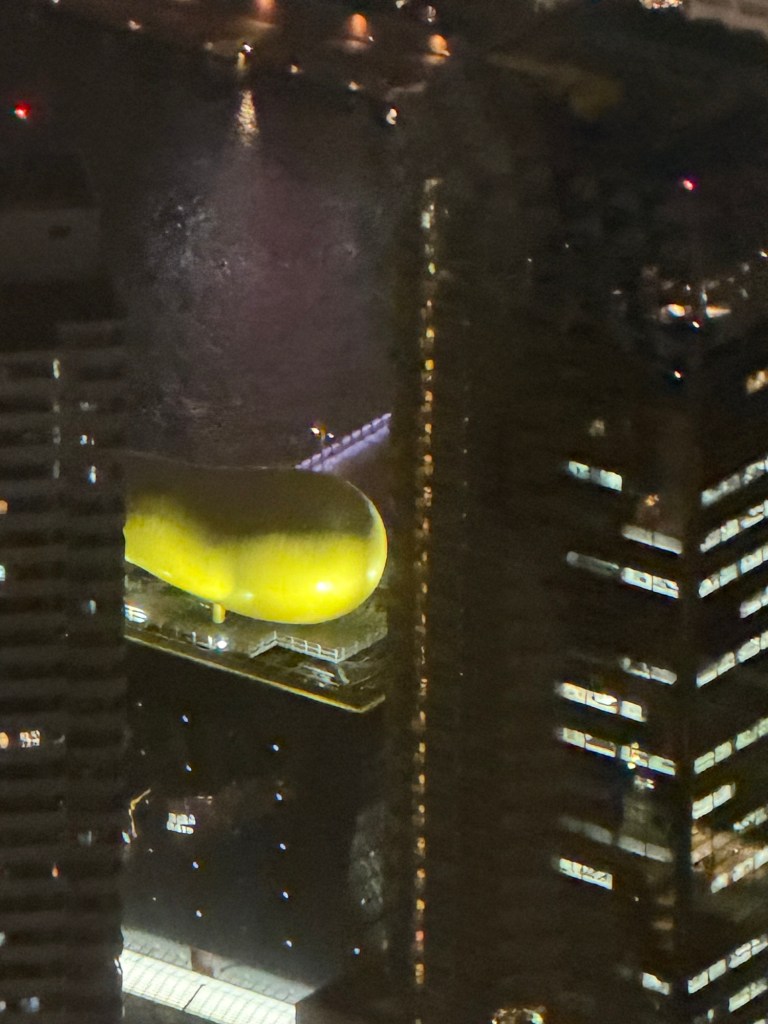
Wearied by the wait, we retraced our steps and, yes…
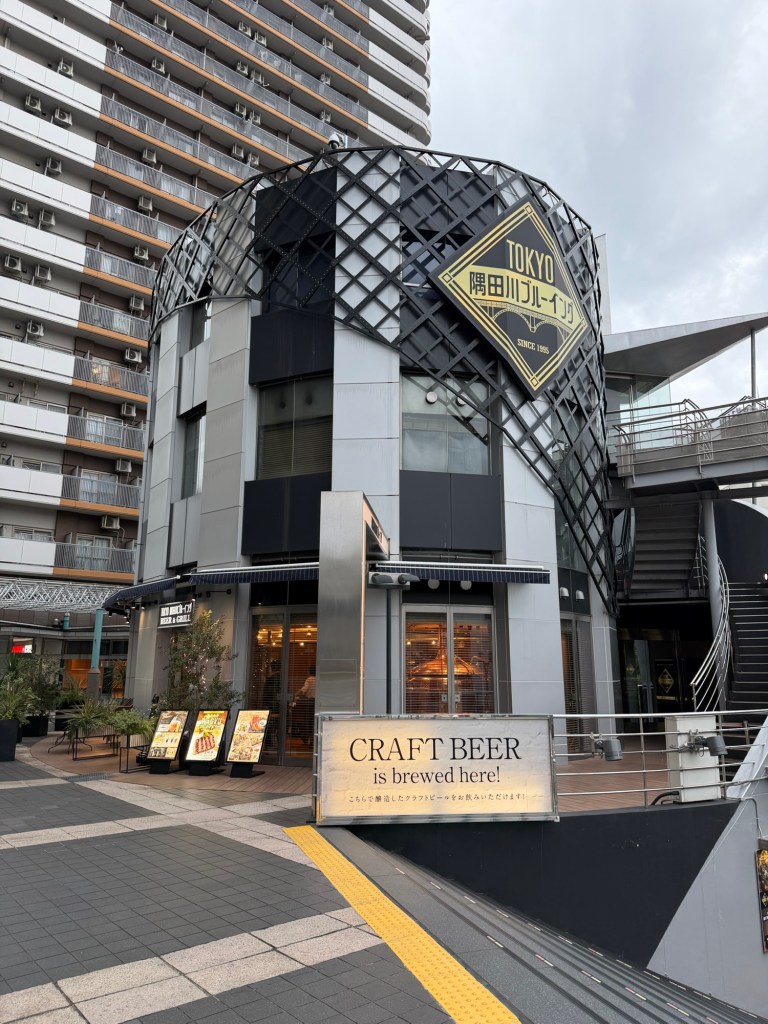
After all, we were in Asahi land
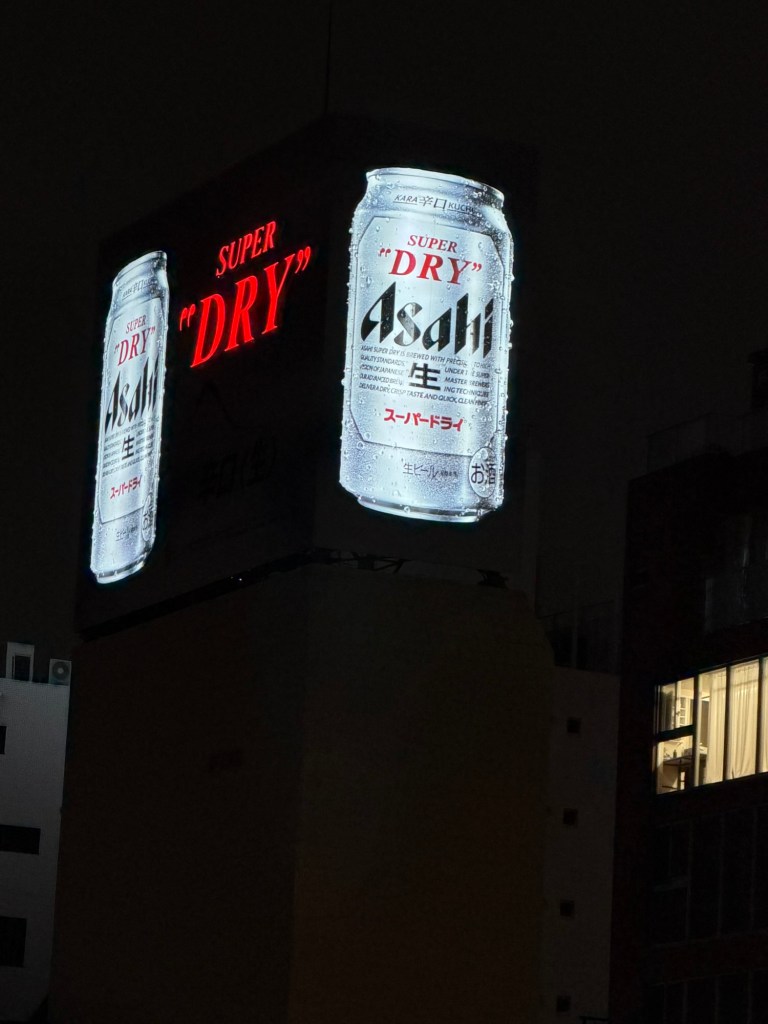
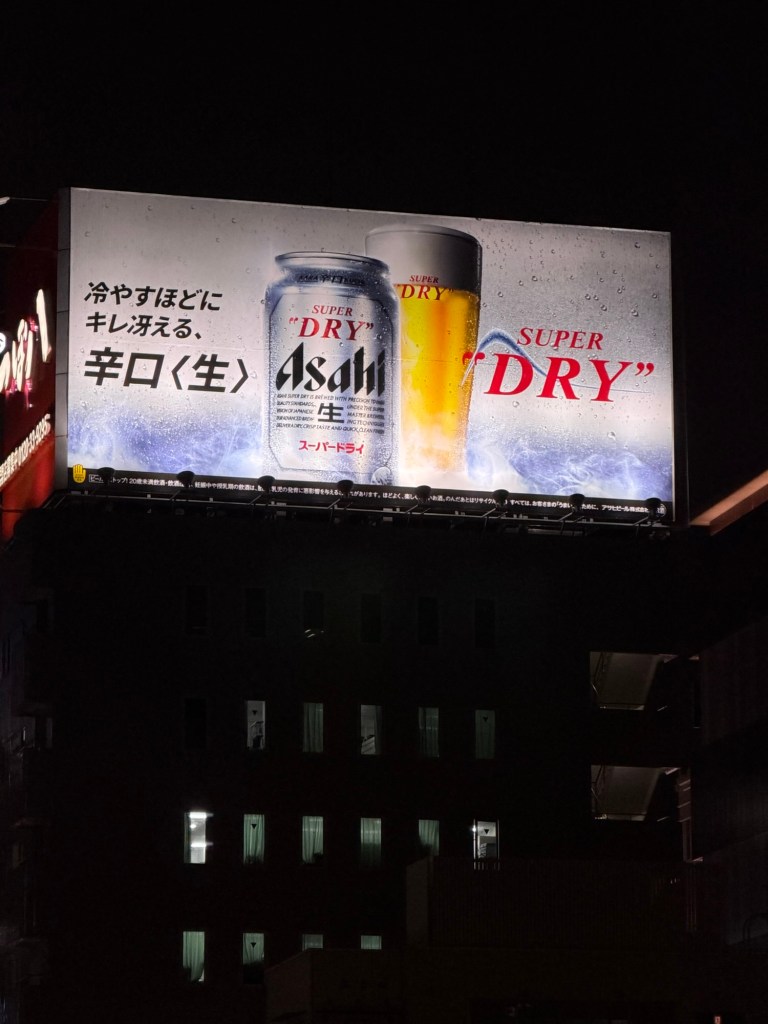
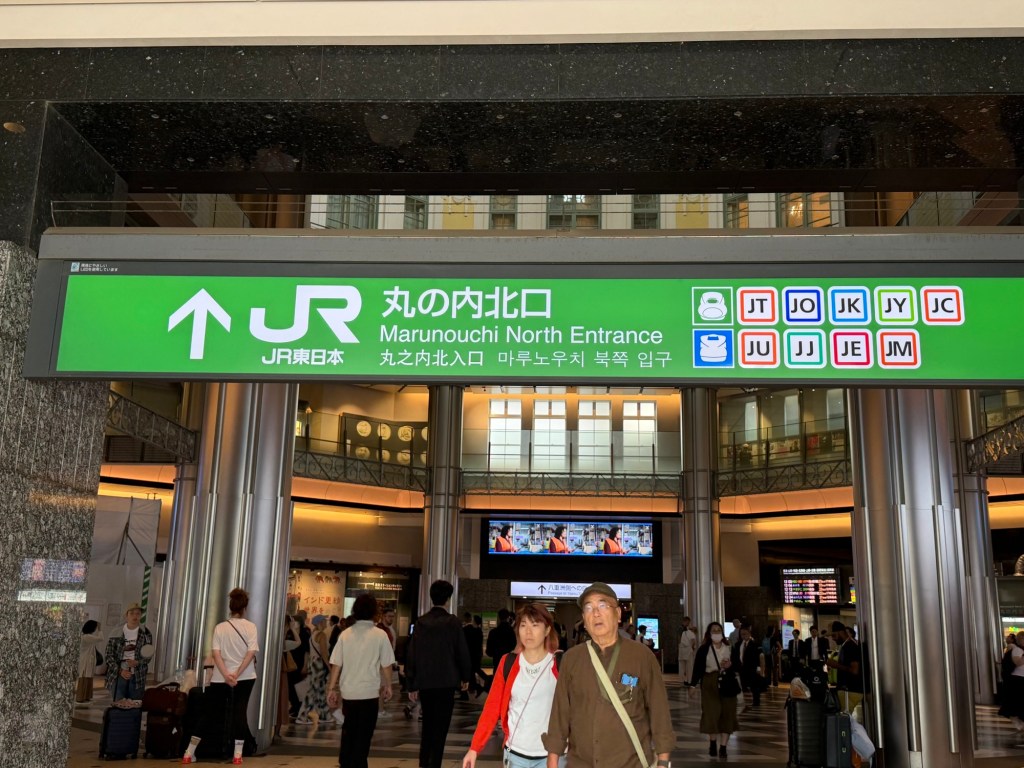
We finally made it back, after another entry/exit gate saga. Not to worry, I am sure we will have it mastered before Friday, when we depart for Kyoto.
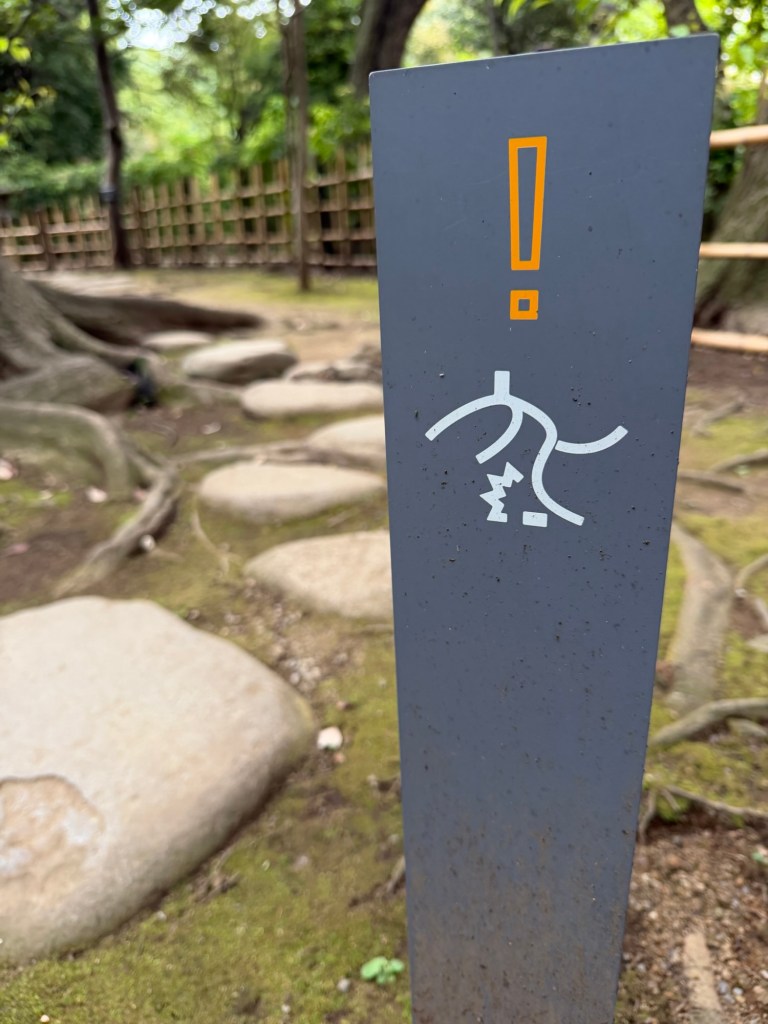
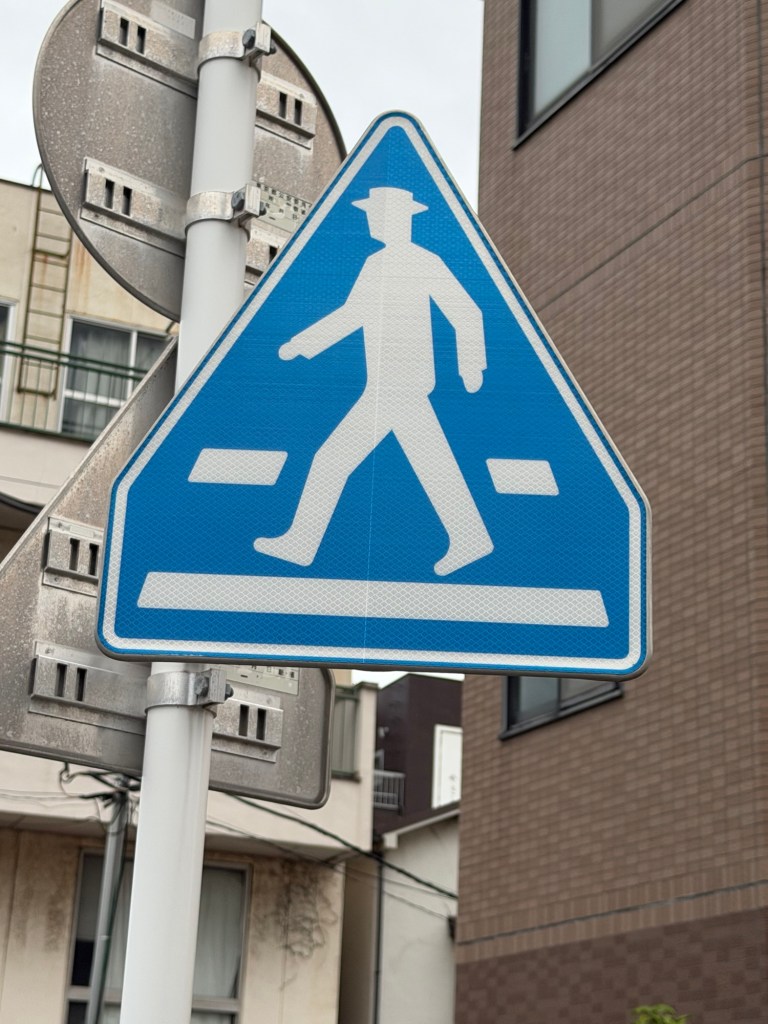
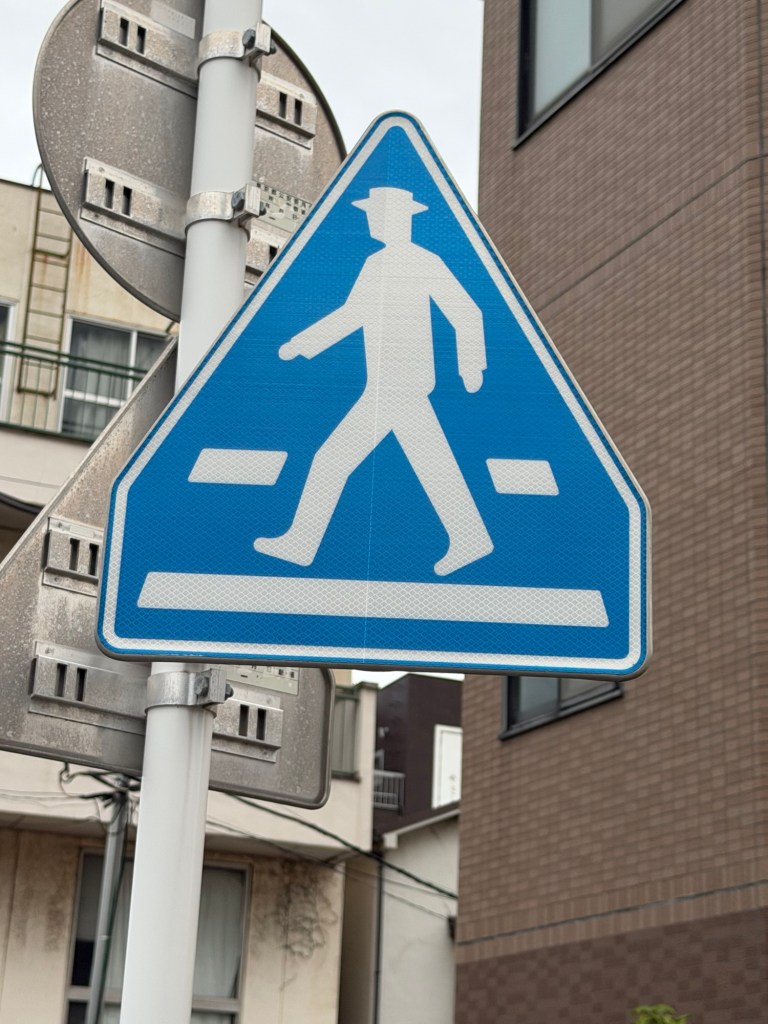
And the award for the signage of the day? We came across this sign in the National Museum garden. A close second to… simply for the natty head wear…
 Sailing off to Sparta
Leave a comment